Few countries on Earth manage to be so many things at once. Thailand is a destination where ancient temple bells ring at dawn, street vendors ladle fragrant broth into plastic bags at midnight, and turquoise water laps at beaches so perfect they look algorithmically generated. For UK travellers, it represents one of the most extraordinary value-for-money long-haul destinations available — a country where a £30-a-day budget feels comfortable and £100 a day feels indulgent. Yet Thailand's appeal goes far beyond cost. It is a place of genuine depth: eleven UNESCO World Heritage Sites, over 40,000 Buddhist temples, one of the world's most celebrated culinary traditions, and a coastline that stretches across two separate seas. This guide covers everything a UK traveller needs to plan a Thailand holiday in 2026 — from the best time to visit and where to stay in Bangkok, Phuket, and Chiang Mai, to daily budget breakdowns, visa requirements post-2025 rule changes, and the activities that genuinely earn their place on your itinerary.
Destination Overview: What Makes Thailand Unmissable
Thailand sits at the heart of mainland Southeast Asia, bordered by Myanmar to the north and west, Laos and Cambodia to the east, and Malaysia to the south. Its geography is extraordinarily varied — from the mountainous, jungle-covered north around Chiang Mai, to the flat central plains of the Chao Phraya River basin where Bangkok sprawls, to the dual-coast peninsula of the south where the Gulf of Thailand and the Andaman Sea frame the country on either side.
Essential Facts for UK Travellers
| Category | Details |
|---|---|
| Capital City | Bangkok (officially Krung Thep Maha Nakhon) |
| Official Language | Thai; English widely spoken in tourist areas |
| Currency | Thai Baht (THB); approximately 45–47 THB to £1 (2026) |
| Time Zone | ICT (Indochina Time) — GMT+7, 6 hours ahead of UK (winter), 5 hours ahead (summer BST) |
| Visa for UK Nationals | Visa-exempt entry for stays up to 60 days (as of late 2024 extension); passport must be valid for 6 months beyond travel dates |
| Electricity | 220V, 50Hz; mixed sockets (Type A/B/C) — bring a universal adaptor |
| Emergency Number | 191 (police), 1669 (ambulance), 1155 (Tourist Police) |
Visa note for 2026: Thailand extended its visa-free policy for British passport holders to 60 days per visit in late 2024, replacing the previous 30-day allowance. This can be extended once at an immigration office for an additional 30 days at a cost of around 1,900 THB (approximately £40). UK travellers planning extended stays beyond 90 days should explore the Thailand Long-Term Resident (LTR) Visa or the Tourist Visa (TR) obtained in advance. Always check the FCDO Thailand travel advice before departure for the most current entry requirements.
Thailand's population of roughly 72 million is predominantly Theravada Buddhist, and this shapes daily life in ways that are immediately visible — from the saffron-robed monks collecting alms at sunrise to the spirit houses adorned with flowers outside every building. Understanding this cultural context makes the destination richer. Religion is not a backdrop here; it is the architecture of the society.
When Is the Best Time to Visit Thailand?
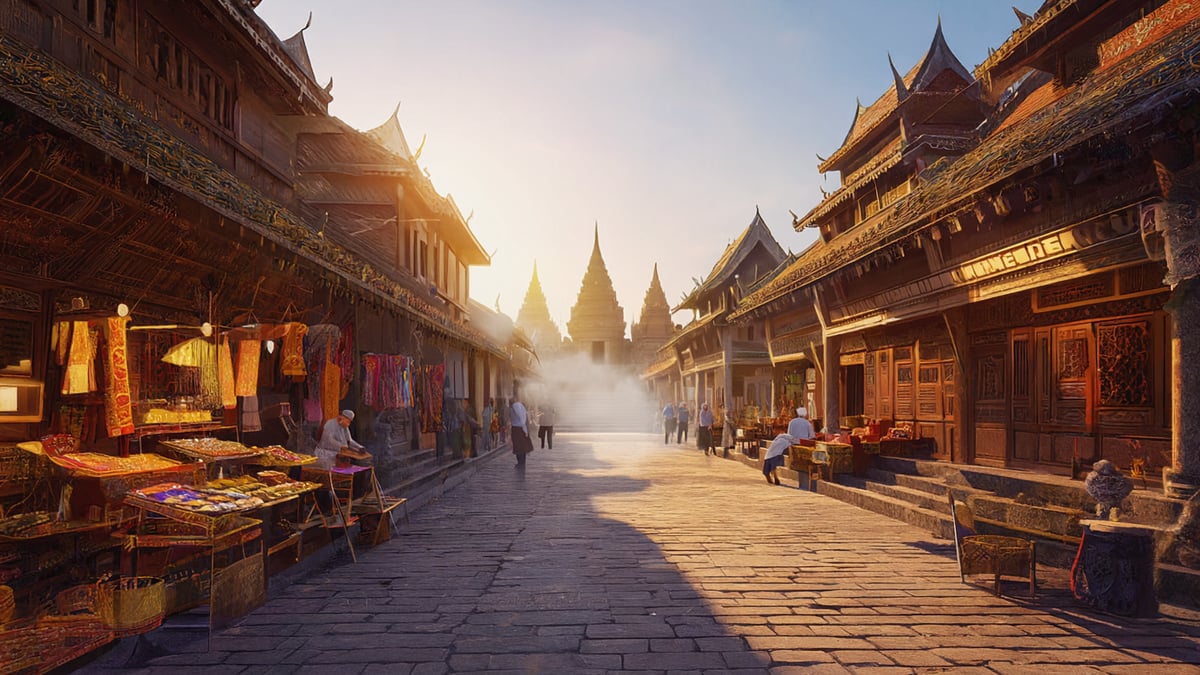
The optimal time to visit Thailand for most UK travellers is between November and early April, when the country's dry season brings reliably sunny skies, lower humidity, and cooler temperatures. However, Thailand's geography means that the "best time" varies significantly depending on which part of the country you are visiting.
Month-by-Month Weather Breakdown
| Month | Bangkok & Central | Phuket & Andaman Coast | Koh Samui & Gulf Coast | Chiang Mai & North |
|---|---|---|---|---|
| Nov–Feb | ✅ Cool & dry (25–32°C) | ✅ Best season (28–33°C) | ⚠️ Nov–Dec rainy; Jan–Feb good | ✅ Cool & clear (15–28°C) |
| Mar–Apr | ⚠️ Very hot (35–40°C) | ✅ Still good, getting humid | ✅ Dry & sunny | ⚠️ Hot, smoke season possible |
| May–Jun | ⚠️ Rainy season begins | ❌ Monsoon (rough seas) | ✅ Relatively dry | ⚠️ Rains begin |
| Jul–Oct | ⚠️ Heavy rain, flooding risk | ❌ Monsoon season | ✅ Gulf coast stays drier | ⚠️ Green but wet |
Peak Season, Shoulder Season & Festivals
Peak season (December to February) is when Thailand fills with international tourists, UK school holiday travellers, and snowbirds escaping European winters. Prices for flights and hotels climb noticeably — expect to pay a premium of 20–40% compared to shoulder season rates. Book at least three to four months in advance for the best availability.
Shoulder season (March to May and October to November) offers a compelling compromise. Temperatures are warm, crowds thin, and hotel rates drop. March and April coincide with Thailand's Songkran festival (Thai New Year, typically 13–15 April), which is one of the world's great street celebrations — a nationwide water fight that transforms every city and town into cheerful, soaking chaos.
Other festivals worth timing a visit around include Loi Krathong (November full moon), when thousands of lit lanterns float skyward over Chiang Mai in one of Asia's most photogenic events, and Yi Peng, Chiang Mai's sister festival celebrated simultaneously. The Vegetarian Festival in Phuket (October) is a more intense, extraordinary affair involving elaborate street processions and rituals.
Best overall recommendation: Late November through early February for first-time visitors seeking beach and city combination itineraries. The weather is reliable across almost all regions, the festival calendar is active, and the country is at its most photogenic.
Where to Stay in Thailand: Area Guides for Every Budget
Choosing where to base yourself in Thailand shapes the entire character of a trip. The country's three most popular destinations — Bangkok, Phuket, and Chiang Mai — each have distinct neighbourhood personalities, and understanding them prevents costly mistakes like booking a luxury hotel in an inconvenient area.
Bangkok: Navigating the City by Neighbourhood
Sukhumvit is Bangkok's most cosmopolitan corridor, stretching along the BTS Skytrain's Sukhumvit Line. It's the natural home base for first-time visitors: excellent transport links, a vast range of dining from street food to Michelin-starred restaurants, international supermarkets, and accommodation at every price point. The lower-numbered sois (side streets) like Soi 11 and Soi 21 are livelier and more tourist-oriented; higher numbers become increasingly residential and local.
Silom and Sathorn form Bangkok's financial district and offer a more business-traveller feel with high-end hotels, excellent transport connections, and proximity to Lumphini Park. The Riverside (Charoen Krung area) has undergone significant gentrification and is now home to some of Bangkok's most distinctive design hotels and art spaces, with easy access to the Grand Palace by river ferry.
Khao San Road remains the backpacker heartland, though it has considerably upgraded since its heyday — budget guesthouses sit alongside boutique hotels, and the street itself offers a unique energy. It is, however, relatively isolated from the Skytrain network.
Phuket: Choosing the Right Beach
Phuket is not a single beach destination but a collection of very different coastal villages. Patong is the most developed and lively — ideal for those who want nightlife, shopping, and a buzzing atmosphere. Kata and Karon are family-friendly with calmer waters and a more relaxed pace. Kamala and Surin attract a more upmarket crowd with boutique resorts and beach clubs. Bang Tao (the Laguna area) is Phuket's luxury heartland, home to several five-star resorts along a long, uncrowded beach.
Chiang Mai: The Old City and Beyond
Staying within or immediately adjacent to Chiang Mai's Old City moat puts you within walking distance of Wat Phra Singh, Wat Chedi Luang, the Sunday Walking Street, and dozens of excellent restaurants. The Nimman Road area (Nimmanhaemin) is the city's trendy, younger quarter — great for coffee shops, boutiques, and contemporary Thai cuisine.
Accommodation Budget Guide
| Budget Tier | Bangkok (per night) | Phuket (per night) | Chiang Mai (per night) | What to Expect |
|---|---|---|---|---|
| Budget | £15–£35 | £20–£45 | £10–£25 | Guesthouses, hostels, basic en-suite rooms; clean, functional |
| Mid-Range | £55–£120 | £70–£150 | £35–£80 | Boutique hotels, pool villas, 3–4 star properties; excellent quality |
| Luxury | £150–£500+ | £180–£700+ | £100–£300+ | World-class five-star resorts, private pool villas, butler service |
One of Thailand's most remarkable qualities is the extraordinary value at its mid-range tier. A £90-per-night hotel in Chiang Mai or Bangkok will frequently deliver a level of service, design, and amenity that would command £300+ in London or other major European cities. This is one reason Thailand consistently ranks among the most popular long-haul destinations for UK travellers.
Book Your Thailand Holiday Now
GlobeHunters offers Thailand package holidays including flights and hotels at competitive prices, with packages starting from £849pp from the UK.
View Thailand Packages & Prices →Or call us: 0208 944 4514
Top Things to Do in Thailand: 10 Experiences Worth Every Baht
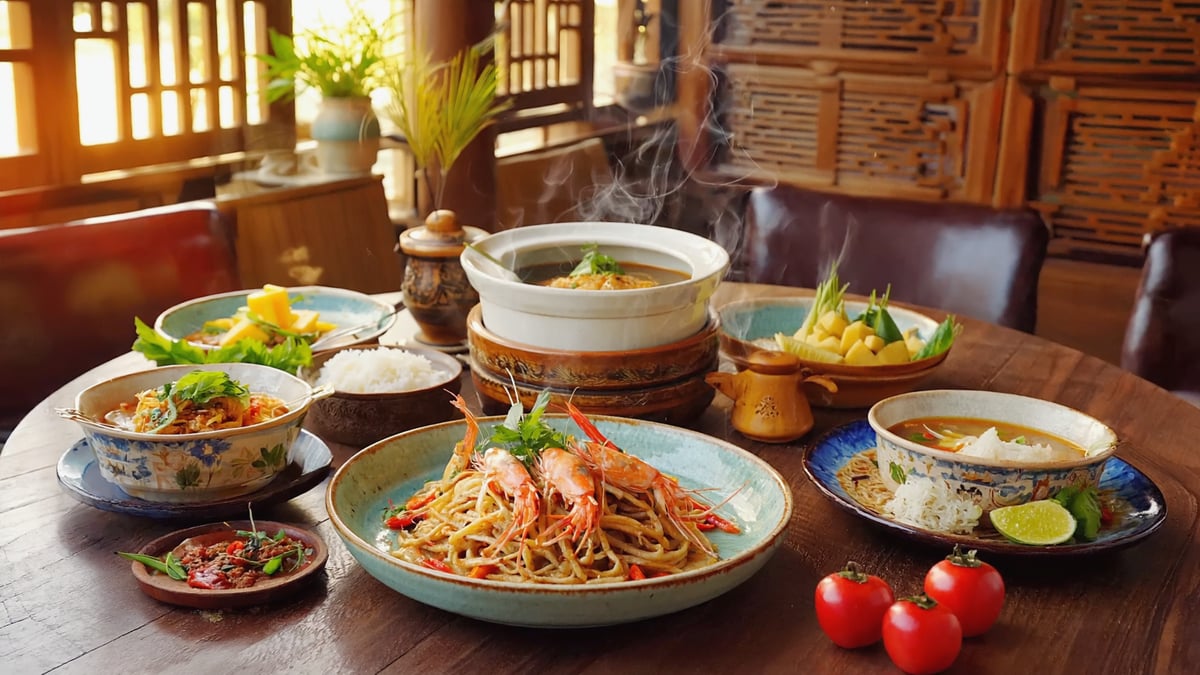
Thailand's activity menu is almost overwhelming in its variety. The ten experiences below represent a curated selection that balances iconic sights with genuine depth — these are not just photo opportunities but encounters that genuinely change how travellers see the country.
1. The Grand Palace & Wat Phra Kaew, Bangkok
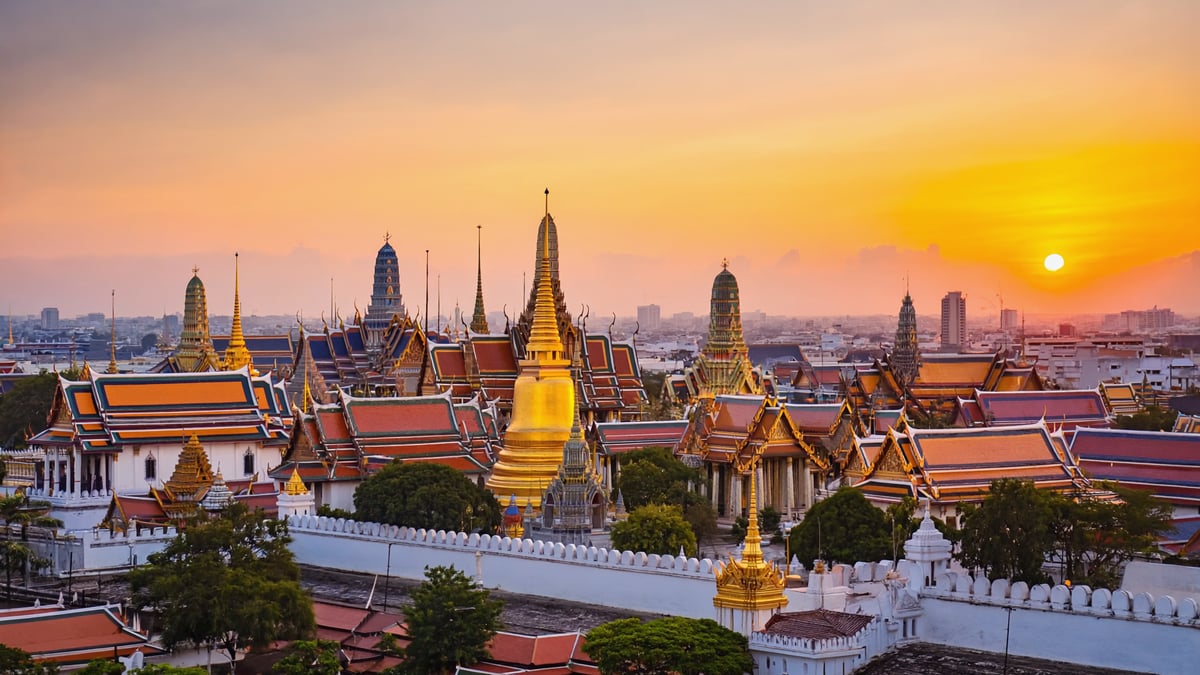
The Grand Palace complex is Thailand's single most-visited attraction, and it earns that status. The compound covers 218,400 square metres and has served as the official residence of the Kings of Siam since 1782. At its heart sits Wat Phra Kaew, the Temple of the Emerald Buddha — a statue carved from a single block of jade that is considered the most sacred object in the kingdom. Entry costs 500 THB (approximately £11) and includes access to the Royal Thai Decorations and Coins Pavilion. Open daily 08:30–15:30. Dress modestly — covered shoulders and knees are mandatory, and sarong wraps are available at the entrance. Arrive before 09:00 to beat the crowds and the heat.
2. Doi Inthanon National Park, Chiang Mai
Thailand's highest peak (2,565 metres) sits within this extraordinary national park approximately 90 minutes from Chiang Mai. The park encompasses two stunning royal chedis, forest trails, Karen hill tribe villages, and the Wachirathan Waterfall. Entry is 300 THB (approximately £6.50) for international visitors, with an additional charge for summit access. The cooler temperatures at altitude make this a genuinely refreshing escape from lowland heat — bring a light jacket even in December. Guided tours from Chiang Mai typically cost £25–£40pp and include transport and a guide.
3. Floating Through the Chao Phraya, Bangkok
Bangkok's river is its original highway and still its most atmospheric. The Chao Phraya Express Boat runs a network of services along the river for as little as 15–40 THB (under £1) per journey, passing temples, colonial-era buildings, and traditional wooden houses. For a more curated experience, sunset dinner cruises aboard traditional rice barges run approximately 1,500–3,000 THB (£32–£65) per person. The river approach to Wat Arun (Temple of Dawn) at golden hour is among Bangkok's finest visual experiences; entry to the temple itself costs 100 THB (approximately £2.15).
4. Phi Phi Islands Day Trip or Overnight Stay
The Phi Phi archipelago — accessible by speedboat (45 minutes, approximately 800–1,200 THB/£17–£26) or slow ferry (two hours, approximately 350 THB/£7.50) from Phuket or Krabi — encompasses some of Southeast Asia's most photographed scenery. Phi Phi Leh, the uninhabited island containing Maya Bay (made famous by the film The Beach), was closed for environmental rehabilitation and reopened with strict visitor caps. Snorkelling trips around the archipelago typically cost 1,200–2,000 THB (£26–£43) including equipment. Staying overnight on Phi Phi Don (the inhabited island) allows access to sunset viewpoints and morning calm before day-trippers arrive.
5. Elephant Nature Park, Chiang Mai
Ethical elephant experiences have become a defining feature of responsible Thailand tourism, and Elephant Nature Park in San Kamphaeng district is one of the original and most respected sanctuaries. Day visits cost approximately 2,500 THB (£54) and involve feeding, bathing, and observing rescued elephants in a natural habitat — no riding, no performances. Booking well in advance is essential; the park is frequently full weeks ahead during peak season. This is a genuinely moving experience that carries real conservation weight.
6. Sunday Walking Street, Chiang Mai
Every Sunday evening, Wualai Road in Chiang Mai's Old City transforms into one of Thailand's finest walking markets. Local artisans sell handmade silver jewellery, silk goods, ceramics, and woodwork alongside street food stalls offering khao soi, mango sticky rice, and grilled meats. Entry is free; budget £10–£20 for food and shopping. The market runs from approximately 17:00 to 22:00. A comparable Saturday night market operates on Wualai Road's sister street at Chiang Mai's Night Bazaar.
7. Snorkelling & Diving in the Similan Islands
The Similan Islands, a marine national park in the Andaman Sea approximately 70km northwest of Khao Lak, are consistently ranked among the top ten dive sites in the world. The water clarity and marine biodiversity — leopard sharks, manta rays, sea turtles, and dense reef fish populations — are exceptional. Live-aboard dive trips typically run £180–£350 for two to three nights; day trips from Khao Lak cost approximately 2,800–3,500 THB (£60–£75). The park is open only from October to May due to monsoon conditions; plan accordingly.
8. A Thai Cooking Class
Thai cooking classes represent one of the best-value cultural experiences available in the country. Half-day classes in Bangkok, Chiang Mai, or Phuket typically cost 1,000–1,800 THB (£22–£39) and include a market visit, hands-on cooking of four to five dishes, and a sit-down meal of everything you have prepared. Industry observation suggests that travellers who take a cooking class rate it among the highlights of their entire trip — the skills are transferable and the cultural insight is genuine. Chiang Mai's classes are particularly renowned for their northern Thai curriculum, which differs significantly from central Thai cooking.
9. Wat Phra That Doi Suthep, Chiang Mai
Perched at 1,073 metres on the mountain overlooking Chiang Mai, Doi Suthep temple is one of Thailand's most sacred sites and the spiritual symbol of the north. The approach via 306-step naga-flanked staircase is part of the ritual. Entry is 30 THB (under £1) for foreign visitors; a tram to the base of the stairs costs an additional 50 THB (approximately £1.10). Shared songthaew (red truck taxis) from the city centre cost around 50–80 THB each way. Visit at sunrise for a near-mystical experience before tour groups arrive.
10. Muay Thai Evening, Bangkok or Chiang Mai
Watching professional Muay Thai at a dedicated stadium is a visceral, unforgettable experience entirely unlike televised combat sports. Rajadamnern Stadium in Bangkok (the country's oldest, founded 1945) and Lumpinee Stadium both host regular evenings. Ringside tickets cost approximately 2,000 THB (£43); standard seating runs 1,000 THB (£22). Bouts last five rounds and are accompanied by live traditional music that intensifies with the action. In Chiang Mai, Kawila Muay Thai Stadium hosts regular fights in a more intimate setting. Budget an evening for this rather than a late night out — the atmosphere is electric and the athleticism extraordinary.
Food & Dining in Thailand: A Guide to Eating Like a Local
Thai cuisine is one of the world's great culinary traditions, and eating well in Thailand requires almost no effort — the challenge is exercising enough restraint not to eat constantly. The country's food culture operates at every price point, from 40 THB (under £1) bowls of noodle soup at street carts to multi-course tasting menus at Bangkok restaurants that hold places on Asia's 50 Best Restaurants list.
Essential Dishes to Try
Pad Thai is Thailand's most globally recognised dish but is often better understood at source: the best versions combine rice noodles, egg, bean sprouts, dried shrimp, and tamarind paste with a textural contrast of crushed peanuts and a squeeze of lime. Tom Kha Gai (coconut milk soup with galangal, lemongrass, and chicken) is deeply aromatic and one of the country's most nuanced dishes. Som Tum (green papaya salad) is a northern Thai staple that demonstrates the cuisine's characteristic balance of sour, spicy, sweet, and salty in a single dish.
In Chiang Mai, seek out Khao Soi — a curried noodle soup with crispy and soft noodles, usually served with chicken or beef, that is arguably the most distinctive dish in northern Thai cooking. On the street food circuit, Pad Kra Pao (stir-fried basil with minced meat and a fried egg) served over rice is the default late-night meal for millions of Thais and costs 60–80 THB (£1.30–£1.75).
Where to Eat by Destination
In Bangkok, the street food corridors around Chinatown (Yaowarat Road) come alive after dark with grilled seafood, congee, and roast duck vendors operating from metal carts under neon signs. The Or Tor Kor Market near Chatuchak is Bangkok's finest fresh produce and prepared food market — an outstanding place for breakfast. For sit-down dining, the Silom and Sathorn areas offer a concentration of acclaimed Thai restaurants alongside international options.
In Chiang Mai, the Saturday and Sunday Night Markets are excellent for food grazing, but the real gem is Talat Warorot (the main market) where local vendors serve northern Thai specialities at prices aimed at locals. The Nimman area has a thriving café culture with outstanding coffee — Thailand's northern highlands produce some of Southeast Asia's finest arabica beans.
Dietary Considerations
Vegetarian and vegan travellers are well-served in Thailand, particularly in cities and tourist areas. The phrase "gin jay" (กินเจ) indicates strictly vegan Buddhist food, and restaurants displaying the yellow jay flag serve entirely plant-based menus. However, fish sauce and shrimp paste are ubiquitous in Thai cooking, and even dishes described as vegetarian may contain them — always communicate clearly. Halal food is widely available in southern Thailand due to the region's Muslim population, and Bangkok has a growing number of certified halal restaurants. Gluten-free travellers should note that Thai cuisine uses relatively little wheat, though soy sauce (containing wheat) appears in some dishes — rice noodle dishes are generally a safe choice.
Getting to Thailand from the UK: Flights, Routes & Transfers
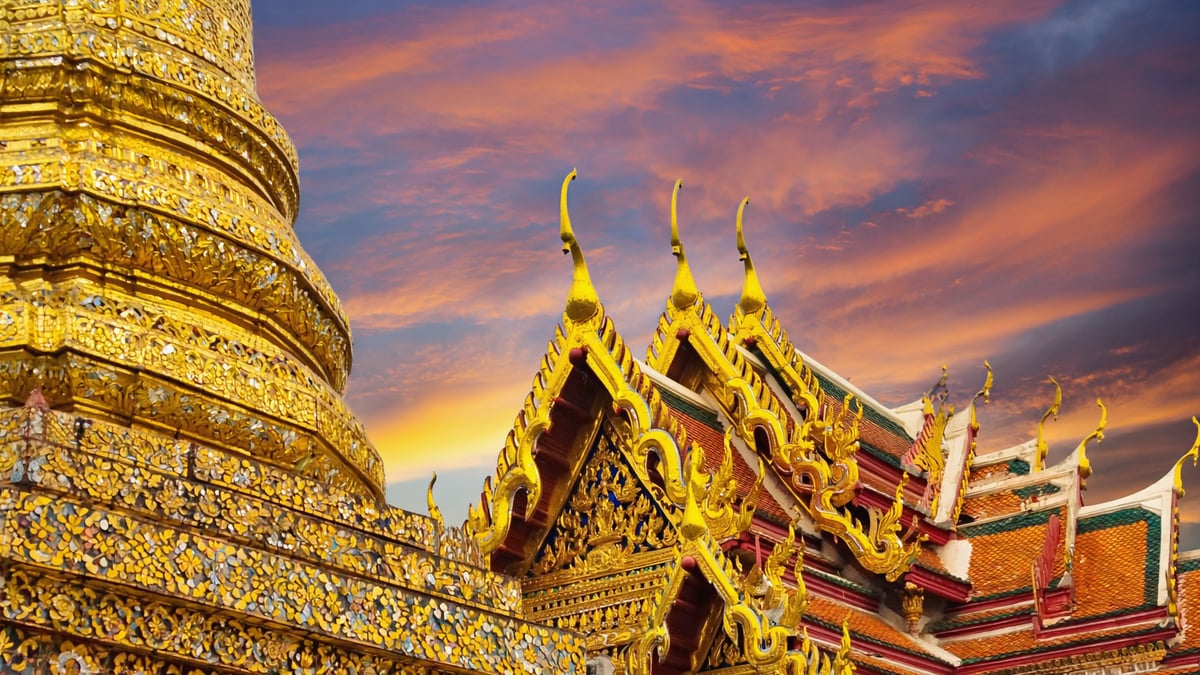
Thailand is approximately 5,900 miles from London, making it a long-haul destination with flight times ranging from around 11 hours (direct) to 14–18 hours (with a stop). The good news for UK travellers is that Thailand is extremely well-served by airlines operating from multiple UK airports.
Direct Flights
Thai Airways operates direct (non-stop) services between London Heathrow (LHR) and Bangkok Suvarnabhumi (BKK), with a flight time of approximately 11 hours 15 minutes. British Airways also operates direct Heathrow–Bangkok services. These non-stop routes are the most convenient option but typically carry a premium over connecting flights.
Connecting Flight Options
The majority of Thailand packages from UK travel agencies use one-stop routings, which offer significantly lower prices. Common connecting hubs include:
- Dubai (DXB) via Emirates — consistently competitive pricing, strong cabin product, good connections to both Bangkok and Phuket
- Doha (DOH) via Qatar Airways — award-winning service, particularly strong on the Bangkok route
- Abu Dhabi (AUH) via Etihad — another Gulf carrier option with competitive fares
- Kuala Lumpur (KUL) via Malaysia Airlines or AirAsia — useful for onwards connections within Southeast Asia
- Helsinki (HEL) via Finnair — a surprisingly popular routing from UK regional airports via Helsinki to Bangkok
Regional UK Departure Airports
While London Heathrow dominates Thailand-bound departures, travellers from outside London have good options. Manchester (MAN) offers connecting services via Gulf carriers that are highly competitive. Edinburgh (EDI) and Birmingham (BHX) travellers typically connect through London, Amsterdam, or Gulf hubs. Budget appropriately for domestic connections when comparing total journey cost.
Bangkok Suvarnabhumi Airport Transfers
Bangkok's main airport (BKK) is connected to the city centre by the Suvarnabhumi Airport Rail Link, which runs to Phaya Thai station (city centre) in approximately 30 minutes for 45 THB (under £1). A metered taxi to Sukhumvit typically costs 250–350 THB (£5.40–£7.60) plus a 50 THB airport surcharge and expressway tolls. Pre-booked private transfers via the airport arrival hall run approximately 600–900 THB (£13–£19) and are a sensible option on arrival when jet-lagged.
Phuket International Airport (HKT) receives direct flights from several Gulf hubs. Metered taxis to Patong cost approximately 600–700 THB (£13–£15); the airport limousine service charges a fixed 1,000 THB (£22) to most beach areas.
Thailand Holiday Budget Guide: What to Expect at Every Price Point
Thailand is one of the world's most versatile destinations in terms of budget flexibility. The same country that hosts £700-per-night over-water villas also sustains travellers comfortably on £25 per day. The table below provides realistic daily budget estimates excluding flights and accommodation — these are spending money figures for food, activities, local transport, and incidentals.
Daily Budget Breakdown (Excluding Accommodation & Flights)
| Category | Budget Traveller (£/day) | Mid-Range (£/day) | Luxury (£/day) |
|---|---|---|---|
| Food & Drink | £5–£10 | £20–£40 | £60–£120 |
| Local Transport | £2–£5 | £8–£15 | £20–£50 |
| Activities & Entrance Fees | £3–£8 | £15–£35 | £50–£150 |
| Miscellaneous (shopping, tips, SIM) | £3–£7 | £10–£20 | £30–£80 |
| Daily Total | £13–£30 | £53–£110 | £160–£400 |
Full Holiday Cost Estimates (14 Nights, Including Flights from UK)
| Holiday Type | Estimated Cost per Person | What's Included |
|---|---|---|
| Budget Package | £849–£1,100 | Return flights, 14 nights guesthouse/budget hotel, no transfers |
| Mid-Range Package | £1,200–£1,800 | Return flights, 14 nights 3–4 star hotel, airport transfers |
| Luxury Package | £2,200–£3,500+ | Business class or premium economy, 5-star resorts, private transfers, selected activities |
| Honeymoon Package | £1,800–£4,000+ | Flights, pool villa accommodation, couples' spa treatments, romantic dinners |
Money-saving tip: Withdraw cash from ATMs in Thailand rather than exchanging currency at UK airports. Thai ATMs typically apply a 220 THB (approximately £4.75) fixed fee per transaction — minimise this by withdrawing larger amounts less frequently. Use a fee-free debit card such as Starling or Monzo to avoid additional UK bank charges. Credit cards are accepted at most hotels, large restaurants, and shopping centres but less commonly at street food vendors and smaller establishments.
Travel Tips, Safety & Cultural Etiquette for Thailand
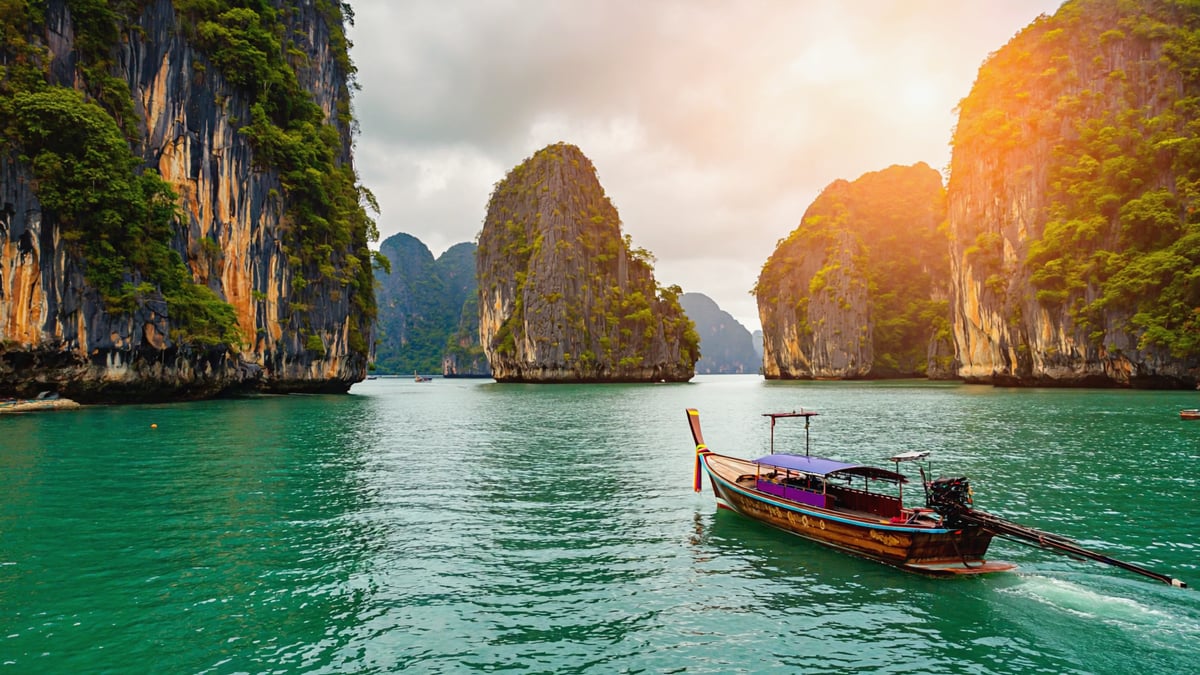
Thailand is generally a safe destination for UK travellers, consistently ranked among the more straightforward countries to navigate in Southeast Asia. That said, awareness of local customs, common scams, and practical safety considerations will substantially improve the quality of any visit.
Cultural Etiquette: The Non-Negotiables
The Monarchy: Thailand's lèse-majesté laws are among the strictest in the world. Any perceived insult to the royal family — including social media posts, jokes, or gestures — can result in arrest and prosecution. This is not a theoretical risk; tourists have faced legal consequences. Exercise extreme caution and simply avoid the subject in public.
Temples: Cover your shoulders and knees when visiting temples. Remove shoes before entering any temple building (look for the shoe pile outside). Never point your feet at a Buddha image or a monk. Women should never hand anything directly to a monk — place items on the ground or a cloth for the monk to collect.
The Head and Feet: The head is considered the most sacred part of the body; never touch a Thai person's head, even a child's. Feet are considered the lowest and least sacred — avoid pointing them at people or sacred objects, and do not step over someone seated on the ground.
Public Affection: While attitudes are evolving in urban areas, public displays of affection beyond hand-holding are considered inappropriate in conservative contexts, particularly near temples.
Common Scams and How to Avoid Them
The "Grand Palace is closed today" scam remains active in Bangkok: a friendly stranger informs you that your destination is closed for a special ceremony and offers to take you to a gem shop or alternative attraction instead. The Grand Palace is almost never closed to tourists during normal hours — ignore this approach entirely.
Tuk-tuk tour scams follow a similar pattern — a very cheap or free tuk-tuk ride that involves mandatory stops at shops where the driver receives commission. Metered taxis and Grab (Thailand's dominant ride-hailing app, broadly equivalent to Uber) are far more reliable for city transport.
Jet ski damage scams in Phuket involve operators claiming pre-existing damage was caused by the renter after return. Always photograph and video the jet ski comprehensively before and after rental, and ideally pay with a credit card for chargeback protection.
Health Considerations
No vaccinations are legally required for entry from the UK, but the NHS and travel health clinics typically recommend ensuring hepatitis A, typhoid, and tetanus vaccinations are current. Rabies vaccination is recommended for longer stays or those planning rural activities. Dengue fever is endemic in Thailand — use DEET-based insect repellent, particularly around dawn and dusk. The tap water is not considered safe to drink; bottled water is inexpensive and widely available. Comprehensive travel insurance with medical evacuation cover is essential — private hospital care in Thailand is excellent but expensive without insurance.
Practical Packing Tips
- Pack a light scarf or sarong — essential for temple visits and useful as a beach cover-up
- Bring reef-safe sunscreen — many Thai marine parks now ban chemical sunscreens harmful to coral
- Download the Grab app before arrival for reliable, metered ride-hailing across Bangkok, Chiang Mai, and Phuket
- Purchase a local SIM card on arrival — AIS, DTAC, and True Move offer tourist SIMs with generous data for 200–300 THB (£4.30–£6.50) for 30 days
- Carry small denomination notes (20 and 50 THB) for street food, tuk-tuks, and temple donations
- Pack insect repellent, lightweight long-sleeved clothing for evening use, and flip-flops for easy temple access
LGBTQ+ Travel
Thailand has a well-established reputation as one of Asia's most LGBTQ+-friendly destinations, and Bangkok in particular has a vibrant, visible queer community centred around the Silom area. Same-sex marriage became legal in Thailand in January 2025, marking a significant milestone. Public displays of affection remain more conservative outside major cities, and general cultural discretion is advisable. The annual Bangkok Pride parade draws tens of thousands of participants and has grown significantly in recent years.
Frequently Asked Questions About Thailand Holidays from the UK
Do UK citizens need a visa to visit Thailand in 2026?
No. UK passport holders are currently entitled to visa-free entry to Thailand for stays of up to 60 days per visit. This policy was extended from the previous 30-day allowance in late 2024. Your passport must be valid for at least six months beyond your planned departure date from Thailand. For stays beyond 60 days, a visa extension can be obtained at a Thai immigration office for approximately 1,900 THB (£40).
What is the best time of year to visit Thailand from the UK?
The optimal travel window for most destinations in Thailand is November to early April, when dry season conditions prevail. December and January offer the most reliably comfortable weather across Bangkok, Chiang Mai, and the Andaman coast (Phuket, Krabi). If you are specifically visiting the Gulf coast (Koh Samui, Koh Phangan), January to September is preferable, as that coast receives its main rainfall from October to December.
How long is the flight from the UK to Thailand?
Direct (non-stop) flights from London Heathrow to Bangkok Suvarnabhumi take approximately 11 hours 15 minutes. Connecting flights via Gulf hubs (Dubai, Doha, Abu Dhabi) typically add three to four hours to the total journey time, making overall travel time 14–17 hours depending on layover length. There are no non-stop services to Phuket from the UK; connecting flights via the Gulf or Kuala Lumpur are the standard option.
Is Thailand safe for solo UK travellers?
Yes, Thailand is generally considered a safe destination for solo travellers, including solo women. The tourist infrastructure is well-developed, English is widely spoken in tourist areas, and the Tourist Police (1155) are specifically trained to assist foreign visitors. Standard precautions apply: stay aware of your surroundings at night, use Grab rather than unmarked taxis, and keep copies of important documents separate from the originals. The FCDO Thailand travel advice page provides the most current safety assessment.
What currency is used in Thailand and how should I manage money?
The Thai Baht (THB) is the official currency. In 2026, the exchange rate is approximately 45–47 THB to £1, though this fluctuates. The most cost-effective approach for UK travellers is to withdraw cash from Thai ATMs using a fee-free UK debit card (such as Starling, Monzo, or Chase UK). Each ATM withdrawal incurs a fixed Thai bank fee of around 220 THB — minimise this by making fewer, larger withdrawals. Cards are accepted at hotels, supermarkets, and larger restaurants, but cash is essential for street food, markets, and smaller establishments.
What vaccinations do I need for Thailand?
No vaccinations are legally required for entry to Thailand from the UK. However, NHS and travel health professionals typically recommend ensuring you are up to date with hepatitis A, typhoid, tetanus, and diphtheria vaccinations. Rabies vaccination is advisable for extended stays or those planning outdoor activities. Malaria prophylaxis is generally not required for standard tourist itineraries focused on Bangkok, Phuket, and Chiang Mai, but may be recommended for remote border areas. Consult your GP or a travel health clinic at least six to eight weeks before departure.
How much spending money do I need per day in Thailand?
Daily spending money (excluding flights and accommodation) varies considerably by travel style. Budget travellers can manage comfortably on £20–£30 per day covering all meals, local transport, and basic activities. Mid-range travellers typically spend £60–£100 per day, allowing for restaurant meals, tours, and comfortable transport. Luxury travellers might spend £200 or more per day on spa treatments, fine dining, and private excursions. Thailand remains one of the world's best-value long-haul destinations for UK travellers across all spending tiers.
What are the must-visit destinations in Thailand for first-time visitors?
The classic first-timer's Thailand itinerary combines Bangkok (two to three nights for temples, markets, and food), Chiang Mai (two to three nights for cultural experiences, cooking classes, and elephant sanctuaries), and a southern beach destination such as Phuket, Krabi, or Koh Samui (five to seven nights). This combination covers three fundamentally different experiences — urban megacity, cultural mountain city, and tropical coastline — within a manageable 10–14 day trip.
Can I get a Thailand package holiday from UK airports outside London?
Yes. While London Heathrow has the most direct connections to Bangkok, travellers from Manchester, Edinburgh, Birmingham, and other UK regional airports can access competitive Thailand packages via connecting services through Gulf hubs (Dubai, Doha, Abu Dhabi) or European hubs. Many package holiday providers, including GlobeHunters, can accommodate regional UK departure airports — call 0208 944 4514 to discuss options for your nearest airport.
Is Thailand a good destination for a honeymoon?
Thailand is consistently rated among the world's top honeymoon destinations and with good reason. The combination of luxury accommodation at genuinely accessible prices (private pool villas that would cost £500+ per night in the Maldives can be found in Phuket or Koh Lanta for £150–£250), outstanding cuisine, romantic beach settings, and cultural richness makes it ideal for couples. The islands of Koh Lanta, Koh Yao Noi, and Koh Lipe offer particularly peaceful, uncrowded alternatives to the busier resorts for honeymooners seeking seclusion.
How far in advance should I book a Thailand holiday?
For travel during peak season (December to February), booking three to five months in advance is strongly recommended for the best combination of price and availability, particularly for popular resorts in Phuket and Koh Samui. Shoulder season travel (March to May, September to November) allows more flexibility, and last-minute deals occasionally appear. For specialist experiences such as Elephant Nature Park visits or Loi Krathong / Yi Peng festival accommodation in Chiang Mai, book as early as possible — these sell out months ahead.
What is the Thailand Entry Requirement (TM6 / arrival card) situation in 2026?
Thailand abolished its paper TM6 arrival card for most visitors in 2022, and the process has remained streamlined since. Arrivals at major international airports typically complete immigration formalities without filling in a card — simply present your passport at the immigration counter. However, requirements can change, and it is worth checking the Thailand Immigration Bureau's current guidelines before travel. Some airlines may still distribute cards on board; follow crew instructions.
Plan Your Thailand Holiday 2026: Final Thoughts
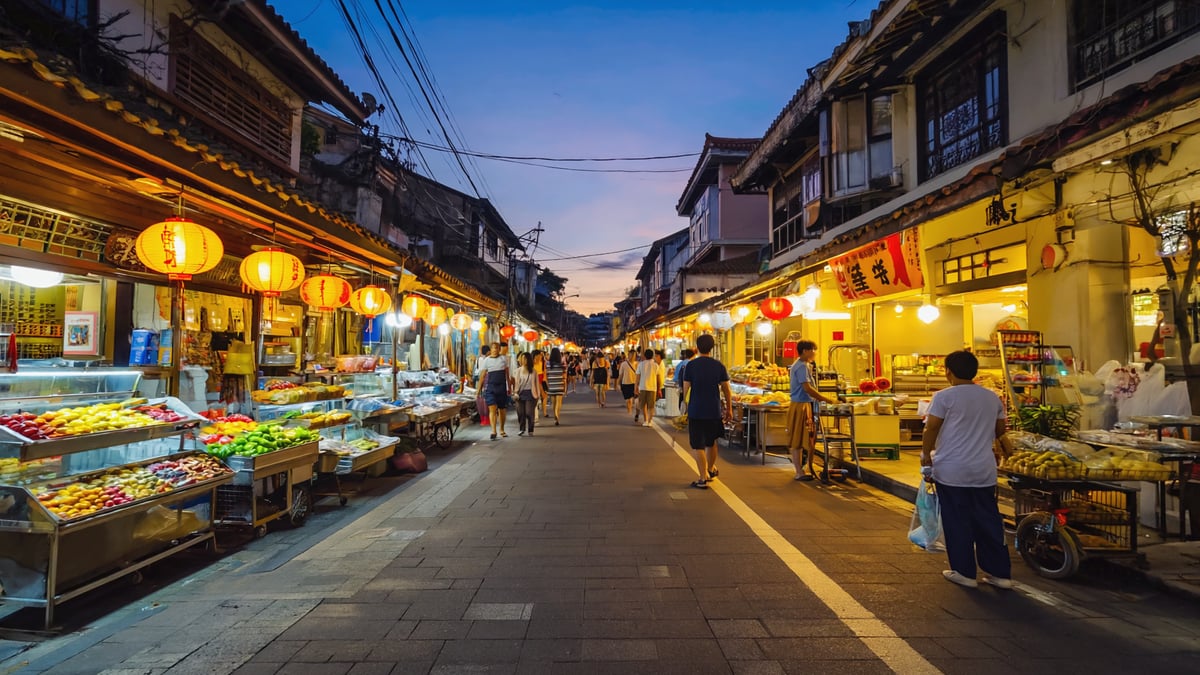
Thailand is one of those rare destinations that manages to exceed expectations regardless of what you bring to it. Arrive seeking temples and you will leave transformed by the food. Come for the beaches and you will find yourself unexpectedly moved by a sunrise over a gilded spire. Plan a relaxing resort stay and somehow end up on a cooking class, a long-tail boat, or watching Muay Thai at midnight. The country has a way of expanding the boundaries of what a holiday can be.
For UK travellers in 2026, the practical picture is unusually favourable. The 60-day visa-free allowance provides genuine flexibility for longer stays. The exchange rate continues to make Thailand excellent value relative to comparable beach destinations in the Caribbean or Mediterranean. Flight options have never been more varied, with Gulf carriers in particular offering competitive fares and high service standards.
Whether you are planning a first visit combining Bangkok city culture with Phuket beach relaxation, a more adventurous northern Thailand itinerary through Chiang Mai and the hill tribe villages, or a dedicated honeymoon escape to a private pool villa on a quieter island, Thailand rewards the investment of time and planning with experiences that genuinely endure. The sensory memory of a bowl of khao soi eaten on a plastic stool in Chiang Mai, or the silence at Doi Suthep temple before the tour groups arrive, or the moment a longtail boat rounds a limestone karst and reveals a hidden lagoon — these are the kind of experiences that make people return to Thailand again and again, year after year.
For package pricing, availability, and expert advice from consultants who know the destination in depth, contact GlobeHunters on 0208 944 4514 or explore current packages below.
Book Your Thailand Holiday Now
GlobeHunters offers Thailand package holidays including flights and hotels at competitive prices, with packages starting from £849pp from the UK. Expert consultants available to tailor your perfect Thailand itinerary.
View Thailand Packages & Prices →Or call us: 0208 944 4514
About the author
Spiros Maragkoudakis · Chief Commercial Officer
Ready to Book Your Thailand Holiday?
Our travel experts are ready to help you plan the perfect trip. Call us today or browse our latest deals.
Ready to Start Planning?
Speak to our travel experts for personalised advice and the best deals on your next holiday.
Call 0208 944 4514