Tenerife is one of those destinations that almost everyone in the UK has an opinion on, yet far fewer people actually understand before they book. It gets lumped in with "the Canaries" as if it were a single beach with a single weather forecast, when in reality it is a large volcanic island where your choice of resort changes everything: the price you pay, the weather you get, the crowd you holiday alongside, and whether you come home relaxed or wishing you had picked somewhere else on the same island.
This guide is written for the way British travellers really decide on Tenerife holidays — weighing one resort against another, working out whether the sunny south or the greener north suits you, and trying to get a straight answer on what it all costs in pounds. We sell tailored Tenerife package holidays on an enquiry basis, which means we spend our days matching real people to the right corner of the island. Here is the honest version of what we tell them.
Why Tenerife Keeps Pulling UK Holidaymakers Back
The pull is simple to explain and hard to beat: roughly a four-and-a-half-hour flight from most UK airports, no jet lag worth mentioning, the euro rather than a far-flung currency, and a climate that behaves itself when Britain is at its bleakest. Tenerife sits off the coast of Africa, far enough south that its southern resorts stay warm and dry through the winter when the Mediterranean has gone cold and grey.
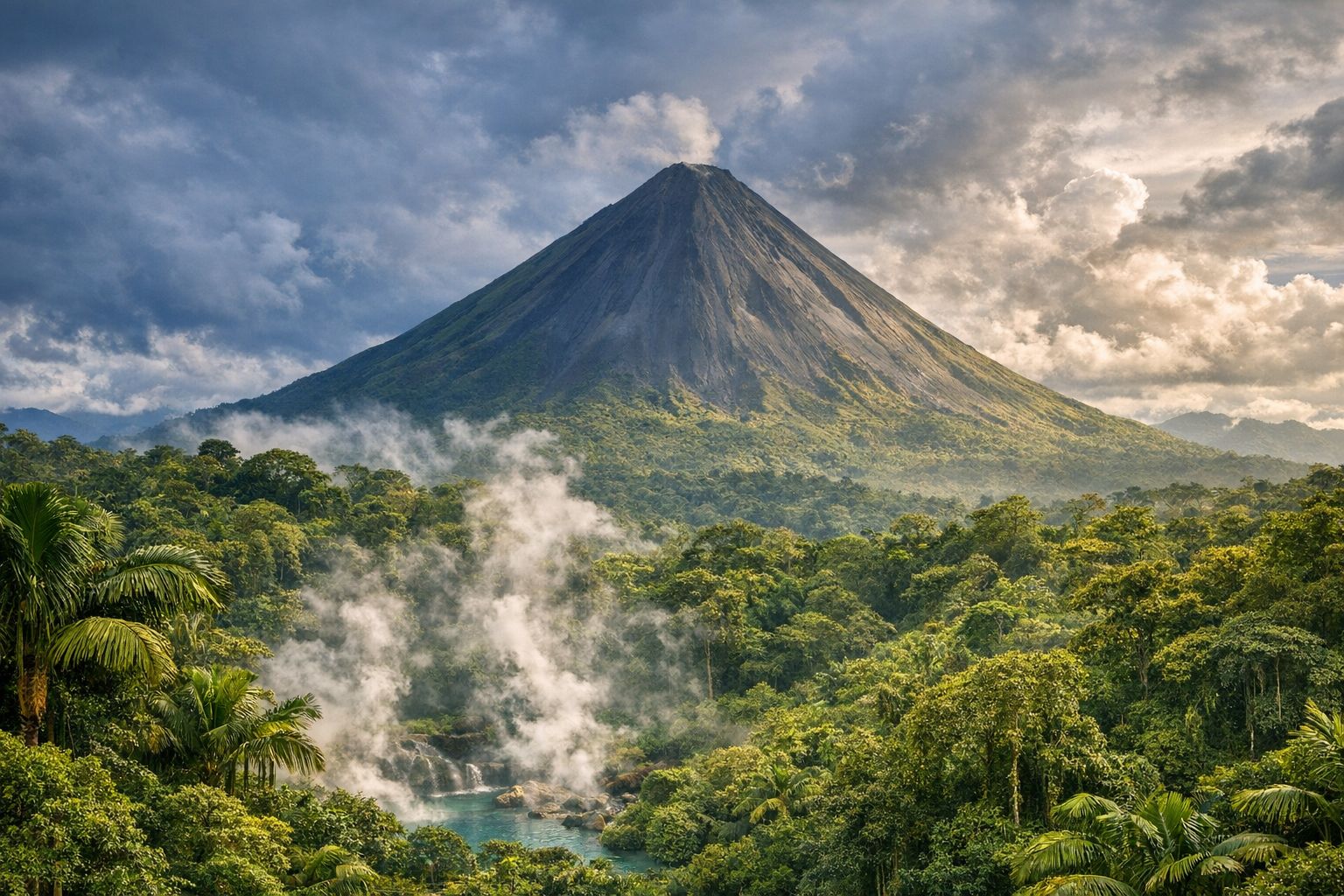
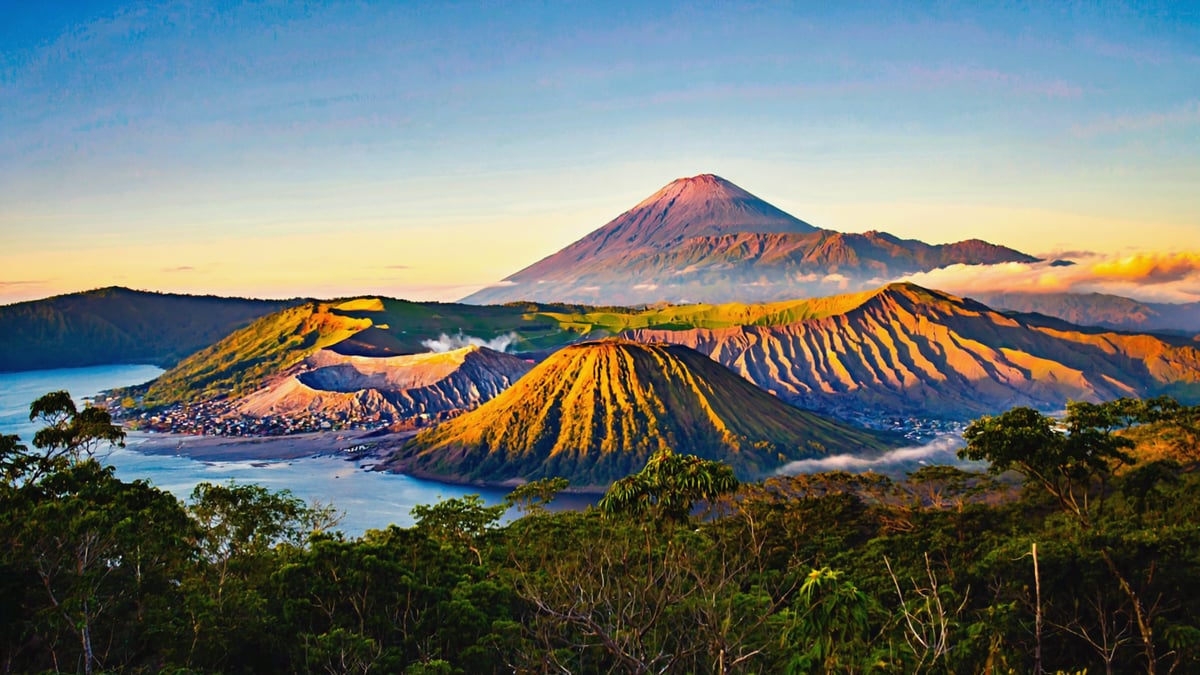
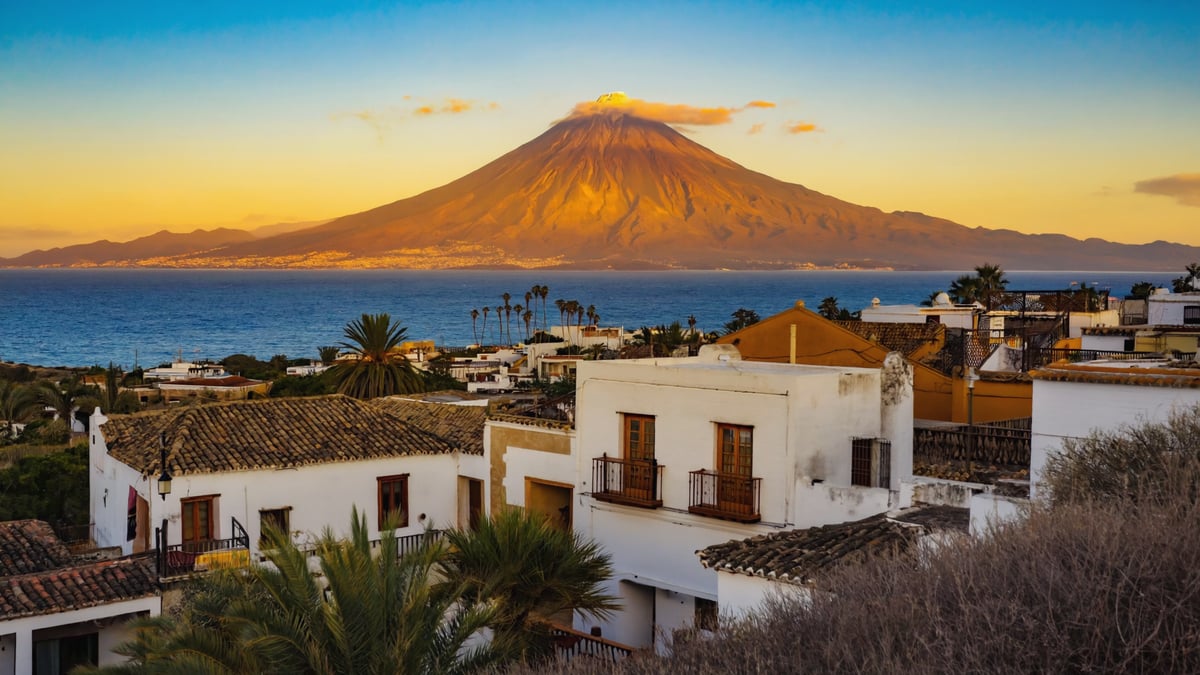
That is the headline reason it works as a year-round destination, but it is not the only one. The island is big and varied enough that you can have a completely different holiday depending on where you base yourself. You can have a polished, manicured beach break with five-star spas and fine-dining harbours. You can have a cheap-and-cheerful, all-night, fry-up-and-flip-flops week. You can have a green, walking-and-wine holiday in an old colonial town that feels more like mainland Spain than a package resort. Mount Teide, Spain's highest peak, sits in the middle of it all, surrounded by a landscape that looks closer to the surface of Mars than a sun-lounger brochure.
The trick — and the reason so many first-timers come home with mixed feelings — is that these holidays are not interchangeable. The most important work you will do happens before you fly, when you decide which Tenerife you actually want.
The One Decision That Shapes Your Whole Trip: Which Resort
If you take one thing from this guide, take this: on Tenerife the resort decision matters more than almost anywhere else you might holiday. Two couples can fly out the same week, pay a similar amount, and have wildly different trips simply because one stayed in upmarket Costa Adeje and the other in the heart of Playa de las Americas. Here is how the main bases really compare.
Costa Adeje — The Polished South for Families and Couples Who Want Comfort
Costa Adeje is the smart end of the south coast and, for most UK families and couples after a comfortable, hassle-free week, it is the safe choice. It is newer, cleaner and more spread out than its neighbours, built around landscaped promenades, sheltered man-made beaches with imported golden sand, and a high concentration of four- and five-star hotels. The seafront walk down towards the marina is genuinely lovely of an evening, and the restaurants tend to be a notch up in both quality and price.
This is where you go if you want a proper four- or five-star base with a good kids' club, a spa, several pools, and the reassurance that the area around your hotel is calm and well kept. Beaches such as Playa del Duque and Fanabe are family-friendly, with gentle entries and plenty of facilities. The trade-off is cost: Costa Adeje is the most expensive of the southern resorts, and the calm that families love can feel a touch quiet for younger groups looking for a livelier night out. If your priority is space, comfort and a smart setting, this is usually the right answer.
Playa de las Americas & Los Cristianos — Lively, Walkable and Easier on the Wallet
Just along the coast, Playa de las Americas is the classic, buzzing package resort — bars, clubs, big-name shows, neon, and a strip that comes alive after dark. It is brilliant value, well stocked with three- and four-star hotels and apartments, and it suits groups of friends, younger couples and anyone who wants entertainment on the doorstep rather than a long taxi ride away. If you want your holiday loud, sociable and cheap, this is the heart of it.
Right next door, and often confused with it, is Los Cristianos — and the difference matters. Los Cristianos is the older, gentler town next to Las Americas: a working harbour, a proper Spanish-feeling centre, two sheltered beaches, and a far calmer atmosphere. It is hugely popular with couples, older travellers and families who want southern sunshine and good value without the full Las Americas party. Many people split the difference by staying in Los Cristianos or the quieter fringes of Las Americas, where you get the warm, dry south and walkable amenities but can choose how lively your evening gets. As a rule: Las Americas for the nightlife, Los Cristianos for the calm, both for the value.
Puerto de la Cruz and the Green North — Real Spain, Cooler Air, Fewer Crowds
Cross to the north of the island and you arrive somewhere that surprises a lot of first-timers. Puerto de la Cruz is the grand old resort of Tenerife, a handsome town with colonial architecture, leafy plazas, a botanical garden, and the famous Lago Martianez sea-water lido designed by the artist Cesar Manrique. It feels authentically Spanish, draws a more European and Spanish-domestic crowd, and tends to cost less than the polished south.
The catch is the weather, and it is a real one. The north is noticeably greener precisely because it is cloudier and wetter than the south. You will still get plenty of warm, bright days, but you will also get more cloud cover, more humidity, and the occasional grey morning, especially outside high summer. The beaches are volcanic black sand rather than imported gold. None of this is a flaw — for walkers, culture-lovers, and anyone who finds the southern resorts a bit artificial, the north is the more characterful, better-value holiday. But if your whole reason for coming is guaranteed sun on a sun-lounger, go in with your eyes open.
The Quieter Corners — El Medano, Los Gigantes, La Caleta and Beyond
Beyond the big names there is a Tenerife for people who want something more low-key. El Medano, near the airport, is a windswept, bohemian little town beloved of windsurfers and kitesurfers, with one of the island's few natural sandy beaches and a relaxed, un-touristy feel. Los Gigantes, on the west coast, sits beneath dramatic cliffs and is a quiet, scenic base popular with couples and an older crowd, with great whale-and-dolphin watching just offshore. La Caleta, just beyond Costa Adeje, is an upmarket former fishing village with excellent seafood restaurants and a refined, grown-up atmosphere. These are not the places for first-timers who want everything on tap, but they are exactly right if you have done the main resorts and want somewhere with more character.
Sunny South vs Cloudy North: The Climate Truth Nobody Tells You
This deserves its own section because it catches so many people out. Tenerife has a mountain range running through its middle, and that mountain decides your weather. The trade winds push cloud against the northern slopes, which is why the north is lush, green and noticeably more changeable. The south sits in the rain shadow, which is why it is dry, browner, sunnier and where almost all the big beach resorts were built.
In plain terms: if your priority is reliable sun, stay in the south — Costa Adeje, Las Americas, Los Cristianos. You can have low cloud sitting over Puerto de la Cruz in the north while the south is in full sunshine on the very same day. It is genuinely common to drive thirty minutes through cloud near the mountains and pop out into blue skies on the coast. The north is the better choice for greenery, walking, towns and value, but it is not the place to bank a week of guaranteed beach weather. Many people who want the best of both base themselves in the south and take a day trip or overnight to the north for the scenery.
Winter Sun That Actually Delivers
Plenty of destinations are sold as "winter sun" and quietly disappoint. Tenerife is one of the few that genuinely earns the label. Through the British winter, the southern resorts typically see daytime temperatures in the low-to-mid twenties Celsius, with plenty of sunshine and sea still warm enough to swim. It is not guaranteed shorts-and-swimming every single day — evenings cool down and you will want a light jacket — but compared with anything in the Mediterranean at the same time of year, the south of Tenerife is in a different league.
That is why it is one of the most popular winter escapes for UK travellers, and why Canary Islands holidays dominate the January-to-March market. If you are chasing sun between November and March, the southern Tenerife resorts are about as dependable as Europe gets without a long-haul flight. It also means demand — and prices — stay strong through winter, so the bargain shoulder seasons you might expect elsewhere do not always apply here.
Beyond the Beach: Mount Teide and the Wilder Side of the Island
It would be a shame to fly all this way and never leave the sun-lounger, because the interior of Tenerife is genuinely world-class. Mount Teide, at 3,718 metres, is the highest peak in all of Spain, and the national park around it is a UNESCO World Heritage Site. Driving up through the pine forests into the caldera, the landscape turns into a vast, otherworldly expanse of lava fields, twisted rock formations and volcanic colours that look nothing like the coast you left an hour earlier. A cable car carries you most of the way to the summit, and on clear days the views stretch across to the neighbouring Canary Islands.
There is far more besides. The Anaga mountains in the north-east are a tangle of ancient laurel forest, hidden villages and ridge-top walks. Masca, a remote hamlet clinging to a gorge in the west, is one of the most photographed spots on the island. Whale and dolphin watching off the south-west coast is among the most reliable in Europe, with resident pods seen year-round. And the old capital, San Cristobal de La Laguna, is a beautifully preserved colonial town and another World Heritage Site. When we put together a tailored trip, this is the part we most enjoy building in — a couple of well-chosen excursions turn a beach week into a proper island holiday.
All-Inclusive vs Self-Catering: What Each Really Gets You in Tenerife
This is the other big decision, and the right answer genuinely depends on the kind of traveller you are. Tenerife all inclusive holidays are extremely popular here for good reason, but they are not automatically the best value for everyone.
- All-inclusive makes most sense for families with children, for groups who want predictable costs, and for anyone staying put in a resort with a strong on-site offering — several restaurants, pools, entertainment and snacks through the day. With drinks and meals capped, you know your spend before you go, and the better four- and five-star all-inclusives in Costa Adeje are a world away from the old "watery cocktails and one buffet" cliche.
- Self-catering or bed-and-breakfast tends to win for couples and foodies, and anywhere with great restaurants on the doorstep — the harbours of Los Cristianos and La Caleta, the tapas bars of the north. Tenerife eats out very affordably by UK standards, so tying yourself to a hotel buffet can actually cost you the best part of the holiday: the local food. If you like to wander and find your own dinner, do not pay twice for it.
One honest caveat on all-inclusive: it only pays off if you actually use it. If you book it and then spend half the week out exploring Teide, the north and the harbours, you have paid for meals you never ate. We talk this through with every enquiry, because the board basis that suits a family of four parked by the pool is rarely the one that suits a couple who want to roam.
When to Go — and What a Tenerife Holiday Honestly Costs
Tenerife is a true year-round destination, but the seasons feel different and so do the prices.
- Peak winter sun (December to March) is the south's moment to shine, and demand stays high — expect warm, dry days and firm prices, with the Christmas and February half-term weeks the priciest of all.
- Spring and autumn (April to June, September to October) are arguably the sweet spot: hot, settled weather across the south, fewer crowds than summer, and the best balance of price and conditions.
- High summer (July and August) is hot and busy, and lines up with the UK school holidays, so it is the most expensive time to travel as a family. It is still a great holiday — just book early.
On cost, here is an honest rough guide for a seven-night Tenerife package from the UK, per person based on two sharing, including flights and accommodation — treat these as ballpark, not quotes, because the real figure swings with your airport, dates and hotel:
- Value end (three-star self-catering or B&B in Las Americas or Los Cristianos, quieter dates): often somewhere around £350–£550 per person.
- Mid-range (good four-star, half-board or all-inclusive, shoulder season): commonly in the region of £600–£900 per person.
- Premium (five-star Costa Adeje, all-inclusive, peak winter or summer): frequently £1,000 per person and up, climbing further over Christmas and school holidays.
Because we build trips on an enquiry basis rather than fixed online packages, we can flex these — shifting your dates by a week, switching airports, or trading a slightly smaller room for a better board basis often saves real money. That is the whole point of a tailored quote: you tell us the budget, and we tell you honestly where it goes furthest.
Matching Tenerife to Your Group
Families
For most families the answer is the south, and usually Costa Adeje for the comfort and the calm, or Los Cristianos and the quieter parts of Las Americas for better value. Look for hotels with kids' clubs, multiple pools and a beach you can walk to, and seriously consider all-inclusive to keep a lid on the daily spend. Siam Park, the island's huge water park, is a near-guaranteed day out, and the gentle, sheltered beaches of the south are far better for younger children than the surf-and-black-sand of the north.
Couples
Couples have the most freedom. If you want sun, smart hotels and good restaurants, Costa Adeje or La Caleta deliver. If you want romance with character — harbour dinners, sea views, a quieter pace — Los Gigantes or the gentler corners of the north are wonderful and often cheaper. Couples are also the group we most often steer towards self-catering or B&B, simply so you can eat your way around the island rather than the same buffet every night.
Groups and Friends
For groups chasing nightlife, value and everything within walking distance, the heart of Playa de las Americas is hard to beat, with plentiful apartments and a strip built for exactly this. For a more grown-up group — a milestone birthday, a golf trip, a walking holiday — a villa or aparthotel in the quieter south or north gives you space and self-catering flexibility. Group trips are where a tailored quote earns its keep, because juggling rooms, board basis and a couple of shared excursions is fiddly to do well online.
Key Takeaways Before You Enquire
- The resort is the decision. Sunny, comfortable south (Costa Adeje, Las Americas, Los Cristianos) versus green, characterful, cloudier north (Puerto de la Cruz) is the choice that defines your whole trip.
- For reliable sun, stay south. The mountain keeps the north greener and greyer; the south sits in the rain shadow and is where the dependable beach weather lives.
- It is a genuine year-round winter-sun bet — one of the few in Europe that truly delivers in January and February.
- All-inclusive only wins if you use it. Brilliant for families staying put; often a false economy for couples who want to explore and eat out.
- Leave the beach at least once. Teide, the Anaga forests, Masca and whale watching turn a sun week into a real island holiday.
- Spring and autumn give the best value-to-weather ratio; book peak winter and summer well ahead.
Tenerife Holidays: UK Questions, Answered
How long is the flight to Tenerife from the UK?
Around four and a half hours from most UK airports — close enough for a long weekend, short enough to feel worthwhile in winter. There are no significant time-zone or jet-lag issues; the Canary Islands run one hour behind UK time for most of the year, so you barely notice the change.
Which is better, the north or the south of Tenerife?
For sun and beaches, the south wins comfortably — it is drier, brighter and where the main resorts sit. For greenery, authentic Spanish towns, walking and value, the north is the more characterful choice, but it is cloudier and changeable. Many people stay south and visit the north for a day or two of scenery.
Is Tenerife good for a winter holiday?
Yes — the southern resorts are among the most reliable winter-sun spots reachable on a short flight, with warm, mostly dry days through the British winter. It is the island's busiest season for UK visitors, so book early for the best hotels and prices.
Is all-inclusive worth it in Tenerife?
It depends on your plans. For families and groups staying in-resort it offers great value and predictable costs. For couples who want to explore and try the local restaurants — which are very affordable here — bed-and-breakfast or self-catering often works out better and lets you enjoy the food.
Do you need a hire car in Tenerife?
Not for a pure beach week in a southern resort, where everything is walkable and excursions can be arranged for you. But if you want to reach Teide, the Anaga mountains, Masca or the quieter villages under your own steam, a hire car for a few days opens the island up. We can advise on what suits your itinerary when we build your quote.
How much should I budget for a week in Tenerife?
As a rough guide, a seven-night package from the UK runs from around £350–£550 per person at the value end, £600–£900 mid-range, and £1,000 and up for five-star peak-season all-inclusive. Your airport, dates and board basis move the figure a lot, which is exactly why a tailored quote pays off.
Plan Your Tenerife Holiday with GlobeHunters
Tenerife rewards a bit of planning, and that is precisely what we do. Rather than a fixed online package, we put together a tailored trip around the resort, hotel, board basis and excursions that genuinely suit you — flights, accommodation and transfers in one quote, shaped by your dates and budget. Whether you are torn between Costa Adeje and Los Cristianos, weighing all-inclusive against eating your way around the island, or simply want an honest steer on when to go, our specialists will talk it through properly.
Tell us who is travelling and what you want from the week, and we will come back with a clear, tailored quote. You can enquire / get a quote to speak to our Tenerife specialists, browse our holiday packages for inspiration, or explore destinations if you are still deciding where to go. No online booking, no pressure — just a holiday built around you.
Ready to Start Planning?
Speak to our travel experts for personalised advice and the best deals on your next holiday.
Call 0208 944 4514