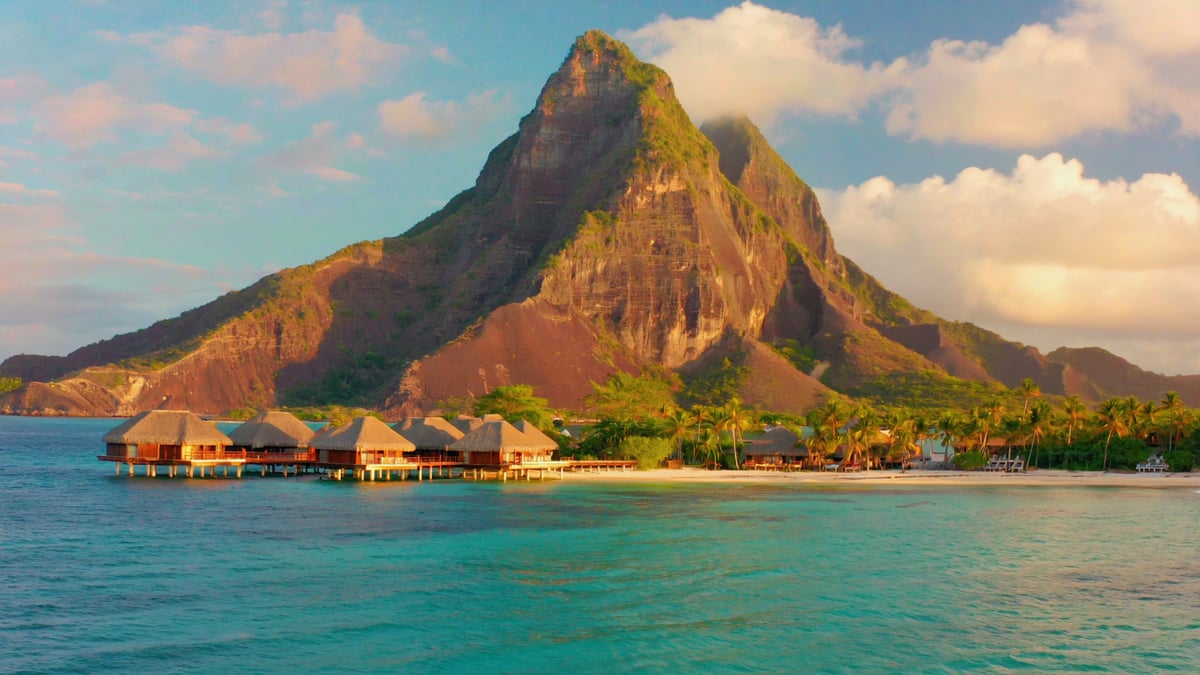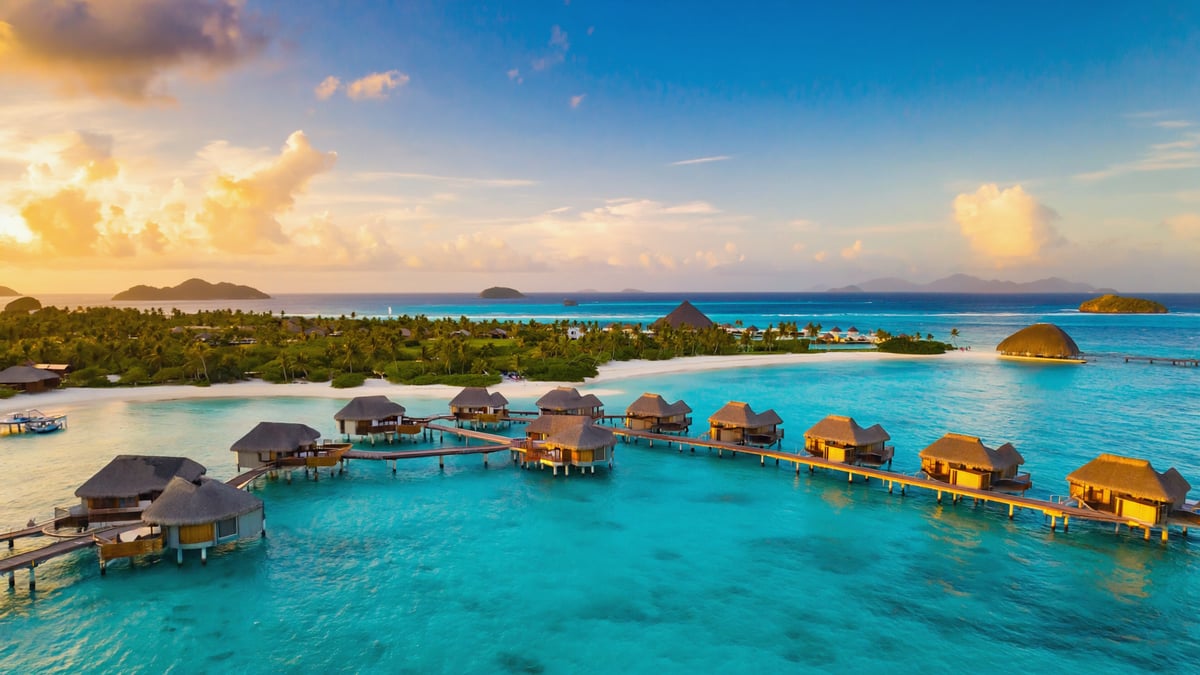
Most people assume the Maldives is permanently off the table unless they're celebrating something significant, like a milestone anniversary or a honeymoon with a generous budget. That assumption is costing UK travellers one of the most extraordinary destinations on earth. The reality is that a budget Maldives holiday UK travellers can genuinely afford is not only possible, it's increasingly accessible, provided you know exactly where to look and what to avoid.
The Maldives is an archipelago of 1,192 coral islands scattered across the Indian Ocean, about 700 kilometres south-west of Sri Lanka. For decades, the only way to experience it was through overwater bungalows costing upwards of £800 per night. But since the Maldivian government opened local islands to tourism in 2009, a parallel economy of affordable guesthouses, local ferries, and budget-friendly activities has quietly flourished. Today, the same turquoise lagoons, white-sand beaches, and extraordinary marine life are accessible at a fraction of the cost, if you're willing to approach the destination differently.
This guide walks UK travellers through every step of planning a cheap Maldives holiday deal that doesn't compromise on experience. From choosing the right island and booking the right package to navigating local transport and managing your daily spend on the ground, here is everything you need to know before you book.
Understanding Why the Maldives Has a Reputation for Being Expensive
The Maldives' luxury reputation is real, but it applies to a specific segment of the market, not the destination as a whole. Understanding the split is the foundation of smart Maldives planning.
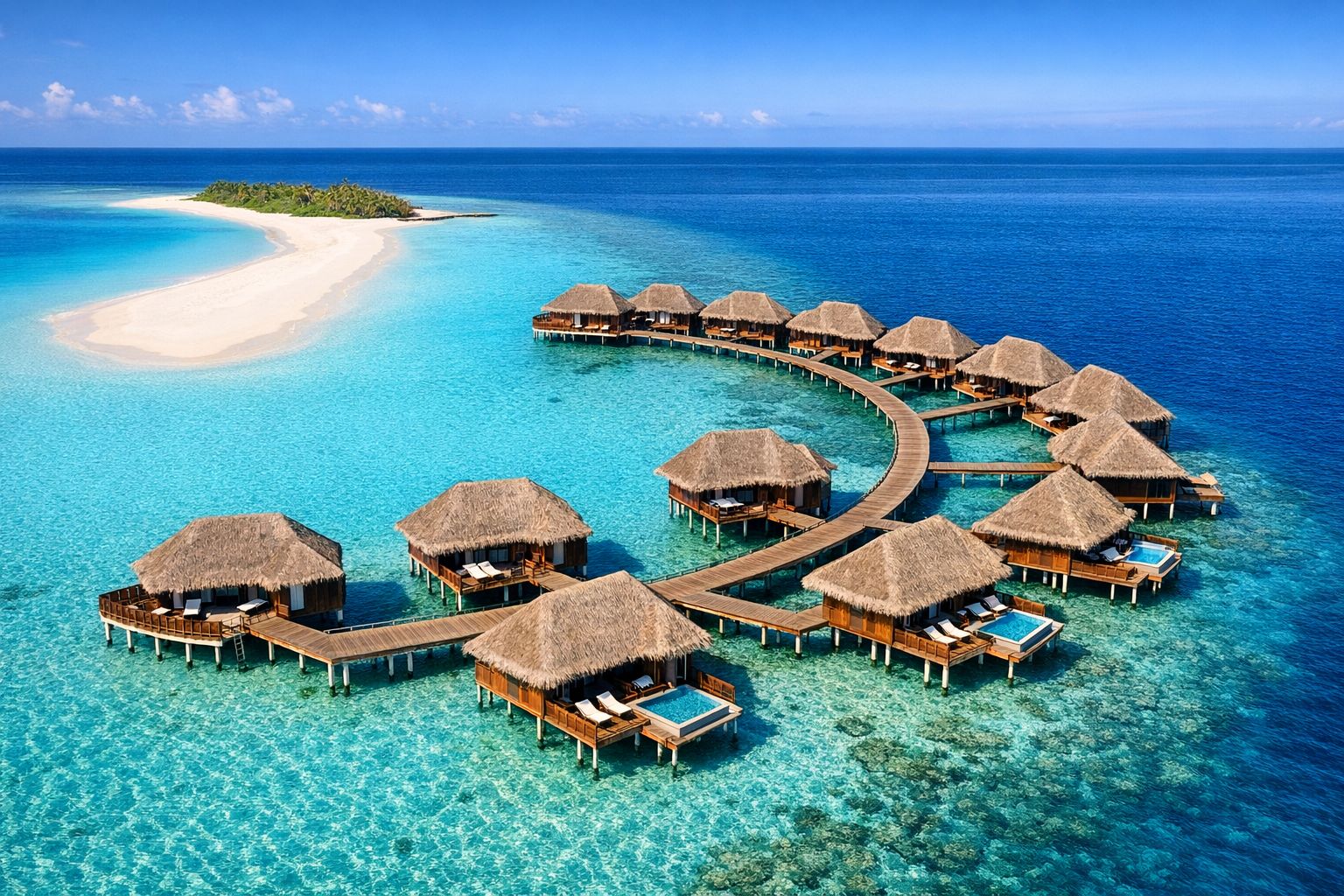
The traditional Maldives experience centres on private resort islands, each owned by a single resort and accessible only by seaplane or speedboat from the capital, Malé. These resorts operate in isolation, which means every meal, every excursion, and every bottle of water is priced at resort rates with no competition nearby. A resort island in the Maldives is, in effect, a floating five-star hotel where you cannot leave for dinner. That captive pricing model is what makes the Maldives feel prohibitively expensive for most travellers.
Local islands are an entirely different proposition. These are inhabited islands with resident Maldivian communities, independent guesthouses, local restaurants, and public beach areas. They are connected to Malé by public ferries and, in some cases, by domestic flights. The infrastructure is simpler, but the ocean, the reef, and the sky are identical to what guests pay thousands more to access on a private resort island.
The distinction matters because it reframes the entire planning process. You are not choosing between the Maldives and a cheaper destination. You are choosing between two very different versions of the same destination, one built for maximum luxury and isolation, the other built for a more authentic and considerably more affordable experience.
The Price Gap Between Resort Islands and Local Islands
| Category | Private Resort Island | Local Island Guesthouse |
|---|---|---|
| Accommodation (per night) | £400 – £2,000+ | £40 – £120 |
| Meals (per day) | £80 – £200+ (resort dining) | £15 – £35 (local cafés) |
| Island transfer | £200 – £600 (seaplane) | £1 – £25 (public ferry) |
| Snorkelling trip | £80 – £150 (resort rate) | £15 – £35 (local operator) |
| Alcohol available | ✅ (at resort prices) | ❌ (local islands are dry) |
| Bikini beach access | ✅ (throughout island) | ✅ (designated bikini beach) |
| Cultural immersion | ❌ (isolated resort bubble) | ✅ (real Maldivian community) |
Step 1: Choose the Right Local Island for Your Budget

The single most important decision in planning an affordable Maldives package is choosing which local island to base yourself on. Not all local islands offer the same facilities, beach quality, or proximity to Malé, and those differences translate directly into cost and convenience.
The most popular local islands for budget-conscious UK travellers include Maafushi, Guraidhoo, Dhigurah, Fulidhoo, and Thulusdhoo. Each has a distinct character, and the right choice depends on your priorities.
Maafushi: The Most Developed Budget Option
Maafushi is the most tourism-ready local island in the Maldives, located in Kaafu Atoll about 26 kilometres south of Malé. It has dozens of guesthouses, a wide range of dive and snorkel operators, multiple restaurants, and a well-maintained bikini beach. The island is roughly a 45-minute speedboat ride from Malé, with transfers costing around £20–£35 per person return, or you can take a public ferry from Malé's main jetty for under £2, though the ferry journey takes two to three hours and runs on a limited schedule.
Maafushi's development means it offers the most choice for accommodation and activities, but it also means it's busier and slightly pricier than quieter islands. It's the best choice for first-time visitors to the Maldives who want a reliable, well-organised experience without the isolation of a resort island.
Dhigurah: For Whale Shark Encounters on a Budget
Dhigurah in South Ari Atoll is famous for year-round whale shark sightings, something that resort guests typically pay enormous premiums for. The island itself is long and narrow, with a stunning natural beach running along one side. Guesthouses here are generally excellent value, and because the island is less developed than Maafushi, it retains a quieter, more authentic atmosphere.
The trade-off is accessibility. Dhigurah requires a domestic flight from Malé to Maamigili Airport (about 25 minutes, costing £50–£100 each way) plus a short speedboat transfer, which adds to the overall budget. However, for travellers specifically interested in marine life, the whale shark access alone justifies the extra journey cost.
Fulidhoo and Thulusdhoo: The Quieter Alternatives
Fulidhoo is a tiny, quiet island in Vaavu Atoll with a small number of guesthouses, excellent snorkelling directly off the shore, and virtually no crowds. It suits couples or solo travellers who want genuine tranquillity without the bustle of a more developed island. Thulusdhoo, meanwhile, is known as a surf destination, with a famous right-hand break called Cokes that draws surfers during the season. Both islands offer guesthouse rates that undercut Maafushi noticeably.
Step 2: Find Flights from the UK That Don't Blow the Budget
Flights are typically the largest single cost in any Maldives trip from the UK, so getting this right is critical. The main international airport is Velana International Airport in Malé (IATA code MLE), served from the UK by a mix of direct and connecting services.
There are no direct scheduled flights from the UK to the Maldives. All UK departures require at least one connection, with the most common routing going through the Middle East (Doha, Dubai, or Abu Dhabi) or Sri Lanka (Colombo). Common carriers include Qatar Airways, Emirates, Etihad, Sri Lankan Airlines, and flydubai in combination with other carriers.
When to Book and When to Travel
The Maldives has two distinct seasons. The dry season runs roughly from November to April, with calm seas, clear skies, and ideal snorkelling and diving conditions. This is peak season, and flight and accommodation prices reflect that. The wet season runs from May to October, bringing more rainfall and choppier seas, but also significantly lower prices across the board.
For UK travellers seeking the best combination of good weather and lower cost, late April, early May, or late October represent sweet spots. You catch the tail end or the beginning of the dry season with prices that haven't yet peaked. Travelling in July or August, when UK school holidays push demand high, will cost considerably more and should be avoided if budget is a genuine priority.
Package Flights vs Booking Separately
Booking flights as part of a cheap Maldives holiday deal through a UK travel agency frequently offers better value than piecing together a trip independently, particularly when you factor in ATOL protection, luggage allowances bundled into the fare, and the ability to lock in hotel and flight pricing simultaneously. GlobeHunters packages start from around £1,299 per person for a Maldives trip including return flights from London and accommodation, which for many travellers compares favourably to the cost of booking components separately. You can explore current availability and pricing at the GlobeHunters holiday search platform.
When comparing packages, check whether the quoted price includes transfers from Malé to your island. That transfer cost is frequently omitted from headline prices and can add £40–£150 per person to the real total.
Step 3: Book the Right Maldives Guesthouse for UK Travellers
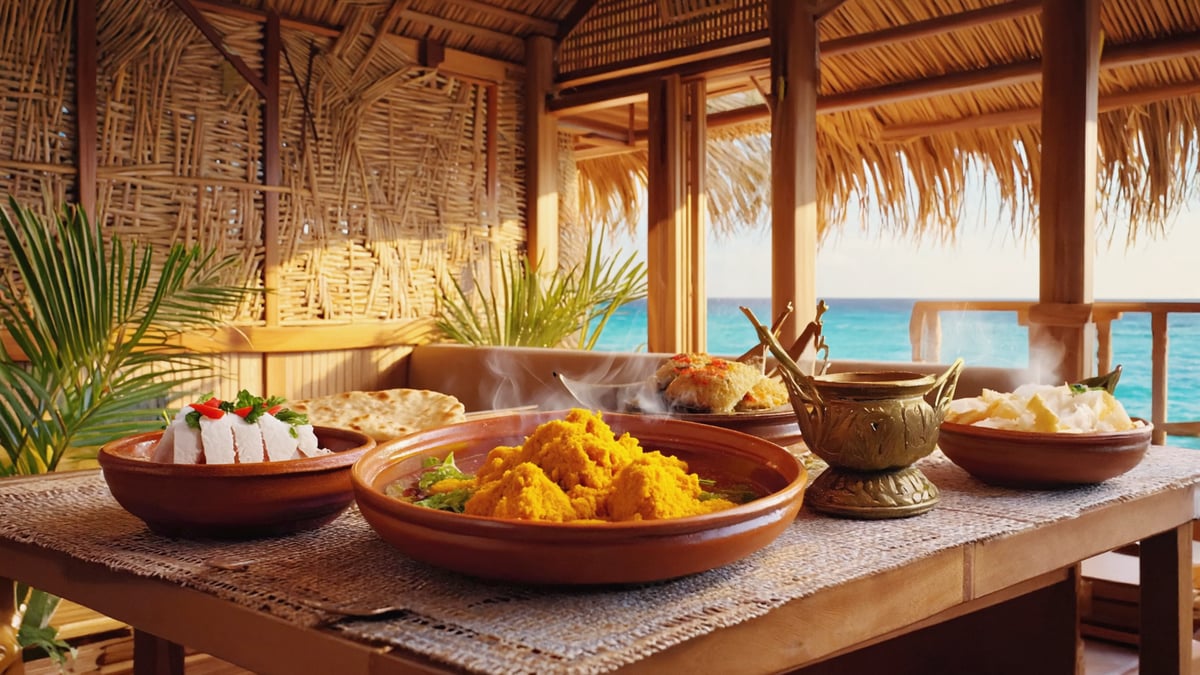
Choosing the right guesthouse is where the local island experience either delivers or disappoints. The quality of Maldives guesthouses for UK travellers has improved dramatically since the market opened, and there are now properties that offer genuinely comfortable, clean, and characterful stays at prices that feel almost absurdly reasonable given the surroundings.
As The Guardian noted in an early guide to budget Maldives travel, the opening of local islands to tourism fundamentally changed what was possible for travellers without resort-level budgets, creating a genuine alternative that didn't previously exist.
What to Look for When Booking a Guesthouse
Not all guesthouses are equal, and a few key filters separate good experiences from disappointing ones. When evaluating options, prioritise the following:
- Air conditioning: The Maldives is hot and humid year-round. A room without air conditioning is uncomfortable, not charmingly rustic. Confirm that AC is included in the room rate, not charged extra per night.
- En-suite bathroom: Some budget guesthouses still offer shared bathrooms. Given the tropical climate and the likelihood you'll be rinsing off salt water multiple times a day, an en-suite is worth specifying.
- Proximity to the bikini beach: Local islands designate specific beaches where swimwear is permitted (the rest of the island follows conservative dress codes as it's a Muslim community). The closer your guesthouse is to the bikini beach, the more convenient your days will be.
- Breakfast inclusion: Many guesthouses include breakfast in their rates. On an island with limited restaurant options, this is worth more than it sounds.
- Recent reviews: Prioritise reviews from the last six months. Guesthouses in the Maldives can change management, and quality can shift quickly in either direction.
What to Expect on Local Islands as a UK Traveller
Local islands are part of a Muslim community, and visitors are expected to dress modestly outside of designated tourist areas. This means covering shoulders and knees when walking through the village, even in hot weather. It is not burdensome once you're used to it, and having a light sarong or loose linen shirt in your day bag becomes second nature within hours of arrival.
Alcohol is not available on local islands. If this is a genuine concern, some guesthouses offer day trips to nearby resort islands where you can access alcohol and full resort facilities for a day pass fee, typically £50–£120 per person. Alternatively, travellers who book a split stay (a few nights on a local island followed by a few nights at a budget resort) can manage both preferences within a single trip.
As The National reported in its guide to affordable Maldives travel, choosing guesthouses over resorts doesn't mean sacrificing the core experience, it means trading the resort bubble for a more genuine connection with the islands and the people who live on them.
Step 4: Navigate Island Transfers Without Overpaying
Island transfers are the hidden cost that catches many first-time Maldives travellers off guard. Managing them well can save a meaningful amount of money, particularly on a budget trip where every pound matters.
After landing at Velana International Airport in Malé, you have three main options for reaching your chosen island: public ferry, shared speedboat, or private speedboat transfer. The cost and time differences are significant.
Public Ferries: The Cheapest Option
The Maldives Transport and Contracting Company (MTCC) operates public ferry services connecting Malé to many of the inhabited islands. Fares are almost comically low by UK standards, often between £1 and £5 for a journey, though schedules are limited (typically one or two departures per day, often in the early morning or afternoon) and journey times can range from one to four hours depending on the destination.
For travellers arriving on an afternoon flight who need to reach Maafushi or a nearby island the same day, the public ferry may not be practical. In those cases, a shared speedboat transfer booked through your guesthouse is the better option. These typically cost £15–£30 per person each way and run on a more flexible schedule.
Domestic Flights for Remote Islands
Reaching islands in more distant atolls, such as Dhigurah in South Ari Atoll, requires a domestic flight from Velana Airport to a regional airstrip. Maldivian Airlines and FlyMe operate these routes, with fares starting around £50–£100 each way per person. Booking domestic flights in advance through the airline's website rather than through your accommodation will generally save money.
Seaplanes, which are the iconic mode of transport shown in resort marketing, are operated by Maldivian Air Taxi and are generally only used to reach remote resort islands. For local island travel, they are rarely necessary and not worth the cost.
Step 5: Plan Activities That Maximise Value
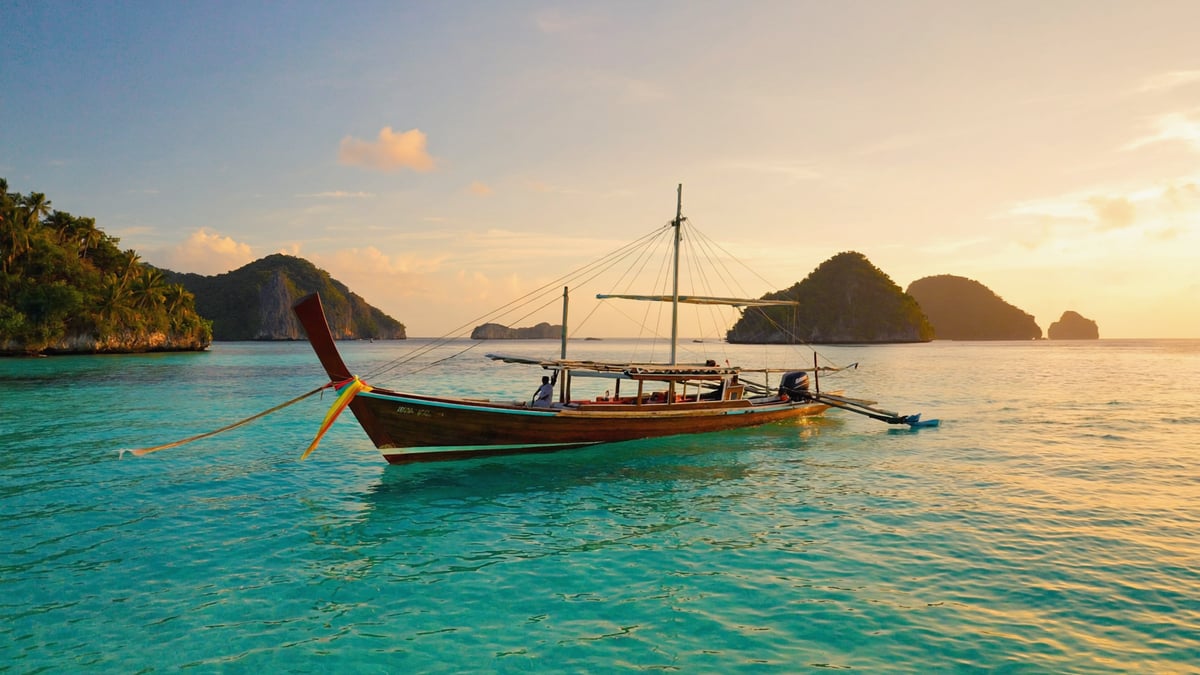
The Maldives is fundamentally an outdoor destination. The activities that make it extraordinary, snorkelling, diving, watching manta rays and whale sharks, exploring sandbanks at sunset, do not require a luxury budget. They require proximity to good water, which every island in the archipelago provides.
Snorkelling: Free or Near-Free
Many local islands have house reefs, coral formations that begin just metres from the shore. With a snorkel mask (either brought from home or hired from your guesthouse for around £3–£5 per day), you can access extraordinary marine life within minutes of leaving your room. Bring your own mask if you travel regularly; a decent quality mask makes a significant difference to comfort and visibility.
Organised snorkel trips with a local operator typically cost £15–£35 per person and take you to multiple sites in a single session, including spots that are inaccessible from the shore. These trips frequently include a stop at a sandbank, snorkelling with manta rays if the season is right, and sometimes a visit to a dolphin-watching point at dusk. The value per pound is exceptional compared to equivalent excursions booked through a resort.
Diving on a Local Island Budget
The Maldives is one of the world's premier diving destinations, with abundant pelagic life, dramatic underwater topography, and exceptional visibility. Dive prices on local islands are substantially lower than at resorts. A single fun dive with a local operator typically costs £40–£60 including equipment hire, compared to £80–£150 at a resort dive centre.
For UK travellers who hold a PADI or BSAC qualification, a five or seven-dive package booked with a local dive school represents outstanding value. Many local dive operators are staffed by internationally qualified instructors, and safety standards are consistent with what you'd expect from a reputable dive centre anywhere in the world.
If you want to learn to dive, a PADI Open Water course completed on a local island costs considerably less than the equivalent course at a resort, typically £250–£350 for the full certification including all dives. Completing your e-learning component before you travel (available via the PADI Open Water Diver course page) saves time and sometimes reduces the on-island course fee.
Sandbank Picnics and Sunset Cruises
One of the Maldives' most photogenic experiences is visiting a deserted sandbank, a tiny strip of white sand rising barely above the waterline, surrounded by nothing but ocean in every direction. Local boat operators offer sandbank trips for £20–£40 per person, typically including a picnic lunch and snorkelling on the surrounding reef. These trips are genuinely spectacular and represent some of the best value activities available anywhere in the destination.
Sunset dolphin cruises are another outstanding value option, usually priced at £15–£25 per person. The Indian Ocean spinner dolphins that populate Maldivian waters are extraordinarily playful around boats, and an evening on the water watching them is an experience that doesn't require a luxury price tag to feel extraordinary.
Step 6: Manage Food and Drink Costs on Local Islands
Food on local islands is one of the most pleasant budget surprises in the Maldives. Local restaurants, known as "hotels" in Maldivian parlance (a term that refers to a café or teahouse rather than accommodation), serve fresh, flavourful food at prices that feel almost implausibly low for a tropical island destination.
What to Eat and What It Costs
Maldivian cuisine centres on tuna, which is caught in abundance in local waters, combined with coconut, chilli, lime, and rice. Mas huni, a breakfast of shredded tuna mixed with grated coconut and chilli served with roshi (a flatbread), is the national breakfast dish and costs around £1–£2 at a local café. Garudhiya, a clear fish broth served with rice, lime, and chilli, is the quintessential Maldivian main meal and equally affordable.
Western-style food is available at most tourist-oriented guesthouses and restaurants on popular local islands, but it comes at a notable premium. A burger or pasta dish at a guesthouse restaurant might cost £8–£15, while the equivalent meal at a local café costs a fraction of that. Embracing local food isn't just cheaper, it's genuinely delicious.
Budget roughly £15–£25 per day for all meals if you eat a mix of local and guesthouse food. If you stick predominantly to local restaurants, you can eat well for £10–£15 per day.
Alcohol and Non-Alcoholic Drinks
As noted above, alcohol is not available on local islands. Fresh coconut water, fruit juices, and excellent strong tea are the local alternatives. Fresh lime juice (not sweetened) is widely available and refreshing. Bottled water costs around £0.50–£1 per litre at local shops, though carrying a reusable filter bottle from home is both more sustainable and cheaper over the course of a week.
Step 7: Build a Realistic Daily Budget
One of the most useful things any Maldives planning guide can do is give you a concrete, realistic daily budget framework. Here is a practical breakdown for a UK traveller staying on a local island:
| Budget Category | Economy (per person/day) | Comfortable (per person/day) | Mid-Range (per person/day) |
|---|---|---|---|
| Accommodation | £20 – £35 | £40 – £65 | £70 – £110 |
| Meals | £10 – £15 | £15 – £25 | £25 – £40 |
| Activities (average) | £10 – £20 | £20 – £40 | £40 – £80 |
| Transport (local) | £1 – £5 | £5 – £15 | £15 – £30 |
| Daily Total | £41 – £75 | £80 – £145 | £150 – £260 |
For a seven-night trip at the comfortable level, that's roughly £560–£1,015 per person in on-the-ground costs, before flights. Combined with a competitive flight package from the UK, a total Maldives holiday budget of £1,500–£2,000 per person is achievable for a week of genuinely excellent travel.
The Smart Split-Stay Strategy: Getting the Best of Both Worlds
One of the most effective frameworks for UK travellers who want some of the resort experience without paying full resort prices is the split-stay strategy. This involves spending part of your trip on a local island and part of it at a budget-friendly resort, capturing the authenticity and value of local island life alongside the full resort experience for a portion of your stay.
How to Structure a Split Stay
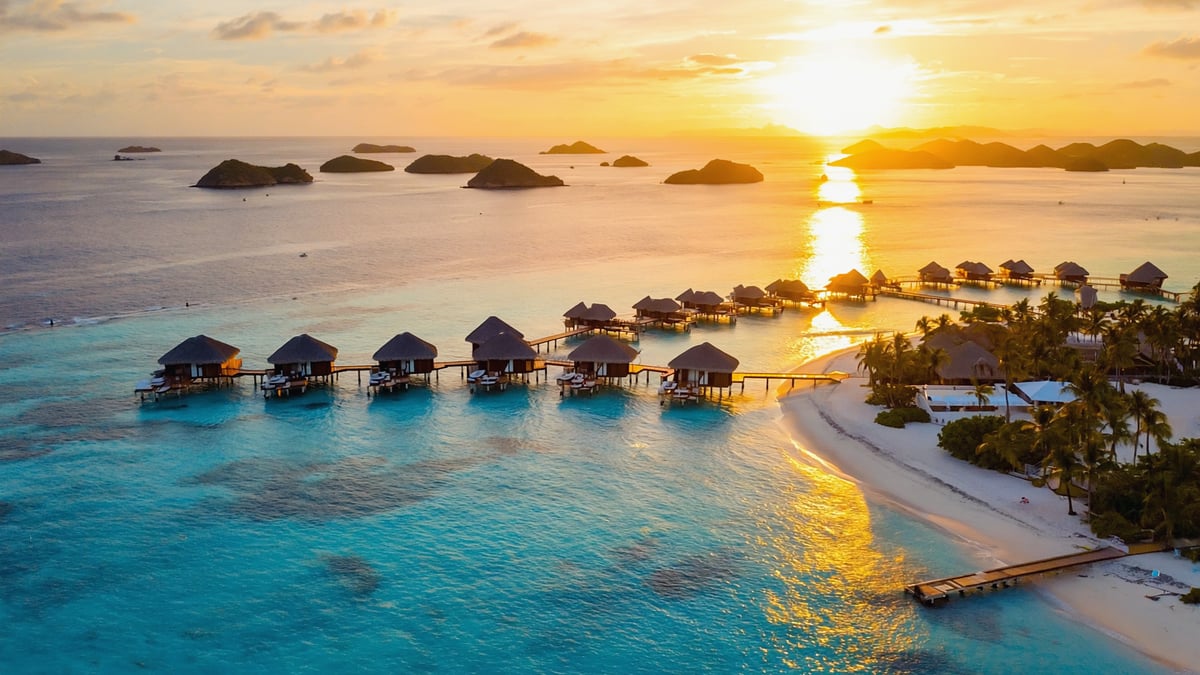
A typical split stay might look like this: four nights on Maafushi in a comfortable guesthouse, followed by three nights at a budget-friendly resort island in the same atoll. This structure gives you the full local island experience, including snorkelling, local food, and real community life, while also giving you the overwater bungalow photograph and the resort pool evening you may have been dreaming of.
The key to making this work financially is choosing a budget resort rather than a flagship luxury property. The Maldives has a tier of mid-range resorts where rooms start from around £150–£250 per night, still substantially less than the luxury flagships but offering the same basic resort island infrastructure. Look for resorts in Kaafu Atoll or Vaavu Atoll, which are closer to Malé and therefore involve lower transfer costs.
Booking the Split Stay
Split stays are easier to coordinate through a travel agency than independently, particularly when it comes to managing transfers between islands and ensuring the logistics don't create unnecessary expense. GlobeHunters' team can advise on which combinations work well and how to structure the booking to avoid paying for two separate sets of transfer costs. Call 0208 944 4514 to discuss bespoke Maldives itineraries that combine local island stays with resort nights.
What UK Travellers Often Get Wrong About Budget Maldives Planning
Having worked through the practicalities of planning a budget Maldives holiday UK travellers will actually enjoy, it's worth addressing the most common mistakes that turn a well-intentioned budget trip into a frustrating or overspent one.
Mistake 1: Booking Too Late
The Maldives is not a last-minute destination for budget travellers. The best guesthouses on the most popular local islands fill up months in advance during peak season (November to April). Waiting until six weeks before departure will leave you choosing between inferior accommodation and inflated prices. Book at least three to four months ahead for peak season travel, and at least six to eight weeks ahead for shoulder season.
Mistake 2: Underestimating Transfer Costs
As discussed earlier, the cost of getting from Malé airport to your chosen island is frequently omitted from budget calculations. On a per-person basis, transfers can add £50–£200 to the total trip cost, more if you're reaching a remote atoll. Always factor this in when comparing destinations and accommodation options.
Mistake 3: Ignoring the Dry vs Wet Season Trade-Off
Travelling in the wet season (May to October) saves money, but it does affect the experience. Snorkelling visibility can be reduced during heavy rain periods, seas can be rough enough to cancel boat trips, and overcast skies limit the photogenic quality of the landscape. For most UK travellers, the ideal compromise is the shoulder months of late April or late October, when prices are moderate and conditions are generally still good.
Mistake 4: Assuming All Local Islands Are the Same
They are not. Some local islands have excellent house reefs directly accessible from the beach. Others require a boat trip to reach decent snorkelling. Some have multiple restaurants and guesthouses; others have two guesthouses and a single café. Research the specific island you're considering rather than relying on generic "local island" marketing. Travel forums and recent blog posts from travellers who have visited in the last year are the most reliable sources of current, specific information.
Mistake 5: Not Checking Visa and Entry Requirements Before Booking
UK nationals receive a free 30-day visitor visa on arrival in the Maldives, making entry straightforward. There is no application process required in advance. However, you must hold a passport valid for at least six months beyond your travel dates and be able to show onward travel documentation. These requirements are standard and easy to meet, but worth confirming before booking, particularly if your passport is due for renewal.
Packing Smart for a Budget Maldives Trip
What you pack for a local island Maldives trip differs slightly from a standard beach holiday. Getting this right saves money on the ground and avoids the frustration of needing items that are either unavailable or expensive to buy on a small island.
Essential Items to Bring from the UK
- Reef-safe sunscreen: Standard sunscreens containing oxybenzone and octinoxate are damaging to coral reefs and are banned or restricted in several island destinations. Reef-safe mineral sunscreens are the responsible choice and are considerably cheaper to buy in the UK than in the Maldives.
- Your own snorkel mask: Hire masks are often poorly fitting and reduce the quality of the experience significantly. A decent entry-level mask from a UK sports retailer costs £15–£30 and pays for itself in a single trip.
- Reusable water bottle with filter: Tap water on local islands is not safe to drink, so bottled water is a daily expense. A filtered reusable bottle (brands like LifeStraw or Grayl are reliable) eliminates this cost entirely and is considerably more sustainable.
- Lightweight cover-ups: Loose linen trousers, a light long-sleeved shirt, and a sarong are essential for moving around the village areas of local islands respectfully and comfortably.
- Seasickness tablets: If you're prone to motion sickness, bring these from the UK. Speedboat transfers in choppy conditions can be uncomfortable, and the tablets are much cheaper to buy before you travel.
- Universal travel adapter: The Maldives uses UK-style three-pin plugs in most guesthouses, but some older properties use European-style outlets. A universal adapter covers all eventualities.
How to Book an Affordable Maldives Package Through GlobeHunters
For UK travellers who want the confidence of ATOL-protected travel, bundled flights and accommodation, and the support of an experienced travel team, booking a Maldives package through GlobeHunters is the most straightforward route to a well-priced trip.
GlobeHunters has been arranging package holidays for UK travellers since 2003 and sources live pricing from major travel suppliers to offer competitive rates on flights, hotels, and activities. The Maldives packages available through the platform include combinations suited to different budget levels, from guesthouse-based local island holidays to entry-level resort packages.
How to Get the Best Price
The most effective approach is to call the GlobeHunters team directly on 0208 944 4514 and speak to an adviser about your specific dates, preferred island type, and budget. The team can access rates and combinations that aren't always visible through online search tools, and they can advise on which departure airport gives you the best flight pricing for your dates. Gatwick and Heathrow are the primary UK departure points for Maldives routes, but Manchester and Birmingham connections via Middle Eastern hubs can sometimes offer better overall pricing for travellers in the north and midlands.
Alternatively, you can start searching available packages online at the GlobeHunters platform, where real-time pricing from the Duffel flights engine and Hotelbeds accommodation database gives you an immediate picture of what's available for your dates.
A Seven-Night Budget Maldives Itinerary for UK Couples
To make the planning process concrete, here is a suggested seven-night framework for a UK couple travelling on a combined budget of around £2,800–£3,200 total (roughly £1,400–£1,600 per person all-in).
| Day | Activity | Estimated Cost (per couple) |
|---|---|---|
| Day 1 | Fly London to Malé (overnight), arrive morning, transfer to Maafushi | Included in package + £40–£60 transfer |
| Day 2 | Settle in, house reef snorkelling, explore the island on foot | £10–£15 (mask hire + meals) |
| Day 3 | Full-day snorkel trip (multiple sites, sandbank, dolphin watching) | £50–£70 |
| Day 4 | Discover dive or fun dive (local operator), afternoon beach | £80–£120 |
| Day 5 | Day trip to a nearby resort island (day pass) | £100–£200 |
| Day 6 | Free beach day, sunset cruise, local seafood dinner | £40–£60 |
| Day 7 | Morning snorkel, transfer back to Malé, explore Malé briefly | £40–£60 |
| Day 8 | Fly Malé to London | Included in package |
Accommodation for six nights at a mid-range guesthouse on Maafushi costs approximately £240–£390 per couple. Add meals (£10–£25 per person per day) and the activities listed above, and total on-the-ground spending for the couple comes to roughly £700–£1,000. Combined with a GlobeHunters package price starting around £1,299 per person for return flights, the all-in total for two people sits comfortably under £3,600, often considerably less with good timing.
Frequently Asked Questions: Budget Maldives for UK Travellers
Is the Maldives really achievable on a budget from the UK?
Yes, genuinely. The local island tourism sector has transformed what's financially possible. With a well-timed package booking covering flights and accommodation, a seven-night Maldives trip from the UK can be achieved for around £1,400–£1,800 per person all-in, including activities and meals on the ground. That's comparable to many European beach destinations during peak season.
What is the cheapest time of year for UK travellers to visit the Maldives?
The wet season (May to October) offers the lowest prices for flights and accommodation. The shoulder months of May and October give the best balance between lower pricing and acceptable weather conditions. July and August are relatively expensive because of UK school holiday demand on flight routes, despite being within the wet season.
Do I need travel insurance for the Maldives?
Comprehensive travel insurance is strongly recommended for any Maldives trip. Medical facilities on local islands are very limited, and any serious medical issue requires evacuation to Malé or, in severe cases, to a country with advanced medical infrastructure. Ensure your policy covers emergency medical evacuation, which can be expensive without insurance.
Can I use a credit card on local islands in the Maldives?
Some guesthouses and activity operators on popular local islands like Maafushi accept credit and debit cards, but cash (US dollars) is widely preferred and sometimes the only option at local restaurants and smaller shops. Bring a supply of US dollar notes in small denominations. The Maldivian rufiyaa is the local currency, but US dollars are accepted almost universally in tourist areas.
Is it safe to snorkel straight off the beach on local islands?
On islands with accessible house reefs, yes. However, ocean currents in the Maldives can be strong, particularly during tidal changes, and it's important to check conditions with your guesthouse before entering the water. Never snorkel alone, and be aware of boat channels near jetties where speedboats operate.
How do I find a good guesthouse on Maafushi or other local islands?
Booking platforms such as Booking.com and Airbnb list many Maldivian guesthouses with verified reviews. Filter by guest rating (above 8.0 on a 10-point scale is a reliable threshold for quality on local islands), confirm that AC and en-suite bathroom are included, and read recent reviews specifically mentioning cleanliness and staff helpfulness. Direct booking with the guesthouse via email can sometimes secure a small discount.
What are the dress code rules on local islands?
Outside of designated tourist (bikini) beach areas, modest dress is required out of respect for the local Muslim community. This means covered shoulders and knees when walking through the village or using shared facilities. On the tourist beach, standard swimwear is perfectly acceptable. Most guesthouses provide a simple map showing which beach areas apply which rules.
Can I island-hop in the Maldives on a budget?
Island-hopping is possible but adds cost and logistical complexity. Each move between islands involves a transfer fee, and spending fewer nights on each island reduces the time you have to properly enjoy each location. For a seven-night budget trip, staying on one local island is generally better value than trying to visit three or four. If island-hopping is a priority, focus on islands within the same atoll to minimise transfer costs.
Are there any hidden costs I should watch out for?
The most common unexpected costs are: island transfer fees not included in package prices, activity costs if you book heavily, airport departure taxes (included in most flight tickets but worth confirming), resort day pass fees if you visit a resort island for a day, and any charges for air conditioning or Wi-Fi at some older guesthouses. Ask your guesthouse to confirm what's included in the room rate before booking.
What's the difference between an ATOL-protected package and booking independently?
ATOL (Air Travel Organiser's Licence) protection, administered by the UK Civil Aviation Authority, means that if your travel provider goes out of business before or during your trip, you are financially protected and will either receive a refund or be brought home at no extra cost. Booking a package through an ATOL-licensed agency like GlobeHunters provides this protection. Booking flights and hotels separately does not, leaving you exposed if either supplier fails.
How far in advance should I book a budget Maldives package from the UK?
For peak season travel (November to April), booking four to six months in advance gives you the best combination of availability and price. For shoulder season, two to three months is generally sufficient. Last-minute Maldives deals do occasionally appear, but they are rare and unreliable for this destination given the limited supply of budget accommodation options.
Can solo travellers visit the Maldives on a budget?
Solo travel in the Maldives is entirely feasible, and local islands are significantly more solo-friendly than resort islands, which are designed almost exclusively for couples and families. The main financial consideration is single room supplements, which some guesthouses charge and others waive. Look specifically for guesthouses that advertise "no single supplement" or book a private room that would be reasonably priced even without a travel companion to share costs.
Key Takeaways
- Local islands are the key to a budget Maldives holiday. Since the Maldivian government opened inhabited islands to tourism, guesthouse accommodation, local restaurants, and independently booked activities have made the destination accessible at a fraction of resort prices.
- Maafushi is the most practical starting point for first-time budget visitors, with a wide range of guesthouses, activities, and a well-established tourist infrastructure, while Dhigurah offers unmatched value for marine life enthusiasts.
- Flights are the biggest single cost from the UK. Booking as part of an ATOL-protected package through a travel agency like GlobeHunters frequently offers better value and protection than booking independently.
- Transfer costs are frequently underestimated. Always confirm what's included in your package and budget separately for island transfers if they're not included.
- The sweet spot for budget and weather is late April or late October, when prices are lower than peak season but conditions remain generally good for snorkelling and outdoor activities.
- A realistic all-in budget for a seven-night Maldives trip from the UK, including flights, local island accommodation, meals, and activities, sits between £1,400 and £2,000 per person with thoughtful planning.
- The split-stay strategy (combining local island nights with a short resort stay) gives travellers who want a taste of both worlds the most flexibility without committing to full resort pricing for the entire trip.
- For bespoke advice and competitive package pricing, call the GlobeHunters team on 0208 944 4514 or explore current Maldives packages online to find the combination that fits your dates and budget.
About the author
Spiros Maragkoudakis · Chief Commercial Officer
Ready to Book Your Maldives Holiday?
Our travel experts are ready to help you plan the perfect trip. Call us today or browse our latest deals.
Ready to Start Planning?
Speak to our travel experts for personalised advice and the best deals on your next holiday.
Call 0208 944 4514