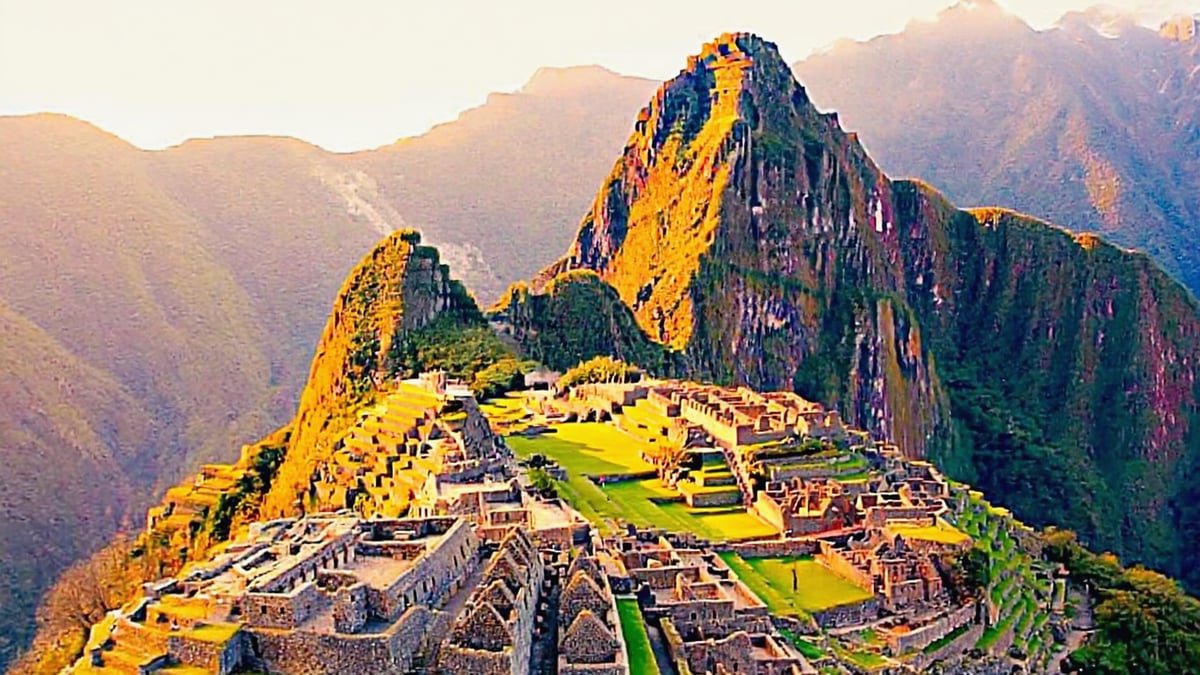
Imagine standing at the Sun Gate above Machu Picchu at dawn, clouds rolling back to reveal a city carved from stone that has endured five centuries of jungle and altitude. Or drifting silently through the Amazon on a wooden canoe while macaws burst from the canopy overhead. Or waking in Cusco, the ancient Inca capital, breathing thin air at 3,400 metres and drinking coca tea in a colonial courtyard. Peru is not simply a destination, it is one of the most layered, alive, and genuinely astonishing countries on earth. And for UK travellers willing to make the journey, the rewards are extraordinary.
This guide covers everything you need to plan a Peru holiday from the UK: the right time to go, where to stay, what to see, how much to budget, and how to get there without the stress. Whether you are drawn by Inca history, Amazon wildlife, Andean food culture, or the sheer drama of the landscape, Peru delivers on every front. GlobeHunters packages start from £1,399 per person including UK flights, making this bucket-list adventure more accessible than most people expect.
Peru at a Glance: What UK Travellers Need to Know First
Peru sits on South America's Pacific coast, sharing borders with Ecuador, Colombia, Brazil, Bolivia, and Chile. The country spans three dramatically different geographic zones: the narrow coastal desert, the high Andes mountain chain running north to south, and the vast Amazon basin occupying roughly 60% of the country's total area. Understanding this geography is essential to planning, your experience in Lima will feel nothing like your experience in Cusco, and both will feel completely alien to the Amazon.
Language: Spanish is the official language, with Quechua (the ancient Inca language) widely spoken in highland communities. English is spoken in major tourist areas but should not be assumed outside of hotels and tour operators.
Currency: The Peruvian Sol (PEN). At the time of writing, £1 exchanges to approximately 4.8–5.0 PEN, though rates fluctuate. US dollars are widely accepted in tourist areas and often preferred at hotels and tour agencies. ATMs are plentiful in Lima, Cusco, and Arequipa but scarce in jungle and rural areas.
Time Zone: Peru Standard Time (PET) is UTC-5, which is 5 hours behind the UK (GMT) or 6 hours behind during British Summer Time. There is no daylight saving in Peru.
Visa Requirements for UK Travellers: British passport holders do not require a visa to enter Peru for tourism stays of up to 90 days. You will be issued a tourist card (Tarjeta Andina de Migración) on arrival, which you must retain and surrender on departure. Your passport must be valid for at least 6 months beyond your travel dates.
Vaccinations and Health: The NHS recommends being up to date on routine vaccinations before travel to Peru. Hepatitis A, typhoid, and yellow fever vaccinations are strongly advised, particularly if you plan to visit jungle regions. Altitude sickness (soroche) is a genuine concern in Cusco and the Sacred Valley, plan acclimatisation days into your itinerary. The NHS travel vaccinations page provides current guidance on recommended jabs.
Electricity: 220V/60Hz; plug types A and C are most common. UK travellers will need a universal adaptor.
When Is the Best Time to Visit Peru?
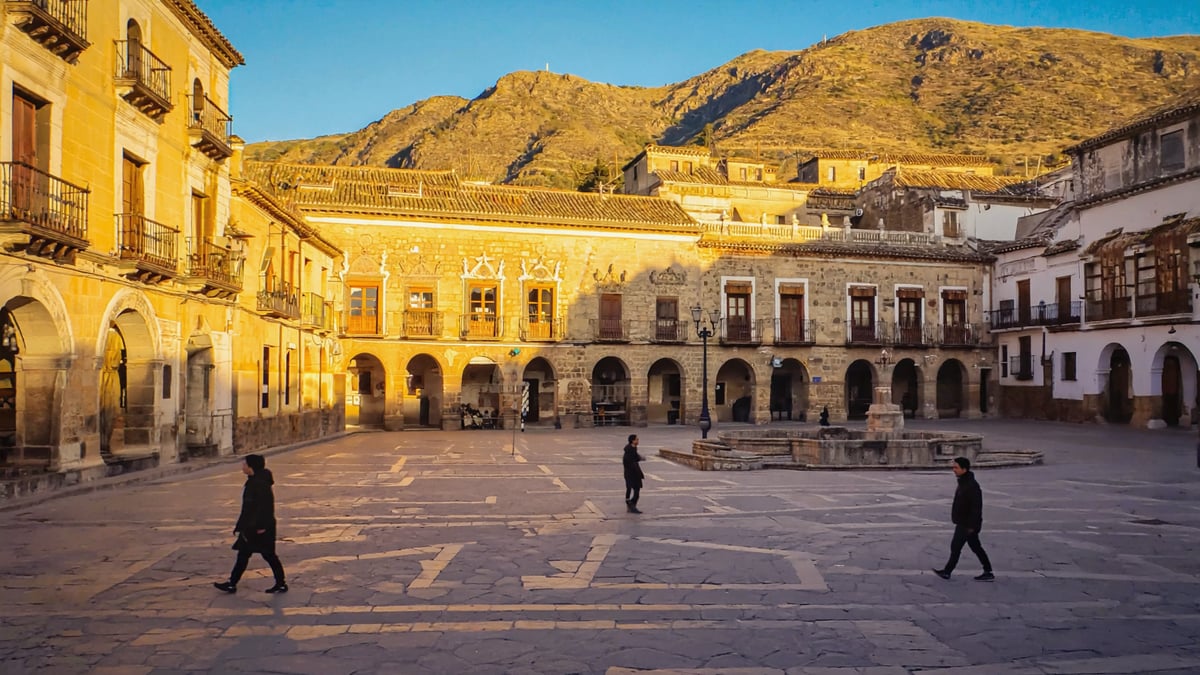
The best time to visit Peru for most UK travellers is May through October, which is the dry season in the highlands and jungle. However, Peru's three distinct geographic regions mean there is genuinely no single "wrong" month, coastal Lima is warm and overcast year-round, and the Amazon has its own inverse seasonality.
The Dry Season: May to October
This is peak season across the Andes and the Sacred Valley. Days are sunny and dry, nights are cold (expect below freezing at altitude in June and July), and the Inca Trail is at its most walkable. Machu Picchu is accessible and glorious, the Colca Canyon near Arequipa is clear for condor sightings, and the highlands generally deliver postcard-perfect skies.
The flip side: this is also when prices peak and crowds swell. The Inca Trail sells out months in advance during June, July, and August, permits are limited to 500 people per day (including guides and porters) and are managed by the Peruvian government. Book at least 6 months ahead for July and August travel.
The Wet Season: November to April
The highland wet season brings afternoon rain showers and occasional full-day downpours, particularly January through March. The landscape turns electric green, waterfalls appear on every hillside, and tourist numbers drop significantly, meaning lower prices and smaller crowds at Machu Picchu.
The Inca Trail closes every February for maintenance. However, the alternative Salkantay Trek remains open, and train access to Machu Picchu via Aguas Calientes operates year-round.
The Amazon operates in reverse: the low-water season (July to November) makes wildlife spotting easier as animals concentrate around shrinking water sources. The high-water season (December to May) allows boat access deeper into flooded forest and produces stunning reflections, though wildlife is more dispersed.
Festivals Worth Planning Around
- Inti Raymi (24 June): The Festival of the Sun, held at Sacsayhuamán fortress above Cusco. One of South America's most spectacular Inca ceremonies, with thousands of participants in traditional dress. Book accommodation 3–6 months ahead.
- Carnival (February/March): Celebrated across Peru with water fights, music, and dancing. Particularly vibrant in Cajamarca.
- Señor de los Milagros (October): Peru's largest religious procession, held in Lima. The purple-robed devotees fill the streets for days.
- Corpus Christi (June): Cusco's second major festival, filling the Plaza de Armas with saints' effigies carried from local churches.
Optimal window for most UK travellers: Late May through mid-July balances dry weather, manageable crowds, and reasonable pricing. September and October are increasingly popular as a shoulder alternative, with good weather and slightly lower costs than peak summer.
Where to Stay in Peru: Area-by-Area Guide
Choosing where to base yourself in Peru is arguably the most important logistical decision you will make. The country is large, and internal travel times are significant. Most UK itineraries anchor around Lima (arrival/departure), Cusco (Machu Picchu access), and optionally the Amazon or Arequipa.
Lima
Peru's capital is a city of 11 million people and a surprisingly sophisticated base. Miraflores is the area most UK travellers should book: a safe, well-connected district with ocean-cliff parks, excellent restaurants, and a strong concentration of hotels at every price point. Barranco, directly south, is Lima's bohemian arts district, better for couples and solo travellers wanting character over convenience. San Isidro is the business district, polished and quiet, favoured by business travellers.
- Budget (under £50/night): Guesthouses and hostels in Miraflores around Parque Kennedy offer clean, central options. The Loki Hostel Miraflores is well-reviewed for social travellers.
- Mid-range (£80–£150/night): Boutique hotels in Miraflores and Barranco offer excellent value, look for properties in converted republican-era mansions.
- Luxury (£200+/night): The Belmond Miraflores Park and the JW Marriott Lima both sit on the clifftops above the Pacific and deliver world-class service.
Cusco
The historic centre (Centro Histórico) is the obvious base, with the Plaza de Armas at its heart. Everything is walkable here, churches, markets, tour agencies, and restaurants are all within a few blocks. The altitude hits hard in the first 24–48 hours, so avoid ground-floor rooms (they are colder and damper) and book a hotel with oxygen available if you are concerned.
- Budget: The San Blas neighbourhood above the Plaza de Armas has charming guesthouses with rooftop views for under £40/night.
- Mid-range: Colonial-style hotels around the Plaza Regocijo and Plazoleta San Blas, £70–£130/night.
- Luxury: Inkaterra La Casona (a 16th-century mansion on Plazoleta Las Nazarenas) and Palacio del Inka (a Luxury Collection property) are among South America's finest boutique hotels, from £300/night.
Aguas Calientes (Machu Picchu Pueblo)
The gateway town at the foot of Machu Picchu mountain. Staying here overnight allows you to be on the first bus up to the ruins at 5:30am, before day-trippers arrive from Cusco. It is compact and tourist-oriented, with limited dining options. Mid-range hotels are plentiful; the Inkaterra Machu Picchu Pueblo Hotel sits in cloud forest and is genuinely extraordinary for wildlife and atmosphere.
The Amazon (Puerto Maldonado / Iquitos)
Amazon lodges rather than hotels are the accommodation of choice. Puerto Maldonado (accessible by flight from Lima or Cusco) sits at the edge of the Tambopata National Reserve, one of the world's most biodiverse protected areas. Lodge stays typically range from £150–£450 per person per night and include all meals, guided excursions, and transport. Iquitos (accessible only by air or river) is deeper into the Amazon and offers more remote experiences.
Top Things to Do in Peru
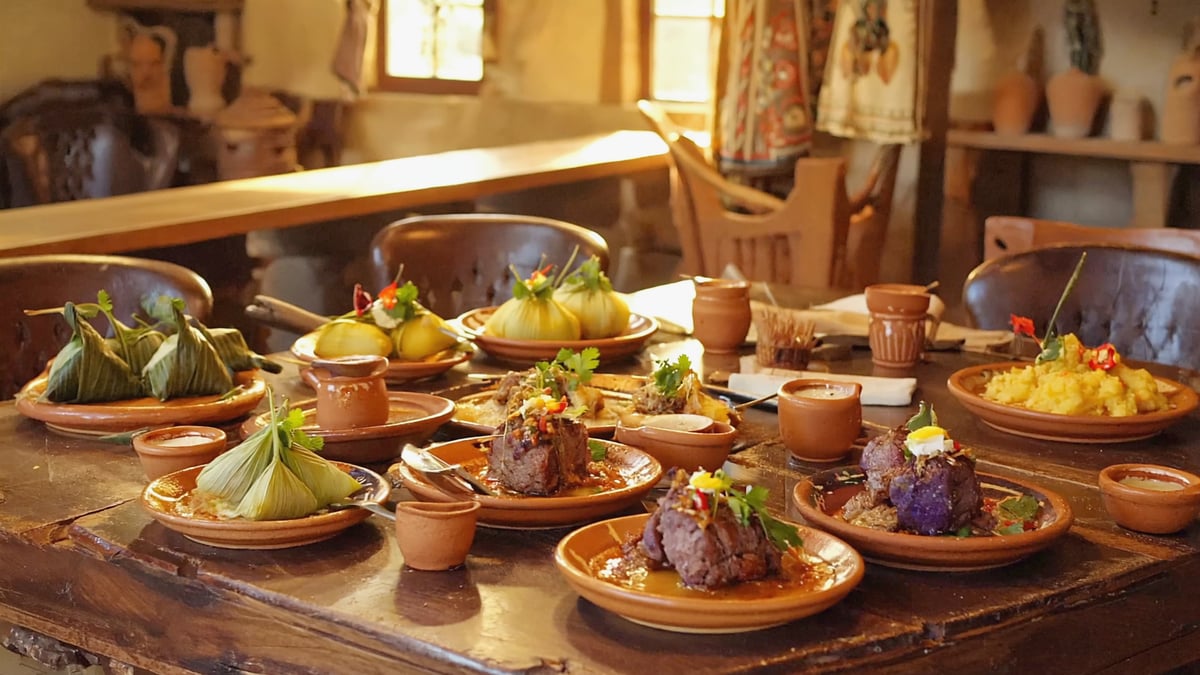
Peru packs more genuine world-class experiences into a single country than almost anywhere else on earth. These are the activities that justify the flight, and the practical details you need to book them properly.
1. Machu Picchu
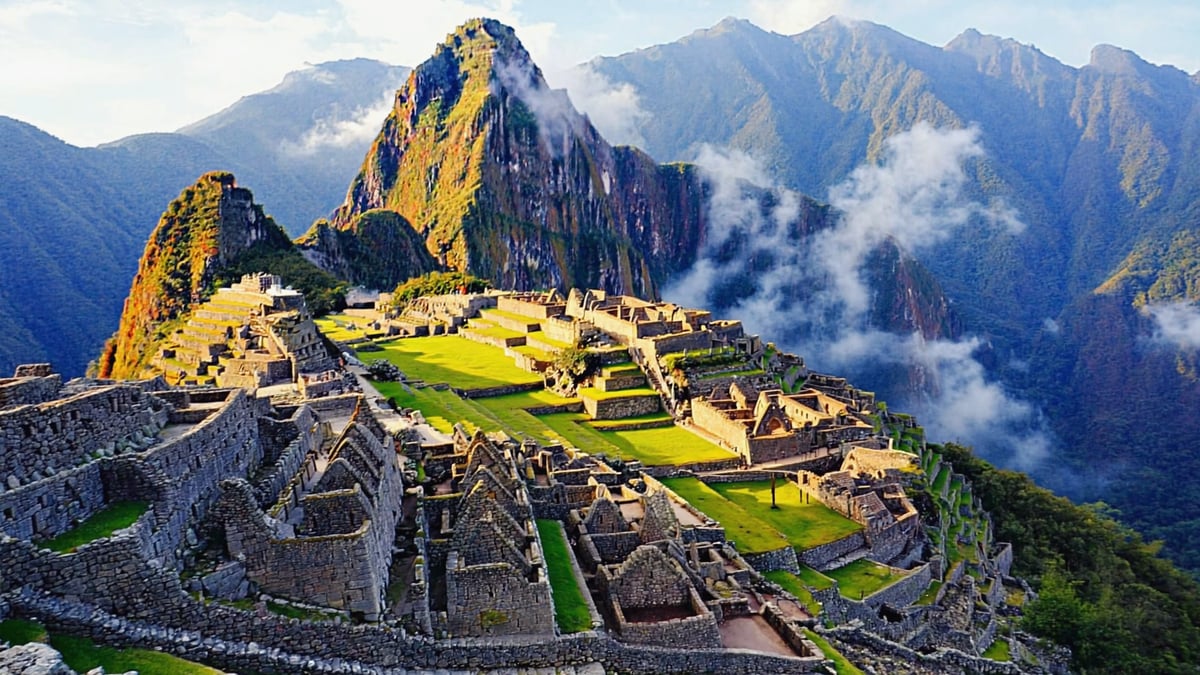
The 15th-century Inca citadel sits at 2,430 metres above sea level in the Eastern Cordillera of southern Peru. Entry tickets must be booked in advance through the official Peruvian government platform at machupicchu.gob.pe. There are time-slotted entry windows (morning and afternoon), and tickets sell out weeks in advance during peak season.
- Entry cost: Approximately PEN 152 (around £30) for the citadel only. Mountain circuit tickets (Huayna Picchu or Machu Picchu Mountain) cost more and require separate booking.
- Getting there: Train from Cusco or Ollantaytambo to Aguas Calientes, then bus up the mountain (approximately PEN 24 / £5 each way). Peru Rail and Inca Rail both operate the route.
- Insider tip: Book the afternoon entry slot on day one to orientate yourself, then book a dawn entry the following morning for the best light and fewer people. Hiring a licensed guide at the gate costs approximately PEN 80–100 (£16–£20) and dramatically improves the experience.
2. The Inca Trail
The classic four-day, three-night trek covers 43 kilometres through cloud forest and mountain passes to arrive at Machu Picchu's Sun Gate at dawn on day four. Permits are strictly limited and must be booked through a licensed operator. Prices including the permit, guide, cook, and porters typically range from £400–£700 per person, paid to a Peruvian agency.
- Permit release: Permits for each calendar year go on sale in October of the preceding year. July and August dates sell out within hours of release.
- Fitness requirement: Moderate to challenging. The highest pass (Dead Woman's Pass) sits at 4,215 metres. Acclimatisation in Cusco for 2–3 days beforehand is non-negotiable.
3. Sacred Valley Day Trip
The Urubamba Valley between Cusco and Machu Picchu contains some of the finest Inca sites in Peru: Pisac market and ruins, Ollantaytambo fortress (still a living town), and Moray (mysterious circular agricultural terraces). Full-day tours from Cusco cost approximately £30–£50 per person including transport and guide. Hiring a private driver for the day (around £60–£80) allows a more flexible pace.
4. Lake Titicaca
At 3,812 metres above sea level, Lake Titicaca is the world's highest navigable lake, straddling the border between Peru and Bolivia. The Peruvian side centres on Puno, a 5–6 hour bus or train journey from Cusco. The floating reed islands of the Uros people are the headline attraction, tours cost £15–£25 per person. Staying overnight with a family on Amantaní Island (approximately £40–£60 per person including meals and accommodation) is a more authentic and memorable experience.
5. Colca Canyon
Twice as deep as the Grand Canyon, the Colca Canyon near Arequipa is the best place in the world to observe Andean condors in the wild. The Cruz del Condor viewpoint sees condors riding thermals most mornings between 8am and 10am. Two-day tours from Arequipa cost approximately £60–£100 per person, including accommodation in the canyon village of Chivay. Arequipa itself, known as the "White City" for its volcanic sillar stone architecture, warrants at least two nights.
6. Amazon Wildlife Tour
A 3-night Amazon lodge stay from Puerto Maldonado is the most accessible jungle option for UK travellers. Typical highlights include nocturnal wildlife walks, canoe trips to clay licks (where macaws and parrots gather), piranha fishing, and visits to indigenous communities. Lodge packages including flights from Cusco, transfers, accommodation, meals, and guided excursions typically run £400–£900 per person for 3 nights.
7. Lima Food Tour
Lima has earned a place among the world's great food cities, with multiple restaurants ranked in the World's 50 Best Restaurants list. A guided food tour through Miraflores and Barranco costs approximately £50–£80 per person and typically covers ceviche, anticuchos, causa, and pisco sours across 5–7 stops. Cooking classes are also widely available, from £40–£60 per person.
8. Nazca Lines Overflight
The mysterious geoglyphs etched into the Nazca Desert, visible only from the air, are a UNESCO World Heritage Site. Small-plane flights from Nazca or Ica airport cost approximately £80–£120 per person and last 30–40 minutes. The Nazca Desert is best reached by bus from Lima (4–5 hours) or Arequipa (8–9 hours), or by domestic flight to Ica.
9. White-Water Rafting on the Urubamba
Half-day rafting trips on the Urubamba River near Cusco and Ollantaytambo offer Grade III–IV rapids suitable for beginners with a taste for adventure. Cost: approximately £30–£50 per person including equipment and guide. Full-day and multi-day expeditions on the Apurímac River (Grade IV–V) are available for experienced rafters.
10. Huacachina Oasis and Sand Dune Buggying
A lagoon surrounded by towering sand dunes in the Ica Desert, Huacachina is one of Peru's most surreal landscapes. Dune buggy and sandboarding tours depart daily from the oasis village and cost approximately PEN 60–80 (£12–£16) per person. It is a natural stopover between Lima and Nazca.
Book Your Peru Holiday Now
GlobeHunters offers curated Peru holiday packages including UK flights and hotels from £1,399 per person. Combine Machu Picchu, the Amazon, and the Andes in one unforgettable trip.
View Peru Packages & Prices →Or call us: 0208 944 4514
Food and Dining in Peru: What to Eat and Where
Peruvian cuisine is one of the most dynamic and internationally celebrated food cultures in the world. Drawing on Andean, Spanish colonial, Japanese (Nikkei), Chinese (Chifa), and Amazonian influences, the food here rewards curiosity at every price point, from a market stall in Cusco to a tasting menu in Lima.
Essential Dishes to Try
- Ceviche: Raw fish cured in lime juice with chilli (ají amarillo), red onion, and coriander. Peru's national dish. Eat it at lunch, never in the evening, per local convention.
- Lomo Saltado: A stir-fry of beef strips, tomatoes, onions, and chips (yes, chips) in soy sauce and vinegar. A perfect example of Chinese-Peruvian fusion and universally available.
- Causa: Chilled mashed yellow potato stuffed with chicken or tuna salad, sounds simple, tastes extraordinary.
- Aji de Gallina: Shredded chicken in a rich yellow chilli and walnut sauce, served with rice and potatoes. Comforting highland food.
- Anticuchos: Beef heart skewers grilled over charcoal by street vendors, served with corn and boiled potato. A Lima street food staple that sounds confronting and tastes magnificent.
- Cuy: Roasted guinea pig, a highland delicacy. Available in Cusco and Arequipa. The flavour is gamey and rich, closer to rabbit than chicken.
- Pisco Sour: Peru's national cocktail, pisco brandy, lime juice, egg white, and Angostura bitters. Non-negotiable on arrival.
- Chicha Morada: A deep purple drink made from purple corn, cinnamon, and fruit. Refreshing, non-alcoholic, and found everywhere.
Best Dining Areas
In Lima, Miraflores hosts the highest concentration of excellent restaurants, from the celebrity-chef temples (Central, Maido, Astrid y Gastón) to excellent mid-range neighbourhood spots. Barranco is better for relaxed evening dining with a younger, more local crowd. The Surquillo Market (Mercado No. 1) is a must for food lovers wanting to shop alongside Lima residents.
In Cusco, the streets around Plaza de Armas are lined with tourist-oriented restaurants offering set lunch menus (menú del día) for PEN 15–25 (£3–£5) that represent extraordinary value, typically three courses with a drink. The San Pedro Market is essential for fresh produce, juices, and local snacks.
Dietary Considerations
Vegetarians and vegans will find Peru increasingly accommodating in cities, with dedicated plant-based restaurants in Lima and Cusco. However, in rural and highland areas, a meat-free diet requires communication in Spanish. Coeliacs should note that quinoa (native to the Andes) is a safe and widely available staple. Tap water is not safe to drink in Peru, always use bottled or filtered water, including for brushing teeth in many areas.
Getting to Peru from the UK: Flights, Routes, and Arrival
There are no direct flights from the UK to Peru. All routes involve at least one connection, and flight time from London to Lima (Jorge Chávez International Airport, LIM) totals approximately 14–17 hours including the connection.
Main Connecting Hubs
| Airline | Connection Hub | Approx. Total Journey Time | Notes |
|---|---|---|---|
| LATAM Airlines | Madrid, São Paulo, or Bogotá | 15–18 hours | Often the most competitive fares; Madrid connection is smooth |
| Iberia | Madrid | 15–16 hours | Good for Heathrow departures; reliable connections |
| Air Europa | Madrid | 16–18 hours | Budget-friendly option; check baggage allowances carefully |
| KLM / Air France | Amsterdam / Paris CDG | 16–19 hours | Good for regional UK airports connecting via Amsterdam |
| American Airlines | Miami or Dallas | 17–20 hours | Often longer but can be price-competitive; requires US transit visa check |
Note for travellers connecting via the USA: Even in transit, UK travellers require an ESTA (Electronic System for Travel Authorisation), which costs USD 21 and must be applied for at least 72 hours before travel.
Typical Flight Costs from the UK
Return flights from London Heathrow to Lima typically range from £650–£1,100 per person in economy, depending on season and how far in advance you book. Booking 4–6 months ahead secures the best fares. GlobeHunters packages from £1,399 per person include flights, meaning the land content (hotels, transfers, activities) effectively costs £300–£750 on top of the flight, strong value for a multi-city itinerary.
Domestic Flights Within Peru
Peru is large and internal distances are significant. Domestic flights are essential for most itineraries. Lima to Cusco takes approximately 1 hour 15 minutes by air (vs. 20+ hours overland). LATAM Peru and Sky Airline operate the main routes. Book domestic legs at the same time as your international flights to secure seats, as Cusco routes sell out quickly around Inti Raymi and peak season.
Key domestic routes and approximate costs:
- Lima (LIM) to Cusco (CUZ): £60–£120 return
- Cusco (CUZ) to Puerto Maldonado (PEM): £60–£100 return
- Lima (LIM) to Arequipa (AQP): £50–£90 return
- Lima (LIM) to Iquitos (IQT): £80–£140 return
Peru Holiday Budget Guide: How Much Does It Actually Cost?
Peru offers exceptional value compared to Western European destinations, but costs can escalate quickly if you are not intentional about planning. The budget ranges below reflect realistic daily spending for UK travellers, excluding international flights.
| Category | Budget Traveller (per day) | Mid-Range (per day) | Luxury (per day) |
|---|---|---|---|
| Accommodation | £15–£35 | £60–£120 | £200–£450+ |
| Food & Drink | £10–£20 | £30–£60 | £80–£200+ |
| Local Transport | £3–£8 | £10–£25 | £30–£80 |
| Entrance Fees & Tours | £10–£20 | £30–£60 | £80–£200+ |
| Daily Total (approx.) | £38–£83 | £130–£265 | £390–£930+ |
Budget by Trip Type
Budget backpacker (10 nights): Flights (~£750) + accommodation (~£25/night = £250) + food (~£15/day = £150) + tours and entry (~£150) = approximately £1,300–£1,500 total. Achievable by using menú del día lunches, shared minibuses, and booking tours locally.
Mid-range couple (10 nights, per person): GlobeHunters packages from £1,399 per person include flights and hotels, with tours and meals on top adding approximately £400–£600 per person. Total per person: approximately £1,800–£2,000.
Luxury traveller (10 nights): Boutique hotels, private guides, business class flights, and fine dining can push costs to £5,000–£8,000+ per person. Peru's luxury offering has grown significantly, with properties like Inkaterra and Belmond delivering genuinely world-class experiences.
Key Costs to Budget Separately
- Machu Picchu entry ticket: ~£30 per person (must book in advance online)
- Inca Trail permit: ~£80–£100 per person (included in operator packages)
- Cusco Tourist Ticket (Boleto Turístico): ~£25–£40 for access to 16 sites across the Cusco region
- Train to Aguas Calientes: £35–£120 per person each way depending on class
- Amazon lodge package: £400–£900 per person for 3 nights, all-inclusive
- Travel insurance: Budget £60–£100 per person for a 2-week Latin America policy
Travel Tips and Safety for Peru
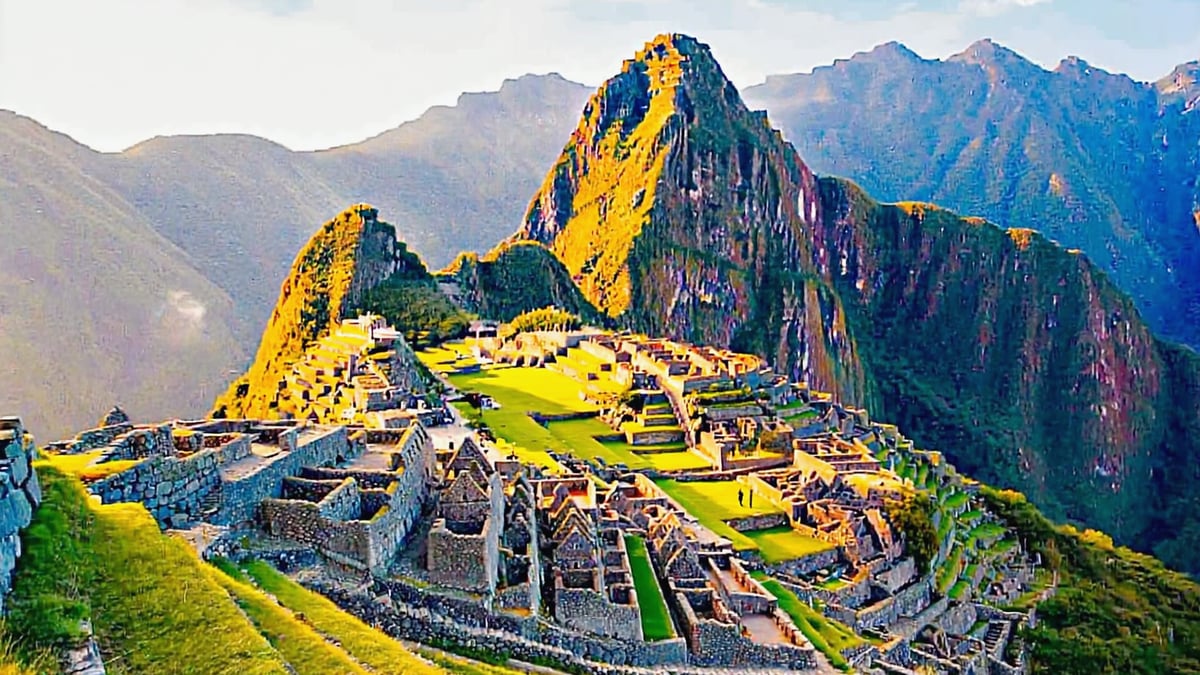
Peru is a safe and well-visited destination for UK travellers, but like any country it rewards preparation and common sense. The following advice is drawn from the practical realities of travelling here, not generic caution.
Altitude Sickness: Your Biggest Physical Risk
This is not optional reading. Cusco sits at 3,400 metres. Many travellers feel dizzy, headachy, and breathless within hours of arrival, and a small number develop serious altitude sickness (acute mountain sickness or, in severe cases, pulmonary or cerebral oedema). Acclimatise properly: spend at least 2 full days at altitude doing little before tackling the Inca Trail or high-altitude sites. Drink plenty of water, avoid alcohol for the first 48 hours, and take altitude seriously.
Coca tea (mate de coca) is available everywhere in the highlands and is a traditional remedy, it provides mild relief. Acetazolamide (Diamox) is a prescription medication that can help; speak to your GP before travelling. The NHS altitude sickness guide provides clear advice on symptoms and treatment.
Safety and Petty Crime
Petty theft (pickpocketing, bag snatching) is the most common issue UK travellers encounter. Lima's historic centre and some parts of Cusco require more vigilance. Practical measures:
- Use a money belt for passports and large amounts of cash.
- Keep phones in front pockets or bags worn in front in crowded areas.
- Take only registered taxis (app-based services like InDriver are widely used) or hotel-arranged transfers. Avoid hailing random cabs from the street in Lima.
- Avoid displaying expensive cameras or jewellery unnecessarily.
- Do not walk alone late at night in unfamiliar areas of Lima or Cusco.
The Foreign, Commonwealth and Development Office (FCDO) publishes up-to-date travel safety advice for Peru. Check the current guidance at gov.uk/foreign-travel-advice/peru before travel.
Health Precautions
- Water: Never drink tap water. Bottled water (agua sin gas / agua con gas) is cheap and universally available.
- Sun: At high altitude the UV index is extreme even on cloudy days. Factor 50 sunscreen and a wide-brimmed hat are essential above 2,500 metres.
- Mosquitoes: DEET-based repellent is essential in the Amazon. Malaria prophylaxis is recommended for jungle travel, consult your GP or a travel health clinic at least 4–6 weeks before departure.
- Food safety: Ceviche should only be eaten at reputable establishments, the acidity of lime juice does not guarantee food safety if the fish supply chain is poor. In markets, choose stalls with high turnover.
Cultural Etiquette
- Peruvians are generally formal in initial interactions, greet shopkeepers and restaurant staff with "Buenos días" or "Buenas tardes" before launching into requests.
- In indigenous communities, always ask permission before photographing people, and offer a small tip or purchase in return.
- Dress modestly when entering churches, shoulders and knees should be covered. Cusco's churches are still active places of worship.
- Bargaining is expected in markets but not in restaurants or established shops. Be respectful and remember that craft prices are already very low.
- Tipping is appreciated but not obligatory in the way it is in the US. In restaurants, 10% is generous. Tour guides and porters on the Inca Trail rely heavily on tips, budget approximately £5–£10 per day per guide as a minimum.
Packing Essentials for Peru
- Layers: temperatures swing dramatically between day and night at altitude. A down jacket is essential even in the dry season.
- Waterproof jacket: even in the dry season, afternoon showers occur. In the wet season it is non-negotiable.
- Comfortable walking shoes or hiking boots: essential for cobbled Cusco streets, Inca sites, and any trekking.
- Rehydration sachets: essential for altitude sickness and traveller's stomach.
- Universal travel adaptor and portable battery pack.
- Physical copies of passport, visa documentation, and insurance policy.
Peru Holiday Decision Framework: Which Itinerary Is Right for You?
One of the most common planning mistakes is trying to do too much in too little time. Peru rewards a slower pace, and the combination of altitude acclimatisation requirements and internal travel times means rushed itineraries often disappoint. Use this framework to match your time and interests to the right trip structure.
| Trip Length | Best Focus | Key Destinations | Skip |
|---|---|---|---|
| 7–9 nights | Inca Highlights | Lima (2 nights), Cusco (3 nights), Sacred Valley, Machu Picchu (1–2 nights) | Amazon, Arequipa, Titicaca |
| 10–13 nights | Classic Peru | Lima, Cusco, Sacred Valley, Machu Picchu, Amazon (3 nights) | Arequipa, Titicaca (tight on time) |
| 14–17 nights | Grand Peru | Lima, Cusco, Sacred Valley, Machu Picchu, Amazon, Arequipa + Colca Canyon | Iquitos (unless Amazon is the priority) |
| 18+ nights | Peru in Depth | All of the above + Lake Titicaca, Nazca, Iquitos or Bolivia extension | Nothing, now you can do it all |
The GlobeHunters Grand Tour of Peru and the Amazon is structured for the 10–14 night window, covering the Sacred Valley, Machu Picchu, and Amazon in a single coherent journey from £1,399 per person including UK flights.
Frequently Asked Questions About Peru Holidays

Do UK travellers need a visa for Peru?
No. British passport holders can enter Peru visa-free for tourist stays of up to 90 days. You will receive a tourist card on arrival that must be kept and surrendered on departure. Your passport must be valid for at least 6 months beyond your travel dates.
How far in advance should I book Machu Picchu tickets?
At minimum 2–3 months for shoulder season travel; 4–6 months for peak season (June–August). Inca Trail permits are more urgent, they go on sale in October for the following year and July/August dates sell out within days. Book through the official portal at machupicchu.gob.pe or via a licensed Peruvian tour operator.
Is altitude sickness a real concern, and how do I prevent it?
Yes, it is one of the most common reasons travellers have a disappointing experience in Peru. Cusco sits at 3,400 metres and most people feel some effect on arrival. Build at least 2 acclimatisation days into your itinerary before any strenuous activity. Stay hydrated, avoid alcohol for the first 48 hours, eat lightly, and consider speaking to your GP about acetazolamide (Diamox) before travelling.
What is the best time of year to visit Machu Picchu?
May through September is the dry season and generally offers the clearest views. June and July are peak months with the largest crowds. April and October offer excellent conditions with fewer visitors. The ruins remain open year-round, including during the wet season, but heavy rain in January–March can reduce visibility.
How much spending money should I budget per day in Peru?
Budget travellers can manage on £40–£80 per day (excluding flights). Mid-range travellers should expect £130–£265 per day. Luxury travellers in high-end hotels with private guides and fine dining should budget £400+ per day. These figures exclude international flights and pre-booked tour packages.
Is Peru safe for solo female travellers?
Peru is visited by large numbers of solo female travellers and is generally considered safe in the main tourist zones. The standard precautions apply: use registered taxis (app-based), avoid walking alone at night in unfamiliar areas, keep valuables secure, and stay in well-reviewed accommodation. The FCDO travel advice for Peru provides current safety guidance.
What currency should I bring to Peru?
Peruvian Soles (PEN) are the official currency. US dollars are widely accepted at hotels, tour agencies, and some restaurants. Sterling (GBP) is not widely accepted outside of exchange offices. It is best to arrive with some US dollars for emergencies and exchange to Soles at official cambios (exchange bureaux), the rate at Cusco's official exchange offices is typically better than at Lima airport.
Do I need travel insurance for Peru?
Yes, and it is strongly recommended that your policy includes emergency medical evacuation cover, given the remote nature of jungle and highland travel. Ensure your policy covers activities you plan to undertake, standard policies often exclude high-altitude trekking and white-water rafting. Declare any pre-existing medical conditions at the time of purchase.
Can I do the Inca Trail without being a serious hiker?
The Inca Trail requires a reasonable level of fitness and acclimatisation to altitude, it is not a casual walk. The 43 km classic trail involves significant elevation gain and high passes above 4,200 metres. Beginners who have acclimatised properly and are generally active can complete it with preparation. The Salkantay Trek is a popular alternative that is equally scenic and has more flexible booking options. Short "Inca Trail" day hikes from km 104 are a good option for those wanting the Sun Gate experience without the full 4-day commitment.
What vaccinations do I need for Peru?
The NHS recommends ensuring routine vaccinations are up to date (including MMR, diphtheria, tetanus, and polio). Hepatitis A and typhoid vaccines are strongly advised for all travellers. Yellow fever vaccination is required for travellers entering jungle regions and is recommended as proof of vaccination may be required for onward travel to other South American countries. Rabies vaccination is advised for those travelling to remote areas. Consult a travel health clinic at least 6 weeks before departure.
Is Lima worth spending time in, or should I go straight to Cusco?
Lima deserves at least 2 nights and rewards those who give it 3. It has genuinely world-class restaurants, fascinating pre-Inca archaeological sites (Huaca Pucllana, visible from Miraflores), excellent museums (the Larco Museum's collection is extraordinary), and the cultural energy of a major South American capital. Do not treat it purely as a transit hub.
How do I get from Cusco to Machu Picchu?
The standard route is by train from Cusco or Ollantaytambo (a 30-minute bus or taxi from Cusco) to Aguas Calientes (Machu Picchu Pueblo), followed by a 25-minute bus up the mountain to the ruins. Peru Rail and Inca Rail both operate the route, with journey times of 1.5–3.5 hours depending on the departure point and train type. The bus from Aguas Calientes runs from approximately 5:30am and costs around £5 each way. Trekking alternatives (Inca Trail, Salkantay) arrive at the ruins directly.
Key Takeaways for Planning Your Peru Holiday
- Book Machu Picchu tickets and Inca Trail permits months in advance, this is the single most important logistical action for any Peru trip.
- Build altitude acclimatisation into your itinerary, at least 2 full days in Cusco before trekking or visiting high-altitude sites.
- Travel in May–October for the best weather in the highlands, but consider shoulder season (April, September) for smaller crowds and slightly lower prices.
- Lima is worth 2–3 nights for its food scene, museums, and cultural depth, do not skip it.
- A 10–14 night trip is the minimum to do justice to Cusco, Machu Picchu, and the Amazon without feeling rushed.
- GlobeHunters Peru packages from £1,399 per person include UK flights, making the trip more financially accessible than most travellers expect.
- Travel insurance with medical evacuation cover is essential for any trip involving jungle or high-altitude trekking.
- Carry a mix of US dollars and Peruvian Soles, exchange to Soles at official cambios rather than at the airport for better rates.
Ready to Book Your Peru Adventure?
GlobeHunters curated Peru packages include UK flights, hand-picked hotels, and expert itinerary planning, from £1,399 per person. Speak to a travel specialist today or explore current availability online.
Explore Peru Packages →Or call us: 0208 944 4514
About the author
Spiros Maragkoudakis · Chief Commercial Officer
Ready to Book Your Peru Holiday?
Our travel experts are ready to help you plan the perfect trip. Call us today or browse our latest deals.
Ready to Start Planning?
Speak to our travel experts for personalised advice and the best deals on your next holiday.
Call 0208 944 4514