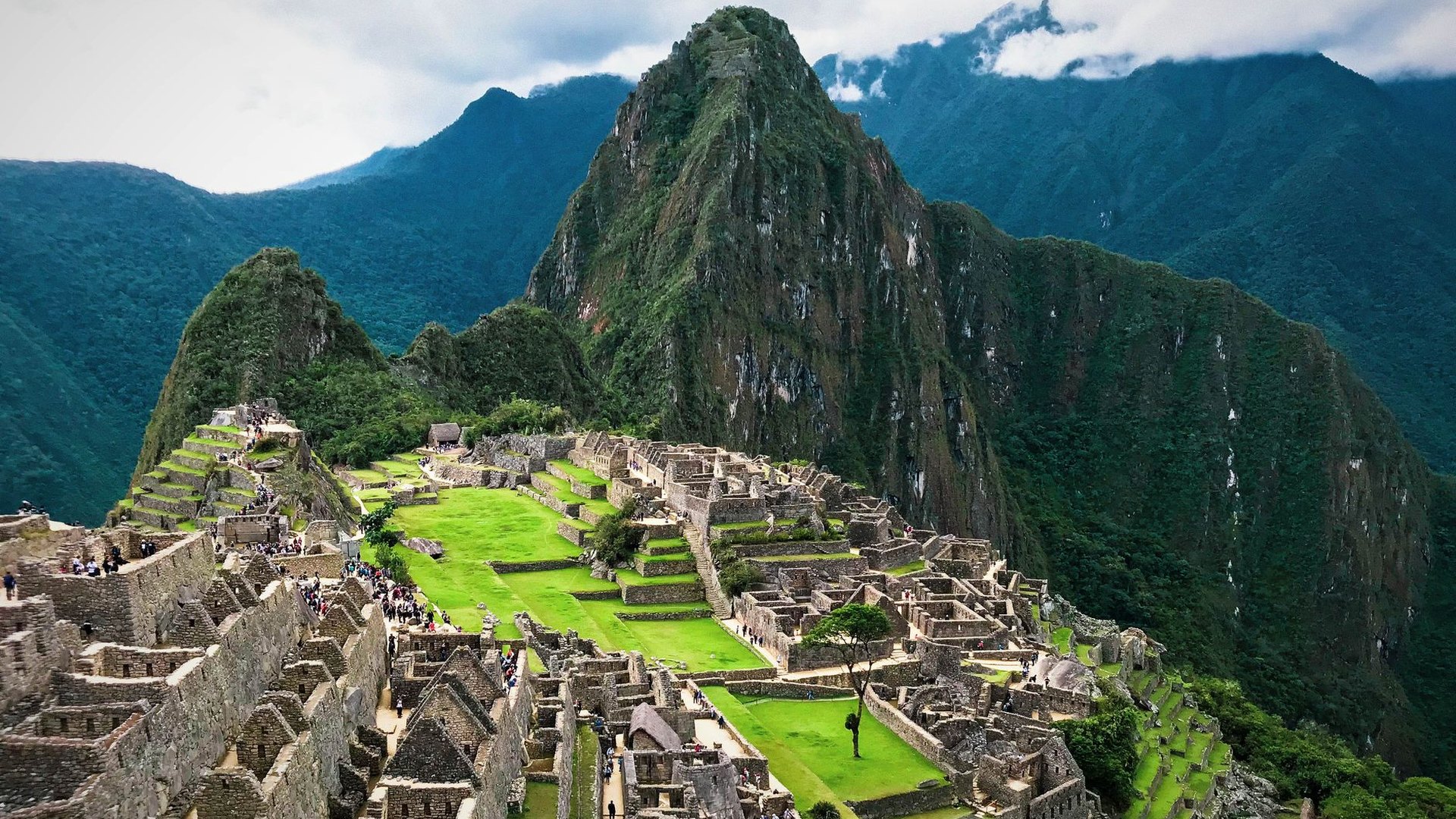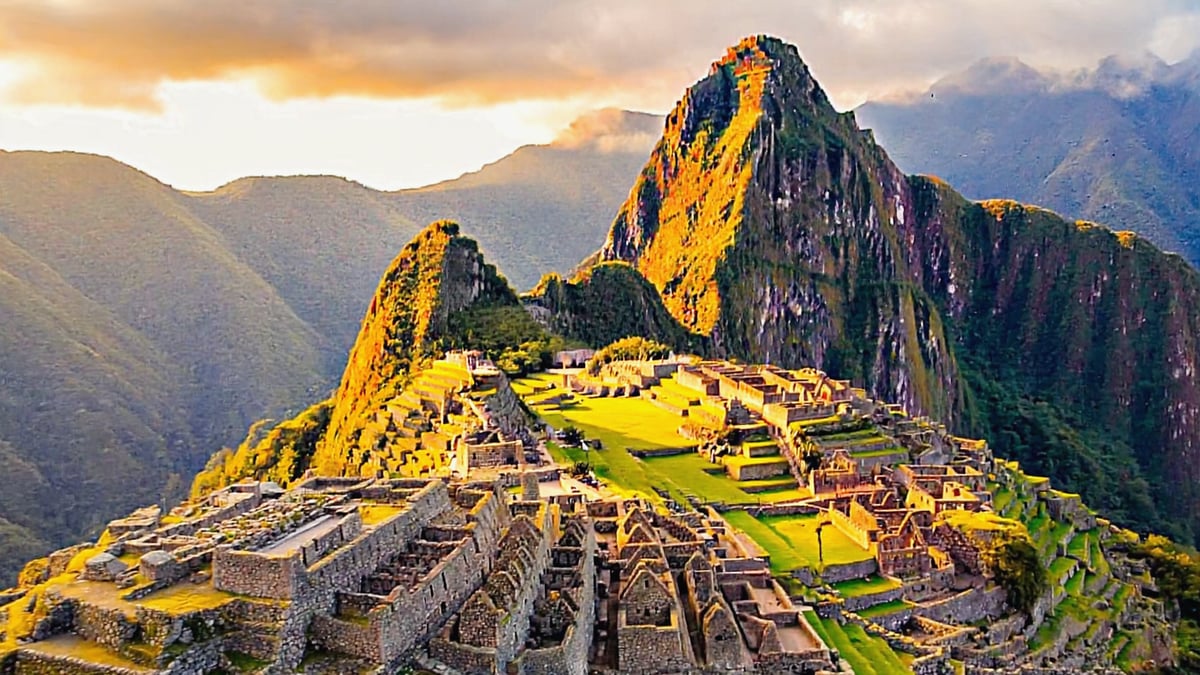
There is a moment, somewhere between the cloud forest and the sky, when Machu Picchu reveals itself — and every traveller who has stood at that viewpoint will tell you that no photograph, no documentary, no amount of reading adequately prepares you for it. Peru is one of those rare destinations where the reality exceeds the expectation at almost every turn: a country where Inca stonework sits alongside Baroque cathedrals, where the Amazon begins its 6,400-kilometre journey to the Atlantic, and where the food is, quietly, some of the most exciting on the planet. If you have been considering Peru for 2026, this guide is your definitive starting point — practical, honest, and built for UK travellers who want to do it properly.
Destination Overview: What Makes Peru Unlike Anywhere Else
Peru is a country of staggering geographic and cultural diversity, situated on the western coast of South America, bordered by Ecuador, Colombia, Brazil, Bolivia, and Chile. Within its borders you will find three completely distinct worlds: the arid Pacific coast, the Andean highlands that form the spine of the continent, and the vast Amazon basin that covers more than half the country's landmass. For most UK travellers, the Andean highlands — and specifically the Cusco region — form the heart of any Peru itinerary.
Language: Spanish is the official language, though Quechua — the language of the Inca Empire — remains widely spoken across the highlands. In Cusco and Lima's tourist zones, English is reasonably common in hotels, tour companies, and restaurants, but learning a handful of Spanish phrases will be warmly received almost everywhere.
Currency: The Peruvian Sol (PEN), commonly called the "sol." As of 2026, the exchange rate hovers around S/4.8–5.0 to £1, though this fluctuates. ATMs are widely available in Lima and Cusco; carry some cash in smaller denominations for markets, rural sites, and transport. US dollars are accepted in many tourist-facing businesses, but soles are preferable and often give you a better effective rate.
Time Zone: Peru Standard Time (PET) is UTC-5, which puts it 5 hours behind the UK in winter (GMT) and 6 hours behind during British Summer Time. There is no daylight saving time in Peru, so the gap widens slightly in the British summer months.
Visa Requirements for UK Travellers: British passport holders do not require a visa to enter Peru for tourism purposes. You can stay for up to 183 days in a calendar year. Your passport must be valid for the duration of your stay, and you will need to show evidence of onward travel and sufficient funds. Immigration officers at Lima's Jorge Chávez International Airport typically stamp a standard 90-day tourist entry, which is more than sufficient for most holidays. Always check the latest entry requirements via the UK Government's Peru travel advice page before departure.
Electricity: Peru uses 220V/60Hz with Type A and Type C sockets. UK travellers should bring a universal travel adaptor. Most modern devices handle the voltage automatically, but check your appliances before travelling.
Health Considerations: Altitude sickness (soroche) is the most significant health concern for visitors to Cusco and Machu Picchu. Cusco sits at 3,399 metres above sea level — higher than many Alpine peaks — and acclimatisation is essential. Yellow fever vaccination is recommended if you plan to visit Amazon regions. Consult your GP or a travel health clinic at least six weeks before departure for personalised advice.
When Is the Best Time to Visit Peru?
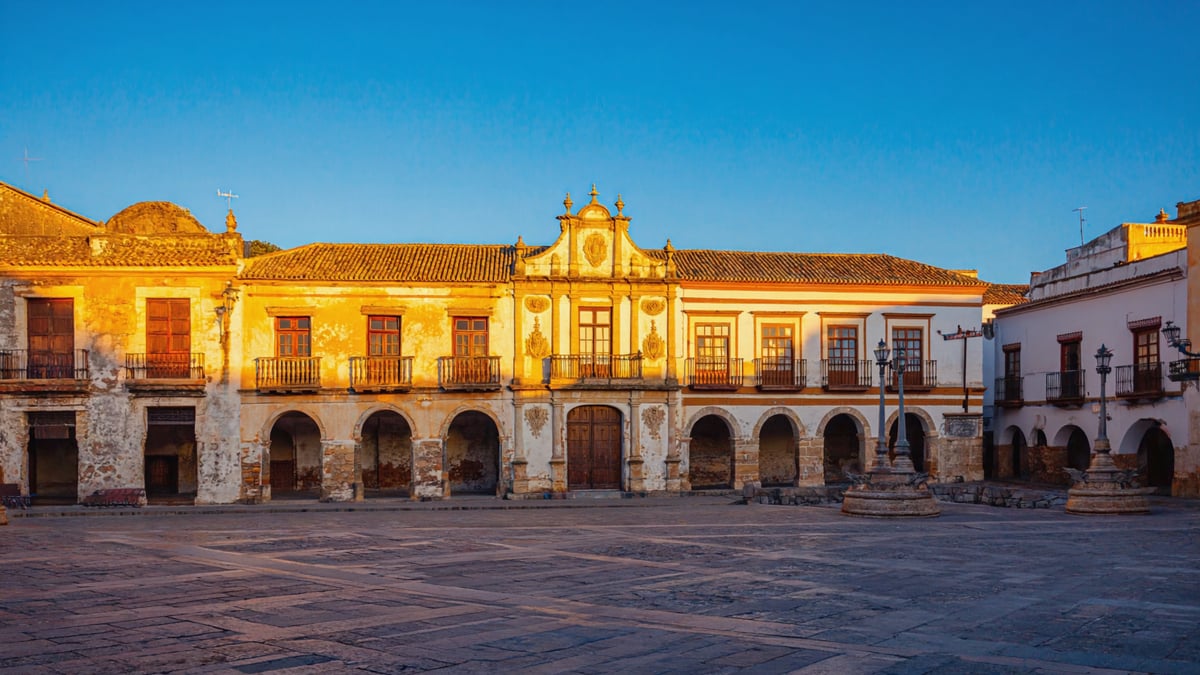
The optimal time to visit Peru for most UK travellers is during the dry season, which runs from May through October. This window offers the clearest skies, most reliable trekking conditions, and the best visibility at Machu Picchu — though it is also the busiest and most expensive period.
Month-by-Month Breakdown
January–March: This is the heart of the wet season in the highlands. Rainfall is frequent and heavy, and the Inca Trail to Machu Picchu is closed entirely in February for maintenance. That said, the landscape is spectacularly green, crowds are thinner (particularly outside the Christmas period), and prices for flights and accommodation drop noticeably. Lima, on the coast, maintains its own grey, misty microclimate year-round and is less affected by Andean weather patterns.
April: A transitional month that sees decreasing rainfall and thinning crowds. Easter week (Semana Santa) brings significant local celebrations — particularly in Cusco, where the processions are extraordinary — but also domestic tourism spikes. April can be an excellent compromise month for travellers wanting manageable crowds and emerging dry conditions.
May–June: The dry season begins in earnest. Days are sunny and clear, temperatures in Cusco average a comfortable 18–20°C during the day (though nights drop sharply, often to 2–5°C). The Inca Trail reopens fully after its February closure, and Machu Picchu visibility is at its best. Inti Raymi — the Festival of the Sun — takes place on 24th June and is one of the most spectacular cultural events in South America, drawing enormous crowds to Cusco and the nearby fortress of Sacsayhuamán.
July–August: Peak season. Machu Picchu entry slots, Inca Trail permits, and popular hotels sell out months in advance. Expect higher prices and larger crowds at major sites. However, the weather is reliably excellent, and the atmosphere throughout the Cusco region is electric with festivals, markets, and celebrations.
September–October: Shoulder season begins. Crowds start to thin after August, prices ease slightly, and the weather remains largely dry. This is arguably the sweet spot — good conditions without the peak-season pressure. October sees increasing cloud cover toward month's end as the wet season approaches.
November–December: The wet season gradually returns. Rain showers become more frequent, though they are often afternoon events rather than all-day downpours. December brings Christmas festivities, and Cusco's Christmas markets and Santuranticuy craft fair (held on 24th December) are genuinely worth experiencing.
Our Recommendation: For most UK travellers — especially those visiting for the first time — May or September represent the optimal travel windows. You get dry, clear conditions for Machu Picchu and trekking without the extreme peak-season pressure of July and August. Book Inca Trail permits and Machu Picchu timed entry slots as early as possible regardless of when you travel.
Where to Stay: A Neighbourhood Guide for Every Budget
Accommodation strategy in Peru largely depends on your itinerary, but most visitors divide their time between Lima (for arrival and departure) and the Cusco region (for the Inca heartland). Both cities offer a wide spectrum of accommodation, from backpacker hostels to some of the most remarkable luxury hotels in South America.
Lima
Miraflores is the neighbourhood of choice for most first-time visitors. Perched on clifftops above the Pacific, it offers excellent restaurants, well-maintained parks, reliable taxi services, and a generally safe environment for tourists. Mid-range hotels here are well-suited to a one- or two-night stopover. Barranco, Lima's bohemian arts district, is a more characterful alternative — slightly edgier, packed with galleries, boutique bars, and excellent restaurants, with a growing selection of design hotels. San Isidro is Lima's upmarket financial and residential district, offering polished luxury hotels and proximity to some of the city's finest restaurants.
Budget (£25–£55/night): Guesthouses and boutique hostels in Miraflores offer clean, well-located rooms with reliable wi-fi at this price point. Mid-range (£70–£140/night): International brand hotels and well-regarded independent properties in Miraflores and Barranco. Luxury (£180–£400+/night): Lima's top-tier hotels in Miraflores and San Isidro deliver world-class service with Pacific views.
Cusco
The Historic Centre (Centro Histórico) places you within walking distance of the Plaza de Armas, the Cathedral, and the main artisan markets. Staying here is atmospheric and convenient, though streets are steep and cobbled — bear this in mind after a long-haul flight and before acclimatisation. San Blas, the bohemian neighbourhood above the main square, is filled with ceramics workshops, independent restaurants, and characterful guesthouses built into colonial and Inca-era structures. It is one of the most enjoyable areas in South America to simply wander.
Budget (£20–£50/night): San Blas and the streets around the Plaza de Armas have excellent budget guesthouses with genuine character. Mid-range (£60–£150/night): Boutique hotels in converted colonial mansions are a Cusco speciality — this tier delivers tremendous value and atmosphere. Luxury (£200–£600+/night): Several world-class hotels occupy extraordinary historic properties in Cusco's centre, including former convents and Inca palace sites. The Sacred Valley also has spectacular luxury lodge options with mountain views.
Sacred Valley & Aguas Calientes
Staying in the Sacred Valley (the Urubamba Valley between Cusco and Machu Picchu) is increasingly popular, particularly in the towns of Urubamba, Ollantaytambo, and Pisac. This approach reduces the altitude exposure compared to Cusco and provides a more rural, unhurried experience. Aguas Calientes (also called Machu Picchu Pueblo), the town at the base of Machu Picchu, is worth a one-night stay for those wanting a sunrise slot at the citadel — accommodation here is more limited and pricier for its quality than elsewhere.
Top Things to Do in Peru
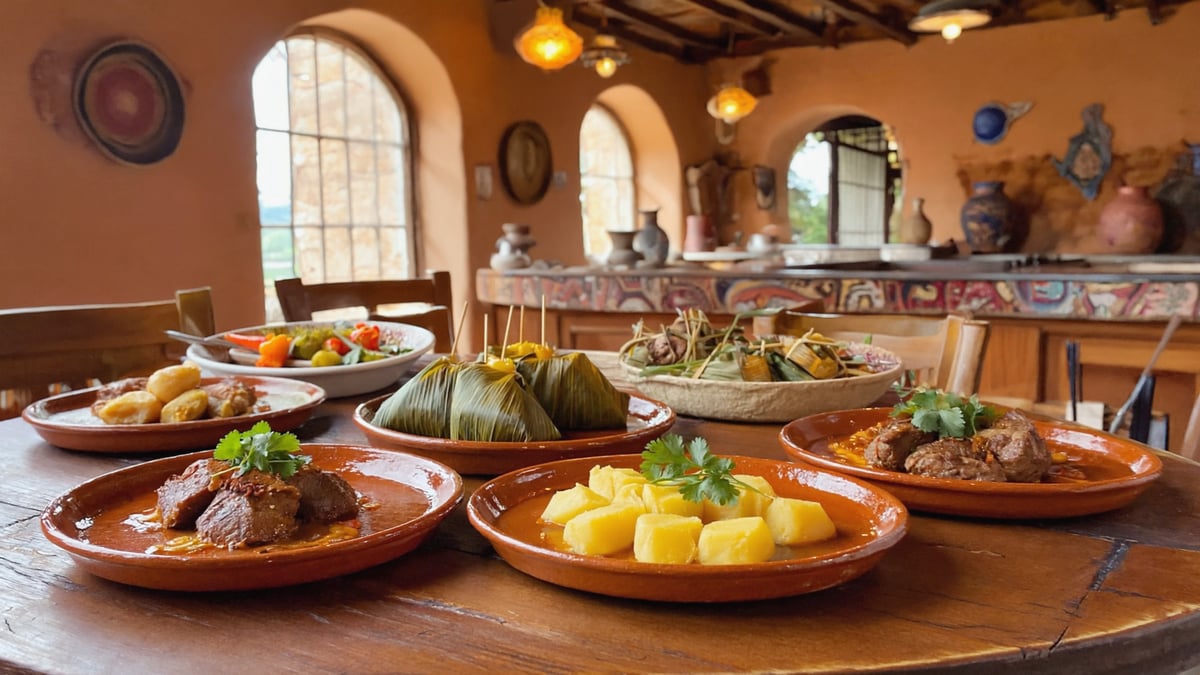
Peru rewards curiosity at every level — whether you are a history enthusiast, a trekker, a food lover, or simply someone who wants to stand somewhere extraordinary. Here are the experiences that genuinely define a Peru visit.
1. Machu Picchu at Sunrise
The Inca citadel is the non-negotiable centrepiece of any Peru itinerary. Entry is via timed slots booked through the official Peruvian government ticketing system — book these months in advance, as daily visitor numbers are capped. Entry costs approximately S/152 (around £30–32) for the main circuit. The first morning slot, which gets you in before the day-trippers arrive from Cusco, is the most coveted. Take the bus from Aguas Calientes (around S/24/£5 each way) or hike the steep path up on foot. The Sun Gate (Inti Punku) viewpoint, reached by a 45-minute hike from the main site, provides the classic panoramic overview. Insider tip: book the Huayna Picchu or Machu Picchu Mountain add-on tickets for elevated perspectives — these also sell out rapidly.
2. The Inca Trail Trek
The four-day, three-night classic Inca Trail remains one of the world's great hikes — 43 kilometres through cloud forest, high-altitude passes (the highest, Dead Woman's Pass, reaches 4,215m), and a series of Inca ruins, culminating in arrival at Machu Picchu through the Sun Gate at dawn. Permits are strictly limited to 500 people per day (including guides and porters) and sell out many months in advance. Organised trek packages from licensed operators in Cusco typically cost between £600–£900 per person including permits, camping, meals, and porters. The trek runs from mid-February to January.
3. The Sacred Valley
The broad, fertile valley between Cusco and Machu Picchu contains some of the most impressive Inca sites outside the citadel itself. Pisac combines an excellent Sunday market (one of the best craft markets in the Andes) with extensive Inca terraces and a hilltop citadel. Ollantaytambo is the only Inca town still inhabited on its original street plan and features a dramatic fortress temple that was the site of one of the few Inca military victories over Spanish conquistadors. A full-day Sacred Valley tour from Cusco (typically £30–£55 per person through local operators) covers both plus lunch and transport.
4. Rainbow Mountain (Vinicunca)
The multicoloured mineralite mountain, located about three hours from Cusco at 5,200 metres, has become one of Peru's most talked-about sights. The hike to the summit takes 1.5–2 hours from the trailhead and is genuinely strenuous at altitude. Day tours depart Cusco at around 03:30 and cost approximately £25–£40 per person including transport and a guide. Entry to the site costs S/10 (around £2). Go on a clear day — the colours are most vivid in morning light and the views of the surrounding Andean landscape are spectacular.
5. Cusco's Historic Centre
Cusco was the capital of the Inca Empire and remains one of the most layered cities in the Americas. The Plaza de Armas is ringed by colonial Baroque architecture built directly on Inca foundations — look closely at the lower walls of many buildings and you will see the precise Inca stonework beneath the Spanish additions. The Qorikancha (Temple of the Sun), where the Spanish built the Santo Domingo Convent directly over the Inca gold temple, is one of the most historically resonant sites in the city (entry approximately S/15/£3). The nearby San Pedro Market is an atmospheric local food market — far less touristy than the artisan markets and excellent for breakfast.
6. Lake Titicaca
At 3,812 metres, Lake Titicaca is the world's highest navigable lake, straddling the Peru-Bolivia border. The town of Puno on the Peruvian shore serves as the gateway. The floating reed islands of the Uros people — constructed and maintained on the lake's surface — are the most visited attraction, though the less-touristed island of Taquile offers a more authentic experience of traditional Andean life. Boat tours from Puno start at around £15–£25 per person for a half-day. Puno is best reached from Cusco by tourist bus (a scenic 6-hour journey, around £15–£25) or by the scenic Belmond Andean Explorer train on certain days.
7. Lima's Food Scene
Lima has established itself as one of the world's great food cities, with multiple restaurants consistently featuring on the World's 50 Best Restaurants list. The city's culinary identity is built on extraordinary biodiversity — more than 3,000 varieties of potato, 55 varieties of corn, and 2,000 species of fish — combined with Chinese, Japanese, African, and Spanish culinary influences. The neighbourhood of Miraflores concentrates much of the high-end dining scene, while Barranco offers more creative, experimental options. A tasting menu at a top-tier Lima restaurant costs £60–£120 per person; excellent ceviche at a mid-range cevichería runs £8–£15.
8. The Amazon at Puerto Maldonado or Iquitos
Peru contains a significant portion of the Amazon basin, and adding a jungle extension to a highlands itinerary transforms the entire trip. Puerto Maldonado in the Madre de Dios region is the most accessible Amazon gateway from Cusco (a 45-minute flight). Jungle lodges in the Tambopata National Reserve offer wildlife watching, guided canoe trips, and night hikes — macaws, caimans, capybaras, and an extraordinary diversity of bird species are commonly spotted. Lodge packages (all-inclusive, 3–4 nights) typically cost £200–£500 per person depending on the lodge's standard.
9. Sacsayhuamán
Just above Cusco, the massive Inca fortress of Sacsayhuamán is one of the most impressive pieces of Inca engineering anywhere. The site's cyclopean limestone blocks — some weighing over 100 tonnes — were fitted together without mortar with extraordinary precision. Entry is included in the Cusco Tourist Ticket (Boleto Turístico), which costs S/70 (approximately £14) and covers 16 sites across Cusco and the surrounding area. Allow at least 90 minutes. The site hosts the Inti Raymi Festival on 24th June — one of the most spectacular events in South America.
10. The Nazca Lines
The enigmatic geoglyphs etched into the desert floor of the Nazca region — visible only properly from the air — represent one of archaeology's great enduring mysteries. Overflight tours depart from Nazca and Pisco airports; a standard 30-minute flight costs approximately £100–£150 per person. Nazca is most easily reached from Lima (about 7 hours by bus, or a short flight). The lines depict animals, plants, and geometric shapes up to 370 metres in length, created by the Nazca culture between roughly 200 BCE and 700 CE.
Book Your Peru Holiday Now
GlobeHunters offers holiday packages including flights and hotels at competitive prices. Our 8-night Peru package starts from just £1,699 per person — including return flights from the UK and hotel accommodation throughout your stay.
View Package & Prices →Or call us: 0208 944 4514
Food & Dining: Peru's Extraordinary Culinary Landscape
Peruvian cuisine is genuinely world-class — a statement that would have surprised many travellers a decade ago but is now a well-established culinary fact. Lima consistently produces restaurants that appear at the very top of international rankings, but the food story extends far beyond the capital, through the highlands, the jungle, and the coast.
Essential Dishes to Try
Ceviche is Peru's national dish and a non-negotiable experience. Fresh raw fish cured in lime juice (leche de tigre — "tiger's milk") with red onion, chilli, and coriander, served with sweet potato and corn. It is extraordinary when done well, and Lima's coastal location means the fish is impeccably fresh. Go to a dedicated cevichería rather than a general restaurant for the best version.
Lomo Saltado is the quintessential expression of chifa — Peru's Chinese-Peruvian fusion cuisine. Strips of beef stir-fried with tomatoes, onions, soy sauce, and yellow chilli, served with both rice and chips simultaneously. It sounds peculiar; it is completely delicious and available everywhere from street stalls to high-end restaurants.
Aji de Gallina is a creamy yellow chilli and walnut chicken stew served over rice, often with a boiled egg and olives — comfort food of the highest order and a staple of traditional Peruvian home cooking.
Anticuchos are beef heart skewers marinated in vinegar and spices, grilled over charcoal, and served with potatoes and a spicy sauce. Found at street stalls throughout Cusco and Lima in the evenings, they are one of Peru's great street food experiences — do not let the ingredient intimidate you.
Rocoto Relleno is a Cusco speciality: a fiery red rocoto pepper stuffed with spiced minced meat, cheese, and vegetables, baked until tender. Be warned — rocoto peppers are significantly hotter than standard bell peppers.
Pisco Sour, Peru's national cocktail, deserves specific mention. Made with pisco (a grape-based spirit), lime juice, egg white, simple syrup, and bitters, it is served ice-cold and is the correct way to begin any dinner in Peru. There is a long-standing Argentina-Peru dispute over pisco's origins; in Peru, this is not a topic for debate.
Where to Eat
In Lima, the Miraflores and Barranco neighbourhoods contain the highest concentration of excellent restaurants. The Larcomar shopping centre on the Miraflores clifftop has several decent mid-range options with Pacific views. For street food, the Surquillo Market (Mercado No. 1 de Surquillo) is where Lima's chefs shop and where you will find the most authentic, unfussy versions of classic dishes.
In Cusco, the streets around the Plaza de Armas and San Blas neighbourhood have a good spread of options. Be cautious of the very cheapest tourist-menu restaurants on the main square — quality varies significantly. The San Pedro Market is ideal for breakfast (fresh juices, bread rolls, and local soups). Cusco also has a surprisingly vibrant café culture, driven partly by the high altitude's effect on visitors' appetite for hot drinks.
Dietary Considerations: Vegetarians will find more options in Lima and Cusco than in smaller towns or rural areas. Many traditional dishes are meat-based, but the abundance of vegetables, grains (quinoa is native to the Andes), and legumes means plant-based eating is possible with some planning. Gluten-free travellers will find many naturally gluten-free dishes (rice, potatoes, and corn are staples). Halal and kosher options are very limited outside Lima.
Getting to Peru from the UK
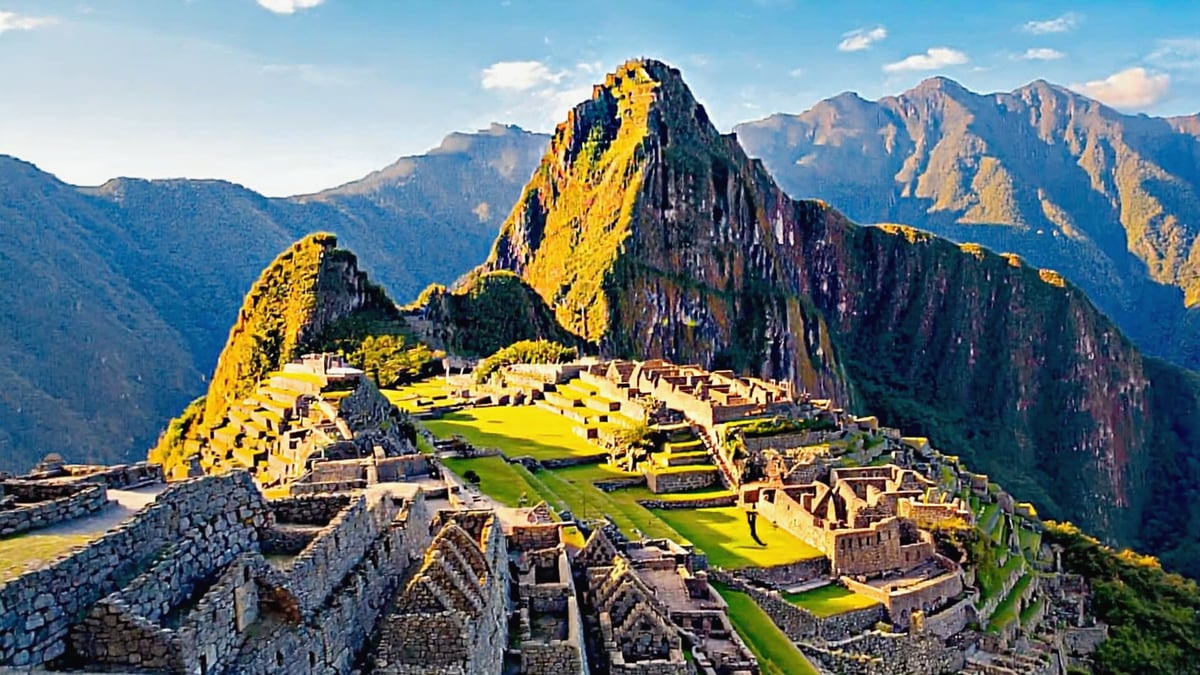
The most common and straightforward routing from the UK to Peru involves flying into Lima's Jorge Chávez International Airport (LIM), which serves as the primary hub for all domestic connections.
Flight Routes and Airlines
There are no direct non-stop flights from the UK to Peru as of 2026. All routes involve at least one stopover. The most common connections are through:
- Amsterdam (AMS) via KLM — a well-regarded routing with good connections from across the UK via Amsterdam.
- Madrid (MAD) via Iberia — particularly convenient from London Heathrow, with Iberia's strong South American network.
- Atlanta, Miami, or Houston via American Airlines, Delta, or United — US-connecting routes that are common from London and some regional UK airports.
- Bogotá (BOG) via Avianca or Copa — popular connecting points for travellers comfortable with South American carriers.
- São Paulo (GRU) via LATAM Airlines or British Airways codeshares — good option for travellers considering combining Peru with Brazil.
Total journey time from London to Lima typically ranges from 14 to 20 hours door-to-door depending on the connection and layover duration. Direct flight time from London to Lima is approximately 12–13 hours; the connection adds several hours.
Departure airports: London Heathrow (LHR) offers the widest range of connecting options. London Gatwick (LGW), Manchester (MAN), and Birmingham (BHX) have more limited but usable options, often connecting through European hubs.
Typical flight costs for economy class from London to Lima range considerably depending on season and how far in advance you book. Budget-conscious travellers booking well ahead may find economy fares from around £650–£900 return; peak-season and last-minute bookings can push significantly higher.
Getting from Lima to Cusco
The connection from Lima to Cusco is a one-hour domestic flight — the only practical option given the road distance. LATAM Airlines, Sky Airline, and Star Peru all operate this route multiple times daily. Domestic flights typically cost £40–£100 each way booked in advance through local carriers. This flight is almost always included in package itineraries as standard.
Airport Transfers
From Lima's Jorge Chávez airport, licensed taxi services to Miraflores cost approximately S/60–80 (£12–16) and take 30–60 minutes depending on traffic (Lima's traffic is notorious — allow extra time during rush hours). Pre-booked private transfers through your hotel or a reputable operator are recommended for first-time visitors. Uber operates in Lima and is generally cheaper than street taxis.
From Cusco's Alejandro Velasco Astete airport, the city centre is only 10–15 minutes away by taxi; official airport taxis cost approximately S/15–25 (£3–5).
Peru Budget Guide: What Will Your Holiday Actually Cost?
Peru offers genuinely excellent value for UK travellers at virtually every budget level, though the gap between budget and luxury options is significant. Here is a realistic daily spend breakdown (excluding flights and pre-booked accommodation):
Budget Traveller: £35–£55 per day
This tier assumes staying in guesthouses or lower-end hotels, eating at local restaurants and markets, using public transport where possible, and selecting free or low-cost activities. Breakfast at a market: £1.50–£3. Lunch menu del día (set lunch, typically three courses): £2.50–£5. Dinner at a local restaurant: £4–£8. Public transport (combis, collectivos): £0.20–£1 per journey. Entry to Cusco Tourist Ticket sites: £14 (one-off). This is a perfectly comfortable budget for experienced travellers happy to engage with local infrastructure.
Mid-Range Traveller: £80–£130 per day
This covers comfortable boutique hotels (£50–£80/night), eating at mid-range restaurants for lunch and dinner, taking organised day tours, and paying for comfortable transport options. Most UK travellers on a standard holiday fall into this bracket. It allows for a good restaurant dinner (£15–£25 per person), a day tour to the Sacred Valley (£30–£50), and a comfortable buffer for souvenirs and incidentals.
Luxury Traveller: £200–£500+ per day
Peru's luxury offering is world-class and surprisingly affordable by European standards. This tier covers five-star hotels in converted colonial mansions (£150–£400/night), private guided tours, high-end restaurants (£40–£100 per person for dinner with drinks), business-class or premium economy flights, and bespoke experiences such as private sunrise access at Machu Picchu or a helicopter transfer to the site. The Belmond luxury train experiences (including the Hiram Bingham train to Machu Picchu, approximately £220 return per person) are a particular highlight at this level.
One-Off Costs to Budget For
- Machu Picchu entry: approximately £30–32 per person (book online well in advance)
- Cusco Tourist Ticket: approximately £14 per person (covers 16 sites)
- Inca Trail permit: included in trek packages (typically £600–£900 total)
- Rainbow Mountain day tour: approximately £25–£40 per person
- Lima–Cusco domestic flight: approximately £40–£100 each way
- Hiram Bingham luxury train to Machu Picchu: approximately £220 per person return
- Travel insurance: essential — budget £50–£100 per person for a comprehensive policy covering altitude activities
Travel Tips & Safety: What Every UK Traveller Should Know
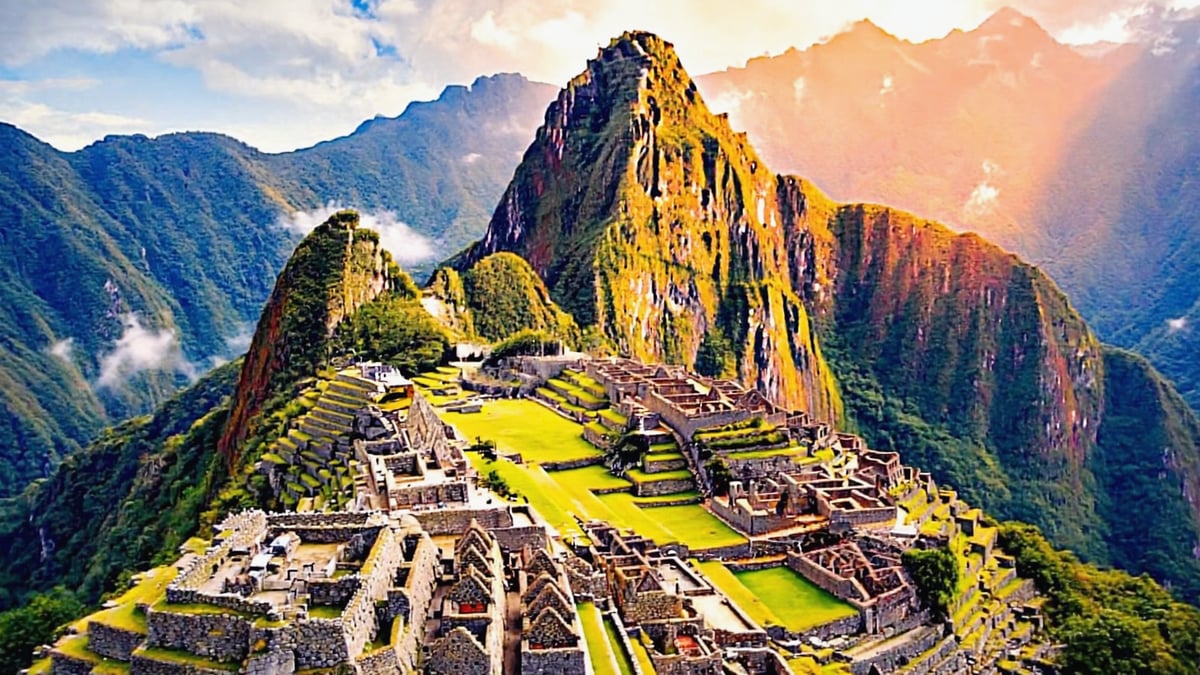
Peru is a rewarding destination that requires a degree of preparation beyond the typical European city break. The following practical guidance will help you travel confidently and safely.
Altitude Acclimatisation
This is the most important practical consideration for any visitor to the Andean region. Cusco sits at 3,399 metres — higher than most people's bodies are accustomed to — and flying directly from sea level to this altitude almost always produces some symptoms of altitude sickness (soroche): headache, fatigue, nausea, shortness of breath, and disturbed sleep are common in the first 24–48 hours.
The standard advice is to plan a slow first day in Cusco: rest, drink plenty of water (at least 3 litres per day), avoid alcohol and heavy meals initially, and consider drinking coca tea (mate de coca), which is legal and widely available and is genuinely helpful for mild altitude symptoms. The medication acetazolamide (Diamox) can be prescribed by your GP before travel and significantly reduces acclimatisation symptoms — discuss this option at least six weeks before departure.
Some itineraries recommend spending 1–2 nights in the Sacred Valley (at approximately 2,800m) before ascending to Cusco as a gentler acclimatisation strategy.
Safety in Peru
Peru is a safe destination for tourists when standard precautions are taken. The UK Government's travel advice currently rates most tourist areas as requiring normal vigilance with specific awareness in certain zones. The main tourist areas of Cusco, Machu Picchu, the Sacred Valley, and Miraflores in Lima are generally very safe for visitors.
Petty theft (pickpocketing, bag snatching) is the most common risk, particularly in crowded areas such as markets, bus stations, and the historic centres of Lima and Cusco. Use a money belt or inside pockets, keep cameras and phones in a bag rather than on display, and avoid showing expensive jewellery. Use ATMs inside banks or shopping centres rather than street-facing machines where possible.
Express kidnapping (where someone is briefly abducted and forced to withdraw cash from ATMs) has been reported in Lima, though it is relatively rare and largely concentrated in specific areas. Use reputable taxi apps (InDriver, Uber) rather than hailing taxis from the street, particularly at night.
Scams targeting tourists are common in high-traffic areas. Be cautious of strangers who seem overly helpful, offers of unsolicited assistance, or situations that seem designed to distract you.
Health Precautions
Tap water in Peru is not safe to drink — use bottled water or a reliable filter/purification system throughout your trip, including for brushing teeth in more remote areas. Stomach bugs are common among travellers, particularly in the early days — carry rehydration sachets and consider prophylactic probiotics. Food safety is generally reliable in established restaurants; be more cautious with street food if you have a sensitive stomach.
Ensure your routine vaccinations are up to date. Hepatitis A, typhoid, and tetanus vaccinations are typically recommended for Peru. Yellow fever vaccination is recommended if visiting Amazon regions. Malaria prophylaxis may be advised depending on your specific itinerary — consult the NHS Travel Health service or a private travel clinic for personalised advice.
Cultural Etiquette
Peruvians are warm and hospitable, and a few cultural courtesies go a long way. Greetings matter — a "buenos días" or "buenas tardes" when entering a shop, restaurant, or speaking to anyone is basic courtesy and always appreciated. Photography requires sensitivity, particularly in indigenous communities — always ask before photographing people, and be prepared to pay a small tip. Religious sites (churches, sacred Inca sites) require respectful behaviour — cover shoulders and knees in active churches.
Bargaining is expected and accepted in markets, but do so with good humour and fairness. Remember that for many market vendors, small sums represent significant income. Tipping in restaurants is customary (around 10% in sit-down restaurants); tip guides and drivers at the end of tours (S/20–50/£4–10 per guide per day is a reasonable range).
Packing Essentials for Peru
- Layers — Cusco's days are warm in the sun; evenings drop to near-freezing. A quality fleece or down jacket is essential year-round.
- Rain gear — even in the dry season, afternoon showers can occur. A packable waterproof is always worth carrying.
- Sun protection — UV radiation at altitude is intense. High-factor sunscreen (SPF 50+), sunglasses, and a wide-brimmed hat are non-negotiable.
- Sturdy walking shoes or boots — Cusco's cobbled streets and Machu Picchu's uneven terrain require solid footwear.
- Insect repellent — particularly important if visiting Amazon regions (DEET-based repellents are most effective).
- Basic first aid kit — including blister plasters, rehydration sachets, antidiarrheal medication, and any prescription medications.
- Adapter plug — Type A/C sockets; a universal adapter covers all bases.
- Copies of important documents — keep digital and physical copies of your passport, insurance policy, and booking confirmations separate from the originals.
Frequently Asked Questions About Peru Holidays
Do UK citizens need a visa to visit Peru?
No. British passport holders can enter Peru visa-free for tourism purposes for up to 183 days per calendar year. You will need a valid passport, evidence of onward travel, and proof of sufficient funds. Always verify current requirements on the UK Government's Peru travel advice page before departure.
How far in advance should I book Machu Picchu tickets?
As early as possible — ideally 3–6 months in advance for travel during peak season (July–August) and at least 4–8 weeks ahead for shoulder season. Daily visitor numbers are strictly capped, and popular timed entry slots (particularly the earliest morning slot) sell out well in advance. Book through the official Peruvian government ticketing platform. Inca Trail permits require even more advance planning — 6–12 months ahead for peak season.
Is altitude sickness a serious risk at Machu Picchu and Cusco?
It is a genuine consideration, though rarely life-threatening for otherwise healthy travellers. Cusco (3,399m) is more likely to cause symptoms than Machu Picchu (2,430m), which sits at a lower elevation. Plan a slow first day in Cusco, stay well hydrated, avoid alcohol initially, and consider consulting your GP about acetazolamide (Diamox) before travel. Acute Mountain Sickness (AMS) that doesn't improve with rest and hydration requires medical attention and descent to a lower altitude.
What is the best way to get from Cusco to Machu Picchu?
The standard route involves taking a train from Cusco (or more commonly from Ollantaytambo in the Sacred Valley) to Aguas Calientes, then a bus up the mountain to the citadel entrance. Several train operators serve this route, from budget options to the luxurious Belmond Hiram Bingham. The train journey from Ollantaytambo to Aguas Calientes takes approximately 1.5 hours through spectacular mountain scenery. Alternatively, multi-day treks including the Inca Trail arrive at Machu Picchu on foot through the Sun Gate.
How many days should I spend in Peru?
A minimum of 8–10 days is recommended to cover Lima, Cusco, the Sacred Valley, and Machu Picchu without feeling rushed. Two weeks allows for a more relaxed pace, the inclusion of additional sites (Lake Titicaca, Rainbow Mountain, or an Amazon extension), and proper acclimatisation time. GlobeHunters' 8-night package from £1,699 per person is well-structured for a first-time visit covering the essential highlights.
Is Peru safe for solo travellers and couples?
Yes, with appropriate precautions. Peru is one of South America's most popular tourist destinations and the infrastructure for visitors is well-developed along major routes. Solo female travellers should take standard urban safety precautions, particularly in Lima at night. The main tourist areas — Miraflores, Cusco's historic centre, the Sacred Valley, and Machu Picchu — are generally safe and well-frequented. Use reputable taxi apps, keep valuables secure, and trust your instincts in unfamiliar situations.
What currency should I carry in Peru?
Peruvian Soles (PEN) are the most practical currency for day-to-day use. US dollars are accepted in many tourist-facing businesses and larger hotels, but you will often receive a less favourable effective rate than paying in soles. ATMs in Lima and Cusco are widely available — withdraw soles directly for the best rates. Notify your bank before travel to avoid your card being blocked for overseas transactions. Credit cards (Visa and Mastercard) are accepted in most mid-range and upmarket restaurants and hotels.
What vaccinations do I need for Peru?
The NHS recommends ensuring routine vaccinations are current (MMR, DTP, polio). Additional vaccinations typically recommended for Peru include Hepatitis A, Typhoid, and Tetanus. Yellow fever vaccination is recommended if visiting Amazon regions. Malaria prophylaxis advice depends on your specific itinerary — the Andean highlands (including Cusco and Machu Picchu) are not malaria risk areas, but Amazon regions are. Consult a travel health clinic at least 6–8 weeks before departure for personalised advice.
Can I drink tap water in Peru?
No. Tap water throughout Peru is not safe to drink for visitors. Drink bottled water (widely available and inexpensive), or use a reliable water purification filter or UV steriliser if you prefer to reduce plastic use. Use bottled water for brushing teeth in rural areas and be cautious with ice in drinks at lower-end establishments (reputable restaurants use purified ice).
What is the Cusco Tourist Ticket and is it worth it?
The Cusco Tourist Ticket (Boleto Turístico) is a combined entry pass covering 16 archaeological and cultural sites in and around Cusco, including Sacsayhuamán, Qenqo, Puca Pucara, Tambomachay, Pisac, Ollantaytambo, Chinchero, and several Cusco museums. It costs approximately S/70 (£14) for the full ticket. If you plan to visit more than 3–4 of the covered sites, it represents excellent value. It does not cover Machu Picchu, which requires a separate ticket purchase.
What is the best food to try in Peru?
Ceviche (fresh fish cured in lime juice) is the national dish and essential. Other must-tries include lomo saltado (beef stir-fry with chips and rice), aji de gallina (creamy chicken stew), anticuchos (grilled beef heart skewers), rocoto relleno (stuffed spicy pepper), and a pisco sour cocktail. Lima is one of the world's great food cities — budget at least one high-quality restaurant dinner during your time there. In the highlands, look for hearty soups (caldo de gallina) and quinoa-based dishes.
How much does a Peru holiday cost from the UK?
An 8-night package holiday to Peru including return flights from the UK and hotel accommodation starts from £1,699 per person with GlobeHunters. Additional daily spending typically runs £50–£130 per person depending on travel style, plus one-off costs such as Machu Picchu entry (approximately £30), the Cusco Tourist Ticket (approximately £14), and any organised tours or treks. A two-week trip to Peru including flights, accommodation, activities, food, and transport typically costs £2,200–£4,000 per person for a mid-range experience.
The Verdict: Why Peru Should Be Your 2026 Adventure
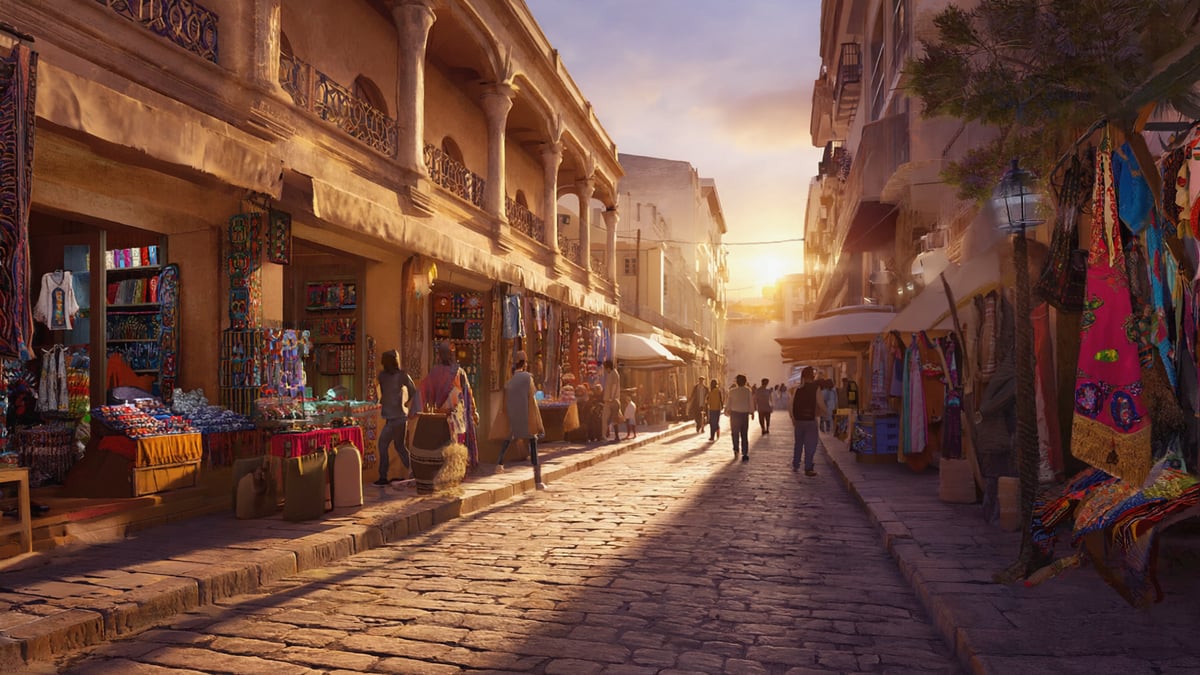
Peru is one of those destinations that travel writers struggle to do justice to — not because it is difficult to describe, but because the experience of being there operates on so many levels simultaneously. You are walking through one of the most sophisticated empires in human history. You are eating food that is redefining global cuisine. You are standing at altitudes that make your body work harder just to breathe, looking out across landscapes that make the effort completely, utterly worthwhile.
For UK travellers in 2026, Peru represents a compelling combination: genuinely world-class experiences, remarkable value for money compared to equivalent cultural destinations in Europe or North America, a well-developed tourist infrastructure that makes navigation straightforward, and an authenticity that more heavily-visited destinations have long since lost. The Inca world is not a theme park reconstruction — it is a living, breathing cultural inheritance that the Quechua-speaking communities of the highlands maintain and inhabit. That is something increasingly rare in modern travel.
Whether you are a couple seeking a genuinely memorable holiday that goes beyond the standard beach resort, an adventure traveller ready to tackle the Inca Trail, a food enthusiast drawn by Lima's extraordinary culinary scene, or simply someone who has always wanted to stand at Machu Picchu and finally decided that 2026 is the year — Peru will exceed your expectations. The only requirement is to book early, plan thoughtfully, and give yourself enough time to let the altitude and the altitude of the experience settle properly.
GlobeHunters' 8-night Peru package from £1,699 per person includes return flights from the UK and hotel accommodation throughout — a strong foundation on which to build your own itinerary from the highlights above. Spaces are limited, particularly for peak-season travel, so the earlier you commit, the better positioned you will be to secure Machu Picchu entry slots and Inca Trail permits alongside your package.
Book Your Peru Holiday Now
GlobeHunters offers holiday packages including flights and hotels at competitive prices. Our 8-night Peru package starts from just £1,699 per person — including return flights from the UK and hotel accommodation throughout your stay.
View Package & Prices →Or call us: 0208 944 4514
Ready to Book Your Peru Holiday?
Our travel experts are ready to help you plan the perfect trip. Call us today or browse our latest deals.
Ready to Start Planning?
Speak to our travel experts for personalised advice and the best deals on your next holiday.
Call 0208 944 4514