There is a city in the world where a priceless Leonardo da Vinci painting hangs beneath a perforated dome that filters the Arabian sun into a thousand points of light — and outside, just forty minutes away, vast rust-coloured dunes roll toward the horizon in near-total silence. That city is Abu Dhabi, and it remains one of the most genuinely surprising destinations on earth. Visitors arrive expecting opulence and leave with something they didn't anticipate: a deep sense of place, of culture, of a civilisation that has telescoped centuries of change into a single extraordinary generation. This guide is your complete roadmap to experiencing it all in 2026 — from the gilded corridors of the Sheikh Zayed Grand Mosque to the salt flats of the Western Region, from rooftop restaurants on Yas Island to a pre-dawn camel trek through the Empty Quarter's edge.
Abu Dhabi: What Kind of Destination Is This, Really?
Abu Dhabi is the capital of the United Arab Emirates, sitting on a roughly T-shaped island at the head of the Arabian Gulf. It is not Dubai — a distinction worth making early. Where Dubai has pursued spectacle as a primary export, Abu Dhabi has increasingly invested in depth: world-class museums, ecological reserves, and a cultural infrastructure that reflects genuine Emirati heritage rather than pure performance. That said, it absolutely delivers on luxury, architecture, and sheer visual drama in ways that few cities on earth can match.
Geography: Abu Dhabi is located on the southern coast of the Arabian Gulf, roughly 130 kilometres south-west of Dubai. The emirate is the largest of the UAE's seven, encompassing both the urban island capital and vast stretches of desert, including territory bordering Saudi Arabia and Oman.
Language: Arabic is the official language, but English is universally spoken in hotels, restaurants, shops, and tourist attractions. Signage throughout the city is bilingual.
Currency: The UAE Dirham (AED). As of 2026, the dirham is pegged to the US dollar at approximately 3.67 AED to $1, which translates to roughly 4.65–4.80 AED per £1 depending on exchange rates. It is wise to check live rates before travelling. Using a fee-free travel card such as Wise or Starling will save you considerably on ATM withdrawals and purchases.
Time Zone: Gulf Standard Time (GST), which is UTC+4. Abu Dhabi does not observe daylight saving time, meaning it is 4 hours ahead of the UK in winter and 3 hours ahead during British Summer Time.
Visa Requirements for UK Travellers: British citizens holding a full UK passport receive a free visa on arrival in the UAE, valid for 30 days and extendable. No pre-application is required. Your passport must be valid for at least six months beyond your travel date. The UAE government's official visa eligibility portal has the most current entry requirements.
Religion and Culture: Abu Dhabi is a Muslim-majority city, and this shapes the rhythm of daily life in ways that visitors should understand and respect. The call to prayer sounds five times daily. During Ramadan (the dates shift each year according to the lunar calendar — in 2026, Ramadan falls approximately in late February to late March), eating and drinking in public during daylight hours is inappropriate. Dress modestly when visiting mosques and souks. Public displays of affection should be kept minimal. The city is, however, genuinely welcoming to international visitors, and respectful tourists will encounter extraordinary warmth.
Book Your Abu Dhabi Holiday Now
GlobeHunters offers 5-night Abu Dhabi holiday packages including flights from the UK and hotel accommodation at competitive prices — from just £899 per person.
View Package & Prices →Or call us: 0208 944 4514
When Should You Actually Visit Abu Dhabi?
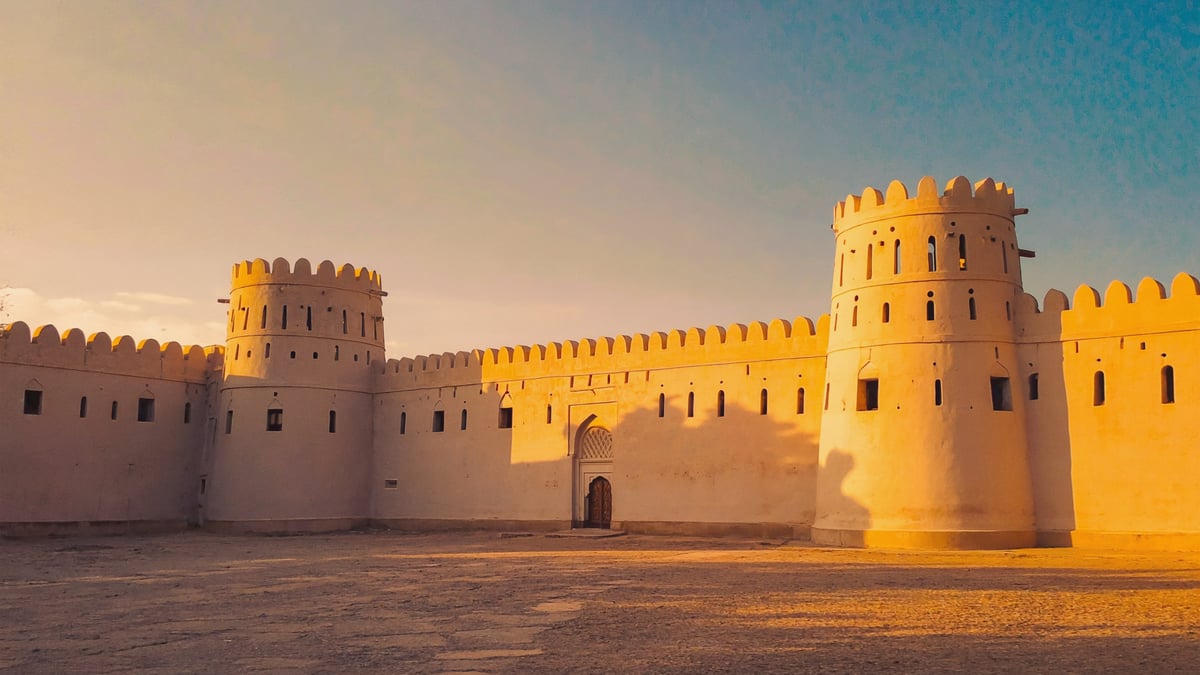
The honest answer: October through April is when Abu Dhabi is at its most enjoyable for British visitors, with the sweet spot falling between November and March. Outside of this window, the heat is genuinely extreme and can limit outdoor activity significantly — though the city is so comprehensively air-conditioned that it remains functional year-round.
Month-by-Month Breakdown
January & February: Peak season and, for many travellers, the finest months to visit. Daytime temperatures hover between 22–26°C, evenings are pleasantly cool at around 15°C, and the city is buzzing with international visitors. Expect higher hotel rates and advance booking to be essential. The Abu Dhabi International Book Fair (ADIBF) typically falls in late January, and Formula 1 fans should note that the Abu Dhabi Grand Prix at Yas Marina Circuit takes place in late November — not this window, but worth planning around.
March: Still excellent, with temperatures beginning to creep toward 30°C by the end of the month. March is also when cultural events tend to cluster, and the city has a lively, sociable energy. Ramadan timing varies annually — in 2026, Ramadan begins around late February, so March visitors should research the specific dates and plan accordingly.
April: The shoulder of the season. Temperatures are warming toward 33–35°C, but mornings and evenings remain comfortable. Prices begin to drop, making April a strong value option for travellers who want the experience without peak pricing.
May through September: These months are genuinely hot — temperatures regularly exceed 40°C, and humidity from July onward can make outdoor activity uncomfortable for all but short periods. This is when Abu Dhabi residents take their own holidays abroad. That said, hotels offer their lowest rates of the year, and if your visit is primarily indoors (museums, malls, theme parks), the financial savings can be substantial. Families with children tied to UK school term times sometimes find July and August workable for this reason.
October: The city begins to exhale. Temperatures drop back toward the low 30s, outdoor dining returns, and the atmosphere picks up noticeably. October is an underrated month — prices are still lower than peak season, but comfort levels are returning.
November & December: November hosts the Abu Dhabi Grand Prix, which transforms Yas Island and creates a festive, high-energy atmosphere (but also pushes hotel prices sharply upward during race week). December is culturally rich around UAE National Day (2nd December), with spectacular fireworks and street celebrations. Christmas and New Year sees hotels at their most expensive of the year.
Our recommendation for most UK travellers: Book for late October, November (avoiding Grand Prix week unless that's your reason for going), or January/February for the best balance of weather, atmosphere, and value.
Where to Stay: Abu Dhabi's Best Neighbourhoods for Visitors
Abu Dhabi's accommodation landscape divides cleanly into several distinct zones, each offering a different experience. Choosing the right base dramatically shapes your trip.
The Corniche & Downtown Island
The Corniche is Abu Dhabi's grand seaside promenade — an 8-kilometre arc of landscaped waterfront stretching along the western edge of the island. Staying here puts you within walking distance of the city's central business district, the Heritage Village, and some of the finest views of the Gulf. This is the most "Abu Dhabi" experience in terms of feeling connected to the city itself.
Budget options: The central island has fewer true budget options than Dubai, but travellers spending around £60–90 per night will find clean, well-located three-star hotels within a short taxi ride of major sights.
Mid-range (£100–£180/night): Several four-star properties along and near the Corniche offer excellent value, with pools, sea views, and proximity to the Corniche beach.
Luxury (£200–£500+/night): The Emirates Palace Mandarin Oriental is arguably the most iconic hotel in the UAE — a vast, gilded palace set on 1.3 kilometres of private beach with its own marina. It is genuinely one of the world's great hotel experiences. The St. Regis Abu Dhabi and Rosewood Abu Dhabi (with its striking Nation Towers setting) are also exceptional choices for this tier.
Yas Island
Located roughly 30 minutes from the city centre, Yas Island is Abu Dhabi's purpose-built entertainment destination. This is where you'll find Ferrari World, Yas Waterworld, the Warner Bros. World theme park, and the Yas Marina Formula 1 circuit. It's the obvious base for families with children and for F1 enthusiasts. Hotels here tend to be large, resort-style properties with extensive facilities.
Mid-range to luxury: The Yas Hotel Abu Dhabi (which famously straddles the F1 circuit) is a unique experience. Curio Collection and Marriott-branded properties on the island offer solid mid-range options. Expect to pay £110–£250/night depending on season.
Saadiyat Island
Saadiyat is Abu Dhabi's cultural quarter — home to the Louvre Abu Dhabi, the upcoming Guggenheim Abu Dhabi (in development), and some of the finest natural beaches in the emirate. It's quieter and more refined than Yas Island, with a distinctly upscale residential atmosphere. Staying here suits couples, honeymooners, and travellers prioritising the cultural offering.
Luxury: The Park Hyatt Abu Dhabi and Jumeirah at Saadiyat Island Resort are both exceptional, with direct beach access and the Louvre literally minutes away. Expect £180–£400+/night.
Al Maryah Island
The city's financial district, connected to the main island by bridge. Home to the Galleria mall and several international business hotels. Less atmospheric than the other zones for leisure travellers, but often very good value for money with easy transport links.
Top Things to Do in Abu Dhabi: 10 Experiences Worth Travelling For

Abu Dhabi's attractions span the ancient and the ultra-modern, the spiritual and the exhilarating. Here are the ten experiences that should anchor your itinerary.
1. Sheikh Zayed Grand Mosque
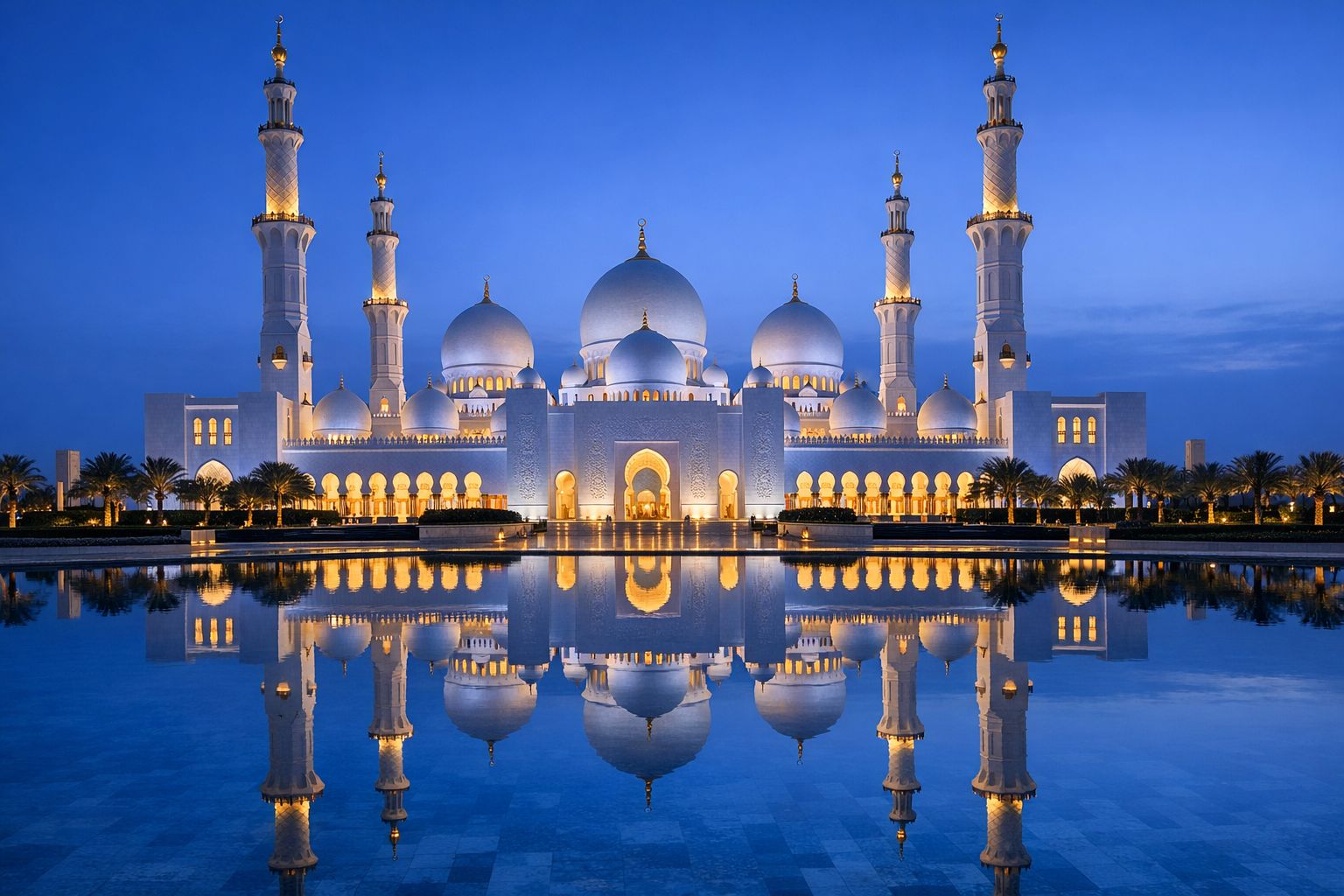
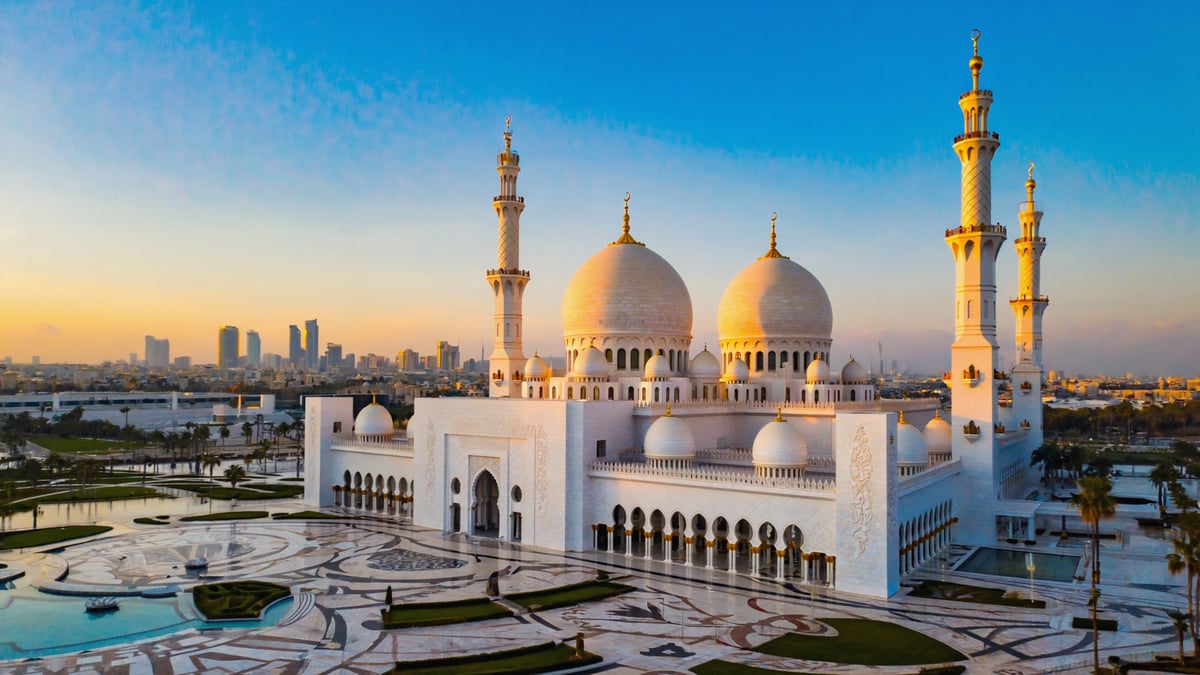
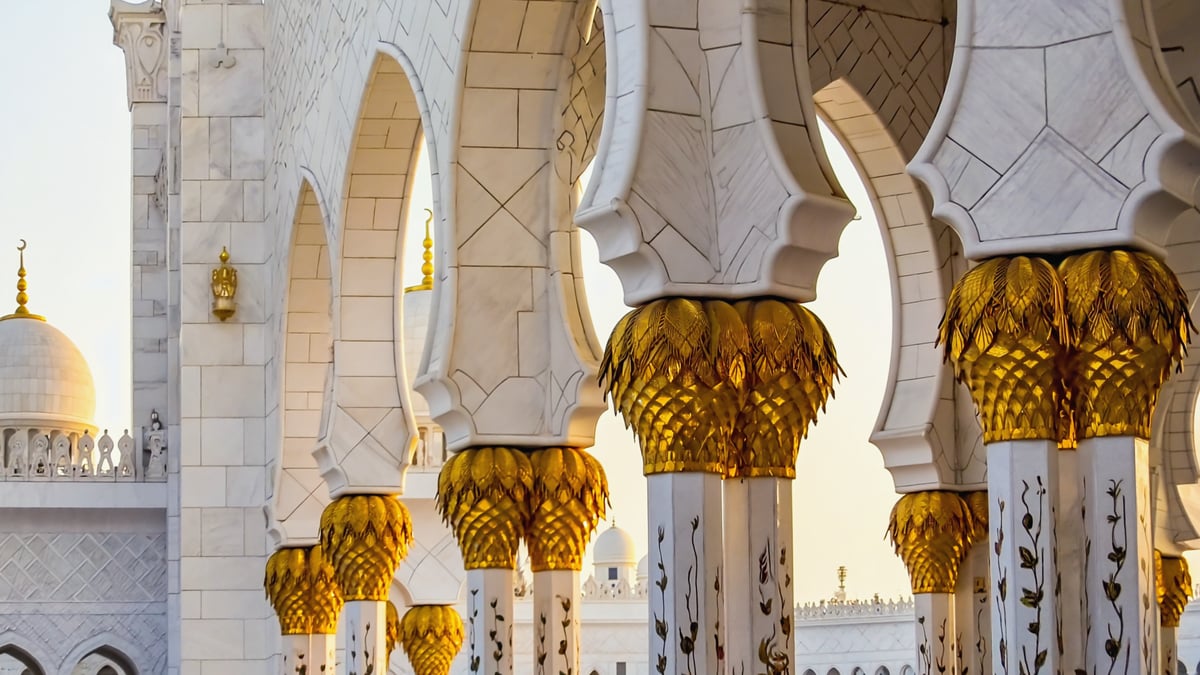
One of the world's most beautiful buildings, full stop. The Sheikh Zayed Grand Mosque is the third-largest mosque on earth, capable of accommodating over 40,000 worshippers, and it is open to non-Muslim visitors. The architecture — 82 domes, over 1,000 columns, and the world's largest hand-knotted carpet — is staggering. Visit at sunset for the golden light, or return at night when the building is illuminated and reflected in the surrounding pools. Entry is free. Modest dress is mandatory; women must wear an abaya (available to borrow at the entrance). Open Saturday–Thursday 09:00–22:00, Friday 14:00–22:00.
2. Louvre Abu Dhabi
An architectural and cultural triumph. The Louvre Abu Dhabi opened in 2017 as a collaboration between the UAE government and French cultural institutions, housing a permanent collection spanning human history from prehistoric artefacts to 20th-century masterworks — including works by Rembrandt, Magritte, and Leonardo da Vinci. The building itself, designed by Jean Nouvel, is extraordinary: a vast perforated dome creates a "rain of light" effect that filters sunlight into the galleries below. Entry: approximately AED 63 (around £13) for adults. Open Tuesday–Sunday 10:00–20:00, Fridays until 21:00. Advance booking is advisable. See the Louvre Abu Dhabi official visit page for current pricing and booking.
3. Desert Safari & Dune Bashing
No Abu Dhabi visit is complete without a desert excursion. The most popular format is an evening safari: 4x4 vehicles tackle the dunes in a thrillingly bumpy process called dune bashing, followed by a sunset camel ride, sandboarding, and a BBQ dinner in a Bedouin-style camp under the stars. Costs typically range from AED 200–350 (approximately £42–£73) per person for a standard evening safari. For a more immersive experience, overnight desert camps in the Liwa Oasis area — near the edge of the Empty Quarter, the world's largest continuous sand desert — offer something genuinely remote and unforgettable.
4. Ferrari World Abu Dhabi
Located on Yas Island, Ferrari World is home to Formula Rossa — the world's fastest roller coaster, reaching 240 km/h in under 5 seconds. The park is vast, and beyond the headline ride there are driving simulators, a 1950s Italian village recreation, and the Scuderia Challenge experience. Entry: from approximately AED 345 (around £72) per adult. Open daily 11:00–20:00. Worth a full day.
5. Yas Waterworld
One of the Middle East's finest water parks, with over 40 rides and attractions built around the legend of a pearl-diving girl. The Dawwama ride — a six-person tornado waterslide — is genuinely thrilling. Entry: from approximately AED 300 (around £63) per adult. Excellent for families.
6. Qasr Al Watan (The Palace of the Nation)
The UAE's Presidential Palace opened its grounds and state rooms to visitors in 2019 and has rapidly become one of Abu Dhabi's most impressive attractions. The interior is extraordinary — vast halls clad in marble, brass, and mother-of-pearl, with a library housing rare manuscripts and a stunning light show in the evenings. Entry: approximately AED 35 (around £7.30) for adults. The value-to-experience ratio here is exceptional.
7. Mangrove National Park Kayaking
Abu Dhabi contains one of the most significant mangrove ecosystems in the Arab world, and kayaking through the channels of the Eastern Mangrove National Park is a genuinely peaceful counterpoint to the city's grandeur. Tours depart early morning and late afternoon. Expect to spot herons, flamingos, and occasionally sea turtles. Guided tours cost approximately AED 150–250 (£31–£52) per person.
8. Warner Bros. World Abu Dhabi
Entirely indoor and fully air-conditioned, Warner Bros. World is a theme park built around DC Comics and classic cartoon characters. The production design is exceptional — immersive themed lands include Gotham City, Metropolis, and Cartoon Junction. Ideal for families and superhero enthusiasts. Entry: from approximately AED 325 (around £68) per adult.
9. Heritage Village & the Old Corniche
A reconstructed Bedouin settlement on the waterfront that offers a window into the way of life that preceded the UAE's oil-driven transformation. Craftspeople demonstrate traditional skills including weaving, pottery, and metalwork. Entry is free. Combine with a walk along the old Corniche for views of the modern skyline from across the water.
10. Saadiyat Beach
One of the finest natural beaches in the UAE, with soft white sand, gentle surf, and — uniquely — nesting hawksbill sea turtles (the beach is a protected nesting site). Access through beach clubs attached to the island's hotels. A day pass to the Saadiyat Beach Club costs approximately AED 200–350 (£42–£73) depending on season, typically redeemable against food and drink.
Food & Dining in Abu Dhabi: What to Eat and Where to Eat It
Abu Dhabi's dining scene is one of the most genuinely diverse on earth — a reflection of its extraordinarily international population, which draws from South Asia, the Levant, East Africa, East Asia, and the Western world. Eating well here requires only curiosity and a willingness to venture beyond the hotel buffet.
Essential Dishes and Flavours
Shawarma is the great leveller — chicken or lamb, slow-roasted on a vertical spit, wrapped in flatbread with garlic sauce and pickles. You'll find it at small Lebanese and Syrian restaurants across the city for AED 10–20 (approximately £2–£4). This is the midnight snack of Abu Dhabi, and it is magnificent.
Harees is a traditional Emirati dish of slow-cooked wheat and meat, with a porridge-like texture that sounds simple and tastes deeply comforting. It's most commonly served during Ramadan and at celebration meals. Luqaimat — deep-fried dumplings drizzled with date syrup and sesame — are the essential Emirati sweet, sold at traditional coffee shops and street stalls.
Biryani of every regional variety (Pakistani, Indian, Emirati-style) is enormously popular and widely available. The Emirati version, called machboos, uses saffron-spiced rice with slow-cooked meat and dried lemon (loomi), and is arguably the national dish.
Fresh seafood is outstanding — the Gulf provides hammour (a local grouper), shrimp, and kingfish that appear on menus across the price spectrum. At the cheaper end, the fish market in Mina Port is a genuine local institution where you can buy fresh catch and have it grilled on the spot.
Where to Eat: Area Guides
Al Mina (the port district) is where you'll find the city's most authentic and affordable dining — Pakistani and Indian restaurants, Lebanese bakeries, and the old fish and vegetable markets. Meals here cost AED 20–50 (£4–£10) and the food is frequently exceptional.
The Corniche offers a range of beachside restaurants and cafés with Gulf views, from casual shisha lounges to smarter seafood restaurants. Mid-range dining here costs AED 100–200 (£21–£42) per person.
Yas Island and Saadiyat Island are home to the city's higher-end dining, including celebrity chef restaurants and hotel fine dining. A meal at the top end might run to AED 400–600 (£84–£125) per person including drinks. The UAE permits the sale and consumption of alcohol in licensed venues (hotels and specific restaurants), so wine and cocktails are available — though at a premium. A glass of wine in a hotel bar typically costs AED 50–80 (£10–£17).
For budget travellers: The Reem Island area has a cluster of casual restaurants popular with residents that offer enormous portions at low prices. The city's numerous Indian restaurants (particularly those serving south Indian thali) offer outstanding value — full meals for AED 25–40 (£5–£8).
Dietary Considerations
Vegetarians and vegans will find Abu Dhabi increasingly well-catered for, particularly in the Indian restaurant scene where pure vegetarian menus are the norm. Halal food is universal, so observant Muslim travellers have no concerns. Kosher options are limited. Gluten-free awareness is variable — more sophisticated in hotel restaurants, less reliable in smaller local eateries.
Getting to Abu Dhabi from the UK
Abu Dhabi is well-served from the UK, with both direct and connecting options available depending on your departure airport.
Direct Flights
Etihad Airways is Abu Dhabi's home carrier and operates direct flights from London Heathrow to Abu Dhabi International Airport (AUH). The flight takes approximately 7 hours, making it one of the shorter long-haul routes from the UK. Etihad's service quality is consistently high, and Business Class on their A380 and Boeing 787 routes is widely regarded as exceptional. Direct economy fares from Heathrow typically range from around £350–£600 return, depending on season and advance booking period.
Etihad has also operated direct services from Manchester, though availability varies by season — worth checking if you're based in the north of England.
Connecting Flights
Several other carriers offer competitive fares with connections — typically routing via Dubai, Doha, Istanbul, or other Gulf hubs. Emirates routes via Dubai (from where Abu Dhabi is accessible by taxi or bus — approximately 1.5 hours), Qatar Airways via Doha, and Turkish Airlines via Istanbul are all commonly used alternatives that can offer price advantages, particularly from regional UK airports including Birmingham, Edinburgh, Glasgow, and Bristol.
Total journey time including connections typically runs 10–13 hours. For a 5-night trip, a direct flight is strongly recommended to maximise usable holiday time.
Abu Dhabi Airport & Transfers
Abu Dhabi International Airport is approximately 30 kilometres from the city centre. The most convenient transfer option is a pre-booked private taxi or airport transfer, which typically costs AED 70–120 (£15–£25) depending on destination. Metered taxis are available at the arrivals hall and are safe and regulated. Ride-hailing apps (Careem is the dominant platform in the UAE) also work from the airport. A city bus service connects the airport to central Abu Dhabi for around AED 4 (under £1), though it involves longer journey times and may not be practical with luggage.
Note: Abu Dhabi's new Terminal A — one of the world's largest airport terminals — opened in 2023 and significantly improved the passenger experience at AUH. If you haven't transited through recently, expect a notably different and more impressive facility.
Abu Dhabi Budget Guide: What Does a Holiday Actually Cost?
Abu Dhabi has a reputation for expense that is partly deserved and partly overstated. The reality is that the city contains genuine value at every tier — if you know where to look. Here is a realistic daily spending guide for UK travellers in 2026.
Budget Traveller: £60–£90 per day (excluding accommodation)
This is achievable by eating at local restaurants and shawarma spots (£3–£8 per meal), using taxis or the city bus network for transport, focusing on free or low-cost attractions (Sheikh Zayed Mosque, Heritage Village, Corniche beach), and drinking water rather than alcohol. A day's activities — say, a desert safari at £45 and the Qasr Al Watan at £7 — still comes in well under £60 for sightseeing. Budget accommodation in a clean three-star hotel adds around £60–£80 per night, making a total budget trip achievable at £120–£170/day all-in per person.
Mid-Range Traveller: £120–£200 per day (excluding accommodation)
This unlocks a comfortable experience: lunches and dinners at mid-range restaurants (£15–£35 per meal), entry to theme parks and the Louvre, private taxi transfers, and occasional sundowners at a hotel bar. Accommodation at a four-star property on the Corniche or Yas Island adds £100–£160/night. Total mid-range spend: £220–£360/day per person.
Luxury Traveller: £300–£600+ per day (excluding accommodation)
Fine dining, spa days, private desert excursions, helicopter tours of the coastline, business class upgrades, and a suite at the Emirates Palace or Rosewood. Abu Dhabi's luxury ceiling is essentially limitless — but those spending at this level will find the city well-equipped for their requirements. Accommodation at this tier: £200–£500+/night.
GlobeHunters Package Value
The GlobeHunters 5-night Abu Dhabi package from £899 per person includes return flights from the UK and hotel accommodation — representing strong value against booking components separately, particularly during peak season when Etihad fares alone can exceed £450–£500 return. The package removes the complexity of coordinating flights and hotels and provides UK-based customer support throughout your trip.
Book Your Abu Dhabi Holiday Now
GlobeHunters offers 5-night Abu Dhabi holiday packages including flights from the UK and hotel accommodation at competitive prices — from just £899 per person.
View Package & Prices →Or call us: 0208 944 4514
Travel Tips, Safety & Practical Advice for Abu Dhabi

Abu Dhabi is one of the safest cities in the world for international visitors — consistently ranked among the lowest crime rate capitals globally. Violent crime against tourists is extremely rare, petty theft is uncommon, and the city's CCTV infrastructure is comprehensive. That said, there are cultural and legal norms that UK travellers must understand before arriving.
Legal and Cultural Norms
Dress code: The UAE is more relaxed than some Gulf countries, but modesty is still expected in public spaces, souks, malls, and religious sites. Swimwear is appropriate at the beach and pool but not in shopping centres or restaurants. At the Sheikh Zayed Mosque, women must cover their hair and wear an abaya — these are available to borrow at the entrance, free of charge.
Public behaviour: Public intoxication is illegal and can result in fines or detention. Alcohol is available in licensed hotel bars and restaurants but is not available in public spaces. Swearing in public — including in WhatsApp messages and social media posts — can technically be prosecuted. This sounds alarming but in practice, respectful visitors encounter no issues.
Photography: Do not photograph government buildings, military installations, or people (especially women) without permission. At the Sheikh Zayed Mosque, photography of the architecture is encouraged; photography of other visitors requires their consent.
Ramadan etiquette: If your visit coincides with Ramadan, eating, drinking, and smoking in public during daylight hours is illegal for non-Muslims as well as Muslims. Restaurants will be open after sunset, and the evenings during Ramadan have a unique and beautiful atmosphere. Many travellers specifically choose to visit during Ramadan for this reason.
Medication: Some prescription medications that are legal in the UK are controlled substances in the UAE. Check the UAE Ministry of Health guidance and carry a doctor's letter for any prescription medication. ADHD medications and some antidepressants require specific documentation.
Health Considerations
No vaccinations are required for entry to the UAE for UK travellers, though ensuring your routine vaccinations (MMR, tetanus, etc.) are current is sensible. The sun in Abu Dhabi is genuinely fierce, even in winter — SPF 50 sunscreen is not an overreaction. Dehydration is a real risk; carry water everywhere. The tap water is technically safe but desalinated and often tastes unpleasant — bottled water is cheap and universally available.
The UAE has excellent private medical facilities, and healthcare costs for visitors without insurance can be high. UK travellers should ensure they have comprehensive travel insurance including medical evacuation cover. The EHIC/GHIC card is not valid in the UAE.
Transport Within the City
Abu Dhabi does not have a metro system (unlike Dubai). The primary transport options are taxis (metered, regulated, and inexpensive by UK standards — a typical 20-minute journey costs AED 25–40/£5–£8), Careem ride-hailing, and rental cars. The road network is excellent, driving is on the right, and speed cameras are numerous and strictly enforced. Renting a car gives maximum flexibility for exploring beyond the island, including trips to the desert and the Eastern Mangroves.
Connectivity
The UAE has outstanding mobile internet infrastructure. UK travellers should check whether their mobile plan includes UAE data roaming (many major UK networks now include it in their plans, but verify before travel). Local SIM cards from Etisalat or du are inexpensive and available at the airport. Note that VoIP services including WhatsApp calls and FaceTime audio/video calls are restricted in the UAE — standard WhatsApp messaging works, but calls may not.
Packing Essentials
- Modest clothing for mosques and traditional areas (a light scarf for women covers most requirements)
- High-SPF sunscreen — significantly more expensive in Abu Dhabi than in the UK
- Comfortable walking shoes — marble floors in mosques and palaces are slippery in socks
- A power adapter — the UAE uses UK-standard three-pin plugs (Type G), so most UK devices work without an adapter
- Light layers for evenings — desert nights can be surprisingly cool from November through February
- A reusable water bottle — Abu Dhabi has water refill stations in many hotels and attractions
Frequently Asked Questions About Abu Dhabi Holidays
Is Abu Dhabi safe for UK tourists?
Yes — Abu Dhabi is consistently rated one of the safest cities in the world. Violent crime is extremely rare, and the city has a comprehensive security infrastructure. UK travellers should familiarise themselves with local laws around public behaviour, but the vast majority of visitors experience no issues whatsoever.
Do I need a visa to visit Abu Dhabi from the UK?
No. British citizens with a full UK passport receive a free visa on arrival valid for 30 days. Your passport must be valid for at least six months beyond your travel date. No advance application is required.
What is the best time of year to visit Abu Dhabi?
November through March offers the most comfortable temperatures for outdoor sightseeing, with daytime highs of 22–28°C. January and February are peak season; October and April offer good value as shoulder months. Summer (May–September) is very hot but offers the lowest hotel prices.
How far is Abu Dhabi from Dubai?
Approximately 130–140 kilometres, roughly a 90-minute drive on the Sheikh Zayed Road (E11). Many visitors combine both cities in a single trip, though each deserves at least 4–5 days of dedicated time. A day trip between the two is very manageable.
Can you drink alcohol in Abu Dhabi?
Yes, alcohol is available in licensed venues — hotel bars, restaurants with liquor licences, and some private clubs. It is not sold in supermarkets or convenience stores (with limited exceptions for dedicated bottle shops). Public intoxication is illegal.
Is the Louvre Abu Dhabi worth visiting?
Unequivocally yes. The Louvre Abu Dhabi is one of the finest museums in the Middle East, combining a genuinely important permanent collection with extraordinary architecture. Entry costs approximately £13 for adults. Plan at least 2–3 hours. The museum café overlooking the Gulf is also excellent.
How much spending money do I need per day in Abu Dhabi?
A realistic mid-range daily budget (excluding accommodation) is approximately £100–£180 per person, covering meals, transport, and one or two paid attractions. Budget travellers can manage on £60–£90 by eating locally and focusing on free attractions. Luxury travellers should budget £300+ per day.
What should I wear in Abu Dhabi?
Lightweight, modest clothing is ideal — covering shoulders and knees in public areas, malls, and traditional sites. Swimwear is appropriate at beach and pool areas. At the Sheikh Zayed Grand Mosque, women must wear an abaya (available to borrow) and cover their hair. Men should wear trousers and a shirt with sleeves.
Is Abu Dhabi good for families with children?
Excellent. Yas Island alone contains three major theme parks (Ferrari World, Yas Waterworld, Warner Bros. World) and is genuinely one of the world's best family entertainment destinations. Add in desert safari experiences, beach days, and the Louvre's child-friendly exhibits, and Abu Dhabi offers a remarkably comprehensive family holiday.
What is the currency in Abu Dhabi and should I take cash?
The UAE Dirham (AED) is the currency. Card payments are widely accepted across hotels, restaurants, and attractions. Cash is useful for smaller local restaurants, taxis (some drivers prefer it), and market stalls. ATMs are plentiful. A fee-free travel card such as Wise or Starling Bank will save money on currency conversion.
How long should I spend in Abu Dhabi?
Five to seven nights is the ideal duration for a first visit — enough time to cover the major cultural sites, experience the desert, spend a day on Yas Island, and still have time for beach relaxation. The GlobeHunters 5-night package is well-calibrated for a comprehensive first visit.
Is the Sheikh Zayed Grand Mosque free to visit?
Yes. The Sheikh Zayed Grand Mosque is free to enter for visitors of all faiths. It is open Saturday–Thursday 09:00–22:00, and Friday 14:00–22:00. Modest dress is required — abayas are available to borrow for women at the entrance. It is one of the world's great architectural experiences and should be at the top of every visitor's list.
The Verdict: Why Abu Dhabi Belongs on Your 2026 Travel List
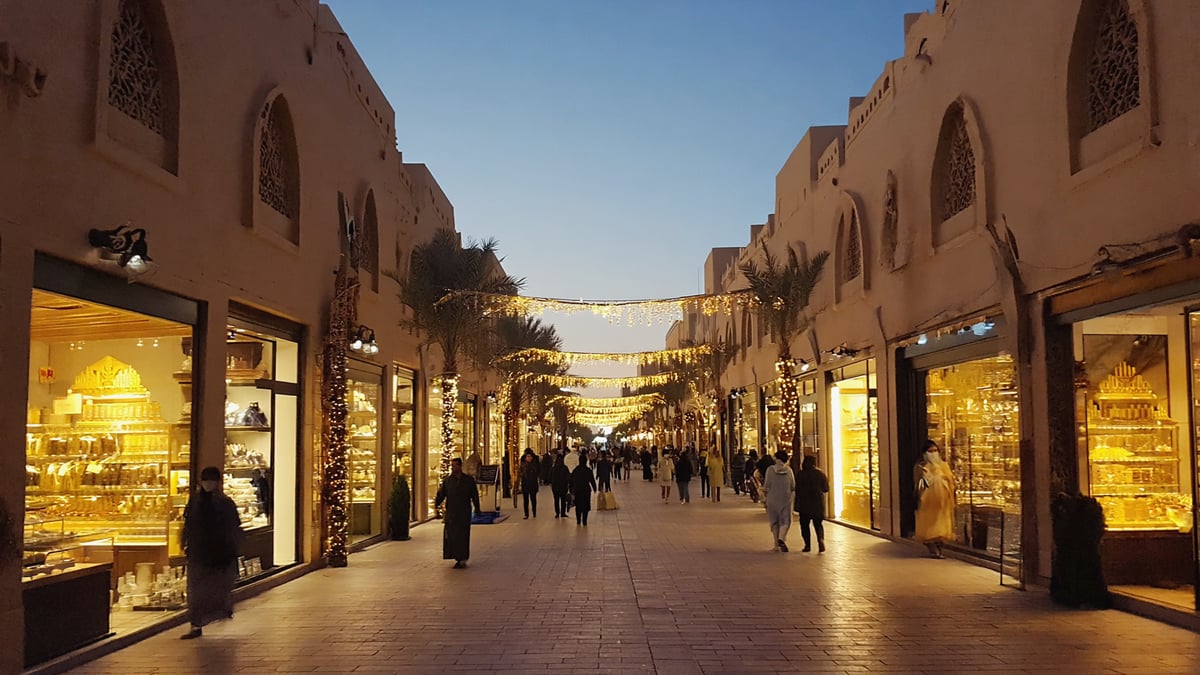
Abu Dhabi defies easy categorisation, which is precisely what makes it so rewarding to visit. It is simultaneously one of the world's most modern cities and a place where Bedouin traditions remain genuinely alive — where you can spend a morning contemplating a 500-year-old Leonardo da Vinci painting, an afternoon riding the world's fastest roller coaster, and an evening sitting in a desert camp as a billion stars appear overhead. Very few destinations on earth offer that range within a single trip.
For UK travellers, the logistics are favourable: a direct seven-hour flight from Heathrow, no visa faff, UK-compatible power sockets, and English spoken everywhere. The winter months align perfectly with the UK's greyest season, making Abu Dhabi a particularly compelling midwinter escape. And with GlobeHunters' 5-night package starting from £899 per person including flights and hotel, the financial barrier is lower than many travellers assume.
The city is also genuinely changing and growing. The Guggenheim Abu Dhabi, long in development on Saadiyat Island, is anticipated to open in the coming years and will further cement the emirate's position as a global cultural capital. New beach resorts, expanded desert experiences, and ongoing investment in the cultural district mean that 2026 is arguably the most exciting time yet to visit.
Whether you're a couple seeking a winter sun escape with cultural depth, a family in need of a theme park adventure in a safe and well-organised setting, or a solo traveller hungry for something genuinely different, Abu Dhabi delivers. Book early — particularly if you're targeting the November–February peak window — and prepare to be surprised by a city that is so much more than its skyline suggests.
Ready to Book Your Abu Dhabi Holiday?
GlobeHunters' 5-night Abu Dhabi package includes return flights from the UK and hotel accommodation — from just £899 per person. Our travel experts are available to help you tailor the perfect itinerary.
View Package & Prices →Or call our team on 0208 944 4514 — Mon–Fri 09:00–18:00
Ready to Book Your Abu Holiday?
Our travel experts are ready to help you plan the perfect trip. Call us today or browse our latest deals.
Ready to Start Planning?
Speak to our travel experts for personalised advice and the best deals on your next holiday.
Call 0208 944 4514