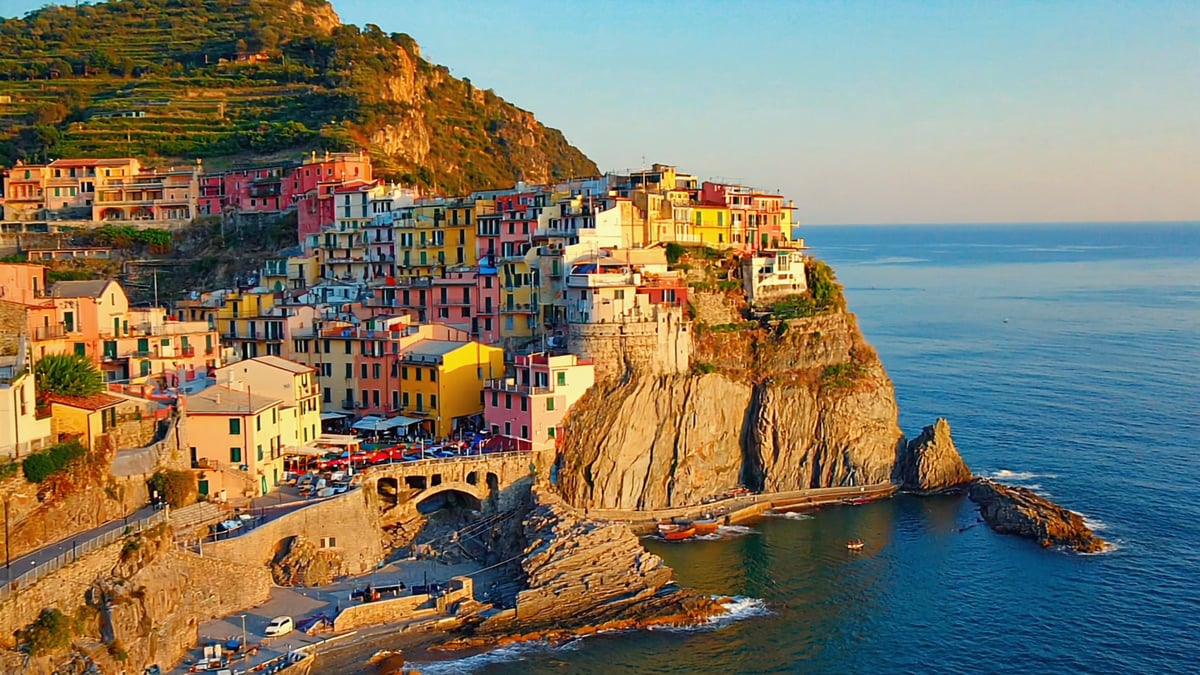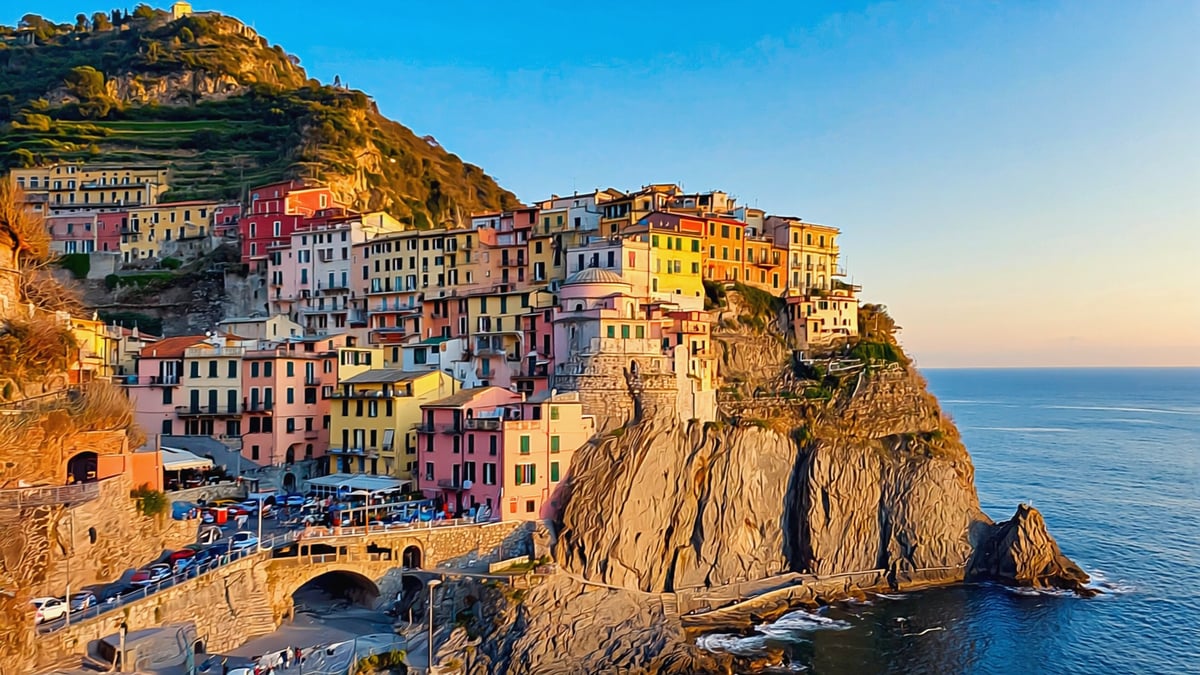
There is a road in southern Italy that has no business existing. It clings to vertical limestone cliffs above a sea so violently blue it looks digitally altered, threading through villages that spill down to the water like pastel-coloured avalanches. The Amalfi Coast is, by almost any measure, one of the most visually overwhelming places on earth — and that is precisely why so many UK travellers get it wrong. They arrive expecting a relaxed beach holiday, book the wrong town, travel in August, and spend their days gridlocked behind tourist coaches on hairpin bends.
This guide exists to ensure that does not happen to you. Whether you are planning a romantic escape, a milestone birthday trip, or a proper Italian immersion, the Amalfi Coast in 2026 rewards travellers who understand its rhythms. What follows is the most comprehensive, practically grounded guide to the Amalfi Coast available for UK travellers — covering where to stay, what to do, how much to budget, and how to navigate the region's famous logistical challenges without losing your mind.
Book Your Amalfi Coast Holiday Now
GlobeHunters offers Amalfi Coast holiday packages including flights and hotels at competitive prices — from £799pp including UK flights.
View Amalfi Coast Packages & Prices →Or call us: 0208 944 4514
Amalfi Coast Destination Overview: Geography, Practicalities & What Makes It Unique
The Amalfi Coast — Costiera Amalfitana in Italian — is a 50-kilometre stretch of coastline on the southern edge of the Sorrentine Peninsula in Campania, southern Italy. It was designated a UNESCO World Heritage Site in 1997, recognised for its exceptional cultural landscape and the way its villages have been carved into cliffs that plunge dramatically into the Tyrrhenian Sea. The coast spans from Positano in the west to Vietri sul Mare in the east, with the town of Amalfi sitting roughly in the middle.
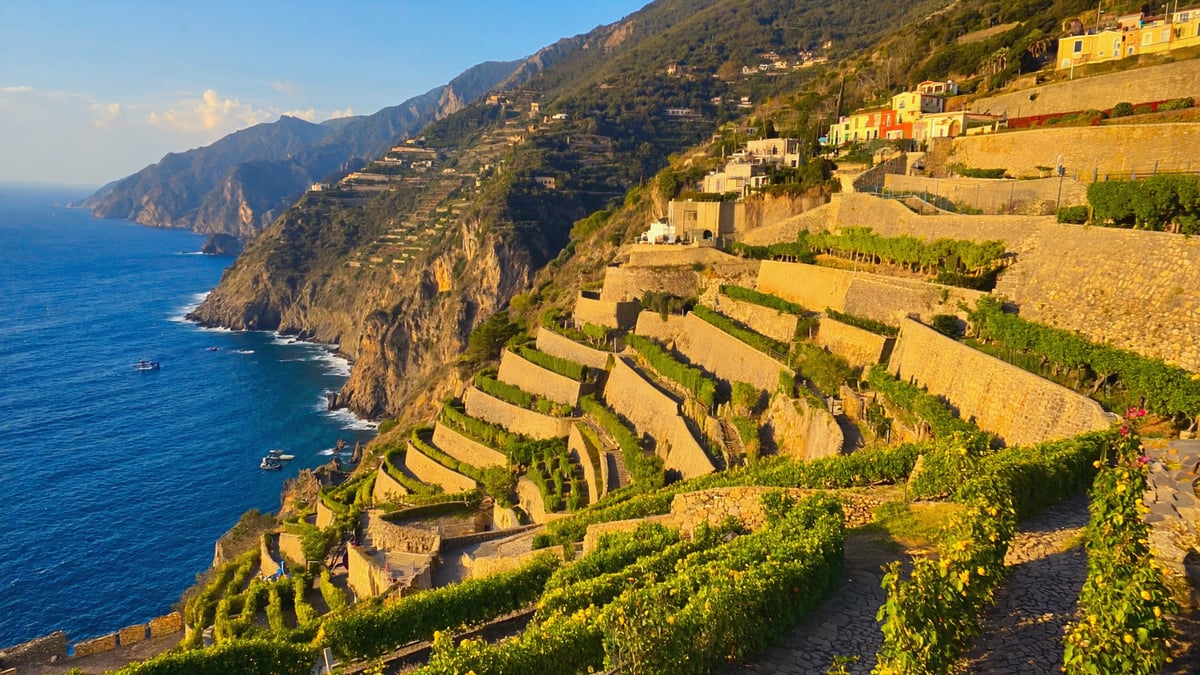
Geography matters here more than almost anywhere else in Europe. The Lattari Mountains form an almost vertical backdrop to the coast, meaning there is virtually no flat land. Villages are built on terraces and connected by staircases rather than streets in many cases. This is not a destination where you wander aimlessly — it is one where geography dictates every choice you make about where to stay and how to travel.
Essential Practicalities for UK Travellers
- Language: Italian. English is spoken in most tourist-facing businesses in Positano, Ravello, and Amalfi town, but less so in smaller villages. Learning a handful of Italian phrases is genuinely appreciated and practically useful.
- Currency: Euro (€). As of mid-2026, the approximate exchange rate hovers around £1 = €1.17, though travellers should check current rates before departure. Withdraw cash in Naples or Salerno before arriving — ATMs on the coast charge higher fees and run dry in peak season.
- Time Zone: Central European Time (CET), which is UTC+1 in winter and UTC+2 in summer (CEST). The Amalfi Coast is therefore 1 hour ahead of the UK during British Summer Time.
- Visa Requirements: As a post-Brexit destination, UK travellers are currently permitted to visit Italy (and the wider Schengen Area) for up to 90 days in any 180-day period without a visa. However, the EU's ETIAS (European Travel Information and Authorisation System) is expected to be operational in 2026 — UK travellers should check the latest government guidance at the time of booking, as a pre-travel registration requirement may apply.
- Driving: An International Driving Permit is not required for UK licence holders visiting Italy for tourism, but the roads along the Amalfi Coast are genuinely challenging — narrow, winding, and shared with coaches. Many experienced travellers recommend avoiding driving the SS163 entirely and using ferries and local buses instead.
- Electricity: Italy uses Type F (Schuko) plugs with 230V/50Hz. UK travellers need a standard European travel adaptor.
The coast is part of the Province of Salerno, and the nearest major transport hubs are Naples (Napoli Centrale) to the north and Salerno to the east. Both serve as gateway cities for reaching the Amalfi Coast by road, rail, or ferry.
Best Time to Visit the Amalfi Coast in 2026
The optimal window for visiting the Amalfi Coast is May to early June, or September to early October. These shoulder seasons offer warm weather, manageable crowds, and significantly better value than the peak July–August period. Understanding the seasonal rhythm of the coast is perhaps the single most important factor in determining whether your holiday is magical or merely memorable for the wrong reasons.
Month-by-Month Breakdown
| Month | Average Temp (°C) | Crowd Level | Notes |
|---|---|---|---|
| January–February | 8–12°C | ⚠️ Very Low | Many restaurants and hotels closed. Atmospheric and cheap, but limited options. |
| March–April | 13–18°C | ✅ Low–Moderate | Wildflowers blooming, fresh green hillsides. Easter week brings Italian domestic tourists. |
| May–June | 20–26°C | ✅ Moderate | Ideal. Warm enough to swim from late May. Fewer crowds than summer. Best prices. |
| July–August | 28–33°C | ❌ Extremely High | Peak season. Road closures, ferry queues, premium prices. Book 6+ months ahead if visiting. |
| September–October | 22–27°C | ✅ Moderate | Equally ideal. Sea temperature peaks in September. Harvest season adds local flavour. |
| November–December | 10–15°C | ⚠️ Low | Rain increases. Dramatic skies and empty villages. Best for photographers and solitude-seekers. |
Key Events & Festivals
The Regatta of the Maritime Republics rotates between Amalfi, Venice, Genoa, and Pisa annually. When it falls in Amalfi (check the current year's schedule), it transforms the seafront with historical pageantry and boat races in June. The Ravello Festival runs from late June through September, staging world-class classical music concerts on the terrace of Villa Rufolo — one of the most spectacular outdoor concert settings in Europe. The Feast of Sant'Andrea (30 November) sees Amalfi's patron saint celebrated with a procession, fireworks, and the kind of communal energy that reminds you why Italian culture is so infectious.
For UK school holiday travellers, July and August are unavoidable. If you must go in peak season, book at least six months in advance, arrive by ferry from Salerno rather than by road, and start each day before 9am to stay ahead of the coach-tour crowds.
Where to Stay: Amalfi Coast Area Guide for Every Budget
Where you base yourself on the Amalfi Coast fundamentally shapes your entire experience. The coast is not one destination — it is a chain of distinct villages, each with a different character, price point, and logistical profile. Choosing the right base is arguably more important than choosing the right hotel.
Positano: The Iconic Choice
Positano is the postcard. Its stacked, pastel-coloured houses tumbling to the water have been photographed so many times that arriving feels like stepping into a living screensaver. It is also the most expensive town on the coast and the most logistically demanding — the main beach is reached by hundreds of steps, and the nearest road is far above the village. Stay in Positano if: budget is not a primary concern, you want the most photogenic base, and you are comfortable with significant stair-climbing.
Budget accommodation: Limited and usually means small guesthouses a long walk from the beach — expect £100–£150 per night. Mid-range: Boutique hotels with sea views run £200–£350 per night. Luxury: Positano's finest properties — clifftop hotels with private pools and Michelin-starred restaurants — range from £500 to well over £1,000 per night in peak season.
Amalfi Town: The Practical Hub
Amalfi town sits at the coast's historical and geographical heart. It has the best ferry connections, the most supermarkets, and a broader range of accommodation than Positano. The Duomo di Amalfi dominates the piazza, and the town's medieval paper-making heritage gives it cultural depth beyond its beauty. Stay in Amalfi if: you want to day-trip along the coast by ferry, prefer a working town to a tourist bubble, and want better value for money.
Budget: Simple rooms from £70–£100 per night. Mid-range: Well-positioned hotels with terraces run £130–£220 per night. Luxury: The converted monasteries and clifftop hotels here reach £400–£700 per night.
Ravello: The Cultured Retreat
Perched 350 metres above the sea, Ravello is technically not on the coast — it is above it. This elevation makes it cooler, quieter, and home to some of Italy's most celebrated gardens and villas. Wagner composed part of Parsifal here; Gore Vidal lived here for decades. Stay in Ravello if: you value tranquillity, culture, and extraordinary views over beach access and nightlife.
Budget: Agriturismo options in the surrounding hills from £60–£90 per night. Mid-range: Elegant small hotels run £150–£280 per night. Luxury: Ravello's grand hotels — some of the finest in Italy — range from £350 to £900+ per night.
Praiano & Furore: The Insider Picks
Praiano sits between Positano and Amalfi with a fraction of the tourist traffic and genuinely competitive prices. Furore is so small it barely registers — but it contains one of the coast's most photographed spots, the Fjord of Furore, a narrow gorge where a tiny beach sits at the base of dramatic cliffs. Both are excellent choices for travellers who want Amalfi Coast beauty without Positano prices or crowds.
Top Things to Do on the Amalfi Coast: 10 Experiences Worth Planning Around
The Amalfi Coast rewards active, curious travellers. The best experiences here are not passive — they involve hiking cliff paths at dawn, hiring a boat to reach hidden grottos, and sitting down to four-course lunches that stretch into the early evening. Here are ten activities worth building your itinerary around, with practical details for 2026.
1. Walk the Path of the Gods (Sentiero degli Dei)
The Path of the Gods is a 7.8-kilometre hiking trail that traverses the cliff tops between Bomerano (above Amalfi) and Nocelle (above Positano). It is, without exaggeration, one of the most spectacular walking routes in Europe. The trail runs along terraced hillsides with continuous views of the coast below, passing through lemon groves and abandoned hamlets. Difficulty: Moderate (some steep sections). Duration: 3–4 hours one way. Cost: Free. Insider tip: Walk west to east (Bomerano to Nocelle) to keep the views in front of you and the sun at your back in the morning.
2. Explore the Emerald Grotto (Grotta dello Smeraldo)
Accessible by boat from Amalfi or by road with a lift descent, the Emerald Grotto is a sea cave where filtered light turns the water an extraordinary shade of green. Entry cost: Approximately €5 (around £4.30) per person, plus boat transfer costs from Amalfi (around €10/£8.50 return). Opening hours: Generally 09:00–16:00 daily, weather permitting. Best visited mid-morning when the light is at its most vivid.
3. Take a Private Boat Tour Along the Coast
Hiring a small wooden gozzo boat — with or without a skipper — is the most liberating way to experience the coast. You can access tiny coves, swim in clear water far from the beach crowds, and see the coastline from the perspective it was meant to be seen from: the sea. Typical cost: £120–£200 for a half-day shared boat tour via operators in Positano or Amalfi; private hire runs £300–£500 for a full day. Book through Viator or directly with harbour-side operators.
4. Visit Ravello's Villa Rufolo & Villa Cimbrone
Villa Rufolo's gardens host the Ravello Festival stage and offer panoramic views that Wagner described as the "garden of Klingsor." Villa Cimbrone's Terrace of Infinity — a balustrade lined with classical busts overlooking the sea — is one of Italy's genuinely unmissable viewpoints. Villa Rufolo: Open daily 09:00–dusk; entry approximately €7 (£6). Villa Cimbrone: Open daily 09:00–sunset; entry approximately €10 (£8.50). Both are in Ravello, a short bus or taxi ride from the coast road.
5. Day Trip to Capri from Positano
Regular ferry services connect Positano to Capri in approximately 50 minutes. Capri warrants a full day — the Blue Grotto, the Gardens of Augustus, and the chairlift to Monte Solaro are all worth the trip. Ferry cost: Approximately €20–€25 (£17–£21) each way. Insider tip: Take the first morning ferry to reach the Blue Grotto before the queues build; by midday, waiting times can exceed two hours.
6. Swim at Fornillo Beach, Positano
While Spiaggia Grande is Positano's main beach, Fornillo Beach — a short walk around the headland — has a more relaxed atmosphere, fewer sunbeds, and a couple of excellent beach bars. Entry to the beach is free; sunbed hire runs approximately €15–€25 (£13–£21) per set. The water clarity here is exceptional, particularly in May–June and September.
7. Attend a Ravello Festival Concert
If your visit falls between late June and September, attending an evening concert at Villa Rufolo is one of those travel experiences that becomes a permanent fixture in your memory. The stage is set at the cliff edge, with the Tyrrhenian Sea as backdrop. Tickets: From approximately €30–€80 (£26–£68) depending on the performance. Book well in advance via the Ravello Festival official website.
8. Drive (or Walk) to the Valle delle Ferriere Nature Reserve
Behind Amalfi town, a valley trail leads through ancient paper mills and into a verdant gorge where ferns and waterfalls create a microclimate unlike anything else on the coast. Cost: Free. Duration: 2–3 hours return. Best for: Travellers who want to escape the tourist circuit and experience the coast's lesser-known interior.
9. Take a Limoncello Masterclass
The Amalfi Coast's sfusato amalfitano lemon — a variety grown exclusively on these terraces and protected by IGP designation — produces the world's finest limoncello. Several producers in Amalfi and Ravello offer tasting tours and production demonstrations. Typical cost: €20–€35 (£17–£30) per person including tastings. Book directly with producers or through Viator.
10. Explore Pompeii from Amalfi
The ruins of Pompeii are approximately 40–50 kilometres from Amalfi by road, making them a manageable day trip. The Circumvesuviana train from Sorrento (reached by ferry from Positano) is the most straightforward route. Pompeii entry: Approximately €18 (£15.50) per adult; book timed entry slots online in advance via the Pompeii official site to avoid queues. Allow at least four hours on site.
Food & Dining on the Amalfi Coast: What to Eat, Where to Eat It
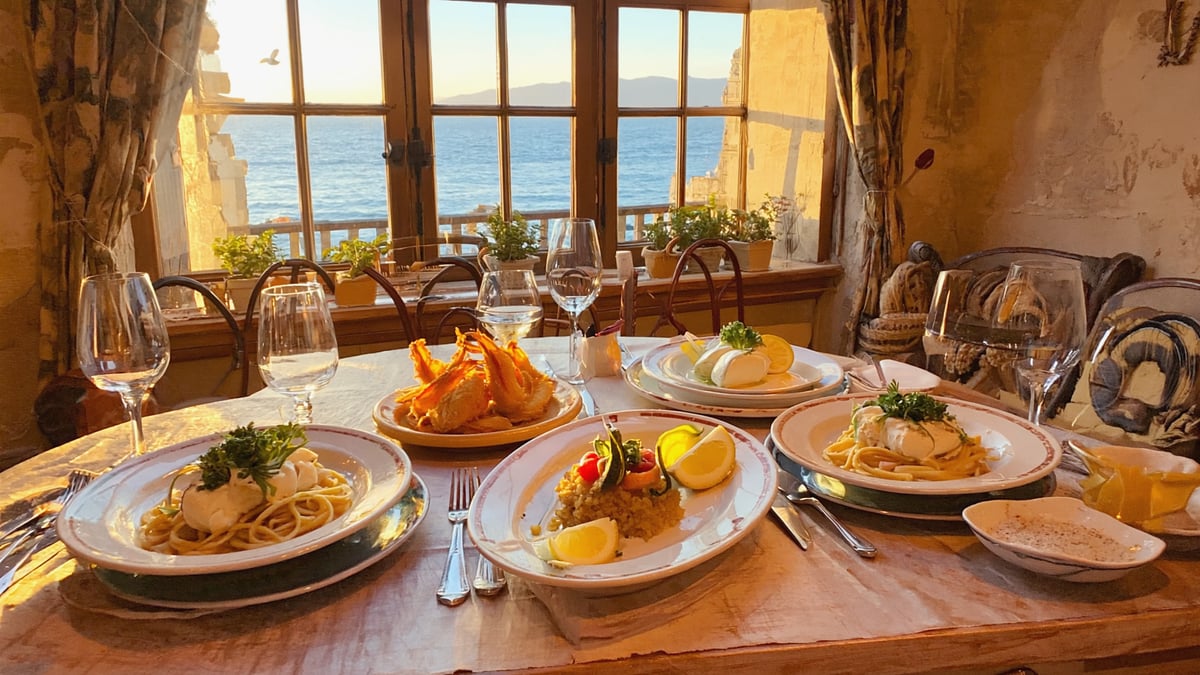
Amalfi Coast cuisine is one of the great Mediterranean food traditions — deceptively simple, fiercely seasonal, and almost impossible to replicate anywhere else. The ingredients are the point: fish landed that morning, lemons grown on the terrace above the restaurant, buffalo mozzarella from the farms just inland in the Campanian plain. Eating well here does not require a Michelin star or a significant budget — it requires knowing what to order and where to sit down.
Dishes You Must Try
- Scialatielli ai frutti di mare: The coast's signature pasta — short, thick, hand-rolled noodles with mixed seafood in a light tomato or white wine sauce. Found on virtually every menu; quality varies enormously.
- Alici di Cetara: Anchovies from the village of Cetara, just east of Amalfi, are considered among the finest in Italy. Try them on bruschetta or in pasta — the colatura di alici (anchovy dripping sauce) is an extraordinary condiment.
- Frittura di paranza: Mixed fried fish — small, whole fish and seafood lightly battered and fried. The version served in Amalfi town and Cetara is particularly good.
- Delizia al limone: A dome-shaped sponge soaked in limoncello cream and covered in lemon glaze. The definitive Amalfi Coast dessert — not to be missed.
- Mozzarella di bufala: Not made on the coast itself, but sourced from the Campanian buffalo farms just inland. Served simply with local tomatoes and olive oil, it is one of Italy's great culinary experiences.
- Pizza: You are in Campania — the birthplace of pizza. The short drive or ferry ride to Naples for a genuine Neapolitan pizza (certified STG — Traditional Speciality Guaranteed) is worth prioritising.
Best Dining Areas & Practical Advice
In Positano, the restaurants on the beach terraces are beautiful but price-inflated. Walk one street back from the waterfront — prices drop noticeably and quality is often better. In Amalfi town, the streets behind the Duomo harbour excellent trattorie that the day-trippers rarely find. Ravello's dining scene is smaller but reliably high quality.
For street food, seek out the friggitorie (fry shops) for arancini and fried pizza, and the small bars for cornetti (Italian croissants) with espresso for breakfast. A proper Italian breakfast — standing at a bar — costs under €3 (£2.60) and is one of the great pleasures of travelling in this country.
Dietary Requirements
Vegetarians are reasonably well catered for — pasta dishes with vegetables or tomato sauces are universal. Vegans face more of a challenge, as dairy and eggs appear widely; communicating requirements clearly in Italian ("sono vegano/a") is advisable. Gluten-free options (senza glutine) are increasingly available in tourist-facing restaurants. Serious allergy sufferers should carry a translation card in Italian specifying their allergens.
Getting to the Amalfi Coast from the UK: Flights, Transfers & Logistics
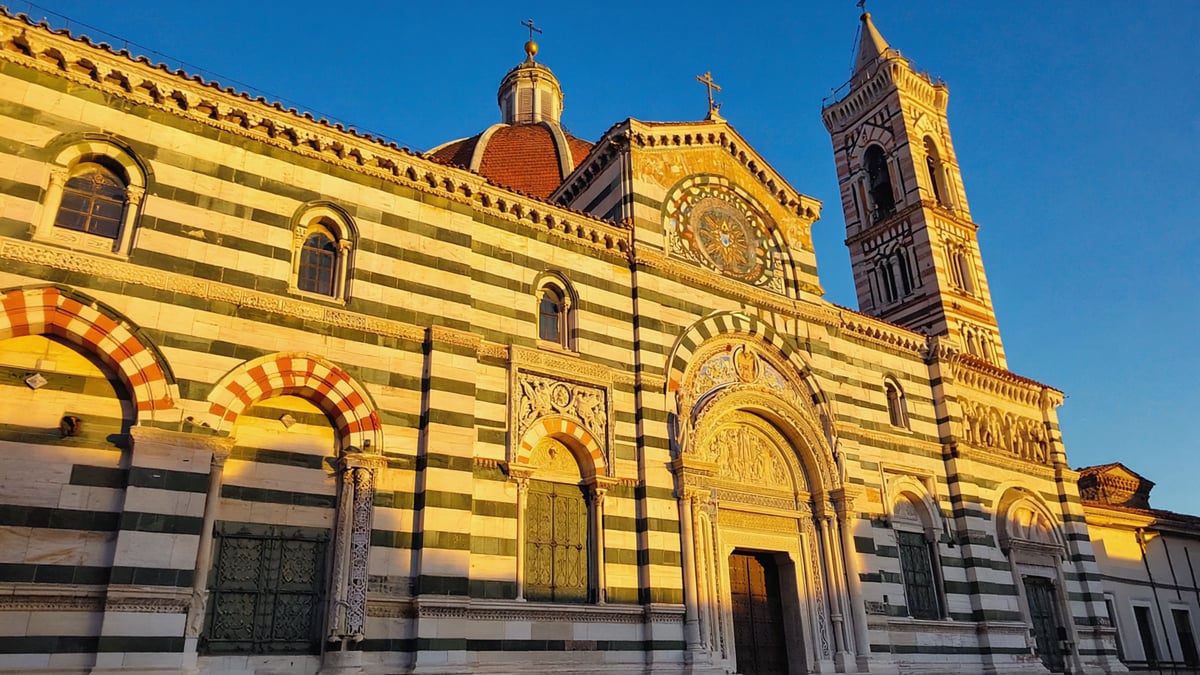
There is no airport on the Amalfi Coast itself — the gateway airports are Naples (NAP) and, to a lesser extent, Salerno (QSR). Understanding the transfer logistics before you book is essential, as the final leg of the journey — from airport to coast — can be the most time-consuming and expensive part of the trip.
Flights from the UK
| UK Departure Airport | Destination Airport | Airlines | Flight Duration | Typical Return Price (per person) |
|---|---|---|---|---|
| London Gatwick (LGW) | Naples (NAP) | easyJet, British Airways | ~2h 45m | £100–£280 (shoulder); £200–£450 (peak) |
| London Heathrow (LHR) | Naples (NAP) | British Airways, ITA Airways | ~2h 50m | £130–£320 (shoulder); £250–£500 (peak) |
| Manchester (MAN) | Naples (NAP) | easyJet, Ryanair (via) | ~2h 55m direct | £110–£300 (shoulder); £220–£480 (peak) |
| Bristol (BRS) | Naples (NAP) | easyJet (seasonal) | ~2h 45m | £90–£260 (shoulder); £200–£420 (peak) |
| Edinburgh (EDI) | Naples (NAP) | easyJet (seasonal) | ~3h 10m | £120–£300 (shoulder); £230–£460 (peak) |
Airport to Coast: Transfer Options
Naples to the Amalfi Coast by ferry (recommended in summer): A taxi or Alibus from Naples Airport to the port of Molo Beverello takes approximately 20–30 minutes (€5 by Alibus; €25–€35 by taxi). From Molo Beverello, high-speed ferries operated by companies including Caremar and SNAV run to Positano and Amalfi — journey time approximately 60–80 minutes. Seasonal service (April–October); check current schedules as timings change annually.
Naples to Sorrento by Circumvesuviana train: Approximately 65 minutes from Naples Centrale to Sorrento for around €4 (£3.40). From Sorrento, ferries connect to Positano and Amalfi — a practical and scenic route that avoids the coastal road entirely.
Private transfer: For groups of three or more, a private transfer from Naples Airport directly to your hotel — navigating the coast road — is often the most practical option. Typical cost: £80–£150 per vehicle depending on destination. Book in advance through your accommodation or a reputable transfer operator.
Salerno as an alternative gateway: Trains from Naples to Salerno run frequently (approximately 40 minutes by fast train). From Salerno's port, ferries serve the entire coast including Positano, Amalfi, and Cetara. This eastern approach avoids Naples entirely and is worth considering for travellers based further south.
Amalfi Coast Budget Guide 2026: What Everything Actually Costs
The Amalfi Coast is not a cheap destination, but it is possible to visit at almost any budget if you plan intelligently. The greatest costs are accommodation and restaurant dining — both of which can be managed with the right choices. Below is a realistic daily budget breakdown for UK travellers in 2026, excluding flights and accommodation (which are covered above).
| Category | Budget Traveller | Mid-Range Traveller | Luxury Traveller |
|---|---|---|---|
| Accommodation (per night) | £60–£100 | £150–£280 | £350–£900+ |
| Meals (per day) | £20–£35 (self-catering lunches, one sit-down dinner) | £50–£80 (two restaurant meals) | £100–£200+ (fine dining, wine) |
| Transport (per day) | £5–£12 (local buses, SITA) | £15–£30 (ferries, occasional taxi) | £40–£100+ (private transfers, boat hire) |
| Activities (per day) | £5–£15 (hiking, beach, grotto) | £20–£50 (tours, boat trips) | £60–£200+ (private boat, festival tickets) |
| Daily Total (excl. accommodation) | £30–£60 | £85–£160 | £200–£500+ |
| Typical 7-night package (pp, incl. flights) | £799–£1,100 | £1,300–£2,000 | £2,500–£5,000+ |
Money-Saving Tips That Actually Work
- Use the SITA bus network. The local orange SITA buses that run the SS163 coastal road are inexpensive (around €1.30/£1.10 per journey) and go everywhere the tourist minibuses go. They are crowded in peak season but genuinely functional.
- Buy supermarket picnic lunches. The Conad and Decò supermarkets in Amalfi town stock excellent local produce. A lunch of bread, cheese, local salumi, and fruit from the supermarket eaten on a terrace costs under £8 per person and is frequently more enjoyable than an overpriced tourist restaurant.
- Stay in Praiano or Minori. These quieter villages offer dramatically lower accommodation prices than Positano or Amalfi town, with ferry and bus access to the main sights.
- Book a package holiday. Bundling flights and accommodation through a reputable operator consistently produces better value than booking each component separately, particularly in peak season when hotel prices spike disproportionately.
Travel Tips & Safety: What Every UK Visitor Should Know
The Amalfi Coast is a very safe destination for UK travellers by any objective measure, but it does present a specific set of practical challenges that catch first-time visitors off guard. Understanding these before you arrive will save considerable frustration.
Road & Traffic Safety
The SS163 — the Amalfi Drive — is a two-lane road that was built in the 1850s for horses and carts. It now carries tourist coaches, delivery lorries, mopeds, and hire cars in both directions simultaneously, with no crash barriers in many sections. If you are not an experienced driver comfortable with narrow mountain roads, do not drive it. The ferry-and-bus combination is genuinely superior for most travellers: faster in peak season, far less stressful, and often cheaper than car hire plus parking.
If you do drive, the following rules apply: keep left when approaching blind bends (the coastal side), give way to uphill traffic on single-track sections, and never stop in the road for photographs — the pullouts are marked and should be used.
Health & Medical Practicalities
The UK Global Health Insurance Card (GHIC) — which replaced the EHIC post-Brexit — provides access to state healthcare in Italy on the same terms as Italian residents. Carry it at all times. It does not, however, cover private medical care or repatriation, which is why comprehensive travel insurance is non-negotiable. The steps and steep terrain of the Amalfi Coast present a genuine fall risk — appropriate footwear (sturdy walking shoes or trainers with grip) is essential, particularly on wet surfaces.
The sun on the coast is intense from May through September. Heat exhaustion is a genuine risk for travellers who underestimate the humidity and exertion involved in navigating hundreds of steps. Carry water, apply high-factor sun cream, and plan strenuous activities (hiking, sightseeing) for morning hours.
Customs, Etiquette & Cultural Awareness
- Church dress codes: Visiting churches (including Amalfi Cathedral) requires covered shoulders and knees. Carry a light scarf or shawl — several churches enforce this actively.
- Meal timing: Italians eat dinner late — rarely before 19:30, and often not until 20:30 or later. Restaurants that open at 18:00 in tourist areas are usually substandard; the best local places do not fill up until 20:00.
- Tipping: Not obligatory in Italy. A small tip (rounding up or leaving €1–€2 per person) is appreciated at sit-down restaurants. Tipping at bars is unusual.
- Noise ordinances: Many Amalfi Coast villages enforce strict noise ordinances, particularly in residential areas. Late-night noise complaints are taken seriously by Italian police.
- Photography and private property: The terraces and lemon groves that make the coast so photogenic are working agricultural land and private property. Do not climb walls or enter terraces for photographs without explicit permission.
Packing for the Amalfi Coast
The single most important packing decision for the Amalfi Coast is footwear. Flip-flops are fine for the beach; everywhere else requires a shoe with grip and ankle support. The steps and cobbled paths are uneven and can be slippery when wet or sun-baked. Lightweight, breathable clothing is appropriate for May–September; bring a light layer for evenings, which can be surprisingly cool at altitude in Ravello. A small daypack for hikes, a refillable water bottle, and a waterproof cover for electronics (sea spray on ferry journeys is significant) round out the essentials.
Connectivity
Mobile coverage on the Amalfi Coast is generally good in towns but can be patchy on hiking trails and in narrow valleys. Most hotels and restaurants offer Wi-Fi. UK mobile operators covered by EU roaming agreements no longer automatically include Italy in their roaming packages post-Brexit — check your specific tariff before travel, as roaming charges can be significant.
Ready to Book Your Amalfi Coast Holiday?
GlobeHunters offers curated Amalfi Coast holiday packages including flights and hotels from £799 per person. Our travel specialists can help you choose the right base, the right season, and the right package for your group.
View Amalfi Coast Packages & Prices →Or call us: 0208 944 4514
Frequently Asked Questions: Amalfi Coast Holiday 2026
Is the Amalfi Coast worth visiting in 2026?
Absolutely. The Amalfi Coast remains one of Europe's most extraordinary destinations — a UNESCO World Heritage coastline combining dramatic natural scenery, exceptional food, rich history, and a distinctly Italian quality of life. The key to a successful visit in 2026 is timing (shoulder seasons are strongly recommended), choosing the right base town, and understanding the logistical realities of the coast's terrain and transport network.
When is the best time to visit the Amalfi Coast from the UK?
May–June and September–early October are the optimal travel windows. Weather is warm and reliably sunny, the sea is swimmable (particularly from late May), crowds are significantly lower than July–August, and accommodation prices are more competitive. July and August are the most popular but also the most congested and expensive months.
Do I need ETIAS to visit Italy in 2026?
The EU's ETIAS (European Travel Information and Authorisation System) has been anticipated for several years and may be operational by 2026. UK travellers should check the latest guidance from the UK Foreign, Commonwealth & Development Office Italy travel page before booking. If ETIAS is active, it is expected to be a straightforward online registration process costing approximately €7 for a multi-year authorisation.
Which town on the Amalfi Coast is best to stay in?
It depends on your priorities. Positano is the most iconic and photogenic but the most expensive and logistically demanding. Amalfi town offers the best transport connections and a wider range of accommodation options at better prices. Ravello is ideal for culture, tranquillity, and extraordinary views. Praiano is the best-value option with good access to the wider coast. Most travellers benefit from basing themselves in one town and day-tripping to others by ferry.
How do I get from Naples Airport to the Amalfi Coast?
The most practical routes are: (1) Alibus from the airport to Naples port (Molo Beverello), then a direct ferry to Positano or Amalfi — seasonal, April to October; (2) taxi or Alibus to Naples Centrale, then the Circumvesuviana train to Sorrento, then ferry to Positano or Amalfi; (3) private transfer directly from the airport to your hotel on the coast — most practical for groups or with heavy luggage.
Can I drive on the Amalfi Coast?
Technically yes, but it is not recommended for inexperienced drivers. The SS163 coastal road is extremely narrow, winding, and heavily trafficked in peak season. Parking is scarce and expensive. For most visitors, the combination of ferries, SITA buses, and occasional taxis is faster, cheaper, and far less stressful than driving. Travellers who do drive should have experience with narrow mountain roads.
What is the Amalfi Coast like in September?
September is arguably the best month to visit. Air and sea temperatures remain high (often 25–28°C), the sea reaches its annual peak temperature making swimming conditions ideal, crowds thin noticeably after Italian summer holidays end in late August, and accommodation prices begin to drop. The harvest season also brings exceptional local produce to restaurant menus.
Is the Amalfi Coast suitable for families with children?
Yes, but with caveats. The coast's steps and terrain make it unsuitable for pushchairs or prams in most areas. Children who are comfortable walking significant distances will enjoy it; younger toddlers may find it tiring. The beaches — particularly Maiori and Minori, which have larger sandy stretches than Positano — are excellent for families. Minori and Maiori are also significantly more family-friendly in terms of flat terrain and services.
How much spending money should I budget per day on the Amalfi Coast?
As a rough guide: budget travellers should allow £30–£60 per day excluding accommodation (using local buses, self-catering lunches, one inexpensive dinner); mid-range travellers should budget £85–£160 per day excluding accommodation (ferries, two restaurant meals, one paid activity); luxury travellers should budget £200+ per day excluding accommodation. These figures do not include flights or accommodation.
What food is the Amalfi Coast famous for?
The coast is celebrated for its seafood (particularly anchovies from Cetara and mixed seafood pasta), its sfusato amalfitano lemons (used in limoncello and the delizia al limone dessert), buffalo mozzarella from the nearby Campanian plain, and scialatielli — the region's signature pasta. Being in Campania also places you in the birthplace of pizza, easily accessible via a day trip to Naples.
Is the Amalfi Coast safe for solo travellers?
Yes — the Amalfi Coast is considered very safe for solo travellers, including solo women. Standard urban precautions apply (pickpocket awareness in crowded areas, securing valuables on boats and beaches), but violent crime is extremely rare. The main practical consideration for solo travellers is that many activities — particularly boat hire — are proportionally more expensive when not shared.
What are the best Amalfi Coast packages from the UK in 2026?
GlobeHunters offers Amalfi Coast holiday packages from £799 per person including return flights from UK airports and hotel accommodation. Packages range from budget-friendly options based in Amalfi town or Praiano to luxury stays in Positano and Ravello. Call 0208 944 4514 or visit the GlobeHunters Amalfi Coast packages page for current pricing and availability.
The Definitive Verdict: Is the Amalfi Coast Worth It?
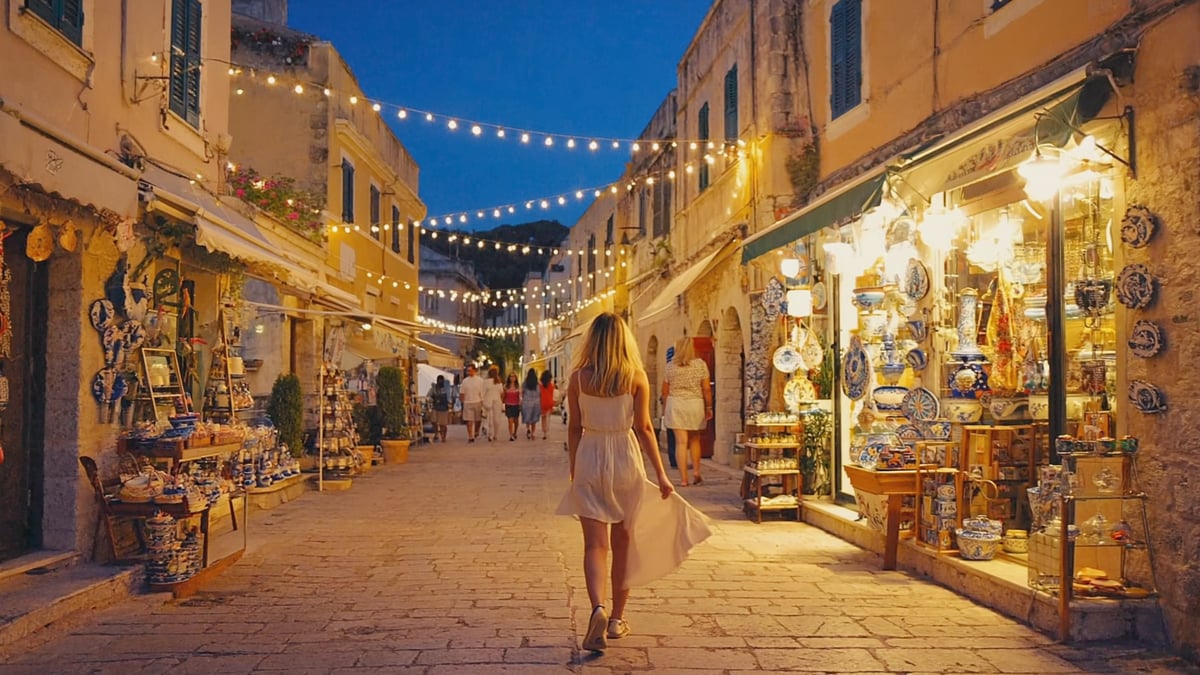
The Amalfi Coast is one of those rare destinations that consistently exceeds expectations — but only for travellers who arrive with accurate expectations. It is not a beach resort. It is not easy, flat, or particularly relaxing in the conventional sense. It is steep, occasionally logistically maddening, and in peak season genuinely overcrowded. And it is still, by a considerable margin, one of the most beautiful places in the world.
The travellers who leave disappointed are almost always those who visited in August without planning, stayed in the wrong town, and spent their days in traffic or queuing. The travellers who leave transformed — who book return trips within 48 hours of getting home — are those who came in May or September, took the early morning ferry, walked the Path of the Gods, and ate scialatielli at a table with a view of the sea.
The knowledge to be that second type of traveller is contained in this guide. The only remaining question is when you are going to book.
GlobeHunters has been helping UK travellers reach destinations like this since 2003. Whether you need a complete package from £799 per person or simply want expert advice on the best time and place to stay, the team is ready to help. Call 0208 944 4514 or explore current Amalfi Coast packages online — and start planning the Italian coastal holiday you will still be talking about in a decade.
Book Your Amalfi Coast Holiday Now
GlobeHunters offers holiday packages including flights and hotels at competitive prices — from £799pp for a 7-night Amalfi Coast holiday including UK flights.
View Package & Prices →Or call us: 0208 944 4514
About the author
Spiros Maragkoudakis · Chief Commercial Officer
Ready to Book Your Amalfi Holiday?
Our travel experts are ready to help you plan the perfect trip. Call us today or browse our latest deals.
Ready to Start Planning?
Speak to our travel experts for personalised advice and the best deals on your next holiday.
Call 0208 944 4514