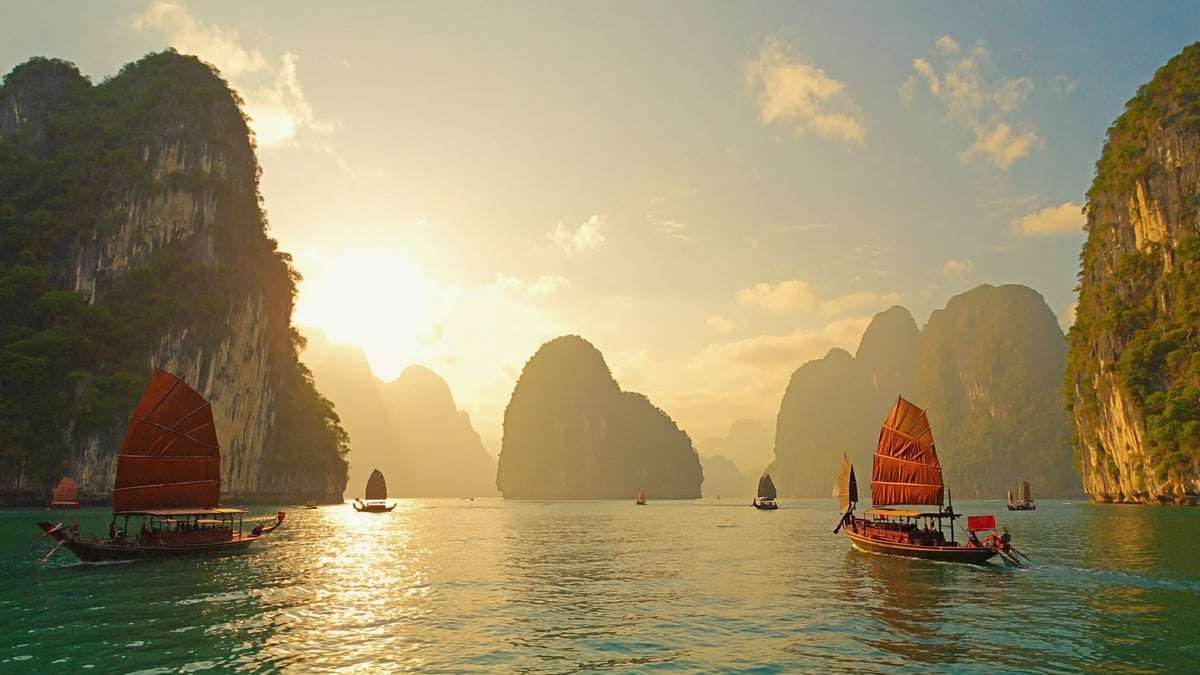
There is a moment, somewhere between watching the sun dissolve behind limestone karsts on Ha Long Bay and eating a bowl of bánh mì at a plastic stool in Saigon's backstreets, when Vietnam stops being a destination and becomes an obsession. Few countries on earth pack so much drama, flavour, history, and sheer visual spectacle into a single itinerary. From the misty mountain terraces of the north to the labyrinthine waterways of the Mekong Delta, Vietnam is a country that rewards every type of traveller — the culture-hungry, the food-obsessed, the adventure seeker, and the romantic who just wants lantern light reflecting on ancient water.
What makes Vietnam particularly compelling for UK travellers in 2026 is the value proposition. Your pound stretches remarkably far here — a country where world-class street food costs less than a London coffee, where boutique hotels occupy centuries-old merchant houses, and where one of the world's great natural wonders can be explored from the deck of a private junk boat. This guide covers everything you need to plan the trip of a lifetime, from the moment you land in Hanoi to the final sunset cocktail in Ho Chi Minh City.
Book Your Vietnam Holiday Now
GlobeHunters offers 10-night Vietnam holiday packages including flights and hotels at competitive prices — from just £1,499 per person.
View Package & Prices →Or call us: 0208 944 4514
Vietnam: Country Overview for UK Travellers
Vietnam is a long, narrow S-shaped country in Southeast Asia, stretching over 1,600 kilometres from the Chinese border in the north to the Ca Mau Peninsula in the south. It shares land borders with China, Laos, and Cambodia, and its eastern coastline runs along the South China Sea — giving it some of Asia's most spectacular coastal scenery.
Understanding Vietnam's geography is essential for planning your trip, because this is not a country you can fully appreciate from a single city base. The north is dominated by Hanoi — the ancient, atmospheric capital — and the jaw-dropping seascape of Ha Long Bay. The central region holds the imperial city of Hué, the lantern-lit ancient town of Hoi An, and the beach resort of Da Nang. The south is anchored by Ho Chi Minh City (still commonly called Saigon), with the Mekong Delta spreading out to the west and the islands of Phu Quoc offshore.
Essential Travel Information
- Language: Vietnamese (Tiếng Việt). English is widely spoken in tourist areas, hotels, and restaurants, but learning a few basic phrases — xin chào (hello), cảm ơn (thank you) — will earn you enormous goodwill.
- Currency: Vietnamese Đồng (VND). As of 2026, the exchange rate means UK travellers receive approximately 30,000–32,000 VND per £1 GBP. Carry small denominations for markets and street food, and be aware that the large number of zeros on banknotes can initially be disorienting.
- Time Zone: Indochina Time (ICT), UTC+7. Vietnam is 6 hours ahead of GMT (7 hours ahead during British Summer Time), so jet lag adjustment is generally manageable.
- Visa Requirements for UK Travellers: UK citizens can enter Vietnam visa-free for up to 45 days — a significant improvement introduced in recent years that makes multi-week itineraries straightforward. For longer stays, an e-visa (applied for online via the official Vietnamese Immigration Department portal) costs approximately £18 and allows 90-day single-entry stays. Always check the latest requirements with the Vietnamese Embassy before travelling.
- Capital: Hanoi
- Population: Approximately 98 million
- Electricity: 220V, Type A/C/F sockets. UK travellers will need a universal travel adaptor.
- Driving Side: Right-hand side (steering wheel on the left)
Vietnam is officially a socialist republic governed by the Communist Party of Vietnam, though its economy has been one of Asia's fastest-growing for decades. The country's complex history — from French colonial rule through the American War to its remarkable economic transformation since the Đổi Mới reforms of 1986 — has produced a culture that is simultaneously ancient and urgently modern. You'll find that contrast everywhere: Buddhist pagodas beside French colonial villas, street vendors using mobile payment apps, and ancient craft traditions thriving alongside rooftop cocktail bars.
When Is the Best Time to Visit Vietnam?
The best time to visit Vietnam depends entirely on which part of the country you're prioritising, as Vietnam's unusual geography means different regions experience dramatically different weather patterns simultaneously. The country's length means it doesn't have a single unified "dry season" — which is actually good news for UK travellers, because there's no bad time to visit somewhere in Vietnam.
Northern Vietnam (Hanoi, Ha Long Bay, Sapa)
The north has a distinct four-season climate. October through April is generally the driest and most comfortable period, with October–December offering pleasant temperatures around 18–25°C and clear skies ideal for Ha Long Bay cruises. January and February can bring a cool, misty drizzle (locally called mưa phùn) that actually adds a ghostly, romantic quality to the karst landscape. March and April see temperatures rising pleasantly before the summer heat arrives. May through September brings the summer monsoon with high humidity and heavy rain — Ha Long Bay can be stunning in this period, but occasional typhoons may disrupt cruises.
Central Vietnam (Hoi An, Hué, Da Nang)
The central region has an almost inverted weather pattern to the north. February through August is the dry, sunny season here — this is when Hoi An is at its most photogenic, with golden light, beach weather, and the full programme of lantern festivals. September through January brings the central region's rainy season, and flooding around Hoi An is not unusual in October and November (though even flooded Hoi An has a certain enchantment). Da Nang's beaches are best from March through August.
Southern Vietnam (Ho Chi Minh City, Mekong Delta, Phu Quoc)
The south operates on a simple two-season model: dry season from November through April, and wet season from May through October. The dry season is the prime time to visit Saigon and the Mekong Delta, with temperatures typically in the 28–35°C range and low humidity. Phu Quoc Island is at its most spectacular from November through April, with calm seas and perfect beach conditions.
The Sweet Spot for a Full Vietnam Itinerary
February through April represents the closest thing to a nationwide optimal window. The north is clear and warming up, the centre is in its prime dry season, and the south is still in its dry period. This is also when Tết (Vietnamese Lunar New Year) falls — typically late January or February — which is a spectacular cultural experience but brings significant domestic travel and closures of some businesses for several days around the main holiday. Travelling just after Tết (mid-February onwards) gives you the festive atmosphere without the disruption.
In terms of pricing and crowds, shoulder season visits in May or September–October can offer significantly better hotel rates and fewer tourists at major sites, provided you're comfortable with occasional rain and can be flexible on Ha Long Bay cruise timing.
Where to Stay in Vietnam: Neighbourhoods and Accommodation Guide
Vietnam offers an extraordinary range of accommodation, from bamboo eco-lodges and heritage merchant house boutique hotels to world-class luxury resorts with infinity pools overlooking rice paddies. Knowing which area to base yourself in each city transforms the quality of your experience.
Hanoi
The Old Quarter (Hoàn Kiếm district) is where most first-time visitors stay, and for good reason — it places you within walking distance of Hoan Kiem Lake, the Temple of Literature, and dozens of the city's best restaurants and bars. The Old Quarter's 36 ancient guild streets are chaotic and exhilarating; budget travellers will find excellent guesthouses here from around £18–£30 per night, while boutique mid-range options like converted French colonial townhouses run £60–£120 per night. The Ba Dinh district, slightly west of the Old Quarter, offers a quieter, more residential atmosphere near the Ho Chi Minh Mausoleum and the upscale West Lake neighbourhood — a good choice for those wanting luxury properties with lake views.
Ha Long Bay
For Ha Long Bay, the accommodation is the experience — you sleep aboard a traditional wooden junk boat. Budget cruises (£60–£90 per person per night) offer basic cabins and shared facilities; mid-range cruises (£120–£200 per person per night) provide en-suite cabins, guided kayaking, and cave visits; luxury cruises (£250–£500+ per person per night) feature private balconies, onboard spas, and gourmet dining. Booking through a reputable package operator is strongly advised, as quality varies enormously between operators.
Hoi An
Hoi An's Ancient Town is a UNESCO World Heritage Site, and staying within or immediately adjacent to it is worth the premium. The Ancient Town itself is largely vehicle-free in the evenings, making it magical to explore on foot. Mid-range boutique hotels in restored merchant houses typically cost £70–£150 per night. The An Bang Beach area, about 4km from the Ancient Town, has developed into a superb collection of boutique resorts and guesthouses popular with beach-seekers, with prices from £50–£200 per night depending on category. For luxury, the stretch of coastline around Cửa Đại Beach hosts several internationally recognised resort brands with pools, spas, and direct beach access.
Ho Chi Minh City (Saigon)
District 1 is Saigon's tourist heartland and the best base for first-time visitors, with everything from backpacker hostels on Bui Vien Street to five-star hotels on Dong Khoi Street. The Pham Ngu Lao area within District 1 is the classic budget traveller's base — lively, safe, and packed with street food and tour operators. For a more atmospheric mid-range experience, the streets around the Ben Thanh Market and the Nguyen Hue walking street offer excellent boutique hotel options from £65–£140 per night. District 3 is increasingly popular with those wanting a more local, residential feel with easy access to the city centre.
The Top Things to Do in Vietnam
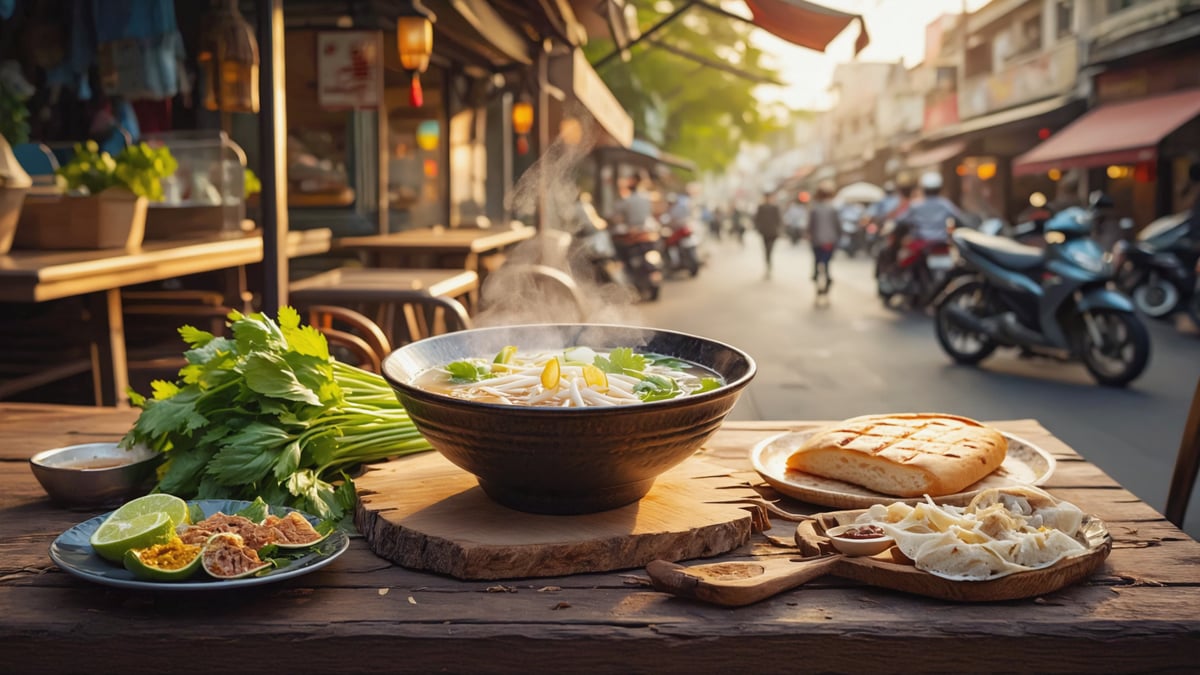
Vietnam's highlights span natural wonders, ancient history, living culture, and culinary adventure — a single ten-night itinerary can realistically include all four. Here are the experiences that should be non-negotiable on any Vietnam itinerary.
1. Ha Long Bay Cruise
Sailing through Ha Long Bay's 1,600+ limestone islands and islets is one of Southeast Asia's defining travel experiences. A two-night cruise allows you to kayak through sea caves, swim in emerald waters, visit floating fishing villages, and watch sunrise from your cabin deck with a coffee in hand. Cost: Mid-range two-night cruises typically cost £150–£280 per person all-inclusive from Ha Long City. Book through your package operator for vetted, licensed boats. Insider tip: Consider departing from Tuan Chau Marina rather than Hon Gai to access less-crowded areas of the bay.
2. Hoi An Ancient Town by Night
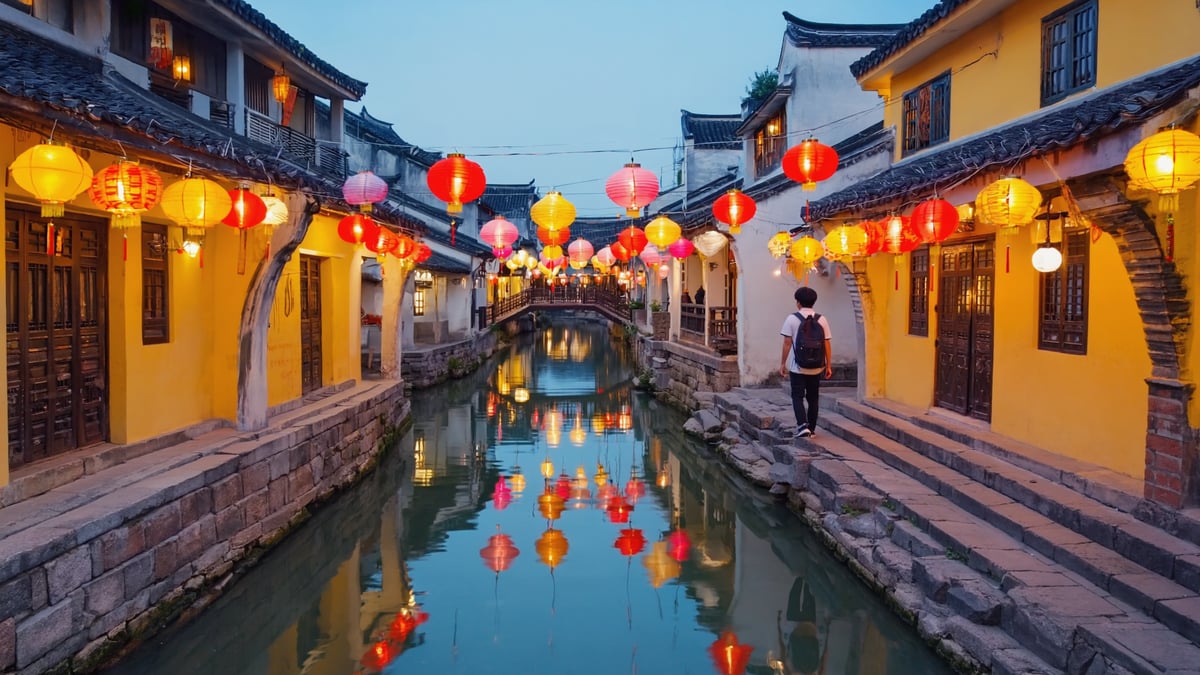
Hoi An transforms at dusk into something genuinely magical — hundreds of silk lanterns illuminate the narrow streets, the Thu Bon River glows with floating candles, and the absence of motorbikes (banned from the Ancient Town in the evenings) creates an atmosphere unlike anywhere else in Southeast Asia. Entrance tickets to the Ancient Town cost approximately 120,000 VND (around £3.80) and include access to five heritage sites from a choice of 22. Insider tip: Visit during the Full Moon Lantern Festival (held on the 14th day of each lunar month) when electric lights are turned off entirely and the town is lit purely by lanterns.
3. Hanoi Old Quarter Walking Tour
Hanoi's Old Quarter rewards slow, curious exploration. Hire a local guide (approximately £15–£25 for a half-day walking tour) to navigate the 36 ancient guild streets — each originally dedicated to a specific craft or trade — and discover hidden temples, traditional tea houses, and street food stalls that have operated for generations. Opening hours: The streets themselves are always accessible; the Temple of Literature (Văn Miếu) opens 08:00–17:00 daily, with entry at approximately 30,000 VND (£1).
4. Mekong Delta Day Trip or Overnight Stay
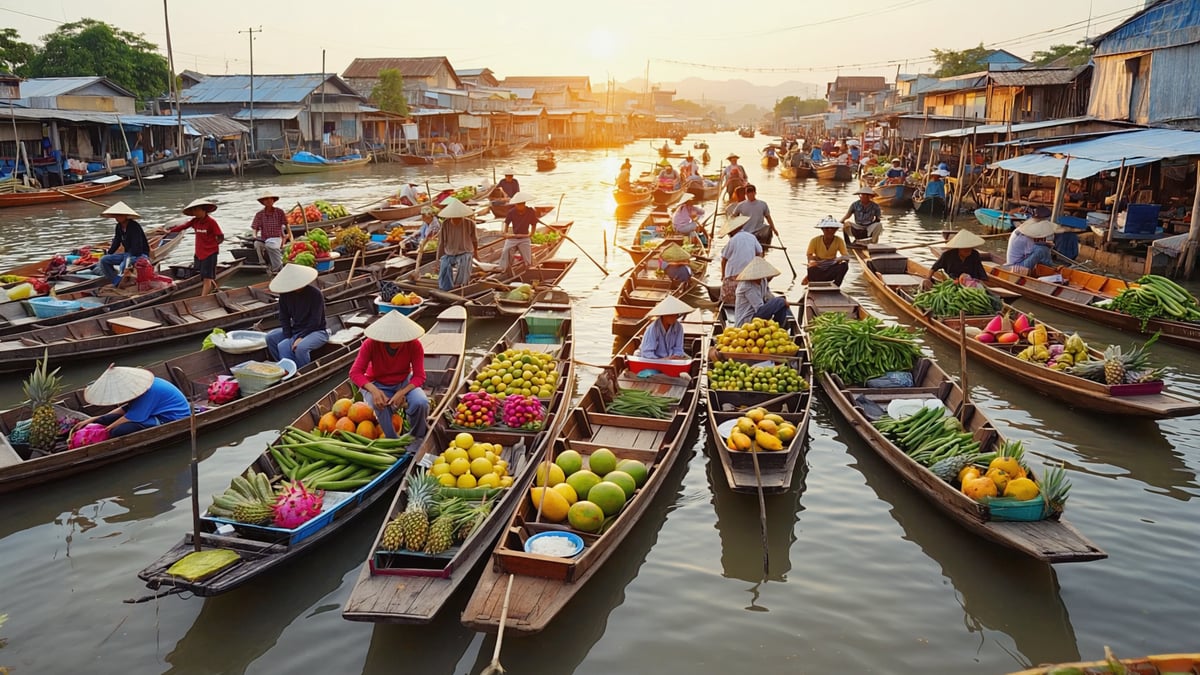
The Mekong Delta, south of Ho Chi Minh City, is a world of waterways, floating markets, coconut groves, and extraordinary food. A day trip from Saigon costs approximately £25–£50 per person through a reputable tour operator, covering boat rides through narrow canals, visits to local workshops producing coconut candy and rice paper, and lunch at a riverside restaurant. Staying overnight in a homestay (from £30–£60 per person including meals) gives a far richer experience. Insider tip: The Cai Rang Floating Market near Can Tho is most active between 06:00 and 09:00 — an early start is essential.
5. War Remnants Museum, Ho Chi Minh City
One of Southeast Asia's most sobering and important museums, the War Remnants Museum presents Vietnam's experience of the American War through photographs, artefacts, and personal testimonies. It is deeply affecting and essential context for understanding modern Vietnam. Entry: 40,000 VND (approximately £1.30). Opening hours: 07:30–17:30 daily. Allow at least two hours.
6. Cooking Class in Hoi An or Hanoi
A Vietnamese cooking class is among the best-value cultural experiences in Asia. Most classes begin with a guided market tour to select fresh ingredients, followed by hands-on preparation of three to five dishes under expert instruction. Cost: Approximately £25–£45 per person for a half-day class including the market visit and a full meal. Hoi An's Morning Glory Cooking School is among the most respected in the country.
7. Sapa Trekking and Minority Village Visits
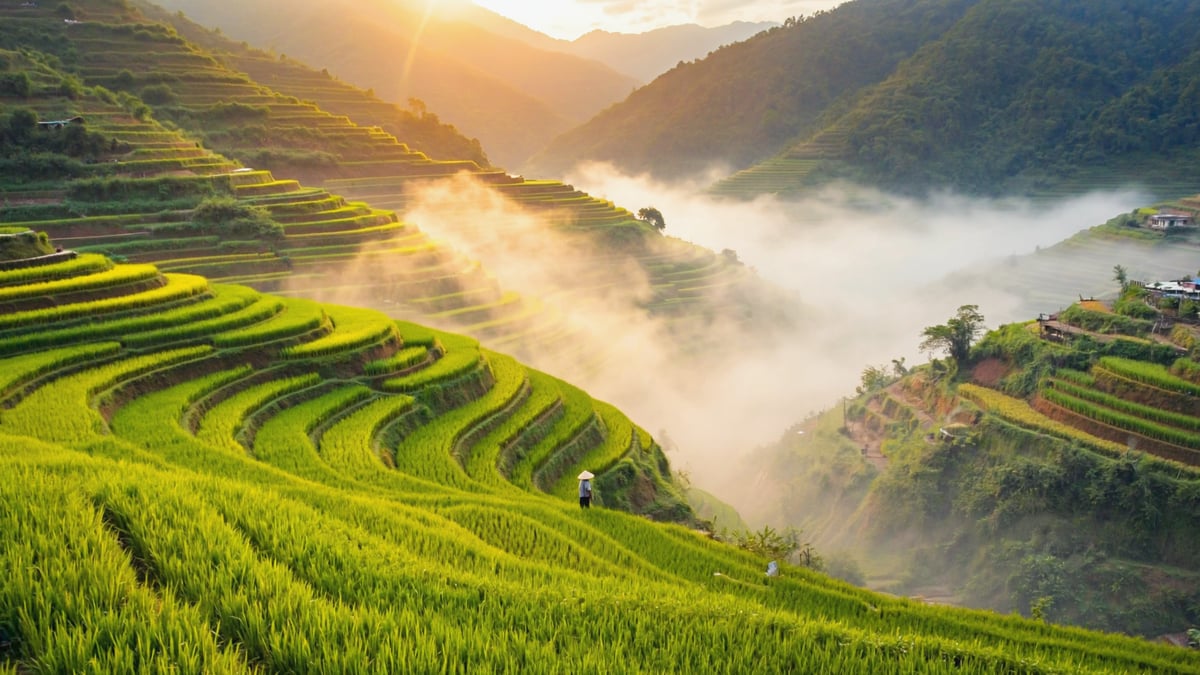
Sapa, in Vietnam's far northwest, offers some of the most spectacular trekking in Asia — terraced rice paddies cascading down mountain valleys, home to communities of the Hmong, Dao, and Tay ethnic minorities. The overnight train from Hanoi to Lao Cai (the gateway town for Sapa) is an experience in itself. Trek costs: Guided day treks cost approximately £15–£30 per person; multi-day treks with homestays run £50–£120 per person per day. Best time: September–October for the rice harvest season when terraces are at their most golden.
8. Imperial Citadel of Hué
The ancient imperial capital of Hué holds Vietnam's most impressive royal architecture — a vast walled citadel modelled on Beijing's Forbidden City, along with elaborate royal tombs scattered across the surrounding countryside. Entry: The Imperial Enclosure costs approximately 200,000 VND (£6.50); a combined ticket covering multiple royal tombs costs around 530,000 VND (£17). Opening hours: 07:00–17:30 daily. Hué is easily reached from Hoi An by bus (approximately 4 hours, £5–£10) or by the spectacular Hai Van Pass road.
9. Street Food Tour in Ho Chi Minh City
Saigon's street food scene is arguably the most dynamic and delicious urban food culture in Asia. Evening street food tours through the backstreets of Districts 1, 3, and 4 cover everything from bánh xèo (sizzling crepes) and hủ tiếu (noodle soup) to bánh mì and fresh spring rolls. Cost: Guided street food tours approximately £20–£40 per person, or self-guided exploration costs just £5–£10 for a full evening of eating.
10. Phong Nha-Ke Bang National Park and Cave System
Home to Hang Son Doong — the world's largest cave by volume — and dozens of other spectacular cave systems, Phong Nha in central Vietnam is increasingly accessible to international visitors. Guided tours of Paradise Cave and Phong Nha Cave cost approximately £15–£30 per person. The full Son Doong expedition (one of the world's most exclusive adventure travel experiences) costs around £2,800 per person and must be booked many months in advance through the sole licensed operator, Oxalis. Opening hours: Most cave tours depart 08:00–09:00 daily.
Vietnamese Food and Dining: A Culinary Map of the Country
Vietnamese cuisine is one of the world's great food cultures — light, herbaceous, complex, and profoundly regional. Each part of the country has its own culinary identity, and eating your way from north to south is one of the great pleasures of a Vietnamese itinerary. Unlike many Asian cuisines that rely heavily on oil and dairy, Vietnamese food is built on fresh herbs, rice, broths, and fermented condiments — making it naturally friendly to many dietary requirements.
Essential Dishes by Region
In Hanoi and the north, the essential dish is phở — the iconic noodle soup that Vietnam has given to the world. But Hanoi's version, made with a clear, delicate beef bone broth and minimal garnishes (northerners find the southern habit of adding bean sprouts and hoisin sauce to phở almost offensive), is the definitive original. Alongside phở, look for bún chả (grilled pork with rice noodles and dipping broth — made famous internationally when Anthony Bourdain shared it with Barack Obama at a Hanoi street stall), bánh cuốn (steamed rice rolls), and chả cá (turmeric-marinated fish with dill, a Hanoi speciality).
In central Vietnam, Hué's royal culinary tradition produces some of the country's most elaborate and spicy food. Bún bò Huế is a rich, lemongrass-infused beef noodle soup that many consider superior to phở. Hoi An has its own signature dishes: cao lầu (thick rice noodles with pork and herbs, made with water from a specific ancient well — imitations exist elsewhere but the original is only in Hoi An), white rose dumplings (translucent shrimp dumplings shaped like roses), and bánh mì Phượng, widely considered the finest bánh mì in Vietnam.
In Ho Chi Minh City and the south, the food is sweeter, more abundant with fresh herbs and vegetables, and more overtly Chinese-influenced. Hủ tiếu (a clear pork noodle soup), bánh xèo (crispy savoury crepes stuffed with shrimp and bean sprouts, eaten wrapped in lettuce and rice paper), and gỏi cuốn (fresh spring rolls with prawn and herbs) are staples. The south is also Vietnam's fruit bowl — mangosteen, rambutan, durian, dragon fruit, and jackfruit are all extraordinary here.
Where and How to Eat
The golden rule of eating in Vietnam is eat where locals eat. The plastic-stool street food stall with a queue of motorbike-riding locals outside will almost invariably produce better food than the air-conditioned restaurant catering to tourists. A full street food meal — including a bowl of noodles, fresh spring rolls, and a Vietnamese iced coffee (cà phê sữa đá) — should cost between 60,000–120,000 VND (£2–£4). Mid-range restaurants in tourist areas typically charge 150,000–350,000 VND (£5–£11) per person for a full meal with drinks.
Vegetarian and vegan travellers are well catered for in Vietnam — the Buddhist tradition has produced a rich tradition of meat-free cooking (đồ chay), and dedicated vegetarian restaurants are found in every city. Be aware that fish sauce (nước mắm) is ubiquitous in Vietnamese cooking and may appear in dishes not obviously flagged as containing fish. Always specify your requirements clearly when ordering.
Vietnamese coffee culture deserves special mention. Vietnam is one of the world's largest coffee producers, and the local robusta-based coffee — served strong, slow-dripped through a phin filter over sweetened condensed milk — is extraordinary. Don't miss egg coffee (cà phê trứng) in Hanoi, a local invention involving a creamy whipped egg yolk foam over espresso that tastes like a drinkable tiramisu.
Getting to Vietnam from the UK
Vietnam is approximately 10–12 hours flying time from the UK, depending on your routing and layover location. There are no current direct non-stop flights from the UK to Vietnam (as of 2026), meaning all routes involve at least one connection — though this connection is typically brief and well-managed through efficient Asian hub airports.
Main Flight Routes and Airlines
The most popular and well-regarded routing for UK travellers is via the Middle East hubs: Qatar Airways via Doha (QR) operates daily flights from London Heathrow to both Hanoi (Nội Bài International) and Ho Chi Minh City (Tân Sơn Nhất International), with total journey times of approximately 12–13 hours. Emirates via Dubai and Etihad via Abu Dhabi offer comparable services with similar journey times. These carriers are widely considered the best value for quality on this route.
Alternatively, Cathay Pacific via Hong Kong, Thai Airways via Bangkok, and Singapore Airlines via Singapore all offer excellent connections with slightly longer total journey times but often outstanding in-flight service. Vietnam Airlines also operates routes from London Heathrow via various hubs, and often has competitive pricing for direct bookings.
Typical flight costs from London for economy class return: £600–£900 in low season, £900–£1,400 in high season (December–January, July–August). Business class returns typically run £2,500–£4,500. Book at least three months in advance for the best economy fares, and set price alerts on Google Flights for fare drops.
Which Airport to Fly Into?
Most itineraries work best by flying into Hanoi (Nội Bài International Airport, HAN) and flying home from Ho Chi Minh City (Tân Sơn Nhất International Airport, SGN) — this open-jaw routing lets you travel Vietnam in a logical north-to-south direction without backtracking. Open-jaw tickets typically cost the same as or only marginally more than return tickets to a single city. Vietnam's domestic airline network (Vietnam Airlines, VietJet, Bamboo Airways) connects all major cities with frequent, affordable flights — a Hanoi to Ho Chi Minh City flight costs approximately £25–£70 and takes around two hours.
Airport Transfers
From Hanoi's Nội Bài Airport, the city centre is approximately 45 minutes by taxi (£8–£12 via metered taxi) or a new airport express bus service. In Ho Chi Minh City, Tân Sơn Nhất Airport is just 8km from District 1 — a metered taxi or Grab (Southeast Asia's equivalent of Uber) costs approximately £3–£6 and takes 20–40 minutes depending on traffic. Always use Grab or insist on a metered taxi to avoid overcharging.
Vietnam Budget Guide: What Will It Cost You?
Vietnam is one of Southeast Asia's best value destinations for UK travellers, though the gap between budget and luxury experiences is enormous — and both ends of the spectrum deliver outstanding quality for their price point. Here's a realistic daily budget breakdown for three types of traveller.
Budget Traveller: £35–£55 per day
This is genuinely achievable and comfortable, not spartan. At this budget you can stay in a clean, well-reviewed guesthouse or budget boutique hotel (£18–£30 per night for a private room), eat almost exclusively at street stalls and local restaurants (£6–£10 per day for three meals and snacks), get around on local buses, motorbike taxis, and Grab (£3–£5 per day), and visit museums and attractions (typically £1–£5 entry). Budget for one or two splurge activities — a Ha Long Bay cruise or a cooking class — as higher daily costs on those particular days. Alcohol is extremely cheap: a local bia hơi (draught beer, served at street-side beer halls) costs as little as 5,000–10,000 VND (20–35p).
Mid-Range Traveller: £80–£150 per day
The mid-range sweet spot in Vietnam is exceptional value — at this level, you're staying in boutique hotels in prime locations (£60–£120 per night), eating at a mix of street food and proper restaurants (£20–£35 per day), taking domestic flights between cities rather than long bus journeys, joining private rather than group tours, and enjoying a Ha Long Bay cruise on a quality mid-range junk with en-suite cabins. A two-night Ha Long Bay cruise, domestic flights, boutique accommodation in Hoi An, and regular dining at excellent restaurants all fall comfortably within this tier.
Luxury Traveller: £250–£500+ per day
Vietnam's luxury offering has improved dramatically in recent years, and at the top end you'll find world-class experiences: six-star Ha Long Bay cruises with private balconies and onboard spas, boutique heritage hotels in Hoi An's Ancient Town, private car transfers, exclusive guided experiences with expert historians and chefs, and Michelin-starred dining in Ho Chi Minh City. The Four Seasons in the Nam Hai near Hoi An, the Capella Hanoi, and the Park Hyatt Saigon represent the country's finest accommodation. Even at this budget, Vietnam delivers better value than comparable luxury experiences in Japan or Western Europe.
GlobeHunters' 10-Night Package
GlobeHunters' Vietnam package from £1,499 per person represents outstanding value — combining return flights from the UK with hotel accommodation across ten nights, this package removes the complexity of booking multiple components independently and provides a well-structured itinerary across the country's highlights. For couples, the per-person pricing is particularly competitive.
Book Your Holiday Now
GlobeHunters offers holiday packages including flights and hotels at competitive prices.
View Package & Prices →Or call us: 0208 944 4514
Travel Tips, Safety, and Cultural Etiquette for Vietnam
Vietnam is a safe, welcoming, and relatively straightforward destination for independent UK travellers, but a handful of practical considerations will make your trip significantly smoother and more respectful of local culture.
Safety
Vietnam has a low rate of violent crime against tourists, and the vast majority of visitors travel without any significant incident. The most common issues are petty theft — particularly bag snatching from motorbikes in busy urban areas — and scams targeting tourists around major attractions. Practical safety tips:
- Keep bags on the inside of the pavement (away from the road) in cities, particularly in Ho Chi Minh City and Hanoi, to reduce the risk of motorbike bag snatching.
- Use Grab (the app-based ride service) rather than hailing random taxis, to guarantee metered, honest fares.
- Be cautious of unsolicited "friendly locals" near tourist attractions who offer to take you somewhere — a common prelude to scams in major cities.
- Motorbike rental is popular but carries real risk — Vietnamese traffic is dense and rules are loosely observed. International driving licences are technically required, and UK travel insurance policies often exclude motorbike accidents if you don't hold an appropriate licence.
- Register your trip with the FCDO's Vietnam travel advice page and check it before departure for any updated safety information.
Health
Consult your GP or a travel health clinic at least six weeks before departure. Recommended vaccinations typically include hepatitis A and B, typhoid, tetanus, and depending on your itinerary, Japanese encephalitis and rabies. Malaria risk is low in major tourist destinations (Hanoi, Ho Chi Minh City, Ha Long Bay, Hoi An) but higher in rural and forested areas — seek specific advice based on your itinerary. Travel insurance is essential and should include medical evacuation cover; healthcare facilities in major cities are improving but remain limited outside of international private hospitals. Drink only bottled or purified water — tap water is not safe to drink anywhere in Vietnam.
Cultural Etiquette
- Dress modestly at religious sites: Cover shoulders and knees when visiting pagodas, temples, and the Ho Chi Minh Mausoleum. Many sites provide scarves for visitors who arrive underdressed.
- Remove shoes: Always remove footwear before entering Vietnamese homes and most temples. Look for a shoe rack at the entrance as your cue.
- The head is sacred: Never touch a Vietnamese person's head — this is considered deeply disrespectful.
- Bargaining etiquette: Bargaining is expected and enjoyed in markets — approach it with a smile, humour, and good spirit. Starting at around 50–60% of the asking price is reasonable; walking away (and being called back) is a normal part of the process. Do not bargain at restaurants or shops with fixed prices displayed.
- Tipping: Not traditionally part of Vietnamese culture, but widely appreciated in tourist-facing industries. Tipping guides 50,000–100,000 VND (£1.60–£3.20) per day is appropriate; tipping at restaurants 10% for good service is welcome but not obligatory.
- Political sensitivity: Vietnam remains a one-party state, and critical discussion of the government or the Communist Party in public should be avoided. The country is genuinely open and welcoming to tourists, but social media posts and public statements that criticise the government can theoretically attract legal consequences.
Packing Essentials for Vietnam
- Lightweight, breathable clothing (the heat and humidity demand it)
- A lightweight waterproof jacket or packable poncho (useful year-round in the north and central regions)
- Comfortable walking sandals and a pair of shoes that slip on and off easily (for temple visits)
- High-factor sunscreen (SPF50+ — local pharmacies stock it but import brands are expensive)
- Insect repellent containing DEET
- A universal travel adaptor
- A reusable water bottle with a filter (reduces plastic waste significantly)
- A small day-pack for city exploration
- Photocopies of your passport kept separately from the original
Connectivity and SIM Cards
Vietnam has excellent 4G/5G coverage in all major cities and tourist areas. Buy a local SIM card on arrival at the airport — operators Viettel, Vinaphone, and Mobifone all offer tourist SIM cards with generous data allowances for approximately 150,000–200,000 VND (£5–£6.50) for 30 days. This is far better value than using your UK roaming allowance. Many cafés, hotels, and restaurants offer free Wi-Fi.
Frequently Asked Questions About Vietnam Holidays
Do UK citizens need a visa to visit Vietnam?
UK citizens currently enjoy visa-free access to Vietnam for up to 45 days. For longer stays of up to 90 days, an e-visa is available online through the official Vietnamese Immigration Department portal for approximately £18. Always verify current requirements before travelling, as visa policies can change.
What is the best time of year to visit Vietnam?
February to April is generally the best time for a full-country Vietnam itinerary, offering dry, pleasant weather in the north, peak season conditions in central Vietnam, and the tail end of the dry season in the south. October to December is excellent for Hanoi and Ha Long Bay but may bring rain to Hoi An.
How many days do I need to see Vietnam properly?
A minimum of 10–14 days is recommended to experience Vietnam's key highlights — Hanoi, Ha Long Bay, Hoi An, and Ho Chi Minh City. Two weeks allows you to travel comfortably without rushing. Three weeks or more opens up Sapa, Hué, the Mekong Delta, and Phu Quoc Island.
Is Vietnam safe for solo travellers and couples?
Yes — Vietnam is considered one of Southeast Asia's safer destinations for tourists, including solo women travellers. Violent crime against tourists is rare. The main concerns are petty theft, traffic (crossing the road in Hanoi and Saigon requires confidence and patience), and tourist-targeted scams. Standard urban precautions apply.
What currency is used in Vietnam and should I use cards or cash?
The Vietnamese Đồng (VND) is the local currency. Cash is king for street food, markets, smaller guesthouses, and rural areas. Cards (Visa and Mastercard) are accepted at hotels, upmarket restaurants, and larger shops. ATMs are plentiful in cities. Withdraw larger amounts when you find a working ATM, as fees apply per transaction. Notify your bank before travelling to avoid cards being blocked.
How do I get around within Vietnam?
Domestic flights are the most time-efficient way to travel between major cities, with routes from Hanoi to Ho Chi Minh City available from around £25–£70 on VietJet or Bamboo Airways. The famous Reunification Express train runs the full length of the country and is a scenic, affordable alternative (Hanoi to Da Nang takes approximately 14–16 hours). Within cities, use Grab for reliable, fair-priced taxi and motorbike rides.
What should I eat in Vietnam that I can't get at home?
Several dishes are uniquely Vietnamese and difficult to replicate authentically outside the country. At the top of the list: a bowl of phở from a Hanoi street stall; cao lầu in Hoi An (made with water from a specific ancient well, so technically irreplaceable elsewhere); bún bò Huế in Hué; egg coffee in Hanoi; and fresh gỏi cuốn (spring rolls) made minutes before serving with locally grown herbs.
Is Vietnamese street food safe to eat?
Vietnamese street food is generally safe to eat, provided you choose busy stalls with high turnover — the golden rule of street food safety anywhere. Avoid anything that looks like it has been sitting in the heat for hours, opt for cooked-to-order dishes, and stick to bottled water. Most travellers eat street food extensively throughout Vietnam without any issues.
What is the Ha Long Bay cruise experience like?
A Ha Long Bay cruise involves sleeping aboard a traditional wooden junk boat among thousands of limestone karst islands. Activities typically include kayaking through sea caves, swimming in emerald waters, visiting fishing villages, and watching sunrises and sunsets from the deck. Two-night cruises are the recommended minimum — one-day trips only scratch the surface. Quality varies enormously between operators, so booking through a reputable provider is essential.
Can I visit Vietnam on a budget from the UK?
Vietnam is one of the world's most budget-friendly long-haul destinations. Once you factor in your flights (typically £600–£900 return from the UK), daily costs in Vietnam can be as low as £35–£55 per day for a comfortable budget traveller experience. GlobeHunters' package from £1,499 per person for 10 nights including flights and hotels represents strong value compared to booking independently.
Is tipping expected in Vietnam?
Tipping is not a traditional Vietnamese custom but is appreciated in tourist-facing industries. Tip guides 50,000–100,000 VND per day (approximately £1.60–£3.20), round up restaurant bills or add 10% for good service, and tip hotel porters and housekeeping staff 20,000–50,000 VND per service.
What vaccinations do I need for Vietnam?
UK travellers should consult their GP or a travel health clinic at least six weeks before departure. Commonly recommended vaccinations include hepatitis A and B, typhoid, and a tetanus booster. Depending on your specific itinerary — particularly if visiting rural or forested areas — Japanese encephalitis and rabies vaccines may also be advised. The Travel Health Pro Vietnam country guide published by Public Health England provides comprehensive, up-to-date vaccination and health advice for UK travellers.
Start Planning Your Vietnam Adventure Today
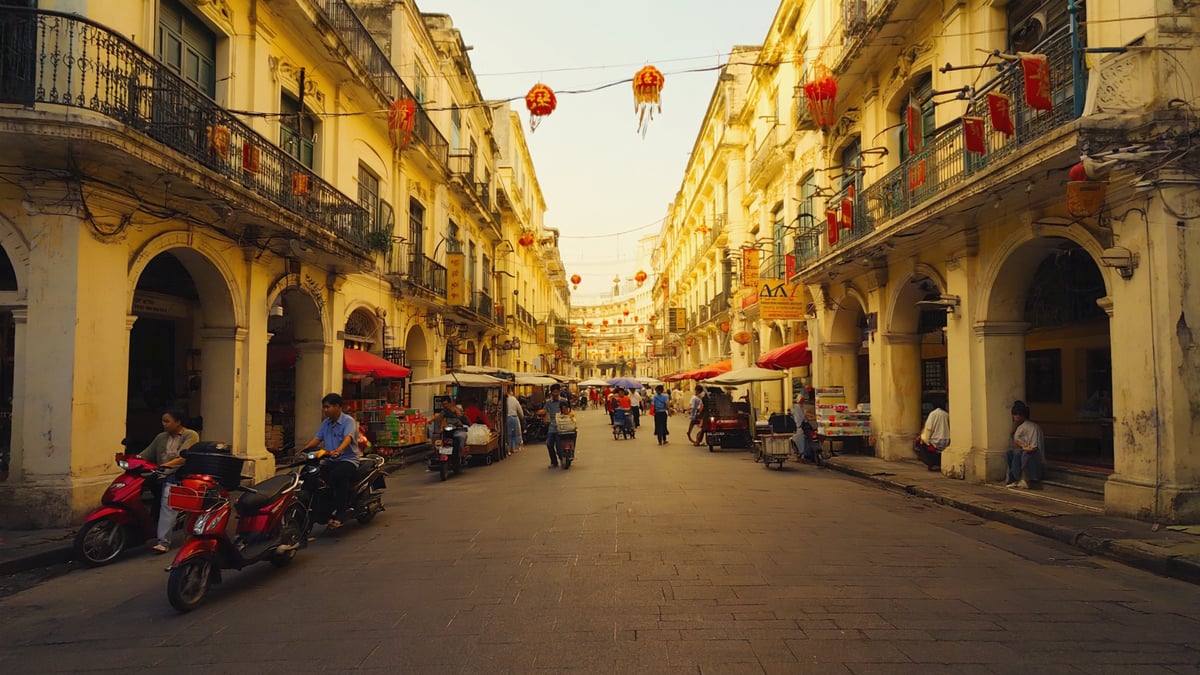
Vietnam is one of those rare destinations that genuinely exceeds expectations — a place where the marketing photographs don't do justice to the reality of being there. The light over Ha Long Bay at 6am, the smell of phở broth bubbling on a Hanoi street corner, the lanterns catching on the Thu Bon River in Hoi An, the controlled chaos of Saigon at dusk — these are experiences that stay with you for years.
What makes 2026 a particularly good year to visit is the combination of continued improvements to Vietnam's tourism infrastructure (new international flight routes, upgraded national parks access, an expanding boutique hotel scene) and the country's enduring, extraordinary value for UK travellers. Whether you're planning a romantic escape, a family adventure, a solo cultural immersion, or a post-retirement dream trip, Vietnam has a version of itself that will meet you exactly where you are.
The country rewards those who go slowly, eat adventurously, and say yes to the unexpected detour. A ten-night itinerary is a wonderful beginning — and for many travellers, it's the beginning of a lifelong relationship with one of the world's most captivating countries.
GlobeHunters' ten-night Vietnam package — including return flights from the UK and hotel accommodation across the country's highlights — starts from just £1,499 per person. It's one of the most competitive offerings for this destination on the UK market, and the team at GlobeHunters have been crafting exceptional long-haul packages since 2003. Whether you book online or prefer to talk through your options with an expert, they're ready to help you turn this guide into your actual trip.
Book Your Vietnam Holiday Now
GlobeHunters offers 10-night Vietnam holiday packages including flights and hotels at competitive prices — from just £1,499 per person.
View Package & Prices →Or call us: 0208 944 4514
Ready to Book Your Ha Holiday?
Our travel experts are ready to help you plan the perfect trip. Call us today or browse our latest deals.
Ready to Start Planning?
Speak to our travel experts for personalised advice and the best deals on your next holiday.
Call 0208 944 4514