The alarm sounds at 5:15am. Outside the canvas walls of the tented camp, something enormous moves through the darkness — a low rumble, then silence. By the time the first copper light bleeds across the Masai Mara horizon, a pride of lions is already draped across a termite mound forty metres from the Land Cruiser, indifferent to the gasps of the passengers inside. This is Kenya. Not the Kenya of brochure clichés, but the raw, breathing, occasionally terrifying reality of one of Earth's last great wildlife spectacles. For UK travellers willing to make the journey, it delivers experiences that no amount of David Attenborough documentaries can adequately prepare you for.
Kenya has been on the bucket list of British travellers for generations — and 2026 is shaping up to be a particularly compelling year to finally make the trip. Conservation investment across the country's national parks has accelerated, new direct flight routes have improved accessibility, and a wave of thoughtfully designed eco-lodges has raised the standard of what a safari accommodation experience can be. Whether you're a couple chasing the Great Migration, a family introducing children to wildlife for the first time, or a solo adventurer ready to push beyond the obvious, a Kenya safari holiday in 2026 offers something genuinely irreplaceable.
This guide covers everything UK travellers need to plan their trip: from visa requirements and the best time to visit, to where to stay in the Masai Mara, what a realistic budget looks like, and how to get there without paying over the odds. Think of it as the briefing you'd want from a well-travelled friend who has done the groundwork so you don't have to.
Kenya at a Glance: What You're Actually Heading Into
Kenya sits astride the equator on East Africa's coast, bordered by Tanzania to the south, Uganda to the west, and the Indian Ocean to the east. It is a country of extraordinary geographic diversity — from the high-altitude Aberdare forests and the snowcapped ridges of Mount Kenya to the semi-arid scrubland of Amboseli and the sweeping grasslands of the Masai Mara. Understanding this geography is the first step to planning a trip that goes beyond a single reserve.
Capital city: Nairobi (also the main international gateway)
Language: Swahili and English are both official languages. English is widely spoken in tourist areas, hotels, and airports — UK travellers will have no language barrier in practice.
Currency: Kenyan Shilling (KES). As of mid-2026, approximately KES 165–170 to £1, though exchange rates fluctuate. It's worth checking current rates before travel.
Time zone: East Africa Time (EAT), UTC+3. Kenya does not observe daylight saving time, so the offset from the UK varies between 2 and 3 hours depending on the time of year.
Electricity: 240V, Type G plugs (the same as the UK — no adapter needed).
Visa requirements for UK travellers: Kenya operates an Electronic Travel Authorisation (eTA) system. UK passport holders must apply online before travel. As of 2026, the eTA costs approximately USD 30 (around £24) and is typically processed within 72 hours, though applying at least a week before departure is strongly advised. Standard tourist entry allows stays of up to 90 days.
Nairobi itself is worth factoring into any itinerary. Often dismissed as a mere transit hub, the city has a genuinely compelling food scene, excellent museums, and — unusually for a capital city — a national park within its boundaries where rhino and giraffe roam against a downtown skyline backdrop. Many travellers add two nights in Nairobi at the start or end of their trip and find it transforms their understanding of the country.
The country's geography also means that combining a safari with a beach stay is both practical and popular. The Kenyan coast — particularly the areas around Diani Beach and Watamu — offers white sand beaches and warm Indian Ocean waters within a two-hour domestic flight of Nairobi. A "bush and beach" itinerary is one of the most satisfying ways to structure a two-week Kenya trip.
When to Go: Reading Kenya's Seasons Like a Field Guide
The best time to visit Kenya for most UK travellers is during the dry seasons: July to October and January to February. These windows offer optimal wildlife viewing, clear skies, and the best road conditions in the parks. However, the nuance matters enormously — the "right" month depends heavily on what you want to see.
Month-by-Month Breakdown
| Month | Weather | Wildlife Highlights | Crowds & Pricing |
|---|---|---|---|
| Jan–Feb | Dry, warm, low humidity | Excellent Big Five; Amboseli elephant herds; calving season in Masai Mara | ⚠️ Moderate — good value shoulder season |
| Mar–May | Long rains; green, lush | Birdwatching excellent; newborn wildlife; fewer vehicles in parks | ✅ Low season — best prices, quietest parks |
| Jun–Jul | Cool and dry | Migration herds begin crossing into Masai Mara (typically July) | ⚠️ Rising — book early |
| Aug–Oct | Dry, warm, clear | Peak Great Migration river crossings; Big Five at their most visible | ❌ Peak season — highest prices, most visitors |
| Nov | Short rains; brief showers | Migration exits; good general wildlife; landscapes stunning | ✅ Good value — underrated month |
| Dec | Warm, dry from mid-month | Excellent all-round; Christmas week very busy | ⚠️ High over Christmas/New Year |
The Great Migration — the annual movement of over 1.5 million wildebeest and hundreds of thousands of zebra between the Serengeti in Tanzania and Kenya's Masai Mara — is the single most spectacular wildlife event on the planet. The famous Mara River crossings, where enormous crocodile-filled rivers stand between the herds and fresh grazing, typically peak between August and September. This is when demand for accommodation in the Masai Mara reaches its absolute zenith. Lodges book up twelve or more months in advance for peak migration season. If this is your primary goal, book early and expect to pay a premium.
For travellers who want excellent wildlife viewing without the peak-season crowds and prices, January–February and November represent genuinely excellent alternatives. The parks are quieter, lodge rates are lower, and the wildlife viewing — particularly for Big Five encounters — remains exceptional.
Where to Stay: Kenya's Best Safari Regions and Accommodation Areas
Kenya's accommodation landscape spans everything from basic guesthouses to some of the most acclaimed luxury lodges on the African continent. The right choice depends on your budget, your itinerary, and what kind of safari experience you want.
Masai Mara — The Crown Jewel
The Masai Mara National Reserve and the surrounding private conservancies (Mara North, Naboisho, Olare Motorogi) form the heart of Kenya's safari offering. Private conservancies adjacent to the main reserve typically offer exclusivity, off-road driving, and night game drives that are not permitted inside the national reserve itself — advantages worth paying for.
- Budget (£80–£150/night): Mara Sopa Lodge and similar mid-market properties within or near the reserve. Comfortable, with game drives included, but expect larger group sizes and less exclusivity.
- Mid-range (£150–£350/night): Camps like Mara Serena Safari Lodge or Kichwa Tembo Tented Camp offer genuine atmosphere, excellent guiding, and strong wildlife access.
- Luxury (£350–£1,000+/night): Properties in private conservancies such as Angama Mara, Mahali Mzuri, or Governors' Camp are among the finest safari lodges in Africa. Rates are typically all-inclusive — meals, game drives, and drinks — which changes the cost calculus considerably.
Amboseli — Elephants and Kilimanjaro Views
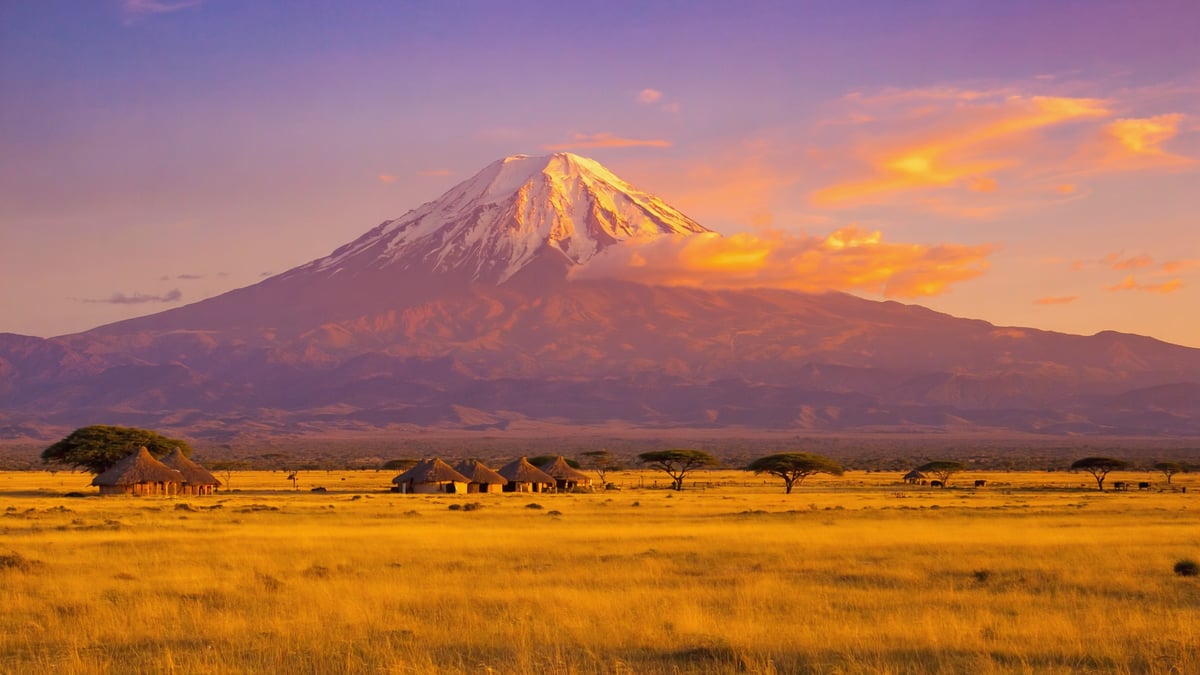
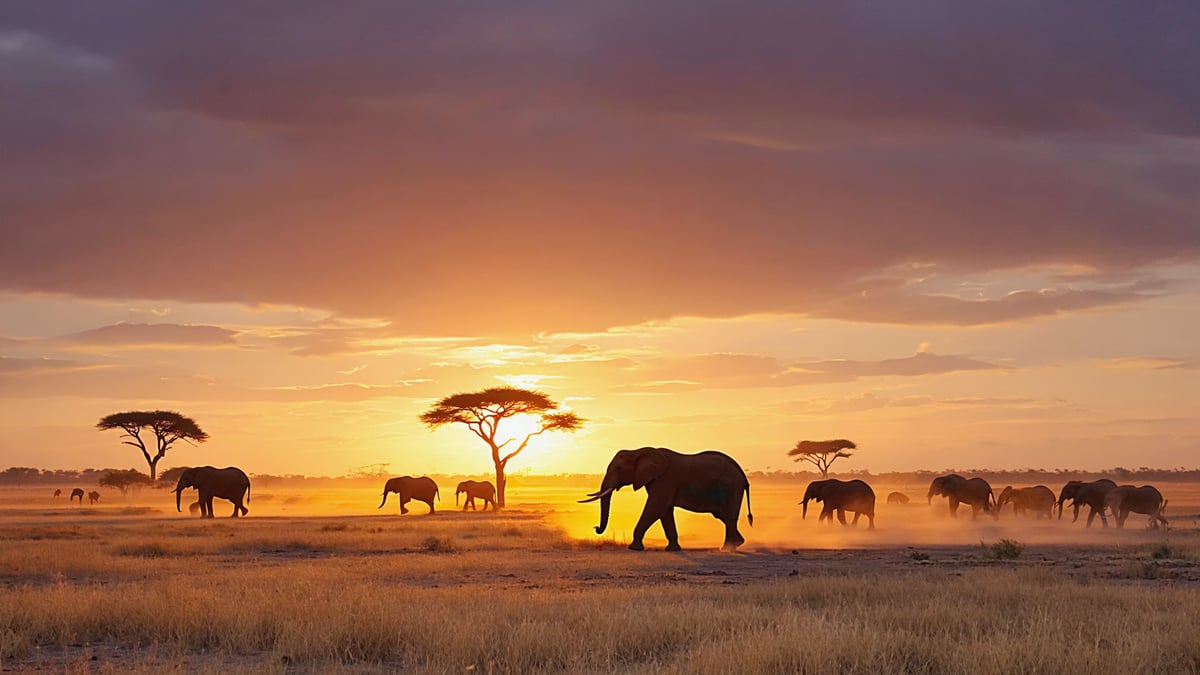
Amboseli National Park, in southern Kenya near the Tanzanian border, is best known for its enormous elephant herds and unobstructed views of Mount Kilimanjaro across the border. On a clear morning, the sight of a hundred elephants moving through golden grass with Kilimanjaro rising in the background is one of Africa's great photographic moments. Amboseli is typically less crowded than the Mara and pairs well with it on a combined itinerary.
Samburu — The Wild North
Samburu National Reserve in northern Kenya offers a genuinely different ecosystem and a different cast of wildlife: Grevy's zebra, reticulated giraffe, Beisa oryx, and gerenuk (the "giraffe gazelle" that stands on its hind legs to browse) are species found here but not in the southern parks. Samburu is for travellers who want to go beyond the obvious Masai Mara circuit and experience something less visited.
Nairobi — The Urban Base
Most Kenya itineraries begin and end in Nairobi. The Westlands and Karen neighbourhoods offer the best concentration of quality mid-range and boutique hotels, with easy access to the airport and good restaurant options. The Fairmont The Norfolk, near the city centre, is a historic institution with genuine colonial-era character. Budget travellers should look at guesthouses in Westlands or around the Karen area.
Diani Beach — The Coastal Finish
A two-hour domestic flight from Nairobi, Diani Beach on the south coast is Kenya's premier beach destination. The beach itself — a long arc of white sand fringed by palm trees and warm, clear water — is genuinely among the best in East Africa. Accommodation ranges from backpacker guesthouses to the five-star Alfajiri Villas and the all-inclusive Leopard Beach Resort.
Top Things to Do in Kenya: Beyond the Standard Game Drive
A Kenya safari holiday offers far more than simply watching wildlife from a vehicle. The country's activities range from walking with Maasai warriors to hot air balloon rides over the Mara at dawn. Here are ten experiences that genuinely define what Kenya can offer UK travellers in 2026.
-
Great Migration Game Drives, Masai Mara
The core experience of any Masai Mara visit. Morning and afternoon game drives (typically 6–8 hours combined daily) are led by trained guides in open-sided 4WD vehicles. Most lodges include drives in their rates. Day-visitor park fees are approximately KES 8,000 (around £48) per person — confirm current rates with your operator, as Kenya Wildlife Service fees are updated periodically. -
Hot Air Balloon Safari Over the Mara
Launching at dawn, these one-hour flights drift low over the savannah as the light turns golden and wildlife moves below. Typically priced around USD 450–550 per person (approximately £360–£435). The champagne breakfast that follows, served in the bush, is an experience people describe for years. Book directly through your lodge or via a specialist operator — availability is limited. -
Nairobi National Park
The world's only national park within a major city. Rhino, lion, buffalo, and giraffe roam against a backdrop of Nairobi's skyline. Entry is approximately KES 4,300 (around £26) for non-residents. An early morning visit before flying to the Mara is entirely practical. -
Giraffe Centre, Nairobi
The African Fund for Endangered Wildlife's Giraffe Centre allows visitors to hand-feed endangered Rothschild's giraffes at close range. Entry is approximately KES 1,500 (around £9). A genuinely memorable experience, particularly for families with children. Open daily 09:00–17:00. -
David Sheldrick Wildlife Trust Elephant Orphanage
Visiting the David Sheldrick Wildlife Trust elephant nursery in Nairobi allows visitors to watch keepers feed and interact with orphaned baby elephants. The public visiting hour runs 11:00–12:00 daily. Entry by donation (suggested KES 1,000 / around £6). Book in advance as places are limited. -
Maasai Village Cultural Visit
Many camps in the Mara region arrange visits to neighbouring Maasai communities, led by community members themselves. These visits — typically 1–2 hours — cover traditional homestead construction, cattle herding culture, and the role of warriors in Maasai society. Costs vary by operator but typically run KES 3,000–5,000 per person (£18–£30). Approach this experience with genuine curiosity and respect, and it rewards enormously. -
Walking Safari, Laikipia Plateau
For travellers who want to experience the bush at ground level, walking safaris in the Laikipia Plateau — a conservation area north of Nairobi — offer something fundamentally different from vehicle-based game viewing. Moving quietly on foot, tracking wildlife, and understanding the ecosystem at a human scale changes the entire relationship with the landscape. Only available with licensed guides; typically included in specialist lodge rates. -
Snorkelling and Diving, Watamu Marine National Park
Kenya's coast hides an underappreciated marine reserve. Watamu Marine National Park, north of Mombasa, offers excellent coral reef snorkelling and diving, with sea turtles a reliable sighting. Entry fees are approximately KES 1,200 (around £7) for snorkelling. Dive operators in the area offer PADI-certified courses for those wanting to go deeper. -
Sundowner Drinks at a Bush Picnic Site
A ritual at virtually every quality safari lodge: the vehicle stops at a scenic viewpoint as the sun begins to drop, folding chairs emerge, and cold drinks are served while the light turns extraordinary colours across the savannah. It sounds simple. In practice, it's one of the most reliably magical moments of any Kenya trip. -
Mount Kenya Trekking
Africa's second-highest peak offers serious multi-day trekking routes for those willing to add extra days to their itinerary. The Sirimon and Chogoria routes are the most popular, typically requiring 4–5 days and reaching Point Lenana at 4,985m. Costs including guides, park fees, and hut accommodation run approximately £300–£500 per person for the trek itself.
Book Your Kenya Safari Holiday Now
GlobeHunters offers Kenya safari package holidays including flights and accommodation at competitive prices, with packages starting from £1,499pp. Combine the Masai Mara with Nairobi and a beach finish — or let our team build a bespoke itinerary around your dates and budget.
View Kenya Packages & Prices →Or call us: 0208 944 4514
Food & Dining in Kenya: What to Eat and Where to Find It
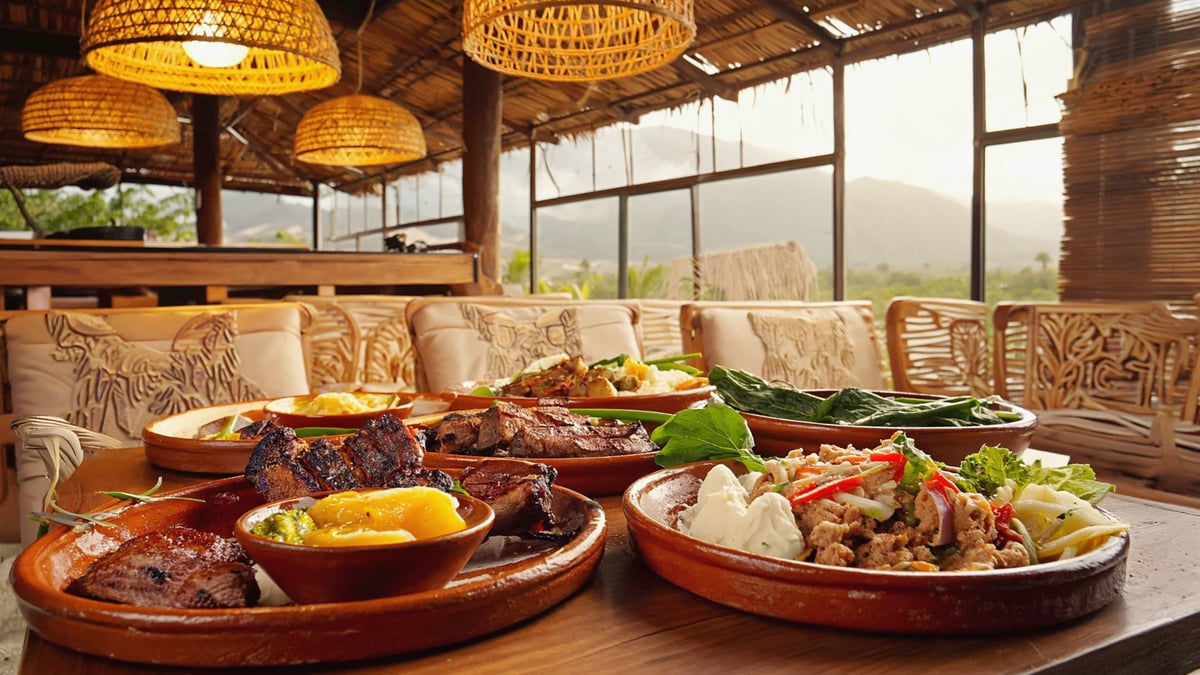
Kenyan cuisine is hearty, communal, and deeply underrated by travellers who arrive expecting little more than camp cooking. The country's food culture draws on Swahili coastal traditions, South Asian influences brought by the Indian Ocean trade routes, and indigenous staples that have fed East African communities for centuries.
Dishes You Should Seek Out
- Nyama Choma: Literally "roasted meat" in Swahili — typically goat or beef, slow-roasted over open coals and served with ugali (a stiff maize porridge) and kachumbari (a fresh tomato and onion salad). This is Kenya's national dish in all but name. Find it at dedicated nyama choma joints throughout Nairobi and in towns near the parks.
- Ugali: The staple starch of Kenyan cooking — a dense, smooth porridge made from white maize flour. It's eaten with almost everything, used as a scoop in place of cutlery. Don't leave Kenya without trying it properly.
- Pilau: A fragrant spiced rice dish with meat, potatoes, and warming spices — a legacy of the Swahili coast's centuries of trade with the Arabian Peninsula. The pilau on the Kenyan coast, particularly in Mombasa and Lamu, is exceptional.
- Sukuma Wiki: A simple, nutritious dish of sautéed kale or collard greens cooked with tomato and onion. The name translates roughly as "push the week" — a reference to its role as an affordable staple that stretches a family's food budget. Widely available and genuinely delicious.
- Mandazi: Lightly sweetened fried dough, similar to a doughnut but less sweet, eaten at breakfast or as a snack with chai tea. Ubiquitous at roadside stalls and guesthouses.
- Samosas: Reflecting the South Asian influence on Kenyan coastal cooking, samosas here are freshly fried, generously filled, and available everywhere from Nairobi street stalls to airport departures.
- Tilapia: Freshwater fish from Lake Victoria, typically pan-fried whole and served with ugali and vegetables. Excellent in lakeside towns and available in Nairobi restaurants specialising in Kenyan cuisine.
Where to Eat in Nairobi
Nairobi's restaurant scene has matured considerably. The Westlands neighbourhood is the epicentre of the city's dining out culture, with a concentration of restaurants ranging from casual street food to sophisticated dining. Karen — the leafy suburb named after Karen Blixen, author of Out of Africa — has excellent mid-range restaurants in pleasant garden settings. The Carnivore Restaurant near Wilson Airport is a Nairobi institution — a theatrical, meat-focused experience where servers carve successive cuts from giant skewers at your table. It's touristy by design, but it's also genuinely good and worth doing once.
Safari Lodge Dining
Quality safari lodges serve surprisingly accomplished meals, often with a mix of Kenyan and international dishes, using fresh produce from local suppliers. Most mid-range and luxury lodge rates are all-inclusive, meaning three meals daily plus afternoon tea and sundowner drinks are included. Budget accordingly when comparing lodge rates — what appears expensive per night often includes considerable food and drink value.
Dietary Requirements
Vegetarian and vegan options are increasingly available in Nairobi restaurants and at quality safari lodges. Inform your lodge of dietary requirements at booking — most can accommodate with advance notice. Halal food is widely available on the coast and in Nairobi. Tap water is not safe to drink — stick to bottled water, which is inexpensive and universally available.
Getting to Kenya from the UK: Flights, Routes, and Transfer Tips
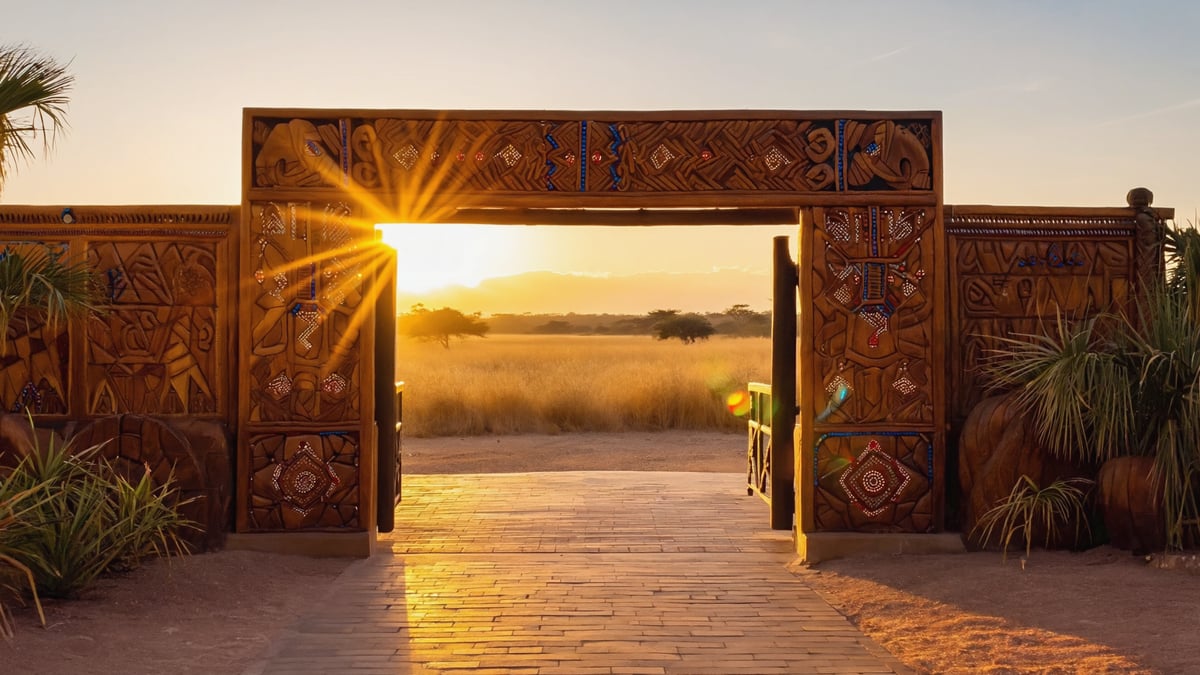
Kenya is served by direct and one-stop flights from multiple UK airports, making it more accessible than many travellers assume. From London, the journey is genuinely manageable — and the time difference of just 2–3 hours means jet lag is rarely a major issue.
Direct Flights
Kenya Airways operates direct flights from London Heathrow (LHR) to Jomo Kenyatta International Airport (NBO) in Nairobi, with a flight time of approximately 8.5–9 hours. This is the most straightforward routing for UK travellers. British Airways also operates direct services on this route from Heathrow, and competition between the two carriers has historically kept prices reasonable relative to the distance involved.
One-Stop Connections
Travellers from UK airports outside London — or those seeking cheaper fares — have numerous one-stop options via European and Middle Eastern hubs:
- Via Amsterdam (KLM): Excellent connections from regional UK airports (Manchester, Edinburgh, Birmingham) via Schiphol to Nairobi. Total journey time typically 12–14 hours.
- Via Dubai (Emirates): Premium connections with generous baggage allowances — useful for safari travellers with equipment. Journey time approximately 13–15 hours.
- Via Doha (Qatar Airways): Often competitively priced, particularly for travellers in the north of England. Journey time approximately 13–15 hours.
- Via Addis Ababa (Ethiopian Airlines): One of the most cost-effective routings, with reasonable connection times and good onward service to Nairobi.
Typical Flight Costs
Economy return fares from London to Nairobi typically range from around £500–£900 per person in low season to £700–£1,200 or more during peak season (July–October). Booking well in advance — ideally 4–6 months ahead for peak migration season travel — significantly improves both availability and pricing. Business class returns run substantially higher, though the overnight flight means the lie-flat bed is a genuine comfort consideration for longer itineraries.
Airport Transfers and Onward Domestic Travel
From Jomo Kenyatta International Airport in Nairobi, most safari operators arrange lodge transfers. For the Masai Mara, travellers have two main options:
- Domestic flight to Maasai Mara airstrips: Multiple small operators (including Safarilink and AirKenya) run daily scheduled flights from Wilson Airport in Nairobi to Masai Mara airstrips. The flight takes approximately 45 minutes and costs around USD 150–250 per person one way (roughly £120–£200). This is by far the most time-efficient option.
- Overland by road: The drive from Nairobi to the Masai Mara takes 5–7 hours depending on road conditions. Road quality has improved on the main route, but the final stretch can be challenging. Some travellers enjoy the overland journey as part of the experience — stopping at the Great Rift Valley viewpoints en route.
Kenya Safari Holiday Budget Guide: What It Actually Costs in 2026
Budgeting for a Kenya safari is more nuanced than most destinations because the range of experiences — from basic camping to ultra-luxury private conservancy lodges — is genuinely vast. Understanding what each tier actually delivers helps travellers make confident decisions rather than simply defaulting to the cheapest available option.
| Budget Tier | Accommodation | Daily Budget (pp) | What You Get |
|---|---|---|---|
| Budget | Guesthouses, basic tented camps, budget lodges | £80–£140/day | Game drives in shared vehicles, basic meals, standard rooms. Wildlife access is equal — it's the comfort and guiding quality that varies. |
| Mid-Range | Quality tented camps, established lodges (often half-board or all-inclusive) | £150–£300/day | Private or semi-private game drives, experienced guides, good meals, pool access. The sweet spot for most UK travellers. |
| Luxury | Private conservancy camps, boutique lodges, fully all-inclusive | £350–£800+/day | Private vehicles and guides, night drives, walking safaris, gourmet dining, spa facilities, exclusive conservancy access with no other vehicles. |
Typical 10-Night Kenya Package Costs from the UK
| Package Type | Includes | Estimated Cost (pp) |
|---|---|---|
| Budget Safari (flights + 2 nights Nairobi + 5 nights budget Mara camp) | Return flights, accommodation, some meals, shared game drives | £1,499–£1,899 |
| Mid-Range Bush & Beach (flights + Nairobi + Mara + Diani Beach) | Return flights, quality lodges, most meals, private game drives, domestic flights | £2,200–£2,800 |
| Luxury Migration Special (flights + private conservancy + Amboseli) | Business/premium economy, luxury all-inclusive lodges, private guide | £4,500–£7,000+ |
It's worth noting that Kenya's park fees and conservation levies are separate from accommodation costs and can add meaningful amounts to a daily budget — particularly in the Masai Mara, where fees for the main reserve and surrounding conservancies can reach USD 100–150 per person per day (approximately £80–£120). Quality tour operators and package providers include these in quoted prices; budget carefully if booking accommodation independently.
Money-Saving Strategies That Don't Compromise the Experience
- Travel in January or February: Dry season wildlife viewing is excellent, but prices are 20–35% lower than peak August. The parks are quieter and guiding quality often feels higher with fewer vehicles competing for sightings.
- Book a package rather than building independently: Package operators negotiate block allocations with lodges that individual travellers cannot access. The GlobeHunters Kenya packages, starting from £1,499pp, typically include flights and accommodation at prices that would be difficult to replicate booking separately.
- Combine parks strategically: A three-park itinerary (Nairobi National Park, Amboseli, Masai Mara) costs more in domestic transport but delivers dramatically more varied wildlife and landscape experiences than a single-park trip of the same duration.
Travel Tips, Safety & Practical Advice for Kenya 2026
Kenya is a well-established tourism destination with infrastructure that handles international visitors efficiently. That said, some practical preparation makes the difference between a smooth trip and an avoidable complication.
Health and Vaccinations
The NHS travel vaccination guidance for Kenya recommends ensuring routine vaccinations are up to date (MMR, diphtheria, tetanus, polio) and considering hepatitis A, typhoid, and yellow fever vaccinations. Malaria is present in Kenya, including in the Masai Mara and coastal areas. Antimalarial medication is strongly recommended — consult your GP or a travel clinic at least 4–6 weeks before departure to discuss the right prophylaxis for your itinerary. High-altitude areas (Mount Kenya, parts of Laikipia) are generally malaria-free.
Travel insurance is essential for Kenya. Ensure your policy covers emergency medical evacuation — in the event of a serious incident in a remote park, evacuation by light aircraft to Nairobi is often the only practical option and costs can be significant without insurance coverage.
Safety
Kenya's major tourist areas — the Masai Mara, Amboseli, Samburu, and coastal resorts — have good safety records for international visitors. Nairobi requires more awareness: the central business district has higher petty crime rates, and travellers should exercise the same common-sense precautions as in any major city (avoid displaying expensive camera equipment, use licensed taxis or ride-hailing apps rather than hailing vehicles on the street, be aware of surroundings after dark).
The UK Foreign, Commonwealth & Development Office Kenya travel advice page provides current security assessments by region. Some border areas (particularly near Somalia and South Sudan) have elevated risk ratings and are not recommended for tourist travel — standard package holiday itineraries do not go near these areas.
Currency and Payments
Major tourist lodges, upmarket restaurants, and activity operators in Kenya accept credit cards, though Visa and Mastercard are more reliably accepted than American Express. Many smaller operators, market stalls, and local restaurants are cash only. It is advisable to carry a mix of KES cash for incidentals and USD (in good condition — tatty notes are sometimes refused), which is accepted at park entry points and by many operators alongside local currency. ATMs are readily available in Nairobi and in towns near the parks; they dispense Kenyan Shillings.
Photography and Wildlife Etiquette
Kenya's national parks operate under rules designed to protect wildlife and ensure quality experiences for all visitors. Remain in the vehicle at all times unless explicitly instructed otherwise by your guide — this applies even when large cats or elephant are very close. Do not feed wildlife under any circumstances. When near a kill or a sensitive sighting, follow your guide's lead on engine noise and positioning. The quality of your wildlife photography will improve dramatically if you resist the urge to rush every sighting and instead wait quietly for animals to behave naturally.
What to Pack
The Masai Mara can be surprisingly cold before dawn and in the evenings, even during the dry season — temperatures can drop to 10–15°C. Pack lightweight layers and a fleece or light jacket for early morning game drives. Neutral colours (khaki, olive, beige) are recommended for game drives — avoid blue, which attracts tsetse flies. Sunscreen with high SPF is essential. A quality pair of binoculars will transform your wildlife viewing experience beyond what any amount of expensive camera equipment can provide.
| Packing Category | Essential Items |
|---|---|
| Clothing | Neutral-coloured shirts and trousers, fleece/light jacket, wide-brimmed hat, comfortable walking shoes |
| Health | Antimalarial tablets, DEET-based insect repellent (50% DEET minimum), high-SPF sunscreen, hand sanitiser, personal first-aid kit |
| Equipment | Binoculars (8x42 recommended), camera with zoom lens if photography is a priority, dust-proof bag for equipment |
| Documents | Valid UK passport (6+ months validity), eTA confirmation, travel insurance documents, copies of all documents stored separately |
| Money | Mix of KES and USD cash (clean notes), credit/debit cards, currency card loaded before departure |
Frequently Asked Questions: Kenya Safari Holidays for UK Travellers
Do UK citizens need a visa to visit Kenya in 2026?
UK passport holders do not need a traditional visa but must obtain an Electronic Travel Authorisation (eTA) before travel. Applications are made online through Kenya's official eTA portal and cost approximately USD 30 (around £24). Processing typically takes 72 hours, but apply at least a week before departure to allow for any delays. The eTA allows stays of up to 90 days.
When is the best time to see the Great Migration in Kenya?
The famous Mara River crossings — where wildebeest plunge into crocodile-filled water — typically occur between late July and early October, with August and September considered peak crossing months. However, the migration is a natural event and cannot be guaranteed to a specific date. Many experienced guides suggest early August or late September as the optimal window, balancing crossing frequency with slightly lower crowd levels than mid-August.
How much does a Kenya safari holiday cost from the UK in 2026?
A complete Kenya safari package from the UK — including return flights, accommodation, and game drives — starts from approximately £1,499 per person for a budget 7–10 night itinerary. Mid-range packages with quality lodges and a coastal extension typically run £2,200–£2,800pp. Luxury private conservancy experiences with business class flights can reach £5,000–£7,000pp or more. GlobeHunters Kenya packages offer competitive pricing across all tiers.
Is Kenya safe for UK tourists?
Kenya's major tourist areas — the Masai Mara, Amboseli, Samburu, and the main coastal resorts — have good safety records for international visitors. Nairobi requires standard urban awareness. The UK FCDO maintains a current travel advice page for Kenya that travellers should consult before departure. Some border regions have elevated risk ratings, but these areas are not part of standard tourist itineraries.
What is the Big Five and can you see all of them in Kenya?
The Big Five refers to lion, leopard, elephant, Cape buffalo, and rhinoceros — the five species historically considered the most dangerous to hunt on foot. Kenya is one of the world's best destinations for Big Five sightings. The Masai Mara reliably offers lion, leopard, elephant, and buffalo. Rhino are harder to find but are present in Nairobi National Park, Lake Nakuru (both black and white rhino), and Ol Pejeta Conservancy in Laikipia.
How long should I spend in Kenya for a safari?
A minimum of 7 nights is recommended to do Kenya justice — less feels rushed. Ten to fourteen nights allows for a more relaxed pace: two nights in Nairobi, four to five nights in the Masai Mara, and three to four nights on the coast. This structure provides the full Kenya experience — city, wildlife, and beach — without feeling pressured.
Are Kenya safari holidays suitable for children?
Kenya is an excellent family destination. Many lodges accommodate children from age 5 or 7 upwards, with some offering dedicated junior ranger programmes. The Giraffe Centre and David Sheldrick Elephant Orphanage in Nairobi are particularly popular with younger visitors. It's worth confirming minimum age policies with individual lodges, as some high-end conservancy camps restrict to adults or older children only.
What vaccinations do I need for Kenya?
The NHS recommends ensuring routine vaccinations (MMR, diphtheria, tetanus, polio) are current, and considering hepatitis A and typhoid vaccinations. Antimalarial medication is strongly advised for all areas below 2,500m, including the Masai Mara and coastal regions. Yellow fever vaccination is required if arriving from a yellow fever-endemic country. Consult a travel health clinic at least 4–6 weeks before departure.
What is the best way to get from Nairobi to the Masai Mara?
The quickest and most comfortable option is a domestic flight from Wilson Airport in Nairobi to one of the Masai Mara airstrips (Ol Kiombo, Keekorok, or Mara North). The flight takes approximately 45 minutes and costs around USD 150–250 (£120–£200) one way. The overland road journey takes 5–7 hours but offers Rift Valley viewpoints en route and is a viable option for those who prefer not to fly.
Can I combine a Kenya safari with a beach holiday?
Absolutely — the "bush and beach" combination is one of the most popular Kenya itineraries for UK travellers. Diani Beach on the south coast is the most popular choice: a short domestic flight from Nairobi, with excellent beaches, warm Indian Ocean water, and a range of accommodation from budget to luxury. Watamu and Malindi on the north coast offer a quieter alternative with a strong marine conservation offering.
What language is spoken in Kenya and will I need a translator?
Kenya has two official languages: Swahili and English. English is widely spoken throughout the tourist industry, in hotels, at airports, and in Nairobi's business districts. In more remote areas and local markets, basic Swahili phrases are appreciated — "asante" (thank you) and "habari" (hello/how are you) go a long way. No translator is needed for standard tourist travel.
What currency should I take to Kenya?
The local currency is the Kenyan Shilling (KES). US dollars are widely accepted alongside KES at lodges, activity operators, and park entry points — and some operators prefer USD for ease. Bring a mix of KES cash for local purchases, USD for park fees and lodge extras, and a credit/debit card for larger payments. Avoid exchanging currency at airport kiosks where possible — use ATMs in Nairobi or pre-order from your bank before travel.
Planning Your Kenya Safari Holiday: The Final Word
The 5:15am alarm, the darkness outside the tent, the enormous shape moving through the pre-dawn — that moment belongs to a very particular category of travel experience: the kind that changes your understanding of what the world actually contains. Kenya has been delivering these moments to British travellers for generations, and in 2026 it continues to do so with an infrastructure that is more capable and a conservation story that is more hopeful than at almost any point in the past fifty years.
Planning a Kenya safari holiday requires more research than a European city break, but the rewards are proportional to the effort. The keys are choosing the right season for your priorities, selecting accommodation that matches your budget and experience expectations, and booking well in advance — particularly if the Great Migration is the goal. Whether you're investing in a once-in-a-lifetime luxury conservancy experience or making a first safari work on a careful budget, Kenya meets you where you are.
GlobeHunters has been curating Kenya packages for UK travellers for over two decades, combining competitive flight pricing with hand-picked accommodation across budget, mid-range, and luxury tiers. The team's knowledge of the destination — which airstrips serve which lodges, which months offer the best value, how to combine parks for maximum impact — is available to every traveller who picks up the phone or books online.
The wildebeest will cross the Mara River in August whether you're there or not. The question is whether you want to be watching from the riverbank when they do.
Ready to Book Your Kenya Safari?
GlobeHunters offers holiday packages including flights and hotels at competitive prices. Kenya safari packages start from £1,499pp — speak to our team to build an itinerary around your dates, budget, and travel style.
View Kenya Package & Prices →Or call us: 0208 944 4514
About the author
Spiros Maragkoudakis · Chief Commercial Officer
Ready to Book Your Kenya Holiday?
Our travel experts are ready to help you plan the perfect trip. Call us today or browse our latest deals.
Ready to Start Planning?
Speak to our travel experts for personalised advice and the best deals on your next holiday.
Call 0208 944 4514