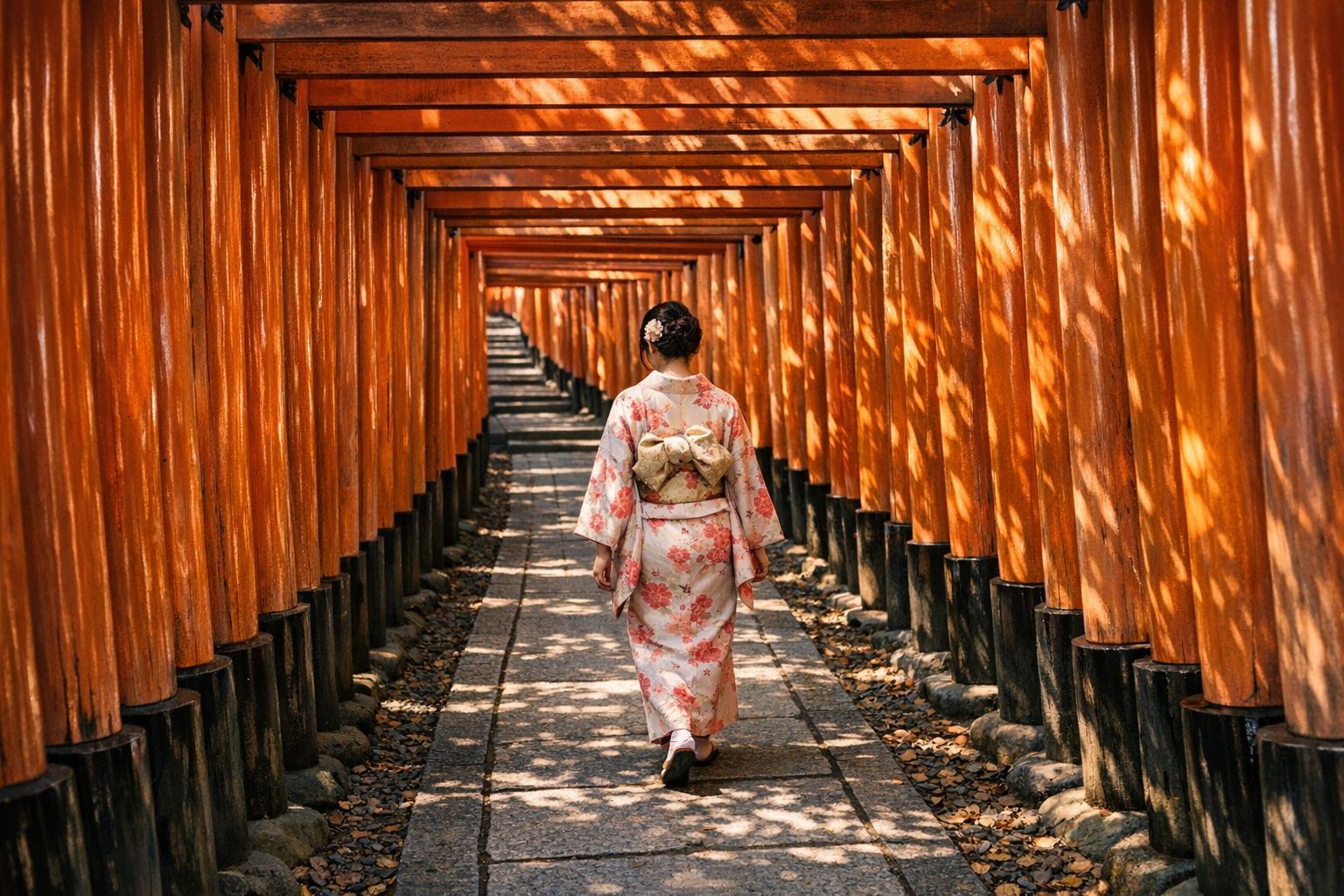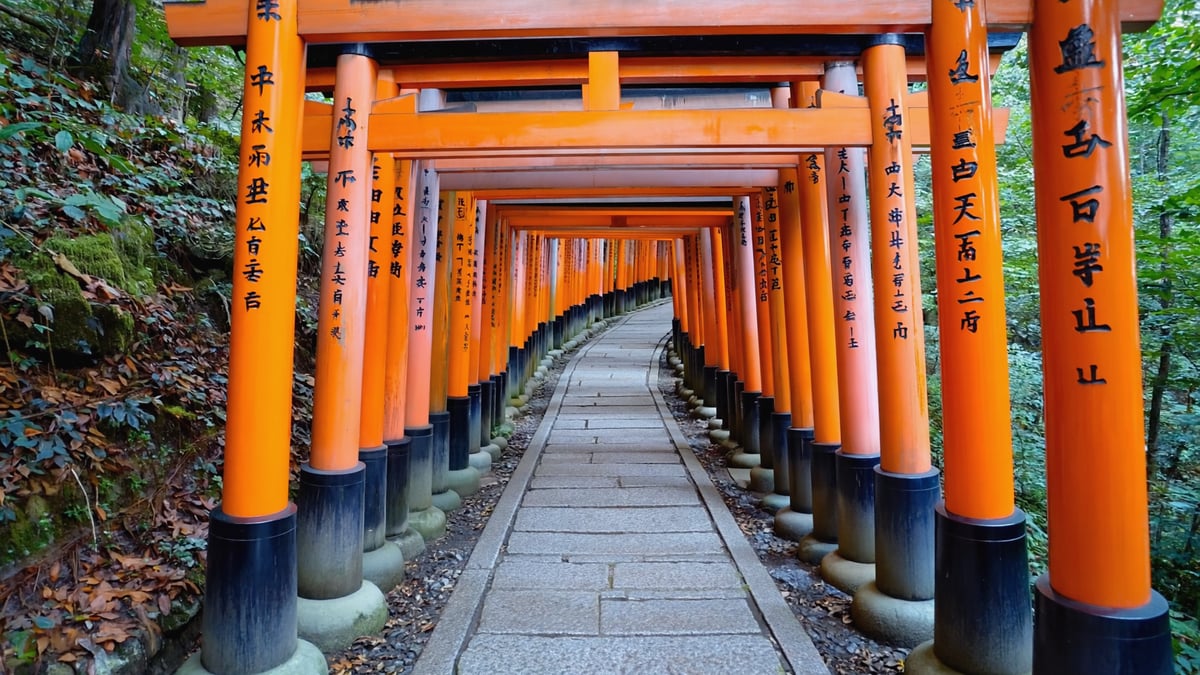
There is a moment, somewhere between the first orange torii gate and the five-hundredth, when Fushimi Inari stops feeling like a tourist attraction and starts feeling like something else entirely — a passage, a meditation, a conversation with a civilisation that has been asking the same questions for over a thousand years. Kyoto does this to people. It dismantles your expectations quietly, with extraordinary politeness, and replaces them with something you did not know you were looking for.
Japan's ancient imperial capital is home to more UNESCO World Heritage Sites than most countries possess in their entirety. Seventeen of them, to be precise, concentrated within a city that also manages to serve exceptional ramen, host the world's most disciplined pedestrian crossings, and maintain a geisha tradition that predates the British Empire. For UK travellers willing to make the journey — roughly 12 hours from London — Kyoto offers a cultural density that no other city on earth quite replicates. This guide gives you everything you need to plan a trip that goes far beyond the postcard.
Book Your Kyoto Holiday Now
GlobeHunters offers holiday packages including flights and hotels at competitive prices. 5 nights in Kyoto from just £1,399 per person, including flights from the UK and hotel accommodation.
View Package & Prices →Or call us: 0208 944 4514
Kyoto at a Glance: What Kind of City Is This, Really?
Kyoto is Japan's cultural and spiritual heart — a city of approximately 1.4 million people in the Kansai region of Honshu island, sitting roughly 370 kilometres west of Tokyo. Unlike Japan's frenetic capital, Kyoto moves at a different pace. It was the imperial residence for over a thousand years, from 794 AD until the Meiji Restoration in 1868, and the city's layout, architecture, and social customs still carry the weight of that history. Walking its older districts feels less like sightseeing and more like reading a primary source.
Geographically, Kyoto sits in a basin surrounded on three sides by forested mountains — the Higashiyama range to the east, Kitayama to the north, and Arashiyama to the west. This topography shapes both the city's character and its climate: warm, humid summers; spectacular autumns; cold winters with occasional snow; and cherry blossom springs that draw visitors from across the world. The Kamo River bisects the city north to south, and its banks serve as an informal living room for locals in the warmer months.
Essential Travel Facts for UK Visitors
- Language: Japanese. English signage is good in tourist areas, but learning a few basic phrases (arigatou gozaimasu — thank you; sumimasen — excuse me) is genuinely appreciated and will earn you warm responses.
- Currency: Japanese Yen (¥). As of 2026, the exchange rate is approximately ¥190–200 to £1, though this fluctuates. Japan remains a largely cash-based society — carry yen at all times. ATMs at 7-Eleven and Japan Post are the most reliable for foreign cards.
- Time Zone: Japan Standard Time (JST), which is UTC+9. That's 8 hours ahead of GMT in winter and 9 hours ahead during British Summer Time. Jet lag is real — plan your first day gently.
- Visa Requirements: UK citizens do not currently require a visa for tourist visits to Japan of up to 90 days. However, Japan introduced a tourist tax system in 2025, and entry requirements can evolve — always check the UK Government's Japan travel advice before booking.
- Electricity: Japan uses 100V at 50/60Hz with Type A plugs (two flat prongs). UK devices need a plug adaptor; most modern electronics tolerate the voltage difference, but check your chargers.
- Getting Around: Kyoto has an excellent bus network and two subway lines. The IC card (ICOCA in Kansai) works on all local transport and can be loaded at station machines. Taxis exist but are expensive.
Kyoto is not a city that reveals itself immediately. It rewards the curious, the unhurried, and the observant. Temples that seem unremarkable from the outside open into gardens of extraordinary stillness. Side streets in Gion conceal ochaya (teahouses) with centuries of history. The best experiences here are rarely the loudest ones.
When Should You Go? A Practical Month-by-Month Guide
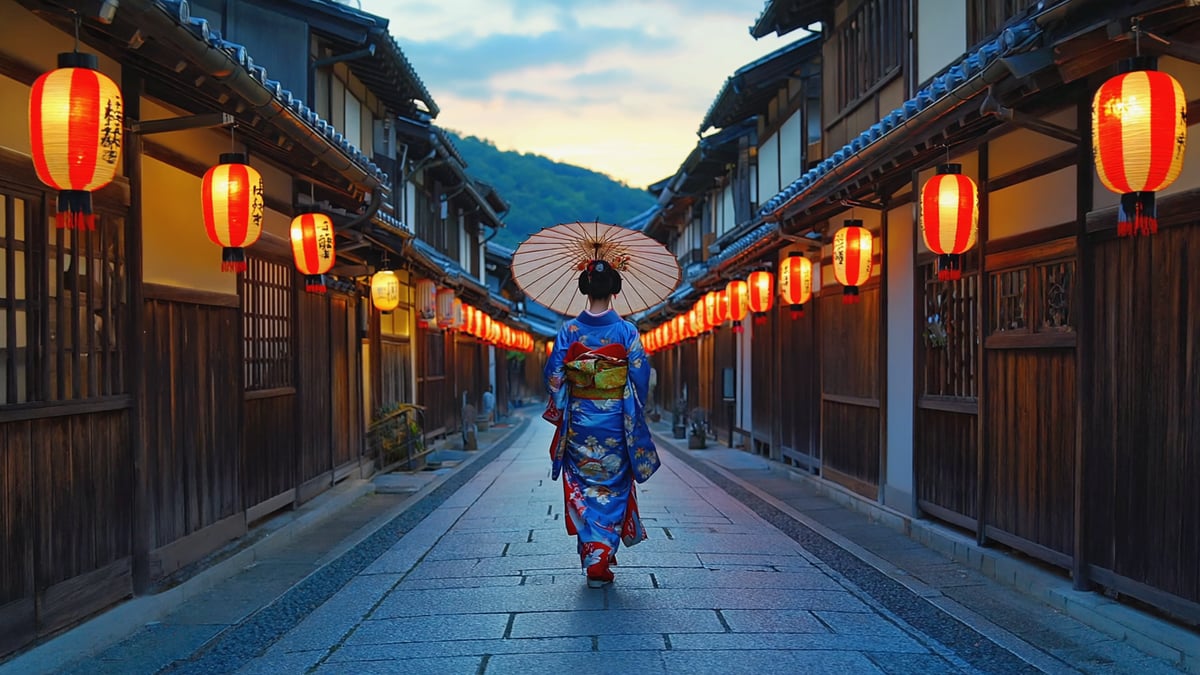
The honest answer is that Kyoto has no bad season — only seasons with different trade-offs. Each time of year offers a genuinely different city, and the best time to visit depends entirely on what you value: solitude, spectacle, mild weather, or seasonal events.
Spring (March–May): The Cherry Blossom Season
This is Kyoto at its most photographed and most crowded. Cherry blossom (sakura) season typically runs from late March to mid-April, with peak bloom around 1–10 April depending on the year. The iconic spots — Maruyama Park, Philosopher's Path, Kiyomizudera — are genuinely spectacular but genuinely packed. Accommodation prices surge significantly during peak bloom week, and many hotels book out six to twelve months in advance. If you want sakura season without the extreme crowds, target late March (before full bloom) or the Golden Week holiday period (29 April–5 May) is best avoided entirely by tourists, as domestic travel peaks sharply.
Best for: First-time visitors who prioritise iconic imagery and don't mind crowds. Book accommodation at least six months ahead.
Early Summer (June–July): Rainy Season and Relative Quiet
June marks the tsuyu (rainy season), with overcast skies and frequent showers. Counterintuitively, this is one of the best times to visit. Crowds thin dramatically, accommodation prices drop, and the city's moss gardens (particularly at Saihoji and Ryoanji) look extraordinary in the soft, diffused light. Temperatures are mild — typically 20–28°C. July brings the famous Gion Matsuri festival, one of Japan's three great festivals, with ornate float processions on 17 and 24 July that draw enormous crowds to central Kyoto.
High Summer (August): Hot, Humid, but Atmospheric
August is Kyoto's most challenging month for comfort — temperatures regularly exceed 35°C with high humidity. That said, the Daimonji Gozan Okuribi festival on 16 August (giant bonfires lit on the surrounding mountains to guide departed spirits) is one of the most remarkable things you can witness in Japan. Visit temples early morning, retreat to air-conditioned cafés midday, and explore in the cooler evenings.
Autumn (October–November): The Optimal Season
Autumn foliage (koyo) season, typically mid-November through early December, rivals cherry blossom season for sheer beauty — and many experienced Japan travellers prefer it. The maples turn extraordinary shades of crimson, amber, and gold against temple architecture and stone gardens. Temperatures are comfortable (10–20°C), crowds are significant but manageable compared to sakura season, and the quality of light in late afternoon is exceptional. If you can visit only once, late November is the recommendation.
Winter (December–February): Cold, Quiet, and Underrated
December through February is Kyoto's quietest period. Prices drop, the major temples are uncrowded, and on the relatively rare occasions when snow falls, the city becomes genuinely otherworldly — snow-dusted bamboo groves and white-capped temple roofs against grey winter skies. Pack warm layers; temperatures can drop to 2–5°C at night. January and February are particularly good for budget travellers.
Where to Stay: Kyoto's Neighbourhoods Explained
Choosing the right neighbourhood in Kyoto significantly shapes your experience. The city is large, and staying in the right area can save you considerable time and transport costs. Here's how the main areas compare for different types of traveller.
Higashiyama: Historic Charm in the Temple Quarter
Higashiyama is the most atmospheric place to stay in Kyoto — a hillside district of preserved machiya townhouses, stone-paved lanes, and some of the city's most important temples. You're walking distance from Kiyomizudera, Yasaka Shrine, Gion, and the Philosopher's Path. The trade-off is that the most atmospheric streets (Ninenzaka, Sannenzaka) are very tourist-heavy during the day, though they quieten beautifully after 5pm.
- Budget: Traditional guesthouses (minshuku) in the area start from around £50–70 per person per night. Hostels with private rooms can be found from £35–50pp.
- Mid-range: Boutique hotels and ryokan (traditional inns) with en-suite facilities range from £100–200 per person per night. Look for properties on or just behind Ninenzaka.
- Luxury: A genuine ryokan experience with kaiseki dinner, private onsen, and traditional service runs £300–600+ per person per night. This is a once-in-a-lifetime experience worth considering for special occasions.
Downtown Kyoto (Kawaramachi / Gion): Central and Connected
The area around Kawaramachi and Shijo stations is Kyoto's commercial and dining heart — department stores, restaurants, the covered Nishiki Market, and easy access to Gion district. It's the most convenient base for first-time visitors who want easy transport links. The Gion area specifically offers the chance of spotting geiko (Kyoto's term for geisha) in the early evening on their way to appointments — a genuinely arresting sight. Mid-range business hotels here offer excellent value: expect £80–150 per person per night for a clean, comfortable room.
Kyoto Station Area: Practical, Price-Conscious, Transit-Friendly
Staying near Kyoto Station is the most practical choice for travellers doing day trips to Nara, Osaka, or Hiroshima. The area has abundant accommodation at every price point, excellent transport links, and Kyoto Station itself is architecturally striking. It lacks the historic atmosphere of Higashiyama, but for a first visit focused on covering ground efficiently, it's hard to beat. Budget hotels start around £40–60pp per night; the Kyoto Tower Hotel is a reliable mid-range option.
Arashiyama: Serene, Scenic, and Worth the Journey
Staying overnight in Arashiyama — in the city's western hills — means you experience the bamboo grove and riverside temples before and after the day-trippers arrive. Several high-end ryokan here have private river views and garden settings that are genuinely extraordinary. This is the choice for honeymoon-level luxury or for travellers who want to experience Kyoto at its most tranquil. Expect to pay premium rates for the privilege.
Top Things to Do in Kyoto: Beyond the Brochure
Kyoto has 17 UNESCO World Heritage Sites, over 1,600 Buddhist temples, and more than 400 Shinto shrines. The challenge isn't finding things to do — it's curating a list that doesn't leave you exhausted and culturally saturated. Here are the experiences that genuinely earn their place on the itinerary.
1. Fushimi Inari-taisha Shrine
The iconic tunnel of vermillion torii gates winding up Mount Inari is Kyoto's single most photographed sight — and it earns the attention. Entry is free and the shrine is open 24 hours, which is the most important practical detail: arrive before 7am or after 5pm to experience the lower gates without crowds. The full hike to the summit (233m) takes 2–3 hours return and passes through atmospheric sub-shrines, fox statues, and forested trails. The upper sections are genuinely tranquil even at peak times. Address: 68 Fukakusa Yabunouchicho, Fushimi Ward. Take the JR Nara Line to Inari Station.
2. Arashiyama Bamboo Grove
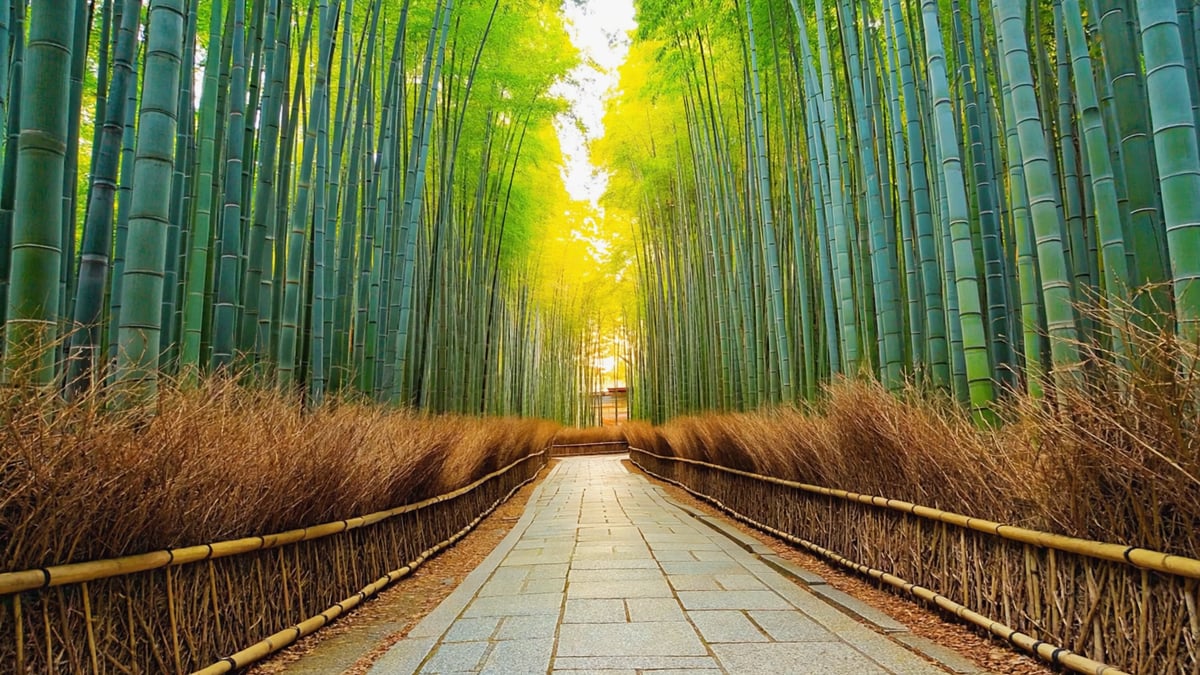
The bamboo grove at Arashiyama is a 10-minute walk from Arashiyama Station and is free to enter. Go at dawn — the light filtering through 20-metre bamboo stalks before 7am is genuinely extraordinary, and you'll often have large sections to yourself. Combine it with Tenryuji Temple (entry ¥500/approximately £2.50 for the garden, ¥1,000/£5 for the interior), which has one of Kyoto's finest Zen gardens, and a walk along the Oi River. Rickshaw tours of the area are available from around ¥13,000 (£65) per person for a 30-minute course — touristy, but genuinely enjoyable for couples.
3. Kinkakuji (The Golden Pavilion)
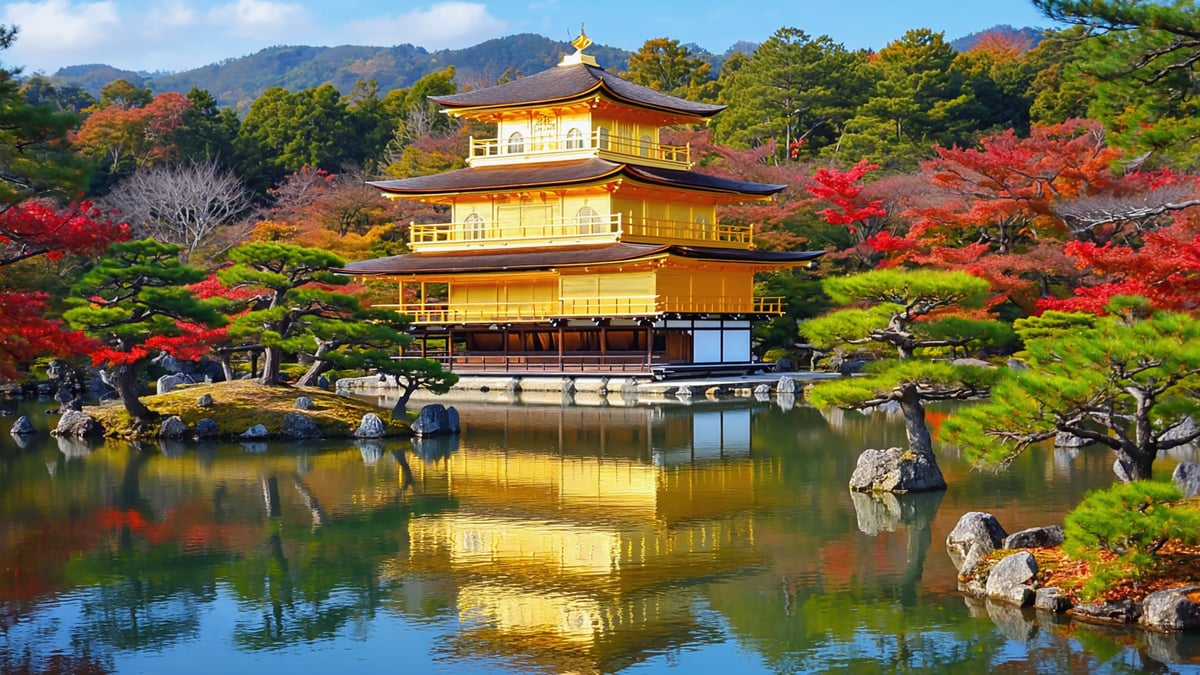
Japan's most visited monument is genuinely as beautiful as advertised. The three-storey Zen temple covered in gold leaf, reflected in the surrounding pond, is a sight that photographs poorly — it looks like a postcard in real life too, but somehow more so. Entry: ¥500 (approximately £2.50). Open daily 09:00–17:00. Go mid-week and aim for opening time to beat coach groups. The temple was famously burned down by a young monk in 1950 (an act later fictionalised by Yukio Mishima) and rebuilt in 1955.
4. Gion District at Dusk
Gion is Kyoto's most famous geisha district, and an evening walk through Hanamikoji Street and the narrow lanes of Shirakawa is essential. The best time is 17:30–19:30, when geiko and maiko (apprentice geisha) travel between ochaya (teahouses) for their evening engagements. Photography etiquette is important here: do not block their path, do not touch them, and be aware that some lanes now prohibit photography entirely to protect residents. The district is free to walk; dining at a traditional restaurant here is expensive but available at most price points.
5. Ryoanji Temple Rock Garden
Ryoanji's famous karesansui (dry landscape garden) — fifteen stones arranged in raked white gravel — is the world's most celebrated Zen garden, and simultaneously its most debated. Nobody knows definitively what it means, or who designed it. That ambiguity is precisely the point. Entry: ¥600 (approximately £3). Open daily 08:00–17:00 (08:30–16:30 in winter). Go early; the garden is small and fills up quickly with tour groups. Sit on the veranda for at least 10 minutes before moving on — the garden rewards patience.
6. Traditional Tea Ceremony
Participating in a formal tea ceremony (chado) is one of the most genuinely memorable things you can do in Kyoto — not because of the matcha (though it's excellent), but because it forces you to slow down completely. Urasenke and En both offer English-language ceremonies for visitors. Expect to pay ¥3,000–5,000 (£15–25) for a basic ceremony with a brief cultural explanation; immersive half-day experiences including kimono rental run ¥15,000–25,000 (£75–125).
7. Philosopher's Path in Any Season
The Philosopher's Path (Tetsugaku no Michi) is a 2-kilometre canal-side walkway connecting Nanzenji Temple to Ginkakuji (Silver Pavilion). Named after philosopher Nishida Kitaro, who reportedly used it for daily meditation, it's lined with cherry trees in spring, hydrangeas in early summer, and maples in autumn. Free to walk; allow 45 minutes at a leisurely pace. The independent cafés and galleries along the path are excellent for a mid-morning break.
8. Nishiki Market
Known as "Kyoto's Kitchen," the Nishiki covered market is a 400-metre arcade of approximately 130 food stalls and specialty shops selling pickled vegetables, tofu, fresh fish, street skewers, and regional delicacies. Free entry; most stalls open 09:00–18:00, with some closing on Wednesdays. Budget around ¥2,000–3,000 (£10–15) for a thorough grazing session. Try the tako tamago (octopus balls with quail egg), fresh yuba (tofu skin), and pickled Kyoto vegetables (tsukemono). Many stalls are closing earlier than they used to — go before 17:00 to see it at full capacity.
9. Kiyomizudera Temple
Kiyomizudera sits on a hillside in the Higashiyama mountains, its famous wooden stage extending 13 metres over the forested valley below — built without a single nail. The views of Kyoto are exceptional, particularly at dawn or dusk. Entry: ¥500 (approximately £2.50). Open daily 06:00–18:00 (later during special illumination seasons). The walk up from Gojo bus stop passes through charming souvenir streets; the walk down via Ninenzaka and Sannenzaka is one of the most pleasant 20 minutes in Japan.
10. Day Trip to Nara
Nara is 45 minutes from Kyoto by express train (Kintetsu line, approximately ¥1,500/£7.50 each way) and contains some of Japan's oldest temples alongside its most unusual residents: approximately 1,200 freely roaming sika deer, considered sacred messengers of the gods. Todaiji Temple houses the world's largest bronze Buddha statue. Temple entry: ¥800 (approximately £4). Deer crackers (shika senbei) cost ¥200 (£1) from vendors and will immediately make you the most popular person in the park. Allow a full day.
Kyoto Food & Dining: What, Where, and How to Eat Well
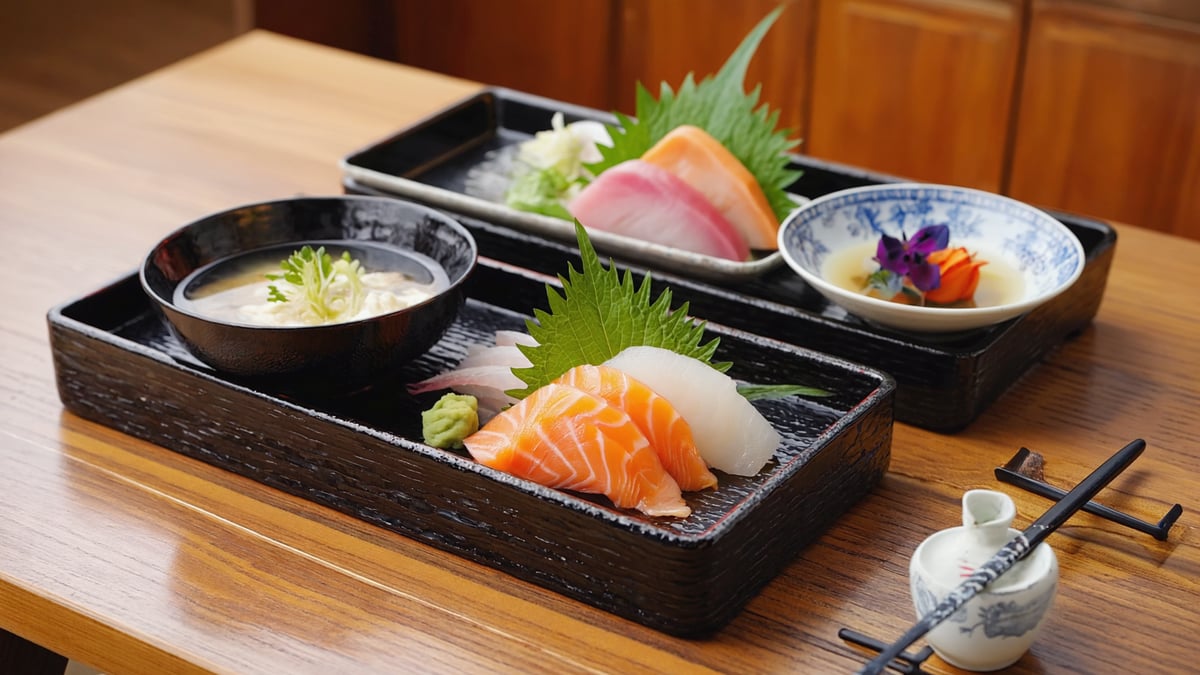
Kyoto cuisine — kyo-ryori — is among the most refined in Japan, shaped by centuries of imperial court culture, Buddhist vegetarian tradition, and proximity to exceptional ingredients. It prioritises subtlety over boldness, presentation over volume, and seasonal produce over everything else. This is not the place to expect generous portions; it is absolutely the place to experience some of the most technically accomplished cooking in the world.
Essential Dishes to Try
- Kaiseki: Kyoto's multi-course haute cuisine, derived from the tea ceremony tradition. A formal kaiseki meal at a traditional restaurant is an event — expect 10–14 courses, immaculate presentation, and prices from ¥15,000–50,000 (£75–250) per person. Lunch kaiseki sets at upmarket restaurants are significantly cheaper and offer genuine quality at around ¥5,000–8,000 (£25–40).
- Tofu cuisine (tofu ryori): Kyoto's soft water and Buddhist heritage make it Japan's tofu capital. Yudofu (simmered tofu) and nama-fu (wheat gluten cakes) are delicacies here. Nanzenji Temple area has several excellent tofu-specialist restaurants.
- Obanzai: Kyoto's home-style cuisine — small dishes of seasonal vegetables, tofu, fish, and pickles. A great way to eat well at moderate cost; many izakaya (Japanese gastropubs) serve obanzai sets for ¥2,000–3,000 (£10–15).
- Matcha everything: Kyoto's Uji district is Japan's finest green tea growing region. Matcha soft serve (¥400–600/£2–3), matcha parfaits, matcha lattes, and matcha wagashi (traditional sweets) are available throughout the city and are genuinely excellent rather than merely themed.
- Ramen: Kyoto-style ramen typically uses a chicken and soy broth topped with pork back fat — lighter and more delicate than Sapporo or Hakata styles. Highly recommended for a warming bowl after temple-hopping on a cool day, typically ¥900–1,300 (£4.50–6.50).
Best Areas for Eating
Pontocho Alley — a narrow lane between the Kamo River and Kawaramachi Street — is Kyoto's most atmospheric restaurant district. The lantern-lit corridor of restaurants ranges from yakitori stalls to upmarket kaiseki; many offer kawayuka dining on platforms over the river during summer. Book ahead for riverside seats. Gion has the highest concentration of traditional restaurants and ochaya, though the best require introductions or advance reservations. Nishiki Market is ideal for a self-guided food tour. For budget eating, the area around Kyoto Station's underground mall (Porta) and the covered shopping streets near Shijo-Kawaramachi have affordable ramen, sushi, and donburi (rice bowl) options from ¥800–1,500 (£4–7.50).
Dietary Considerations
Vegetarians and vegans will find Kyoto relatively accommodating compared to most of Japan, thanks to the Buddhist shojin ryori (temple vegetarian cuisine) tradition. That said, dashi (fish stock) is used invisibly in many dishes that appear vegetarian. Look for restaurants explicitly advertising shojin or vegan menus, particularly near temple districts. Gluten-free dining is more challenging — Japanese soy sauce contains wheat, and communicating allergies requires a translation card (available from AllergyEats Japan resources or the Equal Eats app).
Getting to Kyoto from the UK: Flights, Trains, and Transfers
There are no direct flights from the UK to Kyoto — the city doesn't have its own airport. The two practical entry points are Osaka Kansai International Airport (KIX) or Osaka Itami Airport (ITM), both of which connect to Kyoto by direct rail. Some travellers also fly into Tokyo Narita (NRT) or Haneda (HND) and take the Shinkansen (bullet train) to Kyoto, which adds 2h15m but allows for a Tokyo stopover.
From the UK to Kyoto via Osaka Kansai
This is the most popular and convenient routing. Several airlines operate from London Heathrow to Osaka Kansai with a single stopover, typically via Dubai, Doha, Helsinki, or Amsterdam. Airlines serving this route include Japan Airlines (JAL), British Airways, Emirates, Finnair, and KLM, among others. Total journey time from London is typically 14–18 hours door-to-door including the layover. From Kansai Airport, the Haruka Express train runs directly to Kyoto Station in approximately 75 minutes for around ¥3,600 (£18). Airport bus services also operate at lower cost but take longer depending on traffic.
From the UK via Tokyo
Some travellers prefer to fly into Tokyo (direct flights from Heathrow exist on JAL and ANA, taking approximately 12 hours) and combine Tokyo with Kyoto. The Tokaido Shinkansen connects Tokyo to Kyoto in 2h15m, with the JR Pass covering this journey. A 7-day JR Pass costs approximately ¥50,000 (£250) — worth it if you're travelling between Tokyo, Kyoto, and Hiroshima, but not cost-effective for Kyoto-only itineraries. Check the Japan Rail Pass official site for current pricing and conditions.
Cost Context
Return flights from London to Osaka or Tokyo typically range from £600–1,200 in economy class depending on season and how far in advance you book. The GlobeHunters Kyoto package from £1,399 per person for 5 nights including flights represents strong value for this route, particularly during spring and autumn peak seasons when accommodation costs rise sharply.
Your Kyoto Budget Guide: What Things Actually Cost in 2026
Japan has a reputation for being expensive — one that is simultaneously true and misleading. High-end Japan is extraordinarily expensive. Budget Japan, however, is extremely good value, with exceptional food available from ¥500–1,000 (£2.50–5) and free or very low-cost entry to many of the best sights. Here is an honest breakdown for UK travellers.
Budget Traveller: £60–90 per day (excluding accommodation)
- Accommodation: Hostels with private rooms or budget guesthouses: £35–55 per person per night
- Food: Convenience store breakfasts (onigiri, sandwiches), ramen or soba lunches, izakaya dinners: ¥2,000–3,500 (£10–18) per day total
- Transport: Day bus pass ¥700 (£3.50) or ICOCA card pay-as-you-go
- Sights: Prioritise free sites (Fushimi Inari, Arashiyama bamboo, Philosopher's Path) plus 1–2 paid temples per day at ¥500–800 (£2.50–4) each
- Budget daily total (all in, exc. flights): Approximately £70–100
Mid-Range Traveller: £150–220 per day (excluding accommodation)
- Accommodation: Boutique hotel or mid-range ryokan: £100–180 per person per night
- Food: Café breakfast, lunch kaiseki set (¥3,000–5,000), izakaya dinner with drinks: ¥8,000–12,000 (£40–60) per day
- Activities: Tea ceremony, rickshaw ride, or cultural workshop: ¥5,000–15,000 (£25–75)
- Transport: Mix of bus, subway, and occasional taxi
- Mid-range daily total (all in, exc. flights): Approximately £200–280
Luxury Traveller: £400–800+ per day (excluding flights)
- Accommodation: Premium ryokan with kaiseki dinner and private onsen: £350–600+ per person per night
- Food: Full kaiseki dinner at a high-end restaurant: ¥20,000–50,000 (£100–250) per person
- Activities: Private geisha dinner (through specialist agencies), private tea master session, private temple access at dawn
- Luxury daily total (all in, exc. flights): £600–1,200+
Practical Money Notes
Japan is still heavily cash-based despite recent moves toward contactless payments. Many temples, small restaurants, and market stalls are cash-only. Carry ¥20,000–30,000 (£100–150) in cash at all times. Use 7-Eleven ATMs for the most reliable overseas card withdrawals. Tipping is not practised in Japan and can cause confusion or embarrassment — exceptional service is simply expected and delivered without expectation of additional payment.
Travel Tips, Safety & Cultural Etiquette: Getting It Right
Japan has a well-deserved reputation as one of the safest and most visitor-friendly destinations in the world. Violent crime against tourists is exceptionally rare, public transport is punctual almost to the second, and locals are generally willing to help lost travellers even through language barriers. That said, there are cultural norms that matter — and getting them wrong won't just embarrass you, it can genuinely cause offence.
Cultural Etiquette Essentials
- Shoes off: Remove shoes when entering traditional accommodation, many temples, and some restaurants. Look for the raised step (tatami area) and follow your host's lead.
- Quiet in public: Talking loudly on public transport is considered rude. Phone calls on trains are strongly discouraged (there are signs asking you to switch to silent mode). Maintain a library-level volume in shared spaces.
- Queuing: Queue discipline in Japan is extraordinary and deeply serious. Join the marked queue at train platforms and wait your turn without exception.
- Chopstick protocol: Do not stick chopsticks upright in rice (it resembles incense sticks at funerals) and do not pass food chopstick-to-chopstick (associated with funeral rites). Use the serving end when taking food from shared dishes.
- Temple and shrine behaviour: Follow posted instructions for purification at shrine water basins. Do not touch sacred objects. Keep voices low. Photography restrictions vary — look for signs or follow local visitors' lead.
- Rubbish: Public bins are extremely scarce in Japan (a legacy of security concerns). Carry a small bag for your rubbish and dispose of it at your hotel or convenience store.
- Onsen etiquette: Tattoos are prohibited at many traditional onsen (hot springs). Wash thoroughly before entering the communal bath. Swimwear is not worn in traditional onsen.
Health and Practical Safety
Japan requires no specific vaccinations for UK visitors beyond being up to date with routine UK vaccinations. The NHS travel health guidance is the authoritative source — check before you travel. Travel insurance is strongly recommended: Japan's healthcare is excellent but expensive for foreign visitors without coverage. Comprehensive travel insurance covering medical evacuation should be standard on any long-haul trip.
Natural hazards: Japan is seismically active. Familiarise yourself with earthquake safety procedures — most Japanese hotels provide information. The standard advice is to shelter under a sturdy table, avoid doorways, and follow instructions from hotel staff. Download the Safety Tips app (Japan's official multilingual disaster alert system) before arrival.
Packing for Kyoto
- Comfortable walking shoes — you will cover 15,000–25,000 steps on active temple days; cobblestones and stone steps are ubiquitous
- Slip-on shoes for easy removal at temples and traditional venues
- Layers for temperature variation, particularly in spring and autumn
- A compact umbrella (or buy one at a convenience store for ¥500–800/£2.50–4 — Japan's convenience store umbrellas are excellent)
- Pocket Wi-Fi or SIM card — rent at the airport or order before departure; connectivity is essential for navigation
- Small day bag — large backpacks are unwieldy on crowded buses
- A small card carrying your accommodation address in Japanese script (your hotel can print this) for taxi drivers
Photography and the Gion Rules
Photography of geiko and maiko on the street has become a significant issue in recent years, with some visitors behaving intrusively. Several streets in Gion now carry fines for street photography. The simple rule: never photograph anyone who hasn't consented, never block a geisha's path, and if in doubt, don't. There are legitimate ways to photograph geiko — through professional photo studios or during dedicated public events — and they're far more rewarding than an ambush shot.
Book Your Kyoto Holiday Now
GlobeHunters offers holiday packages including flights and hotels at competitive prices. Experience Kyoto's temples, geisha districts, and bamboo forests with our 5-night Kyoto package from £1,399 per person, including return flights from the UK and hotel accommodation.
View Package & Prices →Or call us: 0208 944 4514
Frequently Asked Questions About Visiting Kyoto
Do UK citizens need a visa to visit Kyoto, Japan?
No. UK citizens can visit Japan for up to 90 days without a visa for tourist purposes. However, Japan introduced a tourist entry tax system in 2025, and requirements may evolve. Always check the UK Government's official Japan travel advice before travelling.
How long does it take to fly from the UK to Kyoto?
There are no direct flights to Kyoto itself. Flying from London to Osaka Kansai International Airport (the closest major hub) takes approximately 14–18 hours including a typical layover. From Kansai Airport, the Haruka Express train reaches Kyoto Station in about 75 minutes. Total door-to-door time from central London to Kyoto is typically 17–20 hours.
What is the best time of year to visit Kyoto?
Late November is widely considered the optimal time — autumn foliage (koyo) transforms the temple gardens, temperatures are comfortable (10–20°C), and crowds are significant but manageable. Cherry blossom season (late March to mid-April) is the most spectacular but also the most crowded and expensive. June (rainy season) and January–February (winter) offer the best value and fewest tourists.
How much spending money do I need per day in Kyoto?
Budget travellers can manage comfortably on £60–90 per day excluding accommodation (food, transport, and entry fees). Mid-range travellers should budget £80–150 per day for a more comfortable experience with restaurant meals and activities. Luxury travellers may spend £300–600+ per day on premium dining and experiences. Japan is cash-heavy — carry yen at all times.
Is Kyoto expensive for UK travellers?
Kyoto is genuinely affordable at the budget and mid-range levels. Many of the best sights (Fushimi Inari, Arashiyama bamboo grove, Philosopher's Path) are free to enter. Temple entry fees are typically ¥500–800 (£2.50–4). Excellent meals are available from ¥800–1,500 (£4–7.50). High-end experiences (kaiseki dining, luxury ryokan) are world-class but expensive. The currency exchange rate in 2026 (approximately ¥190–200 to £1) remains favourable for UK visitors.
Can I see geisha (geiko) in Kyoto?
Yes, though encounters are not guaranteed. The best area is Gion, particularly Hanamikoji Street and Shimbashi, between 17:30 and 19:30 on evenings when geiko travel to appointments. The Gion Hatanaka and other traditional ochaya occasionally offer foreigner-accessible ozashiki (geisha entertainment) experiences through specialist agencies at significant cost. Do not block geiko paths or photograph them without consent.
Is Kyoto safe for solo travellers and women travelling alone?
Japan consistently ranks among the world's safest countries for solo travel, including for women. Violent crime is extremely rare, public spaces are well-lit and busy, and transport is safe at all hours. Standard precautions apply, but most solo travellers report feeling very safe throughout Kyoto. The main practical challenge is navigating language barriers, which a translation app (Google Translate with camera function) largely resolves.
What is a ryokan, and should I stay in one?
A ryokan is a traditional Japanese inn featuring tatami-matted rooms, futon bedding, yukata (casual kimono) provided for guests, communal or private onsen (hot spring baths), and typically a multi-course kaiseki dinner and Japanese breakfast included in the rate. Staying in a ryokan is one of the most distinctive cultural experiences available in Japan and is strongly recommended for at least one or two nights of a Kyoto trip. Prices range from £80 to £600+ per person per night depending on quality and inclusions.
Do I need to book temples and attractions in advance in Kyoto?
Most Kyoto temples do not require advance booking — you pay at the gate. However, several high-demand experiences require reservations: the moss garden at Saihoji Temple requires advance written application; some tea ceremony experiences book up weeks ahead; and the Urasenke Foundation programmes require registration. During cherry blossom and autumn foliage peak weeks, popular restaurants require reservations, sometimes weeks in advance.
What is the JR Pass, and do I need one for a Kyoto trip?
The Japan Rail Pass allows unlimited travel on most JR trains including the Shinkansen for a set period (7, 14, or 21 days). For a Kyoto-only trip, the JR Pass is generally not cost-effective — local transport within Kyoto uses buses and the subway, which the pass doesn't cover. The pass becomes worthwhile if you're also visiting Tokyo, Hiroshima, or Nara. Check the JR Pass official website to calculate whether it suits your itinerary.
What should I wear when visiting temples and shrines in Kyoto?
There is no strict dress code at most Kyoto temples and shrines for visitors. However, modest, comfortable clothing is appropriate — avoid beachwear or very revealing clothing. Shoes that slip on and off easily are practical, as you'll remove them frequently. Shoulders and knees don't need to be covered at most sites, unlike some destinations in Southeast Asia or the Middle East, but dressing neatly shows respect for the space.
Is Kyoto accessible for travellers with reduced mobility?
Kyoto's historic temple sites present significant accessibility challenges — stone steps, uneven paths, and hillside approaches are common. Kyoto Station, the bus network, and most modern hotels are well-equipped with lifts and accessible facilities. Several temples, including Ryoanji and parts of Nishihonganji, are navigable by wheelchair. The Arashiyama bamboo grove path is flat and accessible. Plan specific sites carefully and contact individual temples about accessibility in advance.
The Kyoto Verdict: Why This City Belongs on Your List
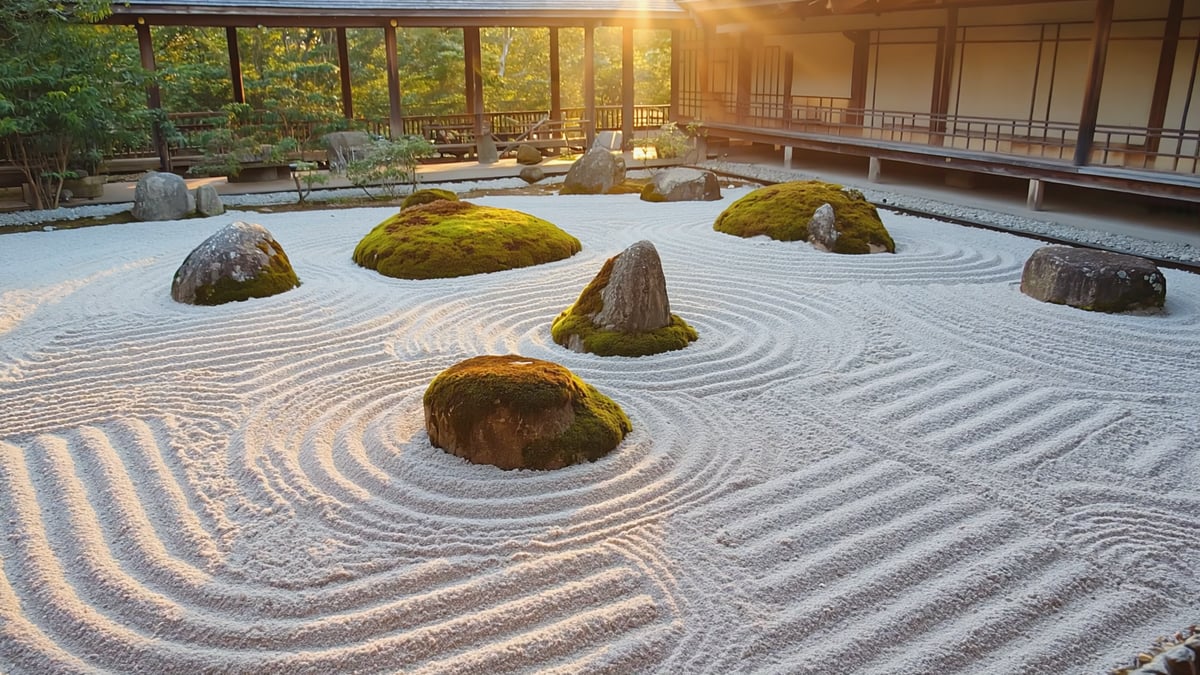
There are destinations that impress you, and then there are destinations that change you slightly — that leave you with a different relationship to time, beauty, and quiet. Kyoto belongs firmly in the second category. It is a city that has spent over a thousand years thinking carefully about how to live well, and it shows in every lacquered gate, every raked garden, every bowl of perfectly prepared tea.
For UK travellers, the journey is long and the investment is real. But Kyoto delivers a return that is hard to articulate without sounding hyperbolic: an encounter with a civilisation that made aesthetics a philosophy, patience a practice, and everyday objects — a ceramic cup, a folded cloth, a plate of seasonal vegetables — into something approaching art. That's not something you find on a weekend city break. It's worth the journey.
Whether you're drawn by the orange blaze of Fushimi Inari at dawn, the hush of the bamboo grove before the tour groups arrive, the chance to sit opposite a geiko over warm sake, or simply the extraordinary quality of a bowl of tofu in a centuries-old restaurant — Kyoto will meet you exactly where you are and show you something you won't forget.
GlobeHunters' 5-night Kyoto package, available from £1,399 per person including flights and accommodation, is one of the most accessible ways to make this journey. Browse the full itinerary online or speak to the team directly for tailored advice on dates, upgrades, and extensions to Osaka, Nara, or Tokyo.
Book Your Kyoto Holiday Now
GlobeHunters offers holiday packages including flights and hotels at competitive prices. 5 nights in Kyoto from £1,399 per person — flights from the UK and hotel accommodation included.
View Package & Prices →Or call us: 0208 944 4514
Ready to Book Your Fushimi Holiday?
Our travel experts are ready to help you plan the perfect trip. Call us today or browse our latest deals.
Ready to Start Planning?
Speak to our travel experts for personalised advice and the best deals on your next holiday.
Call 0208 944 4514