Picture this: you have two weeks, a decent budget, and a burning desire to swap grey British skies for something turquoise and warm. You type "Asian island holiday" into Google, and within seconds you are drowning in opinions. Some swear by Bali's rice terraces and spiritual ceremonies. Others insist Phuket's beaches are unmatched. Both camps are passionate, and both camps are right, for different kinds of travellers.
The Bali vs Phuket debate is one of the most genuinely difficult travel comparisons UK holidaymakers face, not because one destination is better, but because they serve fundamentally different holiday personalities. Get the choice wrong and you will spend a fortnight wishing you had picked the other one. Get it right and you will be planning your return trip before you have even landed back at Heathrow.
This guide cuts through the noise with a section-by-section breakdown covering flights, costs, beaches, culture, nightlife, family suitability, and the honest trade-offs of each destination. There is a direct recommendation at the end, along with specific scenarios to help you identify which island belongs on your boarding pass. GlobeHunters packages are woven throughout, so you can move from inspiration to booking without losing momentum.
The Core Identity of Each Island: What Are You Actually Choosing Between?
Before comparing beaches and bar tabs, it helps to understand the fundamental character of each destination. Bali and Phuket are not interchangeable sun-and-sea options with different postcodes. They have distinct identities shaped by geography, religion, culture, and decades of tourism development.
Bali is a Hindu island within the world's largest Muslim-majority country, Indonesia. That religious identity is visible everywhere: in the daily flower offerings left on pavements, in the incense that drifts through open temple gateways, in the gamelan music playing at village ceremonies. Bali's tourism infrastructure is built around a contrast between spiritual tradition and contemporary lifestyle, so you can attend a sunrise yoga class in Ubud, eat a world-class meal in Seminyak, and watch a Kecak fire dance at Uluwatu all within a single day. The island covers roughly 5,780 square kilometres, making it large enough to feel genuinely varied between regions.
Phuket is Thailand's largest island, covering around 543 square kilometres of the Andaman Sea. It is majority Buddhist, though religion is a quieter backdrop here compared to Bali. Phuket's identity is more overtly beach-resort-focused, shaped by decades of investment in hotel infrastructure and a well-developed tourism economy. The island delivers reliably on sea, sand, and nightlife. Its surrounding waters, including the famous Phang Nga Bay with its limestone karsts, are among the most photographed in Southeast Asia.
The shorthand many experienced travellers use: Bali rewards those who want to be immersed in a living culture alongside their beach holiday. Phuket rewards those who want a polished, highly convenient beach resort experience with exceptional water activities.
Getting There from the UK: Flight Times, Routes, and Value

For UK travellers, both destinations require a long-haul commitment, but there are meaningful differences in flight logistics that should factor into your planning.
Flying to Bali from the UK
Bali's Ngurah Rai International Airport (DPS) is served by a range of carriers from UK airports, but there are no direct flights from the UK. Most routes connect through Singapore (Changi), Kuala Lumpur (KL International), Hong Kong, or Dubai. Total journey time including a typical layover runs to approximately 18 to 22 hours. The shortest connections tend to be via Singapore or Kuala Lumpur, and if you can book a stopover of a day or two in either city, it turns a gruelling transit into a bonus mini-destination.
Common carriers include Singapore Airlines (via Singapore), Malaysia Airlines (via KL), Cathay Pacific (via Hong Kong), and Emirates (via Dubai). Prices from London fluctuate considerably by season, but a return economy ticket from Heathrow typically ranges between £500 and £900, with business class running considerably higher.
Flying to Phuket from the UK
Phuket International Airport (HKT) is similarly served by connecting flights from the UK. Common hubs include Dubai (Emirates), Doha (Qatar Airways), Bangkok (Thai Airways or Bangkok Airways via Suvarnabhumi), and Singapore. Journey times are comparable to Bali, typically 17 to 21 hours door to door depending on your connection. Some travellers choose to fly into Bangkok and continue to Phuket on a domestic flight, which adds flexibility but extends travel time.
Economy returns from London tend to sit in a similar bracket to Bali, roughly £480 to £850 depending on season and carrier. Qatar Airways via Doha is widely considered one of the more comfortable long-haul options on this route.
The UK Package Holiday Advantage
For both destinations, booking as part of a Southeast Asia package holiday through a UK operator significantly simplifies the logistics. GlobeHunters combines flights, airport transfers, and accommodation into a single price, with ATOL protection included. This matters considerably for long-haul bookings: if a flight is cancelled or a hotel fails, ATOL protection ensures you are not left out of pocket. Independent bookings across multiple platforms do not offer this security.
Current GlobeHunters packages to both destinations are available via the GlobeHunters holiday search. Speaking to the team on 0208 944 4514 is worth doing for long-haul bookings, as the consultants can often access flight combinations and hotel rates not visible on standard booking engines.
Bali in Depth: The Island of the Gods for UK Travellers
Bali earns its nickname "Island of the Gods" through sheer sensory richness. It is the kind of place that feels genuinely different to anywhere else, even after several visits to Southeast Asia. For UK travellers planning Asian island holidays from UK, Bali offers a compelling package of culture, landscape, food, and value.
Bali's Regions: Where You Stay Defines Your Holiday
One of Bali's underappreciated complexities is that different regions of the island deliver entirely different experiences. Choosing the wrong base for your holiday style is the most common mistake first-time visitors make.
- Seminyak and Canggu: The island's most sophisticated coastal strip. Seminyak is lined with designer boutiques, excellent restaurants, and upscale beach clubs like Ku De Ta and Potato Head. Canggu attracts a younger, more creative crowd and has a thriving surf and café culture. Ideal for couples and those who want beach access with excellent dining and nightlife.
- Ubud: Bali's cultural heartland, set in the forested interior rather than on the coast. Ubud is surrounded by rice terraces, home to the famous Sacred Monkey Forest, and the best base for temple visits, cooking classes, and yoga retreats. It is quieter and more reflective than the coastal areas. Ideal for honeymooners, wellness seekers, and culture enthusiasts.
- Kuta and Legian: Bali's original tourist hub, now primarily associated with budget accommodation, busy beaches, and a party-oriented nightlife scene. It remains popular with younger travellers and surfers but feels noticeably more commercial than other areas.
- Uluwatu and Nusa Dua: Uluwatu sits on dramatic limestone cliffs at Bali's southern tip and is home to some of the island's best surf breaks and the iconic cliff-top temple. Nusa Dua is Bali's dedicated luxury resort zone, with five-star hotels, calm lagoon beaches, and a more controlled, manicured environment. Ideal for families and luxury travellers who want quiet beach access.
- Nusa Penida and the Gili Islands: Just off Bali's coast, these islands offer exceptional diving and snorkelling, including manta ray encounters at Nusa Penida and the famous underwater statue gardens at the Gilis. A day trip or two-night extension is highly recommended.
Bali's Beaches: Honest Assessment
This is where Bali's honest reputation requires some nuance. The beaches directly around Seminyak, Kuta, and Legian are wide and dramatic at sunset but are not the white-sand, crystal-water postcards many UK travellers expect. The sand is dark volcanic grey-brown, and the Indian Ocean swell can make swimming unpredictable outside of designated safe zones. The swimming beaches at Nusa Dua are calmer and more conventionally beautiful.
For the truly spectacular Bali beach experience, you need to leave the main island. Nusa Penida's Kelingking Beach (the T-Rex cliff viewpoint) is one of the most photographed coastal landscapes in all of Asia. Crystal Bay and Diamond Beach on the same island offer extraordinary clarity.
Bali's Culture and Temples
No other beach destination in Southeast Asia offers a cultural experience comparable to Bali's. The island has over 20,000 temples, and the spiritual calendar means there is almost always a ceremony or festival occurring somewhere. Key sites include:
- Tanah Lot: A sea temple perched on a rocky outcrop, most beautiful at sunset.
- Uluwatu Temple: Clifftop temple with nightly Kecak fire dance performances.
- Besakih Temple: Bali's "mother temple" on the slopes of Mount Agung.
- Tirta Empul: A sacred spring temple where Balinese Hindus perform ritual purification bathing.
Food and Dining in Bali
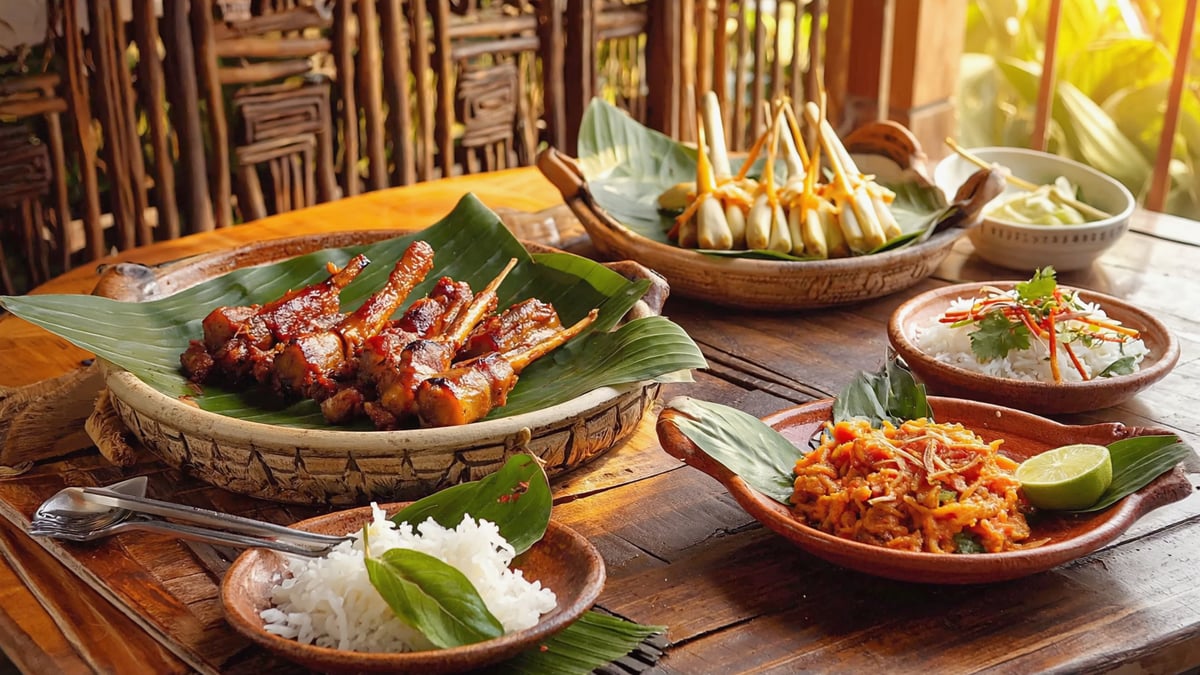
Bali's food scene has evolved significantly and now punches well above its weight globally. Seminyak in particular has a concentration of genuinely excellent restaurants across Indonesian, Japanese, Italian, and pan-Asian cuisines. Warung (local eateries) serve authentic Balinese dishes like babi guling (suckling pig) and bebek betutu (slow-cooked duck) at low prices. Ubud has a thriving healthy-eating and plant-based café culture that has attracted wellness travellers from around the world.
Bali Costs for UK Travellers
Bali remains excellent value for UK travellers, particularly given the pound-to-Indonesian-rupiah exchange rate. A couple eating at mid-range restaurants, using private drivers for day trips, and staying at a boutique hotel can live very comfortably on £80 to £120 per day in total spending (excluding accommodation already covered by a package). Budget travellers can manage on considerably less; luxury travellers will find world-class villas and resorts at prices that would be unthinkable in the Maldives or Caribbean.
Phuket in Depth: Thailand's Most Developed Island for UK Travellers
Phuket is the blueprint for what a mass-market Asian beach holiday looks like when executed at scale and done well. It is not a hidden gem and does not pretend to be. What it offers is consistency, convenience, and genuinely outstanding natural beauty, particularly once you move beyond Patong's busier stretches.
Phuket's Beaches: The Real Picture
Unlike Bali, Phuket delivers the postcard beach experience reliably. The Andaman Sea along Phuket's western coast produces the white sand and clear turquoise water that dominate travel photography. The variation between beaches is significant, however, and choosing the right beach for your style matters.
- Patong Beach: Phuket's most famous and most crowded beach. Two kilometres of white sand backed by an intense strip of hotels, bars, massage parlours, and restaurants. Bangla Road, running parallel to the beach, is one of Southeast Asia's most notorious nightlife streets. Patong is the right choice for those who want maximum energy and convenience, not for those seeking quiet.
- Kata and Karon Beaches: More relaxed alternatives south of Patong, with fewer crowds and a more family-friendly atmosphere. Kata Noi is particularly beautiful: smaller, sheltered, and consistently clear water outside of monsoon season.
- Kamala and Surin Beaches: Increasingly regarded as Phuket's most upscale stretches, with boutique hotels and beach clubs replacing the backpacker hostels of the south. Surin attracts a wealthier, quieter crowd.
- Mai Khao and Nai Yang (North Phuket): Long, largely undeveloped stretches near the airport. Quieter, less touristy, and home to sea turtle nesting sites. Ideal for those who want space and nature over nightlife.
Phuket's Surrounding Waters: The Island's Greatest Asset
The real magic of a Phuket holiday often happens on the water rather than the beach. The Andaman Sea around Phuket is home to some of Southeast Asia's best day-trip and island-hopping destinations:
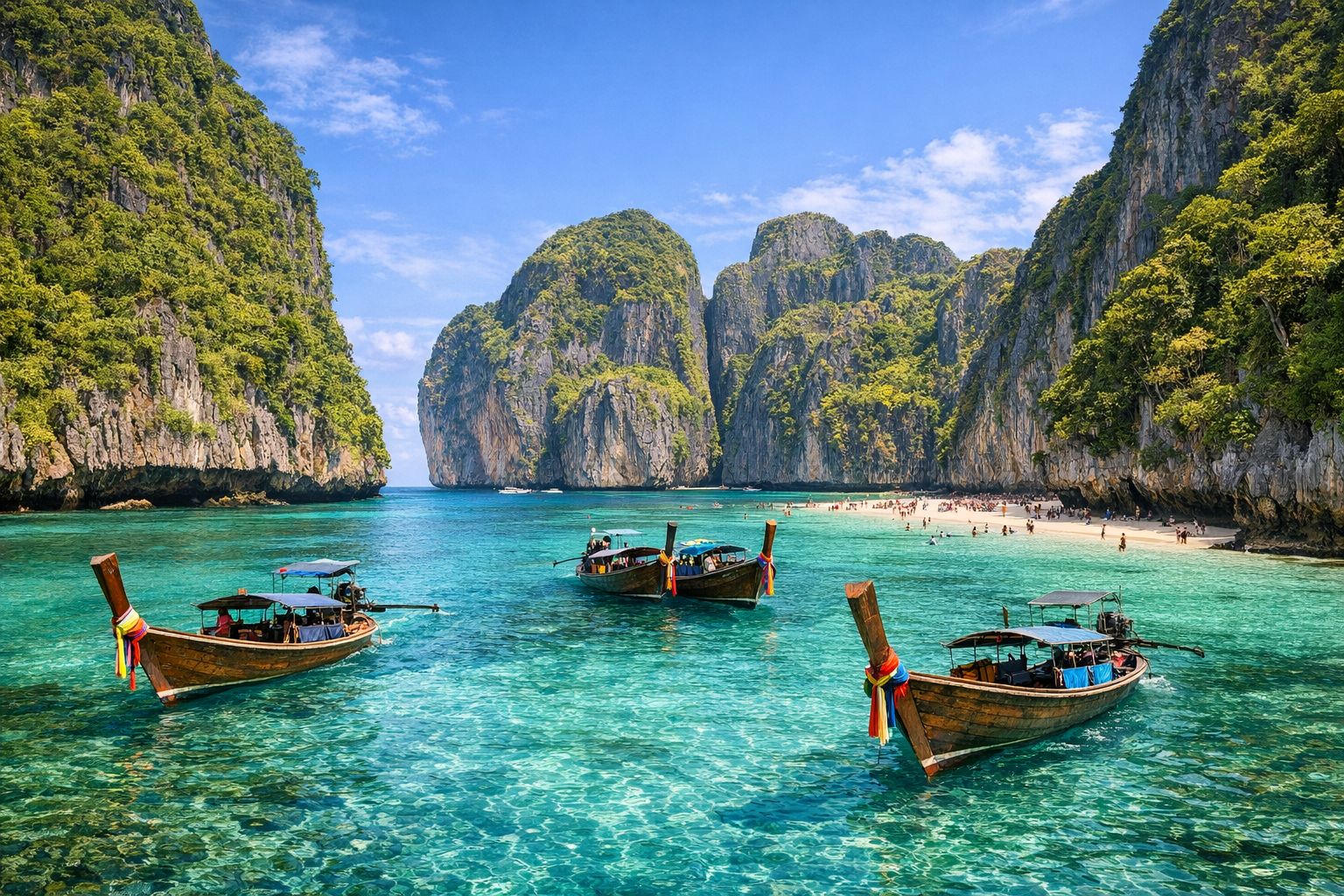
- Phang Nga Bay: The iconic limestone karst seascape, including James Bond Island (Ko Tapu), accessible by longtail boat or kayak. One of the most visually dramatic landscapes in the region.
- Phi Phi Islands: Ko Phi Phi Don and the smaller Ko Phi Phi Leh (home of Maya Bay, made famous by the film "The Beach") are roughly 90 minutes by speedboat. The snorkelling and diving here are exceptional.
- Similan Islands: A protected marine national park about three hours from Phuket, considered one of the world's top ten diving sites by PADI. Visibility regularly exceeds 30 metres.
- Racha Islands: Calmer, less crowded alternatives to Phi Phi, excellent for snorkelling and a full day away from the main island crowds.
Phuket's Nightlife and Entertainment
For UK travellers who want nightlife as part of their holiday, Phuket's offering is significantly more developed than Bali's. Patong's Bangla Road is Southeast Asia's most concentrated strip of bars, clubs, and entertainment venues, operating nightly until the early hours. Beyond Bangla Road, Phuket has a growing beach club scene (Catch Beach Club at Surin is well regarded), rooftop bars, and a cabaret entertainment tradition (Simon Cabaret, Phuket FantaSea) that draws large audiences.
Bali has good nightlife in Seminyak and Canggu, but it is more boutique and earlier-to-close compared to Phuket's full-on party infrastructure.
Phuket's Culture and Temples
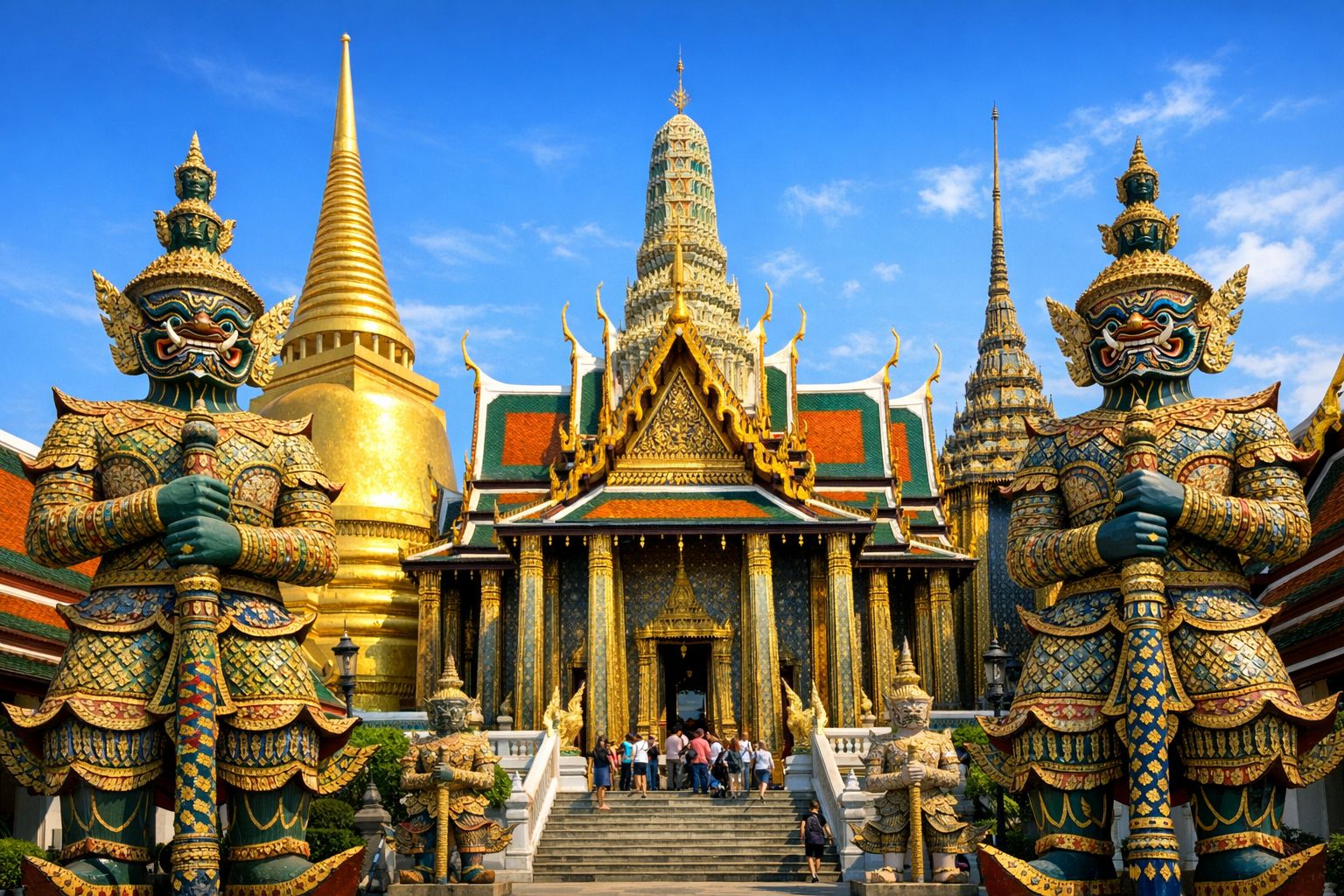
Phuket's cultural offering is genuinely interesting, though it requires more deliberate seeking out than Bali's visible everyday spirituality. The Big Buddha statue on Nakkerd Hill is a major landmark visible from much of the island. Wat Chalong is the island's most important Buddhist temple and a peaceful contrast to the beach crowds. Phuket Old Town, with its Sino-Portuguese shophouse architecture, colourful street art, and excellent local restaurants, is one of the most underrated urban experiences in Thailand.
Phuket Costs for UK Travellers
Thailand's baht offers strong value for pound-holders, and Phuket is generally comparable to Bali in daily costs, though the range is wider. Budget accommodation in Patong is plentiful and cheap. Mid-range dining outside the tourist strips is very affordable. The main area where costs escalate is premium beach clubs and water sports, which are priced to reflect the quality of the experience. A couple staying at a mid-range hotel, eating a mix of local and tourist-facing restaurants, and doing two or three water-based activities can expect to spend £90 to £130 per day on top of accommodation.
Head-to-Head Comparison: Key Categories for UK Travellers
The section-by-section detail above gives each island its full due. The table below distils the most decision-relevant categories into a direct comparison.
| Category | Bali | Phuket |
|---|---|---|
| Flight time from UK | 18–22 hours (with stopover) | 17–21 hours (with stopover) |
| Beach quality (main island) | ⚠️ Variable; best beaches require travel to offshore islands | ✅ Consistently white sand and clear water on west coast |
| Cultural depth | ✅ Exceptional; living Hindu culture, daily ceremonies, 20,000+ temples | ⚠️ Good but requires deliberate exploration |
| Nightlife | ⚠️ Good in Seminyak/Canggu; moderate scale | ✅ Extensive; Patong is a major nightlife destination |
| Family suitability | ✅ Excellent, especially Nusa Dua; calm waters, resort facilities | ✅ Excellent; Kata/Karon beaches, water parks, family resorts |
| Honeymoon appeal | ✅ Outstanding; private villas, rice terrace dinners, spiritual setting | ✅ Strong; luxury resorts, sunset cruises, privacy options |
| Water sports and diving | ⚠️ Good; best diving at Nusa Penida and Tulamben | ✅ Exceptional; Similan Islands, Phi Phi, Andaman Sea access |
| Food scene | ✅ World-class range; Seminyak dining rivals European cities | ✅ Excellent; strong local Thai cuisine plus international options |
| Visa requirements for UK | Visa on Arrival available; 30-day stay (extendable) | Visa-exempt entry; 30-day stay (extendable to 60 days) |
| Daily spend (couple, mid-range) | £80–£120 excl. accommodation | £90–£130 excl. accommodation |
| Best season from UK (dry) | April to October | November to April |
| Overtourism concerns | ⚠️ Growing; tourist tax introduced, some areas crowded | ⚠️ Patong very crowded; quieter alternatives exist |
Best Time to Visit: Matching UK School Holidays to the Right Destination

This is one of the most consequential practical differences between the two destinations, and one that genuinely changes the recommendation depending on when you can travel.
Bali's Seasons
Bali has a dry season running roughly from April through to October, and a wet season from November through March. The wet season does not mean constant rain; it typically means heavier afternoon showers, higher humidity, and occasional extended downpours. Many UK travellers visit during the wet season and have perfectly good holidays, particularly if they are staying in Seminyak or Ubud where rain is a brief interruption rather than a day-ruiner. However, for the best beach weather and the calmest seas around Nusa Penida, the dry season is clearly preferable.
For UK families constrained to school holidays: the summer holidays (July to August) fall squarely within Bali's dry season, making it an excellent timing match. The Easter holidays also tend to fall within the drier shoulder period. Christmas and February half-term fall in Bali's wetter months.
Phuket's Seasons
Phuket's seasons are essentially the inverse. The Andaman Sea coast (where most of Phuket's popular beaches sit) is at its best from November through April, when the northeast monsoon keeps the Andaman calm and clear. The southwest monsoon from May to October brings rougher seas, reduced visibility for diving, and occasional closures of some beaches due to dangerous surf. Some years the monsoon is relatively mild; others see sustained heavy rain for days at a time.
For UK school holiday timing: Phuket aligns well with October half-term, the Christmas holiday period, and February half-term. Summer holidays (July to August) fall during Phuket's monsoon season, which is a significant practical drawback for families. Adults with flexible travel dates can avoid this entirely, but it is a genuine constraint for school-term-bound families.
| UK School Holiday | Bali Conditions | Phuket Conditions | Recommended |
|---|---|---|---|
| Summer (Jul–Aug) | ✅ Dry season; excellent conditions | ⚠️ Monsoon season; rougher seas | Bali |
| October Half-Term | ⚠️ Shoulder/wet season beginning | ✅ Dry season beginning; excellent | Phuket |
| Christmas (Dec–Jan) | ⚠️ Wet season; manageable for most | ✅ Peak dry season; stunning conditions | Phuket |
| Easter (Mar–Apr) | ✅ Dry season; ideal conditions | ✅ Late dry season; still good | Either; slight edge to Bali |
| February Half-Term | ⚠️ Wet season; afternoon showers likely | ✅ Peak dry season; excellent | Phuket |
Families, Couples, Honeymooners, and Solo Travellers: Who Should Go Where?
The question of Bali or Phuket for UK travellers often resolves itself clearly once you factor in who is travelling and what they want from the holiday.
Families with Children
Both islands cater well to families, but in different ways. Phuket has a more developed family resort infrastructure: large hotel complexes with dedicated kids' clubs, multiple pools, and proximity to attractions like Splash Jungle Waterpark and Elephant Jungle Sanctuary (for ethically operated elephant experiences). The beaches at Kata and Karon are calmer and safer for children than many of Bali's main beaches, where Indian Ocean swells can be unpredictable.
Bali's Nusa Dua zone is equally family-friendly, with a protected lagoon beach, high-end resort facilities, and easy access to activities like white-water rafting on the Ayung River and ATV rides through rice fields. Bali also has a cultural richness that families with older children will find genuinely educational. Younger children may find Nusa Dua's calmer, more controlled environment easier than navigating Bali's busy main roads and varied terrain.
Verdict for families: Phuket slightly edges it for pure beach convenience and water park access, particularly outside of summer school holidays. Bali wins for families with older children who want cultural depth alongside the beach.
Couples and Honeymooners
Bali has a strong claim to being one of the world's great honeymoon destinations. The private villa culture here is exceptional: a plunge pool villa in Seminyak or a jungle-view pool villa in Ubud delivers the kind of intimate, other-worldly setting that photographs and memories are built on. Candlelit dinners in rice fields, sunrise hot-air balloon rides, couples' spa treatments in open-air jungle pavilions, and the spiritual atmosphere of Ubud all contribute to a honeymoon experience that feels genuinely unique.
Phuket's honeymoon appeal is more conventional but executed at a high level. Luxury resorts on the quieter northern and western beaches offer seclusion and quality. Sunset cruises through Phang Nga Bay, private island day trips, and high-end spa hotels make for a thoroughly romantic holiday. For couples whose idea of romance centres on beautiful beaches, crystal water, and excellent Thai food in a refined setting, Phuket delivers extremely well.
Verdict for couples and honeymooners: Bali wins on uniqueness and emotional depth. Phuket wins on beach quality and water-based activities. Both are excellent choices.
Solo Travellers
Bali's Canggu neighbourhood has evolved into one of Southeast Asia's best-connected destinations for solo travellers, with a thriving community of long-term residents, digital nomads, and backpackers. The social infrastructure (co-working spaces, group yoga classes, hostel common rooms) makes it easy to meet people. Ubud similarly attracts a community-minded traveller and is excellent for solo cultural exploration.
Phuket has a large solo traveller population, particularly in Patong, though the orientation here is more towards nightlife than community. Solo travellers who want to meet people over shared activities will find Phuket's diving and water sports scene a natural social hub.
Budget Travellers
Both islands offer genuine budget options, but Bali's combination of cheap local warungs, low-cost motorbike hire, and affordable guesthouses in areas like Kuta and Canggu makes it marginally more accessible at the very budget end of the market. Indonesia's cost of living remains among the lowest in Southeast Asia.
Practical Travel Considerations: Visas, Safety, Health, and Getting Around

Visas for UK Travellers
Bali (Indonesia): UK passport holders can obtain a Visa on Arrival at Ngurah Rai Airport for a fee (currently around £30 equivalent in USD, as Indonesia charges in US dollars). This permits a 30-day stay, extendable once for a further 30 days. Indonesia also offers an e-Visa option that can be arranged before travel via the official Indonesian Immigration e-Visa portal. Note that Bali has introduced a tourist levy of 150,000 Indonesian rupiah (approximately £7) per visitor, paid on arrival or online before travel.
Phuket (Thailand): UK passport holders are currently visa-exempt for stays of up to 30 days, with a recent policy extension allowing up to 60 days for tourism purposes. No fee applies. This makes Thailand administratively simpler for UK travellers, with no pre-arrival paperwork required for most short-stay holidays.
Health and Safety Considerations
The UK Foreign, Commonwealth and Development Office (FCDO) and FCDO Thailand travel advice are the definitive references for current safety information, and both should be checked before booking. Key health considerations for both destinations include ensuring travel insurance covers medical evacuation (private hospital care is of reasonable quality in Phuket; Bali's quality varies significantly by area), taking standard tropical precautions regarding mosquito-borne illness, and being cautious with food hygiene at street vendors.
Road safety is a genuine concern in both destinations. Motorbike hire is popular with tourists in Bali and Phuket, but UK travellers should be aware that UK travel insurance policies often exclude motorbike accidents unless the rider holds a valid licence for that vehicle category. Traffic in both destinations drives on the left (as in the UK), which is one less adjustment to make.
Getting Around
Bali does not have reliable public transport. Getting around effectively requires either hiring a private driver (very affordable, approximately £25 to £40 for a full day), renting a scooter (cheap but carries the risks noted above), or booking activities through your hotel or a tour operator. The island's traffic around Seminyak and Kuta can be genuinely frustrating; the Grab ride-hailing app works in Bali and is the most convenient option for shorter journeys.
Phuket similarly relies on private transport. Grab operates on the island, though availability outside Patong can be limited. Tuk-tuks are widely available but prices should be negotiated in advance. Renting a car with a driver for a day is straightforward and reasonably priced. Songthaews (shared pickup trucks operating as informal buses) run between major beach areas at low cost.
Southeast Asia Package Holidays: What to Expect from UK Operators
Booking either destination as part of a structured Southeast Asia package holiday from the UK offers meaningful advantages beyond simple price comparison. ATOL protection, combined flight and hotel pricing, and access to pre-vetted hotels make the package route the lower-risk option for long-haul first-timers.
GlobeHunters builds packages to both Bali and Phuket combining return flights from UK airports (London Heathrow, Manchester, Birmingham, and others), airport transfers, and accommodation across a range of hotel grades. Packages can be customised with activities and excursions from the platform's Viator-powered activity inventory. For travellers considering a multi-centre holiday (Bali plus a Gili Islands extension, or Phuket plus a Bangkok add-on), the GlobeHunters team can arrange the domestic flight connections as part of a single booking.
Typical GlobeHunters long-haul package prices for these destinations start from around £1,299 per person for a 10-night trip including flights and mid-range hotel accommodation, rising to £2,499 per person for luxury villa and five-star resort options. Prices vary significantly by departure date, hotel grade, and lead time. For the most current pricing, the GlobeHunters holiday search shows live availability, or call 0208 944 4514 to speak with a consultant who specialises in Southeast Asia.
The Honest Recommendation: Which Island Should You Choose?
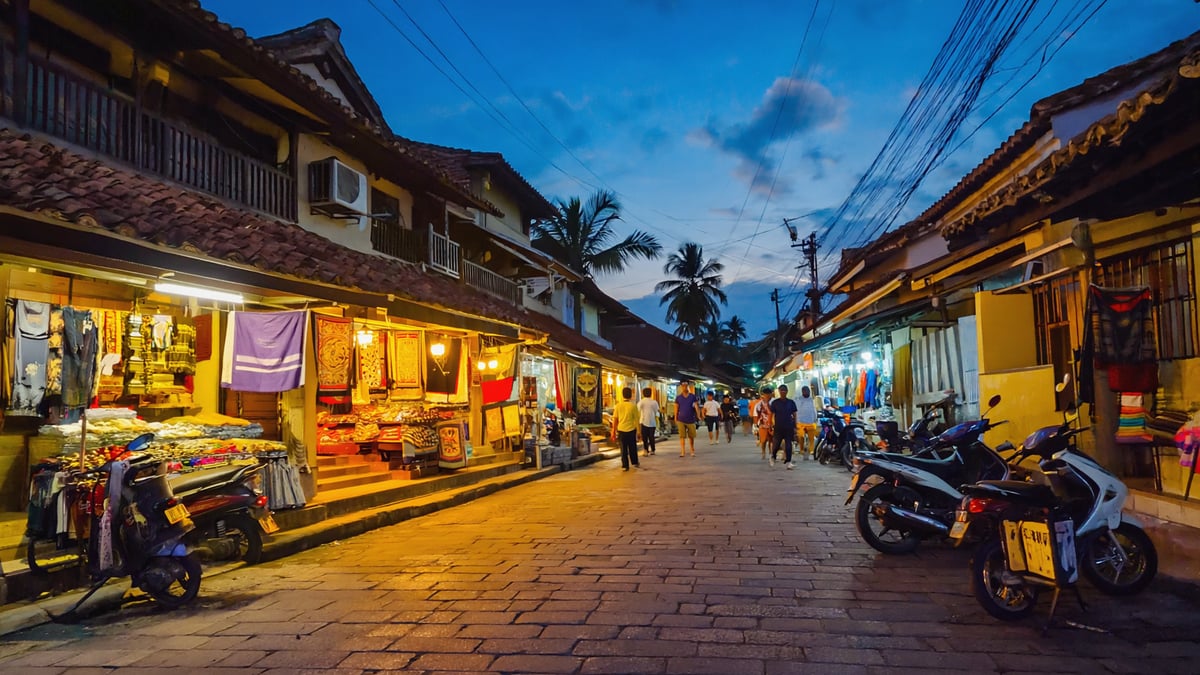
After a thorough comparison, here is an opinionated answer rather than a diplomatic non-answer.
Choose Bali if:
- You want a holiday that combines beach time with genuine cultural immersion and something to talk about beyond "the weather was lovely."
- You are travelling during the UK summer holidays (July to August) and need dry-season reliability.
- You are planning a honeymoon and want a setting that feels unique and spiritually resonant, not just luxurious.
- You are a solo traveller looking to connect with a community, particularly in Canggu or Ubud.
- Food, wellness, and creative lifestyle are important to your holiday experience.
- You want the best value for money on villa accommodation and fine dining.
Choose Phuket if:
- White-sand beaches and clear turquoise water are non-negotiable and you do not want to island-hop to find them.
- You are travelling at Christmas, February half-term, or October half-term and want guaranteed dry-season conditions.
- Water sports, diving, and island-hopping day trips are central to your holiday.
- You want a lively nightlife scene as part of the package.
- You are travelling as a family and want a highly developed resort infrastructure with water parks and calm swimming beaches.
- You prefer Thailand's food culture (widely considered among the world's finest street food traditions) to Indonesian cuisine.
The overall verdict for most UK travellers: Bali is the more interesting holiday, and Phuket is the more reliably beautiful one. If this is your first time visiting Southeast Asia and you want the definitive Asian beach experience in perfect conditions, Phuket is the safer first choice. If you have done beach holidays before and want something that will genuinely expand your sense of the world, Bali is the more rewarding destination.
For those who simply cannot decide: a multi-centre holiday combining both is entirely achievable. A week in Bali followed by a week in Phuket (connected by a short flight via KL or Singapore) makes for one of the best Asian beach holidays available to UK travellers and is something the GlobeHunters team arranges regularly.
Frequently Asked Questions: Bali vs Phuket for UK Travellers
Is Bali or Phuket better for UK families?
Both are excellent family destinations with dedicated resort areas, calm beaches, and family-oriented activities. Phuket has a slight edge for younger children due to its calm Andaman Sea beaches and more developed water park infrastructure (Splash Jungle Waterpark near Mai Khao). Bali's Nusa Dua is equally family-friendly and adds cultural experiences that older children find engaging. The deciding factor is often timing: families travelling in UK summer holidays will find Bali in ideal dry-season conditions, while Phuket is in its monsoon period during July and August.
Which is cheaper: Bali or Phuket?
Both destinations offer strong value for UK travellers. Bali has a marginal edge at the budget end of the market, with very cheap local warung food, low-cost guesthouses, and affordable private drivers. Phuket has more variation: the tourist-facing economy around Patong can be significantly more expensive than the same product in Bali, but venture beyond the main tourist strips and costs are comparable. Luxury options exist at high quality in both destinations, with Bali's private villa market offering particularly strong value compared to equivalent Maldives or Caribbean products.
Do UK travellers need a visa for Bali or Phuket?
For Bali (Indonesia), UK passport holders receive a Visa on Arrival valid for 30 days (extendable), currently costing approximately £30 equivalent in USD. An e-Visa can also be purchased in advance online. Indonesia has also introduced a tourist levy of approximately £7 per visitor. For Phuket (Thailand), UK passport holders are currently visa-exempt for up to 30 days (recently extended to 60 days for tourism). Thailand is the simpler option administratively.
What is the best time of year for UK travellers to visit Bali?
Bali's dry season runs from April to October, making it the ideal window for UK travellers. This conveniently coincides with UK summer school holidays (July to August), making Bali a strong choice for families constrained to school-term travel. The Easter holiday period also falls within or near the dry season. Bali's wet season (November to March) brings afternoon showers but remains manageable for most travellers, particularly those spending time inland at Ubud.
What is the best time of year for UK travellers to visit Phuket?
Phuket's Andaman Sea coast is at its best from November to April, when the northeast monsoon brings calm, clear conditions. This aligns well with UK Christmas holidays, February half-term, and October half-term. The southwest monsoon (May to October) brings rougher seas and reduced beach quality. Families constrained to UK summer holidays (July to August) should note that this falls during Phuket's monsoon season and Bali would be a better choice for that timing.
Is Bali safe for UK tourists?
Bali is generally considered safe for UK tourists. The FCDO advises normal precautions. Key risks include traffic accidents (particularly involving hired motorbikes), petty theft in busy tourist areas, and occasional natural events (Bali sits in a seismically active region and Mount Agung has seen activity in recent years). UK travellers should check the FCDO Indonesia travel advice before booking and ensure comprehensive travel insurance including medical evacuation cover.
Is Phuket safe for UK tourists?
Phuket is one of Thailand's most visited destinations and has a well-established tourist infrastructure. The FCDO advises normal precautions. Key risks include rip currents on some beaches during monsoon season (red flags should always be respected), road safety (traffic accidents are a leading cause of tourist injury in Thailand), and the usual petty theft risks in busy areas like Patong. Check the FCDO Thailand travel advice before departure.
Can I combine Bali and Phuket in one trip?
Yes, and it is a popular option for UK travellers with two weeks or more. The most common routing is to fly into Bali, spend seven to ten days there, then fly to Phuket via Singapore or Kuala Lumpur (typical connection time 6 to 9 hours), spend a further week, and fly home from Phuket. This allows you to experience Bali's cultural landscape and then Phuket's Andaman beaches in a single trip. GlobeHunters can arrange multi-centre itineraries of this type as a single package booking.
Which has better food: Bali or Phuket?
This is genuinely close. Thai cuisine, centred on Phuket's fresh seafood, fragrant curries, and street food culture, is one of the world's great culinary traditions. Bali's dining scene in Seminyak has evolved into something genuinely world-class, with a range of international and contemporary Indonesian restaurants that rival European capital cities. For authentic local food at low prices, both destinations deliver. For variety and fine dining, Seminyak edges slightly ahead. For pure flavour intensity in simple local dishes, Thai food at Phuket's local restaurants is hard to beat.
Are there direct flights from the UK to Bali or Phuket?
There are currently no direct (non-stop) scheduled flights from the UK to either Bali or Phuket. Both destinations require at least one connection, typically through Singapore, Kuala Lumpur, Dubai, Doha, Hong Kong, or Bangkok. Total journey times range from approximately 17 to 22 hours depending on the connection used. Some travellers use the connection city as a deliberate stopover destination, particularly Singapore or Bangkok, which are excellent short-break destinations in their own right.
What should I look for in a UK package holiday to Bali or Phuket?
The most important factors are ATOL protection (which guarantees a refund or repatriation if the operator collapses), the flexibility of the hotel selection (look for operators who allow you to choose from multiple hotels in different areas rather than a single fixed option), and whether transfers are included. For long-haul destinations, also check the airline and connection times: a cheap package with a 12-hour layover in a poor transit hub is not a saving. GlobeHunters packages include ATOL protection, a curated hotel selection, and airport transfers as standard.
Which destination is better for diving and snorkelling?
Phuket has a meaningful advantage for serious divers. The Similan Islands, accessible by liveaboard or day trip from Phuket, are rated among the world's best dive sites by PADI, with exceptional visibility and diverse marine life. The Phi Phi Islands and Racha Islands offer excellent snorkelling and recreational diving. Bali has outstanding diving at specific sites, particularly manta ray encounters at Nusa Penida and the USAT Liberty wreck at Tulamben, but these require additional travel from the main tourist areas. For a holiday where diving is the primary activity, Phuket provides a more convenient base with more options.
Key Takeaways
- Bali and Phuket serve different holiday personalities. Bali rewards cultural curiosity alongside beach time; Phuket delivers a consistently beautiful beach resort experience with exceptional water activities.
- Timing is the most decisive factor for UK families. Bali's dry season coincides with UK summer holidays; Phuket's best conditions align with Christmas, February half-term, and October half-term.
- Phuket's beaches are reliably beautiful on the main island. Bali's most spectacular beaches require trips to offshore islands like Nusa Penida.
- Bali offers unmatched cultural depth through its living Hindu traditions, temple ceremonies, and spiritual landscape, an experience without equivalent elsewhere in Southeast Asia.
- Phuket wins for diving, island-hopping, and nightlife. The Similan Islands and Phi Phi are among Asia's finest water-based destinations.
- Both destinations are strong value for UK travellers on the pound-to-rupiah and pound-to-baht exchange rates, with Bali holding a marginal edge at the budget end.
- UK package holidays offer ATOL protection for long-haul bookings, making operators like GlobeHunters a sensible choice over purely DIY arrangements.
- A combined Bali and Phuket itinerary is achievable in two weeks and represents one of the finest Asian island holiday routes available to UK travellers.
- Call GlobeHunters on 0208 944 4514 or browse the GlobeHunters package search for current pricing on both destinations.
About the author
Spiros Maragkoudakis · Chief Commercial Officer
Ready to Book Your Bali Holiday?
Our travel experts are ready to help you plan the perfect trip. Call us today or browse our latest deals.
Ready to Start Planning?
Speak to our travel experts for personalised advice and the best deals on your next holiday.
Call 0208 944 4514