There's a moment — usually sometime around sunset on your first evening — when Barbados stops being a place you're visiting and starts being a place you understand. The rum punch is cold, the sky has gone the colour of a ripe mango, and somewhere in the distance a steel pan is playing something you half-recognise. This is why people return to this island again and again: not just for the beaches (though they are extraordinary), not just for the rum (though that, too, is world-class), but for a feeling that's genuinely difficult to describe and almost impossible to replicate anywhere else in the Caribbean.
Barbados is the most easterly of the Caribbean islands — a fact that matters more than it sounds, because it means the island sits in the open Atlantic rather than sheltered between its neighbours. This geography gives the island two completely distinct personalities: the wild, wave-battered East Coast where surfers and nature lovers roam, and the calm, impossibly blue West Coast where the luxury resorts cluster along Platinum Beach. In between, you'll find a country of just 300,000 people that punches far above its weight in food, culture, history, and sheer hospitality.
For UK travellers, Barbados holds a particular appeal. The island was a British colony for over three centuries, and while it became fully independent in November 2021 (transitioning to a republic and removing the monarchy), the ties remain warm. English is spoken everywhere, driving is on the left, and cricket is practically a religion. It also helps that direct flights from London Gatwick take around nine hours — long enough to feel like a proper escape, short enough that you won't arrive feeling destroyed.
This guide covers everything you need to plan a Barbados holiday in 2026: the best beaches, the rum distilleries worth visiting, where to eat, when to go, and how to book a package with GlobeHunters that takes the stress out of the whole thing.
Why Barbados Should Be at the Top of Your Caribbean List
Barbados consistently ranks among the Caribbean's most complete destinations — combining world-class beaches, a sophisticated food scene, genuine cultural depth, and a rum heritage that's genuinely unmatched anywhere in the world. It's not just a beach holiday; it's an experience with layers.
The island is small — roughly 34 kilometres long and 23 kilometres wide — which means you can genuinely see and do a great deal without spending your entire trip in a transfer vehicle. In a single day, you could swim in calm, turquoise water on the west coast in the morning, visit a centuries-old sugar plantation in the afternoon, eat at a world-class restaurant in Bridgetown in the evening, and still be back at your hotel before midnight. That density of experience is rare, and it's one of the reasons Barbados suits so many different types of traveller.
For couples, it's undeniably romantic — the sunsets on the west coast are the sort that make people propose on the spot. For families, it's surprisingly child-friendly, with calm swimming beaches, turtle-watching experiences, and enough activities to keep everyone happy. For solo travellers, the Bajan people are genuinely warm and welcoming, and the island's social scene — particularly around Bridgetown and St. Lawrence Gap — means you'll never feel isolated. For retirees seeking a long-haul destination with comfort, sophistication, and excellent healthcare standards, Barbados delivers in spades.
There's also the food. Barbados has quietly become one of the Caribbean's most exciting culinary destinations. Flying fish and cou-cou (the national dish) is just the beginning. The island has a remarkable range of fine dining restaurants, many run by chefs who've trained internationally before returning home. Oistins Fish Fry on a Friday night — a legendary outdoor market where locals and tourists mingle over grilled fish, macaroni pie, and Banks beer — is one of the most joyful food experiences in the entire Caribbean.
And then there's the rum. Barbados claims to be the birthplace of rum — a claim backed by historical records dating to the 1600s — and the island takes this heritage seriously. From the historic Mount Gay Distillery to the boutique craft producers emerging across the island, a rum tour is as culturally enriching as visiting any museum.
The Barbados Advantage for UK Travellers Specifically
UK travellers have long had a special relationship with Barbados. The island sees a significant proportion of its visitors from Britain, which means the infrastructure is well-adapted to British preferences and expectations. You'll find familiar-feeling pubs alongside Caribbean rum bars, Sunday roast menus alongside flying fish sandwiches, and cricket being discussed with the same intensity you'd find at Lord's. The FCDO generally rates Barbados as very safe for British tourists, and the country's political stability and strong rule of law make it one of the more reassuring long-haul destinations you can choose.
Direct flights with British Airways and Virgin Atlantic operate regularly from London Gatwick, and GlobeHunters packages typically include these carriers. From £1,299 per person for a well-appointed week-long package (including flights, accommodation, and selected activities), Barbados is genuinely competitive when compared to other long-haul Caribbean destinations of similar quality.
Barbados's Pink Sand Beaches: Where to Find Them and What to Expect
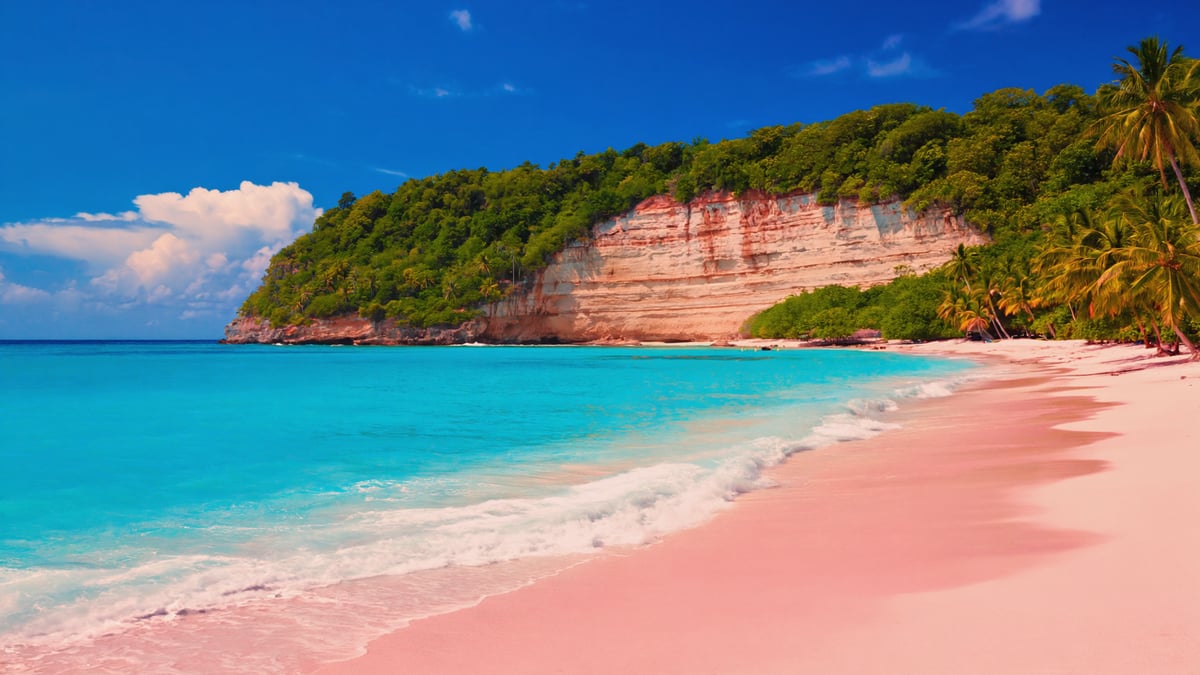
Barbados is home to one of the Caribbean's most celebrated beach landscapes, and while the famous pink sands are concentrated on specific stretches of coastline, the island's beaches as a whole represent some of the finest swimming and sunbathing environments in the world. Understanding the different beach characters across the island is essential for planning a trip that matches your expectations.
The pink sand phenomenon — one of the most Googled aspects of a Barbados holiday — is most pronounced at Crane Beach on the southeast coast. The rosy hue comes from the presence of crushed coral and shell fragments mixed into the white sand, along with microscopic organisms called foraminifera whose pink-red shells gradually break down and blend into the beach. The effect is subtle rather than vivid — think blush rather than flamingo — but in the right light (particularly early morning and late afternoon), Crane Beach genuinely glows with a warmth that no filter is required to capture.
Crane Beach is also one of the island's most dramatic settings. Unlike the calm west coast beaches, Crane faces the Atlantic and has a more powerful surf — the beach sits at the base of dramatic coral cliffs, and the combination of pink sand, crashing waves, and the lush green cliff backdrop makes it genuinely one of the most photogenic beaches in the Caribbean. Swimming is possible, but be aware of the conditions and heed any flags or local advice. The famous Crane Resort overlooks the beach and has a pool terrace that's worth visiting even if you're not staying there.
The West Coast: Platinum Beach and the Calm Caribbean Sea
If Crane Beach is about drama, the west coast is about serenity. Platinum Beach — a stretch of coastline running through St. James and St. Peter parishes — is where Barbados's luxury reputation was built. The water here is the Caribbean Sea at its most classically beautiful: calm, warm, and so clear that you can see your feet in chest-deep water. The sand is white and fine, the palm trees are perfectly positioned, and the beach bars serve rum punches at the kind of pace that makes afternoons blur pleasantly into evenings.
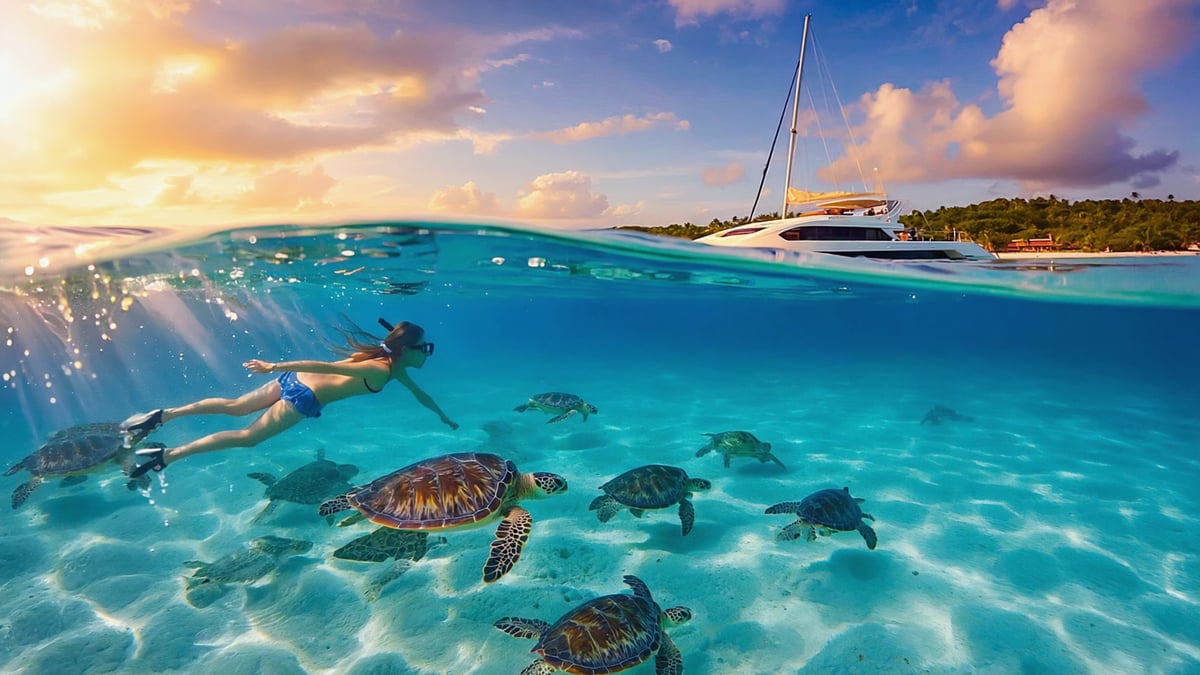
Paynes Bay is one of the most beloved stretches of Platinum Beach — accessible to non-hotel guests, with sun loungers available for hire and a string of beach bars. This is also one of the best spots on the island for sea turtle encounters. Green and hawksbill turtles feed in the calm water just offshore, and it's genuinely common to be swimming and find a turtle gliding past within arm's reach. Several local operators run organised snorkelling tours with the turtles, and this experience is consistently rated as one of the island's highlights.
The South Coast: Lively, Young, and Brilliant Value
The south coast — anchored by Dover Beach, Accra Beach, and Miami Beach (yes, there's a Miami Beach in Barbados) — has a completely different character. This is where you'll find the most affordable accommodation, the busiest beach bars, and the highest concentration of young, sociable visitors. The beaches here are still beautiful — the water is calm and the sand is soft — but the vibe is more Ibiza than St. Tropez.
St. Lawrence Gap, a strip of restaurants, bars, and clubs just behind Dover Beach, is the island's social heartbeat after dark. If you're a solo traveller, a couple who enjoys nightlife, or a group of friends looking for a lively holiday, the south coast delivers. And the proximity to Oistins means the legendary Friday night fish fry is never more than a short taxi ride away.
The East Coast: Wild, Windswept, and Largely Undiscovered
The east coast — accessible via the Scotland District and the winding roads through the interior — feels like a different island. The Atlantic Ocean here is untamed, the cliffs are dramatic, and the surf is serious. Bathsheba Beach is the most famous east coast destination, known for its enormous mushroom-shaped rock formations rising from the surf and its reputation as a surfing mecca. The Soup Bowl surf break at Bathsheba regularly attracts international surf competitions and is considered one of the Caribbean's finest waves.
You don't surf? Come anyway. Bathsheba is extraordinary to look at and walk along, and the surrounding landscape — rolling green hills, old chattel houses, the smell of sea spray — feels genuinely otherworldly. Grab lunch at one of the local rum shops (Barbados's answer to a country pub) and watch the surfers. There are few better ways to spend a day.
Barbados Rum Distilleries: A Heritage Worth Celebrating
Barbados is widely regarded as the spiritual home of rum, with written records of rum production on the island dating back to the 1640s — making Bajan rum history older than most countries' entire national histories. Today, the island's distilleries are a mix of historic heritage sites, working production facilities, and sophisticated visitor experiences that offer a genuinely enriching look at one of the world's great spirits.
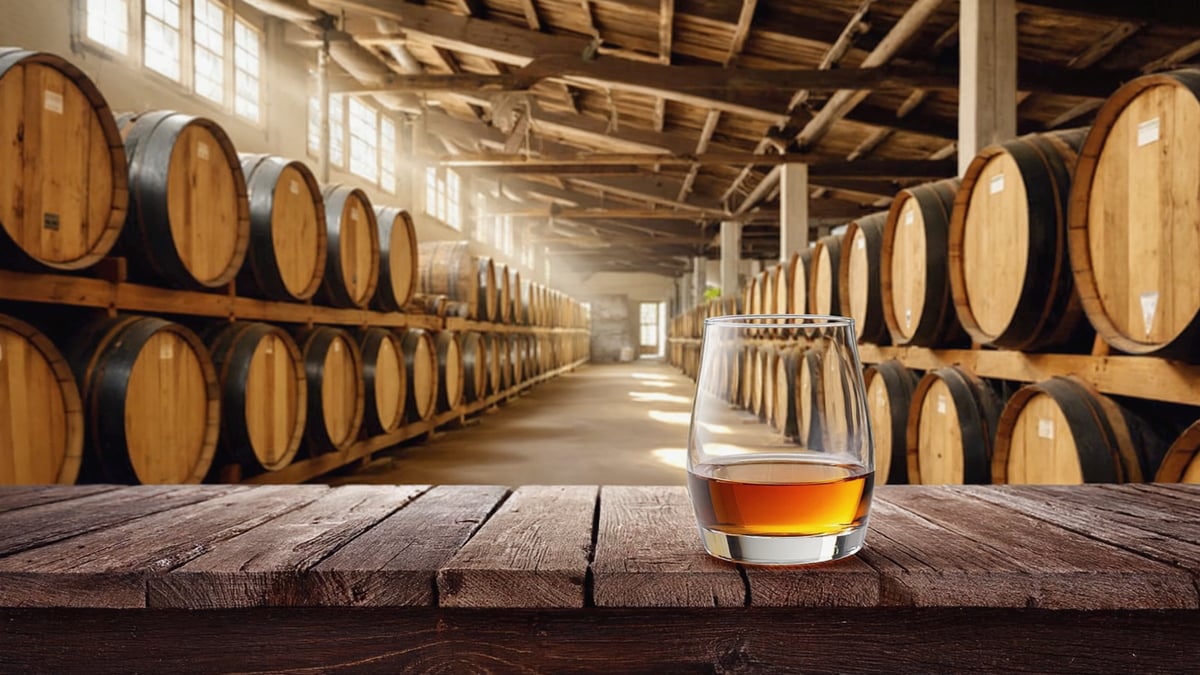
Understanding Barbados rum means understanding that quality here is taken very seriously. Mount Gay Distillery, established in 1703 and generally considered the world's oldest commercially operating rum producer, is the obvious starting point for any rum tour. Located in St. Lucy in the island's north, Mount Gay offers guided distillery tours that take visitors through the production process — from the fermentation tanks to the pot stills to the ageing warehouses, where barrels of rum sit quietly developing complexity in the Caribbean heat. The tasting sessions at the end are the highlight: a guided comparative tasting of different expressions, from the approachable Eclipse to the rare and complex Single Barrel releases.
Foursquare Distillery: The Artisan Giant
If Mount Gay is the historic icon, Foursquare Rum Distillery in St. Philip is the contemporary standard-bearer. Run by master distiller Richard Seale, Foursquare has built an international reputation for producing some of the most critically acclaimed aged rums in the world. The distillery is set in a beautifully restored historic sugar factory — itself worth visiting as an example of Caribbean industrial heritage — and the visitor experience here is thoughtful and genuinely educational.
Foursquare's limited-edition annual releases have become something of a cult phenomenon among rum enthusiasts globally, often selling out within hours of release and commanding significant premiums on the secondary market. Visiting the distillery and picking up a bottle at the source is, for many rum lovers, the highlight of their entire Barbados trip. The Heritage Park that surrounds the distillery includes craft shops, galleries, and food vendors, making it a half-day destination in its own right.
St. Nicholas Abbey: Where Rum Meets Living History
St. Nicholas Abbey in St. Peter parish is perhaps the island's most extraordinary rum destination, because it operates as both a working plantation, a rum distillery, and a Jacobean great house dating to around 1658 — making it one of the oldest intact plantation houses in the Western Hemisphere. The great house tour is fascinating, offering a candid look at the island's complex colonial history. The rum produced here is estate rum in the truest sense: the sugar cane grows on the plantation, is crushed on-site, and the rum is aged in the plantation's own warehouses.
The St. Nicholas Abbey Cherry Tree Hill Road also offers one of the most dramatic viewpoints on the island, looking out over the Scotland District toward the Atlantic coast. It's the kind of place that makes you feel very far from a Tuesday afternoon in Croydon, which is precisely the point.
The Rum Shops: Where Locals Actually Drink
No rum tour of Barbados is complete without time in the island's rum shops — small, neighbourhood bars that are the social fabric of Barbadian life. There are reportedly more rum shops per square kilometre in Barbados than in any other country, and they range from basic concrete rooms with a fridge and a few plastic chairs to charming wooden chattel house conversions with dominos tables and a soundtrack of calypso and soca. Ordering a Banks beer or a neat pour of Cockspur at a local rum shop, and spending an hour listening to the conversation around you, is as authentic a Barbados experience as any distillery tour.
Food Culture in Barbados: Beyond the Resort Buffet
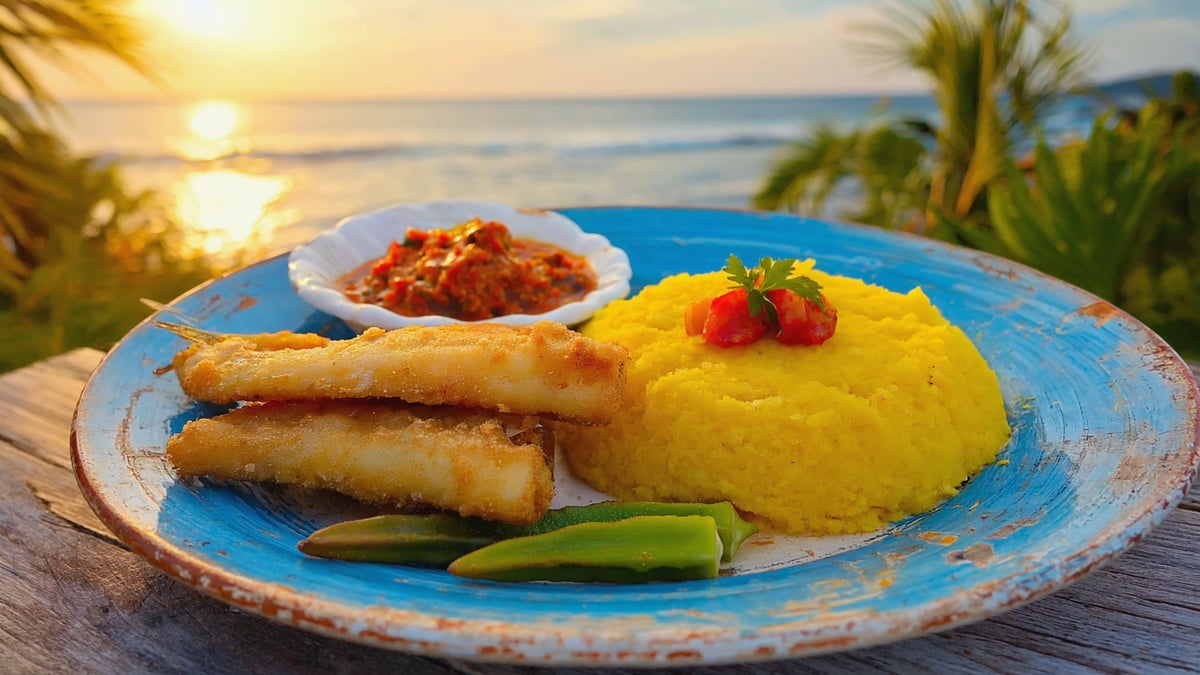
Barbadian cuisine is one of the most underrated food cultures in the Caribbean, blending African, British, Indian, and Portuguese influences into a cooking tradition that's both deeply rooted and constantly evolving. Eating well in Barbados requires very little effort — the challenge is knowing where to look beyond the resort.
The national dish, flying fish and cou-cou, is the perfect introduction to Bajan cooking. Flying fish — a species that genuinely flies (or glides) above the water's surface and which appears on the national coat of arms — is typically steamed or fried and served with cou-cou, a polenta-like dish made from cornmeal and okra. The combination sounds humble, but in the hands of a good cook it's deeply satisfying: the fish is delicate and fresh, the cou-cou is silky and rich, and the traditional gravy that brings them together is spiced with local herbs and peppers in a way that's uniquely Bajan.
Oistins Friday Night Fish Fry
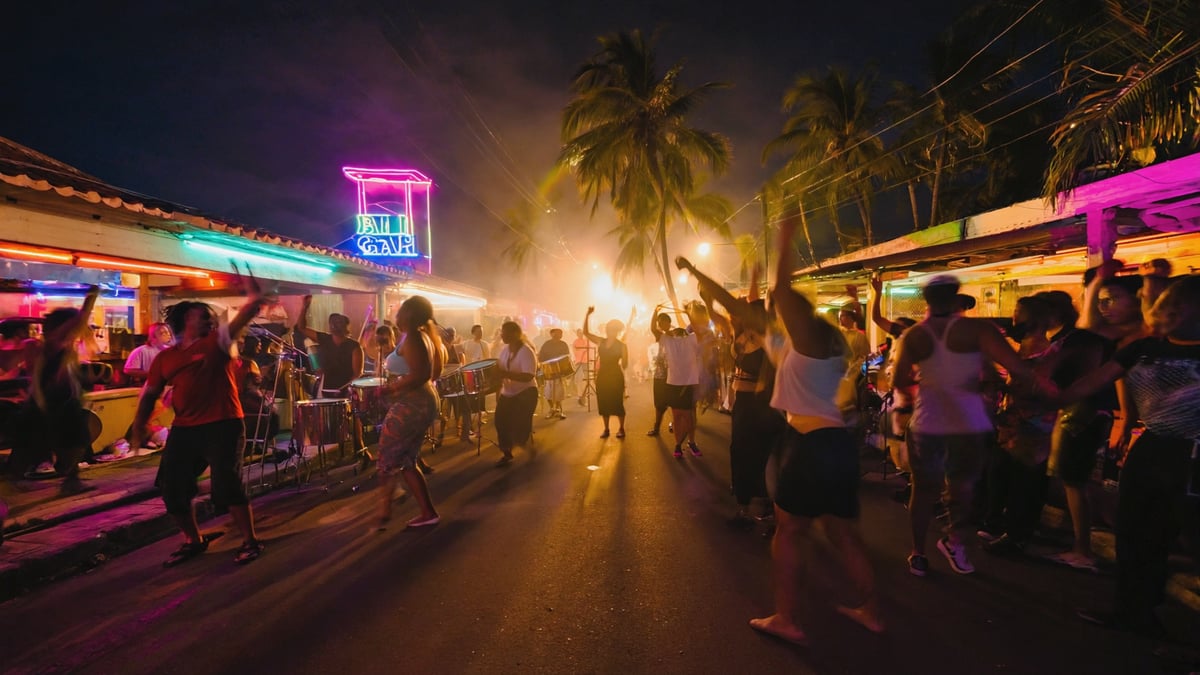
If you do nothing else in Barbados besides sit on a beach, go to Oistins Fish Fry on a Friday evening. This is not a tourist trap dressed up as a local experience — it's a genuinely local institution that tourists are warmly welcomed into. The fishing village of Oistins transforms every Friday (and Saturday) night into an outdoor food market where vendors grill fish, lobster, chicken, and pork over open coals, and the smell alone will make you hungry even if you've just eaten.
Pull up a plastic chair, order a grilled marlin fillet with macaroni pie and coleslaw, get a Banks beer or a rum punch, and watch the dancing. Local DJs play soca and reggae, the atmosphere is festive, and the prices are remarkably reasonable for the quality and quantity of food. It's the kind of evening that ends much later than you planned and generates the stories you'll tell when you get home.
Fine Dining and the New Bajan Food Scene
For a more formal dining experience, Barbados delivers at a level that surprises many first-time visitors. The west coast in particular has a concentration of excellent restaurants, many occupying beachfront settings where you can eat with your toes practically in the sand. The Cliff, Cin Cin by the Sea, and The Tides are consistently lauded for their combination of fresh seafood, creative cooking, and settings that make every meal feel like a special occasion. Reservations are advisable — these restaurants are popular year-round, and even more so during peak season.
Bridgetown itself has seen a flowering of interesting independent restaurants in recent years, many in the historic Garrison area or around Speightstown in the north. The food at these places tends to be more experimental, drawing on Bajan flavours but presented in contemporary ways that reflect the chefs' international training. If you're interested in food as a cultural experience rather than just sustenance, spending an evening exploring Bridgetown's restaurant scene is time well spent.
When to Visit Barbados: Seasons, Festivals, and the Best Time to Book
Barbados has one of the most reliably pleasant climates in the Caribbean, with year-round temperatures hovering between 24°C and 30°C. That said, there are meaningful differences between seasons that UK travellers should understand before booking.
The dry season, running broadly from December to May, is the classic peak travel period. Rainfall is minimal, humidity is lower, and the trade winds keep temperatures comfortable even at the warmest point of the day. This is also the period when the island is busiest and most expensive — particularly over the Christmas and New Year period, when prices can spike significantly. If you're planning a December or January trip, booking early (at least six months ahead) is strongly advisable.
The wet season, from June to November, brings more frequent (though usually brief) tropical showers and the small but real possibility of hurricane activity — Barbados is at the southern edge of the hurricane belt and has historically been less affected than islands further north, but it's worth checking your travel insurance carefully. The upside of travelling in the wet season is significant: prices drop considerably, the island is less crowded, and the landscape is at its most lush and green. September and October are the statistically wettest months, but even then, rain typically falls in short afternoon bursts rather than prolonged downpours.
Crop Over: Barbados's Greatest Celebration
If you can time your visit for July or early August, the Crop Over Festival is one of the Caribbean's most spectacular cultural events and a compelling reason to visit during the shoulder season. Crop Over began as a celebration of the end of the sugar cane harvest and has evolved into a weeks-long festival of music, costume, arts, and rum that culminates in Grand Kadooment Day — an enormous costume parade that takes over Barbados's highways in a riot of colour, music, and dancing that makes Rio's Carnival look understated.
Rihanna, Barbados's most famous cultural export, has been known to return for Crop Over, and the island's energy during this period is extraordinary. For UK travellers willing to embrace the noise and the crowds, visiting during Crop Over is genuinely a once-in-a-lifetime experience.
Cricket Season and the Kensington Oval
For UK cricket fans, timing a Barbados trip to coincide with an England tour of the West Indies is the ultimate combination of sport and holiday. Kensington Oval in Bridgetown is one of cricket's great cathedrals — the atmosphere for a Test match here, with the Bajans and the England Barmy Army creating competing walls of noise, is something no cricket lover should miss. Even if there's no international cricket during your visit, the oval and the Barbados Cricket Association museum are worth visiting.
Exploring Beyond the Beach: Activities and Experiences
Barbados rewards curiosity — the more you venture beyond your hotel or beach, the more the island reveals. There's an extraordinary amount to do for an island of its size, from underwater adventures to historical exploration to simple drives through the countryside.
Harrison's Cave
Harrison's Cave in the island's central St. Thomas parish is one of the Caribbean's most impressive natural attractions — a crystallised limestone cave system extending deep into the island's interior, featuring cathedral-like caverns, stalactites and stalagmites, underground streams, and waterfalls. Electric tram tours take visitors through the cave system, and the experience is genuinely dramatic. The cave maintains a natural temperature significantly cooler than the surface — a welcome relief in the midday heat. Book in advance, particularly during school holidays, as the cave can be busy.
Snorkelling, Diving, and Submarine Tours
The waters around Barbados are extraordinarily rich in marine life. The island sits where the Caribbean Sea meets the Atlantic Ocean, creating nutrient-rich currents that support diverse ecosystems. For snorkellers, the reefs along the west coast offer easy, shallow diving with excellent visibility. Turtles, colourful reef fish, and occasional rays are regular sightings.
For certified divers, the SS Stavronikita — a Greek freighter deliberately sunk in 1978 to create an artificial reef — is one of the Caribbean's most celebrated wreck dives. The ship lies at depths between 30 and 40 metres and has become encrusted with coral over the decades, creating a genuinely beautiful underwater landscape populated with fish, eels, and other marine life.
For non-divers who want to see the underwater world, the Atlantis Submarine offers narrated tours to depths of around 45 metres in a real submarine — a genuinely thrilling experience that children and adults find equally compelling.
Bridgetown: UNESCO World Heritage and Living City
Bridgetown's Historic Garrison and City Centre received UNESCO World Heritage status in 2011, recognising the exceptional preservation of the colonial-era architecture and fortifications. A walk through central Bridgetown takes you past Georgian-era buildings, the Careenage (the island's inner harbour, once the heart of colonial trade), and the Parliament Buildings — still in active use and one of the oldest parliamentary buildings in the Western Hemisphere.
The Garrison Historic Area — a collection of 18th-century British military buildings surrounding a race track still used for horse racing — is particularly atmospheric. The Barbados Museum, housed in the former military prison within the Garrison, is excellent: candid, well-curated, and genuinely illuminating about the island's full history, including the difficult chapters.
The Animal Flower Cave and the North Point
At the island's most northerly point, where the Atlantic crashes against dramatic cliff faces, the Animal Flower Cave sits at sea level — a sea cave accessible at low tide, populated with sea anemones (the "animal flowers" of the name) in rock pools, with windows in the cave wall that frame extraordinary views of the crashing Atlantic beyond. It's one of those places that photographs beautifully but is even better in person, with the sound and spray of the ocean filling the cave and the sense of being at the very edge of the island, looking out toward Africa.
Getting Around Barbados: Practical Transport Tips
Barbados is a small island and getting around is relatively straightforward, but understanding your options will save you both time and money. Grantley Adams International Airport is located on the south coast and is typically 20–30 minutes from most south coast resorts, 45–60 minutes from the west coast, and up to an hour from the north.
Taxis are widely available and drivers are generally honest and knowledgeable — many double as informal tour guides. Fares are set by the government (fixed rate cards are available at the airport), so there's no need to negotiate. For a full day of island exploration with a local driver, expect to pay around £80–£120 for a private taxi tour — excellent value given the local knowledge and flexibility you get.
Car hire is available from a number of local and international operators and allows the greatest flexibility for exploring the island at your own pace. You'll need to purchase a local driving permit (a straightforward process at the hire company), and remember that driving is on the left — which, for UK travellers, is one less thing to adjust to. Roads in the interior can be narrow and winding, but this adds to the adventure rather than being a genuine problem.
The ZR vans and public buses are the local way to travel and are cheap, frequent, and — on the right routes — genuinely efficient. They're also a social experience: Bajan bus culture involves music, conversation, and the kind of spontaneous interactions that don't happen in an Uber. If you're comfortable with a degree of unpredictability, using public transport for some of your journeys is highly recommended.
Booking Your Barbados Holiday with GlobeHunters
GlobeHunters has been helping UK travellers reach Barbados since 2003, and the island remains one of the agency's most popular long-haul destinations. The platform's real-time pricing from Duffel (flights), Hotelbeds (accommodation), and Viator (activities) means you're always seeing live availability and current prices — no nasty surprises at checkout.
Barbados packages with GlobeHunters typically start from around £1,299 per person for a week's holiday including return flights from London Gatwick, accommodation in a well-rated hotel or self-catering apartment on the south coast, and airport transfers. West coast and all-inclusive packages naturally sit higher — expect to budget from £1,799 per person for a week on the Platinum Coast with a quality hotel and half-board included.
For couples planning a honeymoon or anniversary trip, GlobeHunters' luxury Barbados packages — including boutique hotels and selected activities — start from around £2,299 per person. These packages can be customised with rum distillery tours, sailing trips, private beach dinners, and turtle-watching excursions booked through Viator's activity inventory.
GlobeHunters' team of travel specialists are available on 0208 944 4514 to discuss your specific requirements, suggest the right area of the island for your holiday style, and build a package that works for your budget and travel dates. Given the popularity of Barbados and the limited availability of quality accommodation during peak periods, early booking is strongly advisable — particularly for December–February travel and for Crop Over in July/August.
Where to Stay in Barbados: A Guide by Budget and Style
Barbados accommodation spans an extraordinary range, from basic guesthouses that cost less than a London hotel to some of the most exclusive resorts in the Caribbean. Knowing which part of the island suits your travel style is the most important decision — the beach and vibe you choose will shape your entire holiday.
Budget and Mid-Range: The South Coast
The south coast offers the best value accommodation on the island. Apartments and small hotels around Hastings, Worthing, and Dover typically cost between £80–£150 per night for a comfortable double, and many are within walking distance of the beach and the bars of St. Lawrence Gap. The south coast is best for travellers who want to be in the thick of things, enjoy nightlife, and are happy to explore rather than have everything delivered to their sun lounger.
Luxury and Romance: The West Coast
The west coast — particularly the St. James parish stretch of Platinum Beach — is where Barbados's luxury reputation lives. Hotels here range from boutique adults-only properties to large international resort brands with multiple pools, spa facilities, and private beach areas. Prices typically start from £250 per night for a standard room in a quality west coast hotel and rise sharply for suites and beachfront villas. The trade-off is worth it for many travellers: the west coast sunsets, the calm water, and the general sense of serene luxury are genuinely worth the premium.
Unique Stays: Plantation Houses and Boutique Hotels
For travellers who want something genuinely distinctive, Barbados offers a number of plantation house conversions and boutique properties that deliver a sense of place that generic resort hotels can't match. Several historic great houses have been converted into small luxury hotels — typically set in gardens inland from the coast, with pools and the sounds of the tropics rather than the sea. These properties are often the most characterful places to stay on the island and attract travellers who are interested in Barbados as a place with history and culture rather than just a beach destination.
Frequently Asked Questions: Barbados Holiday Planning
How long is the flight from the UK to Barbados?
Direct flights from London Gatwick to Grantley Adams International Airport take approximately eight to nine hours. British Airways and Virgin Atlantic both operate direct services. There are currently no direct flights from other UK regional airports, so travellers from outside London typically connect through Gatwick or Heathrow.
Do UK citizens need a visa to visit Barbados?
No visa is required for British citizens visiting Barbados for tourism purposes. You can stay for up to six months without a visa. You'll need a valid British passport (with at least six months' validity beyond your return date), a confirmed return or onward ticket, and proof of accommodation. The FCDO travel advice for Barbados is worth checking before departure for the latest entry requirements and safety information.
Is Barbados safe for tourists?
Barbados is considered one of the safer Caribbean destinations for tourists. Petty crime (bag snatching, opportunistic theft) does occur, particularly in busier tourist areas, and common-sense precautions — keeping valuables out of sight, not walking alone late at night in unfamiliar areas — are advisable. The FCDO does not advise against travel to Barbados, and violent crime targeting tourists is rare.
What currency is used in Barbados?
The Barbados Dollar (BBD) is the local currency, pegged to the US Dollar at a fixed rate of BBD 2 to USD 1. US Dollars are accepted virtually everywhere as a practical matter, and many tourist-facing businesses price in USD. However, you'll often get better value paying in local currency. UK travellers should note that pounds sterling are not widely accepted — exchange at the airport or use a fee-free travel card like Wise or Starling for the best rates.
What's the best area to stay in Barbados for families?
The south coast is generally the best area for families, particularly around Rockley and Worthing. The beaches here are calm and well-patrolled, there's a good range of family-friendly accommodation at sensible prices, and the proximity to Oistins, Bridgetown, and Harrison's Cave means there's plenty to keep children entertained. The west coast is also family-friendly but tends to be more expensive.
When is the best time to visit Barbados from the UK?
The dry season from December to May offers the most reliably sunny weather with minimal rainfall. January to March is particularly popular with UK travellers escaping winter. For those seeking better value and a more local atmosphere, the shoulder months of November and June offer good weather at reduced prices. Avoid September and October if you're nervous about rain — these are the statistically wettest months.
What is Crop Over and when does it happen?
Crop Over is Barbados's major cultural festival, celebrating the end of the sugar cane harvest. It runs from around mid-June to early August, culminating in Grand Kadooment Day (typically the first Monday in August). The festival includes calypso competitions, costume parades, food events, and concerts. It's an extraordinary cultural experience but the island is busier and louder during this period — which is a feature, not a bug, for the right traveller.
Can I drink the tap water in Barbados?
Yes — tap water in Barbados is safe to drink and is actually considered some of the purest in the Caribbean, drawn from underground coral limestone aquifers. This is one of the practical advantages of the island's geology.
What is flying fish and should I try it?
Absolutely yes. Flying fish is the national fish of Barbados, appearing on the coat of arms and in the national dish (flying fish and cou-cou). It's a mild, delicate white fish that's typically steamed or fried and served with a peppery creole sauce. You'll find it everywhere from beachside shacks to fine dining restaurants, and trying it is a genuine cultural experience as much as a culinary one.
Is Barbados good for a honeymoon?
Barbados is an excellent honeymoon destination. The west coast in particular — with its sunset beaches, luxury hotels, excellent restaurants, and romantic atmosphere — is ideally suited to couples celebrating a special occasion. Many hotels offer honeymoon packages including room upgrades, champagne on arrival, and private beach dinners. GlobeHunters' honeymoon Barbados packages start from around £2,299 per person and can be tailored to your specific preferences — call 0208 944 4514 to discuss.
What should I pack for Barbados?
Light, breathable clothing is essential — linen and cotton are ideal. Pack high-SPF sun cream (the Caribbean sun is significantly stronger than the UK), insect repellent for evening use, a light waterproof layer for the odd shower, and smart casual clothes for the better restaurants (many west coast restaurants have a dress code). If you plan to visit churches or historical sites, modest clothing that covers shoulders and knees is respectful. A rash vest for snorkelling is practical and protects against sunburn.
How do I book a Barbados holiday package with GlobeHunters?
You can browse live Barbados packages on the GlobeHunters holidays platform, which shows real-time pricing for flights, hotels, and activities. For personalised advice and package customisation, call the GlobeHunters team on 0208 944 4514 — the specialists can build a package around your specific dates, budget, and travel style. Packages are available for departures throughout 2026, with best availability for peak periods when booked at least four to six months in advance.
Your Barbados Holiday Awaits: Final Thoughts
Barbados is one of those rare destinations that exceeds expectations almost universally. People arrive expecting a beach holiday and leave having experienced something much richer: a country with genuine cultural depth, extraordinary food and drink, a warmth of welcome that's genuine rather than commercial, and a natural beauty that extends far beyond the coastline into the interior hills, the caves, the plantation gardens, and the starlit evenings on a rum shop terrace.
Whether you're planning a romantic escape, a family adventure, a solo expedition, or simply the long-haul beach holiday you've been promising yourself for years, Barbados has a version of itself that will suit you perfectly. The key is understanding the island well enough to plan a trip that matches your style — which is exactly what this guide has aimed to do.
GlobeHunters has been making Caribbean dreams happen for UK travellers since 2003. With packages starting from £1,299 per person including flights and accommodation, and a team of genuine travel specialists available on 0208 944 4514, there's no reason to let 2026 pass without experiencing Barbados for yourself. The rum will be cold. The sand will be pink. And the sunset will be exactly as good as everyone said.
Ready to book? Browse live Barbados packages on the GlobeHunters holidays platform or call 0208 944 4514 to speak with a Caribbean travel specialist today.
Ready to Book Your Caribbean Holiday?
Our travel experts are ready to help you plan the perfect trip. Call us today or browse our latest deals.
Ready to Start Planning?
Speak to our travel experts for personalised advice and the best deals on your next holiday.
Call 0208 944 4514Holiday Packages You Might Like
Curated trips matched to this guide — flights, hotels & experiences included.
More Articles
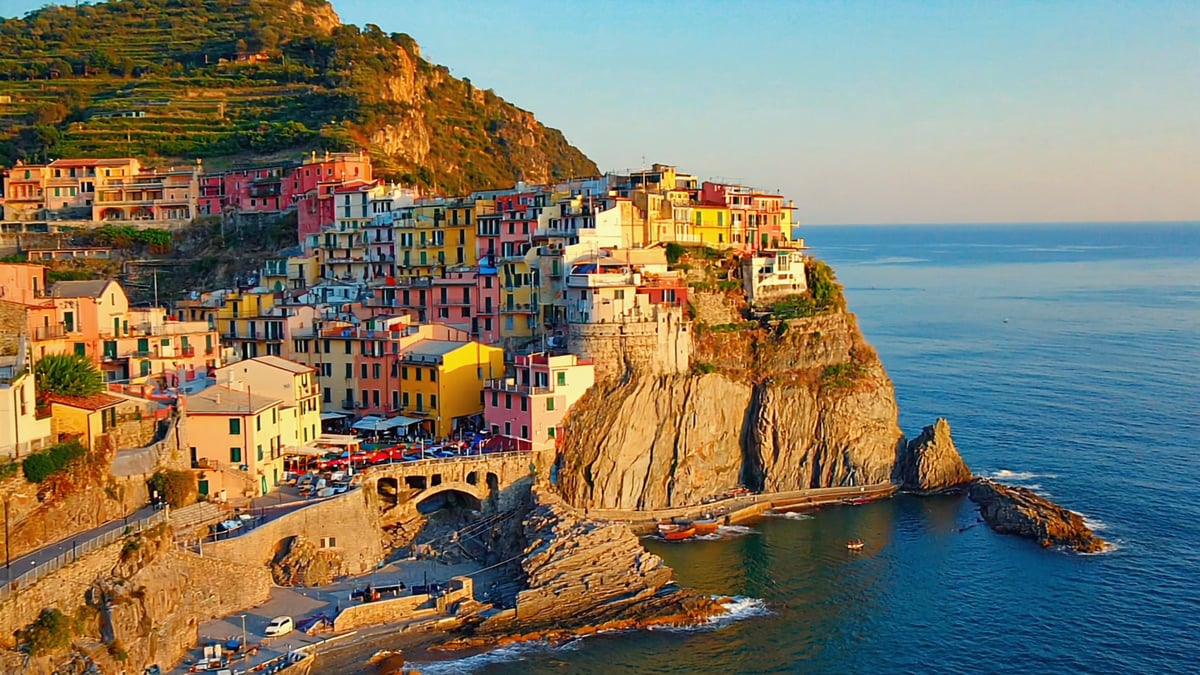
Amalfi Coast vs. Santorini: Which Mediterranean Escape is Right for UK Travellers?
Amalfi Coast or Santorini? Compare scenery, costs, best areas & UK package prices to find your perfect Mediterranean holiday. Honest advice from GlobeHunters.
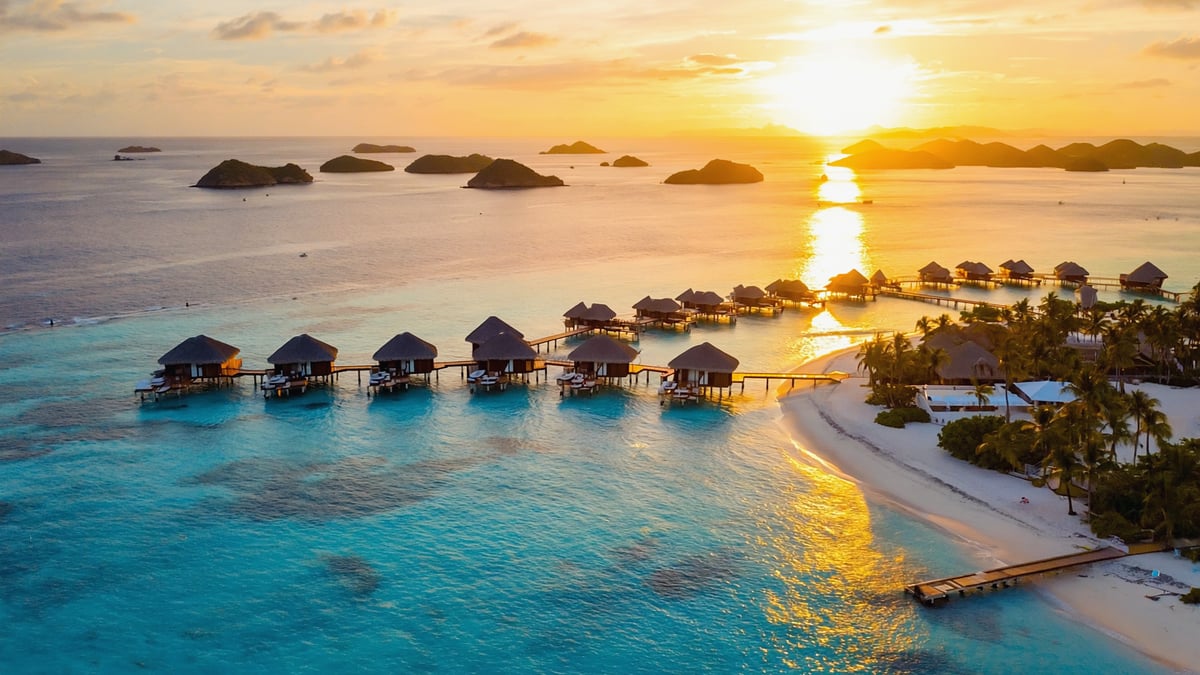
Maldives vs. Bora Bora: The Honest UK Traveller's Guide to Choosing Your Overwater Paradise
Maldives or Bora Bora? We compare costs, flights, resorts & experiences so UK travellers can choose the perfect luxury island escape. Packages from GlobeHunters.
Bora Bora Holiday Guide: Overwater Bungalows, Lagoons & UK Package Deals
Plan your Bora Bora holiday from the UK. Discover overwater bungalows, turquoise lagoons & GlobeHunters package deals. Flights, hotels & activities included.