Few European cities give you as much in a single short trip as Barcelona. In one long weekend you can wander medieval lanes, stand beneath Gaudí's still-unfinished basilica, eat your way through a covered food market and then flop onto a Mediterranean beach by mid-afternoon. That combination is exactly why Barcelona holidays sit so high on so many UK wish lists, and why they reward a little planning rather than a last-minute scramble.
This guide is written for the decisions a British traveller actually weighs up before booking: how many nights to commit, which neighbourhood will suit your group, how to do the Gaudí sights without queueing for hours or finding them sold out, what it honestly costs in pounds, and when in the year you'll have the best time. We've also been candid about the pickpocket reputation and Las Ramblas, because pretending otherwise helps no one.
Why Barcelona works as a city-and-beach break
Most city breaks force a trade-off. You pick a cultural capital and accept that beach time means a separate, longer holiday somewhere else. Barcelona quietly refuses that trade-off. The city is built right up against the sea, with a string of urban beaches a short metro ride or a flat walk from the historic centre. You can spend the morning inside the Gothic Quarter's cathedral cloister and the afternoon with your feet in the sand at Barceloneta, all without changing hotels or hiring a car.
That dual character is the single biggest reason Barcelona city breaks punch above their weight. A weekend feels like a proper holiday rather than a rushed sightseeing dash. Couples get romance and relaxation in the same trip. Families get culture the kids will actually remember plus a beach to burn off energy. Groups get tapas crawls, rooftop bars and a coastline to sleep off the night before. It's a rare destination that genuinely flexes to fit very different travellers.
Add the food, and the case gets stronger still. This is a city where a simple lunch of pan con tomate, grilled prawns and a glass of cava can be the highlight of a day, and where the Catalan dining clock runs late, so evenings stretch on in the best possible way.
How many nights? Matching the trip to your time
The most common question we field about Barcelona holidays from the UK is how long to go for. There's no single right answer, but there are clear sweet spots depending on what you want from the trip.
Three nights: the classic long weekend
Three nights (typically flying out Friday, back Monday) is the default Barcelona break and it works. You'll comfortably cover the headline Gaudí sights, wander the Gothic Quarter and El Born, eat extremely well and grab an afternoon on the beach. It's tight but not frantic. The trade-off is that you're choosing between depth and breadth, so you'll see the icons rather than the quieter corners.
Four nights: the comfortable middle
Add a fourth night and the whole trip relaxes. You gain a full extra day, which is usually the difference between ticking sights off a list and actually enjoying them. Four nights lets you fold in a proper beach day, a leisurely market lunch, or a half-day trip out to Montserrat or the Gaudí-designed Colonia Güell without feeling you've sacrificed the city itself. For most couples and first-timers, this is the length we'd nudge you towards.
Five to seven nights: city and coast, properly
A week unlocks the version of Barcelona that genuinely combines city and beach without compromise. You can give the city four or five days and then shift the pace, either by basing yourself near the coast for the back half of the trip or by pairing Barcelona with the nearby Costa Brava, where coves like those around Calella de Palafrugell and Tossa de Mar feel a world away from the urban buzz. Families and anyone after a slower holiday tend to find seven nights hits the spot. It's also where a tailored, multi-stop itinerary really earns its keep.
Where to stay: five neighbourhoods, five very different holidays
Barcelona is a city of distinct districts, and the one you choose shapes your entire trip far more than the hotel's star rating does. Here's how the main areas actually feel, and who each one tends to suit.
Gothic Quarter and El Born: history on your doorstep
The Barri Gòtic and neighbouring El Born are the atmospheric medieval heart of the city, a maze of narrow stone lanes, hidden squares, the cathedral, the Picasso Museum and the spectacular Santa Maria del Mar church. Staying here means you step out of your hotel straight into the Barcelona of the postcards.
Suits: first-timers and couples who want to be in the thick of it and walk everywhere. Trade-off: these lanes are lively and noisy late into the night, the streets can feel cramped, and it's the area where you most need to keep an eye on your belongings. Light sleepers should ask for a room off the main pedestrian drags.
Eixample: elegant, central and easy
The Eixample is the grand grid of wide, tree-lined avenues laid out in the nineteenth century, home to the Modernist showpieces Casa Batlló and La Pedrera and within easy reach of the Sagrada Família. It's more spacious and orderly than the old town, with excellent shopping, smart restaurants and superb metro links.
Suits: couples wanting a touch more polish, anyone who values quieter nights and bigger rooms, and travellers who like a central base without the old-town crush. Trade-off: it's a little less postcard-charming and prices in the prime stretches around Passeig de Gràcia run high. The right Spain city break holidays base for many is somewhere in the Eixample, close to a metro stop.
Barceloneta and the beachfront: sea on your doorstep
If your idea of Barcelona leans heavily on that city-and-beach mix, basing yourself near Barceloneta or the Port Olímpic puts the sand at the end of your street. Mornings start with a sea breeze, you can swim before breakfast, and the old fishermen's quarter still serves some of the best seafood in town.
Suits: beach-first travellers, summer visitors, and groups who want to roll from the sand to a seafood lunch to a beach bar. Trade-off: you're a metro ride from the main sights rather than on top of them, the immediate beachfront gets very busy in peak summer, and a few blocks are touristy. Pick your hotel with care and it's a lovely, breezy base.
Gràcia: the local, village-like favourite
Just north of the Eixample, Gràcia feels like a separate town that the city grew around: leafy plazas full of locals nursing vermouth, independent shops, neighbourhood restaurants and a relaxed, bohemian pace. Park Güell sits on its upper edge.
Suits: repeat visitors, anyone who wants to feel they're living in Barcelona rather than touring it, and travellers who prize evenings among locals over being steps from the cathedral. Trade-off: you're a short metro hop from the centre and the beach, so it's better for a slower, second-time trip than a sights-packed first weekend.
So who lands where?
- First-time couples: Gothic Quarter or El Born for atmosphere, or the Eixample for comfort and quiet.
- Families: the Eixample for space and easy transport, or near Barceloneta if the beach is the priority.
- Groups and stag/hen trips: the old town and beachfront for nightlife and walkability.
- Returning travellers: Gràcia, for the local, lived-in side of the city.
Doing Gaudí properly, without the queues and sell-outs
Antoni Gaudí's buildings are the reason many people come to Barcelona, and they're the single area where a little forward planning makes the biggest difference to your holiday. The honest truth is that the major Gaudí sights run on timed-entry tickets and routinely sell out days, sometimes weeks, ahead in busy periods. Turning up on spec and hoping to walk in is how people end up staring at the outside of the Sagrada Família wishing they'd sorted it sooner.
Sagrada Família
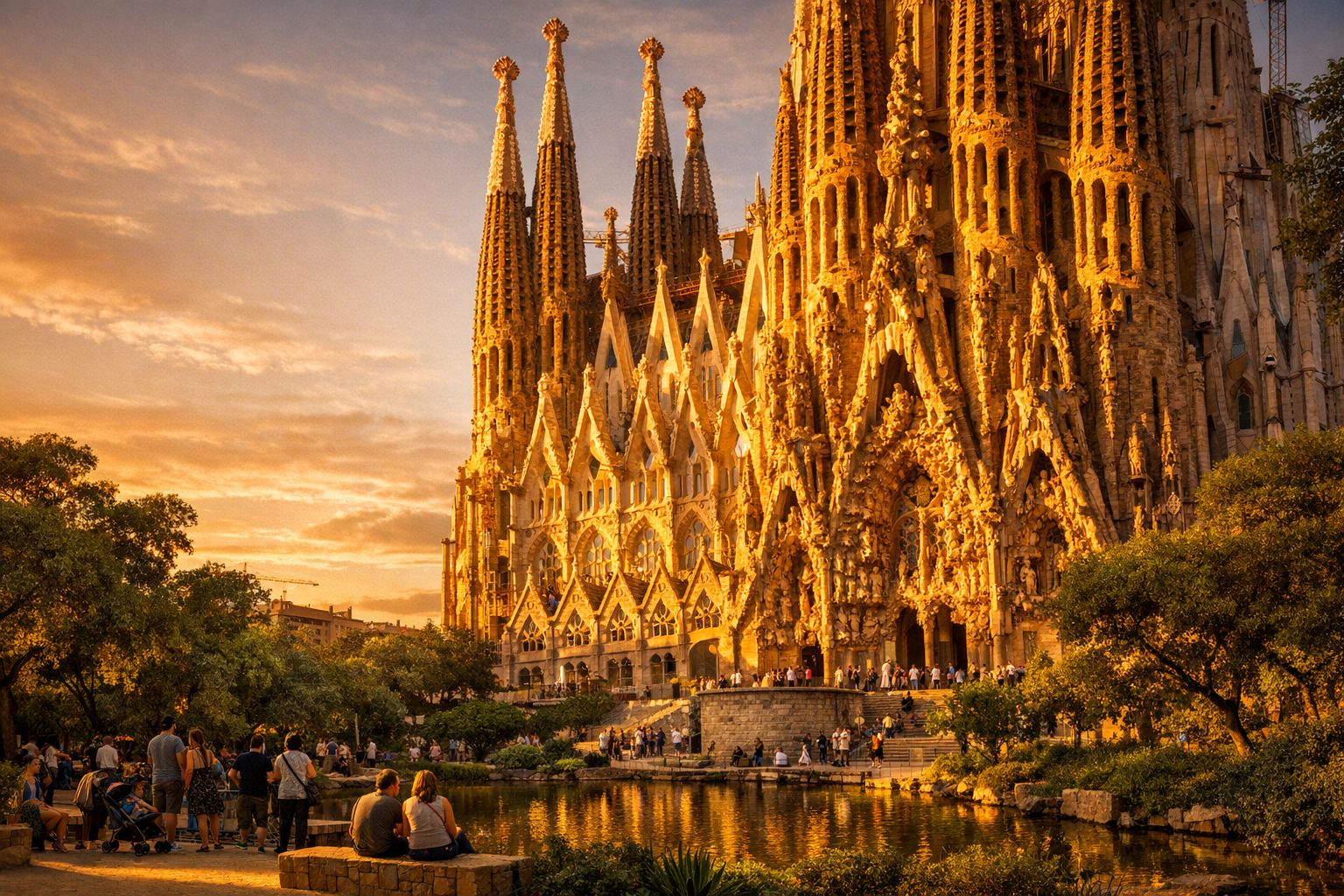
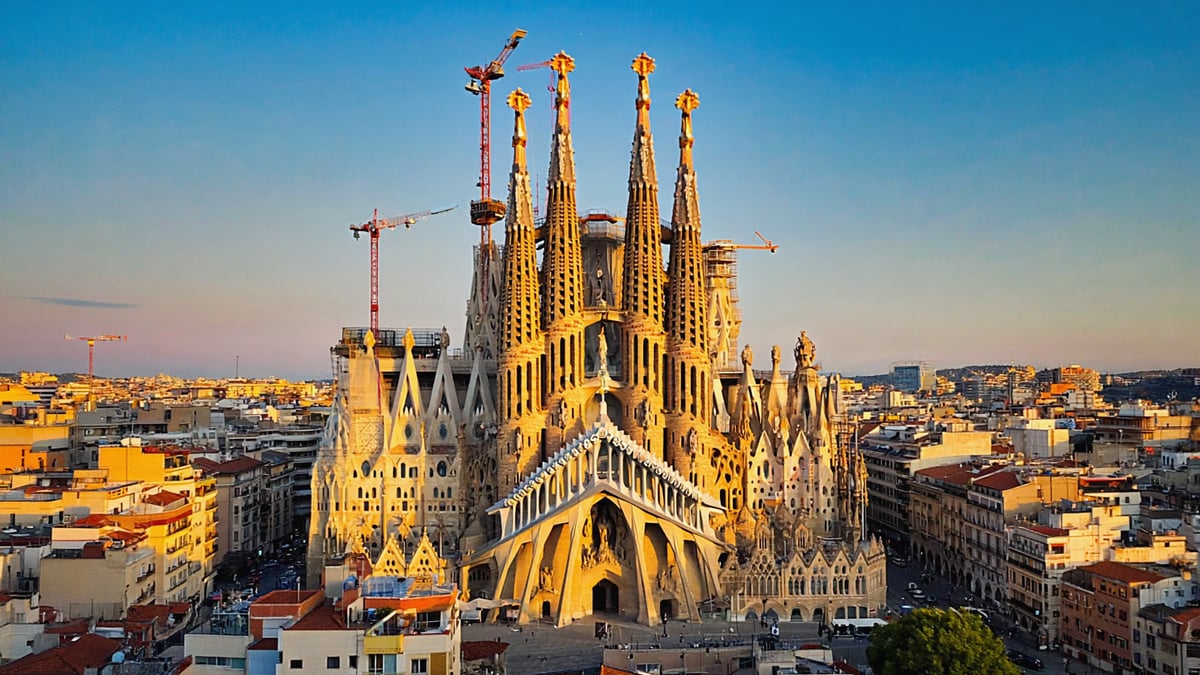
Gaudí's extraordinary, still-unfinished basilica is unmissable, and the interior, with light pouring through stained glass onto forest-like columns, is the bit people remember forever. Entry is by timed slot. To get the most from it, choose a slot in the morning when eastern light fills the nave, or late afternoon for the western windows. If you want to climb one of the towers for the views, that's a separate add-on and worth booking together with your entry. This is the one sight we'd urge you to lock in before you travel.
Park Güell
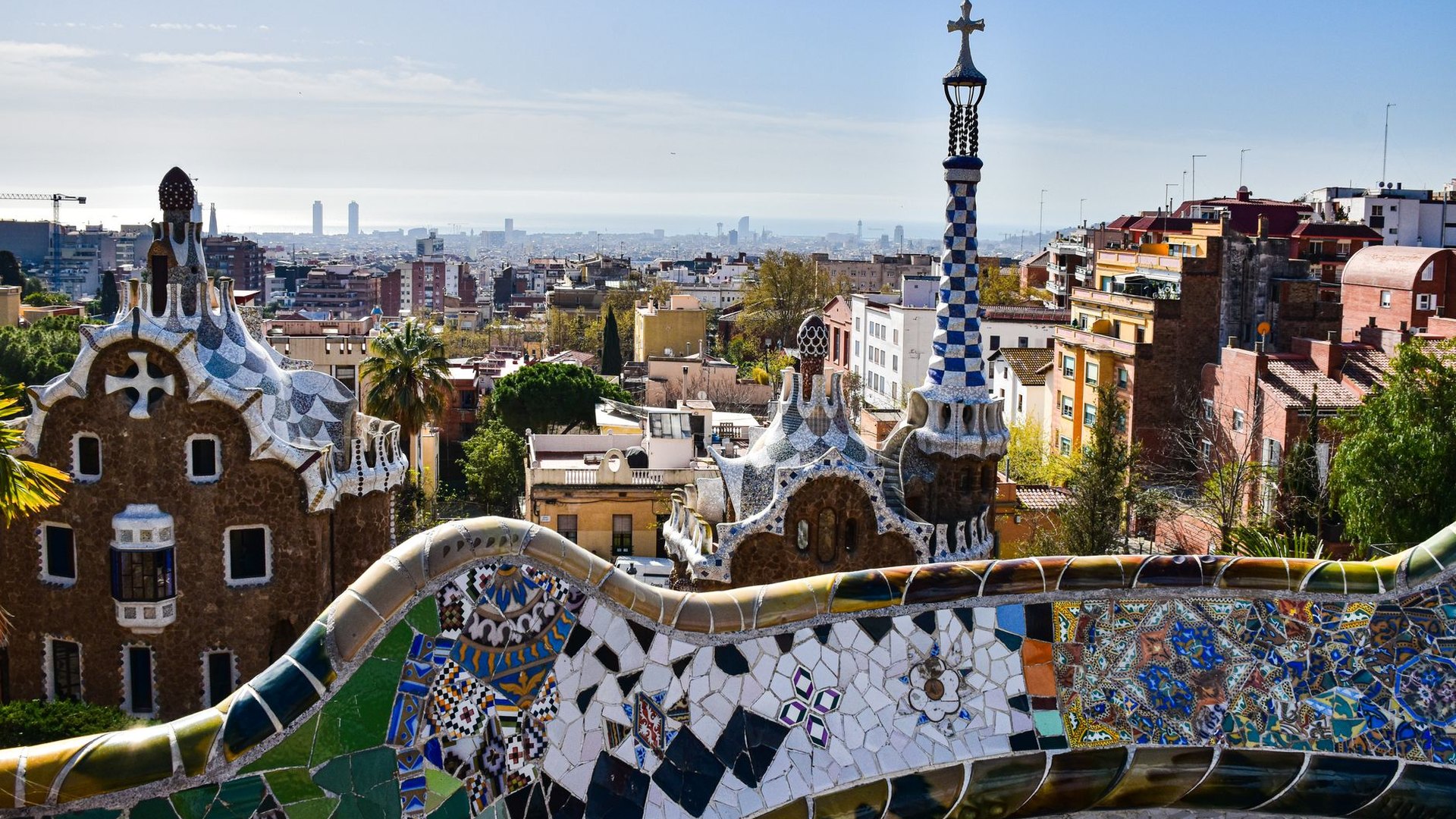
The whimsical, mosaic-tiled park on Carmel Hill is the second Gaudí essential. The key thing UK visitors miss is that the famous Monumental Zone, the part with the serpentine bench, the gingerbread gatehouses and the dragon staircase, is ticketed and capped, while the wider park is free to roam. Book a timed entry for the Monumental Zone, ideally early to beat both the crowds and the midday heat, and allow time for the uphill walk or the bus, as it sits above the city.
Casa Batlló and La Pedrera (Casa Milà)
These two Modernist townhouses on and near Passeig de Gràcia are easier to slot in and don't always sell out as far ahead, but they're far better with a pre-booked slot than queued for on the day. Casa Batlló is the more theatrical, dragon-scaled façade and dreamlike interior; La Pedrera's undulating stone front and rooftop of warrior-like chimneys is the other. If you only have time for one, most first-timers pick Casa Batlló.
A practical tip that saves real holiday time: don't try to cram all four into one day. Pair the Sagrada Família with a relaxed lunch nearby, then keep Park Güell for a separate morning. When we arrange a tailored trip, we'll sequence the Gaudí sights with sensible timings and pre-arranged entries built in, precisely so you're not the family standing in a sold-out queue.
The city-plus-beach combination that makes Barcelona special
It's worth dwelling on the beaches, because they're central to why Barcelona beats most rival city breaks. The city stretches several kilometres of sand along its waterfront, from the busy, sociable Barceloneta nearest the old town to the quieter, more local stretches further north-east like Bogatell and Mar Bella. They're proper, swimmable Mediterranean beaches with showers, loungers, beach bars (chiringuitos) and a long seaside promenade for evening strolls.
The magic is the rhythm it allows. A typical day might be a morning of sightseeing, a long lunch, a couple of hours on the sand, a shower and a siesta back at the hotel, then out for tapas as the city cools. That blend of culture and downtime in a single day is something a landlocked city simply can't offer, and it's why couples find Barcelona romantic and families find it manageable.
If you want wilder, quieter coastline, the Costa Brava begins less than two hours north and is easy to fold into a longer, tailored itinerary, while the wine country of the Penedès, home to Catalonia's cava, makes a lovely day out inland.
When to go: getting the weather and crowds right
Timing matters more in Barcelona than in many city-break destinations, because summer brings real heat and real crowds.
- Spring (roughly April to June): arguably the best window. Warm, comfortable days, sea warming up, long daylight, gardens in bloom and the worst of the crowds yet to arrive. Ideal for sightseeing-plus-beach.
- Autumn (September to October): the other sweet spot. The sea is at its warmest after a summer of sun, temperatures ease to pleasant, and the city exhales as peak season fades. Excellent for couples.
- High summer (July and August): hot, humid and busy, with the beaches and major sights at their most crowded and prices at their highest. It absolutely works if you're beach-focused and don't mind queues, but the midday heat makes hard sightseeing a slog. Many locals leave in August, so some smaller restaurants close.
- Winter (November to March): mild by UK standards, far quieter and better value, with the icons all open. Too cool for the beach, but a brilliant time for a culture-and-food city break without the throngs.
If you can be flexible, aim for the shoulder months. You'll get warm weather, do the Gaudí sights in comfort and avoid the worst of the summer prices.
What a Barcelona holiday actually costs, in pounds
Honest budgeting helps you plan, so here's a realistic picture in GBP. These are typical guide figures for two people and will shift with season, how far ahead you book and how you like to travel; treat them as a sense check rather than a quote.
- Flights from the UK: often around £60–£150 return per person on a low-cost carrier in the shoulder seasons, rising in school holidays and summer. Book early for the best fares.
- Hotels: a comfortable, well-located three-star runs roughly £90–£150 a night for a double; smart four-stars in the Eixample or near the beach more like £150–£260; characterful boutique and five-star properties climb from there.
- Eating and drinking: a relaxed tapas dinner with wine is often £25–£45 a head; a casual lunch or menu del día far less; a beachfront seafood blow-out more. A coffee is a couple of pounds.
- Gaudí and sights: Sagrada Família entry is around £22–£35 depending on whether you add a tower; Park Güell's Monumental Zone roughly £9–£13; Casa Batlló around £30–£40. Budget £80–£120 per person to do the main Gaudí sights properly.
- Getting around: the metro is cheap and excellent; a multi-trip travel card is the sensible buy. An airport transfer or taxi into town is modest and quick.
Pulling it together, a well-organised three or four-night break for a couple, flights, a good central hotel, the main sights and eating out well, commonly lands somewhere in the region of £500–£900 per person in the shoulder seasons, more in peak summer or at the luxury end. Because we package Barcelona package holidays with flights, hotel and transfers together, the value often works out better than piecing it together yourself, and there's a single point of contact if anything needs changing.
Getting there: a short hop from the UK
One of Barcelona's quiet advantages is how close it is. Direct flights run from airports right across the UK, London, Manchester, Birmingham, Edinburgh, Glasgow, Bristol and more, with a typical flying time of around two to two and a half hours. That's short enough to leave after work on a Friday and be eating dinner in the Gothic Quarter the same night, and short enough that a long weekend doesn't feel dominated by travel.
Barcelona's main airport, El Prat, sits about 15 kilometres south-west of the centre and is well connected by train, metro, the Aerobus and taxis, so you're in your neighbourhood within half an hour or so of landing. When we arrange your trip, we'll build the transfer in so you're not working it out tired at the airport.
Who Barcelona suits: couples, families and groups
Couples
Barcelona is an easy sell for couples: candlelit dinners in El Born, sunset from the Bunkers del Carmel or a rooftop bar, a lazy beach afternoon and architecture that genuinely takes your breath away. A four-night break in the Eixample or old town, with a couple of standout dinners and the Gaudí highlights pre-arranged, is a romantic short holiday that doesn't need a special occasion to justify it.
Families
It's a surprisingly brilliant family city. The beaches keep younger children happy, the Sagrada Família and Park Güell feel like something out of a storybook, and there's the aquarium, the cable car, the magic fountain show at Montjuïc and plenty of green space. Choose accommodation with a bit of room and good transport links, lean towards the shoulder seasons to dodge the worst heat, and a week here is a holiday everyone remembers.
Groups
For friends, celebrations and stag or hen trips, Barcelona delivers walkable nightlife, tapas crawls, beach clubs and rooftop bars, with the bonus of daytime culture to balance the late nights. Larger groups often benefit most from having someone arrange the logistics, hotels close together, the right area, transfers, so the planning doesn't fall on one person.
The honest bit: pickpockets and Las Ramblas
Barcelona is a safe city for visitors in the ways that matter, with very little of the violent crime that worries some travellers. What it does have a real reputation for is opportunistic pickpocketing, particularly in crowded tourist hotspots, on the metro, and above all along Las Ramblas. It's worth knowing, not to put you off, but so you can enjoy the city relaxed rather than paranoid.
A few sensible habits cover it: keep wallets and phones in front pockets or zipped bags, don't drape a bag over a café chair back, be alert in crushes and around distractions, and use the hotel safe for passports and spare cash. That's genuinely most of it.
As for Las Ramblas itself, the famous tree-lined boulevard down to the waterfront, our honest take is that it's worth a single stroll to see the Boqueria market and the Liceu opera house, but it's the most crowded, most pickpocket-prone and most tourist-priced street in the city. Don't plan to eat or drink on it, and don't mistake it for the real Barcelona. The far better wandering is a few streets either side, in the Gothic Quarter and El Born, where the city's actual character lives.
Key Takeaways
- Length: three nights for a classic long weekend, four for comfort, five to seven to combine city and coast properly.
- Where to stay: Gothic Quarter/El Born for atmosphere, Eixample for space and quiet, Barceloneta for the beach, Gràcia for a local feel.
- Gaudí: pre-arrange timed entries for the Sagrada Família and Park Güell especially, they sell out, and don't cram all the sights into one day.
- When: spring and autumn are the sweet spots; high summer is hot and crowded; winter is quiet and good value.
- Honest caveat: mind your belongings in crowds and on Las Ramblas, then relax and enjoy a genuinely safe, welcoming city.
Barcelona Holidays: Your Questions Answered
How many days do you need in Barcelona?
Three nights is enough for the highlights, four is more comfortable, and five to seven lets you combine the city with proper beach time or a trip out to the Costa Brava. For a first visit, four nights is the length most people are happiest with.
Is Barcelona good for a beach holiday as well as a city break?
Yes, and that's its great strength. The city has several kilometres of swimmable Mediterranean beach within easy reach of the centre, so you can pair sightseeing and sand in the same day without changing hotels or hiring a car.
When is the best time to visit Barcelona?
Spring (April to June) and autumn (September to October) offer warm weather, a swimmable sea and far fewer crowds than high summer. July and August are hot and busy; winter is mild, quiet and good value but too cool for the beach.
Do I need to book the Sagrada Família and Park Güell in advance?
For the Sagrada Família, very much so, it runs on timed entry and regularly sells out. Park Güell's Monumental Zone is also capped and best pre-booked. We build pre-arranged entries into tailored trips so you don't miss out.
How long is the flight to Barcelona from the UK?
Around two to two and a half hours direct from most UK airports, which makes it ideal even for a long weekend.
Is Barcelona safe?
Yes. Serious crime against tourists is rare, but opportunistic pickpocketing is common in crowds, on the metro and along Las Ramblas. Keep valuables secure and use a little common sense and you'll have no trouble.
Is Barcelona expensive?
It's mid-range for a European city break. Flights from the UK are often modest in the shoulder seasons, and you can eat extremely well without spending a fortune. A well-organised three or four-night couple's break commonly lands around £500–£900 per person outside peak summer.
Plan Your Barcelona Holiday with GlobeHunters
Barcelona rewards a trip that's been thought through, the right neighbourhood for your group, the right number of nights, and the Gaudí sights pre-arranged so the queues and sell-outs are someone else's problem. That's exactly what we do. We put together tailored Barcelona holidays from the UK with flights, hotels, transfers and experiences arranged around how you like to travel, whether that's a romantic long weekend, a family week of city and beach, or a celebration with friends.
Tell us your dates, your group and roughly what you'd like to see, and we'll build a quote around it. Browse our Barcelona holiday packages for inspiration, take a look at the wider range when you browse holiday packages, or simply enquire / get a quote and speak to our Barcelona specialists. Request a tailored quote today and we'll do the planning, so you can get straight to the tapas.
Ready to Start Planning?
Speak to our travel experts for personalised advice and the best deals on your next holiday.
Call 0208 944 4514