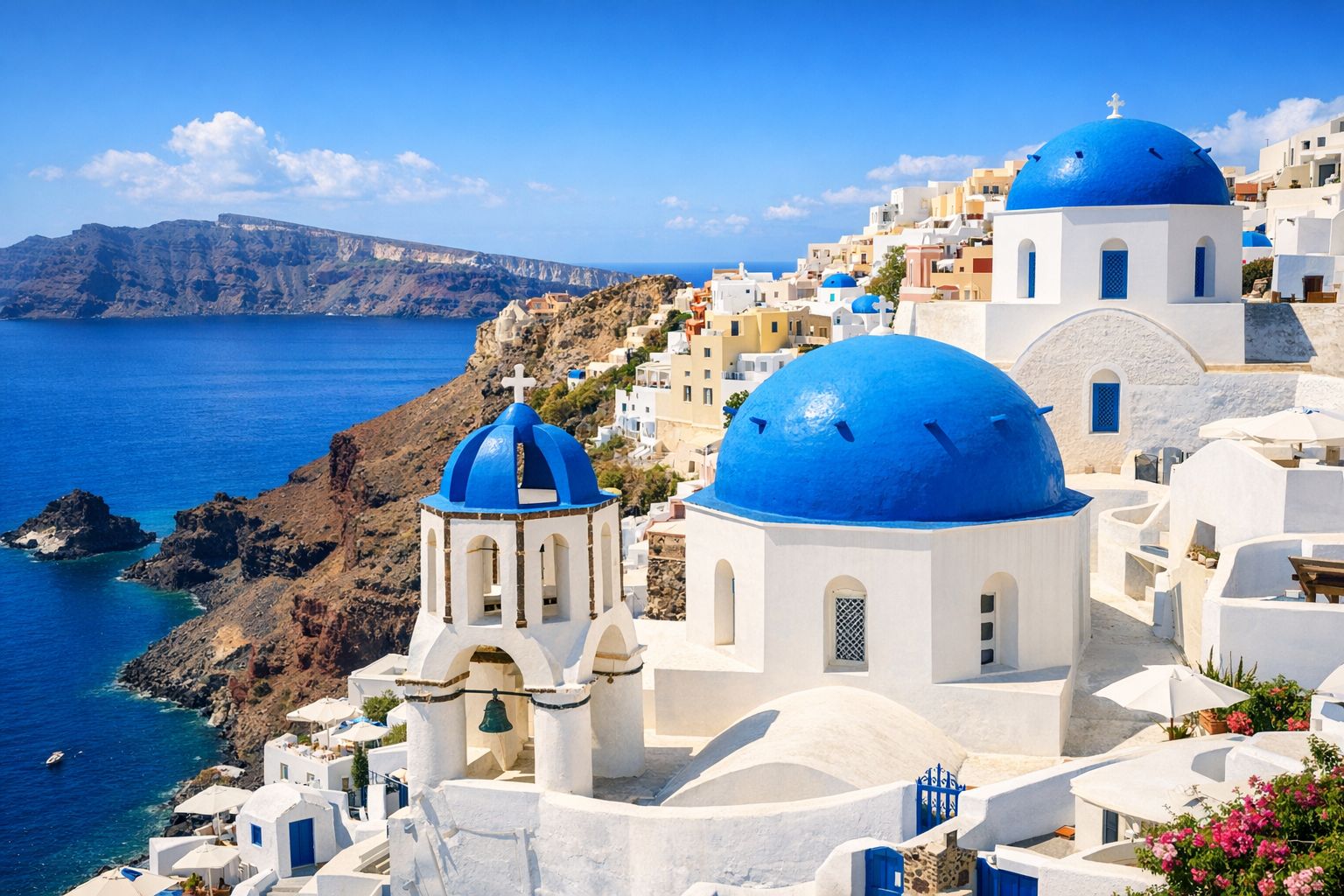
Cape Town is one of the few long-haul destinations that rewards the flight twice over: once when you land and again every time the exchange rate works in your favour. For UK travellers it sits in an unusual sweet spot. There is almost no jet lag, English is spoken everywhere, the food and wine punch far above their price, and a flat-topped mountain rises straight out of the middle of the city. You can spend a morning on a beach where two oceans meet, an afternoon tasting world-class Chenin Blanc in a 300-year-old wine estate, and watch the sun drop into the Atlantic with a plate of fresh seafood in front of you - all in a single day.
The catch is that Cape Town is not a place you can switch off and let happen to you. Where you stay completely changes the trip, the weather has a personality, and it works far better as part of a wider South African journey than as a city break in isolation. This guide is written for the decisions a UK buyer actually weighs up: which neighbourhood suits you, when to travel, how to add a safari or the Garden Route, what it honestly costs in pounds, and how to stay sensible without spending the holiday on edge.
Why Cape Town Earns the Long Flight
Most long-haul holidays ask you to choose: beaches or culture, nature or nightlife, relaxation or adventure. Cape Town refuses to make you pick. In one compact region you have a genuine world city, a mountain range that drops into the sea, penguins on a white-sand beach, and the oldest wine country in the southern hemisphere - all within an hour of each other.
For British travellers there are practical wins too. South Africa is only one or two hours ahead of UK time, so you arrive without the body-clock wreckage that ruins the first days of a trip to Asia or the Americas, and there is no visa to arrange for a standard tourist stay. Because Cape Town's high season is our deep winter, you can swap a grey January for blue skies and 27 degrees. The strong pound does the rest: a meal, a bottle of excellent wine or a private guide that would feel like a splurge at home becomes an everyday pleasure here.
Choosing Your Base: The Decision That Shapes the Whole Trip
This is the single most important choice you will make, and it is where a tailored holiday earns its keep. Cape Town is spread out, and the four main areas where holidaymakers stay feel like four different trips. Picking the right one for how you travel matters more than the star rating of the hotel.
V&A Waterfront: Easiest and Safest-Feeling
If this is your first time in Cape Town, you are travelling with family, or you simply want to step out of the hotel and walk somewhere nice without thinking twice, the V&A Waterfront is the natural choice. It is a working harbour redeveloped into a polished, walkable district of restaurants, shops, an excellent aquarium and the departure point for boats to Robben Island. It is patrolled, well lit and busy late into the evening, which is exactly why nervous first-timers gravitate to it.
The trade-offs are honest ones. The Waterfront is the most expensive area to stay, it can feel a little manufactured and tourist-heavy, and you are not in a residential neighbourhood with much local texture. But for ease and a base you can walk around after dark, nothing else in the city competes. It suits first-timers, multi-generational families and anyone who wants the holiday to feel effortless.
Camps Bay and the Atlantic Seaboard: Beach-Club Glamour
On the far side of the mountain, facing the Atlantic, sit Camps Bay, Clifton, Bantry Bay and Sea Point. This is Cape Town at its most glamorous: a palm-lined beachfront strip backed by the dramatic Twelve Apostles peaks, with cocktail bars, sundowner terraces and some of the best sunset views on the planet. Clifton's four sheltered coves are the prettiest beaches in the city; Camps Bay is the place to be seen.
Two honest caveats. The Atlantic here is genuinely cold, so many people paddle rather than swim. And Camps Bay is a 15 to 20 minute drive from the city centre, so you will rely on taxis or a car for museums, the Waterfront and restaurants in town. It suits couples, honeymooners and anyone whose idea of a holiday is a lounger, a sea view and a long evening of sundowners. Sea Point, slightly cheaper and with a wonderful seafront promenade, is the sensible-value alternative on the same coast.
City Bowl and De Waterkant: For Travellers Who Like a City
The City Bowl is the historic heart, cradled in the natural amphitheatre below Table Mountain. Stay here - or in the stylish, village-like quarter of De Waterkant - and you are within walking distance of the best of Cape Town's culture: the Company's Garden, the Zeitz MOCAA contemporary art museum, the colourful Bo-Kaap, Long Street's bars and the buzzing food and design scene around Bree Street. This is where the city feels most alive and most creative.
It is also the area that most rewards a bit of street sense. The City Bowl is perfectly fine by day and lively at night in the busy zones, but it is a real working city centre, so you stick to the well-trodden streets after dark and take a taxi for anything further out. It suits independent travellers, returning visitors and people who would rather feel part of a city than parked beside a beach. De Waterkant in particular gives you cobbled charm and good security in one neat package.
Constantia and the Winelands Edge: Green, Quiet and Grown-Up
Tucked behind the mountain in a leafy valley of vineyards and oak-lined lanes, Constantia is Cape Town's most peaceful, upmarket option - and it is still inside the city, roughly 25 minutes from the centre. This is the oldest wine-producing area in the country, home to historic estates like Groot Constantia, with manor-house hotels, spa retreats and a slower, greener pace. You can taste serious wine without leaving your base.
The trade-off is straightforward: you are out of the action and will drive for everything, so it works best with a hire car or private transfers. It suits couples after tranquillity, wine lovers, and anyone who wants the calm of the Winelands while keeping the airport and city within easy reach. Many of our clients split their stay - a few nights in Constantia or the Waterfront to settle in, then a few on the Atlantic Seaboard for the beach finale.
The Three Pillars: Table Mountain, the Cape Peninsula and the Winelands
Almost every great Cape Town holiday is built on the same three experiences. Get these right and the rest is detail.
Table Mountain
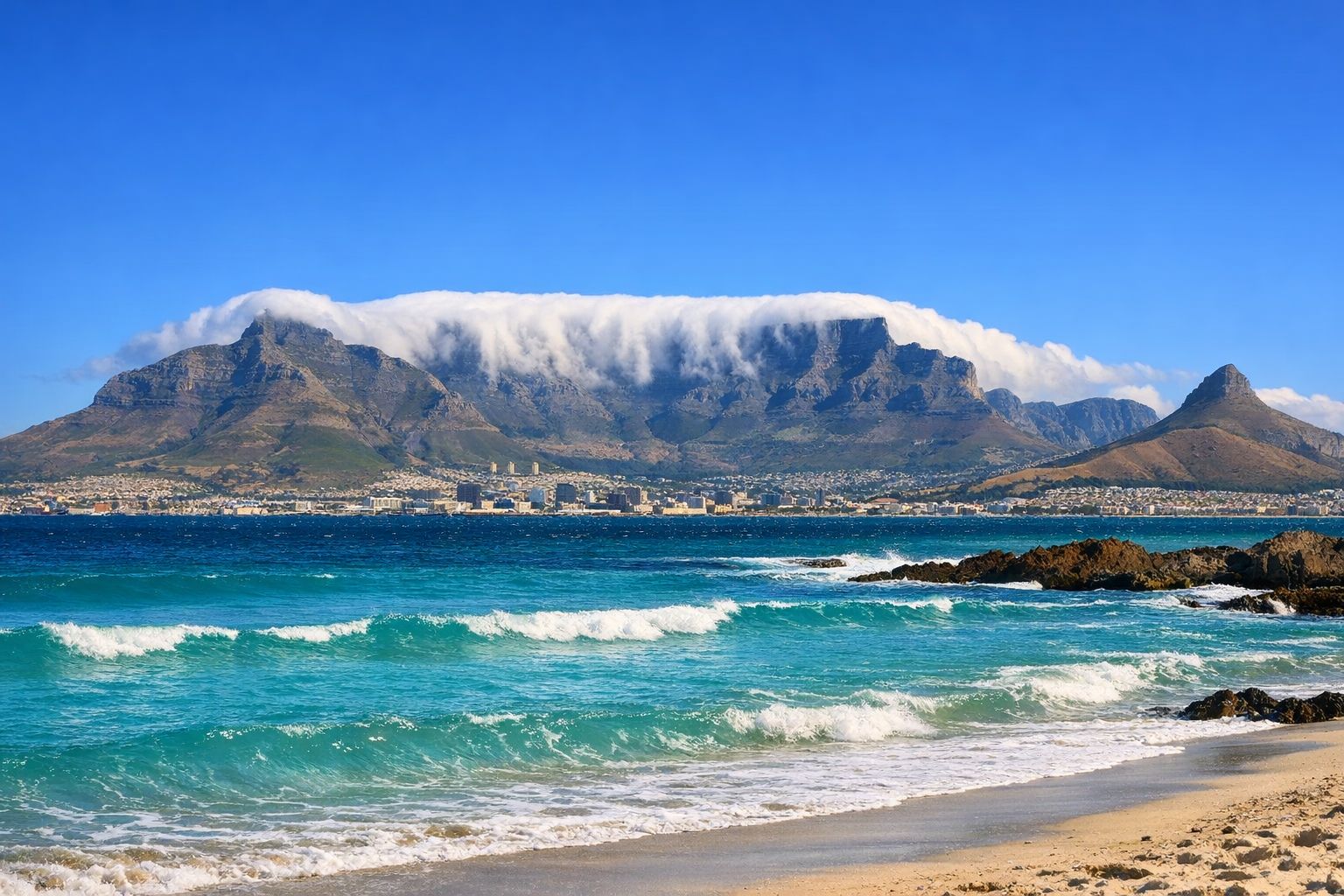
The flat-topped mountain that defines the skyline is not just a view - it is a 1,000-metre-high nature reserve you can stand on top of. The revolving cable car carries you to the summit in about five minutes, where short, easy trails lead to viewpoints over the whole peninsula. The golden rule is to go up on a clear, still morning the moment the chance appears. The mountain makes its own weather: the famous "tablecloth" of cloud can roll over the top within an hour and the cable car closes in high wind. Treat it as the flexible centrepiece of your trip rather than a fixed appointment. The fitter can hike up via Platteklip Gorge; most people take the car up and walk a little at the top.
The Cape Peninsula
A full-day loop down the peninsula is, for many visitors, the highlight of the whole trip. The classic route runs along Chapman's Peak Drive - a cliff-hugging toll road that is one of the most spectacular coastal drives anywhere - down to the Cape of Good Hope and Cape Point at the dramatic, wind-scoured tip. On the way back you stop at Boulders Beach to walk the boardwalks among a colony of African penguins, and at the naval town of Simon's Town on the warmer False Bay side. A private guide-driver for the day turns this from a logistics exercise into one of the best days you will have in Africa.
The Cape Winelands
Less than an hour inland, the towns of Stellenbosch, Franschhoek and Paarl sit among some of the most beautiful vineyards on earth, framed by jagged mountains and Cape Dutch architecture. Franschhoek - the self-styled food and wine capital - even runs an open-top hop-on, hop-off wine tram between its estates, which neatly solves the who-is-driving problem. You can visit on a day trip from the city, but the Winelands genuinely deserve an overnight stay: long lunches, world-class restaurants and the chance to taste without watching the clock. For many couples this is the romantic high point of the holiday.
When to Go - and the Honest Truth About the Wind
Cape Town's seasons are the mirror image of ours, which is precisely what makes it such a tempting winter escape. Here is the honest picture by season.
- November to March (their summer, our winter): the peak. Long, hot, dry days, blue skies and buzzing beaches, with temperatures often in the high 20s. This is the best time for swimming, sundowners and the beach lifestyle - and the reason a UK December or January here feels like a different planet. It is also the busiest and priciest window, and December into early January books up well ahead, so plan early.
- The wind, told straight: Cape Town summer brings the "Cape Doctor", a strong south-easterly wind that can blow for days, especially in high summer. It clears the air and keeps things fresh, but it can ruin a beach afternoon and shut the Table Mountain cable car. It is not a reason to avoid summer - it is simply a reason to keep your mountain and beach days flexible rather than fixed.
- April to May and September to October (the shoulders): arguably the sweet spot. Milder, calmer, far fewer crowds and better value, with spring wildflowers in September and October. Days are still pleasant and the wind is gentler. If you care more about sightseeing, wine and walking than about lying on a beach, these months are hard to beat.
- June to August (their winter): cooler, greener and wetter, with some genuinely rainy spells - but also the lowest prices and a cosy, fireside-and-red-wine charm. Crucially, this is the best time for whale watching along the coast at Hermanus, and it pairs beautifully with a safari further north, where the dry winter is prime game-viewing season.
Turning Cape Town into a Bigger Trip
Here is the insight most templated guides miss: Cape Town is at its best as the anchor of a wider South African holiday, not a standalone city break. You have already spent the long flight, so make the trip count. Three combinations work brilliantly, and these are the heart of what we put together for UK travellers.
Cape Town and Safari
The most popular pairing of all, and the reason so many people choose South Africa over a beach-only destination. The unbeatable advantage is that you can combine a world city with a genuine Big Five safari on the same trip, with a short internal flight in between - no second long-haul leg required. The classic route is a few days in Cape Town followed by a flight up to a private game reserve around the Kruger area, where you stay in a lodge and head out on dawn and dusk game drives in search of lion, leopard, elephant, buffalo and rhino. Many of these reserves are malaria-free, which makes the combination especially reassuring for families. Cape Town holiday packages are easy to extend in this way, and for most first-timers to Africa a Cape Town and safari holiday is the trip of a lifetime in a single fortnight.
Cape Town and the Garden Route
If you would rather drive than fly onward, the Garden Route is one of the world's great road trips - a stretch of coast running east from Cape Town through forest, lagoon and clifftop scenery to towns like Knysna and Plettenberg Bay. Along the way you can add seasonal whale watching, an elephant sanctuary, adventure activities and quiet beaches; allow a week to do it justice. It is the natural choice for couples and families who like the freedom of a self-drive and want to see how varied South Africa really is between the stops.
Cape Town and an Extended Winelands Stay
The gentlest extension of all, and perfect if a long flight plus a packed itinerary sounds tiring. After your city days, decamp to Franschhoek or Stellenbosch for a few nights of slow mornings, vineyard lunches and spa afternoons. It adds barely any travel time, costs less than flying on to a reserve, and gives the holiday a restful, grown-up finale that couples and honeymooners love.
Staying Safe: Honest Guidance, No Scaremongering
UK travellers ask about safety more than anything else, and it deserves a straight answer rather than a brochure brush-off or alarmist headlines. South Africa does have higher crime levels than the UK, and that is real. But the vast majority of holidaymakers visit the tourist areas of Cape Town and the Winelands every year without incident. The trick is to apply the same street awareness you would in any large unfamiliar city, dialled up a notch.
- Use taxis and transfers after dark. Do not walk between areas at night, even short distances. Pre-booked transfers, hotel cars and ride-hailing apps are cheap and easy here - use them freely. This single habit removes most of the risk.
- Keep valuables low-profile. Leave expensive watches and jewellery at home, do not wave your phone around in the street, and use the hotel safe. Opportunistic theft, not violence, is the everyday concern for tourists.
- Stay in the established areas. The V&A Waterfront, Camps Bay, the busy parts of the City Bowl, De Waterkant, Constantia and the Winelands are well used to visitors and feel comfortable. A good operator simply will not base you anywhere you should not be.
- On the road, lock doors and stay aware at junctions, keep bags out of sight, and do not leave anything visible in a parked car. If you are nervous about self-driving, a private guide-driver for the big days out takes the worry away entirely.
None of this should put you off. Handled sensibly, Cape Town is a warm, welcoming and astonishingly beautiful place, and most visitors leave wondering why they worried at all. Where you stay and how you get around are the two levers that matter most - both of which a tailored holiday gets right on your behalf.
What It Costs: Real Numbers in Pounds
One of the genuine joys of Cape Town for UK travellers is how far the pound goes once you arrive. The big-ticket items - the flight and the hotel - are your main spend, while day-to-day costs are refreshingly modest. These are honest, ballpark figures to help you plan rather than fixed quotes.
- Flights from the UK: typically from around £650 to £900 per person return in economy, depending on season, airline and how far ahead you book. Peak December and January sit at the top of that range; the shoulder months are noticeably cheaper.
- A tailored week (flights, good 4-star hotel, transfers): commonly from around £1,300 to £1,900 per person, depending on the season and the standard of hotel you choose. Five-star city and beach properties push this higher; the shoulder seasons bring it down.
- Eating and drinking: this is where the value really shows. A relaxed dinner for two with wine in a very good restaurant often lands around £40 to £70 total - not per person. A bottle of excellent local wine in a restaurant can cost less than a glass of house wine back home.
- Days out: the Table Mountain cable car, a full-day private Cape Peninsula tour and a guided Winelands day are all modestly priced by UK standards, so it makes sense to do them properly with a guide.
- Adding a safari: this is the step up in budget. A private Big Five lodge is typically all-inclusive - rooms, all meals, game drives and often drinks - and ranges widely from around £250 to £600 or more per person per night depending on the lodge. Even a two or three-night safari transforms the holiday, and there are excellent mid-range reserves that keep it within reach.
The headline is simple: your flight and accommodation are the investment, and almost everything you do once you are there feels like good value - a big part of why South Africa holidays consistently over-deliver for the money.
Flights from the UK
Getting to Cape Town is more straightforward than its position at the bottom of Africa suggests. Direct flights run from London and take around 11 to 12 hours, most of them overnight - you board after dinner, sleep across the flight and land in the morning, ready to start. Because South Africa is only an hour or two ahead of the UK, you step off with essentially no jet lag, which is a rare luxury on a long-haul trip and one of Cape Town's quiet superpowers.
If you would rather trade a little time for a lower fare, indirect routings via the Middle East or mainland Europe are widely available and often cheaper, particularly outside peak dates. When we build a holiday we weigh the direct overnight convenience against price and your onward plans - if you are adding a safari, for instance, we line the internal flight up so the connections are comfortable. You can browse holiday packages for a feel for what is possible, then let us tailor the flights around your dates and budget.
Cape Town Holidays: Common Questions from UK Travellers
Do I need a visa to visit Cape Town?
British passport holders do not need a visa for a standard tourist stay in South Africa; you are granted entry on arrival for up to 90 days. You will need a passport valid for at least 30 days beyond departure with two blank pages, and return travel booked. We always confirm the current requirements with you before you travel.
Is Cape Town safe for tourists?
For the great majority of visitors, yes - provided you apply sensible city precautions. Stay in the established tourist areas, use taxis and transfers after dark rather than walking, keep valuables out of sight and do not leave anything in parked cars. Handled this way, most people have a completely trouble-free, wonderful trip, and where you stay and how you get around are both part of what we arrange for you.
When is the best time to go?
For beach weather and the classic summer buzz, November to March is the peak - ideal for swapping a UK winter for blue skies, though it is the busiest, priciest window and December books up early. For fewer crowds and better value, the shoulder months of April-May and September-October are the sweet spot. June to August is cooler and wetter but cheapest, and best for whale watching and pairing with a safari.
Can I combine Cape Town with a safari?
Absolutely, and it is the most popular way to do it. A short internal flight links Cape Town to private game reserves in the north, so you can enjoy a world-class city and a genuine Big Five safari on one trip without a second long-haul flight. Many reserves are malaria-free, which makes a Cape Town and safari holiday especially good for families and first-timers to Africa.
How long should I spend in Cape Town?
Three to four nights is the minimum to cover Table Mountain, the Cape Peninsula and a Winelands day without rushing. For a fuller holiday we usually suggest five to seven nights in and around the city, then an extension to a safari, the Garden Route or an overnight in the Winelands. Building in flexibility for the mountain and the weather is the key to getting the most out of it.
Is the water warm enough to swim?
It depends which coast. The Atlantic side - Camps Bay, Clifton, Sea Point - is dramatic but genuinely cold, so many people sunbathe and paddle rather than swim. The False Bay side, around Simon's Town and Muizenberg, is noticeably warmer and better for getting in. If swimming matters to you, we factor that into where we base you.
Key Takeaways
- Your base decides your trip. The V&A Waterfront is easiest and safest-feeling; Camps Bay and the Atlantic Seaboard are for beach and sundowner glamour; the City Bowl and De Waterkant suit city-lovers; Constantia is green, quiet and grown-up. Many travellers split across two.
- Build around the three pillars - Table Mountain, the Cape Peninsula and the Winelands - and keep your mountain and beach days flexible, because the weather and the wind call the shots.
- Go bigger than a city break. Cape Town shines as the anchor of a wider trip, paired with a Big Five safari, the Garden Route or an extended Winelands stay.
- The timing trade-off: November-March for summer and beaches, the shoulder months for value and calm, winter for whale watching and safari pairing.
- Honest value: flights and hotels are your main spend; eating, drinking and days out feel remarkably good value with a strong pound. And with near-zero jet lag, you arrive ready to enjoy it.
Plan Your Cape Town Holiday with GlobeHunters
Cape Town is a destination that rewards being tailored to you - the right neighbourhood, the right season, the right mix of mountain, coast, wine and wildlife. Rather than booking a one-size-fits-all package online, our South Africa specialists build the whole trip around how you like to travel, from the flights and your base in the city to a safari extension or a leisurely run along the Garden Route.
Tell us your dates, your budget and what matters most, and we will put together a tailored quote with no obligation. Enquire or get a quote today, or speak to our South Africa specialists to start shaping your trip. From a winter-beating week in the summer sun to a once-in-a-lifetime Cape Town and safari holiday, we will design it around you.
Ready to Start Planning?
Speak to our travel experts for personalised advice and the best deals on your next holiday.
Call 0208 944 4514