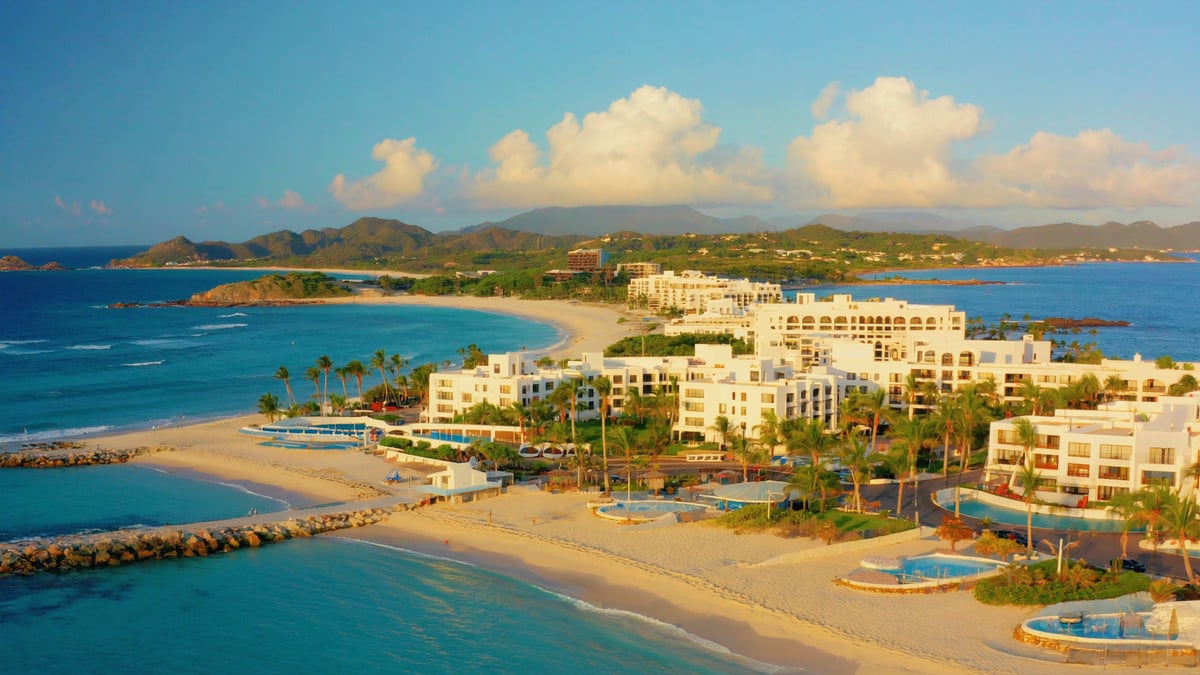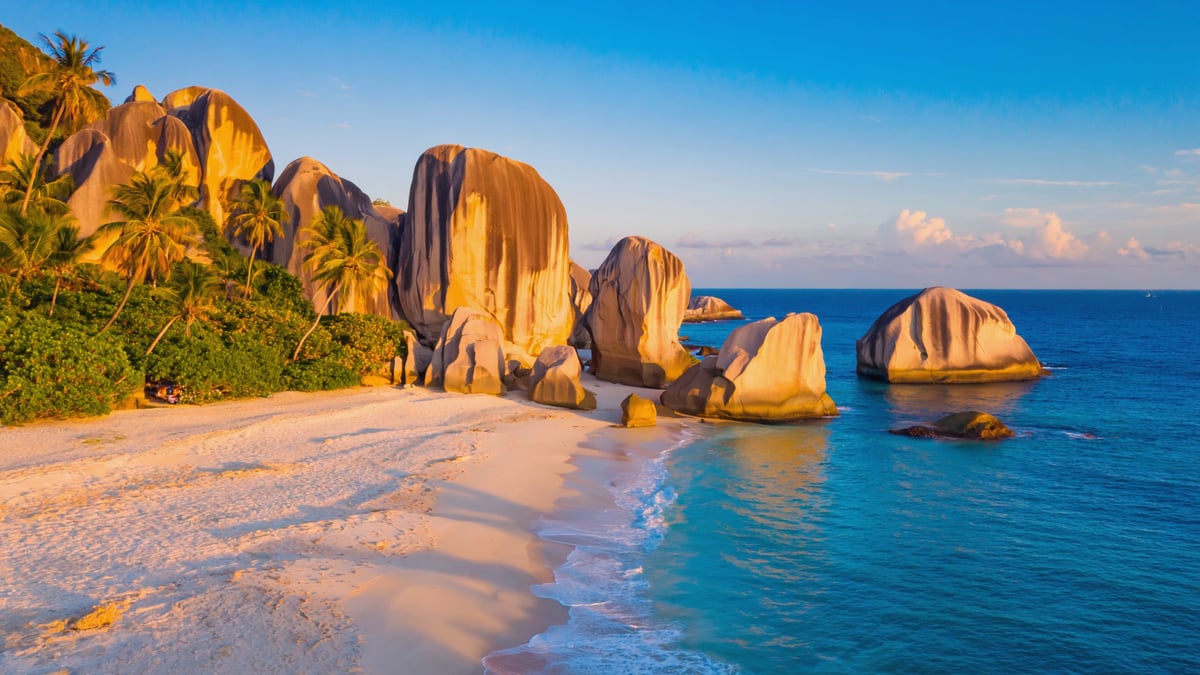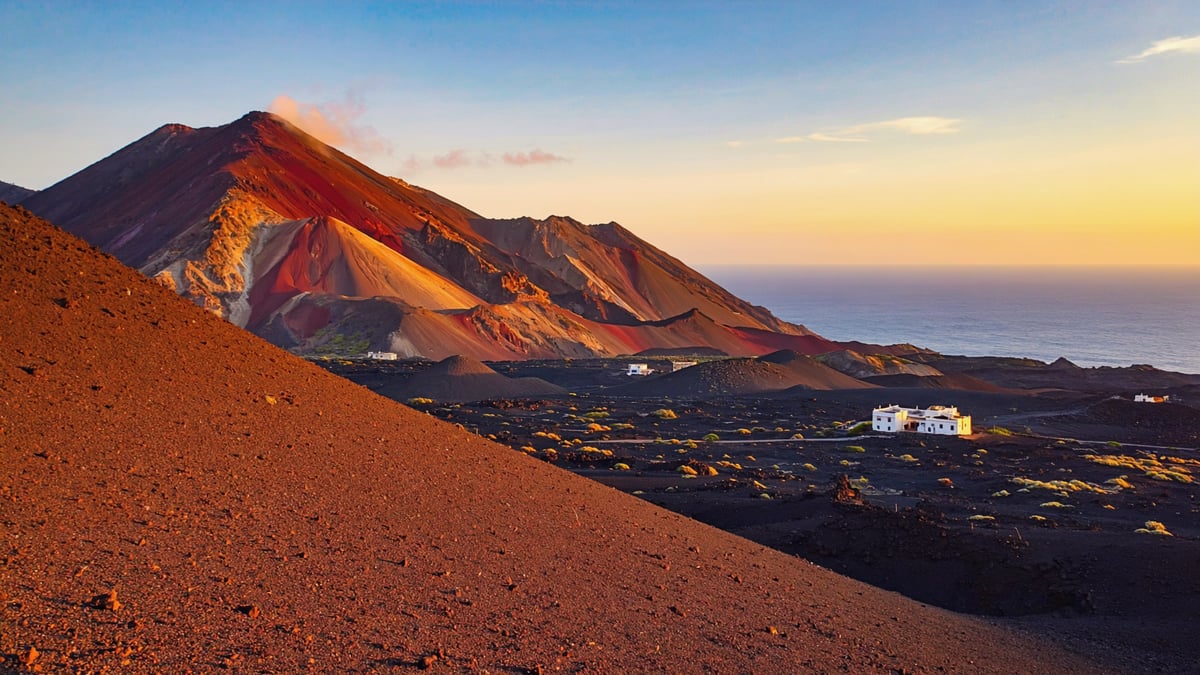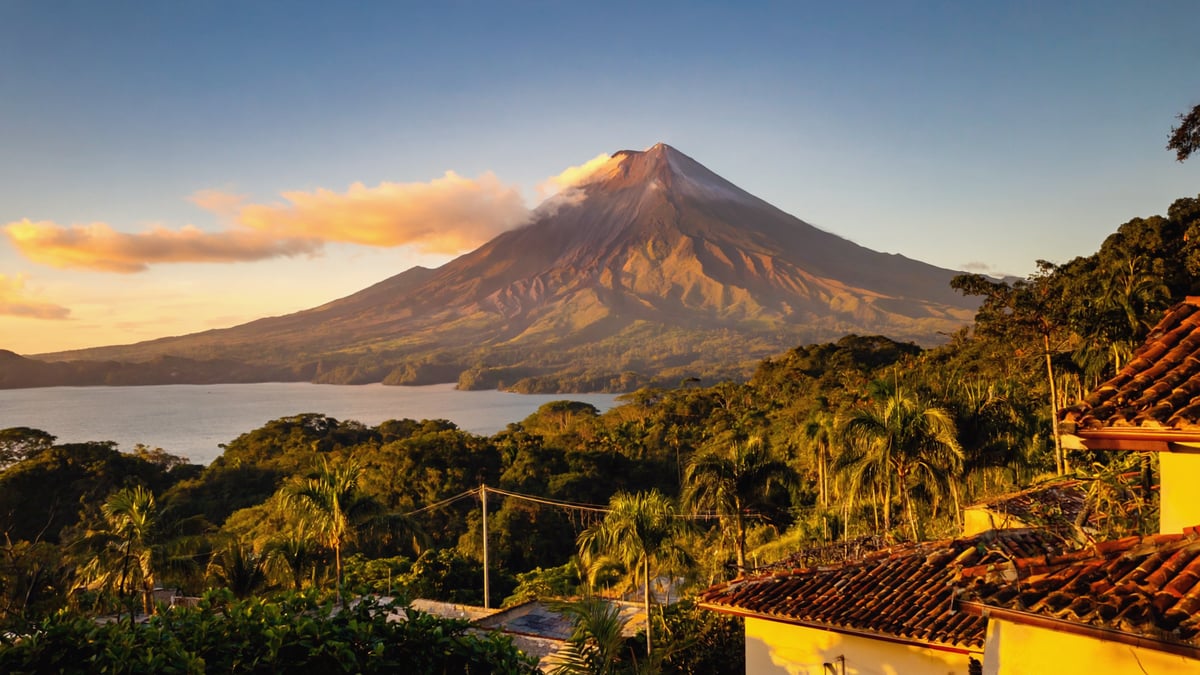
There is a moment, somewhere between watching a resplendent quetzal disappear into cloud-forest mist and feeling the rumble of an active volcano beneath your boots, when Costa Rica stops being a destination and becomes an experience that rewires how you think about travel. This small Central American country — roughly the size of West Virginia, tucked between Nicaragua and Panama — packs more biodiversity, more dramatic landscapes, and more genuine ecological commitment into its borders than places ten times its size. It is no accident that Costa Rica holidays have become the benchmark for responsible adventure travel worldwide.
For UK travellers in 2026, the timing has never been better. Improved direct and near-direct routing from British airports, a stable and welcoming tourism infrastructure, and a Costa Rican government that has doubled down on its net-zero commitments make this the year to finally book that trip you have been daydreaming about. Whether you are after zip-lining through the Monteverde canopy, watching sea turtles nest on a moonlit Pacific beach, or simply sitting on a thermal-heated pool ledge with an Arenal volcano view, the country delivers spectacle at every turn.
This guide covers everything a UK explorer needs: when to go, where to stay, what to do, how much to budget, and how to get there. Consider it your starting point for one of the most rewarding long-haul adventures on the planet.
Destination Overview: What Makes Costa Rica Unmissable
Costa Rica is a compact powerhouse of natural diversity, occupying a sliver of land that bridges North and South America and hosts roughly 5% of the world's known biodiversity. Understanding the country's geography is the first step to planning a great itinerary.
Geographically, Costa Rica is divided into distinct zones: the Pacific coast (subdivided into the Guanacaste dry forest north and the lush Osa Peninsula south), the Caribbean coast with its jungle-fringed shores, the Central Valley where the capital San José sits at a comfortable altitude, and the volcanic mountain spine running through the country's centre. Each zone has its own microclimate, wildlife, and personality — which is why a well-planned two-week itinerary can feel like visiting four different countries.
Essential Facts for UK Travellers
| Detail | Information |
|---|---|
| Capital | San José |
| Language | Spanish (English widely spoken in tourist areas) |
| Currency | Costa Rican Colón (CRC); US dollars accepted almost everywhere |
| Time Zone | UTC-6 (CST) — 6 hours behind UK in winter, 7 hours behind during BST |
| Visa Requirements (UK) | No visa required for UK passport holders. Entry granted for up to 90 days. Passport must be valid for the duration of your stay. |
| Electricity | 110V/60Hz, Type A/B sockets — bring a plug adaptor |
| Driving Side | Right-hand side |
| FCDO Travel Advisory | Check the latest at FCDO Costa Rica travel advice |
Costa Rica's national motto is "Pura Vida" — literally "pure life" — and it functions as greeting, farewell, and general expression of contentment. You will hear it constantly, and after a few days in the country, you will understand exactly why it has become shorthand for the country's entire philosophy of living well in harmony with nature. The Costa Rican government abolished its military in 1948, redirecting defence spending into education and healthcare — a decision that has shaped a notably stable, educated, and outward-looking society.
For UK travellers, the country is well-suited to independent exploration, guided eco-tours, or a mix of both. English proficiency among tourism workers is high, safety standards in the main tourist corridors are reliable, and the infrastructure — while not European in standard — is genuinely functional. The country runs on approximately 99% renewable energy, making it one of the greenest destinations on earth for the environmentally conscious traveller.
When to Visit Costa Rica: Navigating Two Seasons and One Sweet Spot
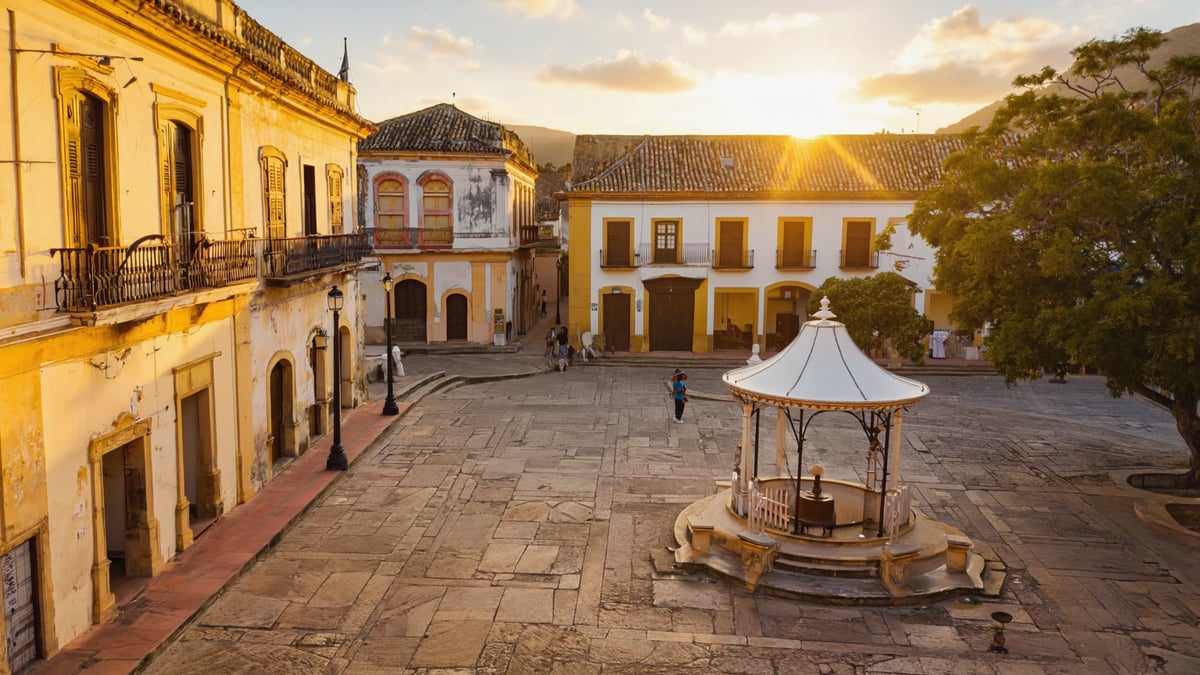
The single most common planning mistake UK travellers make with Costa Rica is misunderstanding the seasons. Unlike temperate destinations with four seasons, Costa Rica operates on a dry season (December to April) and a rainy or "green" season (May to November), with significant regional variation that changes the calculus entirely.
Month-by-Month Breakdown
| Month | Pacific Coast | Caribbean Coast | Crowd Level | Price Level |
|---|---|---|---|---|
| Jan–Feb | ☀️ Dry, warm | ⚠️ Wetter | High | High |
| Mar–Apr | ☀️ Hottest, driest | ⚠️ Mixed | High (Easter peak) | Very High |
| May–Jun | 🌦️ Rain begins, lush | ☀️ Drier | Low | Low–Medium |
| Jul–Aug | 🌦️ Veranillo (mini dry) | ☀️ Good conditions | Medium (US summer) | Medium |
| Sep–Oct | 🌧️ Wettest months | 🌧️ Heavy rain | Very Low | Lowest |
| Nov–Dec | 🌤️ Transitioning dry | ⚠️ Still wet | Building (Dec peak) | Rising sharply |
The optimal window for most UK travellers is mid-November through early April, coinciding with the dry season on the Pacific side. January and February offer a particularly sweet balance — the landscape is still green from recent rains, wildlife activity is high, and prices have dropped from the Christmas peak. If budget is a priority, the "green season" months of May, June, and July offer dramatic discounts (often 20–30% off peak rates) with the trade-off of afternoon rain showers that rarely last more than a few hours.
The phenomenon of veranillo — a brief dry spell in late July and August — is worth knowing about. This natural pause in the rainy season creates excellent conditions for visiting the Pacific coast and is increasingly popular with European summer holidaymakers who want to avoid peak-season crowds.
Key Festivals and Events in 2026
- Envision Festival (February/March, Uvita): A celebrated gathering of art, music, yoga, and sustainability on the southern Pacific coast — attracts a global audience of eco-conscious travellers.
- Semana Santa / Holy Week (April): Costa Rica's most important cultural celebration. Expect crowds, road closures, and a fascinating window into local religious traditions.
- Día de la Independencia (15 September): Independence Day celebrations across the country, particularly vibrant in San José and Cartago.
- Turtle Nesting Season (July–October, Tortuguero): Green sea turtles arrive on the Caribbean coast in their thousands — one of the world's great wildlife spectacles.
Where to Stay: Costa Rica's Best Areas for Every Budget
Choosing where to base yourself in Costa Rica is one of the most consequential decisions of the trip. The country is not large, but road conditions and driving times mean that distances take far longer than a map suggests. Understanding the main tourism hubs helps you structure an itinerary that maximises time outdoors rather than in transit.
La Fortuna / Arenal
The area around Arenal Volcano is the country's most popular inland destination and with good reason. The perfectly conical volcano dominates the skyline, hot springs bubble up from geothermal activity, and the surrounding national park offers some of the best wildlife watching in the country. La Fortuna town is the service hub — unpretentious, practical, and increasingly well-equipped with quality restaurants and tour operators.
- Budget: Guesthouses and hostels in La Fortuna town from approximately £20–40/night.
- Mid-range: Boutique lodges with volcano views and private hot-spring access, £80–150/night.
- Luxury: Resort-style properties with infinity pools fed by thermal springs, £200–400+/night.
Monteverde / Santa Elena
Perched in the cloud forest at around 1,400 metres altitude, Monteverde is cooler, mistier, and more ethereal than anywhere else in Costa Rica. The Santa Elena township is the practical base, while Monteverde itself is quieter. This is the home of zip-lining in Costa Rica — the activity was effectively invented here — and the Cloud Forest Reserve is one of the world's premier birding destinations.
Manuel Antonio
The combination of a genuinely beautiful national park (one of the smallest but most visited in the world) and a well-developed beach resort scene makes Manuel Antonio the go-to destination for travellers who want wildlife and beach time in equal measure. The park is renowned for white-faced capuchin monkeys, three-toed sloths, and scarlet macaws visible from the beach. Accommodation ranges from backpacker hostels to serious boutique hotels perched in the hillside jungle.
Guanacaste (Tamarindo, Nosara, Playa Flamingo)
Costa Rica's northwest Pacific coast is the country's driest region, offering the most reliable sunshine during the dry season. Tamarindo is the most developed surf town, with a lively nightlife scene and strong expat community. Nosara attracts a wellness and surf crowd. Playa Flamingo and the Gold Coast further north offer more upmarket resort experiences for those seeking a quieter, more exclusive stay.
Puerto Viejo & the Caribbean Coast
The Caribbean side of Costa Rica feels entirely different — Afro-Caribbean culture, reggae rhythms, cacao plantations, and a distinct cuisine. Puerto Viejo de Talamanca is the main hub, offering a relaxed, bohemian atmosphere with excellent snorkelling at Cahuita National Park. The Caribbean coast operates on its own schedule, and that's entirely the point.
San José
Costa Rica's capital is primarily a gateway rather than a destination in its own right, but it rewards a day or two. The Barrio Escalante neighbourhood has become a genuinely exciting food and culture district, and the city's museums — particularly the Pre-Columbian Gold Museum — are world-class. Most travellers stay in the upmarket Escazú or Los Yoses districts rather than the centre.
Top Things to Do: 10 Unmissable Experiences in Costa Rica
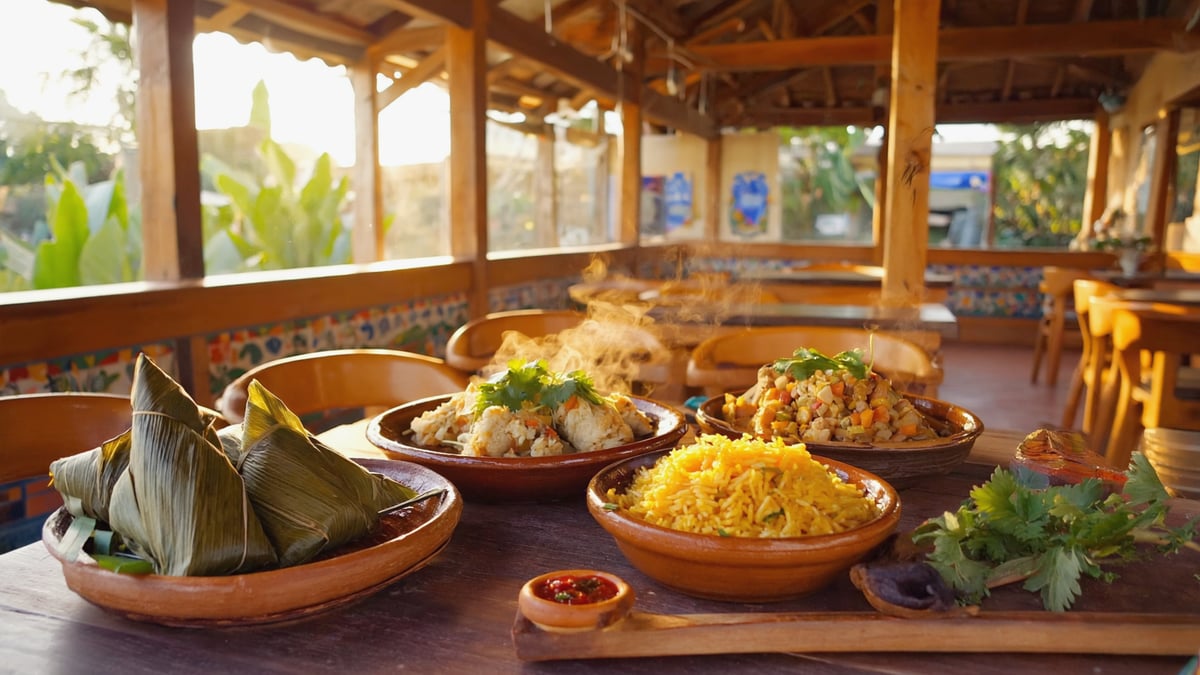
Costa Rica's activity menu is extraordinarily deep. The challenge is not finding things to do — it is editing down to the experiences that will define your trip. Here are ten that consistently stand out, with practical details for UK visitors.
1. Explore Arenal Volcano National Park
Hiking trails around the base of Arenal offer superb wildlife spotting — look for coatis, howler monkeys, and the elusive tapir. The park entrance fee is approximately £12 (5,000 CRC) per person. Opening hours are 08:00–16:00. Combined with an evening at one of the thermal springs complexes (budget around £20–50 depending on the venue), this makes for a genuinely extraordinary day.
2. Zip-line Through Monteverde Cloud Forest
Monteverde is where the concept of canopy zip-lining was pioneered for ecotourism, and the infrastructure here remains world-class. Operators offer courses ranging from gentle introductory lines to the famous "Superman" cable crossing above the forest canopy. Expect to pay £45–80 per person for a full zip-line experience. Book with operators holding the ICT (Instituto Costarricense de Turismo) certification to ensure safety standards.
3. Watch Sea Turtles Nest at Tortuguero
Between July and October, Tortuguero National Park on the Caribbean coast becomes the nesting ground for one of the world's largest green sea turtle populations. Guided night tours (the only legal way to observe nesting) cost approximately £15–25 per person and must be booked through certified guides. Tortuguero itself is only accessible by boat or small plane, which adds to the sense of genuine wilderness adventure.
4. White-Water Rafting on the Pacuare River
Industry experts consistently rank the Río Pacuare among the world's top ten white-water rafting rivers. Class III–IV rapids cut through primary rainforest, and the scenery is spectacular even between the white-water sections. Full-day trips from San José or Turrialba cost approximately £65–95 per person including transport, equipment, and meals. Multi-day lodge trips are available for those who want to sleep beside the river.
5. Wildlife Watching in Corcovado National Park
Corcovado National Park on the Osa Peninsula is widely regarded as one of the most biodiverse places on earth — National Geographic famously described it as "the most biologically intense place on Earth." Access requires a certified guide (mandatory since 2014), and entrance fees plus guide costs total approximately £40–60 per person per day. Getting there requires either a domestic flight to Puerto Jiménez or a long overland journey, but the payoff in wildlife encounters is unrivalled.
6. Soak in the Tabacón Hot Springs
The thermal springs complexes near La Fortuna range from basic pools to elaborate resort facilities. Tabacón Grand Spa Thermal Resort is the most celebrated, with multiple pools heated to varying temperatures flowing through landscaped jungle gardens. Day access costs approximately £35–55 per person. The experience of floating in 38°C volcanic water while watching Arenal's silhouette through the steam is a Costa Rica signature moment.
7. Surfing at Tamarindo or Dominical
Costa Rica's Pacific coast offers some of the most consistent surf breaks in the Americas. Tamarindo in Guanacaste suits beginners and intermediates, with a well-established surf school scene (lessons from approximately £30–45 for a two-hour session). Dominical on the southern Pacific coast provides more powerful breaks for experienced surfers. The surf season varies by coast — the Pacific north is best December to March, while the southern Pacific and Caribbean coast offer year-round options.
8. Birdwatching: Quetzals, Macaws and Toucans
With over 900 recorded bird species, Costa Rica is one of the world's premier birding destinations. The resplendent quetzal — arguably the most spectacular bird in the Americas — is most reliably seen in the cloud forests of San Gerardo de Dota between December and April. Scarlet macaws are spotted year-round near Carara National Park and along the Osa Peninsula. Guided early-morning birding tours cost approximately £30–60 per person and are worth every penny for the expert identification they provide.
9. Take a Night Walk in the Rainforest
Rainforest ecology is completely transformed after dark. Guided night walks — offered at lodges throughout the country — reveal red-eyed tree frogs, kinkajous, Jesus Christ lizards, and a remarkable diversity of insects and reptiles that are invisible during daylight hours. Costs range from £15–35 per person. The Monteverde and La Selva Biological Station areas are particularly rewarding.
10. Visit the Poás Volcano Crater
Poás Volcano, located just 90 minutes from San José, has one of the world's largest and most accessible active craters. The viewing platform overlooks a vivid turquoise acid lake that periodically erupts with geysers of steam and sulphurous gas. Entry must be booked in advance through the SINAC national parks system (approximately £12 per person), and visits are limited to short time windows to manage exposure to volcanic gases. Opening hours are 08:00–15:00.
Book Your Costa Rica Holiday Now
GlobeHunters offers Costa Rica holiday packages including flights and hotels at competitive prices, with packages from £1,099pp. Combine adventure, wildlife, and beach time in one expertly curated itinerary.
View Costa Rica Packages & Prices →Or call us: 0208 944 4514
Food & Dining in Costa Rica: What to Eat, Where to Eat It
Costa Rican cuisine occupies an interesting position in the travel food landscape — it is not as globally celebrated as Mexican or Peruvian cooking, but it is quietly satisfying, deeply regional, and increasingly sophisticated in the major tourist hubs. Understanding what to seek out (and what represents genuine local food versus tourist-trap imitations) will significantly improve your eating experience.
The Dishes You Must Try
Gallo pinto is the national dish — a breakfast staple of rice and black beans fried together with Salsa Lizano (a distinctive local condiment), typically served with eggs, sour cream, and fresh cheese. It sounds simple; it is deeply comforting. Casado is the standard lunch plate: rice, beans, salad, a protein (chicken, beef, fish, or vegetarian options), and fried plantains. At approximately £4–8 in a local soda (informal restaurant), it represents excellent value and genuine home cooking. Ceviche on the coasts is exceptional — fresh sea bass or corvina marinated in lime juice with onion, coriander, and chilli. Chifrijo is a popular bar snack: a bowl of rice, beans, chicharrón (fried pork), and pico de gallo. Tres leches cake is the dessert to know — a sponge soaked in three types of milk, dense and sweet.
Best Areas for Dining
San José's Barrio Escalante has transformed over the past decade into a genuinely world-class restaurant district. Innovative chefs are applying modern techniques to local ingredients — expect progressive Costa Rican cuisine alongside excellent international options, craft cocktail bars, and excellent coffee. Budget around £25–45 per person for a meal with drinks in this area.
On the Pacific coast, Tamarindo has a surprisingly diverse food scene driven by its international expat community — quality sushi, Italian, and Mexican restaurants sit alongside excellent seafood shacks. Puerto Viejo on the Caribbean side showcases the distinctive Afro-Caribbean influence: rice and beans (cooked in coconut milk, subtly different from Pacific gallo pinto), rondon (a slow-cooked seafood and root vegetable stew), and patí (a spiced meat pastry) are all worth seeking out.
Coffee Culture
Costa Rica produces some of the world's finest single-origin Arabica coffee, and the coffee culture here is taken seriously. The Central Valley's volcanic soil produces beans with a distinctive bright acidity and complex flavour profile. Visiting a coffee plantation tour — particularly in the Naranjo or Tarrazú regions — is a half-day activity that combines beautifully with the culture of the Central Valley. Tours cost approximately £20–35 per person.
Dietary Considerations
Vegetarian and vegan travellers are increasingly well-catered for in Costa Rica, particularly in the main tourist areas. Most sodas offer a vegetarian casado. Gluten-free options are available in larger tourist hubs but may be limited in rural areas. Tap water quality varies — in San José and most developed tourist areas it is generally safe to drink, but bottled water is advisable in remote regions. Always confirm locally.
Getting to Costa Rica from the UK

Costa Rica does not currently have a direct non-stop commercial service from the UK, which means all flights involve at least one connection. However, routing options have expanded meaningfully in recent years, and total journey times have improved. Understanding the routing landscape helps you find the best balance of price, comfort, and convenience for your Costa Rica package holiday from the UK.
Main Routing Options
| Route | Airlines | Connection Hub | Total Duration | Approx. Return Fare |
|---|---|---|---|---|
| London Heathrow → San José (SJO) | Iberia, Air France, KLM, American Airlines, United | Madrid, Paris, Amsterdam, Miami, Houston | 13–17 hours | £650–£1,200 |
| London Heathrow → Liberia (LIR) | Iberia, American Airlines, United | Madrid, Miami, Houston | 14–18 hours | £700–£1,300 |
| Manchester / Edinburgh → San José | Various (via London or European hubs) | Amsterdam, Madrid, Paris | 15–19 hours | £700–£1,350 |
A note on which airport to fly into: San José (Juan Santamaría International, SJO) is the main hub and the best arrival point for itineraries covering Arenal, Monteverde, Manuel Antonio, and the Caribbean coast. Liberia (Daniel Oduber International, LIR) in Guanacaste is the better arrival point if your itinerary is focused on the Pacific northwest — it cuts out a long overland transfer and puts you in Tamarindo or the Gold Coast beaches within 90 minutes of landing.
Airport Transfers
From Juan Santamaría Airport to San José city centre, official taxis (orange Taxi Aeropuerto vehicles) cost approximately £15–20 (around 10,000–12,000 CRC) and take 20–45 minutes depending on traffic. Private shuttle services can be pre-booked for similar prices with the advantage of hotel pick-up confirmation. Rideshare apps (Uber and InDriver) operate in Costa Rica and are typically cheaper than taxis but check current availability at the airport.
For onward travel beyond San José, shared shuttle services operated by companies like Interbus and Grayline offer reliable connections to all major tourist destinations at fixed prices — Arenal from £30–40 per person, Monteverde from £25–35, Manuel Antonio from £35–50. These are significantly cheaper than private transfers and a sensible choice for solo travellers and couples.
Costa Rica Budget Guide: What to Realistically Expect to Spend
One of the most frequently misunderstood aspects of Costa Rica travel is the cost. The country is significantly more expensive than its Central American neighbours — Guatemala or Nicaragua it is not — but the value equation changes when you factor in the quality of the wildlife, the infrastructure, and the safety standards. Here is a realistic daily budget breakdown for UK travellers in 2026.
Daily Budget by Travel Style
| Category | Budget Traveller (£/day) | Mid-Range (£/day) | Luxury (£/day) |
|---|---|---|---|
| Accommodation | £20–40 (hostel/guesthouse) | £70–130 (boutique lodge) | £180–400+ (resort/eco-lodge) |
| Food & Drink | £15–25 (sodas + self-catering) | £30–55 (mix of restaurants) | £70–120 (fine dining) |
| Activities | £10–20 (park entries, free hikes) | £35–65 (one guided tour/day) | £80–200 (private guides, premium tours) |
| Local Transport | £5–10 (public buses) | £15–30 (shared shuttles) | £40–80 (private transfers/rental car) |
| Daily Total (approx.) | £50–95 | £150–280 | £370–800+ |
Flight costs from the UK add £650–£1,300 return per person depending on season and routing, meaning a 10-night mid-range trip including flights will typically run to £2,150–£4,100 per person when booked independently. This is where package deals from operators like GlobeHunters offer meaningful savings — packages starting from £1,099pp that include flights and hotels represent compelling value against booking components separately.
Money-Saving Tips
- Use US dollars: Carrying a mix of small-denomination USD and local colónes gives you flexibility. Many tourist businesses prefer dollars and the exchange rate you receive at point of purchase is usually fair.
- Eat at sodas: Local sodas serve full, freshly cooked meals for £4–8 that rival more expensive tourist restaurants in quality.
- Book activities in advance: Popular experiences like Corcovado guided tours, Tortuguero turtle watches, and Poás volcano visits have limited daily capacity. Pre-booking avoids both disappointment and last-minute premium pricing.
- Consider a rental car: For groups of three or four, a 4WD rental (essential for many back roads, from approximately £45–70/day) can be cheaper than accumulated shuttle costs and gives complete itinerary flexibility.
- Travel in shoulder season: Late November, January, and early May offer the best combination of good weather and lower prices.
Travel Tips & Safety: What Every UK Visitor Should Know
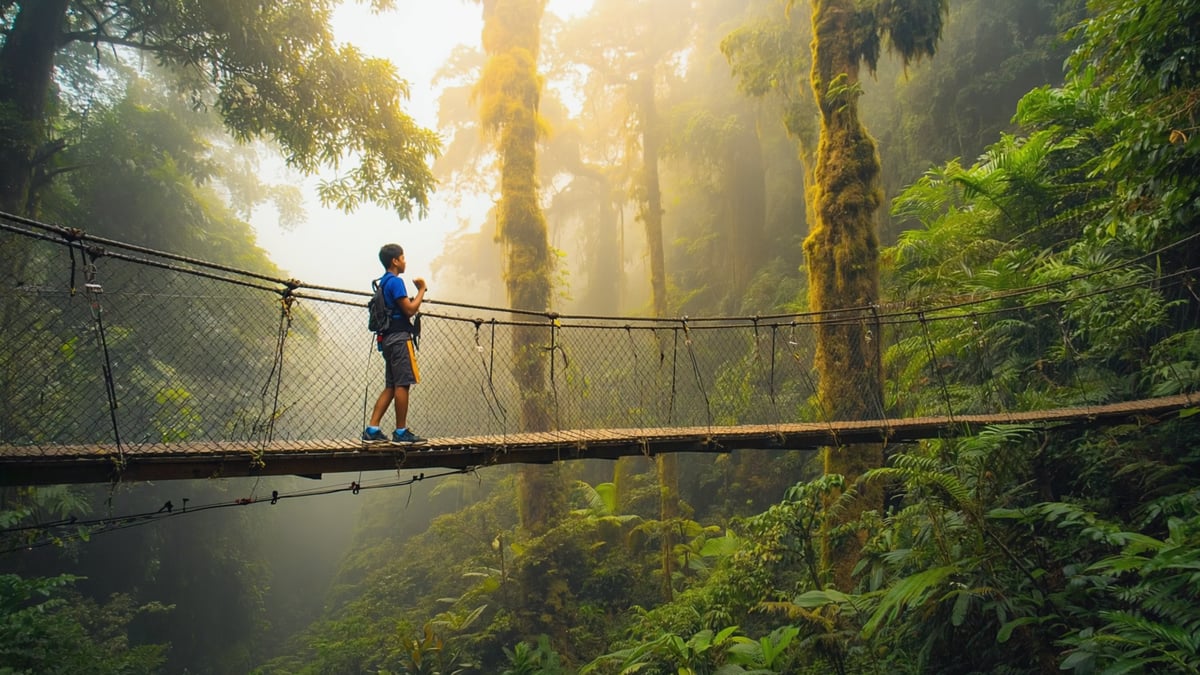
Costa Rica has a well-deserved reputation as one of Central America's safest and most visitor-friendly countries, but it is not without risk. Understanding the safety landscape clearly — without either catastrophising or being naively optimistic — will help you travel with appropriate confidence.
Safety Overview
The FCDO currently advises normal travel precautions for most of Costa Rica. The main risks in tourist areas are opportunistic theft (bag snatching, vehicle break-ins) rather than violent crime. San José city centre, particularly around La Merced and certain areas near the central market, warrants heightened awareness, especially after dark. The main tourist corridors — Arenal, Monteverde, Manuel Antonio, Guanacaste — have good safety records, but the basic rules of travel awareness still apply.
- Never leave valuables visible in a parked car — vehicle break-ins are the single most reported crime against tourists.
- Use hotel safes for passports and valuables; carry a photocopy of your passport rather than the original when out exploring.
- Avoid deserted beaches after dark, particularly on the Caribbean coast.
- Purchase a quality travel insurance policy before departure — one that specifically covers adventure activities (zip-lining, rafting, surfing) is essential for an active Costa Rica itinerary. Standard policies often exclude high-adrenaline activities.
Health Considerations
No vaccinations are legally required for UK travellers entering Costa Rica, but the NHS and travel health professionals typically recommend being up to date on Hepatitis A, Typhoid, and routine vaccinations. Malaria risk is very low in the main tourist areas but exists in some remote Caribbean border regions — consult your GP or a travel health clinic at least 4–6 weeks before departure. Dengue fever is present and the best prevention is covering up and using DEET-based repellent, particularly at dawn and dusk. The sun at tropical latitudes is significantly stronger than the UK — factor 50 sunscreen, a hat, and UV-protective clothing are not optional here.
Wildlife and Nature Safety
Costa Rica's wildlife is generally far more frightened of you than you are of it, but a few practical rules apply. Never feed monkeys — it habituates them to humans and can lead to aggressive behaviour. Watch where you step on forest trails, particularly at night — fer-de-lance vipers (the most medically significant snake in the region) are present in forested areas, though encounters are rare on well-maintained trails. Riptide currents on Pacific beaches are a genuine danger — always swim at beaches with lifeguards present, check for warning flags, and learn to swim parallel to the shore if caught in a rip.
Cultural Etiquette
Costa Ricans (Ticos) are warm, indirect, and deeply proud of their country's natural heritage and peaceful history. A few cultural notes worth keeping in mind:
- Punctuality: "Tico time" is a real phenomenon — social and informal events run late. However, tour operators and transport providers are generally punctual, and you should be too for booked activities.
- Language: Learning a few basic Spanish phrases is warmly received. "Pura vida," "gracias," and "con permiso" go a long way.
- Environmental respect: Costa Rica takes its ecological identity seriously. Stick to marked trails, never remove shells or wildlife, and use reef-safe sunscreen near coral reefs.
- Tipping: A 10% service charge is legally added to restaurant bills in Costa Rica. Additional tipping is welcomed but not obligatory. For guides, £5–10 per person per day is standard and appreciated.
Essential Packing List for Costa Rica
- Lightweight, moisture-wicking clothing in neutral colours (bright colours can deter wildlife sightings)
- Sturdy waterproof hiking boots and a pair of river sandals
- High-quality rain jacket (even in dry season, cloud forests are wet)
- DEET insect repellent (50% concentration or above)
- Factor 50 sunscreen — reef-safe formulas for coastal activities
- Binoculars for wildlife and birdwatching (a transformative investment)
- US dollars in small denominations (£50–100 worth is a practical starting amount)
- Universal travel adaptor (Type A/B sockets)
- Dry bag for electronics on water-based activities
- Headtorch with spare batteries for night walks and power outages
Connectivity and Getting Around
Mobile connectivity in Costa Rica is good in populated areas and tourist hubs but patchy in remote regions. Claro and Kölbi are the main local networks — purchasing a local SIM on arrival (approximately £10–15 for a data package) is the most cost-effective solution for most UK travellers. Google Maps works well for navigation, though offline maps downloaded in advance are a sensible precaution for rural driving. Road quality ranges from excellent (main highways) to challenging (rural unpaved roads that genuinely require 4WD) — research your specific route before deciding whether to rent a vehicle.
Frequently Asked Questions About Costa Rica Holidays
Do UK citizens need a visa for Costa Rica?
No. UK passport holders can enter Costa Rica as tourists for up to 90 days without a visa. Your passport must be valid for the duration of your stay. You may be asked to show proof of onward travel (a return flight booking) at immigration.
What is the best time of year for a Costa Rica holiday from the UK?
For most UK travellers, December through April offers the most reliable dry weather on the Pacific coast — the most popular side of the country. January and February are particularly good: dry season conditions, slightly lower prices than December, and excellent wildlife activity. If you are specifically visiting the Caribbean coast, September and October offer better weather on that side when the Pacific is at its wettest.
How many days do you need in Costa Rica?
A minimum of 10–14 days is recommended to do the country justice without exhausting yourself in transit. Ten days allows a well-paced circuit of two or three main areas (e.g., Arenal + Monteverde + Manuel Antonio). Two weeks opens up the Caribbean coast, the Osa Peninsula, or a deeper exploration of Guanacaste.
Is Costa Rica safe for solo travellers?
Yes — Costa Rica is considered one of the safer destinations in Latin America for solo travel, including solo female travellers. The main tourist corridors are well-established, English is widely spoken, and the local population is generally helpful and friendly. Standard urban awareness precautions apply in San José.
What currency should I bring to Costa Rica?
US dollars are widely accepted and often preferred in tourist areas, making them the most practical currency to carry alongside a small amount of Costa Rican colónes for local sodas, buses, and small purchases. Major credit cards (Visa, Mastercard) are accepted at most hotels and larger restaurants. Inform your UK bank before travel to avoid card blocks, and use ATMs inside banks or shopping centres rather than standalone street machines.
What is eco-tourism in Costa Rica and why is it significant?
Costa Rica is widely regarded as the birthplace of modern commercial eco-tourism. The country pioneered the concept of using tourism revenue to fund conservation, creating a model where protecting natural habitats becomes economically rational. Today, approximately 25% of Costa Rica's land area is protected as national parks, reserves, or wildlife refuges — one of the highest proportions in the world. The Costa Rican Tourism Institute (ICT) certifies sustainable tourism businesses through its CST (Certificate for Sustainable Tourism) programme, which travellers can use to identify genuinely responsible operators.
Can I drink tap water in Costa Rica?
In San José and most developed tourist areas, tap water is treated and generally considered safe to drink. In rural and remote areas, it is advisable to use bottled water or a reliable filter. When in doubt, ask your accommodation — they will know local conditions.
Do I need travel insurance for Costa Rica?
Comprehensive travel insurance is strongly recommended and effectively essential if you plan to participate in adventure activities. Standard policies often exclude zip-lining, white-water rafting, surfing, and hiking — ensure your policy explicitly covers all planned activities. Medical costs in Costa Rica can be significant for uninsured travellers, as private hospitals used by tourists operate at rates broadly comparable to Western European private healthcare.
What wildlife can I expect to see in Costa Rica?
The wildlife viewing opportunities in Costa Rica are extraordinary. Common sightings include four species of monkey (howler, white-faced capuchin, spider, and squirrel monkeys), three-toed and two-toed sloths, coatis, agoutis, and an abundance of reptiles including American crocodiles, basilisk lizards, and numerous gecko species. Sea turtles nest on both coasts. Marine wildlife includes humpback whales (August to October off the southern Pacific), dolphins, and whale sharks. Over 900 bird species have been recorded, including toucans, parrots, macaws, and the iconic resplendent quetzal.
How do I get around Costa Rica between destinations?
The main options are shared shuttle services (convenient, reasonably priced, door-to-door), public buses (cheapest option, slower, requires more planning), rental car (most flexible, requires 4WD for many areas and a comfort level with challenging road conditions), and domestic flights (quick connections between distant points — Sansa and Nature Air are the main operators). For most first-time visitors, a combination of pre-booked shared shuttles between main destinations and a rental car for local exploration works well.
What GlobeHunters packages are available for Costa Rica?
GlobeHunters offers Costa Rica package holidays from the UK starting from £1,099 per person, combining return flights from UK airports with hotel accommodation. Packages can be customised for duration, accommodation grade, and regional focus. Contact the GlobeHunters team on 0208 944 4514 or browse current availability and pricing at the Costa Rica holidays page.
Is Costa Rica good for families with children?
Costa Rica is an outstanding family destination. The combination of wildlife encounters, outdoor activities, and relatively straightforward infrastructure makes it engaging for children of most ages. Activities like wildlife walks, turtle watching, volcano visits, and gentle rafting trips are accessible to families. Accommodation in the main tourist areas is family-friendly, and the country's health and safety standards for tourism activities are reasonably robust. The main consideration is journey time from the UK — families with very young children should factor in the 13–17 hour travel time.
The Final Word: Why Costa Rica Should Be Your Next Adventure
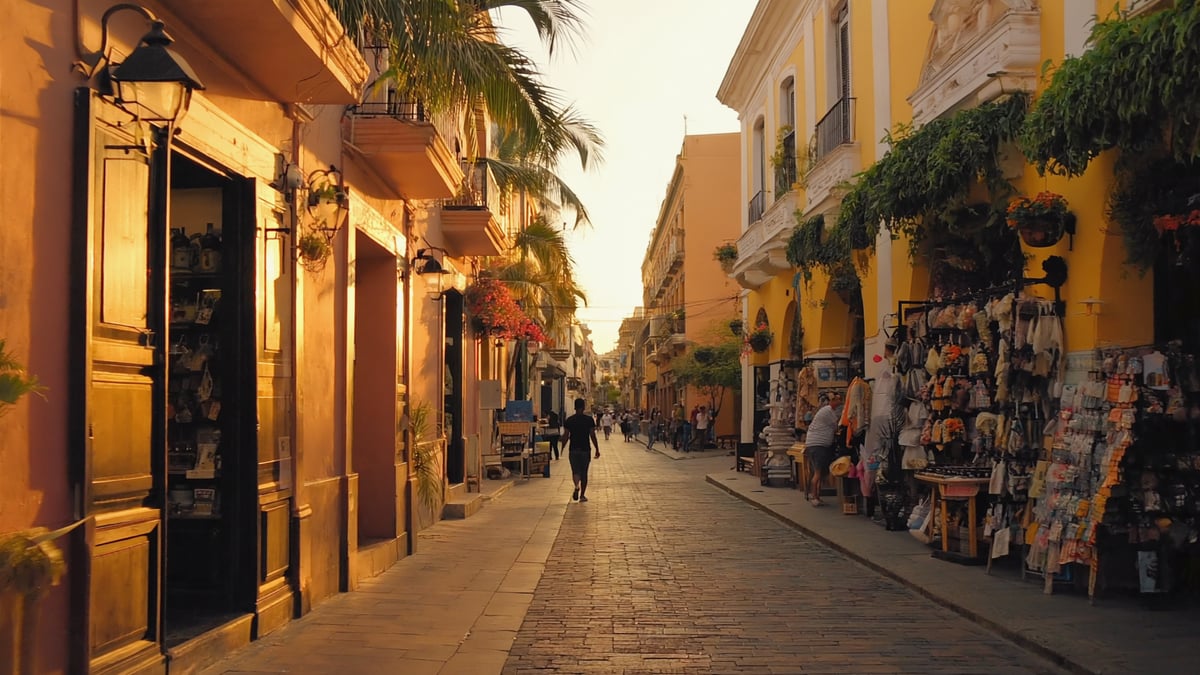
There is something genuinely rare about a destination that overdelivers consistently — where the wildlife is more spectacular than the photographs suggested, where the food surprises you, where the people you meet in a remote national park turn out to be as memorable as the wildlife itself. Costa Rica does this reliably, across the full spectrum of travel styles and budgets.
For UK travellers in 2026, it occupies a particularly appealing position. It is far enough to feel like a genuine expedition — that sense of having crossed an ocean and arrived somewhere fundamentally different — but accessible enough in its infrastructure and English-speaking tourism industry that first-time long-haul travellers can navigate it with confidence. The country's commitment to environmental sustainability means that visiting it feels meaningfully different from carbon-heavy mass tourism: the park fees you pay directly fund conservation, the eco-lodges you sleep in are often genuinely sustainable operations, and the guides you hire are typically community members with a real stake in protecting the wildlife they show you.
Whether you are drawn by the promise of watching a volcano at sunset from a thermal pool, finding a resplendent quetzal in cloud-forest mist, or simply feeling the Pacific underneath a surfboard for the first time, Costa Rica in 2026 will not disappoint. The question is not really whether to go — it is when.
Ready to Book Your Costa Rica Adventure?
GlobeHunters offers holiday packages including flights and hotels at competitive prices, with Costa Rica packages from £1,099pp. Our team has curated the best combinations of accommodation, region, and timing so you can focus on the adventure itself.
View Costa Rica Packages & Prices →Or call us: 0208 944 4514
About the author
Spiros Maragkoudakis · Chief Commercial Officer
Ready to Book Your Costa Holiday?
Our travel experts are ready to help you plan the perfect trip. Call us today or browse our latest deals.
Ready to Start Planning?
Speak to our travel experts for personalised advice and the best deals on your next holiday.
Call 0208 944 4514