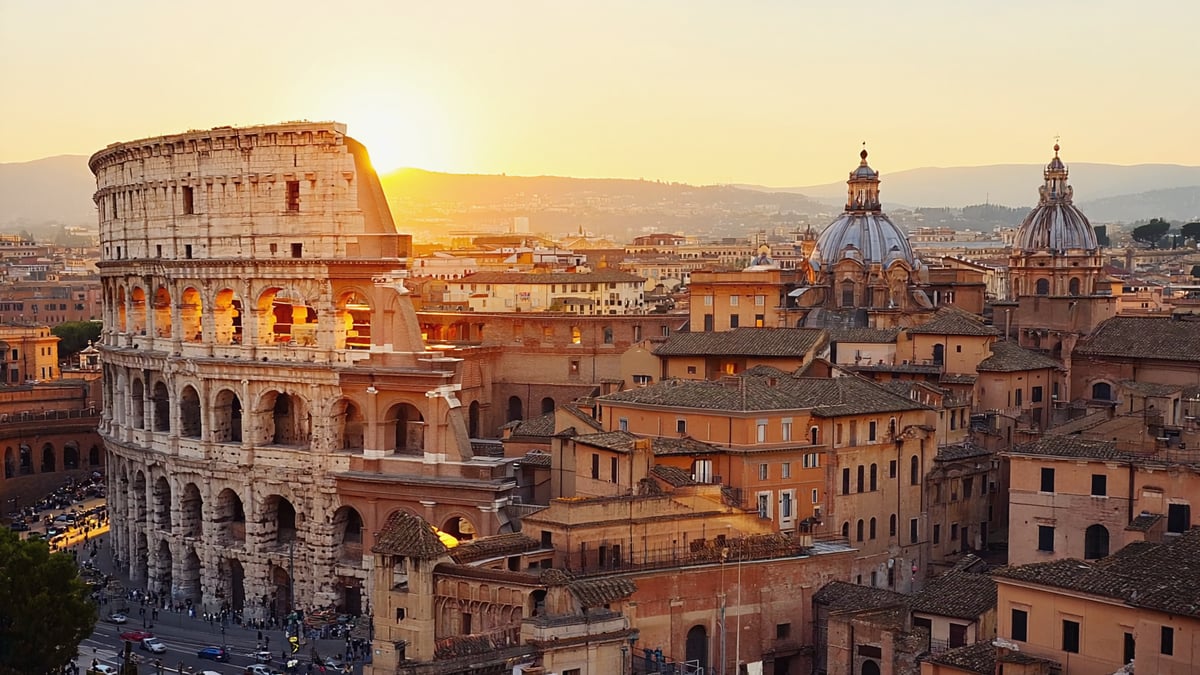
Picture this: it's 7 a.m. on a Tuesday in late April. The cobblestones of Trastevere are still damp from an overnight shower. A barista slides a caffè across a marble counter without a word — because in Rome, ordering a standing espresso requires no elaboration. Outside, a scooter rattles past a wall of ochre-coloured plaster that was old before the British Isles had a written language. Somewhere around the next corner, the dome of St Peter's Basilica hovers over the rooftops like a rumour of the divine.
Rome is one of those cities that makes everywhere else feel slightly provisional. It has been continuously inhabited for nearly three millennia, has served as the capital of an empire, a global religion, and a modern republic — and yet it still manages to feel alive, chaotic, and deeply, unapologetically itself. For UK travellers, it sits just over two hours away by plane, making it one of the most rewarding city breaks available at almost any budget.
This guide covers everything a UK traveller needs to plan a Rome holiday in 2026: when to go, where to stay, what to eat, how to get there, and how to budget intelligently. Whether you're a first-timer wanting to tick off the Colosseum or a returning visitor ready to explore the lesser-known Aventine Hill, the Eternal City always has another layer to reveal.
Book Your Rome Holiday Now
GlobeHunters offers Rome city break packages including flights and hotels at competitive prices — from £399pp.
View Rome Packages & Prices →Or call us: 0208 944 4514
Rome at a Glance: Geography, Practicalities & Entry for UK Travellers
Rome is the capital of Italy, located in the central-western part of the country in the Lazio region, situated on the banks of the River Tiber. It sits roughly 41° north latitude — broadly similar to Madrid and Istanbul — giving it a classic Mediterranean climate. The city proper has a population of around three million, making it the largest city in Italy, though the greater metropolitan area is considerably larger.
Key Practical Information for UK Visitors
| Detail | Information |
|---|---|
| Language | Italian. English is widely spoken in tourist areas, hotels, and restaurants. |
| Currency | Euro (€). As of 2026, roughly £1 = €1.17 (check live rates before travel). |
| Time Zone | CET (UTC+1) in winter; CEST (UTC+2) in summer — typically 1–2 hours ahead of UK. |
| Entry Requirements | UK citizens need a valid passport (must be valid for the duration of stay). Italy is a Schengen member — UK travellers may visit for up to 90 days in any 180-day period. The EU's ETIAS authorisation scheme is expected to apply to UK travellers; check the official ETIAS information page for the latest status before booking. |
| Electricity | Type F plugs (two round pins), 230V. UK travellers need a plug adaptor. |
| Emergency Number | 112 (pan-EU emergency number). |
| Tap Water | Safe to drink throughout the city. Rome's public drinking fountains (nasoni) are famous and perfectly clean. |
Rome has two main airports: Leonardo da Vinci–Fiumicino (FCO), the primary international hub around 30 km from the city centre, and Ciampino (CIA), a smaller airport roughly 15 km southeast used primarily by low-cost carriers. Most UK flights arrive at Fiumicino.
The city itself is famously walkable at its historic core, though the seven hills and Rome's sheer scale mean comfortable shoes are non-negotiable. Public transport — a mix of metro, trams, and buses — covers the city reasonably well, though the metro network only has three lines and skips many central attractions to avoid excavating ancient ruins underground.
When Is the Best Time to Visit Rome?
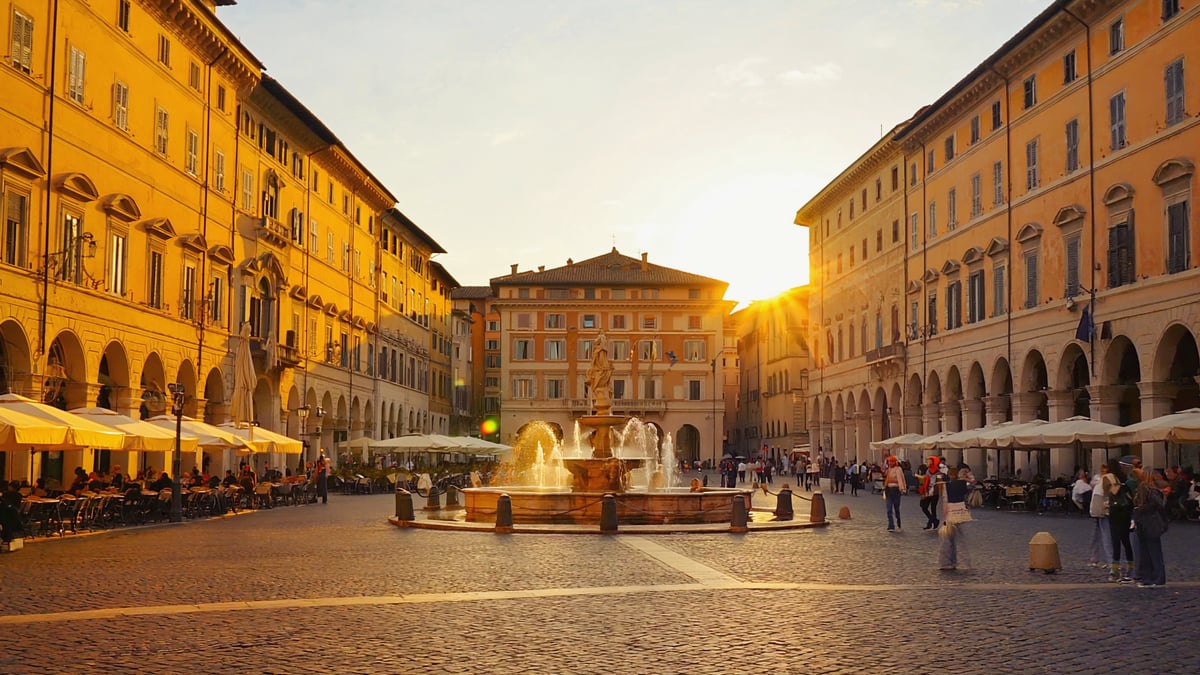
The optimal window for a Rome city break from the UK is late March to early June, or mid-September to early November. These shoulder seasons offer mild temperatures, manageable crowds, and noticeably lower prices than the summer peak. That said, every season in Rome has a genuine case to be made for it.
Month-by-Month Breakdown
| Month | Avg Temp (°C) | Crowds | Notes |
|---|---|---|---|
| January–February | 7–12°C | ⚠️ Low | Cheapest flights and hotels; chilly but rarely freezing. Museums near-empty. Some restaurants closed for winter breaks. |
| March–April | 12–18°C | ⚠️ Medium (Easter: very high) | Beautiful light, spring flowers in Villa Borghese. Easter week is extremely busy and hotels spike. Avoid if you're on a tight budget. |
| May–June | 18–27°C | ✅ Medium–High | Widely considered the sweet spot. Long daylight hours, pleasant evenings, outdoor dining in full swing. Book accommodation 2–3 months ahead. |
| July–August | 28–35°C | ❌ Peak | Extremely hot and crowded. August particularly intense. Many locals leave; some smaller restaurants close. Premium prices throughout. |
| September–October | 18–25°C | ✅ Medium | Arguably the very best month combination. Warm sun, golden light, lower humidity, harvest festivals in nearby countryside. Locals return; the city feels authentic again. |
| November–December | 8–14°C | ⚠️ Low (Christmas: Medium) | Rome at Christmas is genuinely magical — presepe (nativity scene) displays everywhere, festive markets, lights along Via Condotti. Cooler but rarely unpleasant. |
Key Events & Festivals Worth Planning Around
- Carnevale Romano (February): Rome's carnival is more modest than Venice's but features street performances and costumed parades around Piazza del Popolo.
- Natale di Roma (21 April): Rome's official birthday, celebrated with historical re-enactments and free entry to many civic museums.
- Estate Romana (June–September): A city-wide summer arts festival with outdoor cinema, concerts, and theatre at sites including the Roman Forum and Circus Maximus.
- Romaeuropa Festival (October–November): A prestigious performing arts festival bringing international theatre, dance, and music to the city.
Where to Stay in Rome: Neighbourhood Guide
Rome's accommodation scene is defined by its neighbourhoods, each with a distinct character — and your choice of base will significantly shape your experience of the city. The centro storico (historic centre) keeps everything walkable, but it comes at a price premium. Outlying areas like Prati and Testaccio offer better value without sacrificing atmosphere.
The Best Areas to Stay
Centro Storico (Historic Centre): The area bounded roughly by the Pantheon, Campo de' Fiori, and Piazza Navona. Unbeatable for atmosphere and walking distance to major sights. Boutique hotels and high-end pensioni dominate. Noise from nightlife can be a factor; earplugs are wise.
Trastevere: Rome's most photogenic neighbourhood — a labyrinth of ivy-draped medieval streets south of the Tiber. Popular with younger travellers and expats. Excellent restaurant scene. Slightly removed from the Forum and Colosseum area (budget around 30 minutes on foot or 15 by bus).
Prati: Just northwest of Vatican City, Prati is a largely residential neighbourhood of elegant 19th-century apartment blocks. Excellent transport links, good value for money, and surprisingly good independent restaurants. The ideal base for those who want to use the Vatican as their morning anchor.
Monti: Rome's answer to a bohemian quarter — narrow lanes filled with vintage clothing shops, wine bars, and artisan studios, just a short walk from the Colosseum. Increasingly popular with the design-conscious crowd and mid-range travellers.
Testaccio: A traditional working-class neighbourhood built around Rome's former slaughterhouse. Now home to the city's most authentic food market, excellent trattorias, and a cluster of respected nightclubs. Budget-friendly without feeling like a tourist ghetto.
Accommodation by Budget
| Budget Tier | Approx. Cost/Night | Best Areas | What to Expect |
|---|---|---|---|
| Budget | £50–£90 | Testaccio, Tiburtina, Pigneto | Hostels with private rooms, small B&Bs, apartments. Air conditioning not always guaranteed — important in summer. |
| Mid-Range | £100–£180 | Prati, Monti, Trastevere | Three and four-star hotels, boutique guesthouses. Rooftop terraces common in this tier. Breakfast often included. |
| Luxury | £220–£600+ | Via Veneto, Spanish Steps, Centro Storico | Five-star grand hotels with rooftop pools and Michelin-starred restaurants. Rome's Via Veneto strip has legendary properties dating to the La Dolce Vita era. |
Insider note: Rome charges a local tourist tax (tassa di soggiorno) of approximately €3.50–€7.00 per person per night depending on the hotel category. This is payable directly to the accommodation and is not typically included in online booking prices — factor it into your budget.
Top Things to Do in Rome: 10 Experiences Worth Booking in Advance
Rome rewards preparation. The city's most popular sites — the Colosseum, the Vatican Museums, the Borghese Gallery — operate timed-entry systems and regularly sell out days or weeks in advance. Walk-up queues are long and unpleasant in warm weather. Booking ahead is not just recommended; for several attractions it is now effectively mandatory.
1. The Colosseum, Roman Forum & Palatine Hill
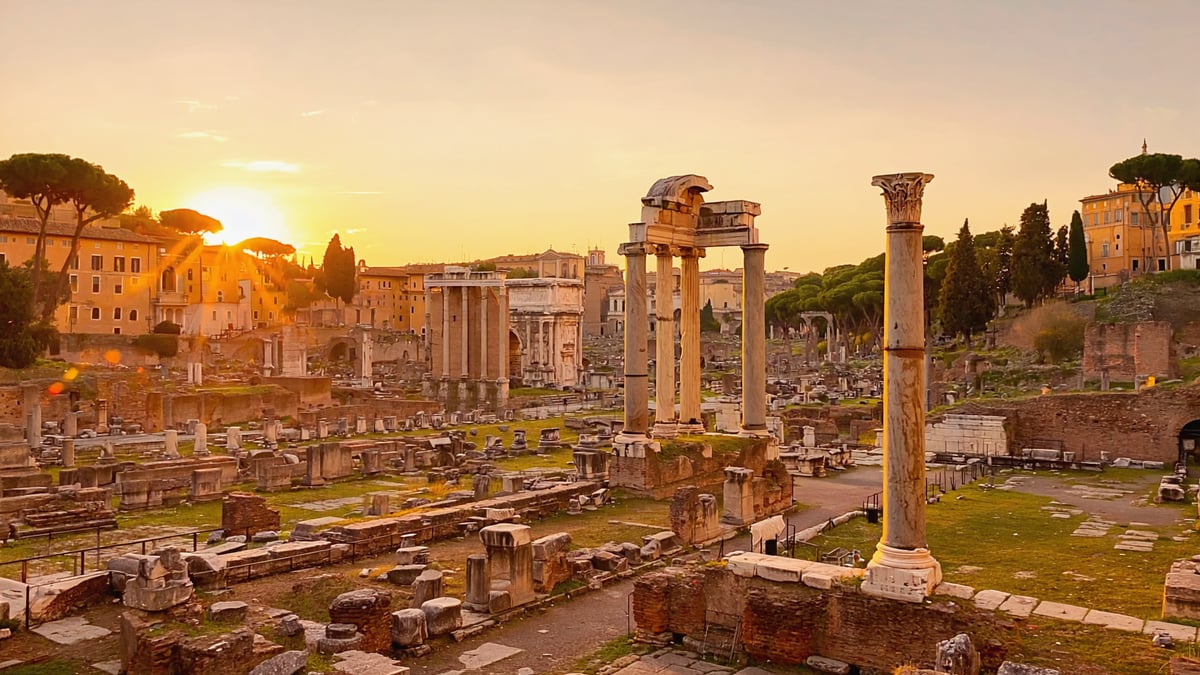
The combined ticket for Rome's most iconic ancient site covers the Colosseum, the Roman Forum, and Palatine Hill — arguably the greatest concentration of ancient Roman remains on earth. The Colosseum alone could hold 50,000–80,000 spectators when it opened in 80 AD. The forum was the beating heart of the Roman Republic and Empire for centuries.
Entry: Combined ticket approximately €18–€24 (around £15–£21) for adults; reduced prices for EU citizens aged 18–25. Under-18s from the EU enter free. UK travellers pay adult standard rate. Book via the official Colosseum ticketing platform well in advance. Opening hours vary seasonally — generally 9 a.m. to one hour before sunset.
Insider tip: Arrive for the first entry slot of the day. The Colosseum in early morning light, before the tour groups arrive, is an entirely different experience to the midday crush.
2. Vatican Museums & Sistine Chapel
One of the world's great museum complexes, holding the largest art collection assembled under a single roof — Egyptian antiquities, Raphael Rooms, a gallery of maps, and culminating in Michelangelo's Sistine Chapel ceiling. Allow a minimum of three to four hours; the Vatican Museums cover roughly 7 km of galleries end to end.
Entry: Standard adult ticket approximately €20–€25 (around £17–£21). Book via the Vatican Museums official ticketing page. Guided tours with skip-the-line access cost more but are worth it for first-timers.
Insider tip: Wednesday mornings are slightly quieter because large crowds attend the Papal Audience in St Peter's Square — time your Sistine Chapel visit accordingly.
3. St Peter's Basilica & the Dome Climb
Entry to the basilica itself is free, making it one of the most extraordinary no-cost experiences in any European city. The climb to the top of Michelangelo's dome — partly by stairs, partly by lift — rewards visitors with panoramic views across Rome. The interior of the basilica takes around 90 minutes to appreciate properly.
Dome climb: Approximately €8 (lift + stairs) or €6 (stairs only). Dress code strictly enforced — shoulders and knees must be covered; scarves available at the entrance.
4. Borghese Gallery
Rome's most intimate great museum — strictly limited to 360 visitors per two-hour time slot. The gallery holds Bernini's breathtaking marble sculptures (including Apollo and Daphne and The Rape of Proserpina) alongside a superb Caravaggio collection. This is widely considered the single finest two hours of art viewing available anywhere in the city.
Entry: Approximately €15–€20 (around £13–£17) plus €2 reservation fee. Must be booked in advance — walk-ins are not permitted.
5. Pantheon
The best-preserved ancient Roman building in existence, the Pantheon has stood for nearly 2,000 years. Its unreinforced concrete dome remains the largest of its kind in the world. Since 2023, entry requires a timed ticket.
Entry: €5 (around £4.30). Free for under-18s. Book via the official ticketing system to avoid queuing.
6. Trastevere Evening Walk & Aperitivo
This is not an attraction with an entry fee — it's a ritual. As the sun drops behind the Vatican, Trastevere comes alive with golden light on medieval brickwork. Settle into a table at a bar around Piazza di Santa Maria in Trastevere with a Aperol Spritz (around €6–€8) and watch the neighbourhood come to life. Cost: the price of a drink and a willingness to slow down.
7. Campo de' Fiori Market
Rome's most atmospheric daily market runs every morning (Monday–Saturday) in one of the city's oldest squares. Vendors sell seasonal produce, spices, flowers, and artisan food products. The square transforms into a bar and restaurant hub by evening. Entry: free. Best visited before 10 a.m.
8. Palatine Hill Sunset
Covered by the combined Colosseum ticket, Palatine Hill offers what many experienced Rome travellers consider the best free view in the city — the Roman Forum spread below, the Circus Maximus beyond, and the dome of St Peter's on the horizon. At sunset, it borders on unfair.
9. Day Trip to Ostia Antica
Rome's ancient port city, Ostia Antica, is reachable in 30 minutes by train from Roma Ostiense station and is one of the most underrated archaeological sites in Italy. Unlike Pompeii, it sees relatively few visitors, and its preservation — including intact multi-storey apartment buildings, a theatre, and a bathhouse with original mosaic floors — is remarkable.
Entry: Approximately €12 (around £10). Train: around €3 each way with a standard Metrebus ticket.
10. Piazza Navona & the Fountain of the Four Rivers
Built on the site of the ancient Stadium of Domitian, Piazza Navona is one of Rome's great set-pieces — three baroque fountains, including Bernini's Fontana dei Quattro Fiumi, anchoring a long oval piazza lined with restaurant terraces and street artists. Entry is free; it's best enjoyed at dusk when the lights come up and the cafes fill.
Roman Food & Dining: What, Where & How to Eat Like a Local
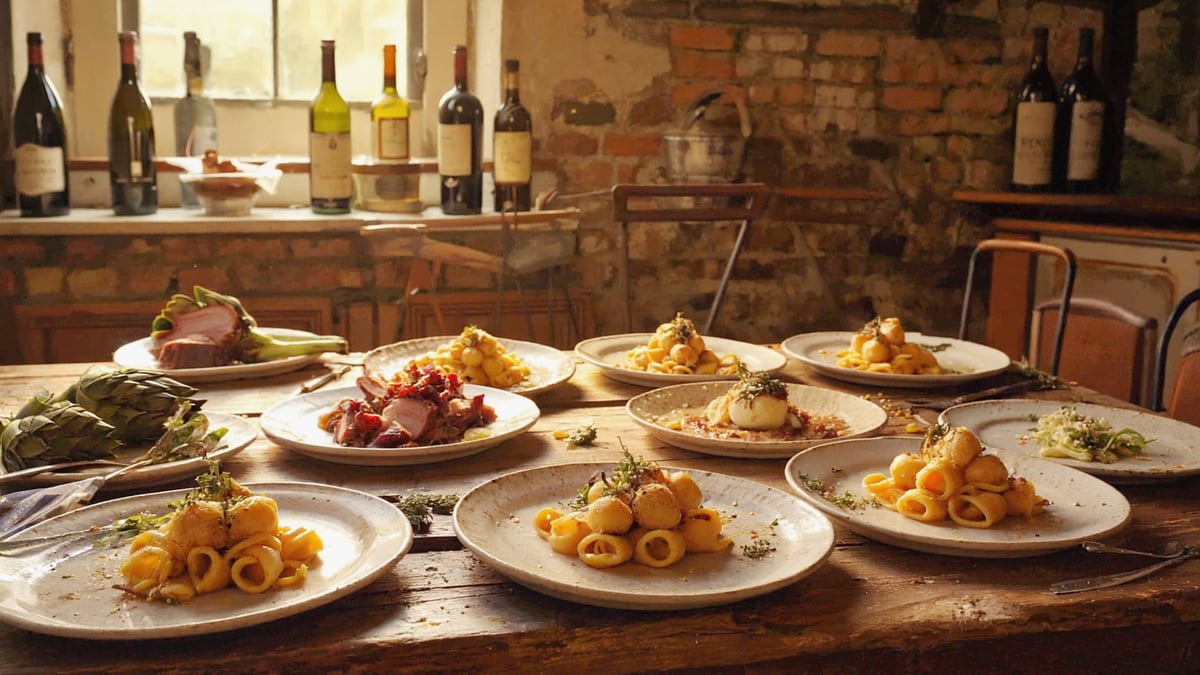
Roman cuisine is one of the great regional cooking traditions of Italy — robust, honest, and rooted in the principle of doing extraordinary things with simple ingredients. It is not the delicate northern Italian cooking of cream sauces and risotto; it's punchy, often offal-forward, and built on a handful of pasta preparations that have been perfected over generations.
The Essential Roman Dishes
- Cacio e Pepe: Pasta (usually tonnarelli or spaghetti) with pecorino romano, black pepper, and pasta water — nothing else. Deceptively simple; extraordinarily difficult to execute well. A benchmark dish for judging any Roman trattoria.
- Carbonara: Egg yolk, guanciale (cured pork cheek), pecorino, and black pepper. No cream — ever. The version served in most of the UK bears little resemblance to the real thing.
- Amatriciana: Tomato, guanciale, pecorino, and dried chilli. Named for the town of Amatrice in the Lazio mountains.
- Coda alla Vaccinara: Oxtail braised with tomato, celery, and bitter chocolate — a dish from the working-class quinto quarto (fifth quarter) tradition of using every part of the animal.
- Supplì: Fried risotto balls with a molten mozzarella centre — Rome's essential street food, available at friggitorie (frying shops) throughout the city for around €2–€3 each.
- Pizza al Taglio: Rome's version of pizza — sold by weight from rectangular trays, with toppings ranging from classic margherita to seasonal vegetables. Around €3–€5 for a generous portion.
- Artichokes (Carciofi): In season from late winter to spring, Roman artichokes are prepared two ways: alla giudia (fried flat and crispy, from the Jewish Ghetto tradition) or alla romana (braised with garlic, mint, and olive oil).
- Gelato: A point of genuine pride and fierce local debate. Look for artigianale (artisan) gelaterias where the product is made on-site and stored in covered metal tubs rather than piled high in the window. A cone with two flavours typically costs €2.50–€4.
Where to Eat: Rome's Best Dining Neighbourhoods
Testaccio is the local favourite for honest Roman cooking — the Mercato Testaccio food market is excellent for lunch. The Jewish Ghetto (Ghetto Ebraico) is essential for artichoke dishes and filetti di baccalà (battered salt cod). Trastevere offers the most photogenic dining experience, though quality varies — research specific restaurants rather than choosing by atmosphere alone. Pigneto, further east, is where Romans themselves eat — less polished, better value, more authentic.
Dining Customs & Tips
- Lunch (pranzo) is typically 12:30–2:30 p.m.; dinner (cena) rarely starts before 7:30 p.m. and most Romans eat at 8–9 p.m. Arriving at 7 p.m. marks you as a tourist.
- A coperto (cover charge) of €1.50–€3.50 per person is standard and legal in Italy — it's not a scam.
- Cappuccino is a morning drink. Ordering one after a meal will cause no offence but will confirm your tourist status. Caffè (espresso) is the post-meal standard.
- Many restaurants close on Sundays or Mondays — always check before making a journey.
Dietary Considerations
Vegetarians will find Roman cuisine manageable — pasta dishes like cacio e pepe and many antipasti are meat-free. Vegans face more challenges given the prevalence of eggs, cheese, and cured meats, but the city's increasingly international food scene means vegan-specific restaurants are available, particularly in Trastevere and Pigneto. Gluten-free (senza glutine) options are generally well-understood in Italian restaurants — Italy has high rates of coeliac diagnosis and most larger restaurants can accommodate.
Getting to Rome from the UK: Flights, Routes & Airport Transfers
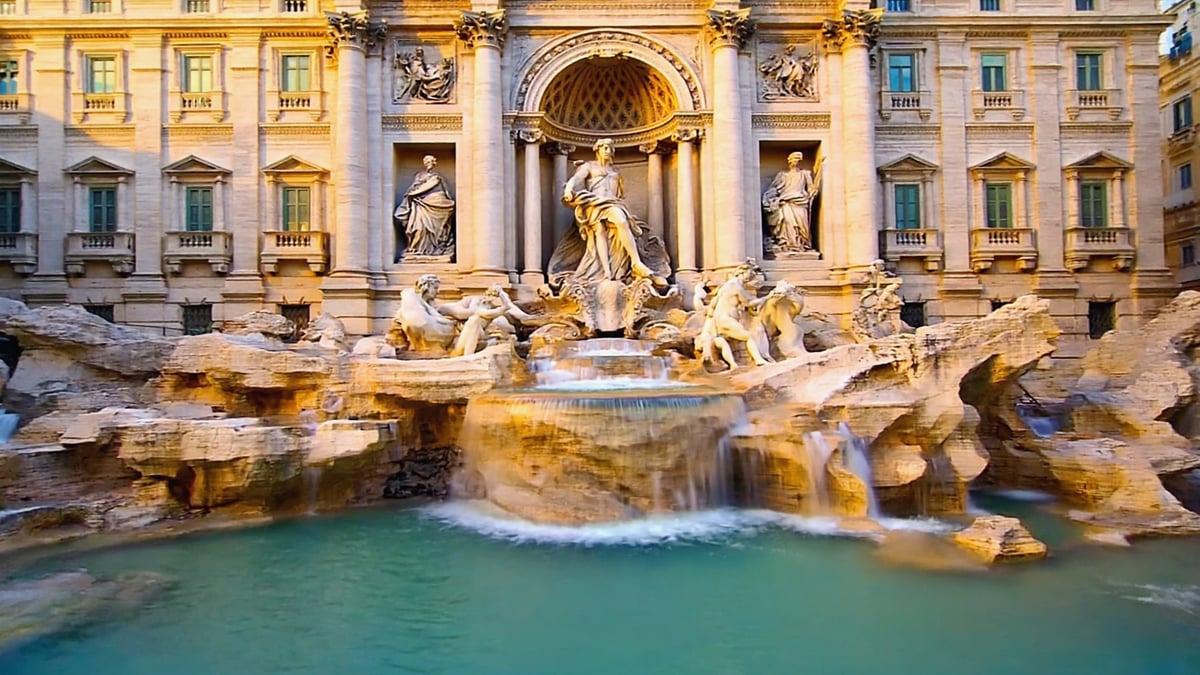
Rome is one of the most accessible European capitals from the UK, with direct flights available from multiple UK airports to both Fiumicino (FCO) and Ciampino (CIA). Flight time from London is approximately 2 hours 30 minutes to 2 hours 45 minutes; from Manchester or Edinburgh, add around 20–30 minutes.
Main UK Departure Airports & Routes
| UK Airport | Rome Airport | Airlines | Flight Time |
|---|---|---|---|
| London Heathrow (LHR) | Fiumicino (FCO) | British Airways, ITA Airways | ~2h 35m |
| London Gatwick (LGW) | Fiumicino / Ciampino | easyJet, Ryanair, Volotea | ~2h 35m |
| London Stansted (STN) | Ciampino (CIA) | Ryanair | ~2h 45m |
| Manchester (MAN) | Fiumicino (FCO) | Ryanair, easyJet, ITA Airways | ~3h 00m |
| Edinburgh (EDI) | Fiumicino (FCO) | Ryanair, easyJet | ~3h 10m |
| Birmingham (BHX) | Fiumicino (FCO) | Ryanair, easyJet | ~2h 50m |
Getting from Fiumicino Airport to Rome City Centre
The Leonardo Express train runs directly from Fiumicino Airport to Roma Termini (the city's main train station) in approximately 32 minutes. It runs every 15–30 minutes and costs around €14 (approximately £12). This is the fastest and most reliable option.
Alternatively, the slower FL1 regional train stops at Trastevere, Ostiense, and Tiburtina stations before continuing north — useful if your hotel is near one of these stops, and cheaper at around €8 (approximately £7). Taxis from Fiumicino to the city centre are fixed-rate at €50 (approximately £43) by law for most central destinations. Agree the fare before entering. Uber also operates in Rome, though availability is more limited than in major UK cities.
Getting from Ciampino Airport to Rome City Centre
Ciampino has no direct rail link. The standard transfer is a bus-to-Termini service operated by several companies (Terravision, SIT Bus Shuttle) costing approximately €5–€7 (around £4–£6). Journey time is 40–60 minutes depending on traffic. Taxis are available at a fixed rate of €31 to the central zone.
Flight Pricing Trends
Return flights from London to Rome typically range from around £60–£120 per person in low season on low-cost carriers, rising to £150–£300+ in peak summer on all airlines. Booking 8–12 weeks in advance generally yields the best combination of availability and price. GlobeHunters packages bundle flights with accommodation, often achieving better combined value than booking separately — particularly for travellers who want certainty over price and quality.
Rome Holiday Budget Guide: What to Expect at Every Spending Level
Rome is a genuinely flexible destination — it can be done on a shoestring with careful planning, or it can absorb a luxury budget without difficulty. The key variables are accommodation (the biggest cost driver), whether you book attractions in advance (significant savings available), and how often you eat at restaurant tables versus standing at bars and buying street food.
Daily Budget Breakdown by Tier
| Category | Budget (£/day) | Mid-Range (£/day) | Luxury (£/day) |
|---|---|---|---|
| Accommodation (per person, shared) | £25–£45 | £55–£90 | £120–£300+ |
| Food & Drink | £20–£30 | £40–£65 | £80–£150+ |
| Attractions & Entry Fees | £8–£15 | £20–£35 | £40–£80 |
| Local Transport | £3–£6 | £8–£15 | £20–£40 |
| Daily Total (per person) | £56–£96 | £123–£205 | £260–£570+ |
Budget-Stretching Tips Specific to Rome
- Free entry on the first Sunday of every month: Italy's national museums — including parts of the Colosseum complex and the Castel Sant'Angelo — offer free entry on the first Sunday of the month. Crowds are significant; go early.
- The Roma Pass: A tourist card offering free public transport and discounted entry to museums. Worth calculating against your planned itinerary — it's not always cost-effective for short stays with pre-booked tickets.
- Stand at the bar: Coffee taken standing at the bar costs around €1.20–€1.50. The same espresso at a table in a tourist piazza can cost €3–€5. This rule applies to most drinks.
- Lunch menus (menù del giorno): Many Roman trattorias offer a fixed lunch menu of two courses plus water and wine for €12–€18 per person — extraordinary value compared to evening à la carte prices.
- Tourist tax: Don't forget to budget around €4–€7 per person per night payable at your hotel. For a couple staying four nights, that's an additional €32–€56 (approximately £27–£48) not shown in your booking price.
GlobeHunters Rome Package Value
GlobeHunters' Rome city break packages start from approximately £399 per person including return flights from the UK and central hotel accommodation. For couples travelling in May or September, the combined package typically offers better value than independently booking flights and hotels separately — particularly given the package price certainty and ATOL financial protection included. Call 0208 944 4514 to discuss tailored itineraries for your travel dates.
Travel Tips, Safety & Essential Practicalities for Rome 2026
Rome is a safe city for tourists by any reasonable measure, but it does have specific challenges — most notably pickpocketing in crowded areas — that reward a little advance preparation. The following covers the practical details that experienced Italy travellers wish someone had told them before their first visit.
Safety in Rome
Rome's main tourist areas are generally safe day and night. The principal risks are opportunistic theft: pickpocketing on busy metro lines (Line A is particularly well-known for this), bag-snatching by scooter riders near tourist sites, and scams targeting tourists around the Colosseum and Vatican.
Common scams to be aware of include: the "friendship bracelet" tie-around-the-wrist that then demands payment; unofficial "ticket sellers" outside attractions (always buy tickets via official channels or trusted platforms like Viator); and fake police officers asking to check your wallet. Real Italian police (carabinieri or polizia) will not ask to inspect your cash.
Practical security measures: use a crossbody bag worn in front in crowded areas; keep phones in a front pocket or bag; photograph your passport and store the image in your cloud account; consider a money belt for large cash amounts.
Health & Medical Considerations
The UK Global Health Insurance Card (GHIC) covers medically necessary treatment in Italian state hospitals — apply for one free from the NHS before travel. Travel insurance with medical coverage is still strongly recommended, particularly for older travellers or those with pre-existing conditions. Italian pharmacies (farmacia, marked with a green cross) are excellent resources for minor ailments and can often advise on treatment without a GP appointment.
Tap water in Rome is safe to drink everywhere, including from the city's famous nasoni public drinking fountains — a useful way to stay hydrated without buying bottled water. Heat exhaustion is a genuine risk in July and August; plan outdoor sightseeing for early morning and late afternoon.
Cultural Etiquette
- Dress code at religious sites: Shoulders and knees must be covered to enter St Peter's Basilica, the Vatican Museums, and most Roman churches. Keep a lightweight scarf in your bag — it's the simplest solution.
- Noise in churches: Many of Rome's churches are active places of worship. Quiet and respectful behaviour is expected; photography may be restricted at certain points, particularly near altars.
- Eating and drinking in public spaces: Rome has introduced restrictions on eating near fountains and in certain historic areas. Fines can be issued for eating on steps of major monuments. Check current local rules.
- Tipping: Not obligatory in Italy, but rounding up or leaving €1–€2 per person at a sit-down restaurant is considered polite. For exceptional service, 10% is generous but not expected.
- Greetings: A simple "Buongiorno" (good morning/day) or "Buonasera" (good evening) when entering a shop or restaurant makes a genuine positive impression on locals.
Connectivity & Getting Around
Most hotels and cafes offer free Wi-Fi. For mobile data, UK SIM cards with European roaming allowances work throughout Italy — check your provider's current roaming policy, as most major UK networks include Italy in their standard EU roaming package. Alternatively, an Italian SIM from TIM or Vodafone Italia costs around €10–€15 for a month's data.
Rome's public transport uses a flat-fare ticket system: a single journey costs approximately €1.50 and is valid for 100 minutes across metro, bus, and tram. A 24-hour pass costs around €7 and makes sense if you plan multiple journeys. Validate tickets in the machines on boarding — inspectors do check, and fines for unvalidated tickets are around €100.
Packing Essentials for Rome
- Comfortable walking shoes — Rome's cobblestones are beautiful and brutal; avoid heels or flat-soled sandals without grip
- Lightweight scarf or pashmina (dual use: sun protection and church dress code)
- Refillable water bottle (the nasoni fountains make this invaluable)
- Universal plug adaptor (Type F)
- Sunscreen and sunglasses (essential May–September)
- Portable charger for your phone — navigation apps drain batteries quickly
- Printed or downloaded copies of all attraction bookings — some sites have patchy Wi-Fi at entry
Ready to Book Your Rome Holiday?
GlobeHunters offers Rome city break packages from £399pp including flights and hotels — with ATOL protection and expert support from a travel team that's been booking Italy since 2003.
View Rome Packages & Prices →Or call us: 0208 944 4514
Frequently Asked Questions: Rome Holiday 2026
Do UK citizens need a visa to visit Rome in 2026?
No visa is required for UK citizens visiting Italy for tourism for up to 90 days within any 180-day period. Italy is a Schengen member state. However, the EU's ETIAS travel authorisation scheme may apply to UK travellers by 2026 — check the official ETIAS information page for the latest requirements before booking. A valid passport is required; the passport must be valid for the duration of your stay.
What is the best time of year to visit Rome from the UK?
Late April to early June and mid-September to late October are the optimal windows. Temperatures are pleasant (18–25°C), crowds are manageable, and prices are noticeably lower than peak summer. July and August are very hot and extremely crowded. January and February offer the cheapest prices and near-empty museums but cold weather.
How long does the flight from London to Rome take?
Direct flights from London (Heathrow, Gatwick, Stansted, or Luton) to Rome take approximately 2 hours 30 minutes to 2 hours 45 minutes. Flights from Manchester take around 3 hours; from Edinburgh, approximately 3 hours 10 minutes.
Do I need to book the Colosseum in advance?
Yes — strongly. The Colosseum operates a timed-entry system and sells out regularly, particularly in spring and summer. Walk-up queues can be several hours long in peak season. Book through the official Colosseum ticketing platform at least one to two weeks in advance; during Easter and summer, book further ahead.
Is Rome expensive for UK tourists?
Rome is mid-range by Western European capital standards. Budget travellers can manage comfortably on £60–£90 per person per day (excluding flights), including accommodation, food, and entry fees. Mid-range travellers spending £130–£200 per day will eat very well, stay centrally, and visit major attractions without compromise. The key cost-saving measures are booking attractions in advance, using the standing-at-the-bar rule for coffee and drinks, and eating the lunchtime menù del giorno.
What is the Rome tourist tax?
Rome charges a tassa di soggiorno (tourist tax) of approximately €3.50–€7.00 per person per night, payable directly to your accommodation. The exact amount depends on the hotel category. This is not included in most online booking prices — budget for it separately. For a couple staying four nights in a three-star hotel, expect to pay around €28–€40 extra.
Is Rome safe for solo female travellers?
Generally yes — Rome is a popular destination for solo female travellers and is safe by European standards. The main issues are street harassment (particularly in tourist-heavy areas in summer) and pickpocketing. Practical measures: be assertive and ignore unwanted attention, keep valuables secure, and stick to well-lit streets after dark. The areas around Termini station after midnight are the least comfortable — other central neighbourhoods feel safe at night.
What language is spoken in Rome and do locals speak English?
Italian is the official language. English is widely spoken in hotels, restaurants, and most tourist-facing businesses throughout the city centre. Making an effort with basic Italian phrases — Buongiorno, Grazie, Per favore — is warmly appreciated and often results in noticeably warmer service.
What currency does Rome use and can I use my UK bank card?
Rome (and all of Italy) uses the Euro (€). UK debit and credit cards are widely accepted throughout the city, including at restaurants, shops, and transport ticket machines. Contactless payment is common. Some markets and smaller trattorie prefer cash — it's worth carrying €30–€50 in small notes. Use a card with no foreign transaction fees (Starling, Monzo, and Halifax Clarity are popular options for UK travellers) to avoid charges.
How do I get from Fiumicino Airport to central Rome?
The fastest option is the Leonardo Express train — 32 minutes to Roma Termini, running every 15–30 minutes, costing approximately €14 (around £12). The slower FL1 regional train costs around €8 and stops at Trastevere and Ostiense. Official taxis charge a fixed fare of €50 to most central destinations. Book trains in advance via Trenitalia's official website or at machines in the arrivals hall.
Can I drink tap water in Rome?
Yes — Rome's tap water is clean, safe, and of high quality. The city's famous nasoni public drinking fountains supply the same water and are a free and sustainable alternative to buying bottled water. Carrying a refillable bottle is highly recommended.
What is ATOL protection and does it apply to GlobeHunters packages?
ATOL (Air Travel Organiser's Licence) is the UK government's financial protection scheme for package holidays including flights. If a travel company holding an ATOL licence fails, ATOL protection ensures customers receive a refund or are brought home at no extra cost. GlobeHunters holds ATOL protection, meaning Rome city break packages booked through GlobeHunters are covered. Always confirm ATOL protection at the time of booking.
The Verdict: Why Rome Belongs on Your 2026 Travel List
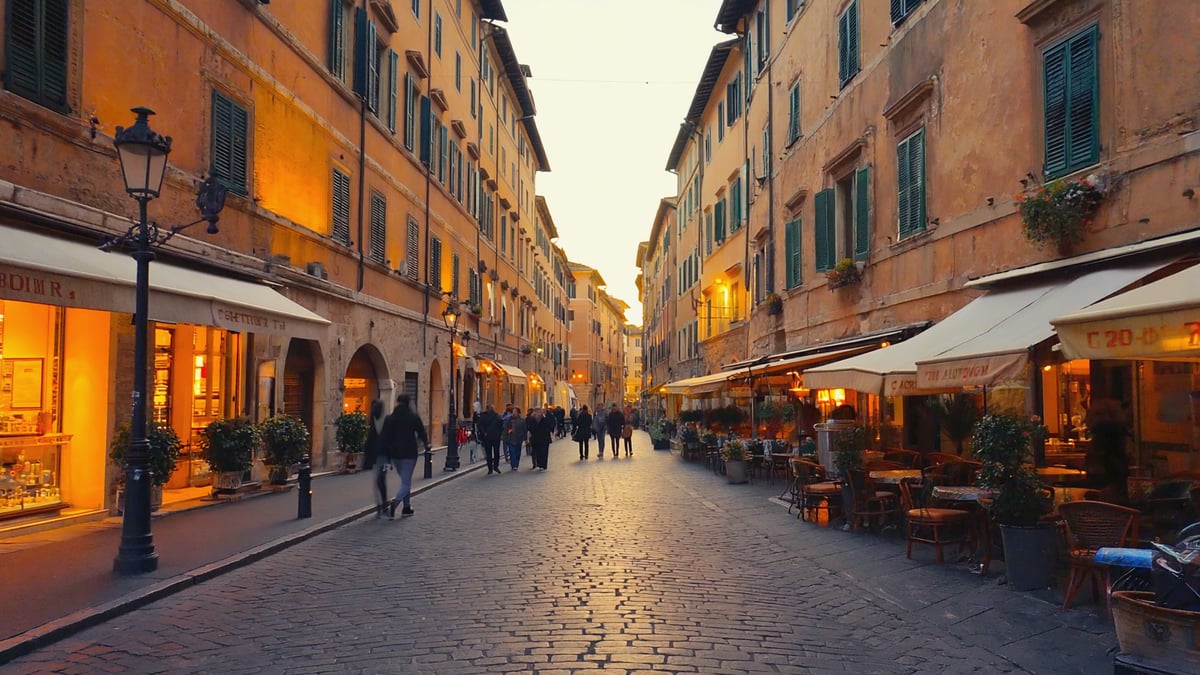
There is a particular kind of travel exhaustion that comes from visiting a city and feeling like you've merely ticked boxes. Rome is the antidote to that experience. It is a city so layered — architecturally, historically, gastronomically — that even seasoned travellers find something new on a third or fourth visit. The Baroque church tucked down the alley you've walked past twice. The neighbourhood bar where the barista remembers your order on day two. The Forum at dusk, empty of crowds, the light going golden on two-thousand-year-old stone.
For UK travellers, the combination of proximity (under three hours from London), accessibility (direct flights from six UK airports), and extraordinary cultural density makes Rome one of the most compelling city breaks available at any price point. Whether you're planning a romantic long weekend, a family cultural immersion, or a solo adventure to eat your way through the trattorias of Testaccio, the Eternal City delivers.
Rome holiday 2026 packages from GlobeHunters start from £399 per person, including return flights from the UK and central accommodation. With real-time pricing from trusted suppliers and ATOL-protected bookings, GlobeHunters takes the friction out of planning so you can focus on the part that matters: actually being there, standing at a marble counter, holding a tiny cup of perfect coffee, watching Rome wake up.
Book Your Rome City Break from the UK
Flights + hotel packages from £399pp. ATOL protected. Expert support. Real-time prices.
View Rome Package Deals →Or call us: 0208 944 4514
About the author
Spiros Maragkoudakis · Chief Commercial Officer
Ready to Book Your Rome Holiday?
Our travel experts are ready to help you plan the perfect trip. Call us today or browse our latest deals.
Ready to Start Planning?
Speak to our travel experts for personalised advice and the best deals on your next holiday.
Call 0208 944 4514