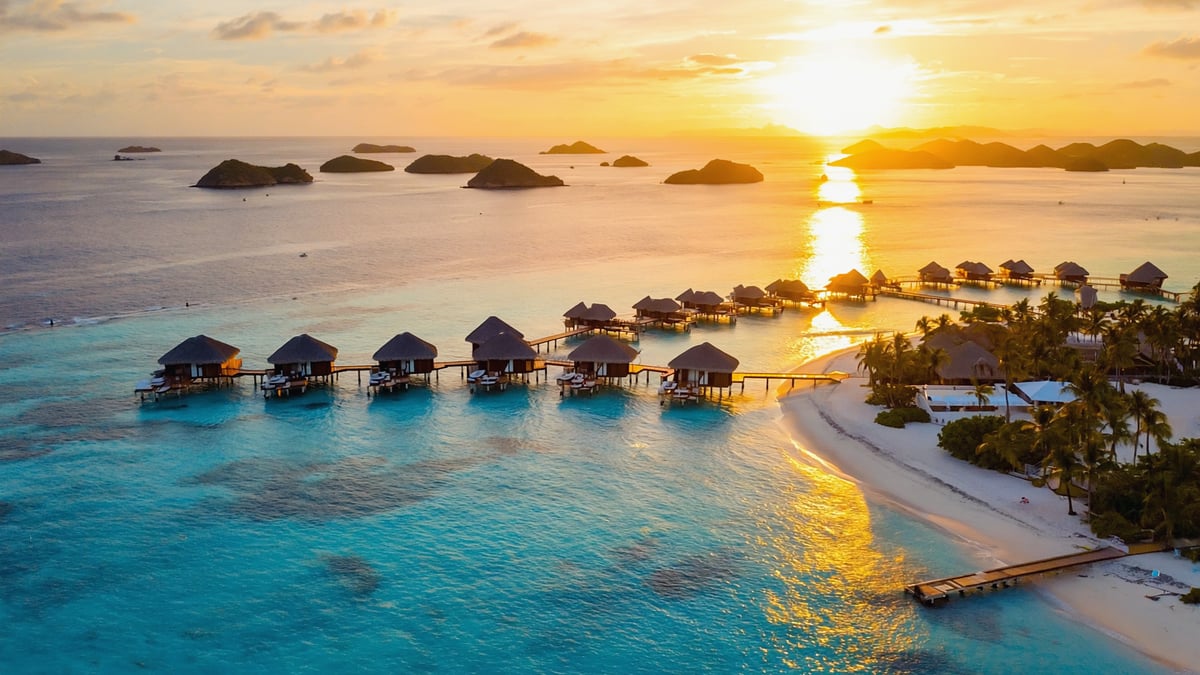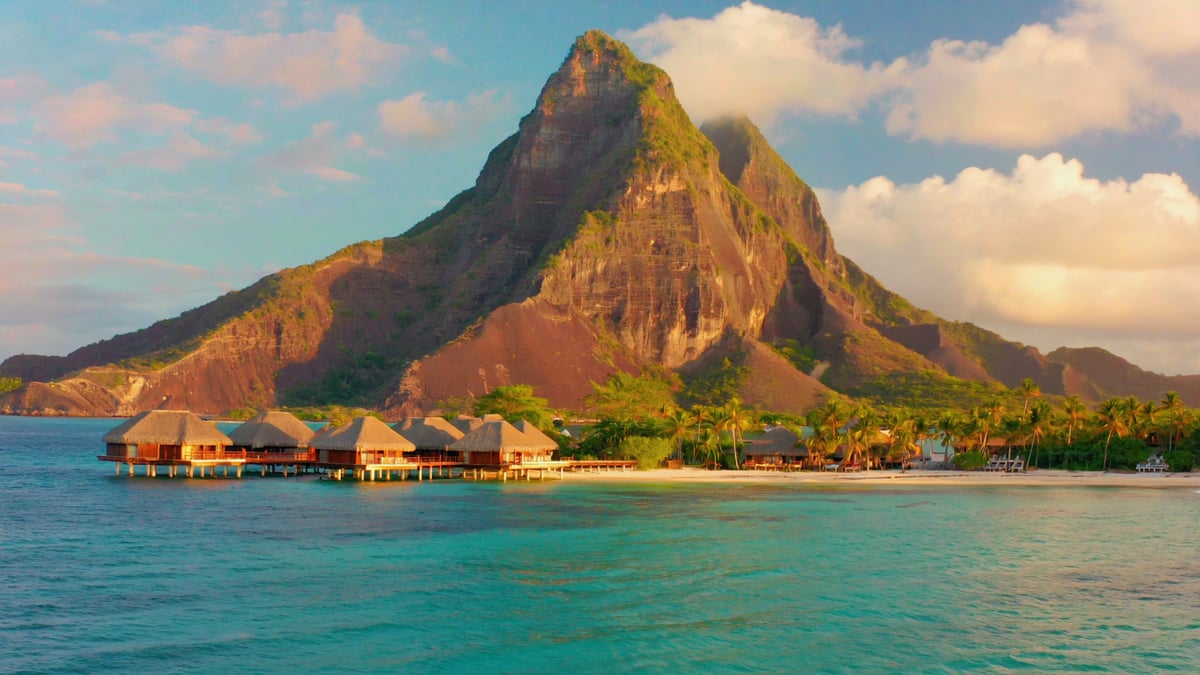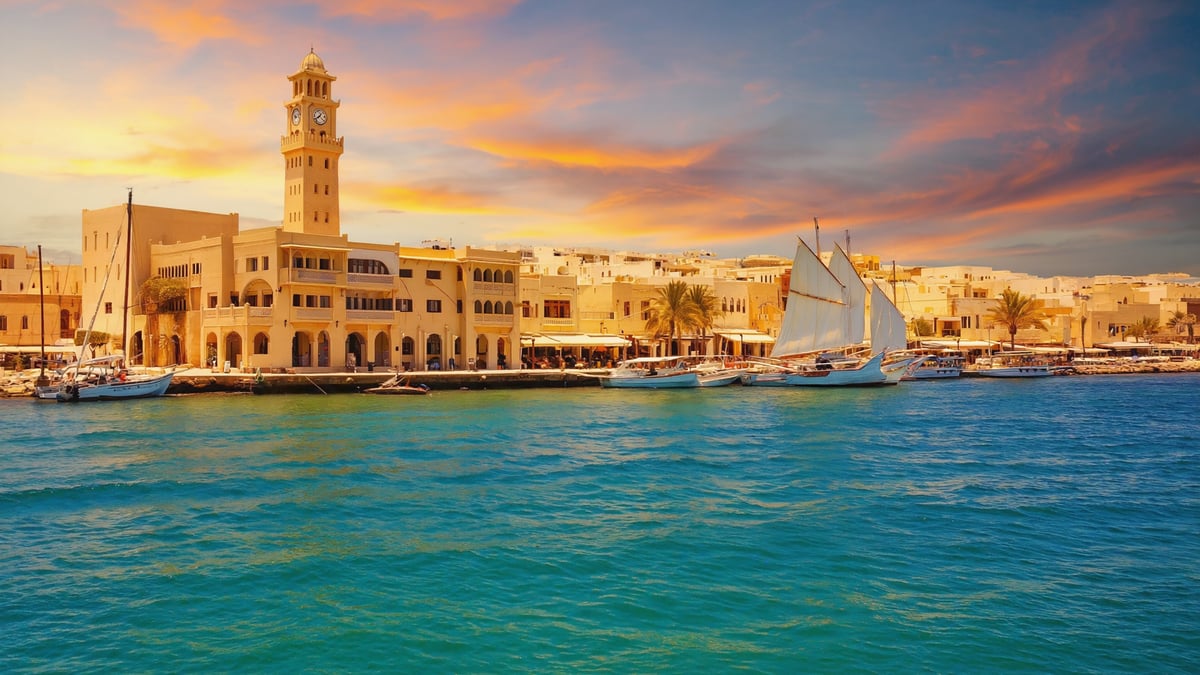
Most people picture Zanzibar as a single white-sand postcard. In reality it is an island where the holiday you get depends almost entirely on one decision you make before you book: which coast you stay on. Get that right and you come home raving. Get it wrong and you spend a week watching the sea disappear over the horizon at low tide, wondering where your swim went.
This guide is written for UK travellers weighing up a real trip, not a brochure fantasy. We will decode the coasts, tell you the honest truth about the tides and the seaweed, explain the safari-and-beach pairing that brings most Britons here, walk through when to go around the two monsoon seasons, and put genuine GBP numbers against it all.
Why Zanzibar Earns Its Place on a UK Bucket List
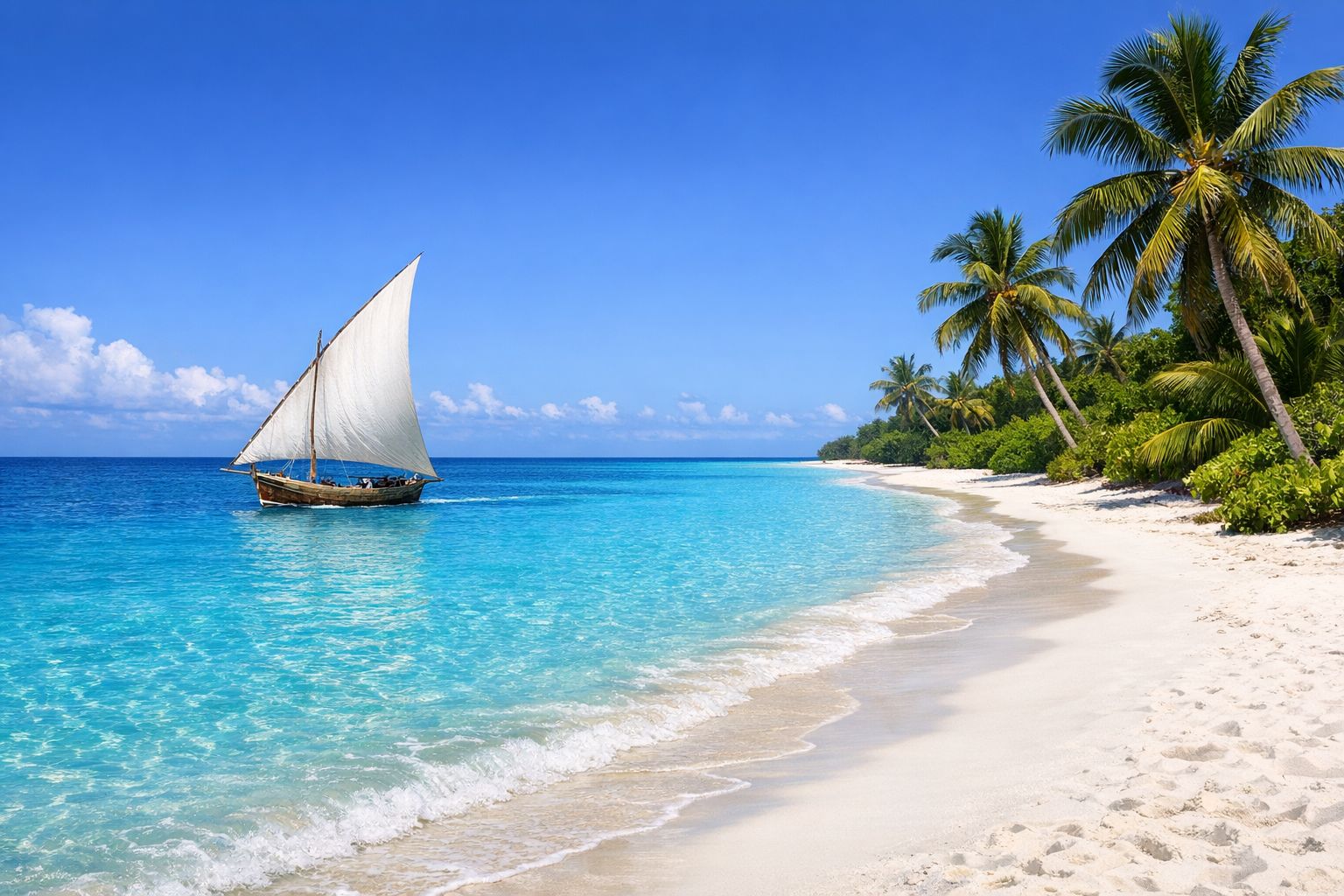
Zanzibar sits in the Indian Ocean off the coast of Tanzania, a short hop from the mainland. It is part spice island, part Swahili trading port, part barefoot beach escape, and that mix is exactly why it works so well for a longer-haul holiday. You get powder-soft sand and warm, clear water, but you also get a UNESCO-listed old town, dhow boats with patched sails, a fascinating layered history of Arab, Persian, Indian and African influence, and some of the friendliest hospitality in East Africa.
Crucially for UK travellers, it pairs beautifully with a safari. A few nights tracking lions on the mainland followed by a week with your toes in the sand is the single most popular way Britons do Zanzibar, and we cover that combination properly below. It is not a budget weekend break but a considered trip, usually 10 to 14 nights, often a honeymoon or a milestone holiday, and the planning rewards you. Here is what to weigh up.
The Decision That Shapes Everything: Which Coast?
Zanzibar is roughly oval, and the experience changes dramatically depending on where you base yourself. The single biggest factor is the tide. The north coast stays swimmable around the clock; much of the east coast has a huge tidal range, meaning the ocean retreats a long way out at low tide. Neither is better in absolute terms, but they suit very different holidays. Here is how the main areas break down.
Nungwi and Kendwa (North): Swimmable at Any Tide
If your dream is walking out of your hotel and straight into deep, turquoise water whenever you fancy, this is your coast. The far north has a much smaller tidal range, so you can swim morning, noon and night without the sea vanishing. The sand is wide and white, the sunsets are head-on spectacular, and the water stays beautifully clear.
Nungwi is the liveliest part of the island for visitors. Expect a good spread of beach bars, restaurants, dive centres and a buzz in the evenings. It suits couples and groups who want some life around them after dark. Kendwa, just around the headland, is a touch calmer and is famous for its sunsets and its monthly full-moon party, but still keeps that all-tide swimmability. If this is your first time on the island and you mainly want a proper beach holiday with reliable swimming, the north is the safest bet.
Paje and Jambiani (East): Kitesurfing and the Tide Truth
The south-east coast is a different animal, and you need to go in with your eyes open. Paje is the kitesurfing capital of Zanzibar, with steady cross-shore wind, a shallow lagoon protected by a reef, and a young, barefoot, boho crowd. Jambiani just south is quieter and more village-like, with seaweed farmers working the shallows at low tide. Both are gorgeous, laid-back and far better value than the north.
The catch is the tide. The east coast has a dramatic tidal range, so twice a day the sea pulls back hundreds of metres, exposing flat reef and leaving tidal pools rather than swimmable open water. At high tide it is sublime. At low tide you walk out a long way or simply do not swim in the sea, though many hotels here have pools to bridge the gap. For kitesurfers this is a feature, not a bug. For a couple expecting to swim off the beach whenever they like, it can be a genuine disappointment if nobody warned them. Now you know.
Matemwe, Pwani Mchangani and Michamvi (Quieter North-East and Peninsula)
Between the lively north and the sporty south-east sits a stretch of quieter coast that many seasoned visitors quietly prefer. Matemwe in the north-east is calm, low-key and the launch point for trips to Mnemba Atoll, the island's best snorkelling and diving spot. It has more of a tidal range than Nungwi but more swimmable moments than Paje, and far fewer crowds. Pwani Mchangani nearby is similar in mood.
The Michamvi peninsula on the south-east is a clever choice for honeymooners: because it is a thin finger of land, you can watch the sunrise on one side and walk across for sunset on the other, and the western side of the peninsula stays swimmable when the rest of the east coast is out. If you want seclusion and romance over nightlife, this region deserves a long look.
Stone Town: The Cultural Heart
Stone Town is not really a beach base, it is the historic capital and the soul of the island, and we strongly recommend building one or two nights here into any trip rather than skipping it for more beach time. It is a labyrinth of coral-stone alleys, carved wooden doors, spice markets, mosques, a cathedral, the old slave-trade sites and the Forodhani night food market on the waterfront. It is atmospheric, occasionally chaotic, and unforgettable.
The usual rhythm is a couple of nights in Stone Town at the start for the history, a spice farm tour and the food, then a transfer out to your chosen beach to wind down, culture then calm. It is how we structure most tailored itineraries.
The Tide and Seaweed Question, Answered Honestly
This is the single thing most generic guides skirt around, so let us be straight about it.
Tides. Zanzibar has a large tidal range, especially on the east coast. The difference between high and low water can be enormous, and the timing shifts by roughly an hour each day, so it is not a fixed schedule. On the north coast at Nungwi and Kendwa the effect is mild and you can swim any time. On the east coast at Paje and Jambiani, low tide means a long walk out across reef flats to reach water deep enough to swim, and it can coincide with the middle of the day. None of this is a problem if you expect it. It only ruins holidays when nobody mentioned it.
Seaweed. The east and south-east coasts have shallow lagoons where seaweed is farmed, mostly by local women, and where ocean currents naturally deposit seagrass. At certain times of year, broadly through the cooler, windier months, more seaweed washes up and collects on the shoreline and in the shallows. Good hotels rake their beach frontage daily, but you may still see and feel seagrass when you wade in. The north coast is far less affected. If pristine, seaweed-free swimming straight off the sand is your top priority, lean north; if you love the wild, working-village character and the kitesurfing, the east is worth the trade-off.
The practical takeaway: tell your specialist what matters most to you, whether that is guaranteed swimming, kitesurfing, nightlife, seclusion or romance, and the coast almost picks itself. There is no single best beach in Zanzibar, only the best one for your kind of holiday.
Safari and Zanzibar: The Combination Most UK Travellers Come For
Here is the open secret of Zanzibar holidays from the UK: a huge share of British travellers are not coming for the beach alone. They are coming to combine a Tanzanian safari with a beach finish, and Zanzibar is the perfect place to unwind after days of early starts and dusty game drives. Bush then beach. It is one of the great travel pairings anywhere in the world.
There are two broad safari routes to pair with the island:
- The Northern Circuit is the famous one: the Serengeti and its wildebeest migration, the Ngorongoro Crater, Tarangire and Lake Manyara. You fly into Kilimanjaro Airport, do three to five nights of game drives, then take a short scheduled flight straight to Zanzibar. This is the classic and the most photographed.
- The Southern Circuit covers Nyerere National Park (formerly part of the Selous) and Ruaha. It is wilder, quieter, more remote and excellent for boat safaris and walking safaris. Light-aircraft flights link it neatly to Zanzibar too, and you see a fraction of the vehicles.
A well-balanced trip looks like three to four nights on safari followed by six to seven on the beach, with Zanzibar's airport making the connection painless. The migration's timing across the Serengeti shifts through the year, so if witnessing it matters, plan the safari dates first and build the beach around them. This is exactly the kind of multi-stop, multi-flight trip that benefits from being arranged as one tailored package rather than booked piecemeal.
When to Go: Reading the Two Monsoons
Zanzibar's weather runs on two monsoon winds and two rainy spells, and understanding them is the difference between a glorious week and a soggy one.
- June to October, the long dry season. This is the sweet spot for most UK travellers and the prime window for the safari-and-beach combination. Cooler, drier, breezy and very pleasant, with the south-east monsoon keeping things comfortable. It coincides with the best mainland game viewing, which is why it is peak season. The same breeze that makes it lovely also brings more seaweed to the east coast and is what the kitesurfers live for.
- Late December to February, the short dry season. Hotter and more humid, with calmer seas and gorgeous, glassy water. Excellent for diving and snorkelling and a popular escape from the British winter. This is the warmest, most languid time on the island.
- March to May, the long rains. The wettest stretch, with heavy afternoon downpours, some humidity and a number of smaller hotels closing for the season. Prices are at their lowest and the island is lush and empty, so it can suit a flexible budget traveller who does not mind a daily shower, but it is not the safe choice for a once-in-a-lifetime trip.
- November, the short rains. Brief, intermittent showers rather than washouts, often clearing quickly. A reasonable shoulder window with fewer crowds and softer prices.
If you take one thing from this section: June to October is the dependable, do-everything window, especially if a safari is part of the plan, while late December to February wins for the warmest sea and the keenest divers.
Honeymoons in Zanzibar
Zanzibar is one of the most popular honeymoon destinations for UK couples, and it earns it. A safari for the adventure, a private-feeling beach for the romance, and that exotic-yet-easy Swahili-coast atmosphere is hard to beat. The island is geared up for it: many properties offer adults-only or couples-focused stays, private candlelit dinners on the sand, dhow sunset cruises, sandbank picnics where you are dropped on a spit of sand in the middle of the ocean, and beachfront suites with private plunge pools.
For honeymooners we usually steer towards the quieter coasts, the Michamvi peninsula, Matemwe or a boutique hideaway away from the busier Nungwi strip, and we build in a couple of standout experiences: snorkelling the Mnemba Atoll, a sunset dhow with a glass of something cold, and perhaps a night somewhere truly special to bookend the safari. Tell us it is a honeymoon when you enquire and we will make sure the property knows too; the little touches add up.
All-Inclusive vs Boutique: Which Style Fits
Zanzibar accommodation broadly splits into two camps, and the right answer depends on how you like to travel.
All-inclusive resorts are concentrated on the north and north-east coasts. They make budgeting simple, food and drinks are covered, there are pools, kids' facilities and activities on tap, and you never have to think about where dinner is coming from. They suit families, groups, and anyone who wants to switch their brain off entirely. The trade-off is that you are somewhat in a bubble, and the food, while plentiful, is rarely the island's best.
Boutique hotels and beach lodges are smaller, often owner-run, full of character, and usually bed-and-breakfast or half-board. You eat out, you tip local restaurants, you get a more authentic feel and frequently a more beautiful setting. They suit couples, honeymooners and independent-minded travellers. The trade-off is that you spend more thought and a bit more money on food and excursions, although the experience is often far richer.
Plenty of people do a hybrid: a boutique stay for the romantic half of the trip and an all-inclusive for the easy, do-nothing half. There is no wrong answer, only what fits your group and your appetite for planning.
What a Zanzibar Holiday Actually Costs (in GBP)
Costs vary with season, hotel standard and whether you add a safari, but here are honest ballpark figures per person to anchor your planning. Treat them as guide ranges, not quotes; school holidays and the festive season push the top end higher.
- Return flights from the UK: roughly £550 to £900 in economy, depending on season and route. There are no direct flights, so you will connect through a Gulf or African hub.
- A week's beach holiday, mid-range (good 4-star, half-board or all-inclusive), flights included: around £1,400 to £2,200 per person.
- A week at a boutique or upper-tier property, flights included: from about £2,200 to £3,500-plus per person, climbing with the more exclusive lodges.
- Adding a safari leg (three to four nights): typically £1,500 to £3,000-plus per person on top, depending on circuit, camp standard and how many internal flights are involved. Premium tented camps go higher again.
- A full safari-and-beach combination of 10 to 14 nights: commonly lands in the £3,000 to £5,500 per person bracket for a comfortable mid-to-upper trip, more for luxury.
- Honeymoon and luxury beach-only: from around £3,500 per person and up, well into five figures for the headline properties.
On the ground, day-to-day costs are modest by UK standards: a good restaurant dinner with drinks might be £15 to £30 a head, with tours a fraction of European prices. Budget separately for the visa, tips and excursions, and note that the east coast can work out meaningfully cheaper than the north if you are happy with the tide trade-off.
Getting to Zanzibar from the UK
There are no direct flights between the UK and Zanzibar, so every trip connects through a hub. The most common and comfortable routings are:
- Via the Gulf: Doha with Qatar Airways, Dubai with Emirates, or Abu Dhabi with Etihad. These are popular, frequent and comfortable, with onward flights into Zanzibar or into Dar es Salaam on the mainland.
- Via an African hub: Nairobi with Kenya Airways, Addis Ababa with Ethiopian Airlines, or Istanbul with Turkish Airlines. These can be efficient and are often well-priced.
Total journey time is typically 12 to 15 hours including the connection. Zanzibar's airport (Abeid Amani Karume International, code ZNZ) is small and close to Stone Town, so transfers to your beach are straightforward. If you are pairing a safari, your itinerary usually flies you into Kilimanjaro or Dar es Salaam first for the bush, then a short scheduled or light-aircraft flight delivers you to Zanzibar for the beach finish. Stitching those flights together cleanly is one of the main reasons travellers let a specialist arrange the whole trip as a single package.
Practical Bits UK Travellers Ask About
- Visa: UK passport holders need a visa for Tanzania, available as an e-visa in advance (recommended) or on arrival, currently around £40 to £50. Apply ahead to save time at the airport.
- Health: Zanzibar is a malaria area, so anti-malarials and good insect repellent are advised; check current guidance with your GP or a travel clinic well before you go. A yellow fever certificate is required if you are arriving from or have transited a country where yellow fever is a risk.
- Money: the currency is the Tanzanian shilling, but US dollars are widely accepted for hotels, tours and the visa; bring some clean, newer dollar notes and a card for everything else.
- Time difference: Zanzibar is three hours ahead of UK winter time, so jet lag is minimal.
- Culture and dress: Zanzibar is predominantly Muslim, so cover shoulders and knees away from the beach and in Stone Town. Beachwear is fine on the resort sand, less so in town.
- Things to do beyond the sand: a spice farm tour, the Jozani Forest to see the rare red colobus monkeys, snorkelling or diving at Mnemba Atoll, a sunset dhow cruise, the Prison Island giant tortoises, dolphin trips off Kizimkazi, and the Forodhani night food market in Stone Town.
Key Takeaways
- The coast is the decision. North (Nungwi, Kendwa) for swimming at any tide and a livelier feel; east (Paje, Jambiani) for kitesurfing, value and village character but with a big tidal range; the quieter north-east and Michamvi peninsula for seclusion and romance.
- The tide and seaweed are real, not a deal-breaker. Match the coast to what you most want and you sidestep the disappointment entirely.
- Bush then beach is the headline trip. A safari followed by Zanzibar is why most UK travellers come, and it is worth planning the safari dates first.
- June to October is the dependable do-everything window; late December to February for the warmest, calmest sea.
- Budget honestly: a beach week from roughly £1,400 per person, a safari-and-beach combination commonly £3,000 to £5,500 per person.
- No direct flights: you connect through a Gulf or African hub, around 12 to 15 hours in total.
Zanzibar Holiday FAQs
Are Zanzibar holidays from the UK expensive?
They are a considered, longer-haul trip rather than a cheap getaway, but they offer strong value once you arrive. A mid-range beach week with flights commonly runs from around £1,400 per person, while a full safari-and-beach combination typically sits in the £3,000 to £5,500 per person range. Food, tours and transport on the island are inexpensive by UK standards.
Which is the best part of Zanzibar to stay in?
It depends on your priorities. Choose the north (Nungwi or Kendwa) if you want to swim off the beach at any state of the tide and enjoy some evening buzz. Choose the east (Paje or Jambiani) for kitesurfing, better value and a laid-back village feel, accepting the large tidal range. Choose the quieter north-east or the Michamvi peninsula for seclusion and honeymoon romance.
Is there really a seaweed and low-tide problem?
On parts of the east and south-east coast, yes. The sea retreats a long way at low tide and seaweed can collect in the shallows, more so in the cooler, windier months. The north coast is largely unaffected and stays swimmable throughout. It is only ever a problem when travellers are not warned, so pick your coast with this in mind.
Can I combine a safari with Zanzibar?
Yes, and it is the most popular way to do it. You fly into the Tanzanian mainland (Kilimanjaro for the northern circuit or Dar es Salaam for the south), spend three to four nights on game drives, then take a short flight to Zanzibar for a beach finish. We arrange the whole thing as one seamless package so the flights and transfers join up.
When is the best time to go?
June to October is the prime window, cooler, drier and ideal if you are pairing a safari. Late December to February brings the warmest, calmest sea and the best diving. March to May is the rainy season with the lowest prices but the least reliable weather.
Do UK travellers need a visa and vaccinations?
UK passport holders need a Tanzania visa (best obtained as an e-visa before travel). Zanzibar is a malaria area, so anti-malarial advice and a check with your GP or travel clinic are recommended, and a yellow fever certificate is required if you have come from or transited an at-risk country. Always confirm the latest requirements before you book your final arrangements.
Plan Your Zanzibar Holiday with GlobeHunters
Zanzibar is a destination where the details make or break the trip, the coast, the tide, the timing, the safari connection, the right hotel for your kind of holiday. That is exactly the sort of thing our specialists arrange every day, building it all into one tailored package with flights, hotels and transfers handled for you.
Tell us how you like to travel and we will match the coast and the itinerary to you. Browse our Zanzibar holiday packages for inspiration, see the wider range when you browse holiday packages, or go straight to the source and enquire / get a quote. Speak to our Zanzibar specialists for a no-obligation, tailored quote and we will shape a trip around exactly what you want, whether that is bush and beach, a barefoot honeymoon, or simply the best week of sand and sea you have ever had.
Ready to Start Planning?
Speak to our travel experts for personalised advice and the best deals on your next holiday.
Call 0208 944 4514