Most Thailand guides treat Phuket as one place. It isn't. It's a string of very different beaches strung along a mountainous west coast, plus a historic town on the other side, and the single biggest decision of your whole holiday is which stretch of sand you wake up on. Get that right and Phuket is one of the easiest long-haul trips a UK family or couple can take. Get it wrong and you spend a week wishing you'd booked the next beach along.
This guide is written for that decision. We'll decode the beaches honestly, tell you the truth about the monsoon (it's not what most people fear), sort the island day trips worth your money from the ones that aren't, weigh up pairing Phuket with Bangkok or Krabi, and give you real GBP costs so there are no surprises. No fluff, no glossy nonsense, just what a UK buyer actually needs to weigh up before they enquire.
Why Phuket Works for a UK Holiday
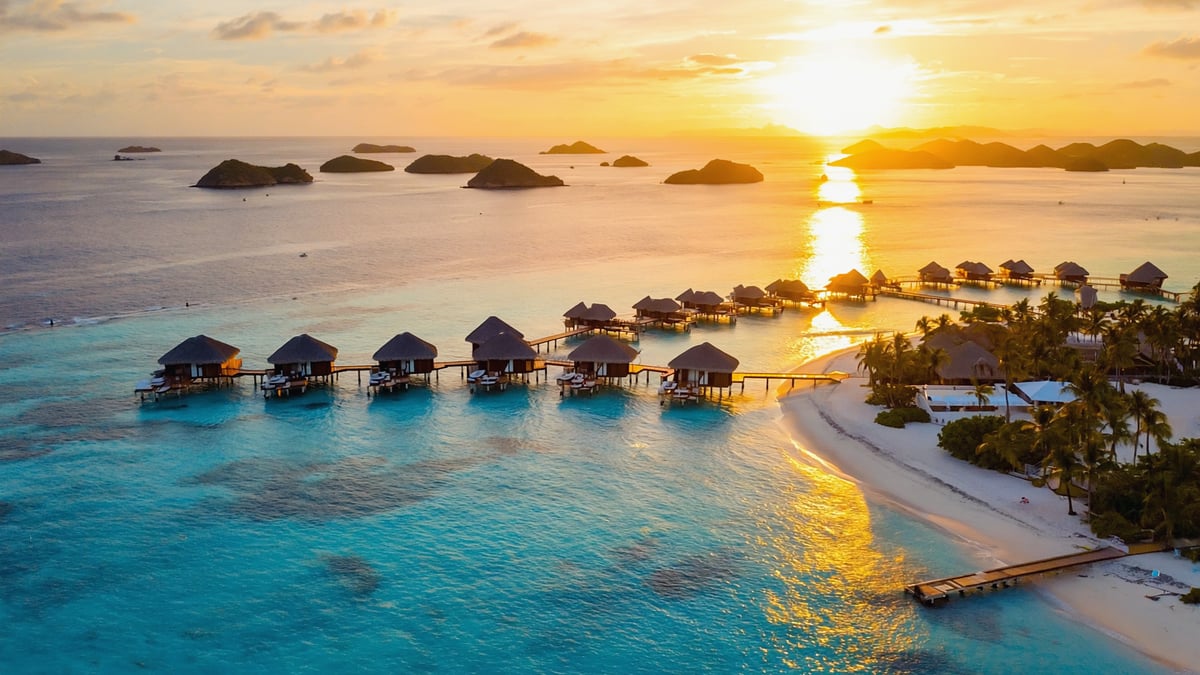
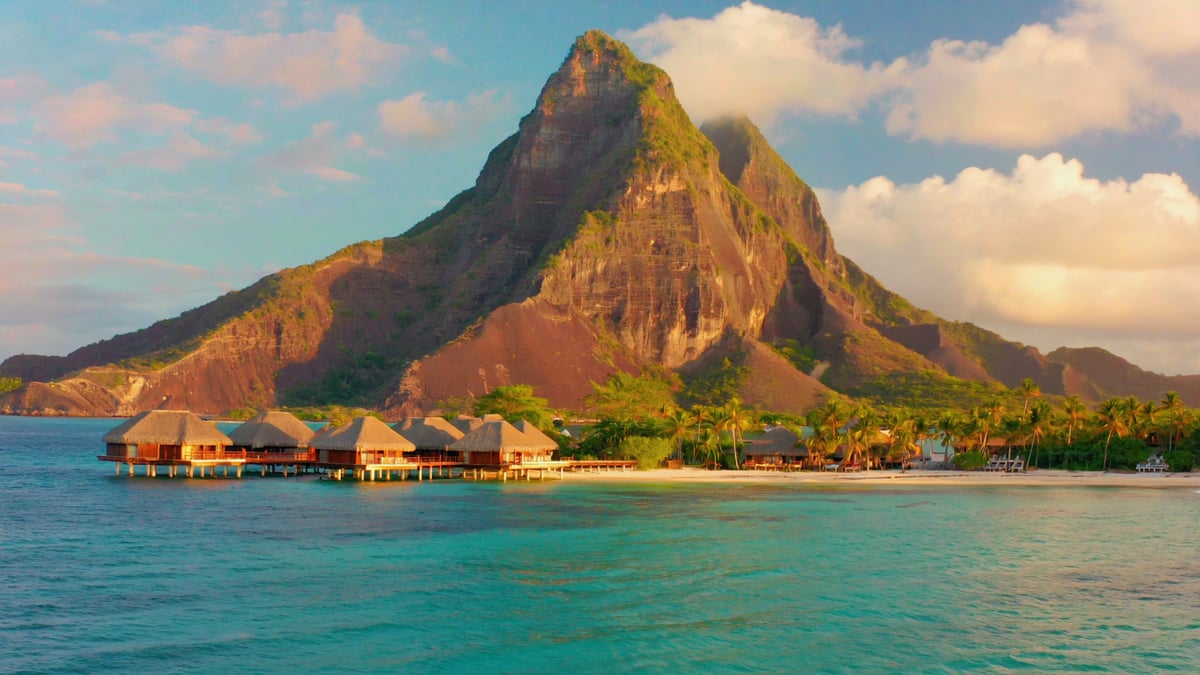
Phuket is Thailand's biggest island, joined to the mainland by a bridge, with its own international airport and a tourism industry that has spent decades learning how to look after British visitors. That maturity is the point. You get warm Andaman Sea swimming, genuinely world-class food at pennies on the pound, spa and massage culture, dramatic limestone-island scenery a boat ride away, and a standard of resort that ranges from cheap and cheerful to some of the best value luxury in Asia.
For UK travellers it hits a particular sweet spot. It's exotic and a long way from home, yet it's set up for first-timers. English is widely spoken in the resort areas, the currency (Thai baht) stretches a long way, and a tailored package can bundle the flights, hotel, transfers and day trips so you arrive to a driver holding your name rather than haggling at an airport taxi rank after a 13-hour journey. Thailand beach holidays built around Phuket give you that rare combination of adventure and ease.
The One Decision That Shapes Everything: Which Beach You Base Yourself On
This is where most people go wrong, so we'll spend real time on it. Phuket's west coast beaches sit within a 40-minute drive of each other, but in feel they're worlds apart. Choosing badly is the difference between a couple seeking quiet sunsets ending up next to a thumping bar street, or a family with a buggy stuck up a hill miles from a swimmable beach.
Patong: Lively, Loud and Convenient
Patong is the famous one, the brash beating heart of Phuket, and home to Bangla Road, the neon nightlife strip. The beach itself is a long sweep of sand with jet skis, parasailing and beach loungers, and the town behind it is wall-to-wall restaurants, cheap shopping, the Jungceylon mall and street-food stalls. It is busy, it can be tacky in places, and at night it is not subtle.
Who it suits: first-timers who want everything on the doorstep, younger couples and friends after nightlife, and budget-minded travellers, because Patong has the widest range of cheap eats and bargain hotels. Who should avoid it: honeymooners chasing romance and families with young children who want early nights and calm. A useful trick is to stay in the quieter hills above Patong or at the southern end near Tri Trang, close enough to dip in, far enough to sleep.
Kata and Karon: The Family-Friendly Middle Ground
Drive 15 minutes south of Patong and the volume drops. Karon is a broad, generous beach with soft sand and space to breathe; Kata, just beyond it, is slightly more compact and a touch more stylish, with a smaller sister cove, Kata Noi, tucked around the headland. Both have a proper choice of restaurants and a bit of low-key nightlife without the Bangla Road intensity.
This is the sweet spot for a lot of UK families and couples who want relaxed rather than remote. The beaches are good for swimming for most of the year, there are surf schools at Kata when the green-season swell rolls in, and you're still close enough to Patong for a big night out if you fancy one. If you want one safe answer for a first Phuket trip, Kata or Karon is it.
Kamala, Surin and Bang Tao: Quiet, Upmarket and Grown-Up
North of Patong is where Phuket goes upmarket. Surin earned the nickname "Millionaire's Row" for the villas in the hills above its pretty beach. Kamala is quieter and more village-like, with a lovely stretch of sand and a relaxed, couples-friendly mood. Bang Tao is the longest beach on the island and home to the Laguna complex, a cluster of resorts with shared facilities, plus a row of glamorous beach clubs where the days slide from sun lounger to sundowner.
This trio is where to look for honeymoons, milestone anniversaries and anyone who values calm and quality over price and buzz. The trade-off is that you'll rely more on taxis or your resort to get around, and you'll pay more per night, but the standard of hotel and the peace you get in return are excellent. For Phuket package holidays with a romance or luxury slant, start here.
Phuket Old Town and the East Coast: Character Over Beach
Not everyone wants to base themselves on a beach the whole time, and Phuket Old Town (Phuket Town) is the island's most underrated corner. Its Sino-Portuguese shophouses, painted in sherbet colours along Thalang Road, house indie cafes, cocktail bars and galleries, and the Sunday walking-street market is a genuine highlight. It's not a beach base, but a night or two here adds real texture to a trip, and it's a short hop to the east-coast piers.
The east coast itself, around Rawai, Chalong and Cape Panwa, is more local and less about swimming beaches, but it's where many of the island-hopping boats depart and where you'll find a more everyday, lived-in Thailand. At the very south, Nai Harn is a beautiful, quieter beach with a lagoon behind it, popular with people who want upmarket calm without the price tag of Surin. Up by the airport, Mai Khao and Nai Yang offer long, undeveloped sand and a handful of serene resorts, ideal if total peace is the goal.
When to Go: The Monsoon Truth Nobody Tells You
The biggest myth about Phuket is that the rainy season is a write-off. It isn't, and understanding the seasons is how you save money or buy yourself perfect weather, depending on what matters more to you.
Peak, dry season (roughly November to April): This is the classic window. Clear skies, calm seas, lower humidity and the best swimming and boat conditions. It's also the busiest and most expensive stretch, and the period from mid-December through January, around Christmas, New Year and Chinese New Year, is the absolute peak, when the best hotels sell out and prices climb hardest. February and March are the quiet sweet spot within the dry season, gorgeous weather without the festive surcharge.
Green season (roughly May to October): This is the "monsoon" everyone worries about, and for most of it the reality is far gentler than the word suggests. Typically you get sunshine broken by heavy but short downpours, often in the late afternoon or overnight, with the landscape lush and prices dramatically lower, sometimes 30 to 50 per cent off peak rates. The catch is the sea: the Andaman gets rougher, west-coast swimming can be flagged as dangerous on the worst days, and some boat trips are cancelled at short notice. September and October are the genuinely wet months and the ones to be most cautious about.
The value windows: If you want the best balance, look at May, June and early July, when prices have dropped but the weather is still often very good, and late October into early November, when the rains ease and the crowds haven't yet arrived. Our Thailand specialists can steer you to the week that suits your priorities, whether that's lowest cost or most reliable sun.
Island-Hopping Day Trips: Which Ones Earn Their Place
Half the joy of Phuket is using it as a launchpad. The Andaman Sea around it is studded with limestone islands, and a good day trip is often the memory people bring home. But they are not all equal, and some are oversold. Here's the honest ranking.
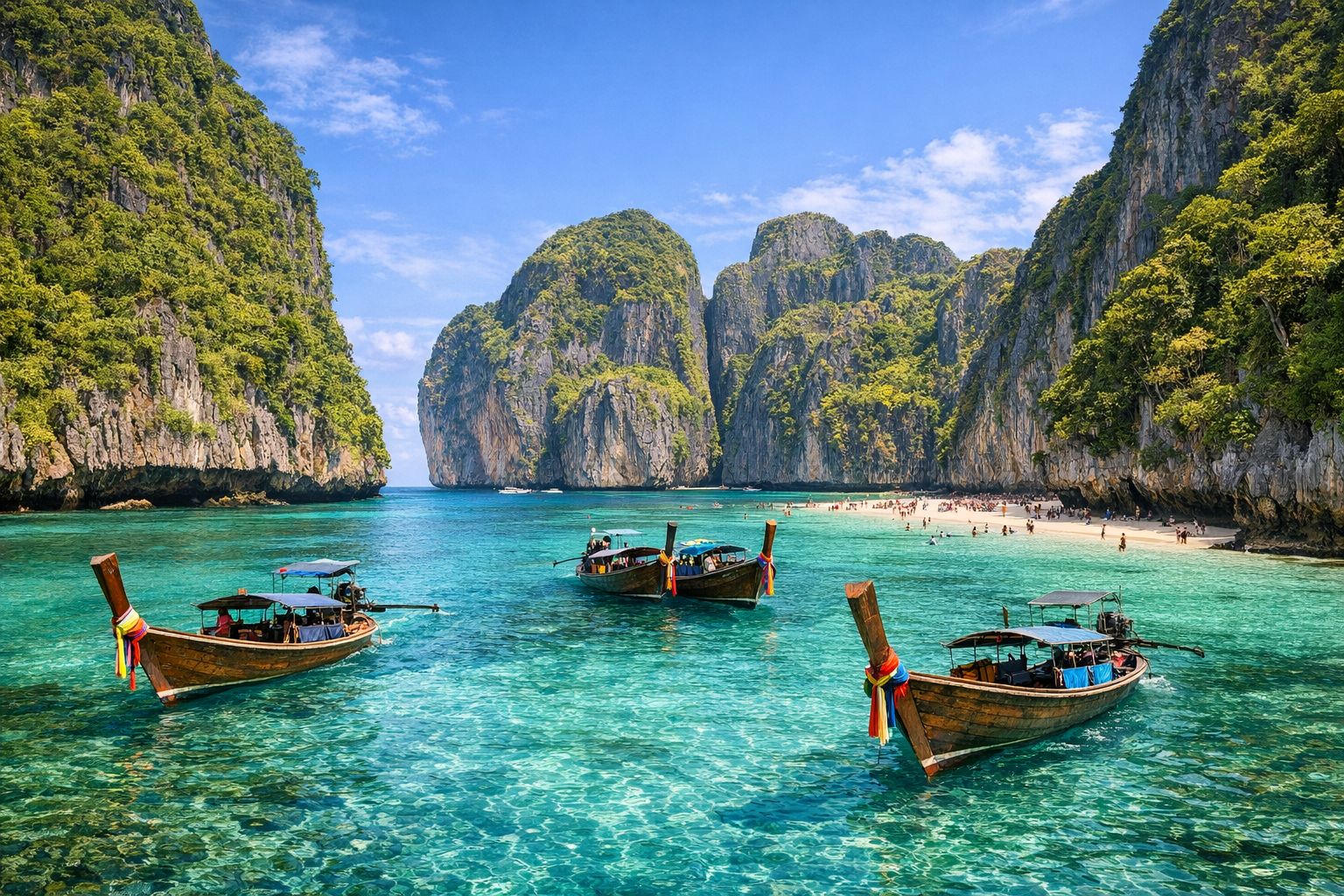
- Phi Phi Islands and Maya Bay: The famous one, the turquoise-water, towering-cliff scenery from The Beach. It deserves its reputation, but it's also the busiest, and Maya Bay now has visitor restrictions and an entry fee to protect it. Worth doing, but go on an early-start or smaller-boat trip to beat the crowds, or consider an overnight on Phi Phi itself to see it at dawn.
- Phang Nga Bay and James Bond Island: The calmest waters and, for many, the most jaw-dropping scenery, sheer limestone karsts rising straight out of a flat green sea. Sea-canoeing through the caves and lagoons is the real highlight; James Bond Island (Khao Phing Kan) itself is small and crowded, but the bay around it and the stilted village of Koh Panyee make this the best all-round family trip.
- Similan Islands: The best snorkelling and diving within reach, with powder-white sand and clear water, but with two big caveats. It's a long boat ride, and the national park closes during green season, opening only roughly mid-October to mid-May. For keen snorkellers and divers travelling in the dry season, it's superb; for everyone else, it's a lot of boat time.
- Coral Island and Racha (Raya) Islands: Close, quick and easy, with good snorkelling and calmer logistics, these are the smart choice for families with younger children or anyone who doesn't fancy hours at sea. Less iconic, far less hassle.
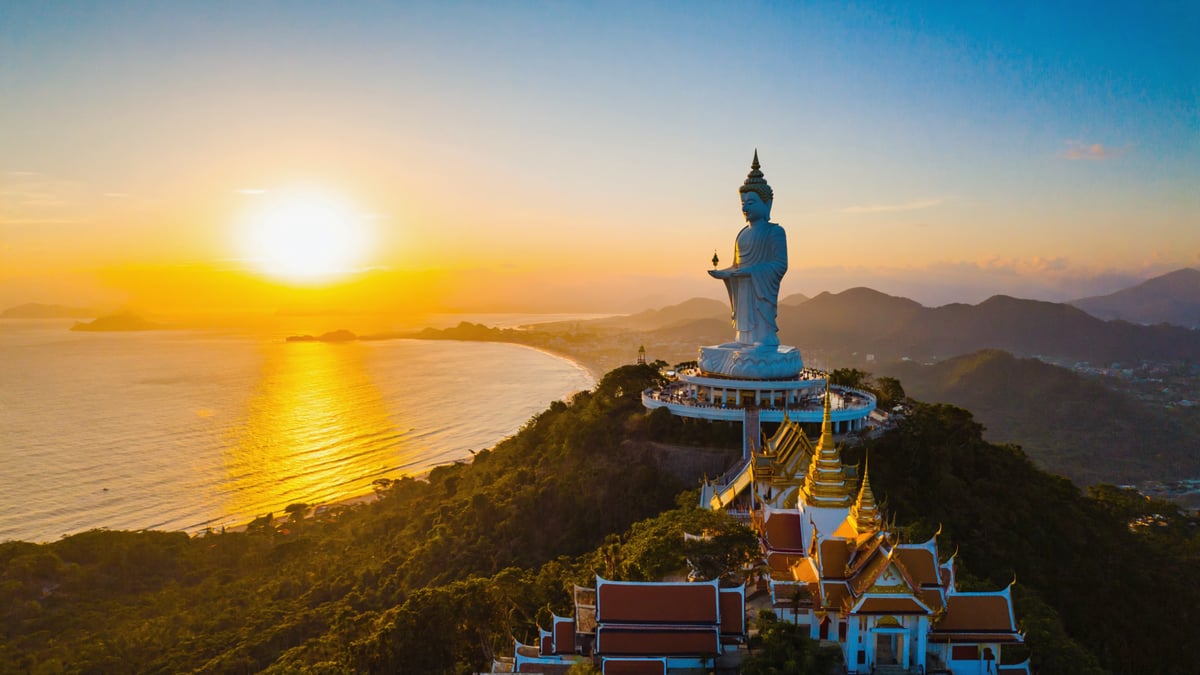
Beyond the boats, the best land-based days out are an ethical elephant sanctuary (look for sanctuaries that don't offer riding), the Big Buddha viewpoint, a wander round Old Town, and the temples around Chalong. A tailored itinerary can space these out so you're not on a boat every single day, which is the most common day-trip mistake.
Twin-Centre: Pairing Phuket with Bangkok or Krabi
You've come a long way, so many UK travellers rightly want to see more than one place. The two classic pairings turn a beach week into a proper Thailand experience, and both are easy to arrange.
Bangkok and Phuket
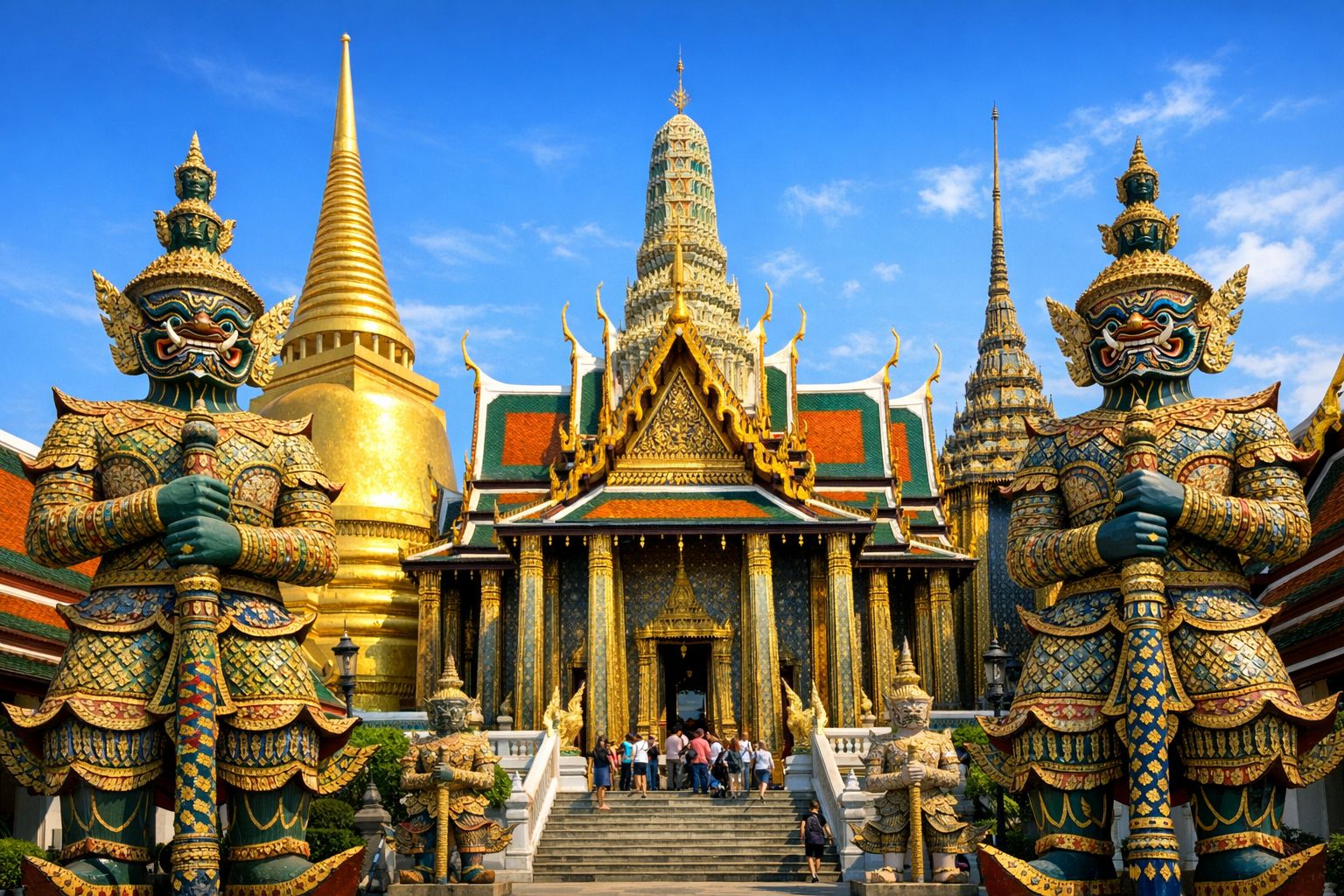
The most popular Phuket twin-centre holidays open with two or three nights in Bangkok, then fly down to the beach. Bangkok delivers the Grand Palace and the glittering temples, the Chao Phraya river, the markets, the rooftop bars and some of the best street food on earth, all the high-energy culture that a beach can't give you. The internal flight is only about an hour and twenty minutes and runs constantly, so it's a painless add-on. Doing the city first and the beach second is the natural order, because you finish your holiday relaxed rather than rushing to a city to catch your flight home.
Krabi and Phuket
If your priority is beaches and scenery rather than a big city, pair Phuket with Krabi on the nearby mainland. Krabi's Ao Nang and the climber's paradise of Railay, reachable only by longtail boat, offer a more laid-back, dramatic coastline, and the famous Four Islands tour launches from here. You can connect the two by ferry or a road transfer, and the combination gives you real variety, Phuket's polish and choice on one side, Krabi's wilder beauty on the other.
Other pairings worth considering are Phuket with quieter Khao Lak to the north (handy for the Similans and great for families), or Phuket with Koh Samui on the opposite Gulf coast, which has the advantage of a different weather pattern but more involved travel logistics. A specialist can tell you whether a twin-centre genuinely fits your dates and budget or whether you're better off settling into one base.
All-Inclusive vs Room-Only: The Thailand Reality
Here UK habits can work against you. All-inclusive is the default for the Caribbean and the Canaries, so many people assume it's the way to do Phuket too. In Thailand, it often isn't, and here's the honest reasoning.
Thailand's food is one of the main reasons to come, and it is astonishingly cheap. A superb plate of pad thai or a green curry from a local restaurant costs a couple of pounds, and even a smart sit-down meal rarely breaks the bank. Lock yourself into all-inclusive and you'll either overeat at the buffet to "get your money's worth" or feel guilty walking past the very food you came for. All-inclusive drinks packages also tend to pour local spirits rather than the brands you'd choose.
So for most couples and independent-minded travellers, room-only or bed-and-breakfast is the better value and the better experience, because eating out is part of the holiday and costs little. Where all-inclusive or half-board does make sense is for families with young children who want predictability, for resort-bound stays where you don't plan to leave the grounds much, and for remote beaches like Mai Khao or a Khao Lak twin-centre where dining options outside the hotel are limited. Half-board, breakfast and dinner with lunch left free, is a sensible middle path that keeps you fed without trapping you. We'll match the board basis to how you actually want to spend your days.
What a Phuket Holiday Actually Costs from the UK
Let's talk money plainly, in pounds. Costs vary with season and hotel standard, but these ranges give you a realistic frame for planning.
- A 7-night package, flights and hotel: a comfortable 3 to 4-star room-only or B&B trip typically lands around £900 to £1,400 per person in the value and shoulder seasons, rising over Christmas and New Year. Step up to 5-star and luxury beachfront and you're looking at £1,600 to £2,500-plus per person, though Phuket's top-end value is genuinely strong compared with equivalents elsewhere.
- A Bangkok-and-Phuket twin-centre: budget roughly £1,300 to £1,900 per person for a well-balanced trip with mid-to-upper hotels and the internal flight included.
- Eating and drinking: a local Thai meal runs about £3 to £6, a good mid-range restaurant dinner £8 to £15 a head, a large local beer £2 to £4 and a cocktail £4 to £7. Two people can eat extremely well for £25 to £40 a day.
- Getting around: short Grab or taxi hops are about £4 to £10; an hour-long Thai massage is a blissful £6 to £10.
- Day trips: a Phi Phi or Phang Nga speedboat tour is roughly £30 to £60 per person including lunch and park fees; a Similan day trip is more, around £70 to £110, reflecting the distance.
The headline is that your big spend is the flight and hotel, booked ahead, and once you're there, daily life is cheap. That makes Phuket one of the best long-haul destinations for a holiday that feels far more lavish than the total bill suggests.
Getting There: Flights from the UK
There are no direct flights from the UK to Phuket, so every trip involves one connection, and the total journey is usually around 13 to 15 hours including the stop. The good news is that the connections are excellent. The smoothest routings go via the Gulf hubs, with one-stop services through Dubai, Doha and Abu Dhabi, or via Asian hubs such as Singapore and Bangkok, where you change to a short onward flight.
For comfort, the Gulf carriers and Singapore Airlines are consistently strong, and a sensible layover, long enough to stretch your legs, short enough not to drag, makes the trip far easier. If you're doing a Bangkok twin-centre, you can simply fly into Bangkok, spend your city nights, then take the quick domestic hop to Phuket, which often works out neatly. When we put a package together we'll balance journey time, layover length and price rather than just chasing the cheapest fare, because on a 13-hour trip the routing really matters.
Families vs Couples: Who Phuket Suits
Phuket genuinely works for both, but they want different things from it, and the beach choice above is most of the answer.
For families, point yourselves at Kata, Karon or Bang Tao's Laguna resorts, where calm swimming, pools, kids' clubs and easy access to gentle day trips like Coral Island and Phang Nga Bay make life simple. Elephant sanctuaries and the Big Buddha are winners with children, and room-only or half-board keeps mealtimes flexible. Avoid basing young children right on Bangla Road in Patong.
For couples and honeymooners, Surin, Kamala, Nai Harn or a luxury Bang Tao resort deliver the romance, quiet beaches, beach clubs, sunset dinners and spa days, with Phi Phi and Old Town as standout excursions. A twin-centre with Bangkok or Krabi adds variety to a special trip. Phuket's strength is that one island can be a buzzy first adventure or a serene escape depending entirely on where you point it.
Key Takeaways
- The beach you base on is the whole holiday: Patong for lively and convenient, Kata and Karon for families, Kamala, Surin and Bang Tao for quiet and upmarket, Old Town for character.
- Green season isn't a write-off, it's often short afternoon showers, lush scenery and 30 to 50 per cent lower prices, with September and October the genuinely wet months.
- Phang Nga Bay is the best all-round day trip; Phi Phi is iconic but busy; Similan is brilliant but dry-season only and a long ride.
- Room-only or B&B usually beats all-inclusive in Thailand, because the food is cheap, brilliant and part of the point.
- There are no direct UK flights; expect about 13 to 15 hours via a Gulf or Asian hub, and a Bangkok or Krabi twin-centre is an easy, rewarding add-on.
Frequently Asked Questions
How long do you need in Phuket?
For a pure beach holiday, 7 nights is the sweet spot, enough to settle in, do two or three day trips and still have lazy days. If you're adding Bangkok or Krabi, aim for 10 to 14 nights so neither leg feels rushed after the long flight out.
Is Phuket good for families with young children?
Yes, provided you base on a calm beach. Kata, Karon and the Laguna resorts at Bang Tao are set up for families, with safe swimming, pools and kids' clubs, and gentle day trips like Coral Island and Phang Nga Bay suit children well.
Do I need any special travel preparation?
Most UK passport holders can visit Thailand for a beach holiday without arranging a visa in advance, but rules can change, so always check current entry requirements before you travel and make sure your passport has plenty of validity. We'll flag the latest guidance when you enquire.
Is Phuket cheap once you're there?
Very. Your main outlay is the flight and hotel, booked ahead. Day to day, meals, drinks, massages and local transport are inexpensive, so two people can live well on £25 to £40 a day plus the occasional day trip.
Can you visit Phuket in the rainy season?
Yes, and many people do, drawn by lower prices and greener scenery. Expect heavier seas and the odd cancelled boat trip, and be cautious about west-coast swimming on rough days. May, June and late October are the best value-for-weather windows; September and October are the wettest.
Plan Your Phuket Holiday with GlobeHunters
Phuket rewards a bit of planning, and that's exactly what we do. Tell us how you want to feel, lively or laid-back, family-friendly or romantic, one beach or a twin-centre, and our Thailand specialists will match you to the right beach, the right season for your budget and the day trips that are genuinely worth your time, then bundle the flights, hotel and transfers into one tailored package.
Take a look at our Phuket holiday packages for a starting point, browse holiday packages across Thailand and beyond for ideas, or simply enquire / get a quote and we'll build something around you. Speak to our Thailand specialists today and request a tailored quote, no online booking, no pressure, just expert help getting your Phuket holiday right first time.
Ready to Start Planning?
Speak to our travel experts for personalised advice and the best deals on your next holiday.
Call 0208 944 4514