There is a place on Earth where the ground breathes steam, where waterfalls plunge into black lava fields, where the sky ignites in ribbons of green and violet on winter nights — and where you can stand on the tectonic boundary between two continents and feel, quite literally, the planet shifting beneath your feet. That place is Iceland. For UK travellers, it sits just over two hours away by plane, yet it feels like another world entirely. In 2026, with Iceland package holidays from the UK more accessible than ever and a growing network of direct flights from multiple British airports, there has never been a better year to finally make the trip. This guide covers everything you need — from chasing the Northern Lights in Iceland in 2026 to budgeting your days in Reykjavik, navigating the Golden Circle, and soaking in geothermal pools under an Arctic sky.
Iceland: What Kind of Destination Is This, Really?
Iceland is not a beach holiday. It is not a city break in the conventional sense. It is, more than anywhere else in the Northern Hemisphere, a destination defined entirely by nature — and that nature is extreme, elemental, and unforgettable. Understanding what Iceland actually offers is the first step to planning a trip that lives up to its reputation.
Geographic location: Iceland sits in the North Atlantic Ocean, straddling the Mid-Atlantic Ridge — the boundary between the Eurasian and North American tectonic plates. It lies roughly 1,800 kilometres west of mainland Europe and about 970 kilometres east of Greenland. Its capital, Reykjavik, is the world's northernmost capital city.
Language: Icelandic is the official language, one of the oldest living languages in the world. However, English is spoken universally throughout the country — in shops, restaurants, hotels, and even in remote rural areas. UK travellers will encounter no language barrier whatsoever.
Currency: The Icelandic Króna (ISK). As of 2026, rough exchange rates sit at approximately 180–195 ISK to £1, though rates fluctuate. Iceland is an almost entirely cashless society — card payments are accepted virtually everywhere, including at remote petrol stations, waterfalls with entry kiosks, and rural farm cafés. Carry a contactless card and you will be fine.
Time zone: Iceland operates on GMT (Greenwich Mean Time) year-round. Unusually, the country does not observe daylight saving time, which means during British Summer Time (BST), the UK is actually one hour ahead of Iceland. In winter, the two countries share the same time zone.
Visa requirements for UK travellers: Iceland is a member of the Schengen Area but not the European Union. Following Brexit, UK citizens can visit Iceland visa-free for up to 90 days within any 180-day period under the Schengen short-stay rules. No visa application is required for a standard holiday. Ensure your passport is valid for the duration of your stay and has been issued within the last ten years. From 2025, the European Travel Information and Authorisation System (ETIAS) was expected to apply to UK nationals entering Schengen countries; check the official EU ETIAS portal for the latest entry requirements before travelling.
Size and scale: Iceland is approximately 103,000 square kilometres — roughly the size of England — but with a population of only around 380,000 people, the vast majority concentrated in the Reykjavik capital region. This means that once you leave the city, you are in wilderness almost immediately. Landscapes shift from moss-covered lava fields to glacier tongues, from volcanic craters to thundering waterfalls, sometimes within a single hour's drive.
When Is the Best Time to Visit Iceland in 2026?
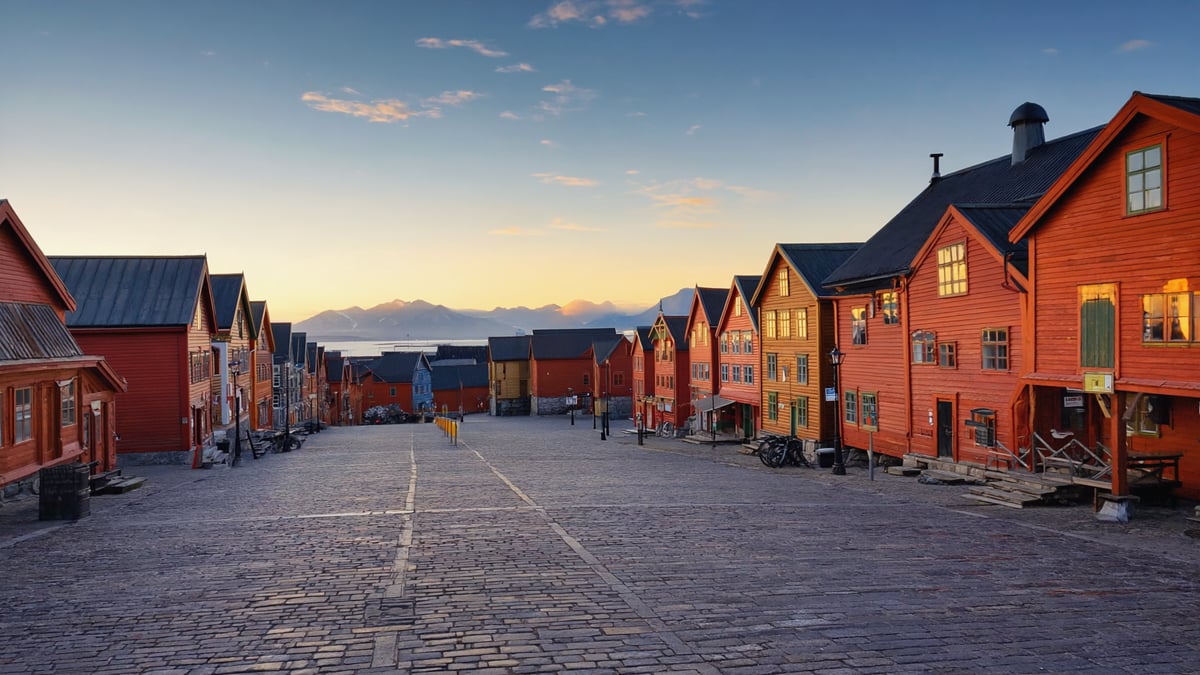
The honest answer is that Iceland rewards visitors in every season — but for completely different reasons. The "best" time depends entirely on what you want to experience. Here is a month-by-month breakdown followed by a clear recommendation for the majority of UK travellers.
Winter (November–February): Northern Lights Season
This is Northern Lights Iceland 2026 prime territory. The Aurora Borealis is visible from Iceland between approximately late August and mid-April, but the darkest months — December, January, and February — offer the longest dark windows and therefore the greatest statistical chance of a sighting. Average temperatures hover between -2°C and 4°C in Reykjavik, with coastal areas remaining milder than the interior. Daylight is dramatically limited: in late December, Reykjavik receives only four to five hours of daylight. Roads outside the capital can be challenging, and some highland roads (the F-roads) are completely closed. However, the low tourist numbers mean lower prices, easier access to popular sites, and a genuinely atmospheric, almost mystical quality to the landscape. The Blue Lagoon, Golden Circle, and South Coast are all accessible year-round.
Spring (March–May): The Shoulder Sweet Spot
March remains viable for Northern Lights while daylight begins to return. By April, Iceland transforms — migratory birds return, waterfalls surge with snowmelt, and the landscape turns vivid green almost overnight. Prices begin rising in April but remain below summer peaks. May is particularly beautiful, with long evenings approaching midnight sun conditions, wildflowers emerging, and the puffin colonies beginning to arrive on sea cliffs from mid-May. March to early April is arguably the single best window for UK travellers seeking a balance of Northern Lights potential, manageable weather, lower prices, and longer days.
Summer (June–August): Midnight Sun & Peak Season
June brings near-continuous daylight — the famous midnight sun reaches its peak around the summer solstice (21 June). Highland roads (F-roads) open from late June, unlocking the dramatic interior landscapes like Landmannalaugar and Þórsmörk. This is peak tourist season: prices are at their highest, popular sites like the Blue Lagoon and Skógafoss require advance booking, and the roads on the South Coast can feel busy. That said, summer Iceland is spectacular — puffins are in residence, hiking is at its best, and whale watching from Húsavík on the north coast reaches peak activity. No Northern Lights are possible in June or July due to perpetual daylight.
Autumn (September–October): Hidden Gem Season
September is increasingly recognised as one of Iceland's finest months. The autumn equinox brings equal day and night, making Northern Lights sightings possible again from mid-September onwards. The highland roads are still open (typically until late September or early October). The landscape turns copper and gold, particularly around Þingvellir. Tourist numbers drop sharply after August, prices fall noticeably, and the atmosphere becomes more contemplative. October deepens the aurora potential and brings dramatic storm light to the landscape — extraordinary for photography.
| Month | Avg Temp (Reykjavik) | Daylight Hours | Northern Lights | Crowds | Prices |
|---|---|---|---|---|---|
| January | -1°C to 3°C | 5–6 hrs | ✅ Excellent | Low | £ Low |
| February | -1°C to 4°C | 8–10 hrs | ✅ Excellent | Low | £ Low |
| March | 0°C to 5°C | 11–13 hrs | ✅ Good | Low–Medium | ££ Mid |
| April | 2°C to 8°C | 15–17 hrs | ⚠️ Marginal | Medium | ££ Mid |
| May | 5°C to 12°C | 18–21 hrs | ❌ Minimal | Medium | ££ Mid |
| June–July | 9°C to 15°C | 21–24 hrs | ❌ None | High | £££ Peak |
| August | 9°C to 14°C | 18–20 hrs | ⚠️ Possible | High | £££ Peak |
| September | 6°C to 11°C | 13–15 hrs | ✅ Good | Medium | ££ Mid |
| October–November | 1°C to 7°C | 7–12 hrs | ✅ Excellent | Low | ££ Mid–Low |
Key events to know: The Reykjavik Arts Festival takes place in May/June; the Secret Solstice music festival occurs around the June solstice; Þjóðhátíð, a massive outdoor festival in the Westman Islands, happens in early August; and Reykjavik hosts Iceland Airwaves, one of Europe's most respected music festivals, each November.
Where to Stay in Iceland: Areas & Accommodation Guide
The vast majority of visitors base themselves in or near Reykjavik for at least part of their trip. The capital offers the best range of accommodation, restaurants, and transport links — but the neighbourhoods you choose will shape your experience significantly.
101 Reykjavik (City Centre): The Cultural Heart
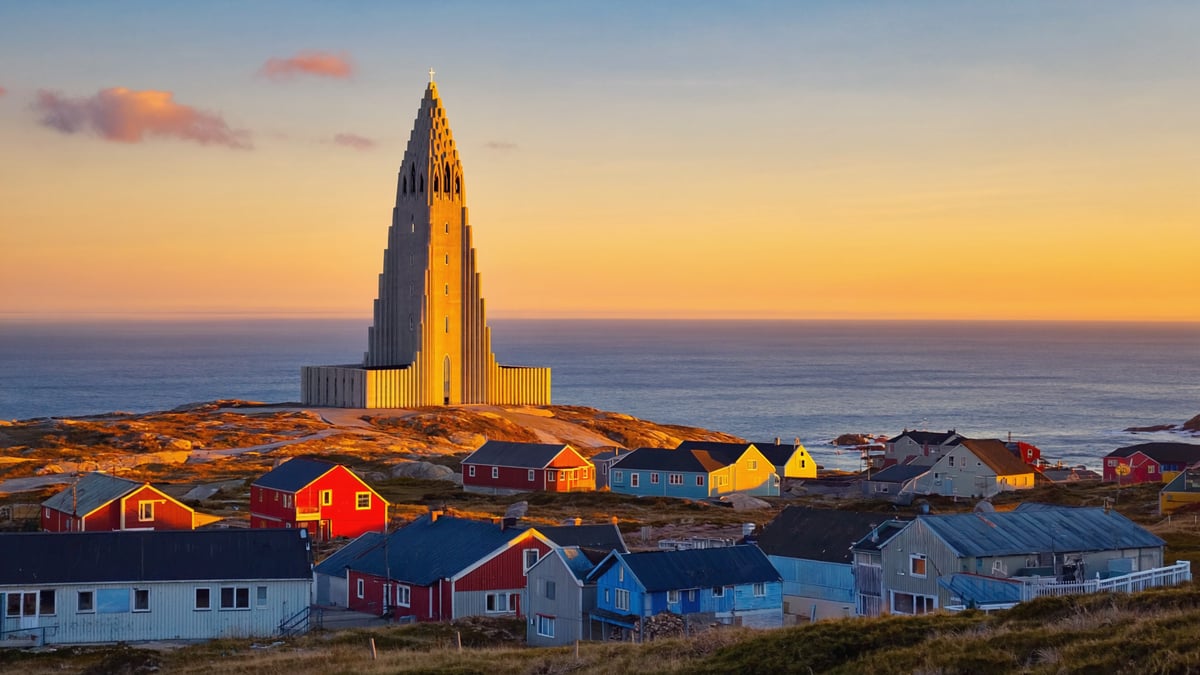
The postcode 101 covers the dense, walkable city centre — home to Hallgrímskirkja church, Laugavegur shopping street, the old harbour, and the majority of the city's restaurants and bars. This is where most first-time visitors should stay. Accommodation here ranges from small boutique guesthouses to design hotels and international brands. Budget travellers will find well-run hostels like KEX Hostel (a converted biscuit factory on the harbour) offering dorm beds from around £35–45 per night. Mid-range travellers should look at the Reykjavik Residence Hotel or Alda Hotel on Laugavegur — expect to pay £120–180 per night for a double room. Luxury travellers gravitate towards the Hotel Borg (a 1930s Art Deco landmark on Austurvöllur Square) or the ION Adventure Hotel outside the city, with rooms starting around £250–350 per night.
Laugardalur & East Reykjavik: Local Life
A short bus ride from the centre, this neighbourhood hosts the Laugardalslaug geothermal pool (the city's largest and most popular), the botanical gardens, and a family-friendly atmosphere. Accommodation here tends to be better value than the centre — good for families and travellers planning to self-cater.
South Coast Bases: For Adventure-Focused Trips
For travellers planning to explore the South Coast, the Golden Circle, or glacier hikes on Vatnajökull, basing yourself in Selfoss, Hvolsvöllur, or Vík (a tiny black-sand beach village) rather than Reykjavik can save significant daily driving time. Guesthouses and farm stays in these areas are characterful, often family-run, and frequently include home-cooked breakfasts. Expect to pay £80–140 per night for a double room at a comfortable guesthouse in Vík or Selfoss.
The Blue Lagoon Area (Grindavík): Unique Stays
The Retreat at Blue Lagoon is one of Iceland's most extraordinary hotels — a luxury lava-field retreat where guests have private access to the geothermal lagoon. Rooms start at approximately £700–900 per night and must be booked well in advance. It is a genuinely once-in-a-lifetime experience for special occasions. Note that the Grindavík area has experienced volcanic activity in recent years; always check the Icelandic Meteorological Office for current conditions and any access restrictions before booking accommodation in this area.
Top Things to Do in Iceland: 10 Experiences Worth Planning Around
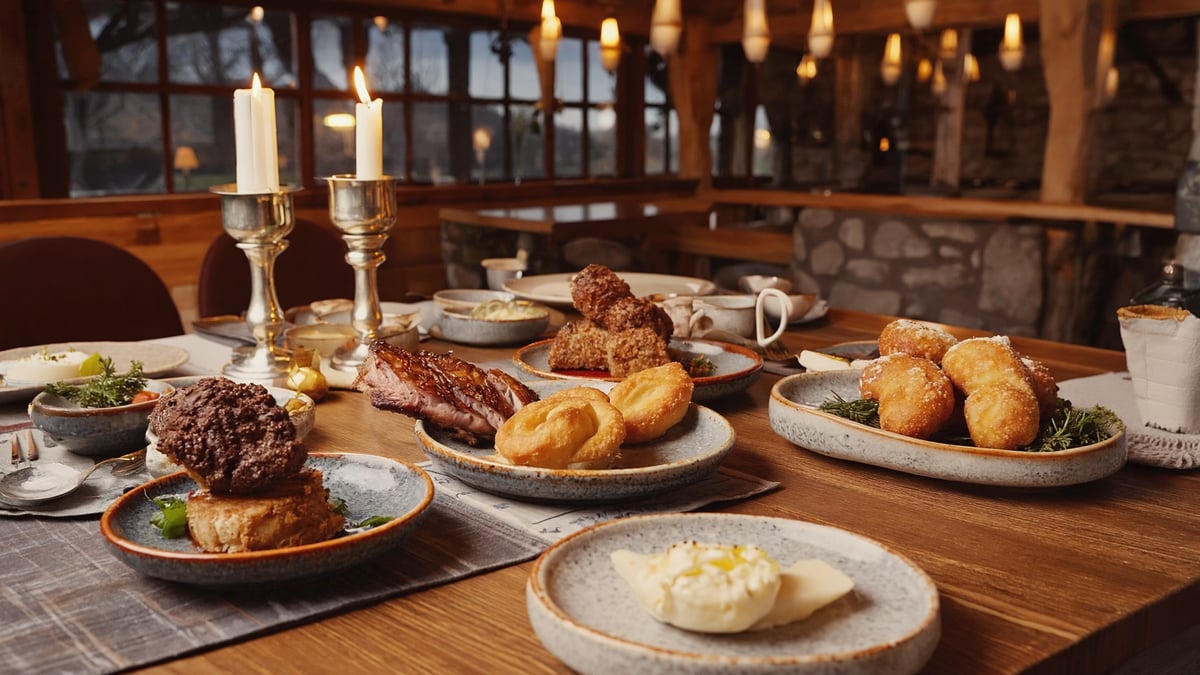
Iceland's attractions are almost entirely natural, but that does not mean they are passive. Many of the best experiences require advance booking, physical effort, or specific seasonal timing. Here is a practical guide to the ten activities that genuinely justify the trip.
1. Chase the Northern Lights
The Aurora Borealis is Iceland's headline act, and chasing it requires some strategy. The lights are caused by solar particles interacting with Earth's atmosphere — they are never guaranteed, but your chances improve dramatically with clear skies, low light pollution, and strong solar activity (tracked via the Kp index). The Icelandic Meteorological Office publishes a free Northern Lights forecast updated daily. Guided Northern Lights tours from Reykjavik depart nightly during the aurora season (typically September–March) and cost approximately £55–85 per person (9,000–16,000 ISK). The advantage of a guided tour is that operators monitor forecasts and drive you away from cloud cover to find clear skies. Self-driving to dark-sky locations like Þingvellir or the Snæfellsnes Peninsula is also highly effective if you have a hire car.
2. The Golden Circle: Geysers, Rift Valleys & Waterfalls
The 300-kilometre Golden Circle route connects three of Iceland's most iconic natural sites and is doable as a day trip from Reykjavik. Þingvellir National Park (free entry) is a UNESCO World Heritage Site where you can walk between tectonic plates and visit the site of the world's oldest parliament. Geysir geothermal area (free entry) is home to Strokkur, which erupts every five to ten minutes to a height of 15–30 metres. Gullfoss waterfall (free entry) is a double-tiered cascade of extraordinary power — one of the most photographed waterfalls in Europe. Guided Golden Circle day tours from Reykjavik cost approximately £55–90 per person. Self-driving gives you more flexibility and time at each site.
3. Blue Lagoon Geothermal Spa
The Blue Lagoon near Grindavík is perhaps Iceland's single most recognisable image — milky, mineral-rich turquoise water surrounded by black lava fields and steam plumes. Entry must be pre-booked online and costs approximately £65–120 per person (depending on the package tier: Comfort, Premium, or Signature). The water temperature stays at around 38–40°C year-round. The most atmospheric visit is in winter, when you can float in warm water while snow falls around you. The lagoon is located about 45 minutes from Reykjavik and 20 minutes from Keflavík Airport — many travellers visit on arrival or departure day. Booking weeks in advance is essential in peak season.
4. Glacier Hiking on Sólheimajökull or Vatnajökull
Walking on an Icelandic glacier is a genuinely extraordinary experience — crampons on your feet, ice axes in hand, navigating a landscape of blue crevasses and ice caves. Sólheimajökull, an outlet glacier of Mýrdalsjökull on the South Coast, is the most accessible for day-trippers from Reykjavik. Guided glacier hikes depart daily and cost approximately £65–90 per person (3-hour hike). Vatnajökull — Europe's largest glacier — offers more dramatic ice cave experiences, particularly the famous crystal ice caves near Jökulsárlón, which are only accessible November–March. Ice cave tours cost approximately £80–130 per person and must be booked well in advance.
5. Jökulsárlón Glacier Lagoon
On the South Coast, roughly a 4.5-hour drive from Reykjavik, Jökulsárlón is a lagoon filled with icebergs calved from the Breiðamerkurjökull glacier. Boat tours on the lagoon run from May to October (approximately £40–60 per person). Just across the road, Diamond Beach sees the same ice formations washed up on a black sand shore — one of the most surreal landscapes in Europe and free to visit. Entry to the lagoon viewing area is free.
6. Snæfellsnes Peninsula Day Trip
Often called "Iceland in miniature," the Snæfellsnes Peninsula on the west coast packs almost every Icelandic landscape type into a single day's drive: glacier-capped volcano (Snæfellsjökull, the setting of Jules Verne's Journey to the Centre of the Earth), dramatic sea cliffs, black pebble beaches, fishing villages, and lava fields. It is a 2.5-hour drive from Reykjavik. Guided day tours cost approximately £75–100 per person.
7. Whale Watching from Reykjavik or Húsavík
Iceland is one of the world's premier whale watching destinations. Reykjavik Old Harbour offers year-round whale watching tours (approximately £55–75 per person), with humpback whales, minke whales, and harbour porpoises commonly sighted. Húsavík on the north coast, accessible by internal flight or a full day's drive, is considered the whale watching capital of Europe — sightings of humpbacks, blue whales, and even sperm whales are regularly recorded here between May and September.
8. Skógafoss & Seljalandsfoss Waterfalls
The South Coast road (Route 1) passes two of Iceland's most spectacular waterfalls within 30 kilometres of each other. Skógafoss is a 60-metre-high curtain of water — you can climb the staircase alongside it for panoramic views. Seljalandsfoss is unique: a path runs behind the waterfall itself, allowing you to stand inside the cascade and look out. Both are free to visit; parking fees apply (approximately £6–8 per car). Seljalandsfoss path can be icy and closed in winter — check conditions before visiting.
9. Landmannalaugar & Highland Trekking (Summer Only)
The interior highlands of Iceland, accessible only from late June to early September when F-roads open, contain some of the most otherworldly landscapes on the planet. Landmannalaugar is a geothermal wonderland of rainbow-coloured rhyolite mountains, hot springs, and obsidian lava fields. It serves as the starting point for the famous Laugavegur Trek — a 55-kilometre multi-day hike through volcanic terrain. Day tours from Reykjavik cost approximately £90–130 per person by super jeep. The hut system on the Laugavegur Trail is operated by the Icelandic Touring Association (Ferðafélag Íslands) and must be booked months in advance.
10. Reykjavik City Culture & the Laugardalslaug Pool
Reykjavik punches well above its weight culturally. The Harpa Concert Hall on the harbour (free to enter the lobby; concert tickets vary) is an architectural marvel of glass and steel. The National Museum of Iceland (approximately £15 per adult) offers a superb overview of Icelandic history and Viking heritage. The Settlement Exhibition (Landnámssýningin) in central Reykjavik (approximately £13 per adult) displays an actual Viking longhouse excavated beneath the city streets. And for genuine local culture, the Laugardalslaug public pool (approximately £7 entry) — with its geothermal hot pots at varying temperatures, steam rooms, and slides — is where Reykjavik residents actually spend their social time. It is one of the most authentic Icelandic experiences available for under £10.
Book Your Iceland Holiday Now
GlobeHunters offers Iceland holiday packages including flights and hotels at competitive prices — with Iceland package holidays from the UK from £599pp. Northern Lights tours, Golden Circle day trips, and Blue Lagoon entry can all be arranged as part of your package.
View Iceland Packages & Prices →Or call us: 0208 944 4514
Icelandic Food & Dining: What to Eat, Where to Eat, and What It Will Cost
Iceland's food scene has undergone a remarkable transformation over the past two decades, evolving from a largely meat-and-fish-based traditional diet into one of Northern Europe's most inventive culinary landscapes. That said, eating well in Iceland requires some strategic thinking — because it is genuinely expensive, and knowing where to spend versus where to save makes a significant difference to your daily budget.
Traditional Icelandic Dishes Worth Trying
Skyr: Iceland's most famous food export — a thick, protein-rich cultured dairy product somewhere between yoghurt and cream cheese. Available everywhere, eaten at breakfast or as a snack, and a fraction of the cost of restaurant dining. Supermarket tubs cost approximately £2–3. Plokkfiskur: A humble but deeply satisfying fish stew made from cod or haddock, potatoes, onion, and béchamel — the ultimate Icelandic comfort food, typically found at traditional restaurants and home kitchens. Kjötsúpa: Lamb soup, made with root vegetables and Icelandic lamb — warming, hearty, and a staple of farmhouse dining across the country. Hákarl: Fermented Greenlandic shark, aged for several months underground. An acquired taste (the ammonia smell is formidable), but worth trying a small piece as a cultural experience — available at the Mathöll food hall in Reykjavik. Pylsur: The Icelandic hot dog, available at Bæjarins Beztu Pylsur (a legendary street stall near the old harbour) for approximately £4. Made with a blend of lamb, pork, and beef, topped with crunchy onion, remoulade, and mustard. Do not skip it.
Where to Eat in Reykjavik
Budget: The Hlemmur Mathöll food hall on Laugavegur is the smartest move for budget travellers — a curated market hall with stalls offering everything from ramen to lamb burgers to vegan bowls, with mains from approximately £12–18. Noodle Station on Skólavörðustígur serves excellent beef or vegetable noodle soup for around £12–15 — perpetually popular with locals and travellers alike. Mid-range: Café Loki, opposite Hallgrímskirkja, specialises in traditional Icelandic food at reasonable prices — the plokkfiskur and skyr cake are particularly recommended. Mains run £18–28. Splurge: Dill Restaurant on Hverfisgata holds Iceland's only Michelin star and offers a Nordic tasting menu rooted in Icelandic ingredients — expect to pay £120–180 per person for the full experience. Book months in advance.
Dietary Considerations
Reykjavik is increasingly well-served for vegetarian and vegan diners — Gló on Laugavegur and Veganæs (Reykjavik's dedicated vegan restaurant) are both excellent. Gluten-free options are widely available. Outside Reykjavik, options become more limited — farm guesthouses typically offer meat-based meals, though most will accommodate dietary needs with advance notice. Seafood is universally available and outstanding quality.
Supermarket Strategy
The single most effective way to manage Iceland's food costs is strategic supermarket shopping. Bónus (yellow and pink pig logo) is the cheapest supermarket chain, with branches in Reykjavik and most larger towns. Buying breakfast, packed lunches, and snacks at Bónus while reserving restaurant spending for dinners can cut daily food costs by 40–50% compared to eating out for every meal.
Getting to Iceland from the UK: Flights, Routes & Airport Transfers
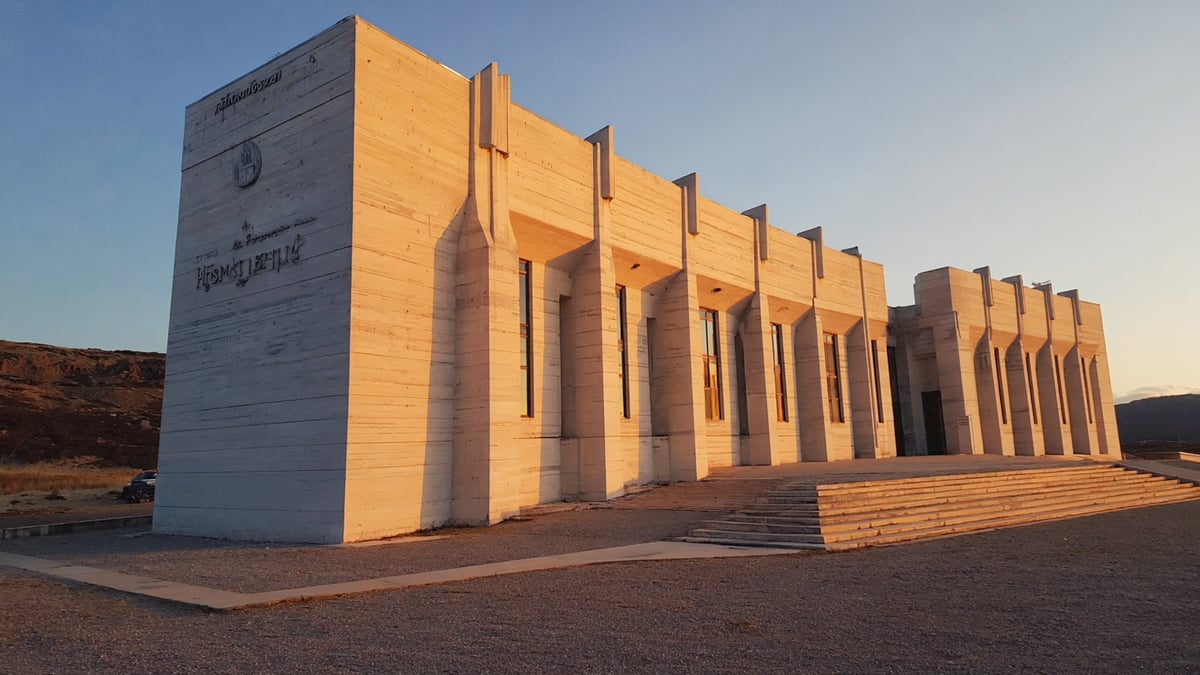
Iceland is one of the most straightforward long-haul-feeling destinations to reach from the UK — despite the dramatic landscapes, it is just over two hours from London, and direct flights operate from multiple UK airports.
Airlines and Routes
Icelandair is the primary carrier, operating direct flights from London Heathrow (LHR), Manchester (MAN), and Glasgow (GLA) to Keflavík International Airport (KEF), which serves Reykjavik. Flight duration is approximately 2 hours 45 minutes from London and around 2 hours 30 minutes from Manchester or Glasgow. Icelandair is notable for allowing free stopovers in Iceland on transatlantic routes — meaning travellers connecting to North America can add Iceland to their itinerary at no extra flight cost. easyJet operates budget direct flights from London Gatwick (LGW), Bristol (BRS), and Edinburgh (EDI) to KEF. Wizz Air and TUI have also operated seasonal routes from various UK airports. In 2026, the competitive landscape between these carriers means return flights can be found for as little as £120–200 per person in off-peak periods, rising to £280–450 during summer peak season.
Keflavík Airport to Reykjavik
Keflavík International Airport is located approximately 50 kilometres from central Reykjavik — a 45-minute drive. Transport options include:
- Flybus by Strætó: The most popular airport transfer option — a dedicated coach service running to BSÍ bus terminal in Reykjavik, with connections to major hotels. Cost approximately £20–25 per person one-way. Book in advance online for the best price.
- Airport taxi / private transfer: Approximately £80–100 for the full car (up to 4 passengers). Useful for late arrivals or groups with heavy luggage.
- Car hire: If you are planning to self-drive Iceland (highly recommended for South Coast and Golden Circle exploration), collecting your hire car at the airport immediately is the most efficient approach. Major hire companies (Hertz, Avis, Budget, and Icelandic specialists like Blue Car Rental) all operate from KEF.
Internal Travel
Within Iceland, hiring a car is strongly recommended for any traveller wishing to explore beyond Reykjavik. The Ring Road (Route 1) circles the entire island and is paved and well-maintained. For highland exploration, a 4WD vehicle is legally required on F-roads. Car hire costs vary significantly by season: in winter, a compact 4WD costs approximately £60–90 per day; in summer, expect £80–130 per day. Domestic flights (Air Iceland Connect) connect Reykjavik to Akureyri and the Westfjords if you want to reach the north or west without a long drive.
Iceland Holiday Budget Guide for UK Travellers in 2026
Iceland has a well-earned reputation as one of Europe's most expensive destinations — but the gap between Iceland and other European cities has narrowed somewhat as prices elsewhere have risen. With careful planning, Iceland is manageable on a range of budgets. Here is a realistic daily breakdown.
| Expense Category | Budget Traveller (£/day) | Mid-Range Traveller (£/day) | Luxury Traveller (£/day) |
|---|---|---|---|
| Accommodation (per person) | £25–40 (hostel dorm) | £70–110 (guesthouse/3★ hotel) | £150–350 (boutique/4–5★) |
| Food & Drink | £20–35 (supermarket + 1 café meal) | £50–80 (mix of restaurants) | £100–180 (fine dining) |
| Transport (per person) | £10–20 (buses/tours) | £30–50 (shared hire car) | £60–120 (private transfers) |
| Activities & Entrance Fees | £20–40 (free sites + 1 tour) | £60–100 (2–3 experiences) | £120–200 (premium tours) |
| Daily Total (approx.) | £75–135 | £210–340 | £430–850 |
Total trip cost estimates for a 7-night Iceland holiday from the UK (per person, including flights):
- Budget: £700–1,100 (hostel accommodation, self-catering, shared car hire, free natural sites)
- Mid-range: £1,400–2,200 (guesthouse/3★ hotel, restaurant dining, guided tours)
- Luxury: £3,000–5,500+ (boutique hotels, fine dining, private tours, premium activities)
GlobeHunters' Iceland packages start from £599 per person, covering flights and accommodation — a competitive starting point that allows you to allocate your remaining budget to the activities and experiences that matter most to you.
Practical Travel Tips & Safety for UK Visitors to Iceland
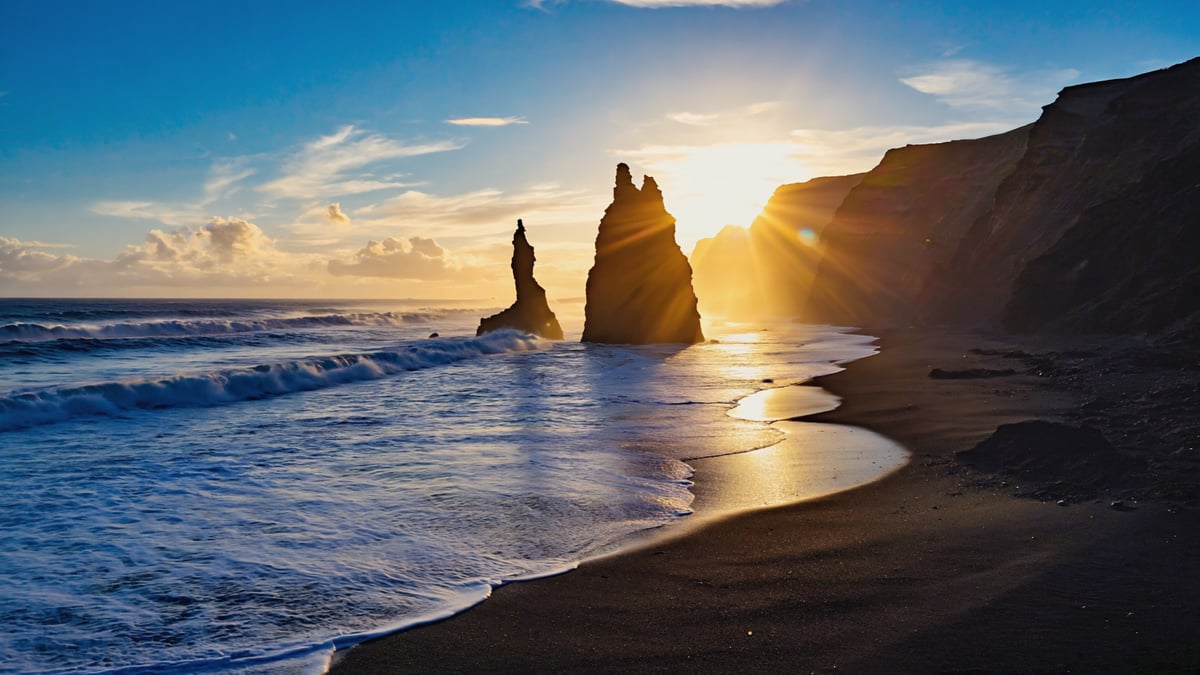
Iceland is consistently ranked among the world's safest countries — violent crime is extremely rare, and the primary risks to travellers are environmental rather than social. Understanding those environmental risks, and preparing for Iceland's genuinely unpredictable weather, is the most important safety preparation you can do.
Weather: The Single Biggest Variable
Icelandic weather is famously changeable — locals say you can experience all four seasons in a single day, and this is not an exaggeration. Wind speeds on exposed coastal and highland roads can reach dangerous levels with minimal warning. Always check the Icelandic Meteorological Office forecast before any road trip and heed any weather warnings (yellow, orange, or red). The Safetravel.is website, run by the Icelandic Association for Search and Rescue (ICE-SAR), is an essential resource for travellers planning outdoor activities — it allows you to register your travel itinerary so that rescue teams can locate you if you fail to check in.
Driving Safety
Iceland has specific road safety considerations that UK drivers should understand before hiring a car. Never drive off-road — this is illegal and causes severe damage to the fragile moss and lava ecosystems that take decades to recover. F-roads (highland tracks) require a 4WD vehicle and are only legally accessible from late June; driving a standard car on an F-road can void your hire car insurance and result in a substantial fine. River crossings exist on some highland routes — never attempt an unfamiliar crossing alone. Gravel roads (common outside the Ring Road) require slower speeds; loose gravel damages windscreens frequently. Windscreen insurance (gravel and sand protection) is strongly recommended when hiring a car — add it to your package.
Health Precautions
Iceland requires no vaccinations for UK travellers. The tap water is exceptionally clean and safe to drink directly from the tap — it comes from glacial and geothermal sources and is among the purest in the world. Do not buy bottled water; it is an unnecessary expense and an environmental burden. The only health note of relevance: geothermal hot springs vary enormously in temperature and safety. Never enter any hot spring that is not designated as a bathing area — some reach boiling point and cause serious burns. Stick to established facilities.
Packing Essentials
The principle of layering is non-negotiable in Iceland. Regardless of the season, pack: a thermal base layer, a mid-layer fleece or down jacket, a waterproof and windproof outer shell (essential), waterproof trousers or over-trousers for winter/autumn, and sturdy waterproof walking boots. In winter, add a hat, gloves, and a buff. Good quality sunglasses are essential year-round — in summer for the intense light, in winter for the low sun angle and snow glare. A head torch is invaluable for winter Northern Lights hunting in the countryside.
Cultural Etiquette & Customs
Icelanders are friendly, informal, and egalitarian — there is no strong tradition of formal address. Tipping is not customary in Iceland and will not cause offence if not given; restaurant prices include service. Noise ordinances in residential Reykjavik are strictly observed, particularly in the 101 postcode on weekend evenings. Geothermal pools have strict hygiene rules: swimwear must be worn, and thorough showering before entering the water is mandatory and enforced — follow the signage carefully. Littering is viewed very poorly; Iceland's natural environments are treated with genuine reverence by locals.
Travel Insurance
Comprehensive travel insurance is essential for Iceland, particularly if you are planning adventure activities such as glacier hiking, ice cave tours, or highland trekking. Standard travel insurance policies often exclude certain adventure activities — check your policy carefully and upgrade if necessary. The GHIC (Global Health Insurance Card, the UK post-Brexit equivalent of the EHIC) does provide some reciprocal health cover in Iceland, but it does not cover emergency helicopter rescue — which in Iceland can cost tens of thousands of pounds and is the most significant financial risk of adventure travel here.
Frequently Asked Questions About Iceland Holidays in 2026
Can I see the Northern Lights in Iceland in 2026?
Yes. The Northern Lights are visible from Iceland between approximately late August and mid-April. The peak months for aurora viewing are October through February, when nights are longest. 2026 falls during a period of heightened solar activity (approaching solar maximum), which increases the frequency and intensity of aurora displays. Clear skies are essential — check the daily forecast from the Icelandic Meteorological Office and position yourself away from light pollution for the best chance of a sighting.
How many days do I need in Iceland?
A minimum of 5 nights is recommended to experience Reykjavik plus the Golden Circle and South Coast. Seven nights allows you to add the Snæfellsnes Peninsula or Jökulsárlón glacier lagoon comfortably. Ten nights or more opens up the full Ring Road circuit or the Westfjords. A 3-night Reykjavik city break is viable but will feel rushed if you want to explore beyond the capital.
Is Iceland expensive for UK travellers?
Iceland is one of Europe's more expensive destinations, but the gap has narrowed. Budget travellers spending carefully (hostel dorms, supermarket meals, free natural sites) can manage on approximately £80–100 per day excluding flights. Mid-range travellers should budget £200–300 per day for a comfortable experience with guided tours. The biggest costs are accommodation, car hire, and organised tours — the natural landscapes themselves are largely free to visit.
Do I need a car to explore Iceland?
For any itinerary beyond central Reykjavik, a hire car transforms your experience. Public buses connect some South Coast sites, but infrequently and inflexibly. Guided day tours are a good alternative if you do not wish to drive. For highland exploration (F-roads), a 4WD vehicle is legally required.
What is the best Iceland package holiday from the UK in 2026?
GlobeHunters offers Iceland package holidays from the UK starting at £599 per person, including return flights and accommodation. Packages can include Northern Lights tours, Golden Circle excursions, and Blue Lagoon entry. Call 0208 944 4514 or visit the Iceland packages page to compare current prices and availability.
Is Iceland safe for solo travellers?
Iceland is consistently ranked as one of the world's safest countries for solo travel, including for women travelling alone. The primary safety considerations are environmental — weather conditions and road safety — rather than personal safety. Registering your itinerary on Safetravel.is before any remote excursion is strongly recommended for solo travellers.
What language is spoken in Iceland?
Icelandic is the official language. English is spoken fluently and universally throughout Iceland — in cities, rural areas, petrol stations, and farms. UK travellers will encounter no language barrier anywhere in the country.
What currency does Iceland use, and can I use cards?
Iceland uses the Icelandic Króna (ISK). However, Iceland is effectively a cashless society — card payments (Visa, Mastercard, contactless) are accepted almost universally, including at remote sites, petrol stations, and small guesthouses. Carrying cash is rarely necessary. Inform your UK bank of your travel dates to avoid card blocks, and use a fee-free travel card (such as Starling, Monzo, or Chase UK) to avoid foreign transaction charges.
Can I visit the Blue Lagoon without pre-booking?
No. The Blue Lagoon operates a strict pre-booking system and does not accept walk-in visitors. Entry must be booked online in advance at blulagoon.com. In peak summer months and around Christmas/New Year, slots can sell out weeks in advance. Book as early as possible. Entry costs approximately £65–120 per person depending on the package tier.
What should I pack for Iceland in winter?
Thermal base layers (merino wool is ideal), a mid-layer fleece or down jacket, a waterproof and windproof outer shell, waterproof trousers, waterproof boots with good grip, a warm hat, gloves, and a buff or scarf. A head torch is essential for Northern Lights hunting. Layers are the key principle — Iceland's weather changes rapidly and you need to be able to add or remove clothing quickly.
Are there direct flights to Iceland from the UK?
Yes. Direct flights to Keflavík International Airport (KEF) operate from London Heathrow, London Gatwick, Manchester, Glasgow, Edinburgh, and Bristol. Icelandair, easyJet, and TUI are among the main carriers. Flight duration is approximately 2 hours 30 to 3 hours from UK airports. Return flights can be found from approximately £120 per person in off-peak periods.
Is Iceland suitable for families with children?
Iceland is an excellent family destination — the geysers, waterfalls, whale watching, horse riding, and geothermal pools are thrilling for children of all ages. Reykjavik has excellent family-friendly facilities. In summer, the midnight sun means children may struggle to sleep — blackout blinds (provided in most hotels) are essential. In winter, the short daylight hours and cold temperatures suit older children better than very young ones.
Why Iceland Belongs on Your 2026 Travel List
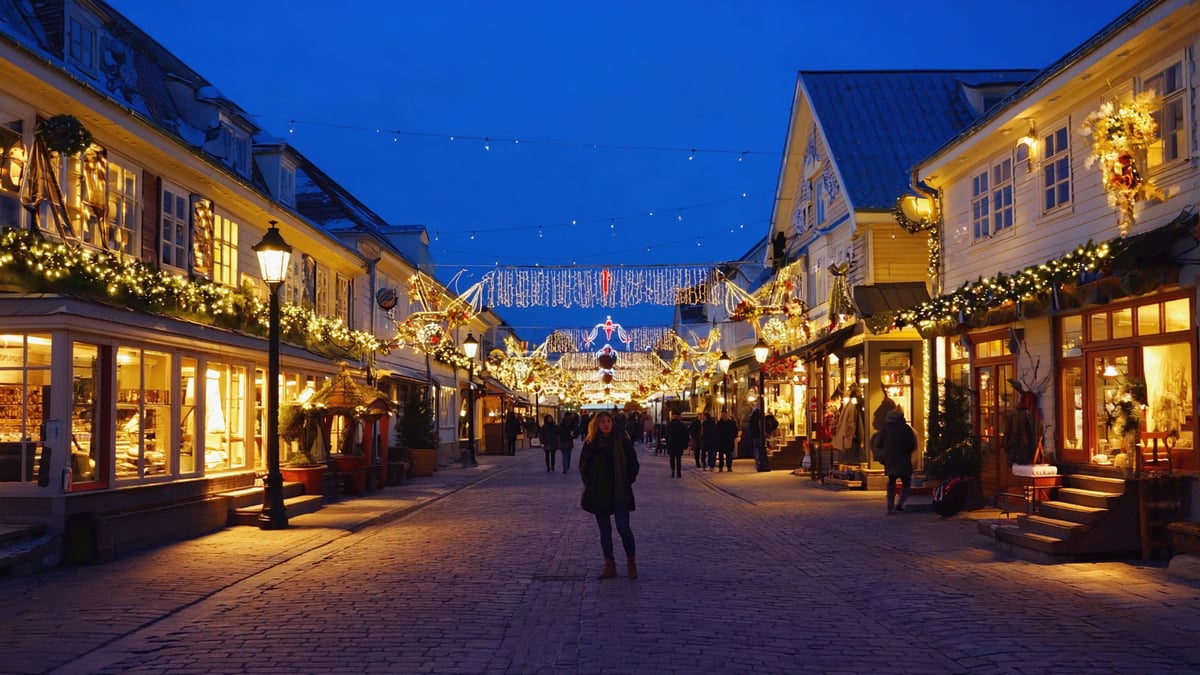
Iceland is not a destination that disappoints — but it is a destination that rewards preparation. The travellers who get the most from it are those who understand its rhythms: who know that the Northern Lights Iceland 2026 season runs from September to April, that the Golden Circle is spectacular year-round, that the South Coast is accessible in any season but transforms completely with snowfall, and that the highlands open only in summer and close like a door on the rest of the world for eight months of the year.
For UK travellers, Iceland sits in a uniquely compelling position: close enough for a long weekend, dramatic enough to justify two weeks, and different enough from anywhere else in Europe to feel genuinely transformative. Whether you are planning your first adventure holiday, a milestone birthday trip, a honeymoon with altitude and atmosphere, or a solo journey into somewhere genuinely wild — Iceland has a version of itself ready for you.
The Iceland holiday 2026 market is competitive, which is good news for prices — but availability at the best guesthouses, glacier tours, and ice cave experiences fills up quickly, particularly for the October–February aurora season. Start planning early, book your key activities in advance, and trust that whatever the weather delivers on any given day, Iceland will make it memorable.
An Iceland travel guide can tell you the facts. The aurora, the geysers, and the silence of a lava field at midnight will do the rest.
Ready to Book Your Iceland Adventure?
GlobeHunters offers holiday packages including flights and hotels at competitive prices. Iceland packages from £599pp — Northern Lights tours, Golden Circle, Blue Lagoon & more.
View Iceland Packages & Prices →Or call us: 0208 944 4514
About the author
Spiros Maragkoudakis · Chief Commercial Officer
Ready to Book Your Iceland Holiday?
Our travel experts are ready to help you plan the perfect trip. Call us today or browse our latest deals.
Ready to Start Planning?
Speak to our travel experts for personalised advice and the best deals on your next holiday.
Call 0208 944 4514