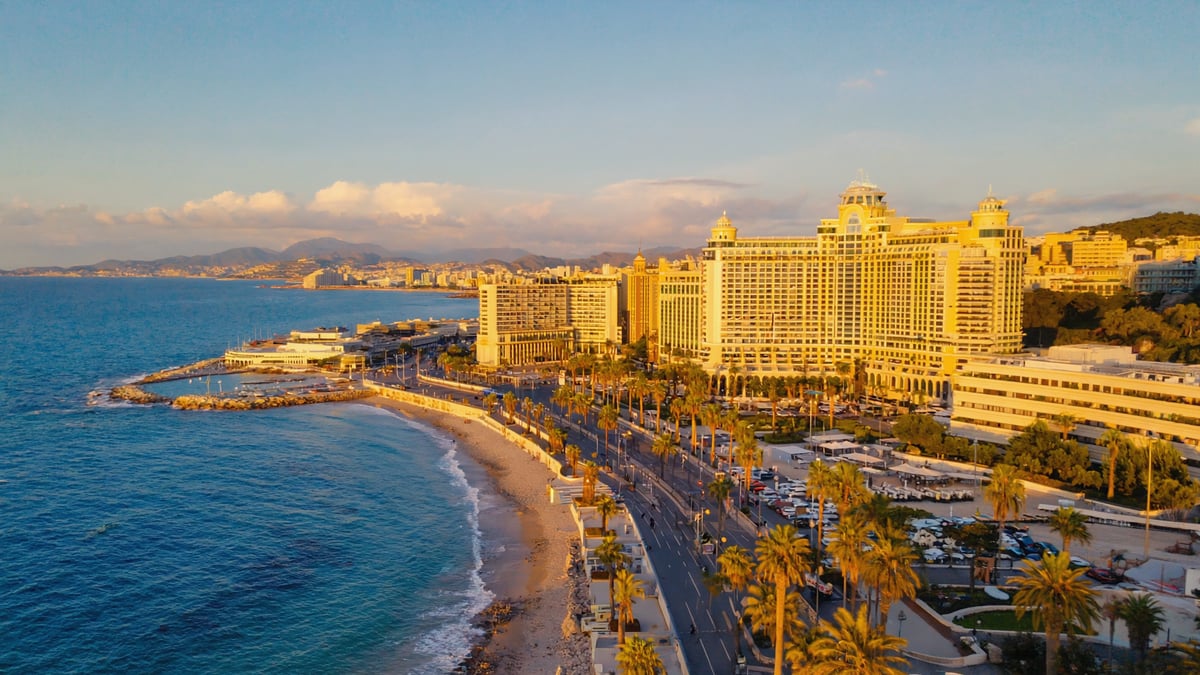
There is a moment, somewhere between your first glimpse of the Mediterranean from the train window and your second glass of rosé on a sun-warmed terrace, when you understand exactly why artists, aristocrats, and romantics have been coming to the French Riviera for centuries. The light here is different — golden, almost theatrical — and the coastline stretches in a series of perfect bays, each one framed by limestone cliffs and umbrella pines. This is the Côte d'Azur: a 180-kilometre arc of southern France that has never quite stopped being the most glamorous stretch of coastline in Europe.
For UK travellers, the French Riviera remains one of the most accessible luxury destinations in the world. A two-hour flight from London, and you step into a region where Belle Époque architecture meets Michelin-starred dining, where you can watch Formula 1 cars thunder through Monaco's streets and then swim in crystalline waters before dinner. This guide covers everything you need to plan a genuinely memorable trip in 2026 — from the best neighbourhoods in Nice to hidden beach coves between Cannes and Antibes, and from the practical realities of budgeting to the cultural nuances that will make your visit feel effortless rather than exhausting.
The French Riviera: A Destination Overview for UK Travellers
The French Riviera — officially known as the Côte d'Azur — is the Mediterranean coastline of southeastern France, stretching from the Italian border near Menton westward past Nice, Antibes, Cannes, and St-Raphaël. It encompasses the independent principality of Monaco, several world-famous resort towns, and a dramatic hinterland of gorges, perched villages, and lavender-scented hills that most visitors tragically overlook in favour of the beaches.
Geography and key destinations: Nice is the regional capital and transport hub — a city of nearly 350,000 people with a genuine urban energy that sets it apart from the more resort-focused towns along the coast. Monaco, technically a separate sovereign state, sits just 20 minutes east by train. Cannes, famous for its film festival, is 30 minutes west of Nice. Antibes, arguably the most liveable town on the coast, lies between the two. Further west, St-Tropez occupies its own peninsula and requires a boat or car to reach — no train line serves it — which has preserved something of its exclusive mystique.
Language: French is the official language throughout the region (and in Monaco, which is a French-speaking principality). English is widely spoken in tourist areas, hotels, and restaurants, particularly in Nice and Monaco. In smaller inland villages, some basic French will be appreciated and practically useful.
Currency: The euro (€) is used throughout France and Monaco. As of 2026, UK travellers should check live exchange rates before travelling, but the region has historically offered good value for sterling given the strong pound-euro relationship. Avoid exchanging currency at airports; use ATMs or specialist travel money services instead.
Time zone: Central European Time (CET), which is UTC+1 in winter and UTC+2 during summer (CEST). This means the Riviera is one hour ahead of the UK in summer — practically speaking, you gain an extra hour of evening light without losing your morning.
Visa requirements for UK travellers: Since Brexit, UK passport holders are classified as third-country nationals in the EU. You can visit France and Monaco visa-free for up to 90 days within any 180-day period under the current rules. However, the EU's ETIAS (European Travel Information and Authorisation System) is expected to come into force for non-EU visitors — UK travellers should check the latest status before booking, as this may require a pre-travel authorisation. Your passport must be valid for the duration of your stay (the previous six-month rule no longer applies for France, but it must be under 10 years old). Travel insurance is strongly recommended.
Getting oriented: The Riviera rewards travellers who resist the urge to treat it as a single destination. Nice makes the best base — centrally located, well-connected by train, and with its own substantial appeal — but the magic of the coast is in the movement between places. Day trips by train or boat reveal a constantly shifting landscape of fishing ports, rocky headlands, and hilltop villages that no single resort town can replicate.
When Is the Best Time to Visit the French Riviera?
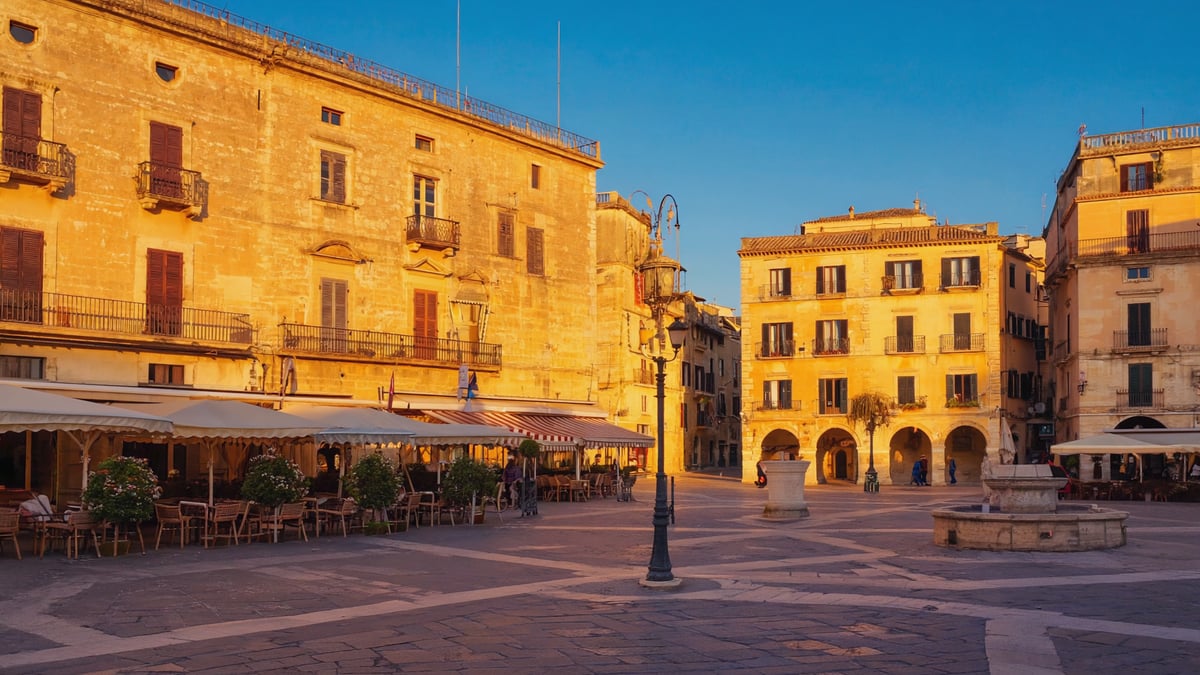
The French Riviera has a genuinely exceptional climate, with over 300 days of sunshine per year. But the quality of your experience varies enormously depending on when you visit — and not always in the ways you might expect.
Month-by-Month Weather Breakdown
January–February: The Riviera in winter is quietly beautiful and dramatically underrated. Temperatures sit between 8–13°C, the Promenade des Anglais is largely empty, and Nice's Old Town buzzes with locals rather than tourists. The Nice Carnival (held in February) is one of Europe's oldest and most spectacular, drawing visitors for two weeks of parades and flower battles. Accommodation prices drop significantly, and you can walk into Michelin-starred restaurants that would require weeks of advance booking in summer.
March–April: Spring arrives early on the Riviera. By March, daytime temperatures regularly reach 15–18°C, mimosa trees are in full bloom across the hillsides, and the light takes on that legendary golden quality that drew Matisse and Picasso to the region. April is particularly lovely — warm enough to sit outside comfortably, cool enough to walk without discomfort, and still relatively uncrowded. This is one of the best months to visit for those who want genuine quality without peak-season pricing or crowds.
May: May sees the famous Cannes Film Festival (typically held in the second and third weeks of the month), which transforms Cannes into a spectacle of red carpets, superyachts, and celebrity-watching. Accommodation in Cannes during the festival is extremely expensive and requires booking months in advance. If you're not specifically going for the festival, consider basing yourself in Nice or Antibes and visiting Cannes for a day trip. Monaco's Formula 1 Grand Prix is also held in May — an extraordinary event if you can secure tickets, but it makes accommodation across the entire eastern Riviera scarce and expensive.
June: Early summer is many experienced Riviera travellers' favourite window. The sea is warm enough to swim comfortably (water temperatures around 20–22°C), the crowds haven't yet reached their August peak, and the evenings are long and warm. June represents excellent value compared to July and August while delivering genuinely summer conditions.
July–August: Peak season. The Riviera is at its most vibrant and most crowded. French school holidays mean the region fills with domestic tourists alongside international visitors. Temperatures regularly exceed 28–32°C, the beaches are packed, and prices for accommodation and restaurants are at their highest. If you're visiting in August, book everything — hotels, restaurants, sun loungers — well in advance. That said, the atmosphere is electric, the nightlife exceptional, and the Bastille Day celebrations on 14th July are spectacular, particularly the fireworks over the bay in Nice.
September–October: The optimal time to visit for most UK travellers. The sea remains warm (often 24°C in September), the crowds thin noticeably after the first week of September when French schools return, and the light takes on an amber warmth that makes everything look like a painting. Prices drop by 20–40% compared to August. October brings some rain but remains largely pleasant, and the autumn colours in the hinterland are genuinely beautiful.
November–December: The Riviera slows down considerably in late autumn. Many beach clubs and seasonal restaurants close. However, Nice's Christmas market is one of France's most charming, and the city's cultural life — its museums, opera house, and dining scene — continues year-round.
Where to Stay on the French Riviera: A Neighbourhood Guide
Where you stay on the Riviera shapes your entire experience. The choice between Nice, Monaco, Cannes, and Antibes isn't just about accommodation — it's about what kind of holiday you want to have.
Nice: The Best Base for Most Travellers
Nice is the ideal base for first-time Riviera visitors and anyone who wants easy access to the entire coast. The city has its own airport (Nice Côte d'Azur), excellent train connections east to Monaco and west to Cannes, a magnificent Old Town, and enough restaurants, museums, and nightlife to keep you occupied without leaving the city at all.
Vieux-Nice (Old Town): The most atmospheric neighbourhood, with narrow Baroque streets, daily markets, and a density of excellent restaurants. Accommodation here tends to be in boutique hotels and charming small properties. Expect to pay £120–£200 per night for a well-positioned mid-range hotel in high season. The area is pedestrianised in parts and can be noisy at night — a feature or a bug depending on your temperament.
Promenade des Anglais: The grand seafront boulevard. The large hotels here — including legendary names that have operated for over a century — offer sea views and convenient beach access. Luxury rooms start from around £300 per night in summer. Mid-range options along the Promenade are fewer, but several solid three-star hotels sit just one or two streets back from the seafront at significantly lower prices.
Cimiez: The residential hill neighbourhood above the city, home to the Matisse Museum and Roman ruins. Quieter and more authentically local, with some excellent value accommodation for travellers who don't mind a short bus or taxi ride to the seafront.
Monaco: Compact Luxury
Staying in Monaco is an experience in itself — but at a price. Hotel rooms in the principality start at around £400 per night even in shoulder season, and the famous grand hotels command significantly more. Monaco is best enjoyed as a day trip from Nice for most travellers, though those celebrating a special occasion or honeymoon will find it an utterly unique base. The principality is tiny (just 2 square kilometres) and extraordinarily safe.
Cannes: Glamour and Beaches
Cannes offers some of the Riviera's finest sandy beaches (unlike Nice's pebble beaches) and a magnificent palm-lined seafront, La Croisette. The area behind the seafront — Le Suquet (the old town on the hill) — is charming and less expensive than the beachfront hotels. Budget travellers can find decent options in the residential streets behind the train station. Mid-range travellers should look at the area between the train station and La Croisette, where prices are more reasonable than the seafront.
Antibes and Juan-les-Pins: The Hidden Gem
Antibes is perhaps the Riviera's most liveable town — large enough to have excellent facilities but small enough to feel genuinely local. The old town within its medieval walls is beautiful, the market is excellent, and the beaches at nearby Juan-les-Pins are sandy and relatively uncrowded compared to Nice or Cannes. For budget and mid-range travellers, Antibes often offers significantly better value than its more famous neighbours while providing train access to both Nice and Cannes within 30 minutes.
Budget, Mid-Range, and Luxury: Realistic Expectations
- Budget (£60–£100/night): Hostels in Nice's Old Town, two-star hotels in Antibes or Cannes' residential areas, or guesthouses in hill villages with a rental car.
- Mid-range (£100–£250/night): Three and four-star hotels in Nice or Cannes, boutique hotels in Antibes, or self-catering apartments on the Cap d'Antibes.
- Luxury (£300+/night): Grand seafront hotels in Nice, Monaco's famous properties, the grande dames of Cannes' La Croisette, or private villas on Cap Ferrat.
Book Your French Riviera Holiday Now
GlobeHunters offers 5-night French Riviera packages including flights from the UK and hotel accommodation, starting from just £699 per person. Competitive prices, curated itineraries, and real-time availability.
View Package & Prices →Or call us: 0208 944 4514
Top Things to Do on the French Riviera: 10 Unmissable Experiences
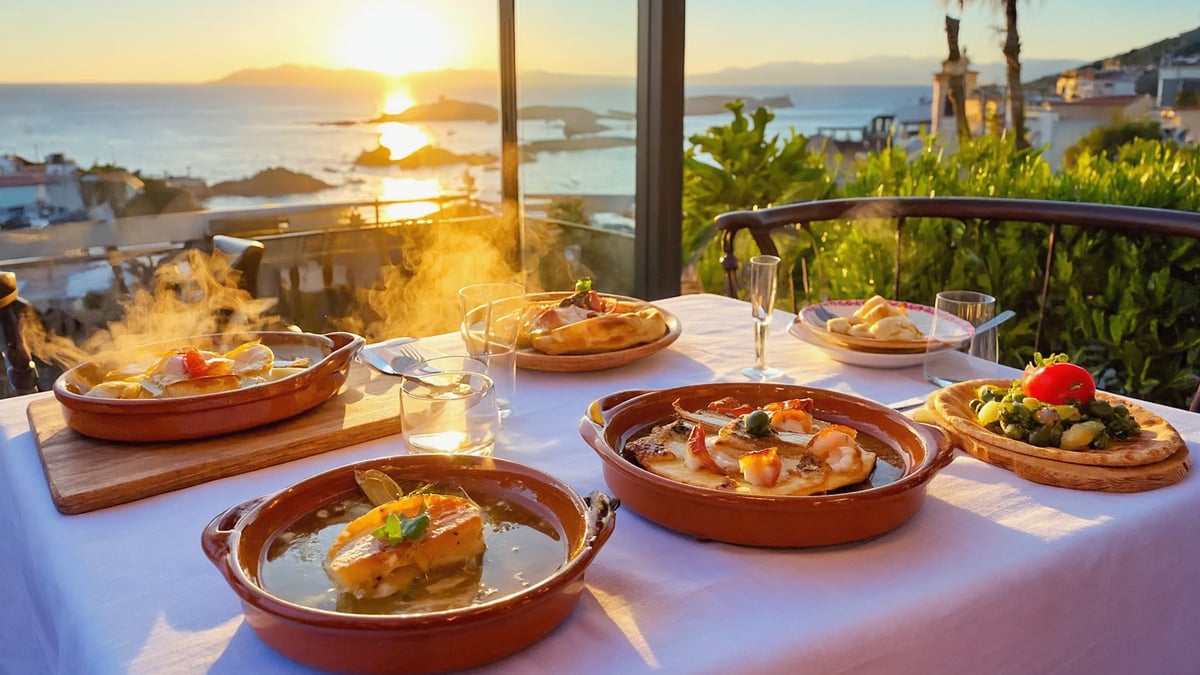
The Riviera rewards those who look beyond the beach. Yes, the coastline is magnificent — but the region's museums, hilltop villages, gardens, and cultural heritage make it one of the most rewarding destinations in Europe for genuinely curious travellers.
1. Walk the Promenade des Anglais, Nice
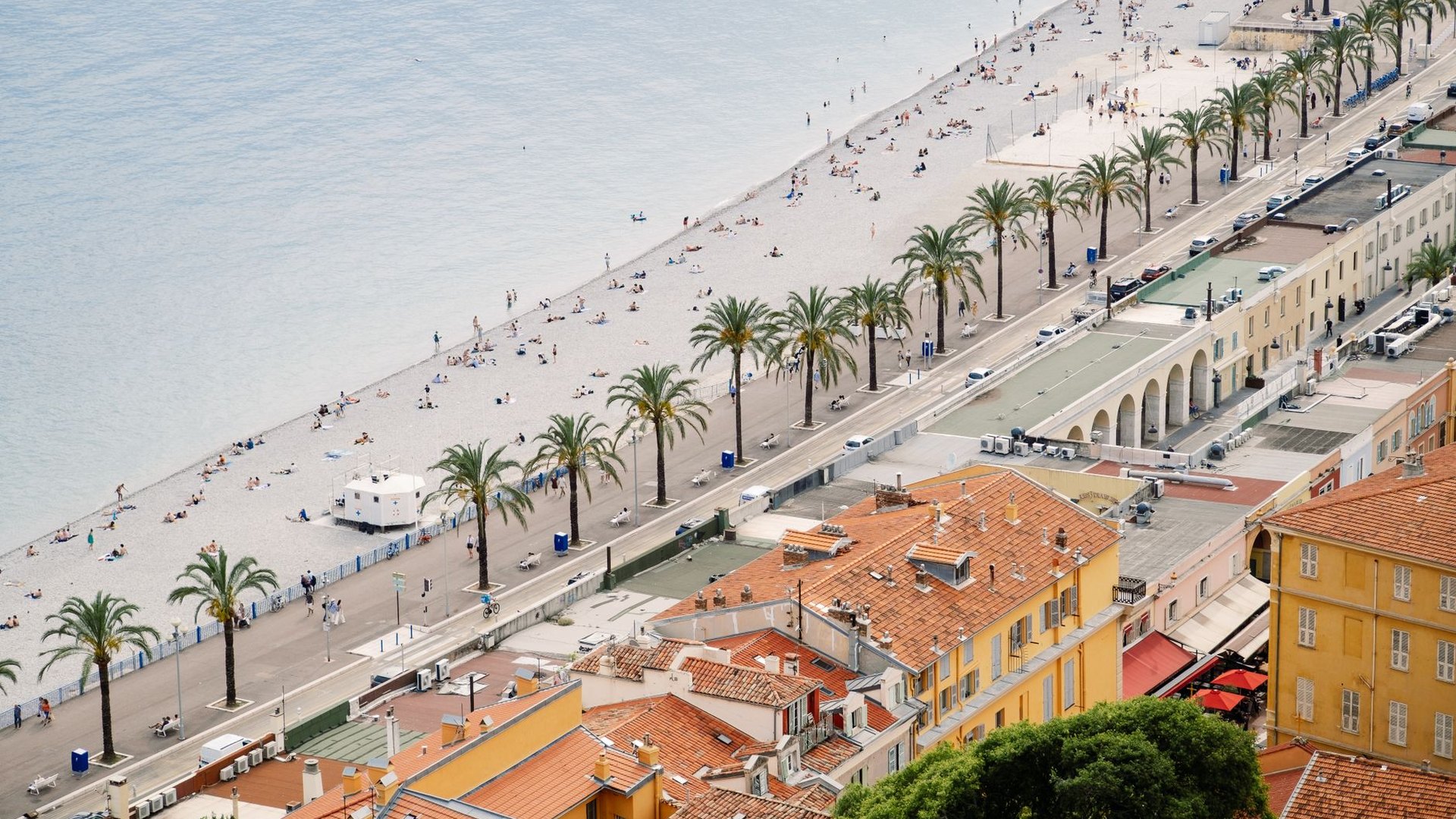
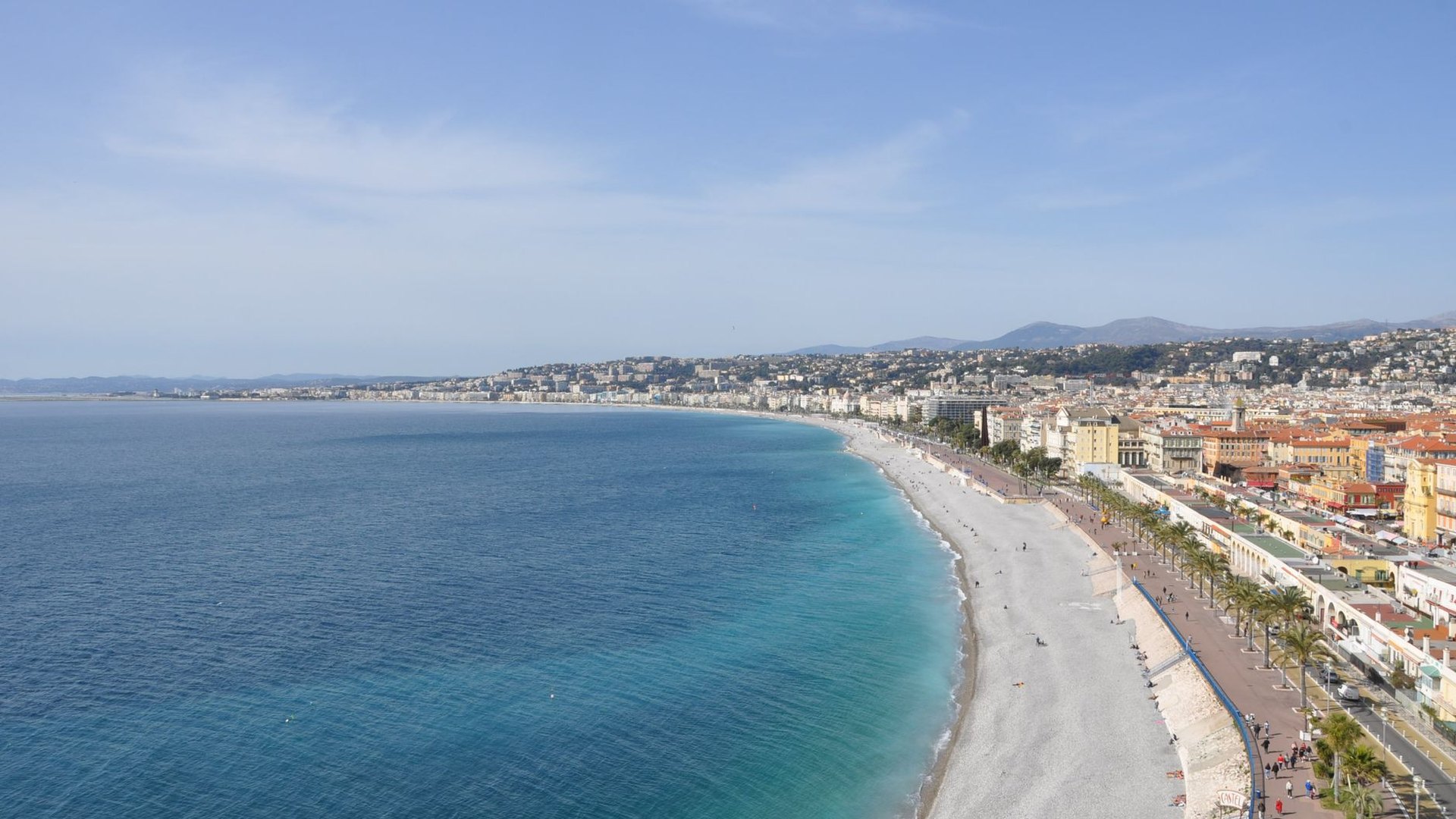
The 7-kilometre seafront promenade is Nice's defining image — a broad, palm-lined boulevard running along the pebble beach with the Mediterranean shimmering to one side and Belle Époque architecture to the other. Walking it in the early morning, before the crowds arrive, is one of the great free pleasures of European travel. The beach itself is free to use (with public sections interspersed between paid private beach clubs), and the pebbles, while less comfortable than sand, make the water extraordinarily clear. Entry: Free. Open: Always. Insider tip: rent a bicycle from one of the docking stations along the route and cycle to the port at the eastern end for the best views back across the bay.
2. Explore Monaco: The Grand Prix Circuit and the Casino
Monaco is a 20-minute train journey from Nice (approximately £3–£4 each way) and deserves at least a full day. Walk the Formula 1 street circuit — it's an ordinary road most of the year, and the experience of standing at Sainte-Dévote corner or looking down at the famous swimming pool section is surreal. The Casino de Monte-Carlo is open to non-gamblers as a tourist attraction (entry approximately €17/£15, minimum age 18, smart dress required). The Oceanographic Museum, perched dramatically on a cliff, houses one of Europe's finest marine collections. Oceanographic Museum: approximately €20/£17, open 10:00–18:00 daily.
3. Visit the Matisse Museum, Nice
Henri Matisse lived and worked in Nice for much of his life, and the museum dedicated to his work occupies a beautiful 17th-century Genoese villa in the Cimiez neighbourhood. The collection spans his entire career — from early paintings through the famous cut-outs of his final years — and is one of the most intimate and well-curated single-artist museums in France. Entry: Free for permanent collection. Open: 10:00–18:00, closed Tuesday. The surrounding Cimiez gardens and Roman ruins are free and make for a lovely afternoon.
4. Take the Coastal Train from Nice to Ventimiglia
The train line along the Riviera coast between Nice and the Italian border town of Ventimiglia is one of Europe's most scenic rail journeys. The track hugs the cliffs above the sea, passing through Monaco, the resort town of Èze-sur-Mer, and the beautiful old town of Menton before crossing into Italy. The entire journey takes around 55 minutes and costs approximately £8–£12 return. You can break the journey at any point — Menton's lemon-scented old town and Art Deco cemetery are particularly worthwhile. Insider tip: sit on the right-hand side of the train heading east for the best sea views.
5. Spend a Day in Èze Village
Perched 427 metres above the sea on a rocky outcrop, Èze is one of the most dramatically situated villages in France. The medieval streets wind upward to a ruined castle and an extraordinary exotic garden with panoramic views from Nice to Italy. The village is small — it can be walked in 30 minutes — but the views, the artisan shops, and the general atmosphere of impossibly cinematic beauty make it worth the trip. Exotic garden entry: approximately €6/£5. Open: daily 9:00–sunset. Take the No. 82 bus from Nice (approximately £2) or the train to Èze-sur-Mer and walk up the steep Nietzsche Path (45 minutes, strenuous but spectacular).
6. Discover Cannes Beyond the Film Festival
Cannes without the festival is a genuinely lovely town — less frantic, more accessible, and with some of the Riviera's finest sandy beaches. The old town of Le Suquet on the hill above the port has excellent restaurants and a morning market. The Îles de Lérins — two small islands a 15-minute boat ride offshore — offer pine-scented walking paths and the famous fort where the Man in the Iron Mask was allegedly imprisoned. Boat to the islands: approximately €18/£15 return. Fort on Île Sainte-Marguerite: approximately €6/£5. The islands are one of the Riviera's best-kept secrets.
7. Swim at Calanque de Maubois or Cap d'Antibes
For the most beautiful swimming on the Riviera, head to the rocky coves and crystal-clear water around Cap d'Antibes. The coastal path (Sentier du Littoral) around the headland passes a series of natural rock swimming spots with extraordinary clarity — on calm days, you can see the bottom at 5–6 metres depth. The path is free, takes approximately 2 hours to walk fully, and requires only basic fitness. Entry: Free. Bring water shoes for the rocky entry points.
8. Visit the Fondation Maeght, Saint-Paul-de-Vence
The Fondation Maeght is one of Europe's finest private art foundations, set in the hilltop village of Saint-Paul-de-Vence in the hills above Nice. The collection includes major works by Miró, Giacometti, Chagall, Braque, and Léger, displayed in a purpose-built building designed by Josep Lluís Sert. The sculpture garden alone — with Giacometti bronzes against Mediterranean pine trees — is worth the journey. Entry: approximately €20/£17. Open: 10:00–18:00 daily (summer hours extended). The village of Saint-Paul-de-Vence itself is charming and easily walkable.
9. Take a Boat Trip Along the Esterel Coast
The Esterel massif west of Cannes is a landscape of dramatic red porphyry rock formations plunging directly into the sea — visually one of the most striking sections of the entire Riviera. Several operators run boat trips along this coast from Cannes and St-Raphaël, including swimming stops in coves inaccessible by road. Typical cost: approximately £30–£50 per person for a half-day trip. The contrast of the red rock against the turquoise water is genuinely extraordinary and rarely photographed as extensively as it deserves.
10. Attend the Nice Jazz Festival or Fête du Citron
Nice hosts one of Europe's oldest jazz festivals each July — a free or low-cost outdoor event in the Cimiez gardens that has featured the world's greatest jazz musicians for decades. In February, Menton's Fête du Citron (Lemon Festival) constructs extraordinary sculptures from lemons and oranges, celebrating the town's long citrus-growing heritage. Nice Jazz Festival: many events free or from approximately £20/£30 for headline acts. Fête du Citron: approximately €8/£7 entry. Both festivals represent the Riviera at its most joyfully local.
Food and Dining on the Côte d'Azur: What, Where, and How to Eat
The French Riviera has a distinct culinary identity that sits at the crossroads of Provençal French and Ligurian Italian cooking — a reflection of the region's history as a borderland where cultures, languages, and ingredients have mingled for centuries. Eating well here is not difficult; eating badly, however, is entirely possible if you follow the tourist trail blindly.
Essential Dishes to Try
Socca is the defining street food of Nice — a thick, crispy pancake made from chickpea flour, olive oil, and salt, cooked in a wood-fired oven and eaten piping hot with black pepper. You'll find it at street stalls in the Old Town, particularly around the Cours Saleya market. A portion costs around €3–4/£3 and is entirely addictive. Do not leave Nice without eating it.
Salade Niçoise in its authentic form — as eaten in Nice, not as interpreted internationally — contains tuna, anchovies, hard-boiled eggs, raw vegetables, and olives, dressed with olive oil. No cooked vegetables, no green beans (though you'll find versions with them elsewhere in France). Try it at a traditional restaurant in Vieux-Nice for approximately €14–18/£12–15.
Pissaladière is Nice's answer to pizza — a bread base topped with slowly caramelised onions, black olives, and anchovies. Available at boulangeries throughout the Old Town for €3–5/£3–4 a slice, it makes an excellent lunch on the go.
Bouillabaisse is the grand Provençal fish stew — a serious dish requiring serious commitment. Authentic versions in restaurants near the port in Nice or in Marseille (the dish's true home) are expensive (€40–60/£35–50 per person) but represent one of the great eating experiences of France. Be wary of cheap imitations.
Rosé wine from Provence is not merely a drink here — it's a cultural institution. Pale, dry, and drunk by the carafe at every café terrace along the coast, it pairs perfectly with the heat and the seafood. A carafe in a mid-range restaurant costs approximately €12–18/£10–15.
Where to Eat: Area Guide
In Nice, the Cours Saleya in the Old Town is the epicentre of the food market and restaurant scene. The morning market (Tuesday–Sunday) is one of the finest in France, with local producers selling olives, cheese, charcuterie, flowers, and seasonal produce. The surrounding restaurants range from excellent to tourist traps — look for menus written in French as well as English, and avoid anywhere with a tout standing outside.
The port area in Nice (Vieux-Port) has a cluster of excellent seafood restaurants with more local clientele and generally better value than the Cours Saleya. The daily fish market at the port also sells fresh catch directly from fishermen.
In Monaco, dining is predominantly expensive, but the Fontvieille district has some more accessible options. The market hall in La Condamine sells excellent local produce and prepared foods at reasonable prices — a good option for a picnic before exploring the principality.
Dietary requirements: French cuisine can be challenging for vegans and vegetarians, as many dishes are built around meat and fish. However, the Riviera's Mediterranean influences mean that vegetable-forward dishes are more common than in northern France. Gluten-free travellers should note that socca is naturally gluten-free. Most restaurants in tourist areas have English menus and are accustomed to dietary requests — communicating clearly in advance is always appreciated.
Getting to the French Riviera from the UK
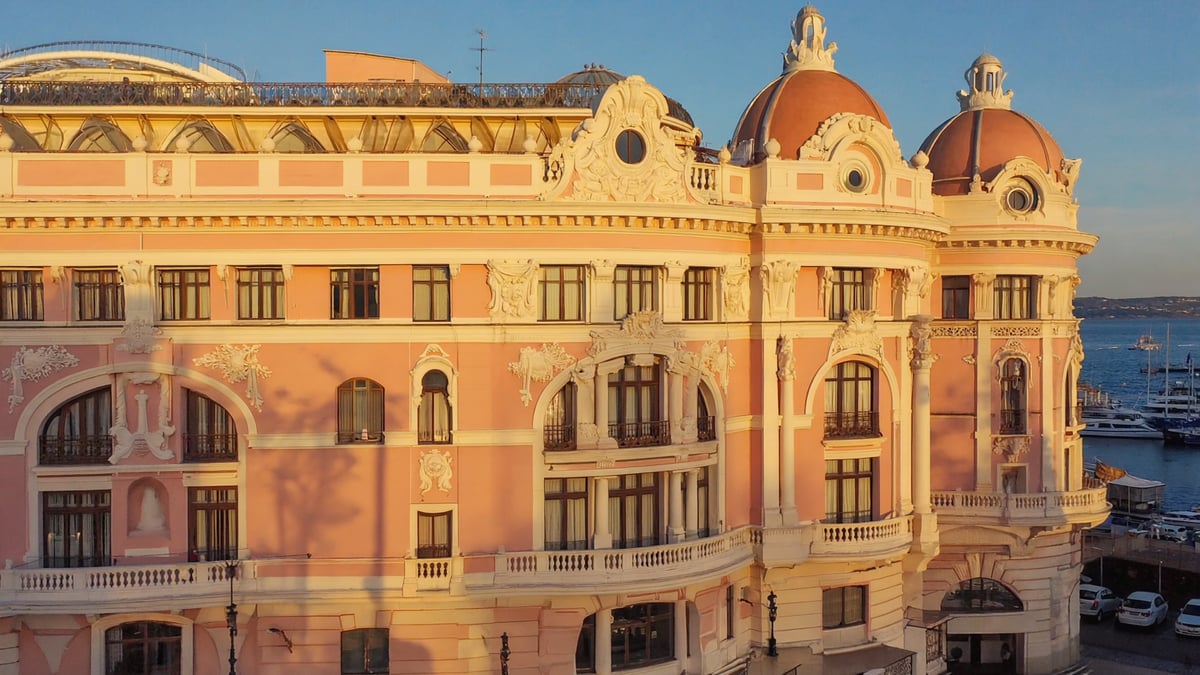
The French Riviera is one of Europe's most accessible sun destinations from the UK, with flight times comparable to Spain's Mediterranean coast but with a significantly more diverse and culturally rich experience waiting at the other end.
Flights from the UK to Nice
Nice Côte d'Azur Airport (NCE) is the main gateway to the region and the second-busiest airport in France after Paris Charles de Gaulle. It sits just 6 kilometres west of the city centre, making it one of the most conveniently located major airports in Europe.
Direct flights from the UK operate from multiple airports:
- London Heathrow (LHR): British Airways operates frequent direct services, typically 2 hours 10 minutes flying time.
- London Gatwick (LGW): easyJet operates multiple daily flights, typically 2 hours 5–15 minutes.
- London Stansted (STN): Ryanair and Wizz Air operate seasonal services.
- Manchester (MAN): Direct services operate with easyJet and Jet2, typically 2 hours 30 minutes.
- Edinburgh (EDI), Bristol (BRS), and Birmingham (BHX): Seasonal direct services available with various carriers.
Typical flight costs: Budget carriers from London can start from as low as £40–80 each way in off-peak periods, though prices during July, August, and around the Monaco Grand Prix can reach £200–300+ each way. Booking 3–6 months in advance generally secures the best fares. For package holidays — where flights and accommodation are bundled — GlobeHunters' packages from £699 per person for 5 nights typically represent significantly better value than booking components separately at peak times.
Airport Transfers to Nice City Centre
From Nice Airport to the city centre, you have several options:
- Tram Line 2: The most convenient and economical option — a direct tram connection runs from Terminal 1 and Terminal 2 to the city centre (Jean Médecin, Place Masséna) in approximately 20–25 minutes. Cost: approximately €1.70/£1.50 per journey. This is the recommended option for most travellers.
- Bus: Several bus routes serve the airport, slightly slower than the tram but covering additional destinations.
- Taxi: Approximately €25–35/£22–30 to the city centre, taking 15–25 minutes depending on traffic.
- Pre-booked transfer: Various private transfer services offer fixed-price journeys, useful for groups or those with significant luggage.
Travelling Along the Coast
Once based in Nice, the coastal train (operated by SNCF) is the best way to explore. Trains run frequently (every 30 minutes or so) along the entire coast and are cheap, comfortable, and fast. A return to Monaco costs approximately £7–9; a return to Cannes approximately £12–16. The Navigo-style transport cards available in Nice cover the tram and bus network within the city itself.
Budget Guide: What Does the French Riviera Cost in 2026?
The French Riviera has a reputation for being expensive — and it can be, if you're staying in five-star hotels and eating in Michelin-starred restaurants every evening. But the reality for most UK travellers is more nuanced. With smart planning, the Riviera offers excellent value at mid-range budget levels, particularly outside the July–August peak.
Budget Traveller: £60–£90 per person per day
This tier is achievable with hostel accommodation (Nice has several excellent hostels from £25–35 per night in a dorm), self-catering from the markets, and free or low-cost sightseeing. The Matisse Museum, Promenade des Anglais, and most of Nice's outdoor attractions are free. Eating socca and pissaladière from street stalls, shopping at the Cours Saleya market, and picnicking on the beach can deliver a genuinely wonderful Riviera experience without significant expenditure. Coastal train travel is cheap, and the region's public beaches are free.
Mid-Range Traveller: £120–£200 per person per day
This is the sweet spot for most UK couples and families. At this level, you can afford a comfortable three or four-star hotel (or a good self-catering apartment), eat one restaurant meal per day with wine, pay entry for paid attractions, and enjoy occasional boat trips or excursions. A typical day might include: hotel (£70–90 per person sharing), lunch from a good brasserie (£18–25), dinner at a mid-range restaurant with wine (£35–50), one attraction entry (£10–20), and transport (£5–10). This adds up to approximately £140–195 per person per day, not including flights or the hotel's breakfast if included.
Luxury Traveller: £350–£600+ per person per day
The Riviera's luxury ceiling is essentially unlimited — private yacht charters, grand hotel suites, Michelin-starred tasting menus, and VIP casino experiences are all available at corresponding prices. But even at the £350–400 per person per day level, you can stay in a genuine four-star seafront hotel in Nice, eat extremely well at top restaurants, and experience the region's finest cultural offerings without financial anxiety. Monaco's luxury is concentrated and unapologetic: a dinner at one of the principality's best restaurants for two with wine will cost £200–300, but the experience is genuinely exceptional.
Practical Money-Saving Tips
- The French Museum Pass covers many paid attractions and can represent excellent value over a week.
- Lunch is almost always better value than dinner at the same restaurant — many good establishments offer a fixed-price lunch menu (menu du jour) for €15–25/£13–21 that represents extraordinary value.
- The Riviera's private beach clubs charge for sun loungers (typically €20–40/£17–34 per day), but public beach sections are free. The water quality is excellent regardless of which section you use.
- Supermarkets (Carrefour, Monoprix) are widely available in Nice and Cannes for self-catering supplies, picnic provisions, and wine at a fraction of restaurant prices.
Travel Tips and Safety for UK Visitors to the French Riviera
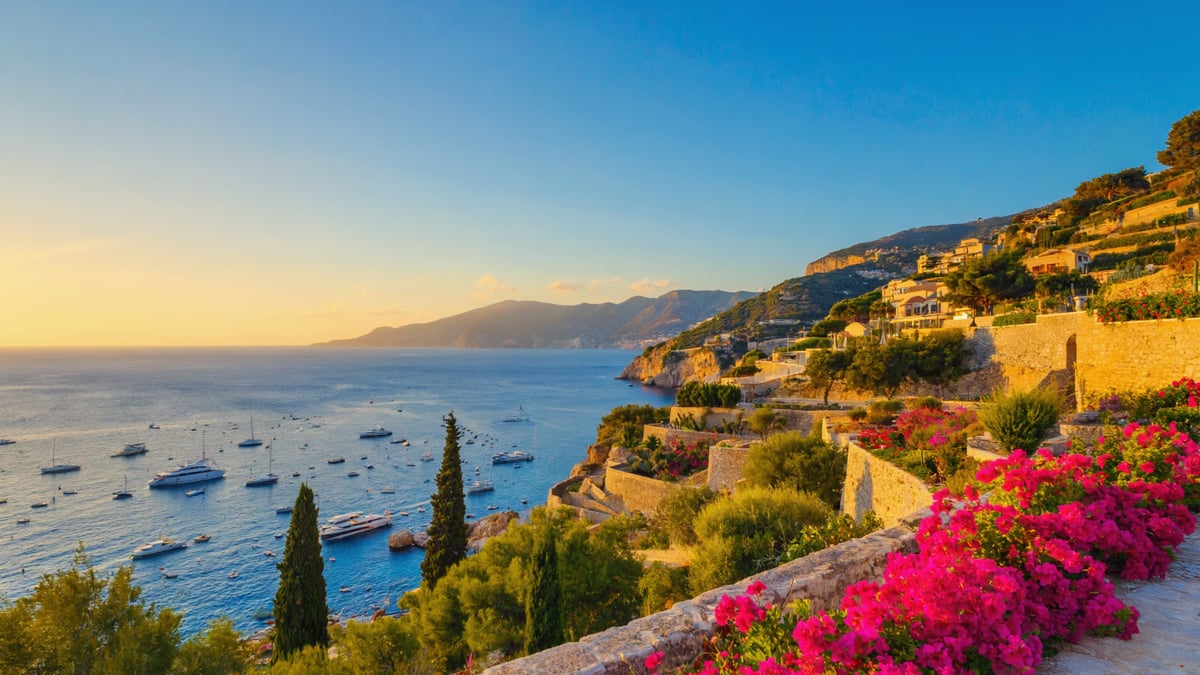
The French Riviera is a safe, well-developed tourist destination with excellent infrastructure. The practical challenges it presents are mostly minor — but knowing them in advance makes for a significantly smoother trip.
Safety: What to Know
The Riviera's main tourist areas are generally safe, and violent crime against tourists is rare. The more significant concern is petty theft — pickpocketing and bag-snatching occur in crowded areas, particularly on the Promenade des Anglais, in Nice's Old Town, on the coastal train, and around Monaco's casino. Standard precautions apply: use a crossbody bag rather than a backpack, don't leave valuables on the beach while swimming, and be particularly alert in crowded tourist spots.
Nice's Old Town has some areas that can feel edgy late at night, particularly around the Cours Saleya after the bars close. This is more a matter of atmosphere than genuine danger, but travelling in pairs and staying alert is sensible advice.
The Riviera experiences occasional forest fires in summer (the Esterel massif and Alpes-Maritimes hinterland are particularly vulnerable in August). These rarely affect coastal areas directly but can cause road closures and some haze. Check local alerts if venturing into the hills during dry summer periods.
Health Considerations
The UK's Global Health Insurance Card (GHIC) — the successor to the EHIC — provides access to medically necessary state healthcare in France at the same rate as French residents. Apply for your free GHIC on the NHS website before travelling. Comprehensive travel insurance is still strongly recommended, as the GHIC does not cover repatriation or all medical costs.
Sun protection is essential in summer — the Mediterranean sun is significantly stronger than the UK equivalent, and UV levels are high even on overcast days. Heat exhaustion is a genuine risk in July and August, particularly for travellers who are not acclimatised. Stay hydrated, seek shade during the hottest part of the day (13:00–16:00), and adjust your activity schedule to match the climate — the locals do everything in the morning and evening for good reason.
Cultural Etiquette
France has specific social customs that UK travellers sometimes overlook. Greeting shopkeepers, café staff, and restaurant hosts with "Bonjour" (and "Bonsoir" in the evening) is not merely polite — it is expected, and failing to do so is considered genuinely rude. Always say "S'il vous plaît" when making requests and "Merci" when receiving service. Even a minimal effort with French greetings is warmly received.
Dress standards are relaxed on the beaches but smarter in restaurants and certainly in Monaco, where very casual clothing (flip-flops, swimwear cover-ups) is frowned upon in the casino and better restaurants. Topless sunbathing remains legal and common on French beaches, though it has become less prevalent in recent years.
Practical Packing Tips
- Water shoes or reef shoes: Essential for Nice and other pebble beaches — the beach is gorgeous but the stones are unforgiving barefoot.
- A light evening layer: Even in July and August, evenings on terraces can feel cool once the sun drops. A light jacket or pashmina is always useful.
- Sun protection: High SPF sunscreen, a hat, and UV-protective sunglasses are non-negotiable in summer.
- Comfortable walking shoes: The region's hilltop villages (Èze, Saint-Paul-de-Vence, Les Baux) involve significant uphill walking on uneven stone surfaces.
- A small day bag: For coastal train journeys and beach days. Keep it secure and don't leave it unattended.
- Adapter plug: France uses Type E (two-pin) plugs. UK travellers will need a continental adapter.
- Offline maps: Download Google Maps or Maps.me for the Nice area before travelling — useful for navigating the Old Town's labyrinthine streets without mobile data charges.
Connectivity and Mobile Phones
Post-Brexit, UK travellers are no longer guaranteed EU roaming rights, and many UK mobile networks have reintroduced roaming charges for France. Check your specific plan before travelling. Purchasing a local SIM card at Nice Airport or a phone shop in the city is straightforward and cost-effective for longer stays. Free Wi-Fi is widely available in hotels, cafés, and many public areas.
Frequently Asked Questions About the French Riviera
Is the French Riviera expensive for UK travellers?
The French Riviera can be expensive, but it doesn't have to be. Budget travellers can manage on £60–90 per person per day by staying in hostels, using public beaches, and eating from markets. Mid-range travellers typically spend £120–200 per day. The most significant costs are accommodation and beach club lounger fees. Package holidays — which bundle flights and hotels — often represent the best overall value, particularly for 5-night stays.
Do I need a visa to visit France from the UK?
UK passport holders can visit France visa-free for up to 90 days within any 180-day period. However, the EU's ETIAS travel authorisation system may require pre-travel registration — check the official ETIAS website for the current status before booking. Your passport must be valid for the duration of your stay and under 10 years old.
What is the best time of year to visit the French Riviera?
September is widely considered the optimal month — the sea is warm, crowds have thinned after the French school holidays end, prices drop by 20–40% compared to August, and the weather is superb. June is an excellent second choice. July and August offer peak atmosphere but peak prices and crowds. Spring (April–May) is beautiful for sightseeing but the sea may still be cool for swimming.
How far is Nice from Monaco?
Nice and Monaco are approximately 20 kilometres apart. By train, the journey takes approximately 20–25 minutes and costs around £3–4 each way. By car, the journey can take 30–60 minutes depending on traffic, as the coastal road (the Basse Corniche) passes through several towns. The train is almost always the faster and more enjoyable option.
Are Nice's beaches sandy or pebbly?
Nice's beaches are predominantly pebble beaches, not sand. The pebbles make the water exceptionally clear and clean, but they are uncomfortable to walk on barefoot — water shoes are strongly recommended. If you prefer sandy beaches, Cannes (30 minutes west by train) has some of the Riviera's finest sandy beaches, as does Antibes and Juan-les-Pins.
Can I visit Monaco on a day trip from Nice?
Yes — Monaco is ideal as a day trip from Nice. The train from Nice to Monaco takes 20–25 minutes and runs frequently throughout the day. A full day is sufficient to walk the Formula 1 circuit, visit the Oceanographic Museum, see the Palace and Cathedral, and have lunch in the principality before returning to Nice in the evening. There is no border control between France and Monaco for EU and UK visitors.
What currency is used in Monaco?
Monaco uses the euro (€), the same as France. Despite being a separate sovereign state, Monaco is part of the eurozone. Credit and debit cards are widely accepted throughout Monaco and the French Riviera, though some smaller market stalls and village shops may prefer cash.
How do I get from Nice Airport to the city centre?
The tram (Line 2) is the best option — it connects both airport terminals directly to the city centre (Place Masséna) in approximately 20–25 minutes for approximately €1.70/£1.50. Taxis cost approximately €25–35/£22–30. The tram operates from early morning until midnight and runs every few minutes during peak hours.
Is the French Riviera suitable for families with children?
Yes — the Riviera is an excellent family destination. Children will enjoy the boat trips, the Oceanographic Museum in Monaco, the Iles de Lérins near Cannes, and the coastal train journeys. The pebble beaches of Nice are less ideal for small children than the sandy beaches of Cannes and Antibes. Many restaurants offer children's menus, and the region's markets and outdoor spaces are child-friendly. The climate is hot in summer — plan activities for mornings and evenings.
What language is spoken in Monaco?
French is the official language of Monaco. English is very widely spoken throughout the principality, particularly in hotels, restaurants, and the casino. The local Monégasque language (related to Ligurian Italian) exists but is rarely heard in everyday contexts. Italian is also commonly understood given Monaco's proximity to Italy.
What should I wear in Monaco?
Monaco has a reputation for elegance. Smart casual is appropriate for most daytime sightseeing, but the Casino de Monte-Carlo requires smart dress (no shorts, trainers, or flip-flops), and the better restaurants expect similar standards in the evening. Pack at least one smart outfit if you plan to visit the casino or dine at a high-end restaurant.
Is the Cannes Film Festival open to the public?
Most official Cannes Film Festival screenings and events require professional accreditation. However, the atmosphere and spectacle of the festival is entirely accessible to the public — the red carpet arrivals, the yachts in the harbour, the film market, and several free public screenings are all available without credentials. The beach screenings (Cinéma de la Plage) are free and extremely popular. If you're visiting during the festival (typically mid-May), book accommodation extremely early.
Your French Riviera Adventure Starts Here
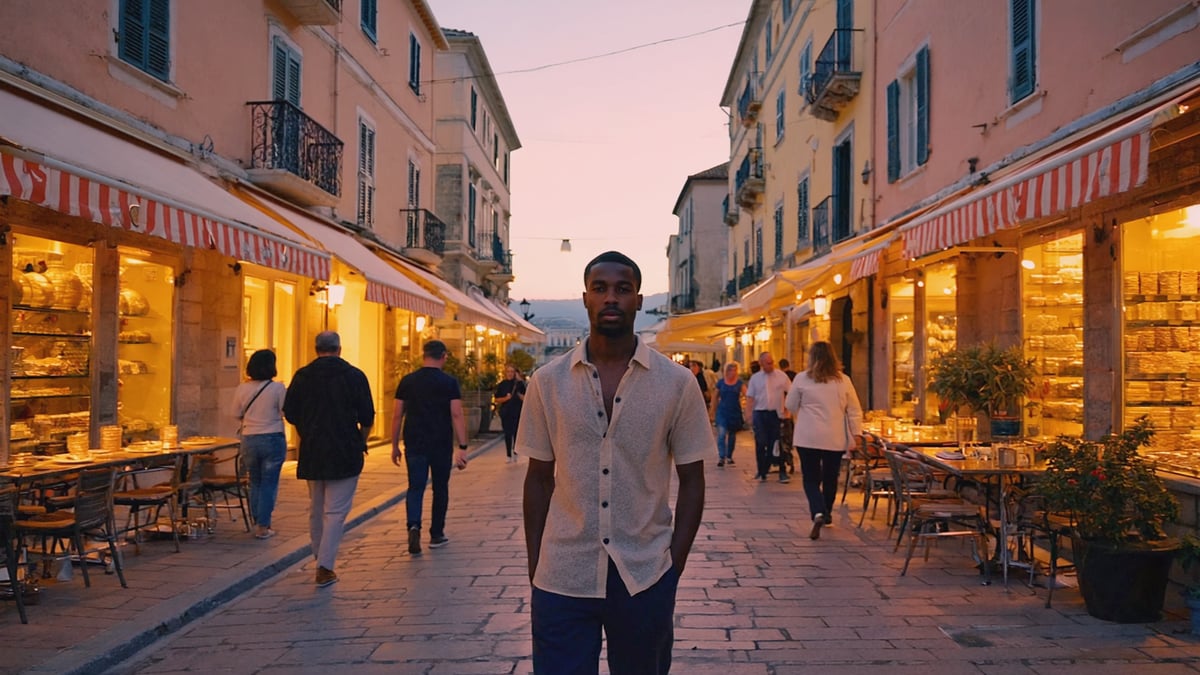
The French Riviera is one of those destinations that lives up to its reputation — and then surpasses it. The light really is extraordinary. The food really is that good. The coastline from Nice to the Italian border really does look like a series of perfectly composed paintings. And Monaco really is as surreal and spectacular as its reputation suggests, even for those who arrive expecting to be unimpressed by the glitter of it all.
What makes the Riviera genuinely special for UK travellers in 2026 is the combination of accessibility and depth. Two hours from London, you step into a region with three millennia of history, one of the world's great concentrations of fine art, a culinary tradition that is both sophisticated and deeply rooted in local produce, and a coastline that changes character every few kilometres. You can have a genuinely different holiday here every time you visit — and many UK travellers find that they do, returning year after year to a different town, a different season, a different experience of the same magnificent coast.
The practical case for booking now is straightforward: summer accommodation on the Riviera fills quickly, particularly for the peak weeks of July and August, and prices rise significantly as availability decreases. A package holiday that combines flights and accommodation — like GlobeHunters' 5-night package from £699 per person — locks in competitive rates and removes the logistical complexity of booking components separately. The Riviera will always be there, but the best prices and availability are decidedly time-limited.
Book Your French Riviera Holiday Now
GlobeHunters offers holiday packages including flights and hotels at competitive prices. Our 5-night French Riviera package starts from £699 per person — including flights from the UK and hotel accommodation. Real-time availability, curated itineraries, and expert support from a travel agency operating since 2003.
View Package & Prices →Or call us: 0208 944 4514
Ready to Book Your French Holiday?
Our travel experts are ready to help you plan the perfect trip. Call us today or browse our latest deals.
Ready to Start Planning?
Speak to our travel experts for personalised advice and the best deals on your next holiday.
Call 0208 944 4514