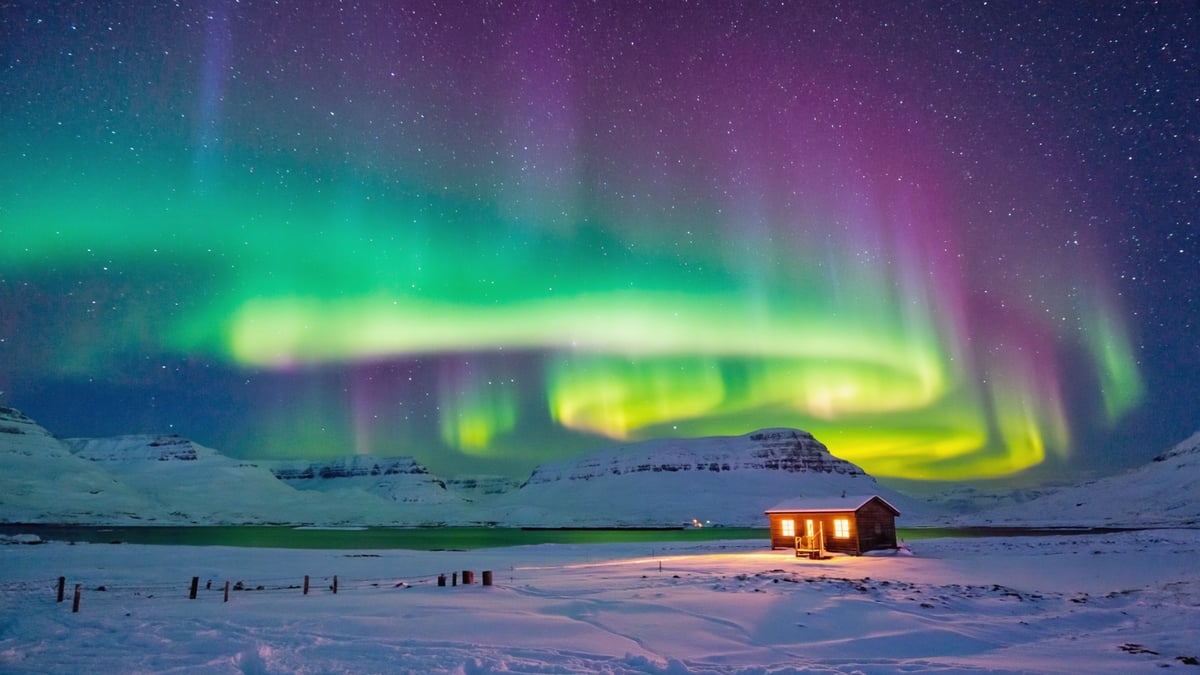
Imagine standing in absolute silence on a frozen lava field at 11pm, the sky above you erupting in curtains of green and violet light — a phenomenon so otherworldly that early Norse settlers believed it was the breath of the gods. Iceland does not just offer a holiday. It offers a confrontation with the raw, untamed power of the Earth itself. Where else on the planet can you witness an active geyser erupting every five minutes, walk across a glacier the size of a small country, soak in a geothermal lagoon in the middle of a lava field, and then — if you time it right — never experience darkness at all? Iceland is, without question, one of the most singular travel destinations on Earth, and for UK travellers in 2026, it has never been more accessible or more rewarding to visit.
This guide covers everything you need to plan a truly unforgettable Icelandic adventure — from chasing the Northern Lights in the depths of winter to hiking volcanic highlands under the midnight sun in summer. Whether you are a couple seeking a dramatic, romantic escape, an adventure traveller ticking off bucket-list experiences, or simply someone who wants to witness landscapes that look like they belong on another planet, Iceland delivers on every front.
Iceland: A Destination Unlike Any Other on Earth
Iceland sits at the meeting point of two tectonic plates — the North American and Eurasian — which makes it one of the most geologically active places on the planet. This is not mere geography trivia; it is the reason everything extraordinary about Iceland exists. The geysers, the hot springs, the volcanoes, the lava fields, the dramatic fault-line valleys — all of it stems from Iceland's position atop the Mid-Atlantic Ridge.
Geographic location: Iceland is an island nation in the North Atlantic Ocean, sitting just below the Arctic Circle. It is closer to Greenland than to mainland Europe, yet culturally and politically it is firmly Nordic. The capital, Reykjavík, sits on the southwestern coast and is home to roughly two-thirds of the country's population of approximately 370,000 people — making it one of the least densely populated countries in Europe.
Language: Icelandic is the official language, one of the oldest and most preserved Norse languages in the world. However, English is spoken fluently and widely throughout Iceland, particularly in tourist areas, hotels, restaurants, and shops. You will have no difficulty communicating as a UK traveller.
Currency: The Icelandic Króna (ISK) is the official currency. As of 2026, the exchange rate hovers around 170–180 ISK to the pound, though this fluctuates — always check a reliable currency service before you travel. Iceland is overwhelmingly cashless; card payments are accepted virtually everywhere, including at remote petrol stations and small guesthouses. You will rarely, if ever, need physical cash.
Time zone: Iceland operates on GMT (Greenwich Mean Time) year-round and does not observe daylight saving time. This means that in summer, Iceland is on the same time as the UK, and in winter, it is one hour behind UK time (GMT+0 vs GMT+1 during British Summer Time).
Visa requirements for UK travellers: Following Brexit, UK citizens can visit Iceland visa-free for up to 90 days within any 180-day period under the Schengen Area rules. Iceland is a member of the Schengen Area despite not being an EU member state. UK travellers do not currently require a visa for tourist visits, but you should carry a valid passport (not just a driving licence) and be aware that ETIAS (the European Travel Information and Authorisation System) is expected to be implemented for UK travellers in the coming period — check the UK Government's Iceland travel advice page for the latest entry requirements before you depart.
Electricity: Iceland uses the Type C and F European plug sockets with 230V supply. UK travellers will need a standard European travel adaptor.
Size and landscape: Iceland covers roughly 103,000 square kilometres — comparable in size to England — yet contains some of the most dramatic terrain on Earth. The interior highlands are largely uninhabited and inaccessible in winter, while the coastal ring road (Route 1) connects the country's major attractions and can theoretically be driven in its entirety in about a week, though most visitors focus on the southwest or take organised tours from Reykjavík.
When Is the Best Time to Visit Iceland?
The honest answer is that the best time to visit Iceland depends entirely on what you want to experience — and both the summer and winter seasons offer dramatically different, equally spectacular experiences. There is genuinely no bad time to visit, only different reasons to go.
Winter (November–March): The Northern Lights Season
If the Aurora Borealis is your primary motivation — and for many UK travellers, it absolutely is — then you must visit between late September and late March. The Northern Lights require darkness to be visible, and Iceland's long winter nights provide the ideal canvas. January and February are statistically the peak months for aurora activity, offering 18–20 hours of darkness per day and the greatest chance of clear skies away from the capital.
Winter temperatures in Reykjavík typically sit between -2°C and 4°C, though wind chill can make it feel significantly colder. The interior and northern regions are considerably harsher. Snowfall is common, roads can be icy, and some highland routes are completely closed. However, this is also when Iceland is at its most hauntingly beautiful — snow-dusted lava fields, frozen waterfalls, and that ethereal blue light during the brief midday hours.
Prices are generally lower in the deep winter months (November, January, February) compared to peak summer, and the tourist crowds are dramatically thinner. December sees a spike due to Christmas markets and the festive atmosphere in Reykjavík.
Spring (April–May): The Shoulder Season Sweet Spot
April and May offer a compelling middle ground. The days are lengthening rapidly — by late May, Iceland enjoys 20+ hours of daylight — while prices remain below summer peak levels. You may still catch the tail end of Northern Lights activity in early April. Puffins begin arriving on Iceland's cliffs in late April, making this an excellent window for wildlife enthusiasts. The highland roads begin to open in late May, and waterfalls are at their most dramatic as winter snowmelt swells the rivers.
Summer (June–August): The Midnight Sun
Midsummer in Iceland is a completely different experience from winter. Around the summer solstice (21st June), the sun barely dips below the horizon, resulting in the famous midnight sun — 24 hours of natural daylight. This enables hiking, sightseeing, and photography at any hour of the day or night, and the landscape transforms into a vivid green tapestry of wildflowers and mossy lava fields.
Summer is Iceland's peak tourist season, and prices reflect this accordingly. Reykjavík's streets are lively, the highland interior is fully accessible, puffin colonies are at full strength, and whale-watching is at its most productive. Book accommodation well in advance — popular guesthouses and hotels along the ring road can sell out months ahead. Key events include the Reykjavík Arts Festival (May/June) and the Secret Solstice music festival held annually in June.
Autumn (September–October): Best of Both Worlds
For many experienced Iceland travellers, September is the single best month to visit. The midnight sun is fading, meaning the Northern Lights begin to reappear. Crowds are thinning. Prices are dropping. The landscape glows in autumnal gold and rust tones. Puffins are still present in early September before they head out to sea. Highland roads are still open. And the days are long enough to maximise sightseeing. September genuinely offers the best combination of conditions Iceland has to offer.
Where to Stay in Iceland: Areas and Accommodation Guide
The vast majority of Iceland holidays are based in or around Reykjavík, which makes an excellent base for day trips to the country's most famous attractions. However, there are compelling reasons to venture further afield, particularly if you want remote highland experiences or want to explore the South Coast in depth.
Reykjavík City Centre (101 Reykjavík)
The 101 postcode encompasses Reykjavík's beating heart — a compact, walkable area packed with restaurants, bars, galleries, boutique shops, and the iconic Hallgrímskirkja church. This is where most visitors want to be based, and accommodation ranges from budget hostels to genuinely world-class design hotels.
Budget travellers should look at guesthouses and hostels such as those clustered around Laugavegur (Reykjavík's main shopping street). Expect to pay around £50–£90 per night for a private room in a well-reviewed guesthouse.
Mid-range travellers will find excellent value in the city's many four-star hotels, many of which have been renovated in recent years and offer contemporary Scandinavian-style rooms, often with geothermal hot tub facilities. Budget approximately £120–£200 per night.
Luxury travellers are spoilt for choice. Properties in the Reykjavík area offer exceptional design, spa facilities with geothermal pools, and outstanding contemporary Icelandic cuisine. Expect to pay £250–£500+ per night for truly premium properties.
The South Coast: Selfoss, Vík, and Beyond
If you want to wake up within walking distance of black sand beaches, waterfalls, and glacier tongues, consider basing yourself along the South Coast. The towns of Selfoss, Hvolsvöllur, and Vík all offer guesthouses and small hotels that provide immediate access to some of Iceland's most dramatic scenery. This is particularly recommended for travellers who have already done the Reykjavík circuit and want a more immersive experience.
The Snæfellsnes Peninsula and West Iceland
Often overlooked in favour of the Golden Circle and South Coast, the Snæfellsnes Peninsula — home to the glacier that Jules Verne used as the entrance to the centre of the Earth in his famous novel — offers some of Iceland's most dramatic coastal scenery with far fewer tourists. Small guesthouses and farm stays here offer an authentic, peaceful contrast to the bustle of Reykjavík.
Northern Iceland: Akureyri and Húsavík
Iceland's "second city" Akureyri (population approximately 20,000) is the gateway to the north and offers excellent whale-watching, the stunning Lake Mývatn volcanic region, and some of the country's best skiing in winter. Húsavík, a small town on the north coast, has earned a global reputation as one of the world's premier whale-watching destinations. Staying overnight in the north adds significant depth to any Iceland itinerary.
Top Things to Do in Iceland: 10 Unmissable Experiences
Iceland's activity list reads like a bucket list for the entire planet. Here are the experiences that should anchor your itinerary, with practical details to help you plan.
1. Chase the Northern Lights
The Aurora Borealis is Iceland's headline attraction, and rightly so. The lights are entirely natural and unpredictable, but your chances are maximised by travelling between October and March, staying away from Reykjavík's light pollution (drive 30–45 minutes out of the city), and monitoring aurora forecasting apps such as those provided by the Icelandic Meteorological Office. Northern Lights tours depart nightly from Reykjavík in winter and typically cost around £45–£85 per person (approximately 8,000–15,000 ISK). Many operators offer a "come back free" policy if the lights do not appear.
2. Visit the Blue Lagoon
The Blue Lagoon is Iceland's most famous attraction and genuinely lives up to the hype. The milky-blue geothermal waters (maintained at approximately 37–39°C) are rich in silica and minerals, and the surrounding lava field landscape is utterly surreal. Entry starts at approximately £65–£85 per person (Comfort package), rising to £130+ for the Premium experience with a silica mud mask, algae mask, and prosecco. Booking in advance is absolutely essential — the Blue Lagoon operates on timed entry slots and frequently sells out weeks ahead, particularly in summer. It is located conveniently between Keflavík International Airport and Reykjavík, making it ideal as a first or last stop on your trip.
3. The Golden Circle
The Golden Circle is Iceland's most famous tourist route, a roughly 300km loop from Reykjavík that connects three extraordinary natural landmarks: Þingvellir (Þingvellir) National Park — a UNESCO World Heritage Site where you can walk between the North American and Eurasian tectonic plates; the Geysir Hot Spring Area — home to Strokkur, which erupts a column of boiling water up to 40 metres high every 5–10 minutes; and Gullfoss Waterfall — a thundering two-tiered cascade that drops into a dramatic canyon. You can self-drive the Golden Circle in a day (car hire from approximately £50–£120 per day) or join a guided tour from Reykjavík for around £45–£75 per person. Þingvellir has no entry fee; the Geysir area is free to walk around.
4. Glacier Hiking on Vatnajökull
Vatnajökull is the largest glacier in Europe by volume, covering approximately 8% of Iceland's total land area. Guided glacier walks take you across crevassed ice fields, through ice caves, and up to panoramic viewpoints that most visitors only see in photographs. Glacier hikes typically cost £60–£120 per person depending on duration and difficulty, and all equipment (crampons, harness, ice axe) is provided. Ice cave tours inside Vatnajökull — only available in winter when the ice is stable — are among the most extraordinary experiences Iceland offers. Book well in advance as these sell out quickly.
5. Snorkelling or Diving at Silfra
Silfra is a fissure in Þingvellir National Park where glacial meltwater filters through lava rock for decades before emerging crystal clear, with visibility exceeding 100 metres — some of the clearest water on Earth. Snorkelling here means floating between two continents in water you can drink. Snorkelling tours cost approximately £100–£150 per person; scuba diving (requiring an open water certification) runs to approximately £175–£250 per person. The water temperature sits around 2–4°C year-round, but dry suits are provided.
6. South Coast Waterfalls: Seljalandsfoss and Skógafoss
These two waterfalls along Iceland's South Coast are easily combined in a single day trip. Seljalandsfoss is uniquely walkable — a path takes you behind the curtain of falling water for extraordinary photos. Skógafoss is a wider, more powerful fall with a staircase to a viewpoint above. Both are free to visit, open year-round, and located roughly 90 minutes from Reykjavík along Route 1. The walk behind Seljalandsfoss can be icy in winter — wear appropriate footwear.
7. Whale Watching from Reykjavík or Húsavík
Iceland is one of the world's great whale-watching destinations, with humpback whales, minke whales, and harbour porpoises commonly sighted. Húsavík in the north is considered the premium whale-watching location, with sighting rates that industry operators describe as among the highest in Europe. Tours from Reykjavík harbour operate year-round and cost approximately £60–£85 per person; Húsavík tours run approximately £75–£100 per person. Summer months (June–August) offer the best conditions and highest sighting rates.
8. Explore the Jökulsárlón Glacier Lagoon
One of Iceland's most photographed locations, Jökulsárlón is a glacial lake studded with brilliant blue and white icebergs that have calved from the Breiðamerkurjökull glacier. Amphibious boat tours cross the lagoon among the icebergs (approximately £40–£55 per person), or you can simply walk the shoreline for free. Just across the road, Diamond Beach features the same icebergs washed ashore on black sand — a photographer's dream. Located approximately 370km from Reykjavík on the South Coast, this works best as part of a ring road itinerary or a multi-day South Coast tour.
9. Puffin Watching
Iceland hosts the largest Atlantic puffin colony in the world, with millions of birds nesting on coastal cliffs from late April to mid-August. The Vestmannaeyjar (Westman Islands) archipelago off the South Coast is home to an extraordinary colony, but puffins are also commonly spotted near Vík, on the Snæfellsnes Peninsula, and from whale-watching boats. Puffin watching is often included in whale-watching tours at no extra cost.
10. Visit the Sky Lagoon
A newer alternative to the Blue Lagoon (opened in 2021), the Sky Lagoon sits on Reykjavík's coastline and offers an infinity-edge geothermal pool with sweeping ocean views, along with a traditional Icelandic bathing ritual involving a cold plunge, sauna, and steam room. Entry costs approximately £55–£95 per person depending on the package. The Sky Lagoon is considerably closer to central Reykjavík than the Blue Lagoon, making it more convenient for city-based visitors.
Book Your Iceland Holiday Now
GlobeHunters offers 5-night Iceland holiday packages including flights from the UK and hotel accommodation, starting from just £1,199 per person. Northern Lights, glaciers, geysers — it's all within reach.
View Package & Prices →Or call us: 0208 944 4514
Food & Dining in Iceland: What to Eat and Where to Eat It
Icelandic cuisine has undergone a genuine transformation over the past decade, evolving from its traditional subsistence-driven roots into a sophisticated, ingredient-led culinary scene that is earning serious international attention. The key to understanding Icelandic food is provenance: the country produces extraordinary lamb, fish, dairy, and geothermal-grown vegetables, and the best restaurants celebrate these ingredients with minimal interference.
Essential Dishes to Try
Skyr is perhaps Iceland's most internationally recognised food export — a thick, protein-rich cultured dairy product similar to Greek yoghurt but with a tangier flavour and lower fat content. Eat it as locals do: plain, with berries, or with granola. Available in every supermarket and most cafés.
Plokkfiskur (fish stew) is Iceland's great comfort food — a creamy, satisfying dish of flaked cod or haddock cooked with potatoes, onions, and béchamel. It is found on menus across the country and is typically very good value at around £12–£18 per portion.
Lamb is exceptional in Iceland. Icelandic sheep roam free across the highlands all summer, feeding on wild herbs and grasses, which gives the meat an unusually clean, complex flavour. Roasted leg of lamb (hangikjöt when smoked) is a national institution.
Fresh fish and seafood are outstanding. Arctic char, cod, haddock, langoustine (known locally as "Icelandic lobster"), and scallops are all caught in Icelandic waters and appear on menus at prices significantly lower than you might expect given the quality. The langoustine soup at harbour-side restaurants in Höfn (on the east coast) is legendary among those who have made the journey.
Hot dogs (pylsur) are a beloved Reykjavík institution. The hot dog stand Bæjarins Beztu Pylsur on the Reykjavík harbour front — reportedly one of the most famous hot dog stands in the world, visited by Bill Clinton, James Hetfield, and countless others — serves a uniquely Icelandic version with crispy onions, raw onion, ketchup, sweet mustard, and remoulade. It costs around £4–£5 and is genuinely excellent.
Hákarl (fermented Greenlandic shark) is Iceland's most notorious traditional food — cured for several months until its texture resembles very firm cheese and its smell is, to put it diplomatically, extraordinarily pungent. It is served at traditional Þorrablót midwinter festivals and at certain tourist restaurants. Worth trying once purely for the experience.
Where to Eat in Reykjavík
Laugavegur and the surrounding streets in the 101 district are home to the highest concentration of restaurants and cafés. For casual dining, the area around Hlemmur food hall (a covered market-style space with multiple vendors) offers excellent variety at mid-range prices. Budget-conscious travellers should note that eating out in Iceland is genuinely expensive — a main course at a mid-range restaurant typically costs £20–£35, and a pint of locally brewed beer (try Borg Brugghús or Einstök) is generally around £8–£12.
For those on a tighter budget, self-catering is straightforward — Bónus (the yellow and pink pig supermarket chain) is Iceland's most affordable supermarket, and buying lunch supplies there can save significant amounts over a week. The Krónan supermarket chain is another solid option.
Dietary requirements: Reykjavík's restaurant scene is well-adapted to vegetarian, vegan, and gluten-free requirements. Iceland's Nordic culinary traditions lean heavily on fish and meat, but urban restaurants universally offer plant-based alternatives. Outside of Reykjavík, options become more limited, though fish is almost always available.
Getting to Iceland from the UK: Flights and Transfers
Getting to Iceland from the UK is refreshingly straightforward — it is a genuinely short-haul flight that many travellers are surprised to discover takes less time than flying to some Mediterranean destinations.
Flight Routes and Airlines
Keflavík International Airport (KEF) is Iceland's main international airport, located approximately 50km southwest of Reykjavík. It serves as the primary hub for transatlantic and European flights.
The main airlines operating direct routes from the UK to Iceland in 2026 are:
- Icelandair — The national carrier of Iceland offers the most comprehensive UK coverage, with direct flights from London Heathrow, Manchester, Glasgow, and Edinburgh. Icelandair is well-regarded for comfort and service, and its Saga Business Class product is competitive for premium travellers. The airline frequently runs promotional fares on its routes.
- easyJet — Operates direct flights from London Gatwick, Bristol, Manchester, and Edinburgh to Keflavík. As a budget carrier, easyJet offers the most competitive base fares but charges separately for hold luggage and seat selection.
- Wizz Air — Also operates routes from London Luton and several UK regional airports to Keflavík, often at very competitive prices.
- TUI — Offers charter flights as part of package holidays, primarily from Manchester and London.
Flight duration: Direct flights from London to Keflavík take approximately 2 hours 45 minutes to 3 hours 15 minutes. Flights from Manchester, Glasgow, and Edinburgh are similarly timed. This makes Iceland one of the most time-efficient "adventure destinations" available to UK travellers.
Typical fare ranges: Direct economy fares from London start at approximately £80–£150 return per person in the off-peak winter months (excluding Christmas), rising to £200–£400 return per person in peak summer. Booking early — particularly for summer travel — makes a significant difference to cost.
Getting from Keflavík Airport to Reykjavík
The most popular transfer option is the Flybus (operated by Reykjavík Excursions), a coach service that meets every flight arrival and runs directly to the BSÍ bus terminal in central Reykjavík, with hotel drop-offs available. The journey takes approximately 45–60 minutes and costs around £22–£35 per person one-way, depending on whether you opt for a direct bus or hotel transfer. Book online in advance for the best rates.
Taxi transfers from the airport to Reykjavík cost approximately £80–£120 and take around 45 minutes. Shared taxi services offer a middle ground at around £35–£50 per person.
Car hire from the airport is an excellent option for travellers planning to self-drive the ring road or explore beyond Reykjavík. Collect your car on arrival and drive directly to your accommodation. Prices start at around £45–£70 per day for a small economy car, rising to £100–£200+ for a 4WD vehicle (strongly recommended for winter travel or highland exploration).
GlobeHunters' Iceland packages include return flights from the UK and hotel accommodation, with the option to add transfers and activities. From £1,199 per person for a 5-night package — view full package details and current pricing here.
Iceland Holiday Budget Guide: What to Expect to Spend
Iceland has a well-earned reputation as one of the more expensive destinations in Europe, and it is important to plan your budget realistically. However, with smart planning, Iceland is entirely manageable — and the experiences it offers represent extraordinary value in terms of what you actually get.
Budget Traveller: £80–£120 per person per day
Achieving a tight budget in Iceland requires some creativity, but it is absolutely possible. Budget travellers should:
- Stay in hostels or budget guesthouses (£30–£60 per night in a private room, or £20–£35 in a dorm)
- Self-cater for breakfast and lunch using supermarket supplies (Bónus is your friend)
- Cook dinner in hostel kitchens or eat at the most affordable local restaurants
- Take advantage of free natural attractions — many of Iceland's most spectacular sites cost nothing to visit
- Join group tours rather than private ones for activities
- Travel by public bus where possible (Strætó buses connect major towns)
At this level, budget approximately £30–£40 on food, £30–£60 on accommodation, and £20–£40 on activities per day.
Mid-Range Traveller: £150–£250 per person per day
This is the sweet spot for most UK holidaymakers. At mid-range budget, you can:
- Stay in comfortable three- or four-star hotels (£100–£180 per night for a double room)
- Eat out for dinner most evenings at good-quality restaurants (£25–£45 per main course)
- Join group day tours to major attractions (Golden Circle, South Coast, Northern Lights)
- Visit the Blue Lagoon or Sky Lagoon (budget £70–£100 per person)
- Hire a car for flexibility (split between two people, adds approximately £30–£50 per person per day)
A mid-range daily spend excluding accommodation of around £80–£120 per person is realistic and comfortable.
Luxury Traveller: £300–£600+ per person per day
Iceland's luxury market has developed considerably, with world-class hotels, private guided tours, and exclusive experiences available for those who want the finest version of the destination. At this level:
- Five-star and design hotel accommodation runs £250–£600+ per night
- Private guided tours (private Golden Circle, private glacier experiences) cost £300–£600 per group per day
- Fine dining at Reykjavík's top restaurants: £80–£150 per person for a tasting menu with wine pairing
- Helicopter tours over volcanoes and glaciers: £350–£700 per person
- Private jet transfer options available for ultimate comfort
Key Cost-Saving Tips for Iceland
Alcohol is expensive — a beer at a bar will typically cost £8–£12. Consider buying wine or spirits at the duty-free shop at the airport on arrival (Keflavík has good duty-free options) rather than purchasing at Vínbúðin (the state-run alcohol store), where prices are high.
Petrol costs are significant if you are self-driving. Fill up in Reykjavík before heading into rural areas, where petrol stations are spaced far apart and prices can be slightly higher. Keep the tank topped up — running out of fuel in a remote lava field is a genuine risk.
The City Card (Reykjavík City Card) offers unlimited access to public buses, swimming pools, and some museums for a flat daily rate — excellent value if you plan to explore the city thoroughly.
Travel Tips and Safety: Essential Advice for Iceland in 2026
Iceland is an exceptionally safe destination, ranking consistently among the most peaceful countries in the world. However, its dramatic natural environment presents very real hazards that require respect and preparation.
Respect the Power of Nature
This is the single most important travel tip for Iceland. Every year, tourists are injured or killed by underestimating Iceland's natural forces. Key dangers include:
- Sneaker waves (rogue waves) on black sand beaches like Reynisfjara near Vík. These waves arrive without warning and are powerful enough to drag adults into the sea. Always stand well back from the shoreline on black sand beaches and never turn your back on the ocean.
- Unstable cliff edges and volcanic terrain. Stay on marked paths. The black lava rock can be extremely slippery, and cliff edges are often less stable than they appear.
- Boiling geothermal areas. Do not stray from boardwalks around geothermal features. The crust can be thin, and the water beneath is scalding.
- Highland driving. The interior F-roads require a 4WD vehicle and experience. River crossings can be dangerous. Do not attempt highland routes in a standard hire car.
- Rapidly changing weather. A calm, sunny morning can deteriorate into a blizzard within hours. Always check the Icelandic Meteorological Office forecast and road conditions before driving.
Road Safety
Iceland drives on the right-hand side of the road — remember this, particularly when pulling out of parking areas. The speed limit on paved roads outside urban areas is 90km/h; on unpaved roads it is 80km/h. Speed cameras are common and fines are significant. In winter, roads can be icy and conditions can change rapidly. Check road conditions at road.is (the Icelandic Road and Coastal Administration website) before every journey.
Health and Medical
Iceland has excellent medical facilities, and Reykjavík's Landspítali University Hospital is the main hospital. UK travellers should carry a valid Global Health Insurance Card (GHIC), which replaced the EHIC card post-Brexit and entitles you to emergency healthcare at the same rate as Icelandic residents. However, comprehensive travel insurance covering medical evacuation is still strongly recommended — helicopter evacuations from remote areas are expensive and not always covered by GHIC.
Packing Essentials
Iceland's weather is famously changeable, and the local saying — "if you don't like the weather, wait five minutes" — is not far from the truth. Pack in layers, and always include:
- A quality waterproof and windproof outer layer (essential at any time of year)
- Thermal base layers for winter visits
- Waterproof walking boots with good ankle support
- A buff or neck gaiter and warm hat for winter
- Sunscreen and sunglasses — summer UV levels are surprisingly strong, particularly near glaciers
- Camera with a wide-angle lens if photography is a priority
- A portable power bank — cold temperatures drain phone batteries rapidly in winter
Cultural Etiquette
Icelanders are generally warm, direct, and informal. A few things worth knowing: tipping is not customary in Iceland and is not expected in restaurants or taxis, though it is always appreciated. The country has a very strong environmental ethic — stay on marked paths, do not pick plants or disturb wildlife, and leave no trace. Iceland's nature is fragile and slow to recover from human damage, as the moss-covered lava fields (some of which have taken centuries to establish) are particularly vulnerable to being walked on.
Alcohol is only sold in licensed restaurants and bars or at Vínbúðin state stores — not in supermarkets. The minimum drinking age is 20. Public drunkenness is frowned upon outside of certain weekend contexts in Reykjavík.
Frequently Asked Questions About Iceland Holidays
Is Iceland worth visiting in winter or summer?
Both seasons are worth visiting, but for different reasons. Winter (November–March) offers the Northern Lights, dramatic snowy landscapes, and lower prices. Summer (June–August) offers the midnight sun, full access to the highland interior, peak wildlife activity including puffins and whales, and longer days for exploring. September is arguably the best month as it combines early Northern Lights activity with lingering summer conditions.
How much does a trip to Iceland cost from the UK?
A realistic budget for a 5-night Iceland holiday from the UK starts at approximately £1,200–£1,500 per person including flights and accommodation. GlobeHunters offers 5-night packages from £1,199 per person including return flights and hotel. Daily spending on activities, food, and transport typically adds £100–£200 per person per day depending on your travel style.
Do I need a visa to visit Iceland from the UK?
No, UK citizens do not currently require a visa to visit Iceland. You can enter visa-free for up to 90 days within any 180-day period under Schengen Area rules. You must carry a valid passport. The ETIAS pre-travel authorisation system is expected to be introduced for UK travellers — check the UK Government's official travel advice for the latest position before you travel.
What is the best way to see the Northern Lights in Iceland?
The best way to maximise your chances of seeing the Northern Lights is to travel between October and March, drive away from Reykjavík's light pollution, and monitor aurora forecasting tools. The Icelandic Meteorological Office provides a free aurora forecast service. Many tour operators offer nightly Northern Lights minibus tours from Reykjavík for approximately £45–£85 per person, often with a "free repeat tour" guarantee if no aurora is visible.
Do I need to book the Blue Lagoon in advance?
Yes — advance booking is essential for the Blue Lagoon. It operates on timed entry slots and regularly sells out weeks in advance, especially in summer and around Christmas. Book directly on the Blue Lagoon's official website as soon as your travel dates are confirmed. Entry starts at approximately £65 per person for the Comfort package.
Is Iceland safe for solo travellers?
Iceland is one of the safest countries in the world for solo travellers, including solo women. Crime rates are exceptionally low, locals are generally helpful and English-speaking, and the travel infrastructure is excellent. The main safety considerations for solo travellers are natural hazards — weather, terrain, and driving conditions — rather than personal security. Always inform someone of your itinerary if venturing into remote areas.
What currency should I bring to Iceland?
Iceland is almost entirely cashless, and card payments are universally accepted — even at remote guesthouses and petrol stations. The currency is the Icelandic Króna (ISK), but you very rarely need physical cash. Notify your bank before travelling so that international card transactions are not blocked. Currency exchange is available at Keflavík Airport if you do want some cash on hand.
What is the Golden Circle and how long does it take?
The Golden Circle is a popular tourist driving route of approximately 300km that visits three major attractions: Þingvellir National Park (a UNESCO World Heritage Site and the gap between two tectonic plates), the Geysir Hot Spring Area (home to the erupting Strokkur geyser), and Gullfoss Waterfall. As a self-drive day trip from Reykjavík, allow a full day (8–10 hours). Guided tours typically run 8–10 hours and cost around £45–£75 per person.
Can I drive in Iceland in winter?
Yes, but winter driving in Iceland requires preparation and a suitable vehicle. A 4WD vehicle is strongly recommended between November and April. Roads can be icy, and some routes (including all F-roads and many highland routes) are closed in winter. Always check road conditions at road.is before driving, and never attempt unfamiliar mountain passes in poor weather. Many visitors prefer guided tours in winter to avoid the stress of driving in challenging conditions.
Are there direct flights from the UK to Iceland?
Yes — multiple airlines operate direct flights from UK cities to Keflavík International Airport. Icelandair flies direct from London Heathrow, Manchester, Glasgow, and Edinburgh. easyJet operates from London Gatwick, Manchester, Bristol, and Edinburgh. Wizz Air serves additional UK regional airports. Flight time from London is approximately 2 hours 45 minutes to 3 hours 15 minutes.
What should I pack for an Iceland holiday?
The key to packing for Iceland is layering. Essentials include a waterproof and windproof outer layer, thermal base layers (in winter), waterproof walking boots, a warm hat and gloves (in winter), sunscreen and sunglasses (in summer), and a camera. In winter, add hand warmers and ensure your outer layer covers your face in strong wind. Pack light underlayers so you can add or remove layers as conditions change.
Is Iceland good for families with children?
Iceland is an excellent family destination. Children are generally very welcome across the country, and the natural attractions — geysers, waterfalls, wildlife, glacier walks — tend to captivate younger travellers. The Blue Lagoon has age restrictions (children under 2 are not admitted), but most other attractions are family-friendly. Reykjavík has several excellent museums aimed at children, including the Aurora Reykjavík Northern Lights Centre and the Reykjavík Zoo and Family Park.
Final Thoughts: Why Iceland Belongs on Your 2026 Travel List
There is a reason Iceland consistently appears at the top of "bucket list" destination surveys, and it is not simply clever marketing. Iceland offers something that very few places on Earth can genuinely deliver: the feeling of standing on a planet that is still in the process of being made. The geysers are real. The glaciers are real. The Northern Lights are real. And they are all accessible within hours of landing at a modern, well-organised international airport, two and a half hours from London.
Whether you visit in the heart of winter to witness the Aurora dancing over a snow-covered landscape, or in the golden light of a June midnight when the sun refuses to set, Iceland will not leave you unchanged. It is a place that recalibrates your sense of scale and possibility — a reminder that the world is still full of genuine wonder for those willing to seek it out.
For UK travellers in 2026, the combination of excellent direct flight connectivity, a growing range of accommodation options, and the sheer density of extraordinary experiences within a relatively compact area makes Iceland one of the most compelling travel investments you can make. Plan carefully, dress appropriately, respect the landscape, and Iceland will deliver memories that last a lifetime.
Book Your Iceland Holiday Now
GlobeHunters offers holiday packages including flights and hotels at competitive prices. Our 5-night Iceland package — including return flights from the UK and hotel accommodation — starts from just £1,199 per person. Northern Lights, glaciers, geysers, and the Blue Lagoon: everything you need is already included.
View Package & Prices →Or call us: 0208 944 4514
Ready to Book Your Iceland Holiday?
Our travel experts are ready to help you plan the perfect trip. Call us today or browse our latest deals.
Ready to Start Planning?
Speak to our travel experts for personalised advice and the best deals on your next holiday.
Call 0208 944 4514More Articles
Vietnam Holiday Guide 2026: Ha Long Bay, Hoi An Lanterns & Saigon Street Food
Explore Vietnam in 2026. Ha Long Bay cruise, Hoi An lantern streets, Hanoi Old Quarter, and Mekong Delta — from £1,499 pp with GlobeHunters.
Sri Lanka Holiday Guide 2026: Tea Plantations, Ancient Temples & Tropical Beaches
Plan your 2026 Sri Lanka holiday. Kandy temples, Ella train ride, Sigiriya Rock, and Mirissa beaches — 10-night trips from £1,399 pp.
Croatia Holiday Guide 2026: Dubrovnik, Plitvice Lakes & Island Hopping
Discover Croatia in 2026. Dubrovnik Old Town, Plitvice waterfalls, Hvar island, and Adriatic sailing — from £899 pp with GlobeHunters.


Multiple British Travel Awards Winner