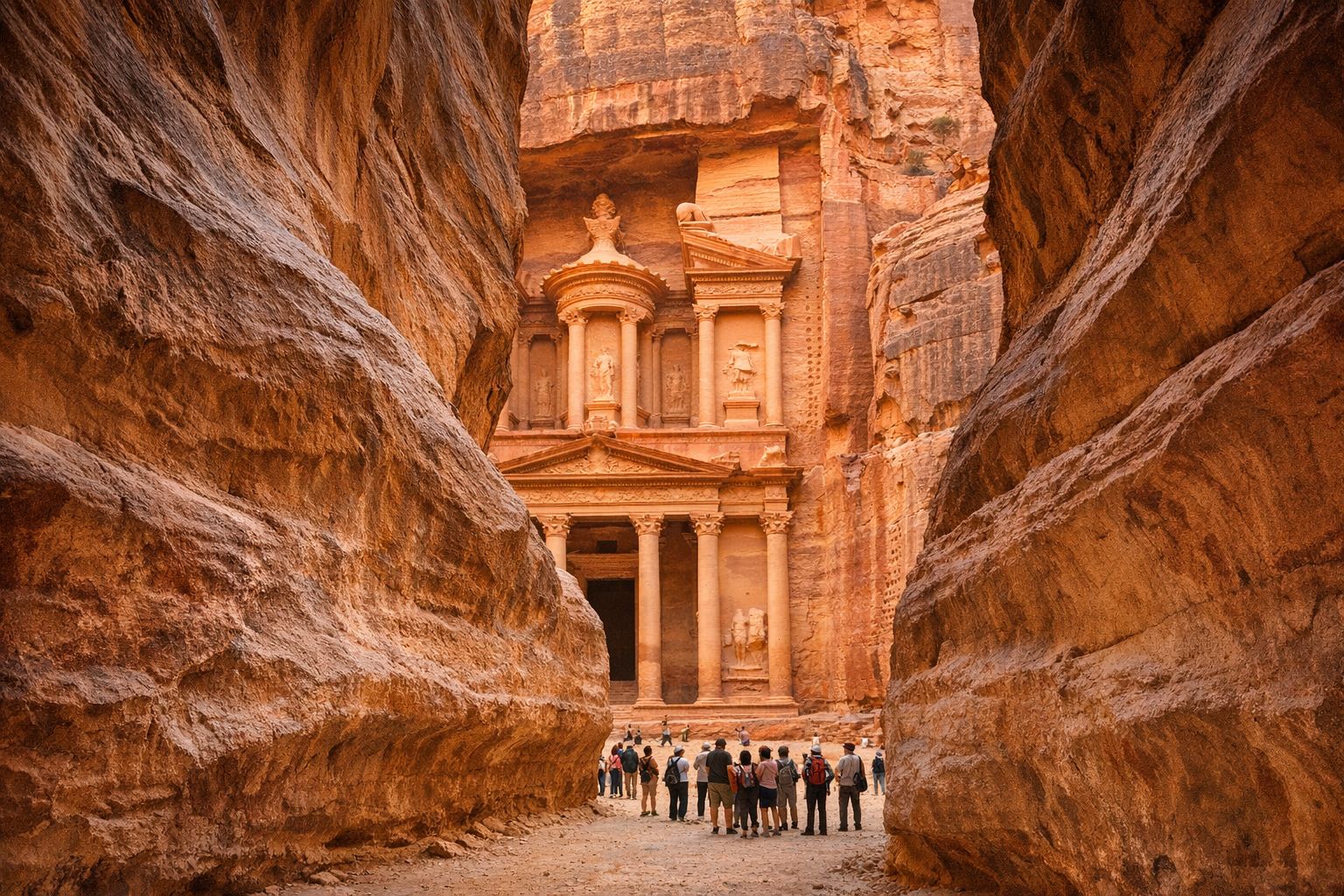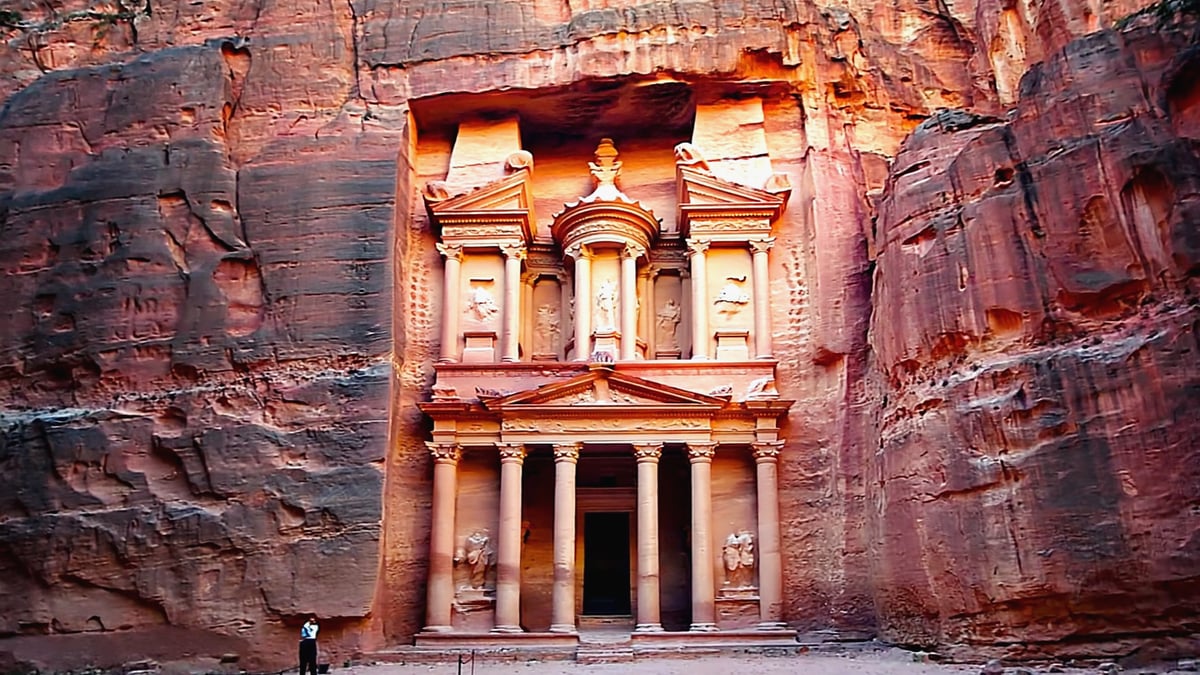
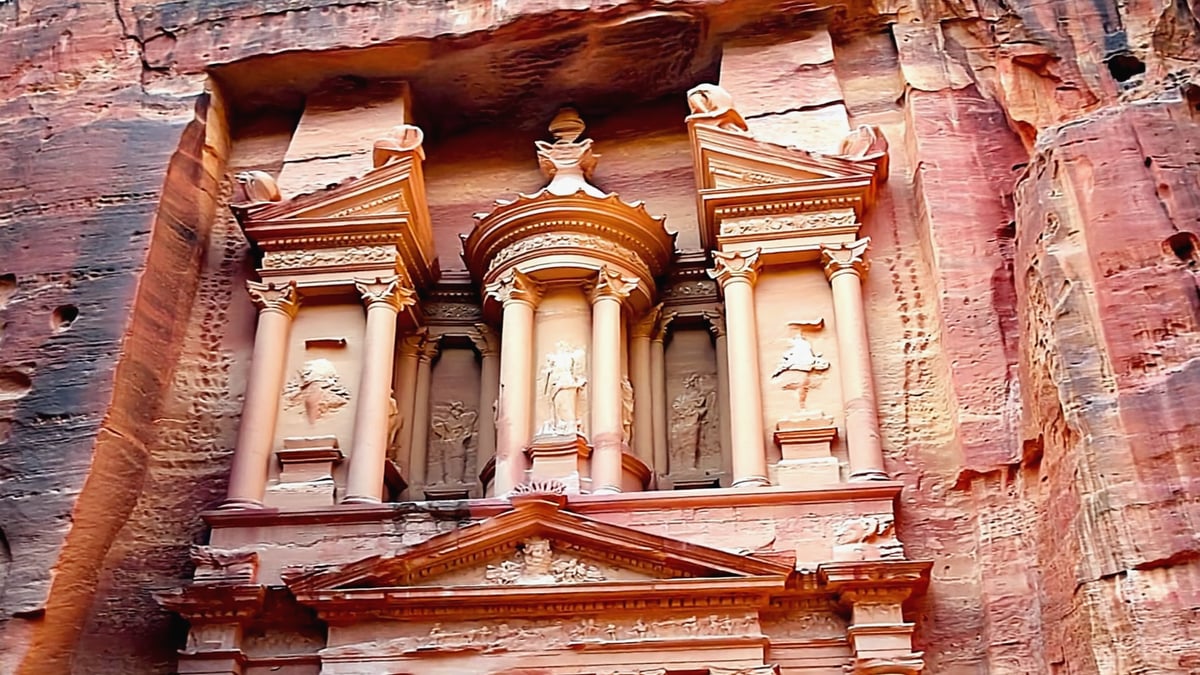
There is a moment, somewhere between squeezing through the Siq's narrow sandstone corridor and catching your first glimpse of the Treasury's rose-red facade, when Jordan stops being a destination and becomes an experience that rewires something fundamental in you. This is a country where you can float effortlessly in the saltiest body of water on Earth in the morning, stand inside a 2,000-year-old Nabataean city by afternoon, and fall asleep under a canopy of Milky Way stars in a Bedouin camp by night — all within a single, extraordinary day. Jordan is not merely a place to visit. It is a place to be changed by.
For UK travellers seeking something beyond the predictable, Jordan in 2026 represents one of the most compelling long-haul destinations available. It is safe, deeply hospitable, compact enough to explore thoroughly in a week, and layered with history, landscape, and culinary richness that rewards every type of traveller — from the adventure-hungry solo explorer to the couple celebrating a milestone anniversary. This guide covers everything you need to know, from the practicalities of getting there to the finest mansaf in Amman.
Book Your Jordan Holiday Now
GlobeHunters offers 6-night Jordan holiday packages including flights and hotels at competitive prices — from £999 per person.
View Package & Prices →Or call us: 0208 944 4514
Jordan: What Kind of Country Are You Actually Visiting?
Jordan is a small, landlocked-ish kingdom in the heart of the Middle East — and it punches so far above its weight in terms of what it offers travellers that most people who visit are genuinely surprised. It shares borders with Saudi Arabia to the south and east, Iraq to the northeast, Syria to the north, and Israel and the Palestinian Territories to the west. Its one stretch of coastline, a narrow but beautiful strip at Aqaba, opens onto the Red Sea.
The country covers roughly 89,000 square kilometres — about the size of Portugal — which makes it entirely feasible to see its headline attractions within a well-organised week. The capital, Amman, is a sprawling, hilly, wonderfully chaotic city that serves as most visitors' arrival point. From there, you can reach Petra in about three hours by car, the Dead Sea in 45 minutes, and the Wadi Rum desert in around four hours.
Language: Arabic is the official language, but English is widely spoken across tourist areas, hotels, and restaurants. You will have very little difficulty communicating in Amman, Petra, or Wadi Rum. French is also spoken by a segment of the population, a legacy of the region's historical ties.
Currency: The Jordanian Dinar (JOD) is the local currency. As of 2026, the exchange rate hovers around 0.88 JOD to £1, meaning 1 JOD is approximately £1.14. The dinar is pegged to the US dollar, which keeps exchange rates relatively stable. ATMs are widely available in Amman and tourist areas. Credit cards are accepted at most hotels, larger restaurants, and tourist sites, but carry cash for markets, street food, and smaller vendors.
Time Zone: Jordan operates on Arabia Standard Time (AST), which is UTC+3. There is no daylight saving adjustment currently observed, so Jordan is typically 3 hours ahead of the UK in winter and 2 hours ahead during British Summer Time.
Visa Requirements for UK Travellers: British passport holders can obtain a Jordan Pass, which is strongly recommended. Purchased online before arrival, the Jordan Pass costs from approximately JOD 70 (roughly £80) and includes your tourist visa fee plus free entry to over 40 attractions including Petra. Without the Jordan Pass, you will pay a separate visa fee of JOD 40 (around £46) on arrival. The pass pays for itself almost immediately if you plan to visit Petra. Visas are single-entry and valid for 30 days. You can learn more and purchase directly via the official Jordan Pass website.
Religion and Culture: Jordan is a majority-Muslim country with a significant Christian minority. It is one of the most religiously moderate and politically stable countries in the region. You will hear the call to prayer from mosques throughout the day, and during Ramadan, some restaurants may have restricted daytime hours. Outside of Ramadan, the cultural atmosphere for tourists is relaxed and welcoming. Jordan has earned a well-deserved reputation as one of the most hospitable nations in the world — the Arabic phrase ahlan wa sahlan (you are welcome) is not just a pleasantry here; it is a way of life.
When Should You Actually Go? A Month-by-Month Breakdown
The best time to visit Jordan for most UK travellers is spring (March to May) or autumn (September to November), when temperatures are comfortable, crowds are manageable, and the landscape is at its most dramatic. However, the "best" window depends significantly on what you want to do, so here is a proper month-by-month picture.
Spring: March, April, May — The Golden Window
Spring is widely regarded as the finest time to visit Jordan. Temperatures across most of the country sit between 18°C and 28°C — warm enough to enjoy the Dead Sea and Aqaba's Red Sea beaches without being oppressive, and cool enough to walk Petra's five-kilometre trail comfortably. Wildflowers bloom across the highlands near Dana and Ajloun, and the desert landscape around Wadi Rum takes on extraordinary hues as the light softens. March and April are particularly good for avoiding the peak summer crowds, and hotel prices are typically in the mid-range rather than the premium tier. Easter week can bring a surge in visitors, particularly to religious sites around the Dead Sea and Madaba. Book accommodation and Petra tickets in advance if your trip overlaps with Easter.
Summer: June, July, August — Hot, Busy, and Aqaba Season
Summer in Jordan is genuinely hot. Amman, sitting at elevation, is more bearable than the Jordan Valley, where temperatures at the Dead Sea can exceed 40°C. Wadi Rum in July and August can feel like standing inside a furnace. That said, summer has its appeal: the Dead Sea resorts fill up with regional visitors and the Aqaba coast becomes a buzzing diving and snorkelling destination. If you are specifically planning a Red Sea beach trip combined with Jordan sightseeing, late June or early September offers the warmth without the absolute peak of summer heat. Expect higher hotel rates in coastal areas during July and August. Petra is best tackled very early in the morning to avoid both the midday heat and the crowds.
Autumn: September, October, November — The Underrated Season
September is in many ways even better than spring. The summer crowds have thinned, hotels drop their rates, and the landscape around Wadi Rum glows a particularly deep amber in the lower autumn light. October is arguably the single best month to visit — temperatures are ideal (around 25°C in Amman, slightly cooler in Petra), rainfall is rare, and you will share the major sites with far fewer tourists than you would in spring. November begins to cool considerably, particularly in Amman and the northern highlands, but remains perfectly pleasant for sightseeing.
Winter: December, January, February — Cold, Cheap, and Crowd-Free
Winter in Jordan is cooler than most UK visitors expect. Amman can experience frost, and snow is not unheard of in January and February. Petra's high altitude means it can be genuinely cold — pack layers. The Dead Sea, however, remains mild thanks to its below-sea-level position, and Aqaba stays warm enough for beach days even in December. Winter offers the best hotel prices of the year and the fewest crowds at major sites. It is an excellent choice for travellers who prioritise value and atmosphere over guaranteed sunshine.
Key Events and Festivals
- Petra by Night — Runs Monday, Wednesday, and Thursday evenings year-round. A candle-lit walk through the Siq to the Treasury. Unmissable.
- Jerash Festival of Culture and Arts — Typically held in July, this major performing arts festival takes place inside the extraordinary Roman ruins of Jerash, just north of Amman.
- Ramadan — The dates shift each year. In 2026, Ramadan falls approximately in late February to late March. While a genuinely fascinating cultural experience, some travellers prefer to plan around it for maximum dining flexibility.
- Aqaba International Diving Festival — Typically in October, attracting divers from across the world to one of the Red Sea's finest sites.
Where to Stay: From Amman's Rooftops to Desert Domes
Jordan's accommodation landscape is genuinely impressive across all budget tiers, and choosing where to base yourself makes a real difference to your experience. Most itineraries use Amman as the hub, with overnight stays in Wadi Rum and Petra built around it.
Amman: Which Neighbourhood?
West Amman — particularly the areas of Jabal Amman (Rainbow Street) and Abdali — is where most tourists and expats gravitate. Rainbow Street is the cultural and culinary heart of the city, lined with art galleries, coffee shops, and restaurants housed in 1920s Ottoman-era buildings. It is walkable, atmospheric, and full of life. This is the area to stay if you want to explore Amman's food scene and nightlife. Jabal Al-Weibdeh, adjacent to Rainbow Street, is slightly more residential and beloved by creative types and long-term visitors for its cafés and gallery spaces.
Downtown Amman (Al-Balad) is older, denser, and more traditionally Jordanian. The souks, the Roman Theatre, and the Citadel are all here. It is excellent for cultural immersion and market shopping, though the streets are steeper and the tourist infrastructure slightly thinner.
Budget accommodation in Amman — The area around Downtown offers solid guesthouses and budget hotels from around £25–£45 per night. Look for options in the vicinity of Al-Hashimi Street.
Mid-range accommodation in Amman — The Jabal Amman area offers a wonderful range of boutique hotels from around £65–£110 per night. Several restored Ottoman townhouses have been converted into charming guesthouses with rooftop terraces overlooking the city's seven hills.
Luxury accommodation in Amman — The Four Seasons Amman and the Grand Hyatt are the city's flagship luxury properties, with rates typically from £180–£300 per night. Both offer stunning views over the city and are located in Amman's upscale western districts.
Petra: Sleep Inside the Legend
The town of Wadi Musa sits just outside the entrance to Petra and is the obvious base for exploring the site. Budget travellers can find simple but comfortable guesthouses from around £20–£35 per night. For mid-range options, the area has several reliable three-star hotels with pools from around £55–£85. For something genuinely memorable, several boutique properties offer views directly over the Petra landscape — the rocky ridges glowing pink at sunset from your terrace is an experience worth paying a slight premium for.
Wadi Rum: Sleep Under the Stars
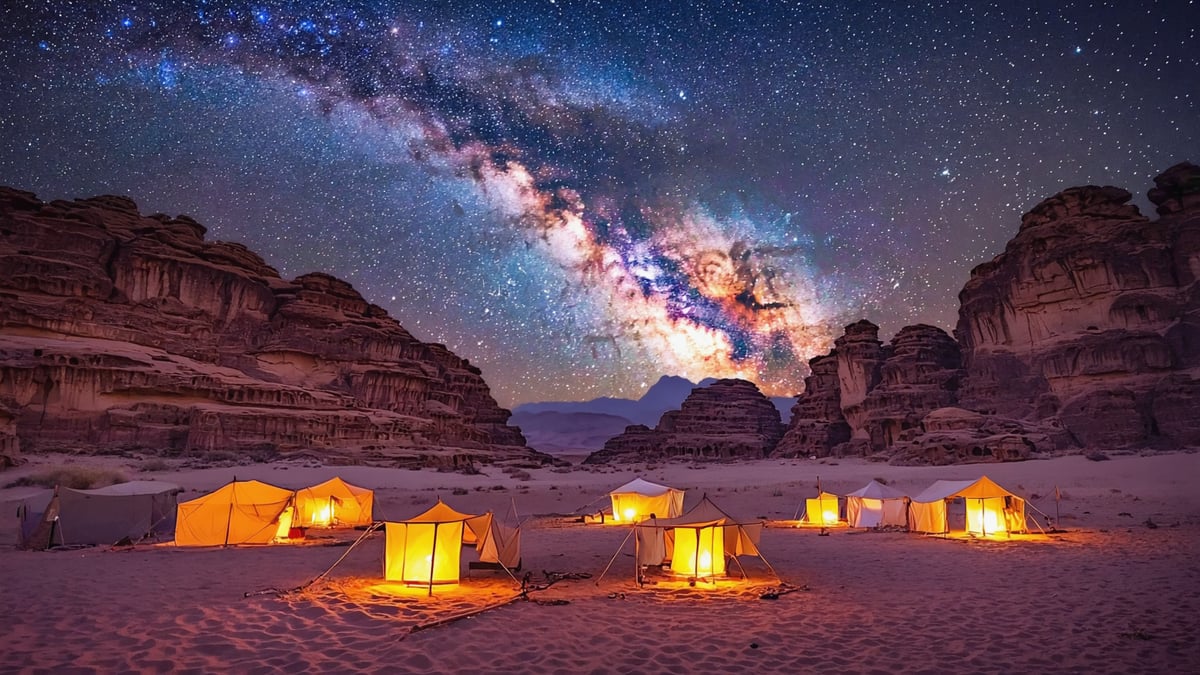
Staying overnight in Wadi Rum is not optional — it is the whole point. The desert camp experience ranges from basic Bedouin tents (from around £40–£60 per person including dinner and breakfast) to extraordinary luxury "bubble" domes with transparent ceilings for stargazing from your bed (from around £150–£250 per person). Rum Village is the main access point, and reputable camp operators are registered with the local authority. For a balanced experience between comfort and authenticity, mid-range camps with proper beds, private bathrooms, and campfire dinners typically run £80–£120 per person. Book well in advance for spring and autumn stays.
The Dead Sea: Resort or Retreat?
The Dead Sea's Jordanian shore is lined with large spa resorts that are among the finest in the Middle East. These are full-service hotels with private beach access, multiple pools, and elaborate spa facilities using Dead Sea minerals. Mid-range options start from around £90–£130 per night, while the flagship luxury resorts command £200–£400 per night. Day access to resort facilities (for those not staying) is available at most properties for around £40–£70 per person and typically includes use of pools and beach access.
The Ten Experiences That Define a Jordan Holiday
Jordan's highlights are genuinely world-class — this is not hyperbole. Each of these experiences belongs on any serious bucket list, and most can be incorporated into a single week-long trip with good planning.
1. Walking the Siq to Petra's Treasury
The approach to the Treasury through the Siq — a kilometre-long natural gorge with walls rising 80 metres on either side — is one of the great theatrical arrivals in all of travel. The gorge narrows, twists, and then suddenly opens to reveal the 40-metre-high facade of Al-Khazneh (the Treasury). Entry: Included in the Jordan Pass (strongly recommended). Without the pass, a one-day entry ticket costs JOD 50 (approximately £57). Opening hours: The site opens at 06:00 daily, and arriving at or before opening is the single most important tip — the early morning light on the Treasury's facade is incomparable, and you may have it nearly to yourself. The full Petra site requires a full day; budget at least six to eight hours. Comfortable walking shoes with ankle support are essential — the terrain is uneven and extensive.
2. Petra by Night
On Monday, Wednesday, and Thursday evenings, the Siq and Treasury are lit by approximately 1,500 candles in a ceremony that is genuinely spine-tingling. Cost: JOD 17 (approximately £19) as a standalone ticket. The walk begins at 20:30 and lasts about an hour and a half. Arrive early — the queue at the entrance can be significant. The atmosphere is unlike anything else: complete silence except for Bedouin music echoing off the canyon walls, with the candlelit Treasury emerging from the darkness ahead of you.
3. Floating in the Dead Sea
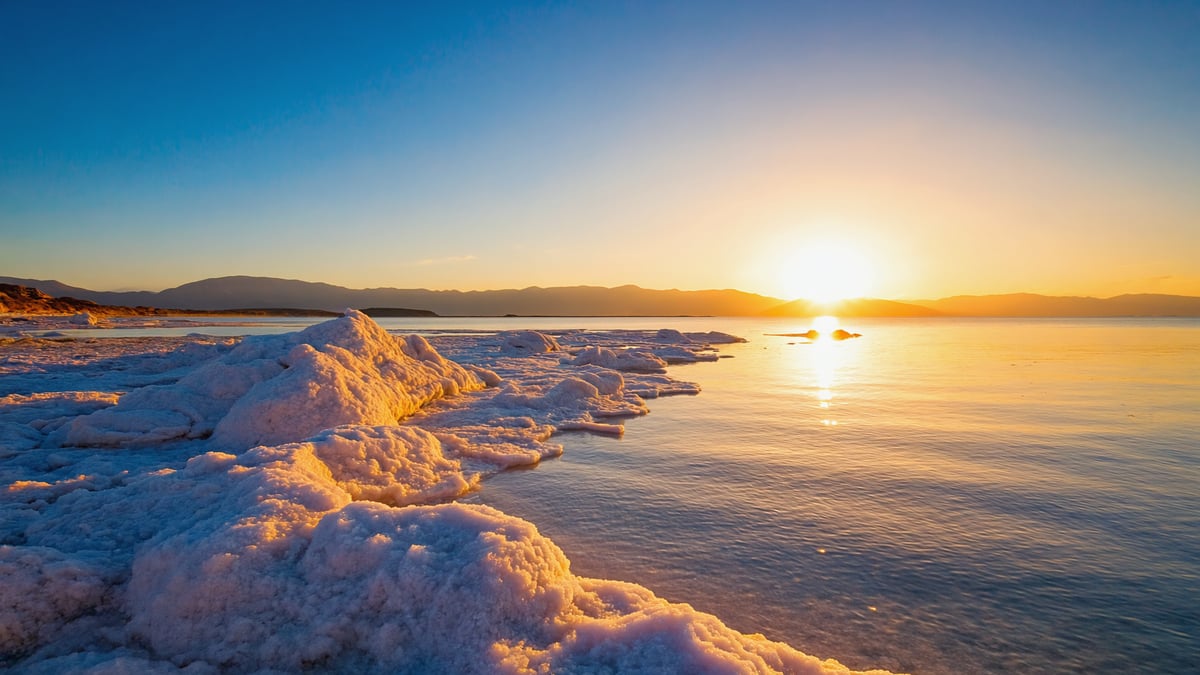
The Dead Sea sits at approximately 430 metres below sea level — the lowest point on Earth's surface — and its water is nearly ten times saltier than a standard ocean. The buoyancy is extraordinary; you genuinely cannot sink. The mineral-rich mud along the shoreline is applied by virtually every visitor as an impromptu spa treatment. Access: Public beaches exist but are basic; resort day passes (£40–£70) include changing facilities, showers (essential for rinsing off the salt), and poolside service. Do not shave or wax within 24 hours of entering the water — the salt will make any micro-cuts intensely painful. Keep your head well above water; salt water in your eyes is acutely uncomfortable.
4. Wadi Rum Jeep Safari
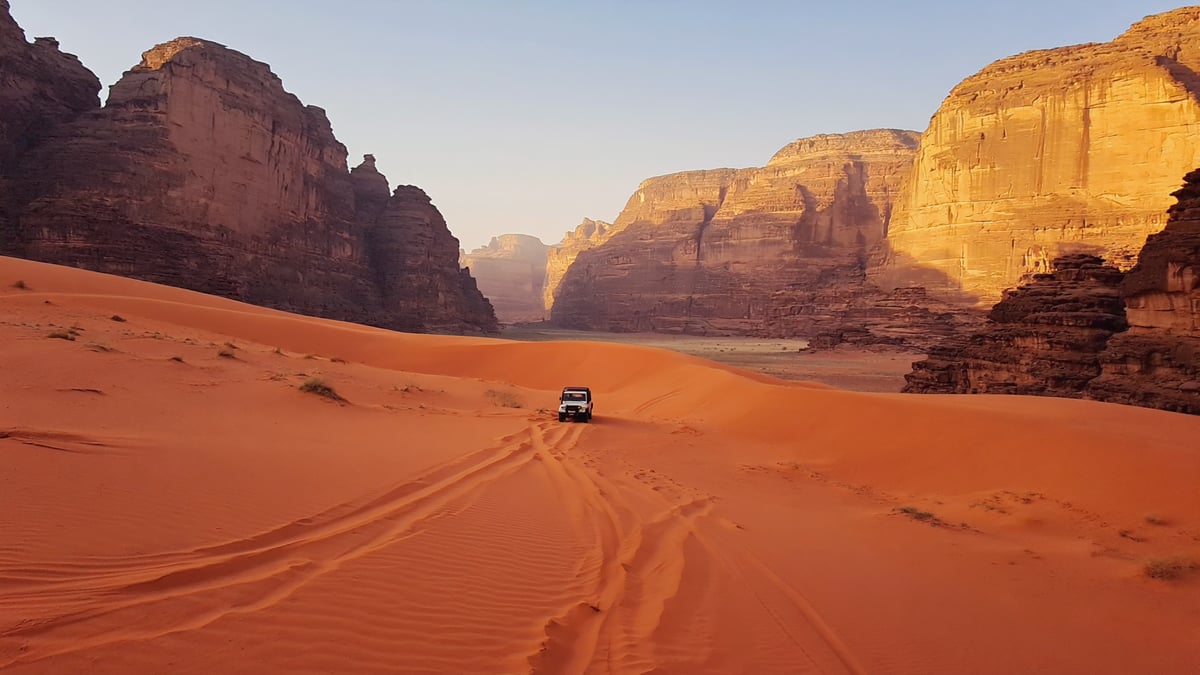
The Wadi Rum Protected Area — a UNESCO World Heritage Site since 2011 — is a vast expanse of rose-red sandstone mountains, ancient petroglyphs, and desert silence. A half-day jeep safari covers the main sites including Lawrence's Spring, Khazali Canyon, and the red sand dunes and costs approximately JOD 25–35 (£28–£40) per person. A full-day safari (highly recommended) runs JOD 50–70 (£57–£80) and takes you deep into the desert to sites the half-day trips miss. Arrange through your camp operator or via the official Rum Village visitor centre.
5. Wadi Rum Stargazing
With virtually zero light pollution across hundreds of kilometres, Wadi Rum offers some of the finest stargazing in the entire Middle East. On clear nights — which is most nights outside winter — the Milky Way is visible to the naked eye with startling clarity. Many camp operators include guided stargazing sessions. The experience of lying on a blanket in the desert as a Bedouin guide identifies constellations and tells the stories woven around them is one that guests consistently describe as a highlight of their entire trip.
6. Amman's Citadel and Roman Theatre
Amman is not merely a transit hub — it is a city with genuine historical depth. The Amman Citadel (Jabal al-Qal'a) sits on the highest hill in the city and contains ruins spanning the Bronze Age, Roman, Byzantine, and Umayyad periods. The Umayyad Palace and the Temple of Hercules are the standout structures. Entry: JOD 2 (approximately £2.30). Hours: Daily 08:00–19:00 in summer, 08:00–16:00 in winter. The Roman Theatre below holds 6,000 spectators and is one of the best-preserved in the world. Between the two sites, budget three to four hours.
7. Jerash — Rome's Equal
Just 48 kilometres north of Amman, Jerash contains one of the most complete and best-preserved Roman cities outside of Italy. The colonnaded street, the oval Forum, the Nymphaeum, and the two theatres are all in remarkable condition. Entry: JOD 10 (approximately £11.40). Hours: Daily 08:00–18:00 (winter hours vary). A half-day trip from Amman makes perfect sense; combine it with an overnight stay in Amman. The daily Roman Army and Chariot Experience (a theatrical re-enactment) runs at 11:00 and 13:00 and is genuinely entertaining.
8. The King's Highway and Dana Biosphere Reserve
The King's Highway — one of the oldest continuously used roads in the world, stretching from Amman to Aqaba — passes through landscapes of extraordinary beauty, including the Wadi Mujib canyon and the Dana Biosphere Reserve. Dana is Jordan's largest nature reserve, home to over 800 plant species and 200 bird species. Hiking trails range from gentle walks to demanding multi-day treks. Entry to Dana is free; guided hikes through the Royal Society for the Conservation of Nature cost from JOD 7–25 (£8–£28) depending on trail length.
9. Wadi Mujib Siq Trail
For the adventure-minded, the Wadi Mujib Siq Trail involves wading and swimming through a spectacular river gorge carved into rust-coloured cliffs. It is physically demanding, genuinely thrilling, and unlike anything else on the itinerary. Cost: JOD 21 (approximately £24) including a life jacket. Season: April to October only. Book in advance through the Royal Society for the Conservation of Nature, which manages the reserve.
10. Aqaba Red Sea Diving and Snorkelling
Jordan's short Red Sea coastline at Aqaba offers genuinely world-class diving and snorkelling. The coral reefs are vibrant and remarkably accessible — many excellent dive sites are just offshore. A discover scuba diving experience costs approximately JOD 45–55 (£51–£63) and is suitable for complete beginners. Certified divers can explore wrecks including the Cedar Pride, deliberately sunk to create an artificial reef. Snorkelling day trips from Aqaba typically cost JOD 25–35 (£28–£40) and include equipment.
Eating Jordan: A Culinary Culture That Deserves Serious Attention
Jordanian food is one of the great underappreciated cuisines of the world — generous, flavour-layered, and rooted in a tradition of hospitality that makes every meal feel like an occasion. If you leave Jordan without having eaten properly, you have made a serious error.
The Dishes You Must Try
Mansaf is Jordan's national dish and the one every visitor should seek out. It consists of lamb cooked in a fermented dried yoghurt sauce called jameed, served over a bed of rice and flatbread and garnished with pine nuts and almonds. It is rich, deeply savoury, and extraordinary. Traditionally eaten standing around a communal platter, mansaf is the dish Jordanians serve at weddings, celebrations, and any occasion requiring proper hospitality. Order it at a restaurant that specialises in it rather than as an afterthought — the difference in quality is enormous.
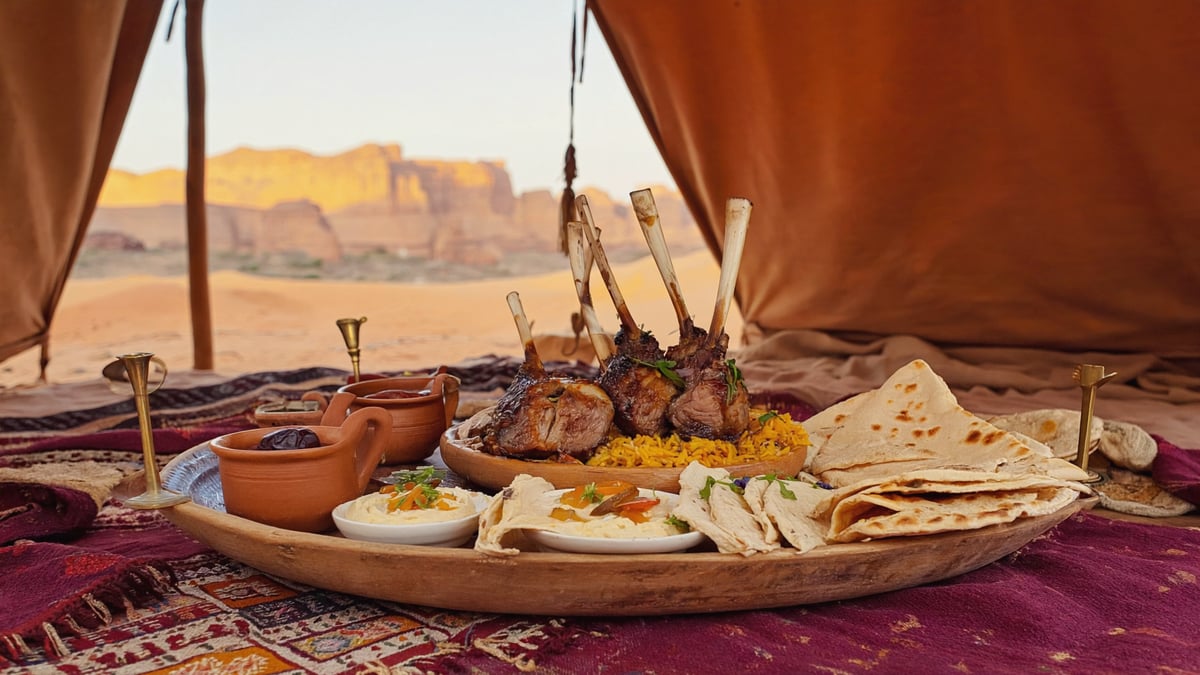
Zarb is the Bedouin equivalent of a barbecue: meat and vegetables slow-cooked underground in a sand oven for several hours. Almost every Wadi Rum camp serves zarb as part of the evening meal, and the results — smoky, tender, falling-off-the-bone lamb — are exceptional.
Falafel and hummus are daily staples eaten at any hour. Amman's Downtown area has falafel stands that open at dawn and serve the city's workers a breakfast of falafel-stuffed flatbread with pickles and chilli for around JOD 0.50–1 (approximately 60p–£1.15). This is among the finest cheap meals on Earth.
Musakhan is a Palestinian dish widely eaten in Jordan: chicken slow-cooked with caramelised onions and sumac, served over flatbread. It is warm, aromatic, and deeply satisfying.
Knafeh is the dessert you will dream about after returning home — shredded wheat pastry soaked in sweet syrup, layered over warm soft cheese and sprinkled with crushed pistachios. The version served in Nablus, just across the border, is considered the definitive form; Jordan's version is barely a step behind.
Where to Eat in Amman
Rainbow Street and Jabal Amman form the city's most rewarding dining district, with options ranging from casual shawarma joints (JOD 2–3, approximately £2.30–£3.50) to sophisticated restaurants serving modern Levantine cuisine at £15–£25 per head. Hashem Restaurant in Downtown Amman is one of the city's most famous institutions — open since 1952, serving falafel, hummus, and fuul from early morning until late, always packed, always excellent.
Waibdeh neighbourhood has developed a strong café and restaurant culture aimed at Amman's creative class. Expect excellent coffee, fresh juices, and contemporary Middle Eastern food.
For mansaf specifically, ask your hotel to recommend the current best option — the city's reputation for this dish shifts as restaurants come and go. A proper mansaf lunch for two, including bread, salads, and drinks, should cost around JOD 15–25 (£17–£28).
Street Food and Markets
Amman's Al-Balad market area is the place for street food grazing: sesame-crusted bread rings (ka'ak), grilled corn, freshly squeezed juice stands, and sweet shops selling baklava by the kilo. Budget around JOD 5–10 (£6–£11) for a proper street food tour of an hour. In Petra's Wadi Musa, tourist-facing restaurants are plentiful but variable in quality; the best strategy is to eat where you see local workers eating.
Dietary Considerations
Vegetarians will find reasonable options in Amman and tourist areas — hummus, falafel, fattoush, stuffed vegetables, and lentil soups are all staples. However, traditional Jordanian cooking is very meat-heavy, and outside major cities, vegetarian-specific options thin out considerably. Vegans will need to be more proactive and communicative with restaurant staff. Halal food is universal; pork is not widely available. Alcohol is served in tourist-facing restaurants, international hotels, and licensed establishments — Jordan is more liberal in this respect than many of its neighbours, though public drinking is not culturally appropriate.
Getting to Jordan from the UK: Routes, Airlines, and Transfers
Getting to Jordan from the UK is straightforward, with multiple daily flight options from London and several regional UK airports. Queen Alia International Airport (AMM) in Amman is the primary entry point for international visitors and is a modern, well-organised facility approximately 35 kilometres south of the city centre.
Direct Flights
Royal Jordanian, Jordan's national carrier, operates direct flights between London Heathrow and Amman. The flight time is approximately four and a half to five hours. Royal Jordanian's service is consistently rated well, and the airline offers a relatively generous baggage allowance on its standard fares. Direct flights typically depart in the morning and evening, allowing for good arrival flexibility.
British Airways also operates direct Heathrow–Amman services, with frequency varying by season. Direct BA flights offer the reliability and Avios-earning benefits familiar to UK frequent flyers.
Indirect Flights
Several Middle Eastern carriers offer well-priced indirect options via their hub airports. Emirates (via Dubai), Qatar Airways (via Doha), and flydubai via Dubai all serve Amman from UK airports including Manchester, Birmingham, Edinburgh, and Glasgow — making Jordan accessible for travellers outside of London without the need to transit through Heathrow. Connection times vary; a one-stop itinerary typically adds two to four hours to your total travel time.
Budget and Regional Options
Ryanair and Wizz Air do not currently serve Amman, but budget-conscious travellers can sometimes find competitive fares via indirect routes with low-cost carriers connecting to Middle Eastern hubs. These itineraries require careful checking of baggage allowances and connection logistics.
Flight Costs
Return flights from London to Amman typically range from approximately £280–£500 in economy, depending on season and booking lead time. Spring and autumn peak periods command higher prices; booking three to four months in advance generally secures the best fares. Business class return fares start from around £1,200–£1,800.
Airport Transfers
From Queen Alia International Airport to central Amman, options include:
- JETT Airport Express Bus: Clean, air-conditioned coach service running to 7th Circle in Amman. Cost approximately JOD 3.25 (under £4). Departs regularly but check current schedules on arrival.
- Taxi: Official taxis from the airport to central Amman should cost approximately JOD 20–30 (£23–£34). Use the official taxi desk inside arrivals rather than accepting offers from touts outside.
- Pre-booked transfer: Your hotel or a reputable operator can arrange a private transfer for around £30–£45. Recommended for first-time visitors arriving late or with significant luggage.
- Uber and Careem both operate in Amman and offer app-based, fixed-fare options that can be slightly cheaper than metered taxis.
Getting Around Jordan
For UK travellers, hiring a car is the most flexible option for exploring beyond Amman. Jordan drives on the right, roads are generally well-maintained on main routes, and signage is bilingual. An international driving licence is required alongside your UK licence. Daily car hire costs approximately £25–£45. Alternatively, hiring a private driver-guide for specific days (particularly for Petra and Wadi Rum) costs around JOD 60–100 (£68–£114) per day and offers local knowledge that no sat-nav can replicate.
Jordan Holiday Budget Guide: What Will It Actually Cost You?
Jordan is not the cheapest destination in the Middle East, but it offers excellent value relative to the quality and depth of the experience. Here is a realistic breakdown for UK travellers across three budget tiers for a 7-night trip, excluding flights.
Budget Traveller: Approximately £55–£85 per day
A budget approach to Jordan is entirely feasible and still allows you to experience the country's headline attractions. The Jordan Pass is essential — it saves you money almost immediately. At this level, you are staying in guesthouses and budget hotels (£20–£40 per night), eating at local restaurants and street food stalls (JOD 8–15 per day on food, approximately £9–£17), and using shared transport or minibuses between cities. You will skip the luxury Dead Sea resorts but can use the public beach. A basic Wadi Rum camp overnight is included in this range.
Mid-Range Traveller: Approximately £120–£200 per day
The mid-range experience in Jordan is genuinely excellent. You are staying in three-star hotels and boutique guesthouses with character (£60–£100 per night), eating at proper restaurants rather than just street food (JOD 20–35 per day, approximately £23–£40), taking jeep safaris in Wadi Rum, booking a Dead Sea resort day pass, and arranging private transfers between major sites. This is the tier where Jordan becomes a deeply comfortable and memorable experience rather than a logistical exercise.
Luxury Traveller: Approximately £300–£500 per day
At the luxury tier, Jordan delivers world-class experiences. You are staying at the Four Seasons Amman, a boutique luxury hotel overlooking Petra, or a premium bubble dome camp in Wadi Rum (£150–£300 per night). You are dining at the best restaurants in Amman, booking private guided tours of Petra, taking helicopter scenic flights over Wadi Rum (from approximately £180 per person), and using private drivers throughout. Dead Sea spa treatments at a five-star resort can run £60–£150 per session. This is Jordan at its most indulgent — and the country absolutely delivers at this level.
A Realistic 7-Night Budget Summary
| Expense Category | Budget (£) | Mid-Range (£) | Luxury (£) |
|---|---|---|---|
| Accommodation (7 nights) | £175–£280 | £490–£770 | £1,400–£2,100 |
| Food & Drink | £80–£130 | £170–£280 | £350–£500 |
| Transport (in-country) | £50–£80 | £120–£200 | £250–£400 |
| Activities & Entrance Fees | £80–£120 | £150–£250 | £300–£600 |
| Total (exc. flights) | £385–£610 | £930–£1,500 | £2,300–£3,600 |
Note: GlobeHunters' 6-night Jordan packages start from £999 per person including flights and accommodation — excellent value against the mid-range budget figures above.
Travel Tips, Safety, and Practical Advice for UK Visitors
Jordan is one of the safest and most welcoming countries in the Middle East for international travellers, and the practical experience on the ground is generally smooth and positive. However, a few specific pieces of advice will make a meaningful difference to your trip.
Safety
The UK Foreign, Commonwealth and Development Office (FCDO) currently advises that Jordan is generally safe for tourist travel, though travellers should monitor the FCDO travel advice for Jordan for any updates before departure. Petty crime is relatively low by regional standards. The main risk in tourist areas is occasional overpricing by taxi drivers or vendors — always agree on a price before getting into an unlicensed taxi, and use the meter in licensed cabs where available. Keep copies of your passport and Jordan Pass separately from the originals.
At Petra, camel and donkey ride operators can be persistent — a polite but firm "la shukran" (no thank you) is understood and respected. Never feel pressured to accept a service you did not request.
Health
No specific vaccinations are required for Jordan beyond standard UK travel recommendations. Hepatitis A and typhoid vaccines are typically recommended by travel clinics. Tap water in Amman is technically safe but most visitors and locals drink bottled water — follow the same practice. The Dead Sea's extreme salinity and UV reflection means sun exposure is dramatically intensified; use high-factor sunscreen and limit your first session to 20 minutes or less. Heat exhaustion is a genuine risk in summer — drink water consistently and take shade breaks when sightseeing. Travel insurance with medical cover is essential.
Dress Code and Cultural Etiquette
Jordan is relatively relaxed about dress standards in tourist areas compared to some neighbouring countries, but dressing modestly is both respectful and practical. Women should carry a scarf for visiting mosques and religious sites. Shoulders and knees covered is the baseline for both men and women when entering religious buildings. In Amman's Jabal Amman area and Rainbow Street, Western dress is entirely normal. In more traditional areas — particularly the Petra region and smaller towns — modest dress is appreciated.
Photography is generally welcomed, but always ask permission before photographing people, particularly women. At religious sites, follow the specific rules displayed at the entrance. The Bedouin people of Wadi Rum have a complex relationship with photography — ask before you point a camera.
Bargaining and Shopping
Bargaining is expected in markets and with street vendors, but not in established restaurants or shops with marked prices. Start at around 50–60% of the asking price and work up to a mutually acceptable figure. Recommended souvenirs include Dead Sea mineral products (widely available and genuinely high quality), hand-painted ceramic tiles, Bedouin woven textiles, and Jordan-specific spice blends. The best shopping in Amman is in the Downtown souks and along Rainbow Street.
Connectivity and SIM Cards
Mobile data in Jordan is reliable and affordable. Local SIM cards from providers like Zain, Orange, and Umniah are available at the airport and throughout Amman. A tourist SIM with several gigabytes of data costs approximately JOD 3–5 (£3.50–£6). Most hotels, restaurants, and cafés offer free Wi-Fi. Google Maps works well for navigation throughout the country.
Packing Essentials for Jordan
- Comfortable, closed-toe walking shoes (essential for Petra — the terrain is relentless)
- Layers — mornings and evenings can be significantly cooler than midday, particularly in spring and autumn
- High-factor sunscreen and a wide-brimmed hat
- A modest scarf for religious sites
- Swimwear and a waterproof dry bag for the Dead Sea and Wadi Mujib
- Cash in JOD (exchange at the airport or in Amman — rates are generally competitive)
- A head torch for Petra by Night and evening camp activities in Wadi Rum
- A reusable water bottle — staying hydrated is genuinely important
Book Your Jordan Holiday Now
GlobeHunters offers holiday packages including flights and hotels at competitive prices. 6 nights in Jordan from £999 per person — including flights from the UK and hotel accommodation.
View Package & Prices →Or call us: 0208 944 4514
Frequently Asked Questions About Jordan Holidays
Do UK citizens need a visa to visit Jordan?
British passport holders require a visa to enter Jordan. The most cost-effective option is the Jordan Pass, purchased online before travel, which bundles the visa fee with free entry to over 40 attractions including Petra. It costs from approximately JOD 70 (around £80) and saves significant money compared to purchasing visa and attraction tickets separately. Without the pass, a single-entry tourist visa costs JOD 40 (around £46) and is available on arrival at Queen Alia International Airport.
Is Jordan safe for UK tourists in 2026?
Yes — Jordan is consistently rated as one of the safest countries in the Middle East for international tourists. The FCDO advises that most visits are trouble-free. The main practical concerns are petty overcharging in tourist areas rather than any serious safety risk. As with any destination, travellers should monitor the FCDO website before departure and maintain standard travel awareness throughout their trip.
What is the best way to get from Amman to Petra?
The most common options are: hiring a private car (approximately £70–£90 for a return trip with driver), renting a car yourself (from around £25–£35 per day), or taking the JETT tourist bus, which runs a daily service from Amman to Wadi Musa (Petra's gateway town) for approximately JOD 11 each way (around £12.50). The drive takes around three hours on the Desert Highway. Many travellers combine the journey with stops along the King's Highway, which adds time but rewards with spectacular scenery.
How long do you need at Petra?
A minimum of one full day is required to see the core of Petra, including the Siq, the Treasury, the Street of Facades, the Theatre, and the Royal Tombs. Two days is strongly recommended for those wanting to hike to the Monastery (Ad Deir), explore the High Place of Sacrifice trail, and absorb the site without rushing. Petra is enormous — it covers over 250 square kilometres of archaeological landscape — and repeat visitors consistently say they found new areas on their second visit.
Can you really float in the Dead Sea?
Yes, completely. The Dead Sea's salinity is so extreme — approximately ten times saltier than typical ocean water — that the human body is far too buoyant to sink. You will float effortlessly. The experience is genuinely surreal the first time. The salt and mineral content also gives the water a thick, slightly oily feel. Most visitors spend 15–30 minutes in the water before the salt begins to irritate any skin abrasions or sensitive areas. Rinse thoroughly in fresh water afterwards.
Is Jordan expensive for UK travellers?
Jordan sits in the mid-range category for international travel. It is more expensive than Southeast Asia or Eastern Europe but comparable to or cheaper than Western Mediterranean destinations. The Jordan Pass significantly reduces costs for those visiting multiple sites. A comfortable mid-range holiday including accommodation, meals, activities, and transport (excluding flights) typically costs £130–£200 per person per day. Budget travellers can manage on £55–£85 per day.
What is Wadi Rum and why should I stay overnight?
Wadi Rum is a protected desert valley in southern Jordan, characterised by dramatic sandstone mountains, ancient Nabataean inscriptions, and vast expanses of red sand. It served as a filming location for numerous major films including Lawrence of Arabia and The Martian. Staying overnight is highly recommended because the experience after the day-trip crowds leave — the silence, the stargazing, the campfire dinners, the sunrise over the desert — is categorically different from a day visit. It is one of the most memorable travel experiences available anywhere in the world.
What is the Jordan Pass and is it worth buying?
The Jordan Pass is almost universally worth purchasing for any visitor planning to spend more than a day or two sightseeing. It covers the tourist visa fee (saving JOD 40/£46) plus free entry to over 40 sites. Petra alone, at JOD 50 per day for a one-day ticket, means the pass pays for itself before you have visited anything else. Three tiers are available: Petra Wadi Rum (JOD 70/£80), Petra Journey (JOD 75/£85), and Petra Explorer (JOD 80/£91), based on how many days you want access to Petra.
When is Petra by Night and how do I book it?
Petra by Night operates on Monday, Wednesday, and Thursday evenings, beginning at 20:30. Tickets cost JOD 17 (approximately £19) and can be purchased at the main Petra visitor centre. The experience lasts approximately 90 minutes and involves a candlelit walk through the Siq to the Treasury, accompanied by traditional Bedouin music. It is one of the most atmospheric experiences in all of Jordan and should be booked in advance during peak seasons as capacity is limited.
What currency should I bring to Jordan?
The Jordanian Dinar (JOD) is the local currency. It is best to exchange money either at the airport on arrival (rates are reasonable) or at exchange bureaux in Amman. US dollars and euros are also widely accepted in tourist areas and can sometimes be used for major transactions, though you will receive change in dinars. Carry a mix of cash and card — credit and debit cards are accepted at most hotels and larger restaurants, but cash is essential for markets, street food, small shops, and some activity operators.
What should I wear in Jordan?
Comfortable, lightweight clothing that covers shoulders and knees is ideal for most situations in Jordan — it respects local customs while being entirely practical in the heat. Carry a light scarf for mosque visits. For Petra, prioritise comfortable walking shoes above everything else — you will walk 10+ kilometres per day on uneven terrain. For Wadi Rum, add a warm layer for evenings as desert temperatures drop significantly after sunset. Swimwear is perfectly appropriate at Dead Sea resorts and Red Sea beaches.
Can I combine Jordan with Israel in a single trip?
Yes — many travellers combine Jordan with Israel and the Palestinian Territories in a single itinerary. There are border crossings at the King Hussein Bridge (near Amman), the Sheikh Hussein Bridge (near the Sea of Galilee), and the Wadi Araba crossing near Aqaba/Eilat. Note that entry stamps from Israel may cause difficulties if you plan to visit certain other countries subsequently. If this is a concern, Israeli border authorities will generally stamp a separate piece of paper rather than your passport on request. Check current crossing conditions and any visa requirements before planning a combined itinerary.
Your Jordan Adventure Starts Here
Jordan is, in the truest sense, a destination that exceeds expectations — and that is saying something given that most travellers arrive with already-high hopes. It is a country where the archaeology is genuinely world-class, the landscapes are otherworldly, the food is delicious, and the people are among the most naturally hospitable you will encounter anywhere on the planet. The combination of Petra, Wadi Rum, the Dead Sea, and Amman in a single week-long itinerary is not just achievable — it is one of the finest travel experiences available to UK visitors in 2026.
The practical barriers to visiting Jordan have never been lower. Flights from London take under five hours. The Jordan Pass simplifies visas and entrance fees into a single, sensible purchase. English is spoken everywhere you need it. And the country's infrastructure for tourism — from luxury Dead Sea spa resorts to authentic Bedouin desert camps — has matured to the point where every budget tier is genuinely well served.
If Jordan has been sitting on your list of places to visit "eventually," 2026 is the year to stop deferring. Book early for spring dates — the March-to-May window fills up faster each year as word spreads about just how extraordinary this country is.
Ready to Book Your Jordan Holiday?
GlobeHunters' 6-night Jordan package — including return flights from the UK and hotel accommodation — starts from just £999 per person. Explore Petra, float in the Dead Sea, and sleep under the Wadi Rum stars.
View Package & Prices →Or call our travel experts: 0208 944 4514
Ready to Book Your Petra Holiday?
Our travel experts are ready to help you plan the perfect trip. Call us today or browse our latest deals.
Ready to Start Planning?
Speak to our travel experts for personalised advice and the best deals on your next holiday.
Call 0208 944 4514