ATOL PROTECTED | ABTA BONDED24/7 CUSTOMER SUPPORT
Globehunters
Lisbon Holiday Guide 2026: Trams, Pastéis de Nata & Riverside Charm
Back to BlogTravel Guides

Lisbon Holiday Guide 2026: Trams, Pastéis de Nata & Riverside Charm

Globehunters1 April 202624 min read

There is a city in Europe where the trams are older than your grandparents, the custard tarts are legally addictive, and the light — that famous, golden Atlantic light — makes every cobbled street look like a film set. Lisbon is not new. It has been drawing travellers for centuries. But something has shifted in the last few years: the world has caught on, and yet somehow the city has managed to retain exactly what makes it extraordinary. For UK travellers, it remains one of the most rewarding city breaks on the continent — close enough for a long weekend, rich enough to justify a week, and affordable enough that you won't wince when the bill arrives.

This guide covers everything you need to plan a brilliant Lisbon holiday in 2026: where to stay, what to eat, how to get around, what to budget, and why the day trip to Sintra deserves every superlative it receives. Whether you're after a romantic city break, a solo adventure, or a family escape with culture baked in, Lisbon delivers — every single time.

Book Your Holiday Now

GlobeHunters offers holiday packages including flights and hotels at competitive prices. Fly from the UK to Lisbon with 4 nights' accommodation — from just £449 per person.

View Package & Prices →

Or call us: 0208 944 4514

Lisbon: The Destination in Full

Lisbon is the westernmost capital city in continental Europe, perched where the River Tagus meets the Atlantic Ocean on Portugal's south-western coast. It is a city of seven hills — literally, Lisboa das Sete Colinas — and that topography shapes everything: the viewpoints (miradouros) that punctuate the skyline, the trams that haul themselves up impossible gradients, and the particular way the light falls across terracotta rooftops in the late afternoon.

Geographically, Lisbon sits at approximately 38°N latitude, giving it a warm-temperate Mediterranean climate with mild winters and hot, dry summers. The city straddles the northern bank of the Tagus estuary, and the waterfront — the Ribeira — has been central to Lisbon's identity since the city served as the departure point for Portugal's Age of Discovery expeditions in the 15th and 16th centuries. That maritime heritage is everywhere: in the Manueline architecture of Belém, in the azulejo tile panels depicting galleons, and in the bacalhau (salt cod) that appears on virtually every restaurant menu.

Key Facts for UK Travellers

  • Language: Portuguese. English is widely spoken in tourist areas, hotels, and restaurants — most Lisboetas under 40 are comfortable in English.
  • Currency: Euro (€). As of 2026, budget approximately €1.15–€1.20 per £1, though always check the current rate before travel. ATMs are plentiful; contactless payment is accepted almost everywhere.
  • Time Zone: Western European Time (WET), which is GMT/UTC+0 in winter and GMT+1 (WEST) in summer — the same as the UK during British Summer Time, meaning no jet lag adjustment.
  • Visa Requirements: UK travellers do not require a visa for stays up to 90 days in Portugal under the current post-Brexit arrangements. You will need a valid passport (not just a driving licence) with at least six months' validity beyond your travel dates. Portugal is a Schengen Area member, so your 90-day allowance applies across the whole Schengen zone.
  • EHIC/GHIC: Your UK Global Health Insurance Card (GHIC) is valid in Portugal for emergency and medically necessary healthcare. Travel insurance is still strongly recommended.
  • Flight Time: Approximately 2 hours 30 minutes from London, and slightly longer from northern UK airports — one of the shortest long-weekend escapes in Europe.
  • Capital Population: The greater Lisbon metropolitan area is home to around 2.8 million people, making it a medium-sized European capital — large enough to have world-class museums and dining, compact enough to explore on foot and by tram.

The city's neighbourhoods each have a distinct personality. Alfama, the ancient Moorish quarter, tumbles down towards the river in a maze of narrow lanes. Baixa is the orderly, Pombaline grid rebuilt after the catastrophic 1755 earthquake. Bairro Alto buzzes at night. Belém, to the west, holds the grandest monuments. And LX Factory, a repurposed industrial complex in Alcântara, has become the beating heart of Lisbon's creative scene. Understanding these neighbourhoods is the key to understanding the city.

When Should You Visit Lisbon?

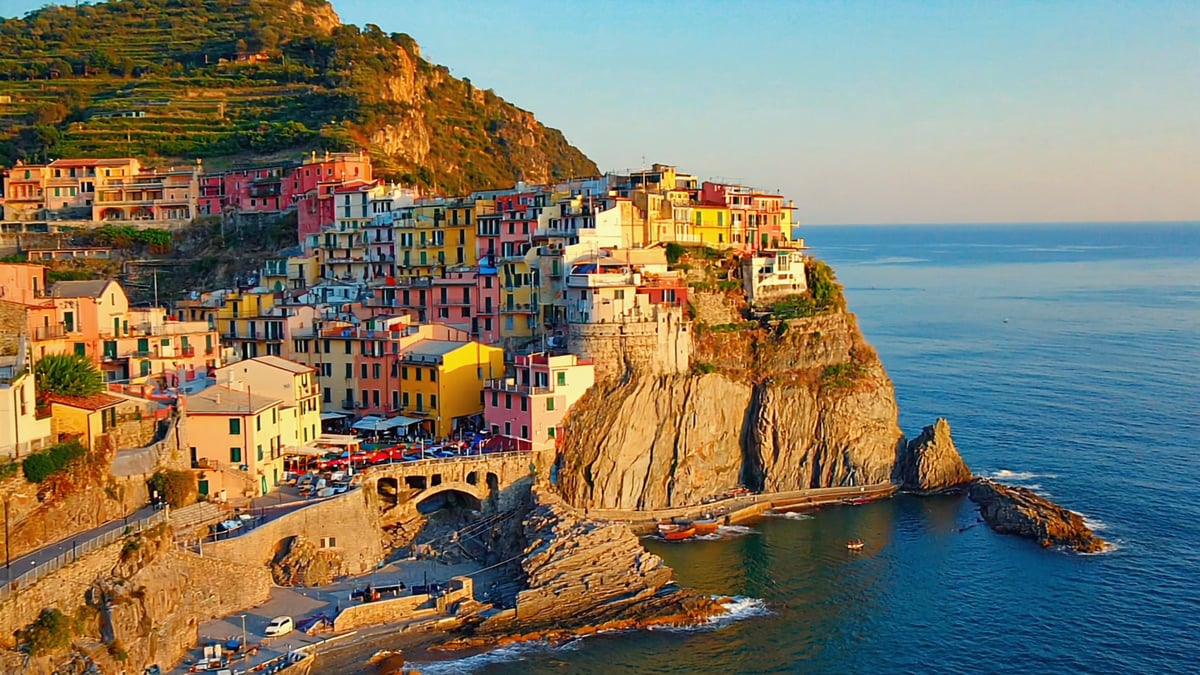
Scenic travel destination landscape

The best time to visit Lisbon is late spring (April to early June) or early autumn (September to October), when temperatures are warm but not oppressive, crowds are manageable, and prices are below their summer peak. That said, Lisbon genuinely rewards visitors year-round — even January has its charms.

Month-by-Month Breakdown

January–February: Lisbon's "winter" is mild by UK standards — average daytime temperatures sit around 14–16°C, and rain is possible but rarely persistent. The city is quiet, prices are low, and you'll share the major sights with very few other tourists. This is the season for museum-hopping, long lunches, and genuine local atmosphere. Flights and hotels can be exceptionally good value.

March–April: Spring arrives early and decisively. Temperatures climb into the low 20s, almond and cherry blossoms appear in the parks, and the city begins to wake up. Easter (Páscoa) brings some closures but also processions and festive food. Late April is particularly lovely — warm days, cool evenings, and the city buzzing ahead of summer without the crowds. This is arguably the sweet spot of the year.

May–June: Peak spring conditions. Temperatures reach the mid-20s, sunshine is reliable, and Lisbon's outdoor café culture is in full swing. Early June sees the Festas de Lisboa, the city's beloved June festivals centred on the Feast of St Anthony (Santo António) on 12–13 June. The entire city parties — street grills, sardines, paper decorations, folk music, and spontaneous dancing in Alfama. If you can be in Lisbon for Santos Populares, do it. Late June sees temperatures climbing towards 30°C and tourist numbers surging.

July–August: High summer brings intense heat (often 32–35°C), maximum crowds, and peak prices across flights and accommodation. The city is vibrant and alive, but queues at popular sites like the Jerónimos Monastery can be long. If you visit in summer, book everything in advance and plan outdoor sightseeing for early morning or evening. The Tagus waterfront and the beaches of Cascais and Estoril (30 minutes by train) are essential relief.

September–October: The ideal autumn window. Temperatures moderate to a pleasant 24–27°C in September and 20–22°C in October. The summer crowds begin to thin from mid-September, and prices soften noticeably. The ocean is still warm enough to swim. October brings the start of the cultural season — theatre, fado, and art exhibitions — and the city takes on a slightly more contemplative, local feel. This is the window many seasoned Lisbon visitors prefer above all others.

November–December: Autumn rainfall increases but temperatures remain mild (15–18°C). Christmas markets appear in Praça do Comércio and elsewhere from late November, and the city is decorated beautifully. New Year's Eve (Réveillon) in Lisbon is spectacular — massive free fireworks over the Tagus. Prices are low except around Christmas and New Year itself.

Our recommendation: Target late April, May, or September/October for the optimal combination of weather, value, and atmosphere. The June festivals are unmissable if your dates align. Avoid August if crowds and heat are not your thing.

Where to Stay in Lisbon: A Neighbourhood Guide

Lisbon's accommodation landscape is genuinely diverse, from boutique guesthouses tucked into Alfama alleyways to sleek design hotels overlooking the Tagus. The neighbourhood you choose shapes your entire experience of the city, so it's worth understanding your options before booking.

Baixa & Chiado — Best for First-Timers

The Baixa (Lower Town) sits at the heart of the city, occupying the flat grid of streets between Rossio square and Praça do Comércio on the waterfront. It's central, walkable, and well-connected by metro, making it the logical base for first-time visitors. Neighbouring Chiado — slightly uphill and considerably more chic — is where Lisbon's best independent bookshops, concept stores, and upscale restaurants cluster. Staying here puts you within 15 minutes' walk of most major attractions.

Budget travellers will find several well-rated hostels and budget guesthouses in Baixa, with dorm beds from around £20–£30 per night and private rooms from £60–£80. Mid-range options in Chiado and Baixa include contemporary boutique hotels running from £100–£180 per night. Luxury options include landmark properties overlooking Praça do Comércio, where rates can reach £300–£500+ per night.

Alfama — Best for Atmosphere & Romance

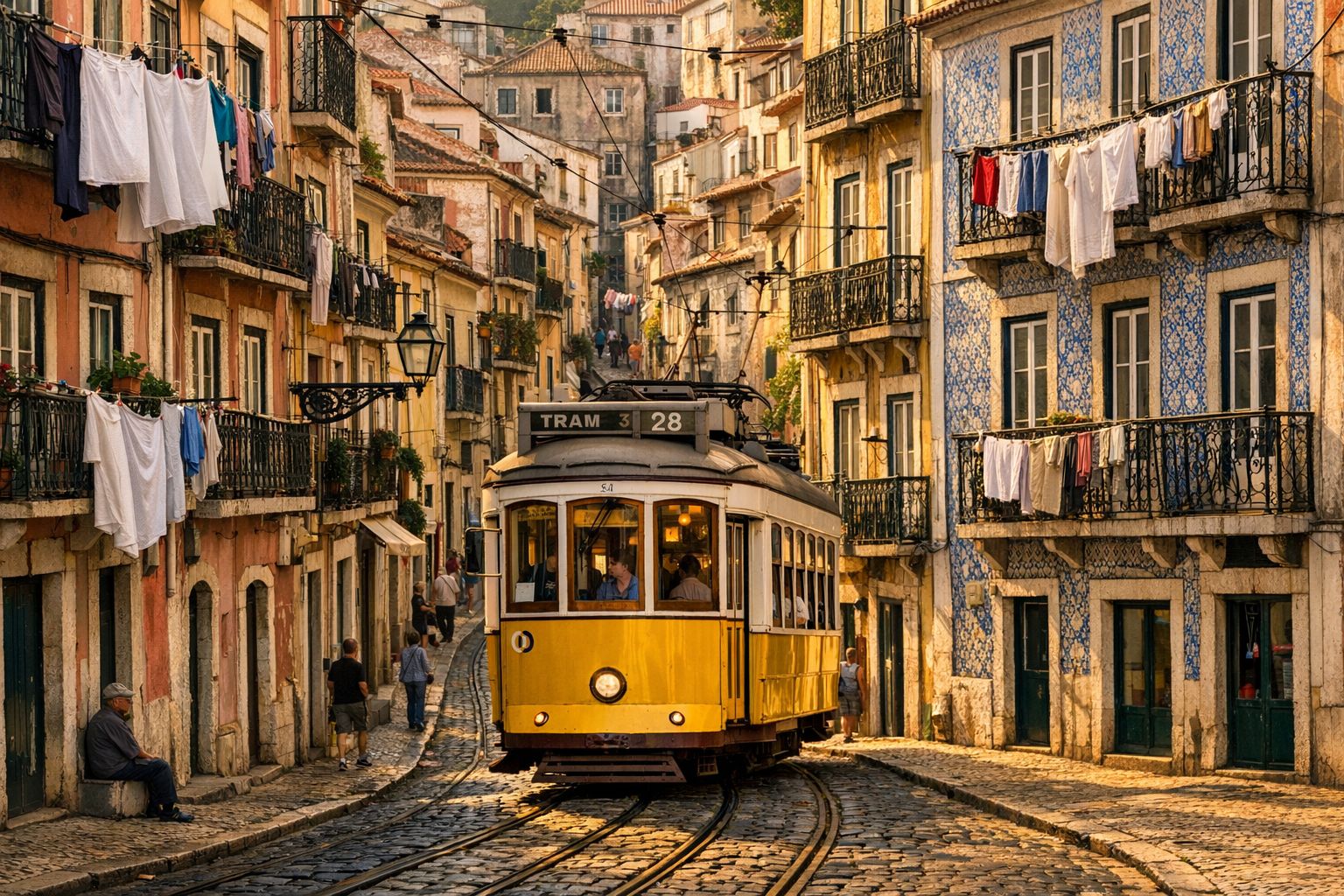
Alfama is Lisbon's oldest neighbourhood, a labyrinth of medieval lanes that survived the 1755 earthquake largely intact. It's where fado music was born, where cats sun themselves on ancient steps, and where Tram 28 rattles through streets barely wide enough to contain it. Staying in Alfama means you're in the most photogenic part of the city, but be aware: the hills are steep, the streets are irregular, and accessibility with heavy luggage can be challenging.

Accommodation here tends to be smaller, characterful guesthouses (pensões) and boutique hotels rather than large chains. Expect to pay £80–£150 per night for a well-positioned mid-range room. The neighbourhood is quieter than Baixa at night and genuinely magical in the early morning before the tour groups arrive.

Bairro Alto & Príncipe Real — Best for Nightlife & Culture

Bairro Alto (Upper Town) is the historic bohemian quarter — narrow streets packed with bars, fado houses, and independent restaurants. It's lively until the small hours. Immediately adjacent, Príncipe Real is the more refined, residential equivalent: beautiful 19th-century mansions, antique shops, excellent restaurants, and a Sunday market in the garden of the Jardim do Príncipe Real. Both areas are well-served by the lifts (elevadores) that connect them to the lower city.

Belém — Best for Families & Monument-Seekers

Located 6 kilometres west of the city centre along the Tagus, Belém is home to Lisbon's most iconic monuments and the original Pastéis de Belém bakery. It's a quieter, more residential base — ideal for families or those who want to be close to the major sights without the urban intensity of central Lisbon. The riverside promenade here is beautiful for morning walks. Accommodation options are more limited but include some excellent mid-range and boutique properties.

Parque das Nações — Best for Modern Design & Families

Built for Expo 98 on a formerly industrial stretch of the eastern waterfront, Parque das Nações (Park of Nations) is Lisbon's most contemporary neighbourhood — wide boulevards, modern architecture, the Lisbon Oceanarium, and a cable car over the Tagus. Several large international hotel chains have properties here at competitive rates. It's a 20-minute metro ride to the centre but excellent value and very family-friendly.

Top Things to Do in Lisbon

Tropical beach holiday

Lisbon rewards explorers — the kind of travellers who are happy to follow a tram line and see where it leads. But having a framework helps. Here are the experiences that define a Lisbon visit, with practical details for 2026.

1. Ride Tram 28 (Eléctrico 28)

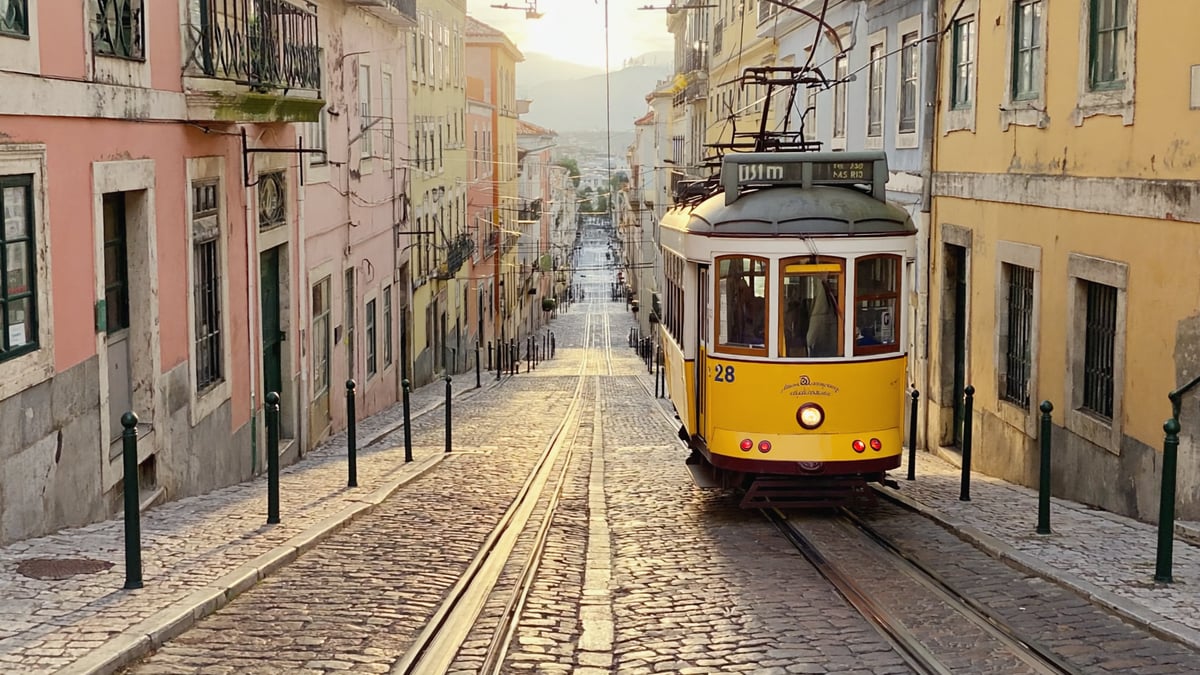
The iconic yellow tram that winds through Graça, Alfama, Baixa, and Estrela is not just a tourist attraction — it's a working public transport route that locals use daily. The full journey takes around 40 minutes end-to-end and passes through some of the city's most spectacular streets. Cost: €3.00 per single journey (approximately £2.60) using the Viva Viagem card, or included in a 24-hour transport pass (€6.80/approximately £6). Insider tip: Board at Martim Moniz or Graça at the start of the line to get a seat — the tram fills completely within a few stops in summer. Go early morning or evening to avoid the worst queues.

2. Explore the Castelo de São Jorge

The Moorish castle that crowns Alfama hill has been a fortification since at least the 1st century BC and offers the finest panoramic views in central Lisbon. The ramparts, towers, and archaeological site can be explored at leisure. Entry: €15 (approximately £13) for adults; reduced rates for seniors and children under 10 free. Open daily 09:00–21:00 in summer, 09:00–18:00 in winter. Book online in advance during peak season to avoid queues.

3. Visit the Jerónimos Monastery, Belém

Possibly the finest example of Manueline architecture in the world, the Jerónimos Monastery was built in the early 16th century to celebrate Vasco da Gama's voyage to India. The cloisters are astonishing — intricate stonework that seems to defy the material it's carved from. Entry: €10 (approximately £8.70) for adults; the church is free. Open Tuesday–Sunday, 10:00–18:30 (17:30 in winter). Book ahead — queues in summer can exceed an hour without a reservation.

4. Eat a Pastel de Nata at the Source

The pastel de nata (custard tart) is Portugal's most famous export and Lisbon's defining taste. The original recipe belongs to Pastéis de Belém on Rua de Belém, open since 1837 — the tart here is called pastel de Belém and the recipe is officially secret. Cost: approximately €1.40–€1.60 per tart (around £1.20–£1.40). Arrive when they open (08:00) or accept a short queue. Eat them warm, dusted with cinnamon and icing sugar, standing at the counter.

5. Take in a Miradouro at Sunset

Lisbon's hilltop viewpoints are the city's communal living rooms. Miradouro da Graça is a local favourite — less touristy than Portas do Sol, with a small café and panoramic views across the castle and river. Miradouro de Santa Catarina in Bairro Alto attracts a younger, bohemian crowd with street musicians and cold beers from nearby shops. Miradouro da Senhora do Monte offers the most expansive view in the city. All are free. Go 30–45 minutes before sunset for the best light.

6. Discover the Museu Nacional do Azulejo

Housed in a 16th-century convent in Xabregas, the National Tile Museum tells the story of Portugal's extraordinary azulejo tradition — from Moorish geometric patterns to contemporary art installations. The 36-metre panoramic tile panel depicting pre-earthquake Lisbon is alone worth the visit. Entry: €5 (approximately £4.35) for adults. Open Tuesday–Sunday, 10:00–18:00. Relatively uncrowded compared to the major monuments — a genuine hidden gem.

7. Explore LX Factory

A 19th-century industrial complex beneath the 25 de Abril Bridge, repurposed as a creative hub of independent shops, restaurants, studios, and event spaces. The Sunday market (Mercado de LX Factory) is one of the best in the city — vintage clothing, artisan food, handmade crafts, and excellent street food. Free to enter; open daily, with the market running Sunday 10:00–18:00. Come hungry.

8. Attend a Fado Performance

Fado — Portugal's soulful, melancholic musical tradition, listed as UNESCO Intangible Cultural Heritage — is best experienced live in Alfama or Mouraria. Authentic fado houses (casas de fado) typically combine dinner with a performance; expect to spend £40–£80 per person including food and a minimum drinks spend. Some smaller venues offer fado without a dinner requirement for around £15–£25. Tip: Book ahead for popular venues; the best ones fill up weeks in advance in summer.

9. Day Trip to Sintra

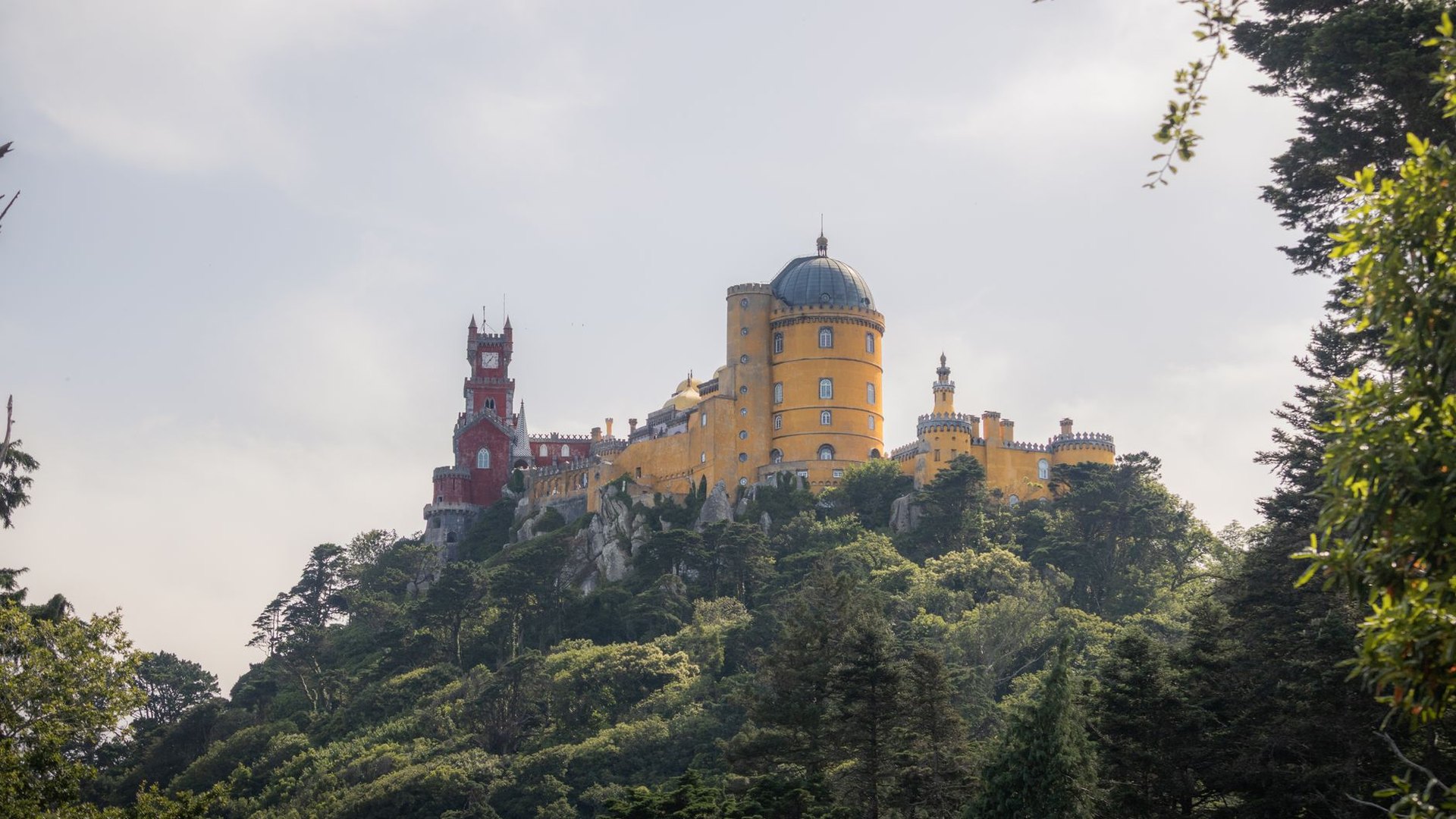
Sintra, 30 kilometres north-west of Lisbon, is a UNESCO World Heritage Site and one of the most romantic places in Europe. The Serra de Sintra mountains are dotted with fantastical palaces: the colourful Palácio Nacional da Pena (entry approximately £12), the mystical Palácio da Regaleira with its Initiation Well (entry approximately £10), and the ruined Castelo dos Mouros (entry approximately £9). The town itself — cobbled streets, pastry shops, the 15th-century National Palace — is delightful. Getting there: Trains run regularly from Lisbon's Rossio station (journey time approximately 40 minutes; return ticket around £5). Sintra gets very crowded in summer — go on a weekday and arrive before 10:00.

10. Cruise the Tagus River

Seeing Lisbon from the water gives you a completely different perspective — the city's hills stacked up behind the waterfront, the 25 de Abril Bridge stretching across the estuary, and on clear days, the Cristo Rei statue visible on the southern bank. Short 45-minute river cruises depart from Praça do Comércio regularly; prices typically start around £15–£20 per person. Sunset cruises are particularly atmospheric and worth the slight premium.

Food & Dining in Lisbon: What, Where & How Much

Lisbon's food scene is one of Europe's most exciting and underappreciated — a combination of traditional Portuguese cooking, an extraordinary seafood tradition, global influences from Portugal's colonial history, and a new generation of chefs pushing the cuisine into genuinely creative territory. Eating well in Lisbon is also remarkably affordable by Western European capital standards.

Essential Dishes to Try

  • Bacalhau (salt cod): Portugal's national obsession, famously available in "365 different ways" — one for every day of the year. Try bacalhau à Brás (shredded cod with eggs and potatoes) or bacalhau com natas (with cream) for approachable introductions.
  • Bifanas: Marinated pork sandwiches served in a soft roll with mustard — the definitive Lisbon street food, available for €2–€4 from tasca restaurants and snack bars.
  • Caldo verde: A simple, deeply comforting soup of potato, kale, and chorizo that appears on almost every traditional restaurant menu.
  • Grelhados (grilled fish): Whole grilled fish — sea bass (robalo), bream (dourada), or the iconic sardines (sardinhas) in June — served simply with olive oil, garlic, and potatoes. Order at any cervejaria near the waterfront.
  • Prego no pão: A steak sandwich, often served with a fried egg, that is the working Lisboeta's lunch of choice.
  • Arroz de marisco: A loose, intensely flavoured seafood rice — not quite a risotto, not quite a paella — that showcases Portugal's extraordinary shellfish.
  • Pastel de nata: See above. Non-negotiable.

Best Areas to Eat

Mouraria (the old Moorish quarter adjacent to Alfama) has become Lisbon's most exciting dining neighbourhood — a cluster of small, genuine restaurants serving not just Portuguese food but also Mozambican, Indian Goan, and Cape Verdean cuisine, reflecting Portugal's complex historical connections. Prices here remain low and the atmosphere is authentic.

Cais do Sodré (near the waterfront) is home to the Mercado da Ribeira (Time Out Market Lisbon) — a large, covered market hall where dozens of Lisbon's best chefs and restaurants operate food stalls under one roof. It's touristy but genuinely excellent, and brilliant for groups with different tastes. Budget approximately £10–£20 per person for a satisfying meal.

Príncipe Real has the city's best concentration of upscale restaurants — creative Portuguese cooking, natural wine bars, and beautifully designed dining rooms. This is where to splash out for a special dinner; expect to pay £40–£70 per person with wine.

Intendente is a rapidly evolving neighbourhood north of Mouraria — cheaper, more local, and increasingly interesting for food. The Mercado do Intendente anchors the area.

Dining Practicalities

Portuguese restaurants typically serve lunch 12:30–15:00 and dinner from 19:30 onwards. The menu do dia (set lunch menu) is extraordinary value — typically two courses plus bread, olives, and a drink for €10–€14 (approximately £8.70–£12.20). Tipping is not obligatory but 10% is appreciated in sit-down restaurants. Watch out for the couvert — the bread, olives, and cheese that arrives automatically at the table is not free; you'll be charged per item (usually €1–€3 total). You are entirely within your rights to decline it.

Vegetarians and vegans will find Lisbon increasingly accommodating, particularly in Príncipe Real and Chiado, though traditional Portuguese cooking is heavily meat and fish-based. The city has a growing number of dedicated plant-based restaurants. Gluten-free options are available in most modern restaurants but less so in traditional tascas.

Getting to Lisbon from the UK

Mountain and lake scenery

Lisbon is one of the most accessible European capitals from the UK, with multiple daily flights from a wide range of airports making it a genuinely easy city break destination regardless of where in Britain you live.

Flights

Lisbon Humberto Delgado Airport (LIS) — commonly called Lisbon Airport — is served from the UK by a range of carriers. TAP Air Portugal operates the most extensive schedule, with multiple daily flights from London Heathrow and connections from several other UK cities. easyJet flies from London Gatwick, London Luton, Bristol, Liverpool, Edinburgh, and Manchester. Ryanair connects Lisbon with London Stansted and several other UK regional airports. British Airways flies from Heathrow.

Flight duration: Approximately 2 hours 30 minutes from London; 2 hours 45–50 minutes from northern UK airports (Manchester, Edinburgh). This makes Lisbon viable as a genuinely short city break — you can leave on a Thursday evening and be back Sunday night having had three full days in the city.

Typical fare ranges (economy return, booked in advance): Budget carriers from London can be found from £80–£150 return in low season; £150–£250 return in high season. Prices from regional UK airports vary but are often competitive. Booking 8–12 weeks in advance typically secures the best fares.

For most UK travellers, the GlobeHunters package (from £449 per person including flights and 4 nights' accommodation) represents excellent value compared to booking separately, particularly when you factor in the security of a package holiday booking and ATOL protection.

Getting from the Airport to the City

Lisbon Airport is just 7 kilometres from the city centre — remarkably convenient. The Metro (Red Line) connects the airport directly to central Lisbon in approximately 20–25 minutes; a single ticket costs €1.80 (approximately £1.57) plus a €0.50 card deposit. This is by far the cheapest and usually the fastest option.

Aerobus (dedicated airport bus) runs to several city-centre stops and costs approximately €4 (£3.50). Taxis and Uber are readily available outside arrivals; a taxi to the city centre typically costs €15–€25 (£13–£22) depending on traffic. Uber is widely used and often slightly cheaper than taxis. Car hire is available at the airport but is not recommended for city exploration given limited parking and traffic.

Lisbon Budget Guide: What Will It Cost?

Lisbon remains one of Western Europe's better-value capital cities, though prices have risen noticeably over the past few years as the city's international profile has grown. Careful planning still allows for an excellent experience at most budget levels.

Budget Traveller: £60–£85 per day

Staying in a hostel private room or budget guesthouse (£30–£50 per night), eating the menu do dia at local tascas (£8–£12 for a full lunch), and snacking on bifanas and pastéis de nata rather than formal dinners, a budget traveller can experience Lisbon very well for around £60–£85 per day excluding accommodation. Many of the city's best experiences — miradouros, wandering Alfama, LX Factory, the free sections of Belém — cost nothing. A 24-hour transport pass at £6 covers trams, metro, and buses.

Mid-Range Traveller: £120–£180 per day

The sweet spot for most UK visitors. A comfortable boutique hotel in Chiado or Baixa (£100–£160 per night for a double), lunch at the Time Out Market or a mid-range restaurant (£15–£25 per person), a proper sit-down dinner in Príncipe Real or Alfama (£25–£45 per person with wine), entry to two or three paid attractions, and a fado evening once during the trip. This level allows you to experience Lisbon at its best without constant budgeting anxiety.

Luxury Traveller: £300–£500+ per day

Lisbon has a growing luxury hotel scene — historic palaces converted to five-star properties, Michelin-starred restaurants (the city has a respectable constellation of stars), private tours, and river cruises. At this level, expect premium rooms with Tagus views, tasting menus at £80–£120 per person, private transfers, and bespoke experiences like private fado performances or guided wine tours to the Alentejo.

Key Costs at a Glance

Item Cost (€) Cost (£ approx.)
Pastel de nata €1.40–€1.60 £1.20–£1.40
Espresso (bica) €0.80–€1.20 £0.70–£1.05
Menu do dia (set lunch) €10–€14 £8.70–£12.20
Mid-range dinner per person (with wine) €30–€50 £26–£43.50
Local beer (imperial, 200ml) €1.50–€2.50 £1.30–£2.20
Tram 28 single ticket €3.00 £2.60
24-hour transport pass €6.80 £5.90
Jerónimos Monastery entry €10 £8.70
Castelo de São Jorge entry €15 £13.00
Sintra return train ticket €5.00–€6.00 £4.35–£5.20
Fado house (dinner included) €45–€90 £39–£78

Travel Tips, Safety & Cultural Etiquette

Sunset at travel destination

Lisbon is one of Europe's safest and most welcoming capital cities, consistently ranking among the top destinations for solo travellers and families alike. That said, a few practical considerations will make your visit smoother and more respectful of local culture.

Safety

Lisbon is generally very safe. Violent crime affecting tourists is rare. The main concern is pickpocketing, particularly on Tram 28, in Alfama during peak tourist hours, and in crowded areas like Praça do Comércio. Standard precautions apply: use a money belt or secure crossbody bag, don't display expensive cameras or phones unnecessarily, and be particularly alert in crowded tram carriages. Keep a photocopy of your passport separate from the original.

The hilly streets of Alfama can be uneven and steep — wear comfortable, non-slip footwear. Pavements throughout central Lisbon are often made of the beautiful but slippery calçada portuguesa (black and white limestone cobblestones); they become treacherous when wet. Comfortable trainers or walking shoes are strongly recommended over sandals or dress shoes for a day of sightseeing.

Health

No specific vaccinations are required for Portugal beyond standard UK routine vaccinations. The tap water in Lisbon is safe to drink, though many locals and visitors prefer bottled water for taste. The summer heat can be intense — stay hydrated, wear sunscreen (factor 30+ minimum from June–September), and seek shade during the hottest hours (13:00–16:00). Portugal's healthcare system is good; your GHIC card provides access to emergency treatment at the same cost as Portuguese nationals, but travel insurance remains essential to cover everything else.

Customs & Etiquette

Portuguese culture is warm, hospitable, and generally unfussy, but a few cultural notes are worth keeping in mind:

  • Greetings: A handshake is standard in formal settings. Close friends and family exchange two kisses on the cheeks (left first). As a visitor, follow the local's lead.
  • Fado etiquette: During a fado performance, silence is expected. Conversations should stop; applause comes between songs, not during. Treating a fado house as a restaurant rather than a concert will mark you out immediately.
  • Tipping: Not obligatory but appreciated. Round up the bill or leave 10% in restaurants. Tipping taxi drivers is not customary but rounding up is polite.
  • Church visits: Many of Lisbon's most beautiful buildings are active churches. Dress modestly (shoulders and knees covered), speak quietly, and be respectful of anyone praying.
  • Photography: Always ask before photographing individuals. Many fado performers prefer not to be photographed during performances — check house rules on arrival.
  • Pace: Lisbon operates at a generally relaxed pace. Don't rush your meals, don't expect instant service, and embrace the Portuguese concept of saudade — a bittersweet nostalgia for things past — that permeates the culture, the music, and the city's atmosphere.

Packing for Lisbon

Year-round essentials: comfortable walking shoes (the hills are real), a compact umbrella or waterproof layer (even in summer, the Atlantic can surprise you), and a light cardigan for evenings. In summer, add high-factor sunscreen and a refillable water bottle. A small day bag is more practical than a backpack for navigating narrow streets. If attending a fado house or upmarket restaurant, smart casual is appropriate — Lisbon is not an especially dressy city but takes some pride in appearance for evening outings.

Getting Around the City

The Viva Viagem card (rechargeable travel card, available from metro station machines, €0.50 deposit) is the most economical way to use public transport. Load it with credit for individual journeys or purchase day passes. The metro covers the main areas efficiently, though Alfama has no metro station — you'll need trams, buses, or your feet. Uber is reliable, affordable, and widely used — often the most practical option for reaching Belém or Parque das Nações quickly. Cycling is increasingly viable on the flat waterfront and in Belém; bike hire is available from numerous points around the city.

Book Your Holiday Now

GlobeHunters offers holiday packages including flights and hotels at competitive prices. Our Lisbon city break includes flights from the UK and 4 nights' hotel accommodation — from just £449 per person.

View Package & Prices →

Or call us: 0208 944 4514

Frequently Asked Questions About Visiting Lisbon

Do UK travellers need a visa to visit Lisbon in 2026?

No visa is required for UK citizens visiting Portugal for up to 90 days. Post-Brexit, UK passport holders can enter Portugal and other Schengen Area countries without a visa for short stays. You must have a valid passport (not an ID card or driving licence) with at least six months' validity. The 90-day limit applies across the entire Schengen Zone, not just Portugal.

What is the best time of year to visit Lisbon?

Late April to early June and September to October offer the best combination of weather, value, and crowd levels. Spring brings warm temperatures (20–25°C), lower prices than summer, and the spectacular Festas de Lisboa in June. Autumn maintains warm weather with noticeably fewer tourists from mid-September. July and August are hot and busy but vibrant; winter (November–March) is mild, very affordable, and surprisingly charming.

How many days do you need in Lisbon?

Four nights (five days) is the ideal duration for a first Lisbon visit. This allows two full days to explore the city's main neighbourhoods and attractions, one day for a Sintra day trip, and time for leisurely meals, miradouros at sunset, and a fado evening. A long weekend (3 nights) is viable if your time is limited. Lisbon also rewards longer stays — a week allows you to explore Cascais, Setúbal, and the Alentejo.

Is Lisbon expensive for UK travellers?

Lisbon is moderately priced by Western European capital standards and excellent value compared to London, Paris, or Amsterdam. A comfortable mid-range trip costs approximately £120–£180 per person per day (excluding accommodation). Budget travellers can manage comfortably on £60–£85 per day. The menu do dia (set lunch) is consistently exceptional value at £8–£12 for two courses. Flights from the UK are short and often affordable.

How do I get from Lisbon Airport to the city centre?

The metro is the fastest and cheapest option. The Red Line connects the airport to central Lisbon in 20–25 minutes for approximately £1.57 (€1.80 plus card deposit). Uber and taxis are also available (approximately £13–£22 to the centre). The Aerobus runs for approximately £3.50. Car hire is not recommended for city centre stays due to traffic and limited parking.

What is Tram 28 and is it worth riding?

Tram 28 (Eléctrico 28) is Lisbon's most famous tram route, running through Alfama, Baixa, and Estrela on vintage yellow trams. It is absolutely worth riding, but be aware it is a legitimate public transport service used by locals, not just a tourist attraction. Cost is €3.00 per journey (approximately £2.60) with a Viva Viagem card. Board at the start of the line (Martim Moniz or Graça) to guarantee a seat, and go early morning or evening to avoid peak crowds.

Can I do a day trip to Sintra from Lisbon?

Yes — Sintra is one of the best day trips in Europe and is easily done from Lisbon by train. Trains run regularly from Rossio station in central Lisbon; the journey takes approximately 40 minutes and a return ticket costs around £5. Allow a full day to see Pena Palace, Regaleira Palace, and the town itself. Sintra is extremely popular — go on a weekday and arrive early to avoid the worst crowds. Book palace tickets online in advance during the summer months.

Is Lisbon safe for solo travellers?

Lisbon is considered one of Europe's safest cities for solo travellers, including solo women. Violent crime against tourists is rare. The main risk is petty theft (pickpocketing on crowded trams and in tourist areas). Standard precautions — secure bag, awareness of surroundings, copy of passport kept separately — are sufficient. The city is well-lit, walkable, and has a strong café culture that makes solo travel socially comfortable.

What is fado and where should I see it in Lisbon?

Fado is Portugal's traditional music genre — soulful, melancholic, and deeply moving — and is listed as UNESCO Intangible Cultural Heritage. It originated in Lisbon's Alfama and Mouraria neighbourhoods. Authentic fado houses combine live performance with dinner; expect to pay £40–£80 per person. Smaller venues offer fado-only experiences for around £15–£25. Book in advance for popular venues. During a performance, silence is expected — fado is treated as a serious art form, not background music.

What Portuguese dishes must I try in Lisbon?

The essential Lisbon eating experiences are: pastel de nata (custard tart) at Pastéis de Belém, bacalhau (salt cod) in any of its many forms, fresh grilled fish by the waterfront, bifanas (pork sandwiches), and arroz de marisco (seafood rice). Wash everything down with a glass of Vinho Verde (young white wine) or a locally brewed beer (Sagres or Super Bock). Finish with a bica (espresso) — the Portuguese coffee culture is excellent.

Do I need travel insurance for Lisbon?

Yes — travel insurance is strongly recommended despite Portugal being an EU country with GHIC coverage. Your GHIC card covers emergency medical treatment on the same basis as Portuguese nationals, but it does not cover repatriation, trip cancellation, lost luggage, or the full cost of non-emergency treatment. A comprehensive travel insurance policy is essential for any international trip. Ensure your policy covers the activities you plan (e.g., cycling, water sports).

What is the currency in Lisbon and should I take cash or use cards?

Portugal uses the Euro (€), and cards are accepted almost everywhere in Lisbon. Contactless payment (including Apple Pay and Google Pay) is widely accepted in hotels, restaurants, shops, and tourist attractions. However, some smaller tascas, market stalls, and street vendors are cash-only. ATMs (Multibanco) are plentiful throughout the city. Avoid exchanging currency at airport bureaux de change, which typically offer poor rates — use your bank card at a Multibanco ATM instead.

Why Lisbon Deserves a Place on Your 2026 Travel List

Beach resort holiday view

Lisbon is a city that operates at its own pace — unhurried, generous, and quietly confident in its own magnificence. It does not shout for your attention the way some European capitals do. Instead, it reveals itself gradually: through the sound of a fado voice drifting from an open window in Alfama at dusk, through the moment you crest a hill and see the Tagus spread out gold and copper beneath you, through the first bite of a custard tart still warm from the oven.

For UK travellers, the appeal is almost unreasonably stacked in Lisbon's favour. It is two and a half hours from London. It shares our time zone. English is spoken widely. The food is extraordinary, the wine is excellent and inexpensive, and the city's seven hills contain more architectural and cultural beauty per square kilometre than almost anywhere else in Europe. The day trips — Sintra, Cascais, Setúbal, the Arrábida Nature Park — add layers of possibility that make even a long stay feel too short.

And yet, for all its growing international profile, Lisbon retains something that many European capitals have lost: a sense of genuine local life happening alongside the tourism, not in spite of it. The trams are old because they work. The tascas serve the same recipes because they're good. The miradouros fill with locals at sunset because that is simply what you do.

Plan your 2026 Lisbon holiday now — before the best dates fill up and before another year passes without experiencing one of Europe's finest cities for yourself.

Book Your Lisbon Holiday Now

GlobeHunters offers a 4-night Lisbon city break including return flights from the UK and hotel accommodation — from just £449 per person. ATOL-protected booking, real-time pricing, and expert support from a team that has been booking brilliant holidays since 2003.

View Package & Prices →

Or call us: 0208 944 4514

Ready to Book Your Lisbon holiday Holiday?

Our travel experts are ready to help you plan the perfect trip. Call us today or browse our latest deals.

Lisbon holidays 2026Lisbon city breakLisbon travel guideAlfama Lisbonday trips from Lisbon

Ready to Start Planning?

Speak to our travel experts for personalised advice and the best deals on your next holiday.

Call 0208 944 4514
Verified by Sysnet
IATA Member
ATOL Protected No. 10139
British Travel Awards 2014
British Travel Awards 2016
British Travel Awards 2018
British Travel Awards 21/22

Multiple British Travel Awards Winner

Praised by 98% of loyal customers