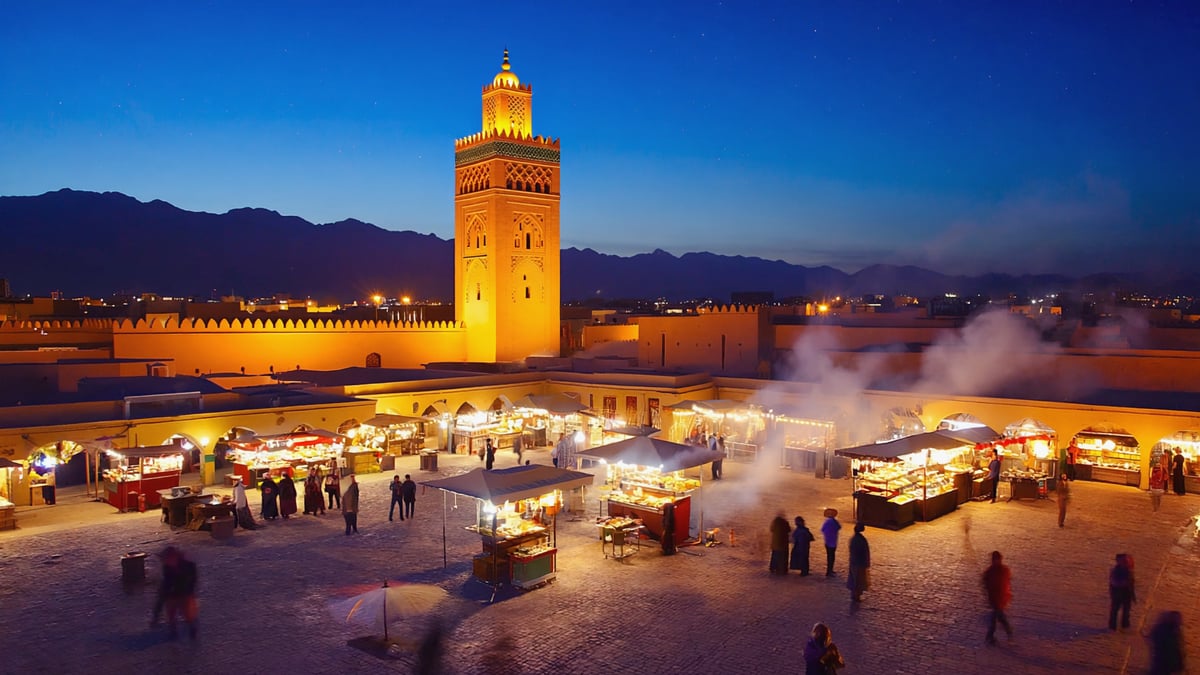
There is a moment — and every traveller who has visited Marrakech will recognise it — when you step off a quiet lane into Jemaa el-Fnaa and your senses simply stop keeping up. Snake charmers, the smoke of a dozen grill stalls, the call to prayer echoing across rooftops, orange juice vendors, fortune tellers, acrobats: all of it happening simultaneously, all of it entirely real. Marrakech does not ease you in gently. It grabs you by the collar and pulls you into one of the most exhilarating urban experiences on earth.
For UK travellers, the appeal is almost unfair. You are fewer than four hours from London, and yet you land in a city that feels like another planet — a sensory, cultural, and historical universe that has drawn traders, artists, and wanderers for nearly a thousand years. In 2026, Marrakech is more accessible, better connected, and more rewarding than ever, with a growing luxury riad scene, improved infrastructure, and Sahara desert excursions that rank among the great adventures available to any traveller leaving these shores.
This guide covers everything you need to plan a brilliant Marrakech holiday — from navigating the medina's labyrinthine souks to finding your ideal riad, reaching the Sahara, eating like a local, and doing it all on a budget that suits you.
Book Your Holiday Now
GlobeHunters offers holiday packages including flights and hotels at competitive prices. 4-night Marrakech packages from just £449 per person, including return flights from the UK and hotel accommodation.
View Package & Prices →Or call us: 0208 944 4514
Marrakech at a Glance: What Makes This City So Compelling?
Marrakech is a city of contrasts and collisions — ancient meets modern, chaotic meets serene, budget meets unapologetic luxury. Located in west-central Morocco, at the foot of the High Atlas Mountains, it sits at a geographic crossroads that has defined its character for over nine centuries. The city was founded in 1070 by the Almoravid dynasty, and its medina (old city) remains a UNESCO World Heritage Site, one of the best-preserved historic urban centres in the Arab world.
Marrakech is Morocco's fourth-largest city and serves as the capital of the Marrakech-Safi region. The population of Greater Marrakech is estimated at around 1 million people, a figure that swells significantly with tourism — the city regularly attracts over 3 million international visitors annually, making it one of Africa's most visited destinations.
Essential Travel Information for UK Visitors
- Language: Moroccan Arabic (Darija) and Tamazight (Berber) are the primary languages; French is widely spoken, especially in hotels, restaurants, and tourist areas. English is increasingly common in the medina and among younger Marrakchis.
- Currency: Moroccan Dirham (MAD). As of 2026, the exchange rate hovers around 12–13 MAD to £1, though you should check current rates before travelling. Card payments are accepted in many hotels and modern restaurants, but carry cash for souks, street food, and smaller riads.
- Time Zone: Morocco operates on Western European Time (WET), which is GMT+1 year-round following the country's permanent adoption of daylight saving time. This means Marrakech is just one hour ahead of the UK in winter and the same time as the UK in summer (when the UK observes BST).
- Visa Requirements: UK citizens do not need a visa to enter Morocco for stays of up to 90 days. You will need a valid passport with at least six months' validity from your date of entry. No advance application is required — entry is stamped on arrival.
- Entry Requirements: Ensure your passport is valid. Some airlines require proof of onward travel, so carry your return flight confirmation. Travel insurance is strongly recommended.
- Electricity: Morocco uses Type C and Type E plugs (two-pin, European style). UK travellers will need a universal adaptor. Voltage is 220V, compatible with most UK devices.
- Health: No vaccinations are mandatory for Morocco, but travellers should ensure their routine vaccinations are up to date. Hepatitis A and typhoid vaccinations are commonly recommended by UK GPs. Tap water in Marrakech is technically treated but travellers are generally advised to drink bottled water.
The city is divided broadly into the Medina (the historic walled old city) and the Ville Nouvelle (the new city, also called Guéliz), with the upscale neighbourhood of Hivernage bridging the two. The Medina is where most visitors spend the bulk of their time — and rightly so — but Guéliz has emerged as a genuinely interesting destination in its own right, with excellent restaurants, galleries, and boutiques.
When Is the Best Time to Visit Marrakech?
The best time to visit Marrakech is spring (March to May) or autumn (September to November), when temperatures are warm and pleasant rather than scorching, the tourist crowds are manageable, and the light over the medina has that golden quality that makes every photograph look effortless. That said, each season has its own character and appeal.
Month-by-Month Weather Breakdown
- January–February: Winter in Marrakech is cool and occasionally cold at night — temperatures can drop to around 5–8°C after dark, though daytime highs of 18–20°C are common. Rainfall is possible, though not frequent. This is low season, which means lower hotel prices and fewer tourists. A wonderful time to explore without the heat or crowds.
- March–May (Spring — Recommended): Daytime temperatures climb from the low 20s in March to the high 20s by May. Flowers are blooming in the Atlas foothills, and the days are long and bright. This is one of the most popular windows for UK travellers, and for good reason.
- June–August (Summer — Hot): Marrakech summers are intense. July and August regularly see temperatures above 38–40°C. This is the quietest tourist period in the medina, with some businesses running reduced hours. If you visit in summer, plan all outdoor activity for early morning and late evening, and embrace the midday rest.
- September–November (Autumn — Recommended): September can still be hot, but by October temperatures are back in the comfortable mid-20s. This is arguably the most enjoyable window — festivals are active, the city feels alive, and the Atlas Mountains begin their seasonal transformation.
- December: A lovely time to visit if you want a warm-but-not-hot escape from the British winter. Christmas and New Year in Marrakech have become increasingly popular with UK travellers seeking something festive but different. Expect busy hotels and slightly elevated prices around the holiday period itself.
Key Events and Festivals
- Marrakech International Film Festival (FIFM): Usually held in late November or December, this internationally recognised festival draws major film industry figures and transforms the city's cultural scene for a week.
- Ramadan: The dates shift annually with the Islamic lunar calendar. Visiting during Ramadan is a genuinely fascinating cultural experience — the city transforms at sunset with the breaking of the fast (iftar) — but note that some restaurants operate reduced hours during the day.
- Marrakech Biennale: A major contemporary arts festival held in spring, featuring installations, performances, and exhibitions across the medina.
- Eid al-Adha and Eid al-Fitr: Major Islamic holidays when the city takes on a celebratory atmosphere. Some tourist services may be reduced, but the local experience is memorable.
Pricing trends follow the expected pattern: peak prices occur in spring and around Christmas/New Year. The summer months offer the lowest accommodation rates and flight prices, though the heat requires adjustment. Booking 8–12 weeks in advance for spring travel is advisable to secure the best rates.
Where to Stay: Riads, Hotels & the Best Neighbourhoods
Marrakech's accommodation scene is genuinely extraordinary at every price point, anchored by the iconic riad — a traditional Moroccan townhouse built around a central courtyard, often featuring a fountain, citrus trees, and intricate tilework. Staying in a riad is not merely a hotel choice; it is an experience that defines the Marrakech visit. Beyond riads, the city has international five-star hotels, boutique guesthouses, and affordable hostels.
The Medina: Historic Heart, Best Atmosphere
Staying within the Medina walls puts you at the centre of everything — the souks, the monuments, the restaurants, the rooftop bars. The streets are narrow, vehicles are scarce (which is refreshing), and the maze-like layout means you will inevitably get pleasantly lost. Most riads are found here. Navigation requires patience and a good offline map, but this is all part of the experience.
- Budget: Basic riads and guesthouses in the Medina can be found for £35–£70 per night. Look around the areas near Bab Doukkala or towards the northern medina for cheaper options without sacrificing location.
- Mid-range: A well-appointed riad with a rooftop terrace, plunge pool, and breakfast included typically runs £100–£200 per night. This is the sweet spot for most UK travellers and represents exceptional value compared to equivalent boutique hotels in European cities.
- Luxury: The finest riads and boutique hotels in the Medina — meticulously restored, staffed impeccably, with spa facilities — range from £250 to £600+ per night. Several legendary properties fall into this category and are worth the splurge for a special occasion.
Guéliz (Ville Nouvelle): Modern Convenience
If you prefer wide boulevards, international restaurants, and easier navigation, Guéliz is a solid base. It is a 20–30 minute walk or a short taxi ride from the Medina. International hotel chains, serviced apartments, and modern boutique hotels are concentrated here. Prices are often slightly lower than comparable Medina properties.
Hivernage: Upmarket Resort-Style Luxury
Located between Guéliz and the Medina, Hivernage is home to several of Marrakech's most prestigious large-scale hotels. If you are looking for a resort experience — expansive pools, spa complexes, multiple restaurants — this is where to look. Expect to pay £200–£500+ per night for rooms at the top properties.
Palmeraie: Secluded Luxury Outside the City
The Palmeraie (palm grove) area, a short drive north of the city, is home to some of Morocco's most exclusive resort properties — sprawling estates with private gardens, horse riding, and helicopter transfers. This suits honeymooners and luxury travellers who want calm and space. Not ideal if your priority is medina exploration on foot.
Top Things to Do in Marrakech: Eight Essential Experiences
Marrakech rewards both the curious wanderer and the structured planner — you can fill a week without repeating yourself, or you can spend four days in the medina alone and never exhaust it. Here are eight experiences that define a great Marrakech visit, with practical details for UK travellers.
1. Jemaa el-Fnaa: The World's Greatest Public Square
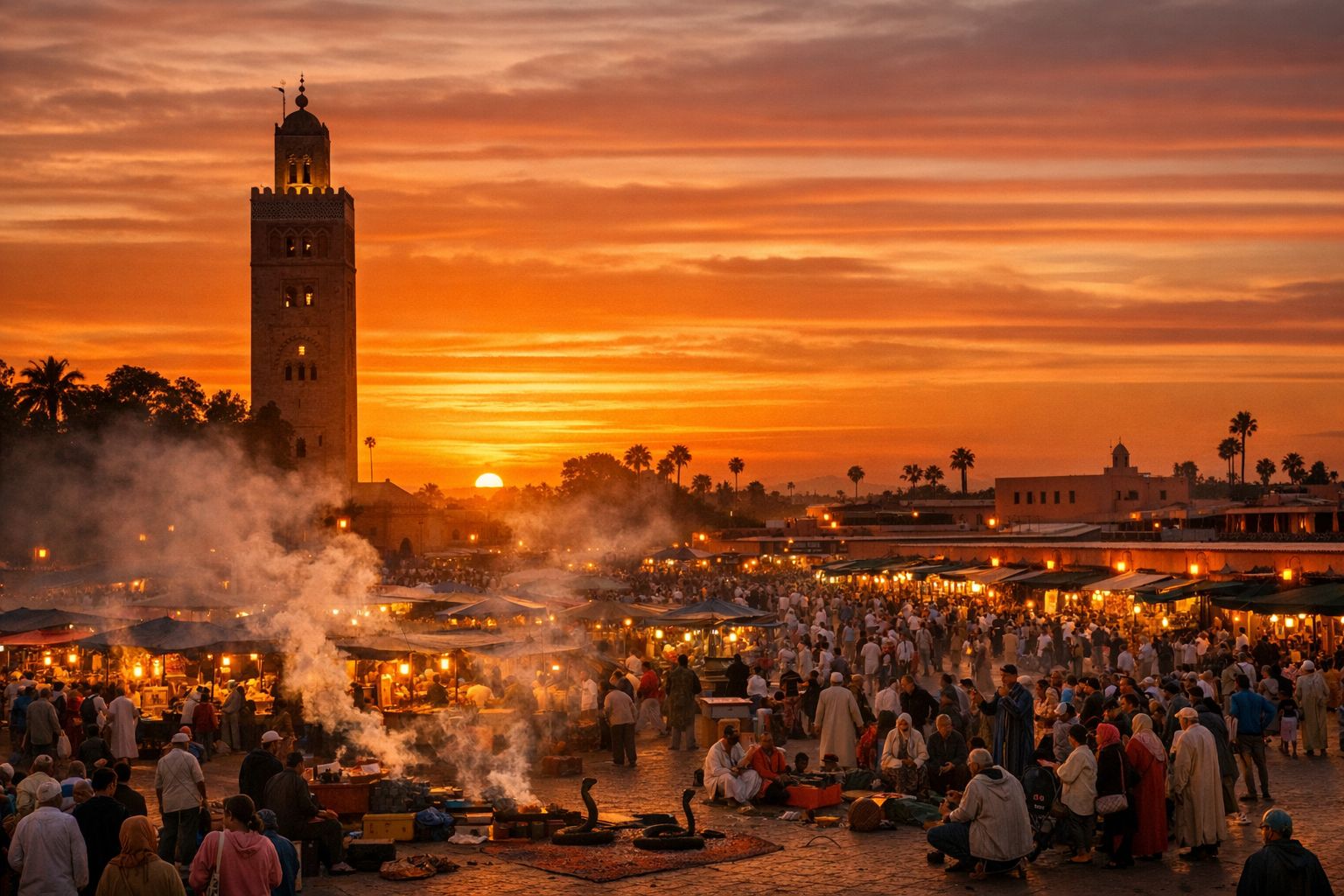
The UNESCO-recognised heart of Marrakech, Jemaa el-Fnaa operates as a shifting, living spectacle from dawn until well after midnight. By day it is orange juice vendors, henna artists, and storytellers. By night, it transforms into one of the world's great food markets, with dozens of numbered stalls serving grilled meats, snails, harira soup, and pastilla. Entry is free. Visit at different times of day — each version of the square is distinct. Tip: the rooftop cafés surrounding the square offer a brilliant bird's-eye view, especially at sunset.
2. The Souks of the Medina
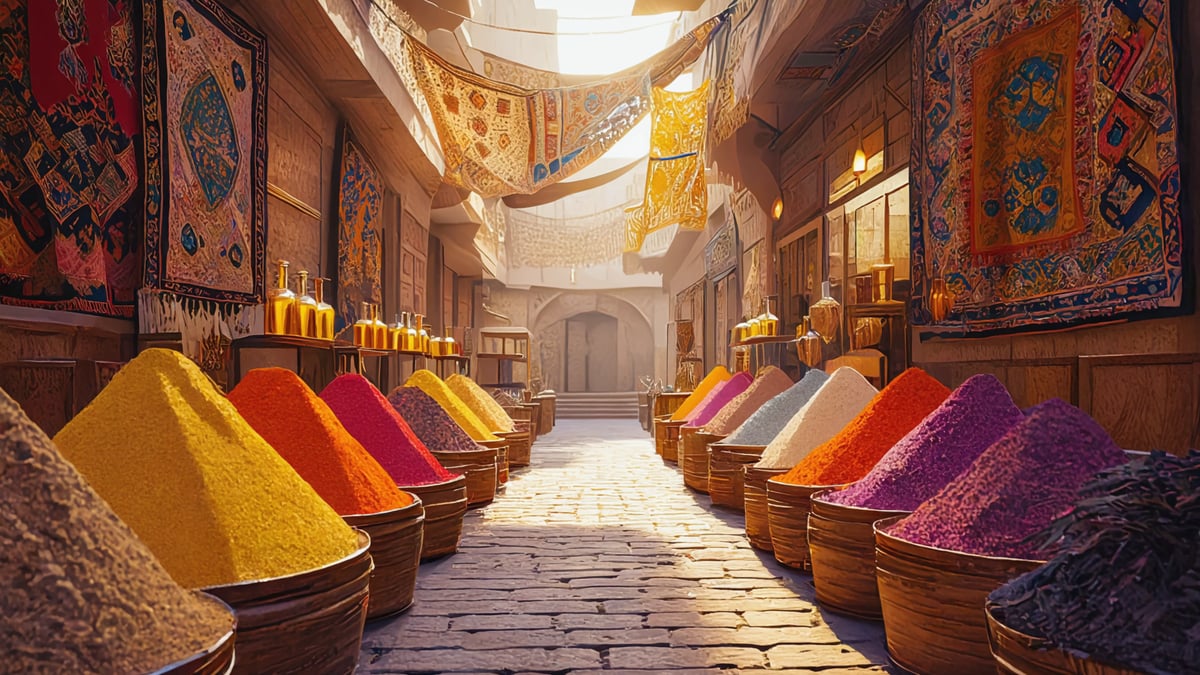
The souks are a labyrinth of specialist markets — leather workers in the tanneries quarter, spice merchants in the Rahba Kedima, carpet weavers, lantern makers, and woodcarvers each occupying their own traditional zone. Entry is free, though you will spend money happily. Bargaining is expected and is part of the social contract — never pay the first price offered, and never feel pressured. A good rule: open negotiations at around half the asking price and meet somewhere in the middle. Early morning (before 10:00) is the best time to visit for a calmer, more atmospheric experience.
3. Bahia Palace
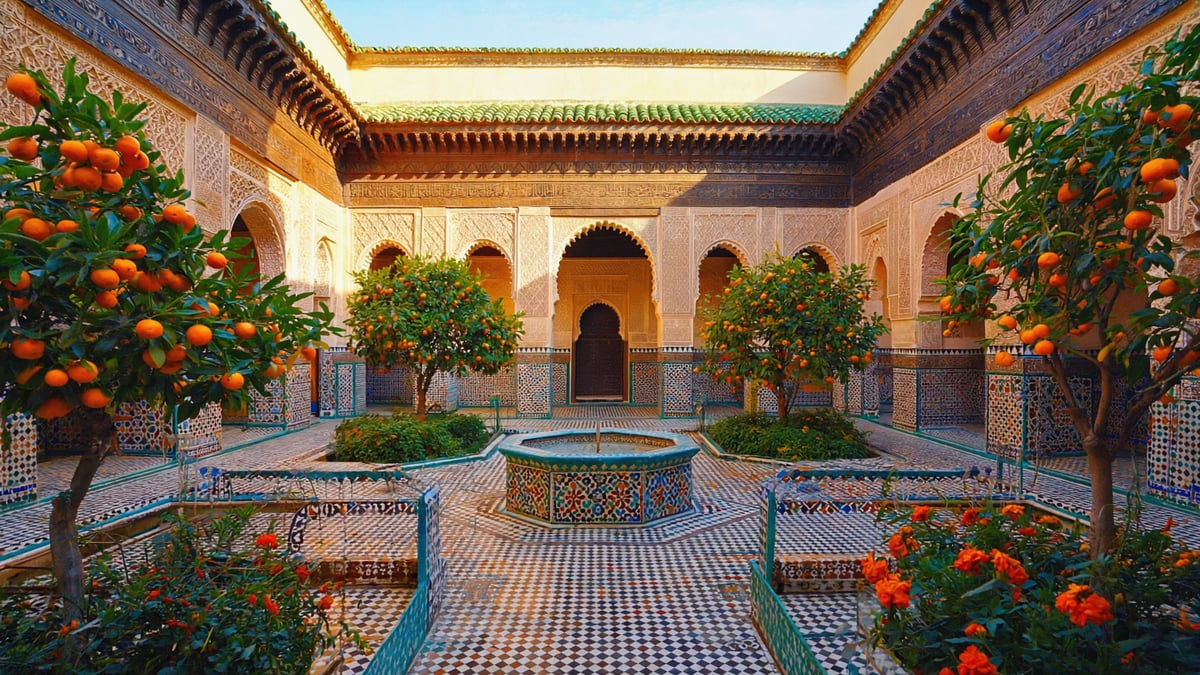
Built in the late 19th century for the Grand Vizier Ahmed ibn Moussa, the Bahia Palace is a masterclass in Moroccan-Andalusian architecture — intricate cedarwood ceilings, painted plasterwork, vast courtyards, and fragrant orange trees. Entry costs approximately 70 MAD (around £5.50). Open daily, generally 09:00–17:00, though hours can vary around prayer times and public holidays. Allow 45–60 minutes. It is one of Marrakech's most visited monuments, so arriving early is advisable.
4. Majorelle Garden & the Yves Saint Laurent Museum
Created by French painter Jacques Majorelle in the 1920s and later rescued and restored by Yves Saint Laurent and Pierre Bergé, the Majorelle Garden is a cobalt-blue botanical oasis that is genuinely unlike anything else in Morocco. The surrounding Musée Yves Saint Laurent opened in 2017 and is architecturally stunning as well as culturally fascinating. Garden entry: approximately 150 MAD (£12); combined garden and museum ticket: approximately 300 MAD (£23). Open daily from around 08:00; book online in advance during peak season as it sells out. Allow 1.5–2 hours for both.
5. Saadian Tombs
Sealed for centuries and rediscovered only in 1917, the Saadian Tombs are among the finest examples of Moroccan craftsmanship in existence. The mausoleum of Sultan Ahmad al-Mansur is decorated with extraordinary zellige tilework, carved cedar, and Italian Carrara marble. Entry: approximately 70 MAD (£5.50). The site is small and gets crowded — visit first thing in the morning or late afternoon. Open daily except Friday mornings.
6. Atlas Mountains Day Trip
The High Atlas Mountains begin just 45 minutes south of Marrakech, making a day trip genuinely feasible. The Ourika Valley is the most popular and accessible route — a scenic river valley with Berber villages, traditional guesthouses, and (in spring and winter) waterfalls. The town of Imlil is the base for trekkers and offers mule rides into the mountains. Day trip costs vary: organised tours from Marrakech typically run £25–£60 per person including transport. Independent travel by grand taxi is cheaper but requires more effort. The village of Aït Benhaddou — a UNESCO-listed kasbah used in countless film productions — is about 3 hours south and best visited on an overnight trip.
7. Sahara Desert Excursion
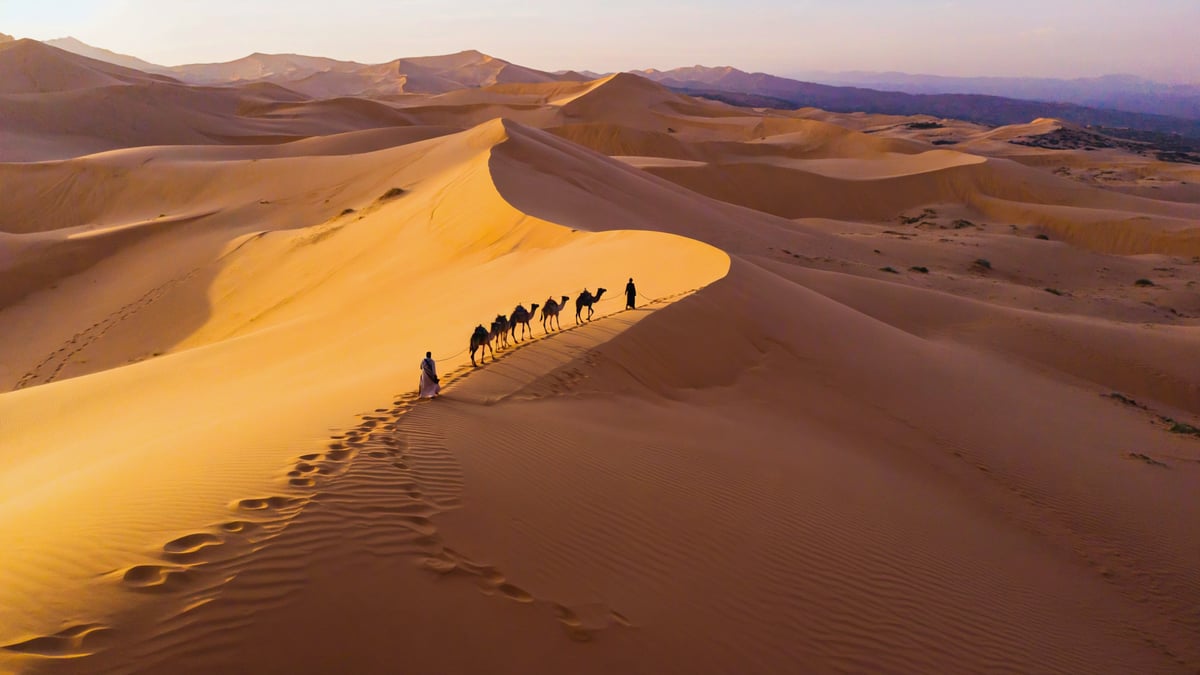
One of the great bucket-list experiences for any Marrakech visitor: a multi-day excursion to the Sahara dunes at Merzouga or Zagora. The classic route takes you via the Draa Valley, the kasbahs of Ouarzazate (often called the "Hollywood of Africa"), and the Todra Gorge before reaching the dunes of Erg Chebbi at Merzouga. A 3-day/2-night guided desert tour from Marrakech typically costs £120–£250 per person, including transport, accommodation in desert camps, and camel riding at sunset. This is an unmissable experience — sleeping in a luxury desert camp under a sky of unobstructed stars is something that stays with you permanently.
8. Hammam Experience
A traditional Moroccan hammam (bathhouse) is not a luxury spa add-on — it is a cultural institution, an experience that Marrakchis practise weekly as part of daily life. Traditional public hammams cost as little as 15–20 MAD (£1.50) and require you to bring your own supplies (kessa scrubbing glove and black soap, available in the souks). Tourist-oriented hammams offer the full experience with an English-speaking attendant, scrub, and massage for approximately £15–£40. Both versions are worthwhile; the traditional hammam is more authentic, the tourist version more accessible for first-timers.
Food & Dining in Marrakech: What to Eat and Where
Moroccan cuisine is one of the great underappreciated food traditions of the world — complex, fragrant, deeply influenced by Berber, Arab, Andalusian, and sub-Saharan African culinary traditions. In Marrakech, eating well is both easy and cheap, across every budget level.
Essential Dishes to Try
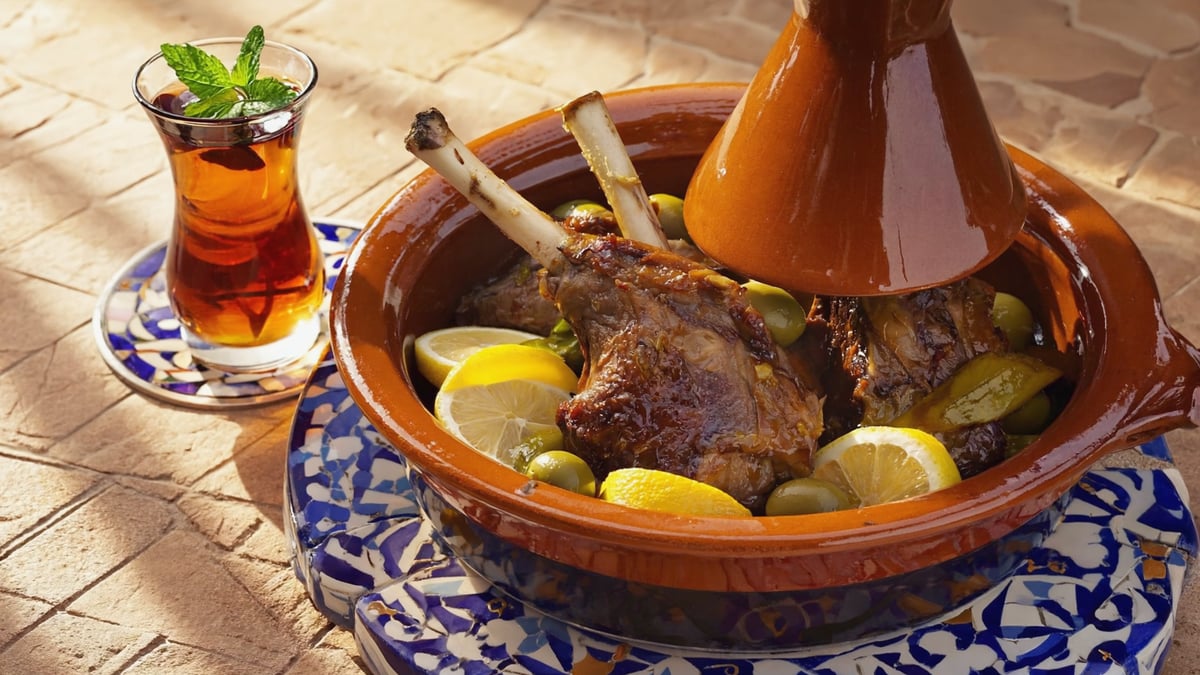
- Tagine: The cornerstone of Moroccan home cooking — slow-cooked stew prepared in a conical clay pot. Classic versions include lamb with prunes and almonds, chicken with preserved lemon and olives, or kefta (spiced meatballs) with egg. A proper tagine takes hours to cook properly; be cautious of very cheap, very fast versions.
- Couscous: Traditionally served on Fridays (the Islamic holy day), Moroccan couscous is a world away from the quick-cook variety found in British supermarkets — steamed multiple times over a flavourful broth with slow-cooked vegetables, chickpeas, and meat.
- Pastilla (Bastilla): One of Morocco's most extraordinary dishes — a flaky warqa pastry pie traditionally filled with pigeon (now commonly chicken), almonds, saffron, and spices, dusted with icing sugar and cinnamon. The sweet-savoury combination sounds unusual and tastes spectacular.
- Harira: A thick, warming soup of tomatoes, lentils, chickpeas, and lamb, traditionally used to break the Ramadan fast. Available year-round from street stalls and is one of the city's great cheap eats.
- Mechoui: Whole lamb slow-roasted in a clay oven until the meat falls from the bone. Best eaten at the mechoui stalls on the edge of the Jemaa el-Fnaa.
- Moroccan mint tea: Poured from a great height to create a froth, this sweet spearmint tea is the universal social lubricant of Moroccan culture. Refusing tea is considered impolite; accepting it is the beginning of every proper conversation.
- Msemen and Rghaif: Flaky, layered flatbreads eaten for breakfast with honey, argan oil, or amlou (almond and argan paste). Found in every neighbourhood bakery and at street stalls from early morning.
Best Areas to Eat
Jemaa el-Fnaa food stalls (evenings only): The night market is an experience first, a restaurant second — but the food is genuinely good. Grilled brochettes, merguez sausages, snails in cumin broth, and fried fish are all available for a few dirhams. The stalls are numbered; locals tend to favour the same stalls consistently, which is a reasonable quality indicator.
Derb Dabachi and surrounding lanes: A cluster of genuinely excellent local restaurants tucked into the medina's residential streets, mostly patronised by Marrakchis rather than tourists. Prices are very low; quality is high.
Guéliz: Home to Marrakech's most interesting contemporary dining — Moroccan food reimagined by trained chefs, alongside excellent Italian, French, and Asian options. Prices are higher than the medina but still very reasonable by UK standards.
Dietary Considerations
Vegetarians are reasonably well catered for — tagines of vegetables and chickpeas are widely available, and the mezze tradition means sharing plates of salads, breads, and dips are common starters. Vegans need to be more attentive, as butter (smen) and honey are used frequently. Halal food is universal in Marrakech. Alcohol is available in licensed restaurants and hotel bars, but Morocco is a predominantly Muslim country and alcohol is not available everywhere — it is wise to check in advance if this matters to you.
Getting to Marrakech from the UK: Flights, Airports & Transfers
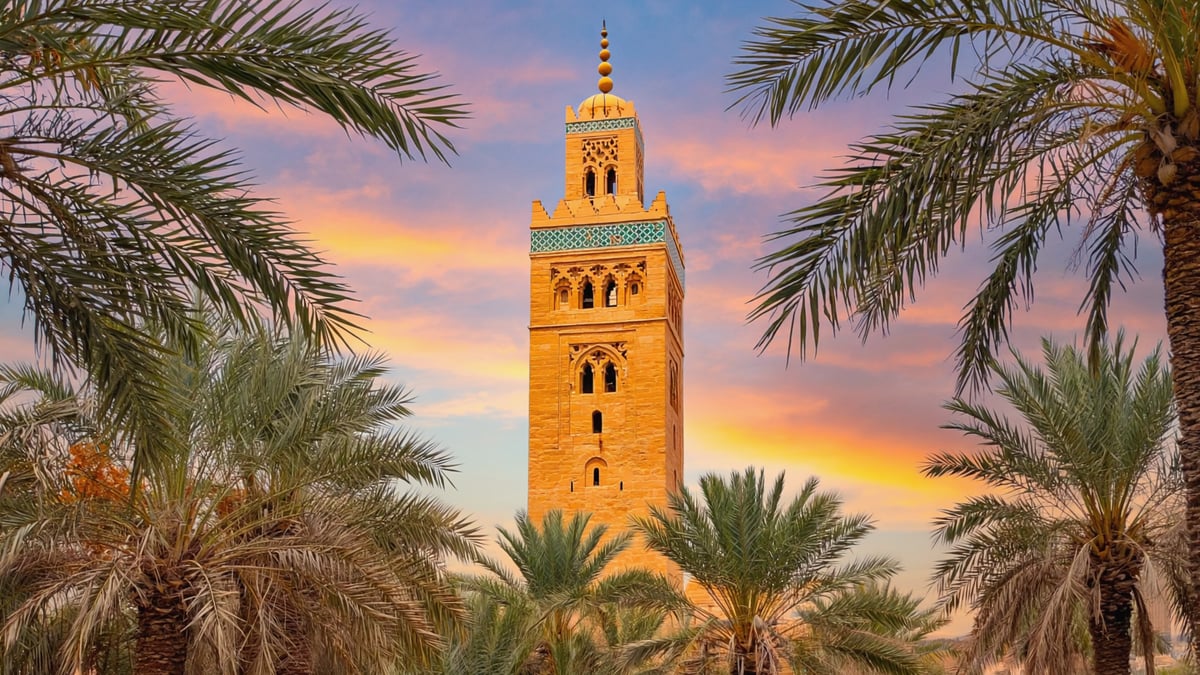
Marrakech is one of the best-connected North African destinations for UK travellers, with multiple direct flights daily from several UK airports. The journey time is short enough to make even a long weekend genuinely worthwhile.
Flights from the UK
Marrakech Menara Airport (RAK) is the city's international gateway, located just 6km south-west of the city centre — one of the most conveniently positioned airports relative to any major city in Africa or the Middle East.
- From London (Gatwick, Heathrow, Stansted, Luton): Direct flights are operated by easyJet, Ryanair, British Airways, Royal Air Maroc, and Jet2. Flight time is approximately 3 hours 20 minutes to 3 hours 40 minutes. This is genuinely one of the closest "feels entirely different" destinations available to UK travellers.
- From Manchester: Direct services are available seasonally with easyJet, Jet2, and Royal Air Maroc. Flight time is approximately 3 hours 45 minutes.
- From Birmingham, Bristol, and Edinburgh: Direct and connecting services are available, with connections typically via London, Casablanca, or other European hubs. Journey times with connections range from 5 to 7 hours.
Typical flight prices vary significantly by season and booking lead time. Budget carriers regularly offer Marrakech for £60–£150 return per person from London airports in shoulder seasons. Summer and Christmas/New Year flights can be considerably higher. Booking 6–10 weeks in advance generally offers the best balance of price and seat availability.
Airport Transfers
- Taxi: Official petit taxis (red) from the airport to the city centre or Medina should cost approximately 80–120 MAD (£6–£9) — agree the price before you get in or insist on the meter. Be assertive about this.
- Bus (No. 19): A public bus runs between the airport and Jemaa el-Fnaa for approximately 30 MAD (£2.30). Slow but extremely cheap.
- Pre-booked private transfer: Many riads and hotels offer airport pickups for approximately £10–£20, which is worth considering given the ease of arrival, especially if you have luggage and are arriving late.
Getting Around Marrakech
Within the Medina, the only practical transport is walking — the streets are simply too narrow for vehicles in most areas. Petit taxis (red) are widely available for journeys between the Medina and Guéliz; fares are very low (typically 20–40 MAD / £1.50–£3 per journey). Negotiate or insist on the meter. Horse-drawn calèches are a more leisurely option for the route around the city walls. Apps like Careem (the regional equivalent of Uber) are available and offer transparent pricing without negotiation.
Marrakech Budget Guide: What to Expect to Spend Per Day
Marrakech is exceptional value for UK travellers at every budget level — genuinely world-class experiences are available for remarkably little money, and even a luxury trip costs significantly less than an equivalent stay in Paris, Rome, or Barcelona. Here is a realistic daily budget breakdown.
| Budget Tier | Accommodation (per night) | Food & Drink (per day) | Activities (per day) | Transport (per day) | Daily Total (per person) |
|---|---|---|---|---|---|
| Budget | £25–£45 (hostel/basic riad) | £12–£20 (street food, local restaurants) | £8–£15 (free sights + 1–2 paid) | £3–£6 (buses, walking) | £48–£86 |
| Mid-Range | £80–£160 (well-appointed riad, breakfast included) | £25–£45 (mix of restaurants) | £20–£40 (guided experiences, gardens) | £8–£15 (taxis) | £133–£260 |
| Luxury | £200–£500+ (boutique riad or 5-star hotel) | £60–£120 (fine dining, rooftop restaurants) | £50–£150 (private guides, spa, camel trekking) | £20–£50 (private transfers) | £330–£820+ |
Money-Saving Tips for Marrakech
- Avoid tourist restaurants immediately surrounding Jemaa el-Fnaa — they are overpriced and often mediocre. Walk one or two streets further and prices drop dramatically.
- Book a riad with breakfast included — Moroccan breakfasts (bread, honey, amlou, mint tea, fresh juice) are substantial and you may not need much else until dinner.
- Use the No. 19 bus to and from the airport instead of a taxi if you are travelling light — it saves roughly £7 and runs reliably.
- Buy spices and argan oil in the souks rather than at tourist shops — quality is often better and prices are significantly lower if you are willing to navigate away from the main tourist routes.
- Visit major monuments in the morning when light is better and queues are shorter.
- Book a GlobeHunters package — combining flights and accommodation in a single package almost always works out cheaper than booking separately, particularly for a 4-night trip from the UK.
The GlobeHunters 4-night Marrakech package from £449 per person — including return flights from the UK and hotel accommodation — represents outstanding value compared to the cost of assembling the same trip independently, particularly for travellers booking during peak spring and autumn windows when flight prices spike.
Book Your Holiday Now
GlobeHunters offers holiday packages including flights and hotels at competitive prices. 4-night Marrakech packages from just £449 per person, including return flights from the UK and hotel accommodation.
View Package & Prices →Or call us: 0208 944 4514
Travel Tips, Safety & Cultural Etiquette for Marrakech
Marrakech is a safe and welcoming destination for UK travellers, but it has its own cultural norms and practical realities that are worth understanding before you arrive. A little preparation goes a long way in making the experience smoother and more respectful.
Safety
The UK Foreign, Commonwealth & Development Office (FCDO) currently rates Morocco as largely safe for tourism, with standard precautions advised. Petty theft (pickpocketing, bag snatching) is the most common issue for tourists, particularly around Jemaa el-Fnaa and in the busier souk lanes. Keep your phone out of sight when not using it, use a crossbody bag worn at the front, and be mindful in crowded areas.
The "false guide" situation is something every Marrakech visitor should know about. You may be approached by people offering to guide you to a specific shop or attraction — sometimes persistently. These individuals typically receive commission from the shop they take you to, and the prices inside will reflect this. You are under no obligation to follow anyone. A polite but firm "La, shukran" (No, thank you) is the appropriate response. Modern smartphones with offline maps have largely solved the navigation problem that previously made visitors vulnerable to this approach.
Solo female travellers should be aware that unwanted attention from men in public spaces is more common in Marrakech than in many European cities, particularly in the medina. Dressing conservatively, walking with purpose, and projecting confidence are all effective. Travelling with others reduces this significantly. That said, many thousands of solo women visit Marrakech every year and have wonderful, entirely safe experiences.
Cultural Etiquette
- Dress modestly, especially in the Medina: Morocco is a predominantly Muslim country. While the dress code is not strictly enforced for tourists, covering your shoulders and knees in public areas (particularly near mosques) is respectful and will generally result in a warmer reception from locals. At your riad pool or in Guéliz's more cosmopolitan spaces, Western clothing is entirely acceptable.
- Remove shoes when entering a mosque or private home when invited to do so. Non-Muslims are generally not permitted inside mosques in Morocco, though the Koutoubia Mosque's gardens are open to all.
- Ask before photographing people: This is important and genuinely respectful. Performers and vendors around Jemaa el-Fnaa may expect a small tip (5–10 MAD) in exchange for being photographed.
- The left hand is considered unclean in Moroccan tradition. Use your right hand when eating, accepting items, or greeting people.
- Public displays of affection between couples (of any kind) are generally frowned upon in the medina. Be discreet.
- Alcohol: Drinking alcohol in the street or in public spaces is not acceptable in Morocco. Consume it only in licensed establishments.
Health Practicalities
- Drink bottled water — widely available and very cheap (around 5–10 MAD / £0.40–£0.80 for a 1.5L bottle).
- Sun protection is essential from April through September. The Moroccan sun is significantly stronger than the UK and heatstroke is a genuine risk for unprepared travellers.
- Travel insurance is non-negotiable — ensure your policy covers medical treatment in Morocco and, if you plan a Sahara excursion, any adventure activities.
- GHIC (Global Health Insurance Card): Morocco is not covered by the GHIC scheme, so private medical insurance is your only coverage.
What to Pack
- Lightweight, modest clothing for the medina (linen trousers, long skirts, light long-sleeved shirts)
- Comfortable walking shoes — the medina streets are uneven and largely cobbled
- Universal plug adaptor (two-pin European)
- Small day bag or secure crossbody bag
- Cash in MAD (or exchange at the airport on arrival — rates are generally reasonable)
- High-SPF sunscreen
- Offline map (Google Maps or Maps.me downloaded for Marrakech)
- Reef-safe sunscreen if you plan any Atlas Mountain river swimming
For official, up-to-date travel advice from the UK government, consult the FCDO Morocco travel advice page before your departure.
Frequently Asked Questions About Marrakech Holidays
Do UK citizens need a visa to visit Marrakech?
No. UK passport holders do not require a visa to enter Morocco. You can stay for up to 90 days without any advance visa application. You will need a valid passport with at least six months' validity remaining from your entry date.
How far is Marrakech from the UK and how long is the flight?
Marrakech is approximately 2,100 miles from London. Direct flights from London airports take approximately 3 hours 20 minutes to 3 hours 40 minutes — making it one of the closest genuinely exotic destinations available to UK travellers. From Manchester the flight is around 3 hours 45 minutes.
Is Marrakech safe for tourists in 2026?
Yes, Marrakech is considered safe for tourists. The UK FCDO currently rates Morocco as broadly safe, with standard precautions for petty theft in busy tourist areas. Solo female travellers should exercise the usual awareness in crowded spaces. The city is a major international tourism destination that handles millions of visitors annually.
What is the best time of year to visit Marrakech?
Spring (March to May) and autumn (September to November) are the optimal windows — temperatures are warm and comfortable (20–28°C), crowds are manageable, and the city is at its most atmospheric. Summer is very hot (often 38–40°C+) and winter evenings can be cool, though both seasons have their own appeal and lower prices.
What currency is used in Marrakech and can I use my UK bank card?
The currency is the Moroccan Dirham (MAD). In 2026, approximately 12–13 MAD equals £1. Cards are widely accepted in hotels, upscale restaurants, and some larger shops, but cash is essential for the souks, street food stalls, and smaller riads. ATMs are readily available throughout the city. Inform your UK bank before travelling to avoid your card being blocked for overseas transactions.
How do I get from Marrakech airport to the city centre?
Marrakech Menara Airport is just 6km from the city centre. A petit taxi costs approximately 80–120 MAD (£6–£9) — agree the price before you get in. Public bus No. 19 runs to Jemaa el-Fnaa for 30 MAD (around £2.30). Many riads offer private airport pickup for £10–£20, which is worth considering for a hassle-free arrival.
Can I do a Sahara desert trip from Marrakech?
Yes, though the Sahara dunes (at Merzouga or Zagora) are a long drive from Marrakech — approximately 8–10 hours each way. A 3-day/2-night organised tour is the most practical option, typically costing £120–£250 per person including transport, accommodation, and a camel ride at the dunes. These tours are widely available and can be booked through your riad, a local agency, or in advance online.
Is Marrakech suitable for families with children?
Marrakech is a fantastic destination for families. Children are warmly welcomed in Moroccan culture, and the sensory spectacle of the medina is endlessly fascinating for young visitors. Practical considerations include heat in summer (plan for midday rests), uneven cobblestone streets (pushchairs are impractical in the medina), and ensuring children drink only bottled water. Many riads have plunge pools or can recommend family-appropriate accommodation.
What should I wear in Marrakech?
Dress modestly in the medina, particularly near mosques — cover shoulders and knees out of respect. Lightweight linen or cotton clothing works well in the heat. Comfortable, closed-toe walking shoes are important given the uneven medina streets. Swimwear is entirely appropriate at your riad pool or hotel. Evenings can be cool in winter — bring a light jacket.
Is Marrakech good for vegetarians?
Moroccan cuisine is very vegetarian-friendly. Vegetable tagines, couscous dishes, harira soup (ensure it is meat-free), and the wide array of mezze-style salads and breads make for excellent meat-free eating. Vegans need to be more proactive, as butter and honey feature in many dishes — communicating clearly with restaurant staff is important. Vegan-specific restaurants are increasing in number, particularly in Guéliz.
How much spending money do I need for a 4-night Marrakech trip?
On top of your GlobeHunters package cost (flights and accommodation from £449 pp), budget approximately £150–£250 per person for a comfortable mid-range trip covering food, activities, entrance fees, transport, and shopping. Budget travellers can manage on £100–£150, while those planning luxury dining and a Sahara excursion should allow £300–£500+.
What is the local language in Marrakech and do people speak English?
The primary languages are Moroccan Arabic (Darija) and Tamazight (Berber), with French very widely spoken as a second language. English is increasingly common in tourist areas, hotels, and restaurants — most medina guesthouses and tour operators communicate fluently in English. Learning a few words of Arabic or French is appreciated: "Shukran" (thank you), "La" (no), and "Bsaha" (to your health) go a long way.
The Verdict: Why Marrakech Should Be on Your 2026 Travel List
There are destinations that impress you and destinations that genuinely change you. Marrakech tends to do both. It is a city that asks something of you — curiosity, patience, a willingness to get lost, a readiness to accept mint tea from a stranger and spend an hour talking about things that have nothing to do with your original plans. In return, it gives you architecture that makes your jaw drop, food that recalibrates what you thought a tagine could be, sunsets over the Atlas Mountains that you will describe inadequately for years, and a medina that reveals something new every single time you turn a corner.
For UK travellers specifically, Marrakech is a near-perfect proposition: close enough to be accessible for a long weekend, far enough culturally to feel like a genuine adventure, warm enough to justify the trip in March when London is still grey and cold, and affordable enough that the combination of value and experience is almost embarrassing compared to many European city break alternatives.
Whether you are planning a romantic riad escape with your partner, a cultural deep-dive as a solo traveller, a family adventure that will become dinner-table conversation for years, or an extended journey that takes you from the medina to the Atlas Mountains and all the way to the edge of the Sahara — Marrakech delivers. Consistently. Unforgettably.
Start planning now with GlobeHunters' 4-night Marrakech package from £449 per person, including return flights from the UK and hotel accommodation. It is, genuinely, one of the best-value holidays available to UK travellers in 2026.
Book Your Holiday Now
GlobeHunters offers holiday packages including flights and hotels at competitive prices. 4-night Marrakech packages from just £449 per person, including return flights from the UK and hotel accommodation.
View Package & Prices →Or call us: 0208 944 4514
Ready to Book Your Jemaa Holiday?
Our travel experts are ready to help you plan the perfect trip. Call us today or browse our latest deals.
Ready to Start Planning?
Speak to our travel experts for personalised advice and the best deals on your next holiday.
Call 0208 944 4514Holiday Packages You Might Like
Curated trips matched to this guide — flights, hotels & experiences included.
More Articles
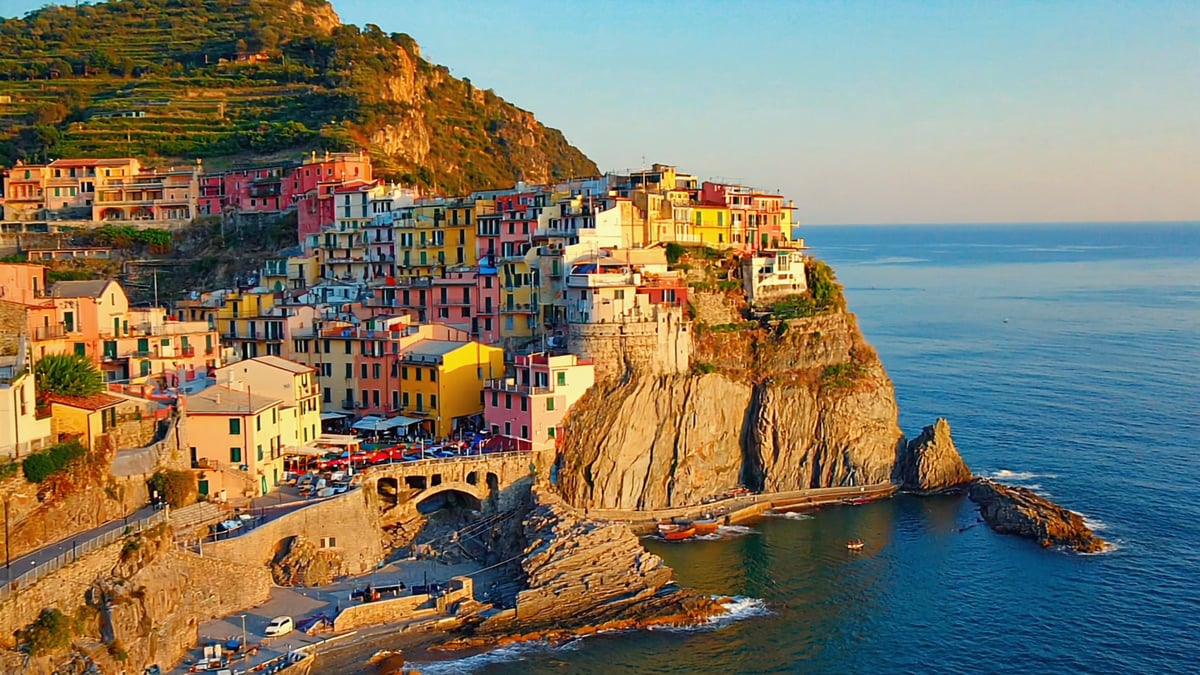
Amalfi Coast vs. Santorini: Which Mediterranean Escape is Right for UK Travellers?
Amalfi Coast or Santorini? Compare scenery, costs, best areas & UK package prices to find your perfect Mediterranean holiday. Honest advice from GlobeHunters.
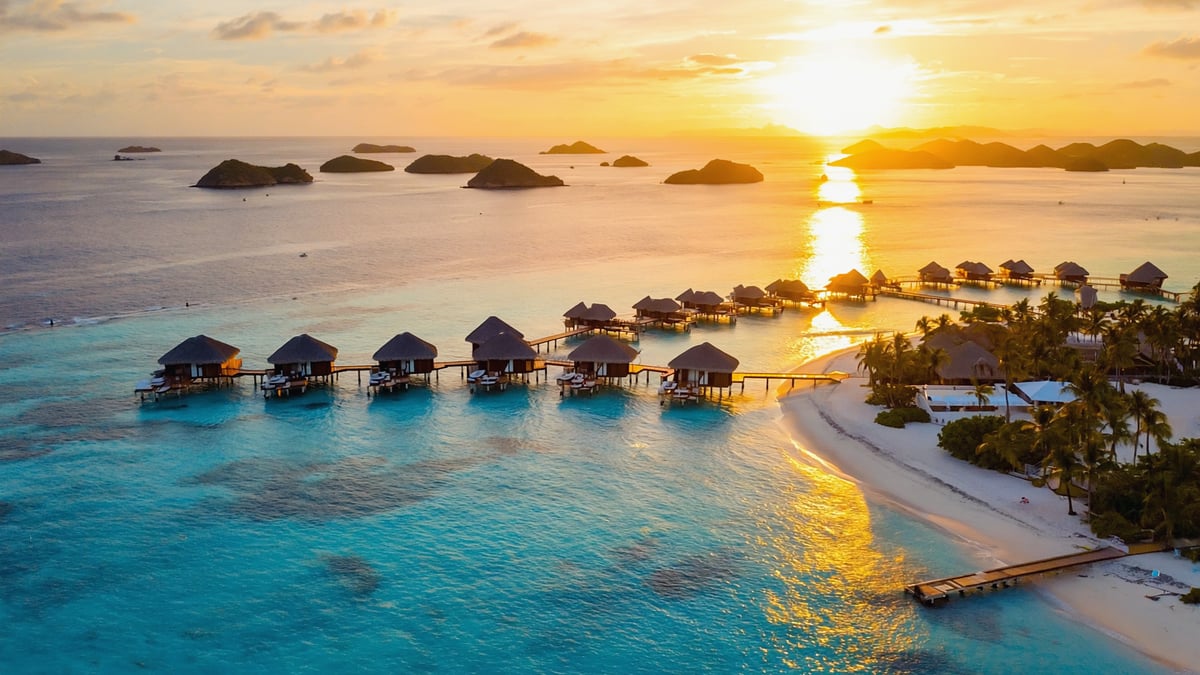
Maldives vs. Bora Bora: The Honest UK Traveller's Guide to Choosing Your Overwater Paradise
Maldives or Bora Bora? We compare costs, flights, resorts & experiences so UK travellers can choose the perfect luxury island escape. Packages from GlobeHunters.
Bora Bora Holiday Guide: Overwater Bungalows, Lagoons & UK Package Deals
Plan your Bora Bora holiday from the UK. Discover overwater bungalows, turquoise lagoons & GlobeHunters package deals. Flights, hotels & activities included.