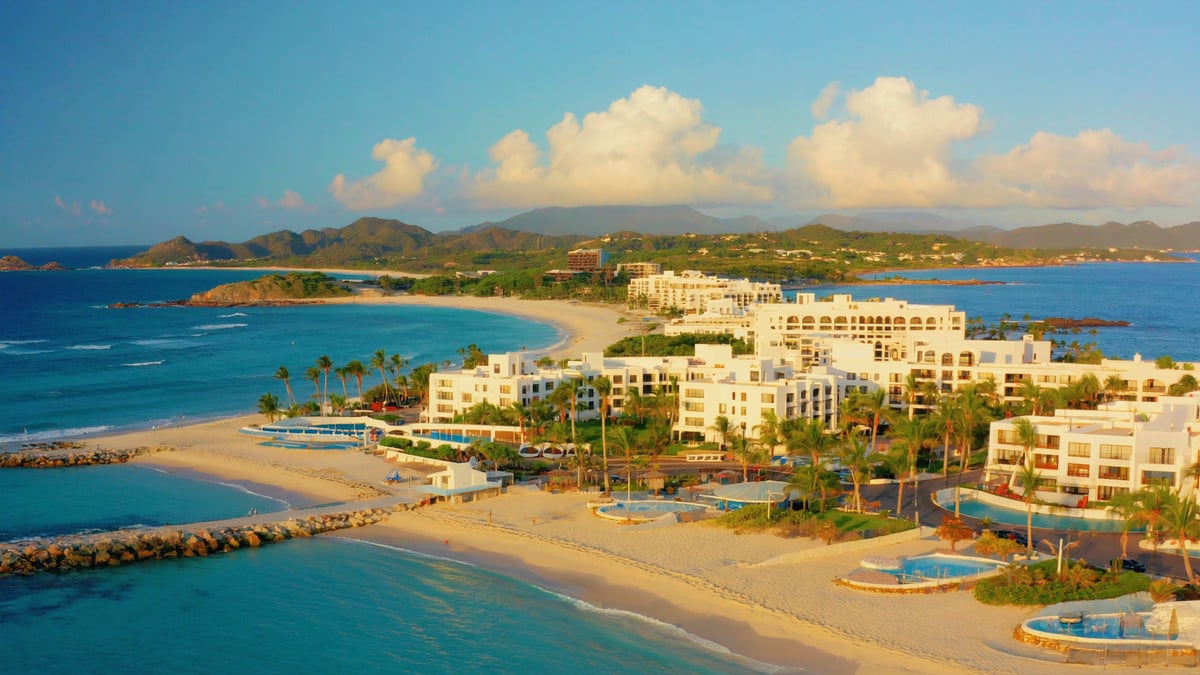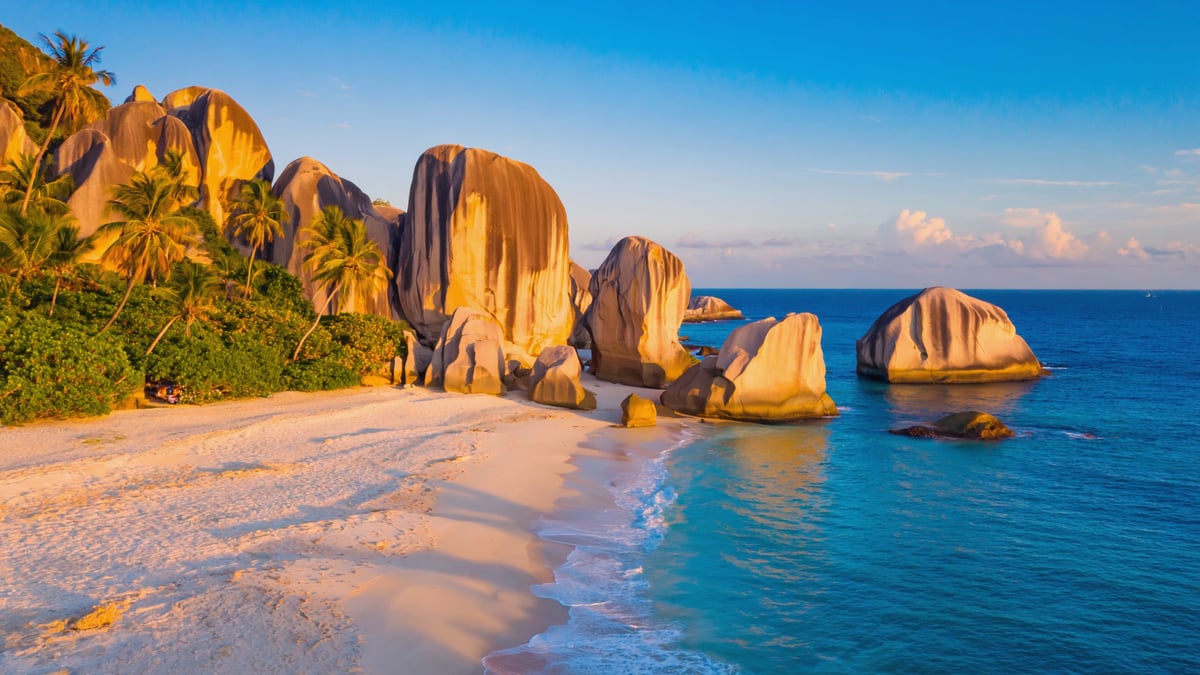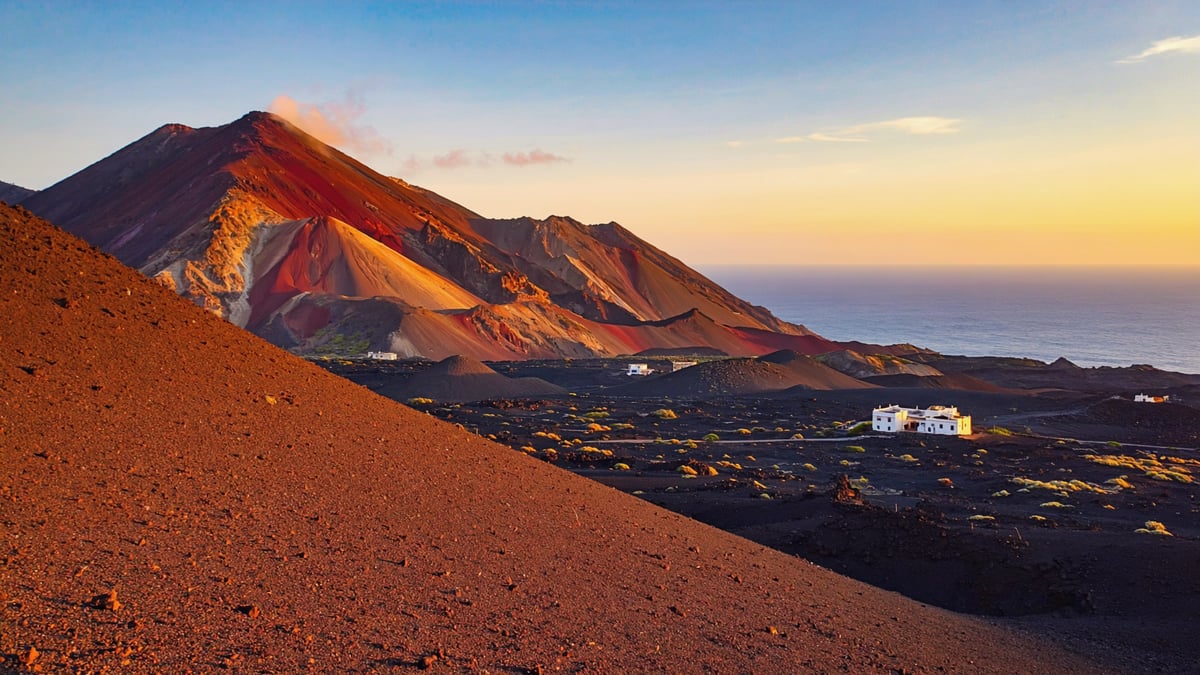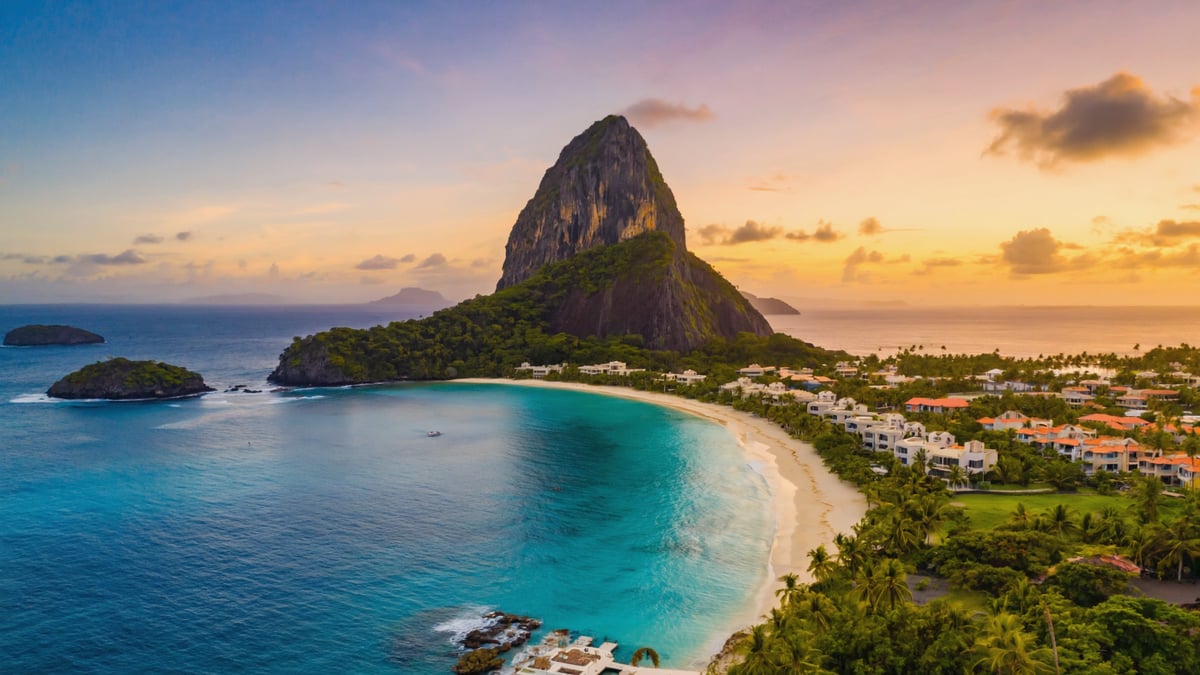
There is a persistent myth in travel circles that Mauritius is simply another Indian Ocean island — interchangeable with the Maldives, vaguely similar to Bali, the kind of place that looks identical in every brochure. This myth is wrong, and it costs British travellers dearly. Those who accept it either skip Mauritius entirely or arrive expecting a beach resort and leave having barely scratched the surface of one of the most geographically, culturally, and gastronomically complex destinations on the planet. Mauritius is not just a beach. It is a volcanic mountain nation draped in sugarcane, layered with Creole, Indian, Chinese, and French heritage, and ringed by a coral lagoon system that marine biologists describe as among the most intact in the world. Getting it right requires more than a good hotel — it requires a guide that treats the island with the seriousness it deserves.
Destination Overview: What Makes Mauritius Unlike Any Other Indian Ocean Island
Mauritius is a sovereign island nation situated in the southwestern Indian Ocean, approximately 2,000 kilometres off the southeast coast of Africa and roughly 900 kilometres east of Madagascar. It occupies a unique position: geographically African, culturally South Asian and Creole, politically independent since 1968, and climatically distinct from its Indian Ocean neighbours by virtue of its volcanic topography and dual monsoon exposure.
The island measures roughly 65 kilometres north to south and 45 kilometres east to west — small enough to drive its circumference in a single day, yet diverse enough to absorb two weeks of exploration without repetition. The interior is dominated by the Central Plateau, a highland region where temperatures are noticeably cooler and rainfall more frequent, giving rise to lush forests and the famous Black River Gorges National Park. The coast is encircled almost entirely by a coral reef system that creates a lagoon of sheltered, shallow turquoise water — a natural barrier that makes Mauritius significantly safer for swimming than open-ocean alternatives like the Maldives.
Essential Travel Information for UK Visitors
| Category | Details |
|---|---|
| Capital | Port Louis |
| Official Languages | English and French (Mauritian Creole widely spoken) |
| Currency | Mauritian Rupee (MUR). £1 ≈ 55–60 MUR (rates vary) |
| Time Zone | UTC+4 (3 hours ahead of UK in summer, 4 hours in winter) |
| Visa Requirements (UK) | No visa required for UK passport holders for stays up to 90 days. Proof of onward travel and accommodation required. |
| Flight Duration from UK | Approximately 11–13 hours (direct) or 14–18 hours (with stopover) |
| Main Airport | Sir Seewoosagur Ramgoolam International Airport (MRU), near Mahébourg |
| Electricity | 230V, Type G plugs (same as UK — no adaptor needed) |
| Driving Side | Left (same as UK) |
The population of approximately 1.3 million is one of the most ethnically diverse in the world, comprising Indo-Mauritians (descendants of indentured labourers brought by the British), Creoles (of African and Malagasy descent), Sino-Mauritians, and Franco-Mauritians. This diversity is not merely demographic — it shapes the food, the festivals, the architecture, and the social fabric of daily life in ways that make Mauritius feel genuinely unlike anywhere else. English is the language of government and education, which means communication for UK travellers is almost entirely straightforward across the island.
When Is the Best Time to Visit Mauritius in 2026?
The optimal window for most UK travellers visiting Mauritius in 2026 is May through November, with June, July, and August representing the sweet spot of dry weather, moderate temperatures, and manageable crowds. However, the right time to visit depends heavily on which part of the island you are staying in and what you plan to do — a detail that most generic guides ignore.
Mauritius has two distinct seasons driven by its position relative to the trade winds. The summer season (November to April) is hot, humid, and wet, with temperatures reaching 30–34°C on the coast and significant rainfall, particularly on the eastern side of the island. This is also cyclone season — though direct cyclone strikes are relatively rare, tropical storms can disrupt travel plans, and travel insurance covering weather events is strongly advisable during this window. The winter season (May to October) brings cooler, drier conditions, with temperatures averaging 22–26°C on the coast. The southeast trade winds are strongest from June to August, creating excellent conditions for kitesurfing in Le Morne but occasionally rough seas on the eastern coast.
Month-by-Month Breakdown
| Month | Weather | Crowds | Pricing | Best For |
|---|---|---|---|---|
| Jan–Feb | Hot, humid, wet ⚠️ | Low–Medium | Lower | Budget seekers, west coast stays |
| Mar–Apr | Warm, transitional ⚠️ | Low | Lowest | Value travellers, snorkelling |
| May–Jun | Warm, dry ✅ | Medium | Mid | All traveller types |
| Jul–Aug | Dry, breezy ✅ | High (school hols) | Peak | Families, watersports |
| Sep–Oct | Warm, calm ✅ | Medium-Low | Mid | Honeymooners, couples |
| Nov–Dec | Warm, increasing rain ⚠️ | High (Dec) | High (Dec) | Christmas & New Year trips |
For honeymooners, September and October offer perhaps the best overall balance: the trade winds have eased, the sea is calm on all coasts, rainfall is low, and resorts are not at peak occupancy — meaning better service ratios and more competitive pricing. For families travelling during UK school holidays, July and August are the logical choice despite higher prices. Diwali (typically October or November) and the Tamil fire-walking festival of Cavadee (January or February) are fascinating cultural events worth building an itinerary around if you can. The annual Mauritius Marathon takes place in July and attracts international runners.
Where to Stay in Mauritius: A Neighbourhood-by-Neighbourhood Guide
The single biggest mistake UK travellers make when booking Mauritius is choosing a hotel before choosing a coast. The island's four main coastal zones have completely different characters, weather patterns, beach qualities, and social atmospheres — and the wrong choice can leave you stranded in conditions that don't match your expectations.
The North Coast (Grand Baie & Trou aux Biches)
The north is Mauritius's most animated coastal zone. Grand Baie is the island's de facto tourist capital: a buzzing strip of restaurants, bars, boutiques, and water-sport operators. It suits travellers who want nightlife alongside beach time, and families who prefer to be near amenities rather than isolated in a resort bubble. Trou aux Biches, a few kilometres west, is calmer and home to one of the island's most celebrated public beaches — a wide crescent of powder-white sand with shallow, protected water ideal for children. Budget travellers will find guesthouses and smaller hotels from around £40–70 per night. Mid-range options cluster around £100–180 per night. Luxury is represented by properties like the Angsana Balaclava and the Canonnier Beachcomber Golf Resort & Spa.
The West Coast (Flic en Flac & Le Morne)
The west coast offers the island's most spectacular sunsets and some of its best diving. Flic en Flac has a long, open beach backed by local restaurants and a more authentic Mauritian atmosphere than the north — it's popular with expats and long-stay visitors. Le Morne, at the southwestern tip of the island, is anchored by the dramatic basalt mountain of the same name and is home to Mauritius's most extravagant luxury resorts. This is where you'll find the Dinarobin Beachcomber and Heritage Le Telfair Golf & Wellness Resort, both catering to a clientele for whom a holiday budget of £5,000+ per couple is the norm. Le Morne is also the kitesurfing capital of the Indian Ocean.
The East Coast (Belle Mare & Trou d'Eau Douce)
The east coast is quieter, more exclusive, and features arguably the island's finest beaches. Belle Mare's beach stretches for several kilometres of virtually uninterrupted white sand — consistently rated among the best in the Indian Ocean. The east is where international luxury brands have established their flagship properties, including the Four Seasons Resort Mauritius at Anahita and the Constance Belle Mare Plage. The trade-off is that the east catches the southeast winds more directly, making the sea occasionally rougher between June and August.
The South Coast (Mahébourg & Blue Bay)
The south is the island's most culturally authentic and least-touristed coastline. Mahébourg is a charming market town with a fascinating colonial history and the island's best historical museum. Blue Bay Marine Park is a protected lagoon with some of the healthiest coral in Mauritius. Accommodation here skews toward smaller, locally owned guesthouses and boutique properties, making it ideal for independent travellers and those seeking a less resort-dominated experience. Prices are significantly lower than the north or west.
Top Things to Do in Mauritius: 10 Experiences Worth Building a Holiday Around
Mauritius rewards travellers who move beyond the sun-lounger. The activities below range from the unmissable to the genuinely unexpected, and each comes with practical details to help you plan.
1. Snorkelling & Diving in Blue Bay Marine Park
Blue Bay is a protected marine reserve near Mahébourg in the south and represents Mauritius at its ecological finest. The lagoon shelters over 50 species of coral and hundreds of fish species, including hawksbill turtles. Snorkel gear hire costs approximately £5–8 (300–450 MUR) per day from local operators. Guided glass-bottom boat and snorkel trips run from around £15–25 (850–1,400 MUR) per person. Diving with a PADI-certified operator starts at approximately £40–55 per dive. Insider tip: arrive before 10:00 to beat the day-trip boats from Grand Baie.
2. Hiking in Black River Gorges National Park
This 6,500-hectare protected forest in the island's southwest is home to endemic species found nowhere else on Earth, including the Mauritius kestrel and the pink pigeon — both rescued from near-extinction. The park is free to enter. Several marked trails range from 1 hour to a full day. The Piton de la Petite Rivière Noire trail leads to the island's highest point (828 metres) and takes approximately 4–5 hours return. Go early — afternoon cloud frequently obscures summit views.
3. Île aux Cerfs Day Trip
This small island off the east coast, accessible by boat from Trou d'Eau Douce, is one of Mauritius's most popular excursions — and for good reason. The beaches here are exceptional, the lagoon is calm and clear, and the island has watersports facilities, a restaurant, and parasailing. Boat transfers cost approximately £8–12 return. The island is managed by the Constance hotel group; non-guests can access the beach freely. Avoid Sundays when it becomes very crowded with local families — a lively but different experience.
4. Exploring Port Louis Market & Waterfront
The Central Market in Port Louis is one of the most genuine market experiences in the Indian Ocean — a chaotic, fragrant, and fascinating grid of stalls selling spices, street food, textiles, and handicrafts. The adjacent waterfront (Le Caudan Waterfront) has been developed into a pleasant promenade with shops, restaurants, and a casino. The market is open Monday to Saturday from approximately 06:00–17:30. Entry is free. Budget £10–20 for food and small purchases.
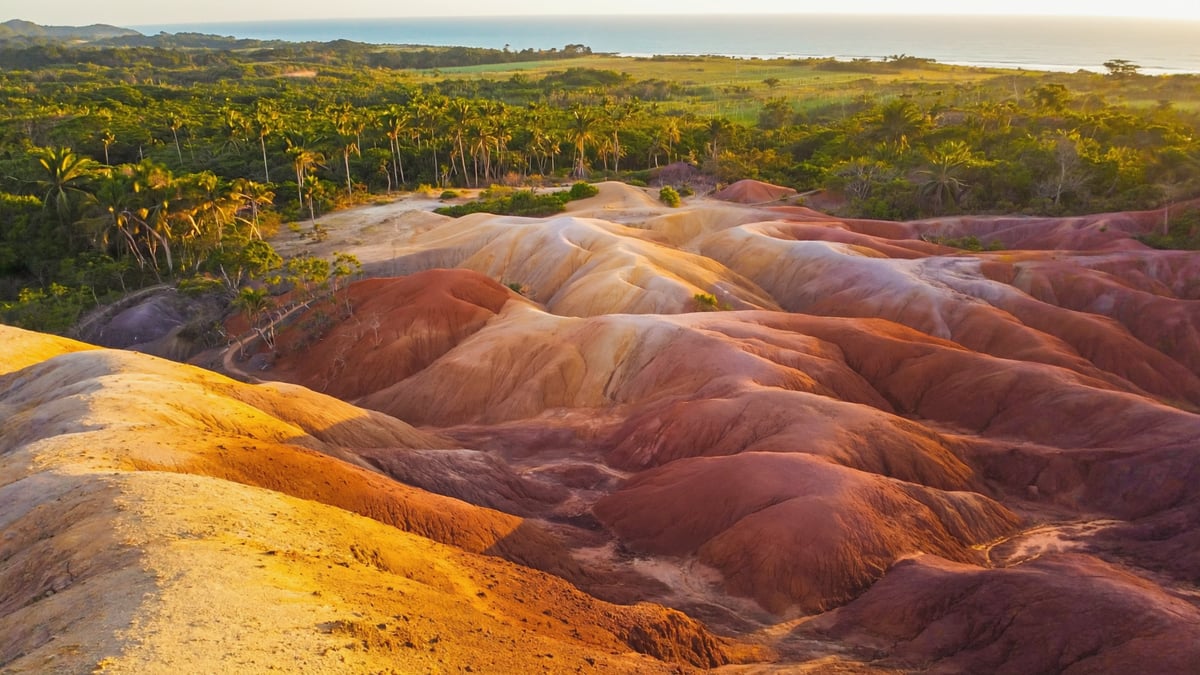
5. Witnessing the Chamarel Seven Coloured Earth
In the southwest, dunes of volcanic soil display an extraordinary phenomenon: seven distinct colours — red, brown, violet, green, blue, purple, and yellow — that shift appearance throughout the day as light changes. The Chamarel area also features a spectacular waterfall (the Chamarel Waterfall, the island's highest at approximately 100 metres) and the Rhumerie de Chamarel, an artisan rum distillery. The Seven Coloured Earth geopark entry costs approximately £7–10 (400–550 MUR) per adult. Open daily from 08:30.
6. Catamaran Sunset Cruise
A catamaran cruise along the west coast at sunset is as romantic as Mauritius gets outside a luxury resort. Most operators depart from Grand Baie or Flic en Flac, sailing past sea caves and coral gardens before anchoring for a sunset swim. Prices typically range from £55–90 per person including snorkelling, a seafood buffet, and unlimited drinks. For honeymooners, private charter options start at approximately £350–500 for the boat.
7. Kitesurfing at Le Morne
Le Morne Brabant's reef creates a shallow-water lagoon with consistent trade winds from June to September — conditions that attract kitesurfers from across Europe. Beginners' courses of 6–8 hours typically cost £180–280 (10,000–15,000 MUR). Equipment hire for experienced riders runs approximately £50–70 per day. The sight of dozens of kites against the silhouette of Le Morne mountain is one of the island's most iconic visual experiences.
8. Dolphin Watching off the West Coast
Spinner and bottlenose dolphins congregate in the waters off Tamarin Bay and Le Morne virtually year-round. Early morning boat trips depart at around 06:30–07:00 and cost approximately £30–50 per person. Swimming with dolphins in the wild is permitted but regulated — choose operators who follow the marine wildlife watching guidelines and do not chase or harass the animals. Responsible operators will allow dolphins to approach the swimmers rather than herding them.
9. Visiting the Sree Soopramanien Shiva Temple, Triolet
The largest Hindu temple in the southern hemisphere, located in Triolet on the north coast, is a strikingly ornate structure worth visiting even if you have no particular interest in religion. Respectful dress is required (shoulders and knees covered). Entry is free, though a small donation is customary. This is one of the most vivid reminders of Mauritius's deep Indian heritage — the elaborate gopuram (tower) is decorated with hundreds of colourful figurines from Hindu mythology.
10. Rum Tasting at Rhumerie de Chamarel
Mauritius has a long history of rum production tied to its sugar industry, and Rhumerie de Chamarel is the island's most acclaimed artisan producer. Located amid sugarcane fields with views of the southwest gorges, the distillery offers guided tours (approximately £12–18 per person) covering the production process, followed by a structured tasting of their aged and flavoured rums. The shop stocks bottles not available in UK supermarkets, making this a worthwhile detour for spirit enthusiasts.
Book Your Mauritius Holiday Now
GlobeHunters offers Mauritius holiday packages including flights and hotels at competitive prices, with packages from £1,199 per person. Whether you're planning a luxury honeymoon or a family beach escape, our team can tailor the perfect itinerary.
View Mauritius Packages & Prices →Or call us: 0208 944 4514
Food & Dining in Mauritius: Why the Island's Cuisine Is Its Best-Kept Secret
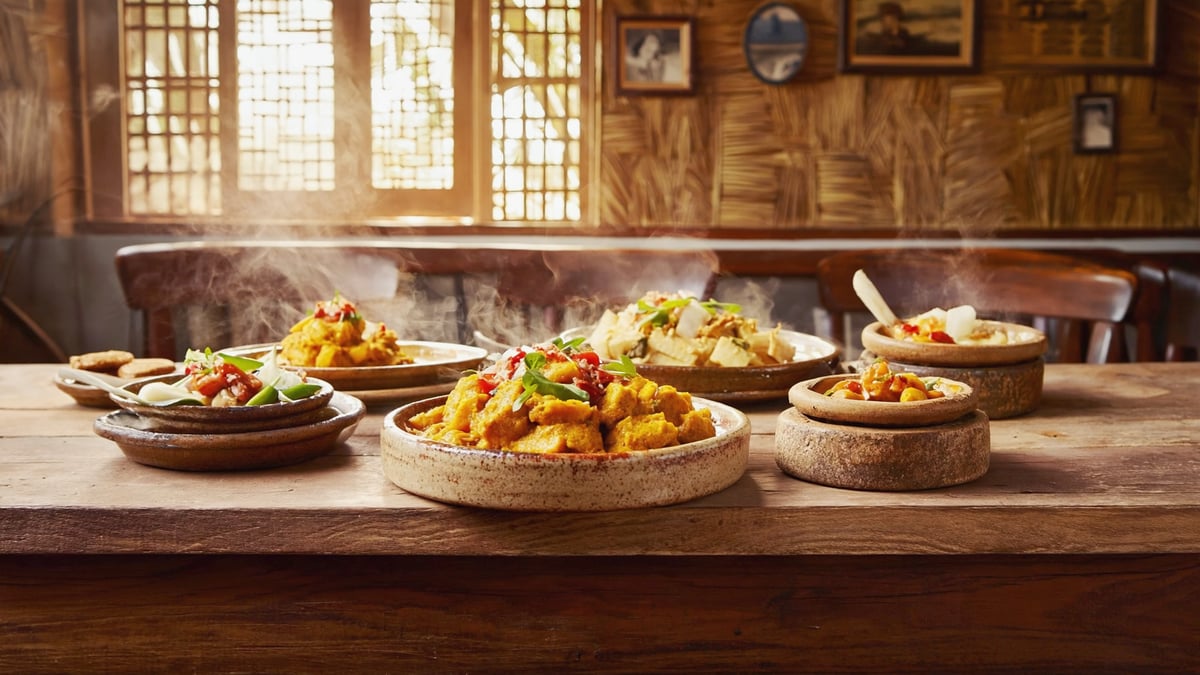
Mauritian food is one of the most underwritten aspects of travel to the island, and it is genuinely extraordinary. The cuisine sits at the intersection of Indian, Chinese, Creole, and French culinary traditions, producing dishes that have no real equivalent elsewhere. Understanding the food landscape will significantly enrich your holiday — and potentially save you money by steering you away from expensive resort dining when better meals are available for a fraction of the price a short drive away.
Essential Dishes to Try
- Dholl Puri — Mauritius's unofficial national dish: a thin flatbread made with split yellow peas, served with rougaille (a tomato-based Creole sauce), white bean curry, and pickled vegetables. Available from street vendors across the island for approximately £0.50–1 (30–60 MUR). Do not leave without eating at least three.
- Mine Frite (Fried Noodles) — The Chinese-Mauritian contribution to the street food canon: wok-fried noodles with vegetables, egg, and your choice of protein. Available from Chinese snack bars (called "snacks" locally) across the island for £2–4.
- Rougaille de Saucisses — A Creole sausage stew cooked in a rich tomato, ginger, garlic, and thyme sauce, typically served with rice. This is home cooking at its finest and appears on the menus of authentic local restaurants (called "tables d'hôte") for around £6–10.
- Octopus Curry — A speciality of the south coast, particularly around Mahébourg, where fishing communities have perfected the art of slow-cooking octopus with turmeric, chilli, and fresh coriander. Available at beachside restaurants for £8–14.
- Alouda — A sweet, cold drink made with milk, basil seeds, agar jelly, and rose syrup, sold by street vendors — particularly around the Central Market in Port Louis. Unmissable on a hot day for approximately £0.80 (50 MUR).
- Gateau Piment (Chilli Cakes) — Deep-fried split pea fritters with chilli, sold in small brown bags by street vendors. The quintessential Mauritian snack — addictive and incredibly cheap at around £0.30 for a bag.
Where to Eat
For street food, the Central Market in Port Louis and the Friday evening market in Goodlands (north) are the best destinations. For authentic local restaurants, the Mahébourg seafront and the streets behind Flic en Flac beach offer excellent value. For mid-range dining, Grand Baie's La Croisette strip has a good mix of Creole, Indian, and international restaurants with main courses typically £8–18. For fine dining, the restaurant at the Château de Bel Ombre in the south, and the terrace at Le Château Mon Désir near Balaclava in the north, represent the island's culinary apex.
Vegetarians and vegans are well catered for in Mauritius given the significant Hindu and Buddhist communities — lentil dhal, vegetable curries, and bean dishes are staples across the island. Gluten-free eating is manageable given the rice-based nature of much Mauritian cooking, though cross-contamination in street food settings is worth being aware of.
Dining on a Budget
A full meal from a street vendor or local snack bar costs £2–5. A sit-down lunch at a local restaurant runs £5–10. Resort dining, by contrast, can easily reach £40–70 per person for dinner with drinks. The pattern observed among experienced Mauritius travellers is to use resort breakfast (usually included in packages), venture out for lunch and dinner at local restaurants, and reserve resort dining for one or two special evenings. This approach can cut food costs by 50–60% compared to eating exclusively at the resort.
Getting to Mauritius from the UK: Flights, Airlines & Airport Transfers
Mauritius is served by a reliable selection of airlines from the UK, with both direct and one-stop options available depending on your budget and departure airport. The island's sole international gateway is Sir Seewoosagur Ramgoolam International Airport (MRU), located in the southeast near Mahébourg — approximately 45 kilometres from Grand Baie and 25 kilometres from the nearest beach resorts.
Airlines & Routes
| Airline | Route | Type | Approx. Duration | Notes |
|---|---|---|---|---|
| Air Mauritius | London Heathrow → MRU | Direct | ~11h 30m | National carrier; good onboard service |
| British Airways | London Heathrow → MRU | Direct (seasonal) | ~11h 30m | Check seasonal availability |
| Emirates | UK airports → Dubai → MRU | 1 stop | 14–17h total | Good for regional UK airports |
| Kenya Airways | London → Nairobi → MRU | 1 stop | 16–18h total | Often competitive pricing |
| Air France | UK → Paris CDG → MRU | 1 stop | 15–17h total | Good business class product |
Direct flights from London Heathrow are the most convenient option and are typically priced between £650–1,100 return per person in economy, depending on season and how far in advance you book. Peak season (July, August, December) commands significant premiums. Booking as part of a Mauritius package holiday from the UK through an operator like GlobeHunters frequently offers better overall value than booking flights and hotels separately, particularly when factoring in ATOL protection and the convenience of a single point of contact.
Airport to Resort Transfers
The airport is in the southeast corner of the island, which means transfer times vary significantly depending on your resort location. Budget approximately 45–60 minutes to the east coast resorts, 60–75 minutes to the west coast, and 75–90 minutes to the north coast (including Grand Baie). Pre-booked private transfers cost approximately £25–40 one way for two people; taxis from the airport rank charge similar rates but always negotiate the price before departing. Shared shuttle services are available for approximately £10–15 per person. Car hire from the airport starts at approximately £25–35 per day — driving on the left makes it immediately familiar for UK visitors, though roads can be narrow and congested around Port Louis.
Mauritius Budget Guide 2026: What Will Your Holiday Actually Cost?
Mauritius has a reputation as an expensive destination — and at the luxury end, that reputation is entirely justified. However, the island is far more accessible to mid-range and even budget travellers than the five-star hotel photography suggests. The key is understanding which costs are fixed (flights, transfers) and where significant savings are available (food, activities, accommodation).
Daily Budget Breakdown by Traveller Type
| Category | Budget Traveller (£/day) | Mid-Range (£/day) | Luxury (£/day) |
|---|---|---|---|
| Accommodation (per person) | £25–45 | £70–130 | £200–600+ |
| Food & Drink | £10–20 | £25–50 | £60–150 |
| Activities & Excursions | £5–15 | £20–50 | £50–150 |
| Local Transport | £3–8 (bus) | £15–30 (taxi/car hire) | £30–60 (private driver) |
| Daily Total (per person) | £43–88 | £130–260 | £340–960+ |
| 10-Night Total (excl. flights) | £430–880 | £1,300–2,600 | £3,400–9,600+ |
For UK couples booking a 10-night package holiday including flights, a realistic mid-range total sits between £2,500–4,500 per couple for a well-organised trip. Luxury honeymoon packages at five-star resorts on the west or east coast typically run £5,000–10,000+ per couple for 10 nights including flights. GlobeHunters' Mauritius package holidays from the UK start from £1,199 per person, representing strong value when measured against independently booked alternatives — particularly given ATOL protection and the inclusion of return flights.
Money-saving strategies that experienced Mauritius travellers use:
- Use the local bus network (one of the cheapest and most reliable in the Indian Ocean) for inter-city travel — fares are under £1 for most journeys
- Book excursions directly with local operators rather than through your resort — prices are typically 30–50% lower
- Eat street food and local restaurants for at least two meals per day
- Travel in May, June, September, or October — shoulder season rates are meaningfully lower than peak
- Book flights more than five months in advance — last-minute long-haul fares to Mauritius are consistently punishing
Travel Tips & Safety: What UK Visitors Need to Know Before They Go
Mauritius is one of the safest tourist destinations in the African region, with a stable democracy, a functioning healthcare system, and relatively low levels of violent crime. That said, complacency — particularly among travellers staying in all-inclusive resort bubbles — can create unnecessary risks. The following guidance reflects the practical realities of the island in 2026.
Safety
Petty theft (bag snatching, pickpocketing) occurs in tourist areas, particularly the Central Market in Port Louis and busy beaches in Grand Baie. Keep valuables in your hotel safe rather than on the beach. Night-time street crime is rare but not unknown, particularly in Port Louis — use licensed taxis after dark rather than walking through unfamiliar areas. The UK Foreign, Commonwealth & Development Office travel advice for Mauritius is updated regularly and should be checked before departure.
Health
No specific vaccinations are required for Mauritius, though the NHS recommends being up to date on routine vaccinations. Mosquitoes are present, particularly during the wet season — bring DEET-based repellent and consider lightweight long sleeves for evenings. The risk of dengue fever exists; this is not a reason to avoid Mauritius, but it is a reason to use repellent consistently. Tap water in hotels and resorts is generally safe but bottled water is recommended for general drinking. The island has both public and private hospitals; private facilities (particularly Clinique Darné in Floréal) meet a good standard. Travel insurance with full medical coverage, including repatriation, is essential — not optional.
Cultural Etiquette
- Dress modestly when visiting temples, mosques, and markets — shoulders and knees covered. Swimwear is appropriate only at the beach or pool.
- Remove shoes before entering Hindu temples and many local homes.
- Bargaining is acceptable and expected in markets; it is not appropriate in shops with fixed prices or restaurants.
- Tipping is customary but not obligatory — 10% in restaurants is appreciated. Resort staff depend significantly on gratuities.
- Photographing people — always ask permission, particularly at religious sites and festivals.
- The Mauritian concept of ti-boire (literally "small drink") is an informal gift of money or refreshment offered as appreciation — participating in this custom is welcomed.
Packing Essentials for Mauritius
- High-SPF sunscreen — UV intensity is significantly stronger than the UK even in winter; reef-safe formulas are recommended near marine reserves
- Lightweight rain jacket — even in the dry season, brief showers are possible, particularly in the highlands
- Good-quality insect repellent (DEET 30–50%)
- Reef shoes / water shoes for rocky lagoon entries
- Power bank — excursions can be long days away from charging points
- A modest outfit (long trousers or skirt, covered shoulders) for temple visits and market days
- UK plug sockets work in Mauritius — no adaptor needed
Connectivity
Mauritius has good 4G coverage across most of the island, including coastal resort areas. Local SIM cards are available from the airport and town centres — a data SIM with 10–20GB costs approximately £5–10 (300–600 MUR). Roaming with a UK provider is possible but expensive; a local SIM is strongly recommended for stays of more than a few days. Most hotels and resorts offer Wi-Fi, though speeds vary considerably.
The Honest Case for Mauritius as a Honeymoon Destination in 2026
A significant proportion of UK travellers considering honeymoon Mauritius 2026 will have the Maldives on their shortlist as an alternative. The comparison is worth addressing directly, because the choice between the two destinations is not simply a matter of budget — it reflects fundamentally different ideas of what a honeymoon should be.
The Maldives offers unparalleled overwater bungalow romance and extraordinary marine visibility, but it is essentially a single experience: beach and ocean. There is no city to explore, no cultural diversity, no hiking, no street food, no independent adventure. You are, effectively, staying on a sandbar. For couples who want nothing more than that, the Maldives is perfect. For couples who want romance and discovery — who want to wake up in a luxury villa but also spend an afternoon in a spice market, or hike to a volcanic crater, or eat curry from a roadside stall — Mauritius is the superior choice.
Mauritius also offers considerably more flexibility for mixed-budget couples: one partner can have the luxury resort experience while the other indulges a love of culture and adventure, and both can be satisfied without compromise. The island's compact size means that from almost any resort, you can reach a completely different experience within 30–60 minutes. This combination of genuine luxury accommodation, cultural depth, natural diversity, and culinary excellence makes Mauritius arguably the most complete honeymoon destination in the Indian Ocean for couples who want more than a poolside week.
For UK couples planning a luxury Mauritius resort honeymoon, September and October represent the optimal booking window: good weather, lower prices than peak season, and a more intimate resort atmosphere. GlobeHunters can arrange honeymoon-specific packages with room upgrades, couples' spa treatments, and private dining experiences — details available via the package link below or by calling 0208 944 4514.
Frequently Asked Questions About Mauritius Holidays
Do UK citizens need a visa for Mauritius?
No. UK passport holders do not require a visa to enter Mauritius for stays of up to 90 days. You will need a valid passport (with at least 6 months' validity remaining), proof of accommodation, and a return or onward ticket. Entry is granted on arrival.
What is the best time of year to visit Mauritius from the UK?
The best overall window is May through October, with June through September being the most reliable for dry, warm weather. September and October are particularly recommended for honeymooners and couples seeking a balance of good weather, lower crowds, and competitive pricing.
How long is the flight from the UK to Mauritius?
Direct flights from London Heathrow to Mauritius (MRU) take approximately 11 hours 30 minutes. One-stop routes via Dubai, Nairobi, or Paris typically add 3–6 hours to the total journey time.
Is Mauritius expensive for UK tourists?
Mauritius spans a wide cost range. Luxury five-star resorts are genuinely expensive (£200–600+ per person per night). However, mid-range accommodation costs £70–130pp per night, and food and activities can be very affordable — street meals cost £1–5. A well-planned mid-range holiday of 10 nights including flights is achievable for £2,500–3,500 per couple.
Which part of Mauritius has the best beaches?
Belle Mare on the east coast is widely considered to have the finest beaches — long, uncrowded, and with beautiful soft white sand. Trou aux Biches on the north coast is excellent for families due to its shallow, protected water. Le Morne in the southwest is dramatic and scenic but the beach itself is narrower.
Is Mauritius safe for tourists?
Mauritius is one of the safest destinations in the African region. Violent crime against tourists is rare. Petty theft occurs in busy tourist areas — standard precautions (valuables in hotel safe, awareness in markets) are sufficient for the vast majority of visitors. Always check the current FCDO travel advice before departure.
What currency is used in Mauritius and can I use my UK bank card?
The currency is the Mauritian Rupee (MUR). Major credit and debit cards (Visa, Mastercard) are widely accepted at hotels, restaurants, and larger shops. ATMs are available in most towns and tourist areas. It is advisable to carry some cash for markets, street food, and smaller local vendors. Inform your UK bank of your travel dates before departure to avoid cards being blocked.
Is Mauritius a good honeymoon destination?
Mauritius is consistently rated among the top honeymoon destinations in the world, offering luxury resorts, stunning lagoon beaches, romantic sunset cruises, and a uniquely diverse cultural experience. The combination of luxury accommodation options, calm turquoise waters, and genuine cultural richness makes it a more complete experience than many single-experience island alternatives.
What vaccinations do I need for Mauritius?
No vaccinations are specifically required for entry to Mauritius. The NHS recommends being up to date with routine UK vaccinations. It is advisable to use mosquito repellent during the wet season (November–April) due to the presence of dengue-carrying mosquitoes. Consult your GP or a travel clinic at least 6–8 weeks before departure.
Can I drive in Mauritius with a UK licence?
Yes. A valid UK driving licence is accepted in Mauritius. Driving is on the left, as in the UK. Roads can be narrow and driving standards vary — exercise caution, particularly around Port Louis and in rural areas after dark. Car hire is widely available from the airport and major towns from approximately £25–35 per day.
What language do people speak in Mauritius?
English is an official language and is spoken widely across the island, making communication straightforward for UK visitors. French is also an official language and is widely used in business and daily conversation. Mauritian Creole (Morisyen) is the most commonly spoken language between Mauritians. Basic French phrases are appreciated but not necessary.
Are Mauritius package holidays from the UK good value?
Package holidays combining flights and accommodation typically offer better overall value than separately booked components, particularly when factoring in ATOL financial protection, single-point customer service, and the leverage that operators have to negotiate hotel rates. GlobeHunters offers Mauritius package holidays from the UK from £1,199 per person including return flights, with options across budget, mid-range, and luxury categories.
Plan Your Mauritius Holiday 2026: The Final Word
Mauritius is not a destination that reveals itself to the passive traveller. Its greatness is layered — in the spice stalls of Port Louis, in the volcanic rock pools of the southwest, in the silence of the lagoon at dawn before the day-trippers arrive, in the complexity of a plate of dholl puri eaten on a plastic stool outside a market. The luxury resorts are genuinely exceptional, but they are the frame, not the picture.
For UK travellers planning a Mauritius holiday in 2026, the strategic recommendations are clear: book by spring 2026 for the best availability on peak-season travel, consider shoulder season (September–October) for the optimal combination of weather and value, choose your coast deliberately based on your priorities, and build at least three or four days of genuine exploration into your itinerary rather than spending the entire trip within resort grounds.
Whether you are planning a luxury Mauritius resort honeymoon, a family beach holiday, or a cultural adventure, the island has the range to deliver it. The question is not whether Mauritius is worth visiting — it unquestionably is. The question is how to visit it properly. This guide is the starting point. The GlobeHunters team can handle the rest.
Ready to Book Your Mauritius Holiday?
GlobeHunters offers holiday packages including flights and hotels at competitive prices. Mauritius packages start from £1,199 per person — speak to our team to tailor your ideal Indian Ocean escape.
View Mauritius Packages & Prices →Or call us: 0208 944 4514
About the author
Spiros Maragkoudakis · Chief Commercial Officer
Ready to Book Your Mauritius Holiday?
Our travel experts are ready to help you plan the perfect trip. Call us today or browse our latest deals.
Ready to Start Planning?
Speak to our travel experts for personalised advice and the best deals on your next holiday.
Call 0208 944 4514