There is a moment, usually somewhere between descending through cotton-wool clouds and catching your first glimpse of the Indian Ocean below, when Mauritius stops being a destination on a map and becomes something closer to a promise. The water really is that colour. The mountains really do rise from the coast like something painted rather than formed. And the warmth — not just the temperature, but the welcome — is something that catches most first-time visitors entirely off guard. This guide is for anyone who has ever looked at a photograph of Le Morne Brabant reflected in a still lagoon and thought: I need to go there. Consider this your complete roadmap.
Why Mauritius Belongs on Every UK Traveller's Bucket List
Mauritius earns its reputation as one of the world's finest island destinations not through hype, but through sheer, unapologetic variety. In a single fortnight, you can snorkel through coral gardens, hike an extinct volcanic crater, eat your way through three distinct culinary traditions, and still find time to do absolutely nothing on a beach so quiet it feels privately owned. That combination — adventure and indulgence, culture and calm — is what separates Mauritius from the category of "nice beach holiday" and elevates it to something genuinely transformative.
For UK travellers specifically, Mauritius holds a particular appeal that goes beyond aesthetics. The island has strong historical ties to Britain — it was a British colony from 1810 to 1968 — which means English is widely spoken, driving is on the left, and the legal and administrative systems will feel broadly familiar. The Mauritian rupee makes it feel accessible on the wallet once you arrive, and the flight time of roughly 12 hours from London, while not short, is manageable for the scale of experience it delivers.
What often surprises visitors is just how culturally layered Mauritius is. With communities of Indian, African, Chinese, Creole, and European descent all coexisting on an island roughly the size of Oxfordshire, the food, the festivals, the architecture, and the daily rhythms of life are unlike anywhere else on earth. You are not visiting a monoculture dressed up in resort clothes. You are visiting a genuinely complex, vibrant, and sometimes contradictory place — and that makes it endlessly interesting.
What Makes Mauritius Different from Other Indian Ocean Islands
The Indian Ocean is home to some of the world's most celebrated island destinations — the Maldives, Seychelles, Réunion, Sri Lanka — and Mauritius competes with all of them. But it does so on its own terms. Unlike the Maldives, which is almost entirely defined by its overwater bungalow experience, Mauritius offers a full range of inland experiences: waterfalls, markets, temples, botanical gardens, and mountain hiking. Unlike the Seychelles, which can feel prohibitively expensive for most UK budgets, Mauritius spans every price point from family-friendly self-catering to ultra-luxury all-inclusive resorts.
The island also benefits from a remarkably stable and well-developed tourism infrastructure. Roads are good. Healthcare facilities are among the best in sub-Saharan Africa and the Indian Ocean region. Restaurant standards are high. And the diversity of accommodation — from boutique guesthouses in the hills to world-famous resort brands on the coast — means there is genuinely something here for every type of traveller and every type of budget.
The Turquoise Lagoons: Understanding Mauritius's Extraordinary Coastal Geography
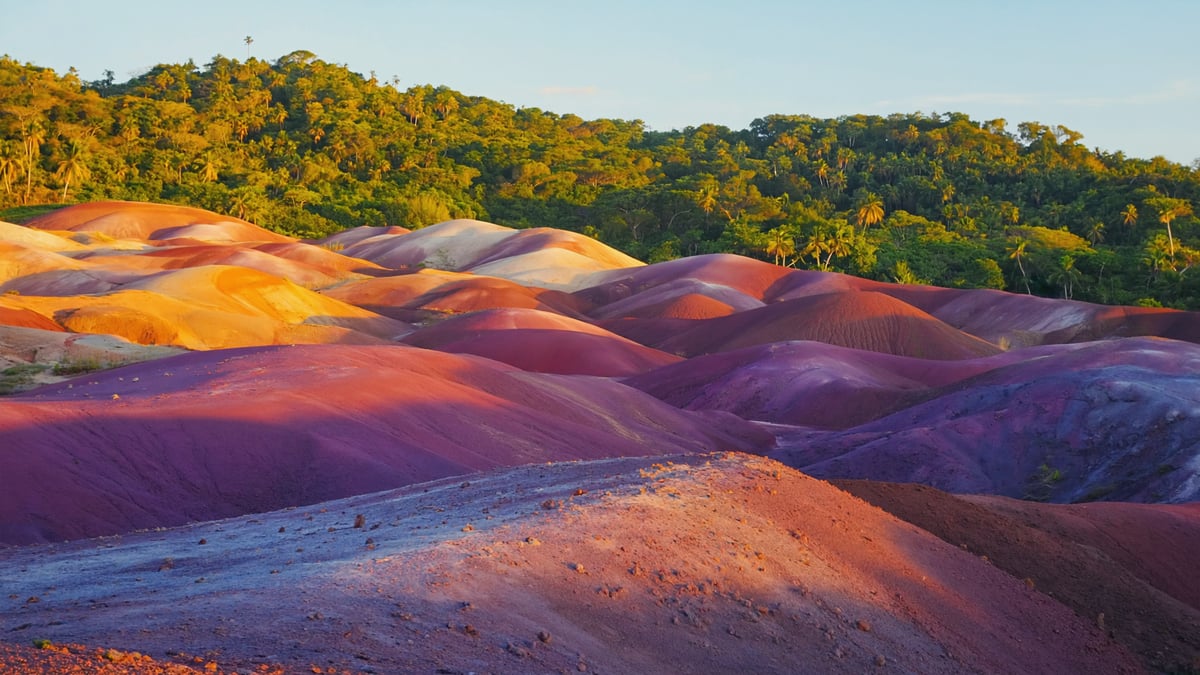
The turquoise lagoons of Mauritius are not a marketing invention — they are the result of a very specific and fortunate geological reality. A coral reef encircles approximately 80% of the island's coastline, creating a natural barrier that calms the Indian Ocean swell and produces a series of sheltered lagoons where the water is shallow, warm, and that extraordinary shade of blue-green that photographs never quite capture faithfully.
Understanding why the lagoons look the way they do helps you appreciate them more fully. The shallow water over white sand reflects sunlight back through the water column, and the coral reef filters out the deeper blue wavelengths, producing that vivid turquoise that dominates every postcard. The clarity of the water — often visibility of 20 to 30 metres in calmer conditions — is a function of the reef's health and the relative absence of river sediment along most of the coastline.
The North: Grand Baie and the Socialite's Lagoon
Grand Baie is the social hub of Mauritius's northern coast, and its lagoon is one of the island's most popular and accessible. The bay itself is calm, crescent-shaped, and backed by a lively strip of restaurants, boutiques, and bars that give it an energy entirely absent from the quieter south. For first-time visitors, or for those who want easy access to day trips, water sports, and nightlife alongside their beach time, Grand Baie is an ideal base.
The snorkelling and diving here is excellent, with several well-established dive operators offering trips to nearby sites including the famous Coin de Mire (Gunner's Quoin), a dramatic basalt island about five kilometres offshore that rises vertically from the sea and is home to an exceptional marine ecosystem. Glass-bottom boat trips, catamaran excursions to the nearby islets of Flat Island and Gabriel Island, and dolphin-watching trips are all easily arranged from the bay.
The West: Flic en Flac and the Sunset Coast
If Grand Baie is the north's social heartbeat, then Flic en Flac is the west coast's crown jewel. The beach here stretches for several kilometres in an almost unbroken arc of white sand, and the lagoon is wide, clear, and consistently calm. Sunsets over the Indian Ocean from this stretch of coast are genuinely spectacular — the sky turns through orange, pink, and deep red as the sun drops behind the horizon, and the silhouette of the Rempart mountain range provides a dramatic backdrop to the east.
Flic en Flac is also one of the best diving destinations on the island. The reef off the west coast is home to some of the most biodiverse marine environments in Mauritius, including the famous Cathedrale dive site — a series of underwater caverns and swim-throughs that attract sea turtles, moray eels, and large pelagic fish. For divers of all experience levels, this stretch of coast is hard to beat.
The South: Le Morne and the Quiet Lagoon
The south-west corner of Mauritius, dominated by the UNESCO World Heritage Site of Le Morne Brabant, is where the island's beauty reaches its most dramatic. The mountain — a 556-metre basalt monolith that rises directly from the peninsula — casts a long shadow over a lagoon that is arguably the most beautiful on the island. The water here is a deeper, richer turquoise, the reef is more intact than in busier areas, and the beaches are quieter and wilder.
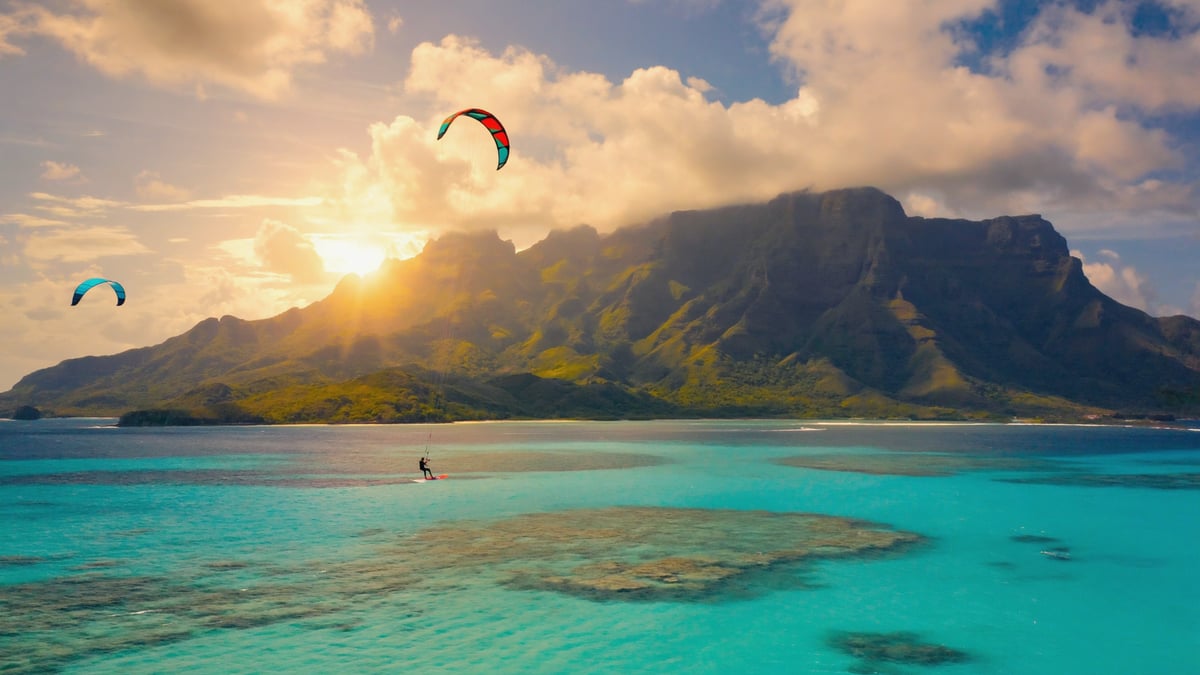
Le Morne is also the spiritual home of kitesurfing in the Indian Ocean. The consistent south-easterly trade winds that funnel around the peninsula create near-perfect conditions for kitesurfers and windsurfers, and the area hosts international competitions that draw athletes from across the world. Even if you have no intention of getting on a board, watching experienced kitesurfers fly across the lagoon against the backdrop of Le Morne mountain is one of those visual experiences that stays with you long after you've come home.
Volcanic Landscapes: The Inland Mauritius That Most Visitors Never See
It is a genuine shame that many visitors to Mauritius spend their entire holiday within 500 metres of the ocean. The island's interior is where its volcanic origins are most dramatically expressed, and exploring it reveals a Mauritius that is lush, dramatic, and completely different from the coastal postcard version.
Mauritius formed approximately eight to ten million years ago from a series of volcanic eruptions on the ocean floor. The island is no longer volcanically active, but its geological past is everywhere: in the dramatic mountain ranges that spine the island, in the waterfalls that cascade from basalt cliffs, in the black lava fields near the south coast, and in the rich red soil that makes the island's interior so extraordinarily fertile.
Black River Gorges National Park
Covering roughly 6,700 hectares in the south-west of the island, Black River Gorges National Park is Mauritius's most significant natural reserve and the best place to experience the island's volcanic landscape on foot. The park protects the last remaining native forests on the island — forests that once covered the entire landmass before centuries of agriculture stripped most of them away.
The hiking here is genuinely rewarding. Trails range from easy, well-marked walks to more challenging routes that require a guide and a reasonable level of fitness. The Gorges Viewpoint, accessible by car or a short walk, offers a panoramic view down into a deep, forest-clad valley that gives a sense of the geological forces that shaped this landscape. The Black River Peak trail, which takes approximately four to five hours return, leads to the island's highest point at 828 metres and rewards the effort with 360-degree views that, on a clear day, extend to the coast in every direction.
The park is also home to rare endemic wildlife. The Mauritius kestrel — once thought to be the rarest bird on earth with a wild population of just four individuals in the 1970s — has been brought back from the brink of extinction through a remarkable conservation programme and can now be spotted in the park. The Pink pigeon and Echo parakeet are also present, both similarly rescued from near-extinction. For wildlife enthusiasts, this is a genuinely moving and important place to visit.
The Seven Coloured Earths of Chamarel
One of Mauritius's most photographed and most discussed geological curiosities, the Seven Coloured Earths of Chamarel are exactly what the name suggests: a section of dunes composed of volcanic soil that has decomposed into distinct bands of colour — red, brown, violet, green, blue, purple, and yellow — that blend and swirl in patterns that look more like abstract art than natural geology.
The colours are the result of different rates of cooling in the underlying basalt, which produced slightly different iron and aluminium oxide compositions in each layer. What makes the phenomenon particularly unusual is that the colours remain distinct even when mixed — if you disturb the soil and blend the layers together, they gradually separate back into their original colours over time, a process that still puzzles scientists.
Chamarel itself — the village above the earths — is worth a visit in its own right. The Chamarel Rum Distillery produces some of the island's finest rums and offers tours and tastings, and the Chamarel Waterfall nearby is one of the most dramatic on the island, dropping approximately 100 metres into a forested gorge below.
Trou aux Cerfs: The Crater in the Town
In the central town of Curepipe, a 300-metre wide, 80-metre deep volcanic crater sits quietly in the middle of a residential neighbourhood, so completely vegetated with forest that from the rim it looks like a green bowl rather than a geological formation. Trou aux Cerfs is an extinct volcanic crater, and walking its perimeter — a pleasant 15-minute circuit — offers some of the best panoramic views of the island's mountainous interior, as well as a rather surreal juxtaposition of suburban Mauritius and ancient volcanic geology.
Island Luxury: How Mauritius Became Synonymous with High-End Hospitality
Mauritius has, over the past three decades, built one of the world's most impressive luxury hospitality industries. The island is home to a remarkable concentration of five-star resorts, many of them operated by the world's most respected hotel groups, and the standard of service, food, and design found here consistently ranks among the best anywhere on earth.
The reasons for this are partly historical — Mauritius positioned itself early in the post-independence era as a high-value, low-volume tourism destination rather than competing with mass-market beach destinations — and partly cultural. The Mauritian approach to hospitality is genuinely warm rather than performatively so. Staff at even the most formal luxury resorts have a natural ease and genuine friendliness that is impossible to manufacture and that guests consistently cite as the defining quality of their experience.
The North and East: Classic Luxury
The north and east coasts of Mauritius are home to the island's most established and celebrated luxury resorts. The east coast in particular — sheltered from the south-east trade winds by the island's mountain spine — offers conditions that are calm and consistent almost year-round, and the lagoons here are among the most beautiful on the island.
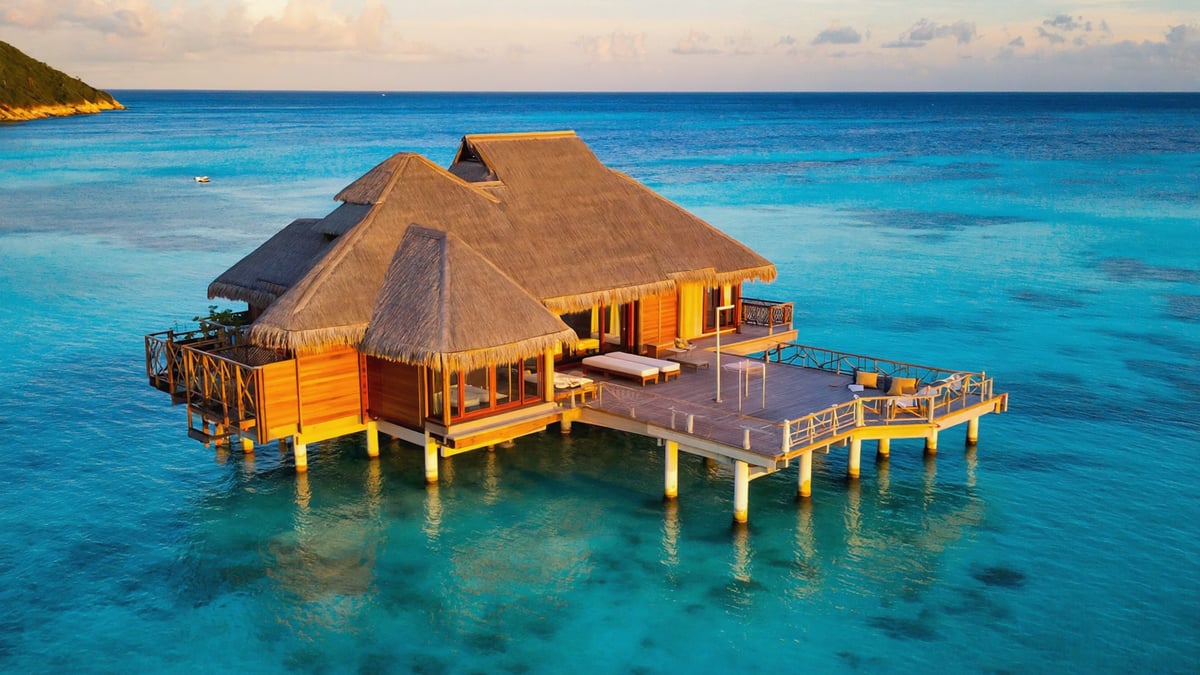
Resorts in areas like Belle Mare and Trou d'Eau Douce on the east coast occupy some of the finest beach frontage on the island, with lagoons so calm and clear that they look like swimming pools filled with tropical water. This is the Mauritius of overwater restaurants, butler service, and private beach cabanas — the version that appears in the glossy supplements.
All-Inclusive vs. Bed and Breakfast: Choosing the Right Board Basis
One of the most common questions UK travellers ask about Mauritius is whether to book all-inclusive or room-only. The honest answer depends entirely on your travel style, but there are a few considerations specific to Mauritius worth understanding.
Mauritius is a genuinely excellent destination for eating out. The combination of Indian, Creole, Chinese, and European culinary traditions has produced a restaurant scene that is diverse, high quality, and — outside the resort complexes — relatively affordable. If you choose all-inclusive, you risk missing some of the best meals of the holiday by never leaving the resort. On the other hand, if you are honeymooning, or if you simply want the ease of knowing all costs are covered, a well-curated all-inclusive package at a high-quality resort can be exceptional value.
For most first-time visitors, half board — breakfast and dinner included — is the sweet spot. It gives you the security of knowing two meals a day are covered while leaving lunch free for exploration, beach shacks, and the kind of spontaneous roadside curry that you will be talking about for years.
Booking a Mauritius Package with GlobeHunters
Planning a Mauritius holiday involves a lot of moving parts — flights, transfers, accommodation, activities — and the easiest way to manage all of them is through a specialist package operator. GlobeHunters' Mauritius holiday packages combine return flights from the UK, airport transfers, and a range of accommodation options from three-star family resorts to boutique luxury hotels, starting from competitive per-person prices that undercut booking each element separately.
GlobeHunters has been operating since 2003 and brings genuine expertise to long-haul destinations like Mauritius, where the nuances of hotel location, board basis, and seasonal timing make a significant difference to the quality of the experience. Their team can advise on the best time of year for your specific priorities — whether that's diving, kitesurfing, families with young children, or a romantic honeymoon escape — and tailor a package accordingly. For personalised advice, call 0208 944 4514.
When to Visit Mauritius: A Seasonal Guide for UK Travellers
Mauritius has a broadly tropical climate with two distinct seasons, and understanding them is essential to planning the right holiday at the right time of year. The island sits in the southern hemisphere, which means its seasons are the reverse of the UK's — and its cyclone season falls during what is, back home, the depths of winter.
The Dry Season: May to November
The dry season is widely considered the best time to visit Mauritius, and it broadly coincides with the UK summer — which is both convenient and, inevitably, the reason it is peak season. June, July, and August are the driest months, with lower humidity, clear skies, and the most reliable beach weather. Temperatures are slightly cooler than the wet season — typically in the mid-20s Celsius — which many visitors actually prefer, particularly for activities like hiking and cycling.
The south-east trade winds are strongest during the dry season, which makes the south and west coasts slightly choppy for swimming but absolutely ideal for kitesurfing and windsurfing. If your holiday is centred on water sports, this is your season. The east coast, sheltered from the trade winds, remains calm and excellent for swimming year-round.
The main downside of the dry season is price and availability. Mauritius is popular year-round, but peak demand in July and August means hotel prices increase significantly, flights fill quickly, and the most popular resorts need to be booked months in advance. Booking through a package operator like GlobeHunters can provide access to allocated inventory that is unavailable through standard online booking channels.
The Wet Season: December to April
The wet season brings higher temperatures — often in the low 30s Celsius — higher humidity, and the possibility of tropical cyclones. Cyclone season runs officially from November to May, with the highest risk concentrated in January, February, and March. Cyclones rarely hit Mauritius directly, but when they do, or when they pass close by, the disruption to travel can be significant.
That said, the wet season has its own considerable appeal. December and January — coinciding with the UK Christmas and New Year period — are hugely popular with British visitors, particularly families making use of school holidays. The Christmas period is warm, festive, and lively on the island, with beach parties, fireworks, and a generally celebratory atmosphere. January is also when many of Mauritius's most vibrant Hindu festivals take place, including the spectacular Thaipoosam Cavadee, a deeply moving religious ceremony that is unlike anything most Western visitors will have encountered before.
April and May, sitting on the cusp of the seasons, offer a genuine sweet spot: the cyclone risk has largely passed, the humidity is dropping, hotel prices have not yet reached peak season levels, and the island is lush and green from the rains. Many experienced Mauritius travellers rate April and May as the best months of all.
Food, Culture and the Mauritian Way of Life
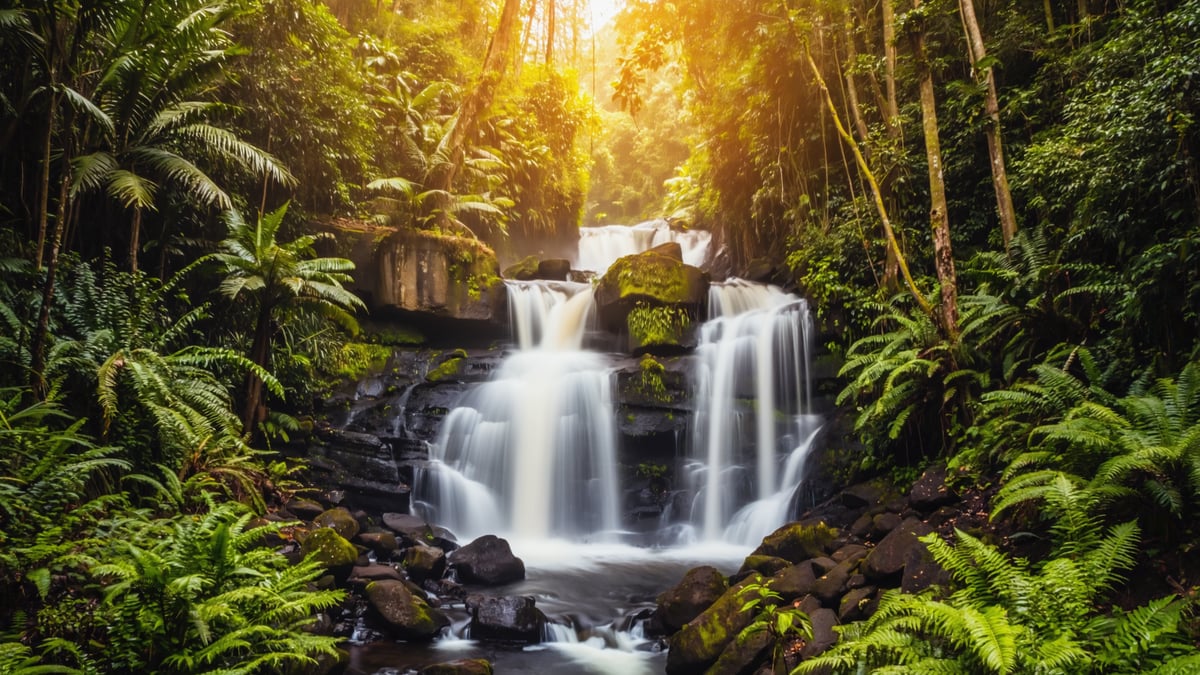
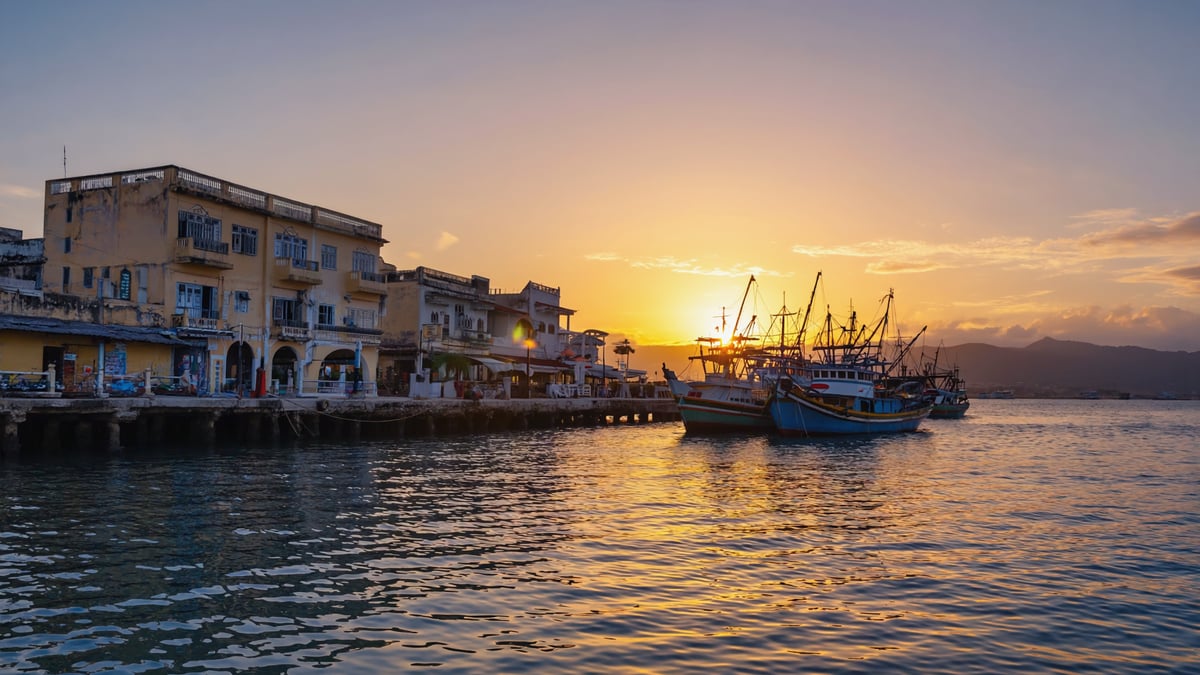
To visit Mauritius and spend every meal in your resort restaurant is to miss one of the great culinary experiences the Indian Ocean has to offer. The food of Mauritius is a direct expression of its extraordinary multicultural heritage, and eating your way across the island — from the street food markets of Port Louis to the fishing village restaurants of the south coast — is one of the best things you can do with your time here.
The Flavours of Mauritius
Mauritian cuisine is broadly divided along cultural lines, but in practice these traditions have blended into something that is entirely unique to the island. Creole cuisine — the baseline of everyday Mauritian cooking — is built on fresh fish, tropical vegetables, and a fearless use of chilli and aromatic spices. A simple rougaille de poisson — fish simmered in a tomato, onion, ginger, and thyme sauce — eaten at a plastic table outside a roadside shack is one of the most satisfying meals the island offers, and it will cost you very little.
The Indian influence on Mauritian food is enormous, particularly in the north of the island where the Hindu community is concentrated. Dholl puri — a soft flatbread made from ground yellow split peas — filled with curry and eaten on the street, is Mauritius's unofficial national snack food. Freshly made from mobile stalls at markets and roadsides, it is extraordinary. Biryani, halim, and a vast range of vegetarian curries all feature prominently.
The Chinese community, concentrated in Port Louis and the central towns, has contributed mine frite (fried noodles), boulettes (steamed dumplings served in broth), and a range of wonton and dim sum dishes that are staples of the island's informal restaurant scene. And the French colonial legacy lives on in the fine dining restaurants of the resort coast, where classical French technique meets tropical ingredients in menus that can be genuinely world-class.
Port Louis: The Capital Worth a Full Day
Many visitors to Mauritius treat Port Louis as a transit point rather than a destination, which is a mistake. The capital is a fascinating, chaotic, and surprisingly beautiful city that rewards exploration. The Central Market — a covered Victorian-era market hall in the heart of the city — is the best single place on the island to experience the full sensory breadth of Mauritian food and culture. Stalls selling spices, tropical fruits, street food, textiles, and handicrafts fill every inch of the space, and the noise, colour, and aroma are intoxicating.
The Caudan Waterfront development along the harbour has transformed the centre of Port Louis into a lively mixed-use area with restaurants, galleries, a casino, and the excellent Blue Penny Museum, which houses one of the world's most valuable stamp collections alongside a thoughtful permanent exhibition on the history and natural environment of Mauritius. The old colonial architecture of the city — the ornate government buildings, the Champ de Mars racecourse (the oldest in the southern hemisphere), the Hindu temples and mosques that sit side by side — makes Port Louis genuinely worth a full day of your time.
Festivals and Cultural Celebrations
Mauritius celebrates a remarkable number of public holidays and festivals, reflecting the diversity of its population. The Hindu festival of Diwali transforms the island in October or November, with homes and temples illuminated by thousands of clay lamps and fireworks filling the night sky. Holi in the spring is celebrated with the same joyful colour-throwing traditions found in India, and the streets of the island's Hindu neighbourhoods become extraordinary spectacles of colour and music.
The Tamil community's festival of Cavadee — held in January or February — is one of the most visually and emotionally powerful religious events on the island. Devotees carry ornate wooden frames decorated with flowers and skewers, walking barefoot to local temples in a display of faith and endurance that is deeply moving to witness. It is an experience that reminds visitors that Mauritius is far more than a beach destination — it is a living, breathing, deeply spiritual place.
Activities and Adventures: Beyond the Beach
Mauritius offers an extraordinary range of activities that extend well beyond sunbathing and snorkelling, and the best Mauritius holidays weave these experiences into the itinerary alongside the beach time rather than treating them as optional extras.
Underwater Mauritius: Diving and Snorkelling
The waters around Mauritius are home to over 1,000 species of marine life, and the coral reef system — one of the most biodiverse marine ecosystems on earth — provides extraordinary snorkelling and diving experiences at virtually every point around the island's coast. Water temperatures range from around 23°C in the cooler months to 29°C at the height of summer, making it comfortable to spend extended time in the water throughout the year.
Key diving sites include the Passe St Jacques on the south-east coast, famous for its schools of barracuda and large reef sharks; the Whale Rock site off the east coast, where humpback whales pass during their winter migration; and the various wreck dives around the island, including the deliberately sunk Stella Maru off the south coast, now colonised by coral and teeming with fish.
Dolphin Encounters in the West
The west coast of Mauritius, particularly around Tamarin Bay, is home to a resident pod of spinner dolphins that can be encountered on guided boat trips most mornings. These are not captive or trained animals — they are genuinely wild dolphins that have become accustomed to the presence of respectful boats in their territory. Swimming with them — which many operators offer, subject to the dolphins' willingness — is an experience that consistently features in the "highlight of my life" category for visitors who do it.
It is worth choosing an operator carefully. The best operators follow strict guidelines about approach distances and time spent with the dolphins, and prioritise the animals' welfare over the guests' experience. Ask your GlobeHunters advisor for recommended operators when booking your package.
Hiking and Cycling in the Interior
The island's volcanic interior offers some genuinely excellent hiking. Beyond Black River Gorges, the Moka Range in the centre of the island provides accessible day walks with dramatic views, and the Pieter Both mountain — recognisable by the large spherical boulder balanced on its summit — is a challenging but rewarding climb for experienced hikers. Guided cycling tours of the island's interior — through sugar cane fields, past Hindu temples, and along quiet rural roads — are an excellent way to experience the non-resort Mauritius at a slower pace.
Golf in Paradise
Mauritius has developed a reputation as one of the world's great golf destinations, with a collection of courses that combine world-class design with extraordinary natural settings. Courses designed by names including Gary Player and Bernhard Langer make use of the island's dramatic coastal and mountain scenery in ways that produce some genuinely memorable holes. For golfers, adding a round or two to a Mauritius holiday is straightforward — many resorts have their own courses or preferential access to nearby ones, and this can be arranged as part of a GlobeHunters package.
Practical Guide: What UK Travellers Need to Know Before They Go
Good preparation makes the difference between a good holiday and a great one. Here is the practical information that matters most for UK travellers heading to Mauritius.
Flights and Getting There
Direct flights from London Heathrow to Sir Seewoosagur Ramgoolam International Airport (SSR) take approximately 11 to 12 hours. Air Mauritius operates direct services, as do British Airways on a seasonal basis. Other carriers, including Emirates and Air France, offer connecting services via Dubai and Paris respectively, which can sometimes be more cost-effective but add significantly to total travel time.
The airport is located in the south-east of the island, near the town of Mahébourg. Transfer times to resorts vary considerably depending on where you are staying — the east coast is close (around 20 minutes), while the north-west and west can take an hour or more in normal traffic. GlobeHunters packages include airport transfers as standard, which takes the stress out of arrival logistics.
Visas, Entry Requirements and Health
UK citizens do not require a visa to enter Mauritius for stays of up to 180 days, which makes entry formalities very straightforward. You will need a valid passport (with at least six months' validity remaining beyond your return date), a return or onward ticket, and confirmation of accommodation.
There are no compulsory vaccinations required for entry to Mauritius from the UK, though it is advisable to ensure routine UK vaccinations are up to date. The NHS website provides specific travel health advice for Mauritius, including guidance on hepatitis A, typhoid, and mosquito-borne illness precautions. Comprehensive travel insurance with medical coverage is essential — as it is for any overseas trip — and should be arranged before departure.
Getting Around the Island
Mauritius drives on the left, which makes hiring a car relatively straightforward for UK visitors. Roads are generally in good condition, traffic (outside Port Louis at rush hour) is manageable, and a hire car gives you the freedom to explore the island at your own pace. This is particularly valuable if you want to spend time in the interior, visit markets, or explore the quieter parts of the south coast.
Taxis are widely available and relatively affordable by UK standards. Agree a price before getting in — metered taxis exist but are not universal, and most drivers are happy to negotiate a rate. There is also a reasonable bus network covering most of the island, used primarily by locals, which is a perfectly adequate and very cheap way to get around if you are happy with a slower, more unpredictable pace.
Money and Budget Planning
The currency is the Mauritian Rupee (MUR). As of 2026, the exchange rate generally offers reasonable value for UK visitors, though this fluctuates and should be checked before travel. ATMs are widely available in towns and resort areas, and credit cards are accepted at most hotels, restaurants, and larger shops. Cash is useful for markets, street food, taxis, and smaller local restaurants.
Mauritius spans a very wide range of price points. Resort areas and tourist-facing restaurants are priced at broadly international rates — a dinner for two at a good resort restaurant might cost £40–£80 with wine. The same meal at a local Creole restaurant in a non-tourist area could cost £10–£20. Street food and market meals can be had for under £3. Building a mix of resort dining and local eating into your trip is both economically sensible and culinarily rewarding.
Frequently Asked Questions About Mauritius Holidays
Is Mauritius worth the long flight from the UK?
Absolutely. The 11–12 hour flight from London is the main barrier most UK travellers identify, but almost universally, visitors report that Mauritius exceeds expectations so comprehensively that the flight feels entirely worthwhile. The combination of beach beauty, cultural richness, culinary excellence, and warm hospitality is hard to match anywhere in the world.
When is the best time of year to visit Mauritius from the UK?
The dry season from May to November offers the most reliable weather and the best conditions for beach holidays and outdoor activities. June through August is peak season with the best weather but highest prices. April and May offer excellent conditions with lower prices. December and January are popular for UK visitors using Christmas school holidays, despite being in the wet season.
How much should I budget for a Mauritius holiday?
Package holidays from GlobeHunters covering flights, transfers, and accommodation in a good three or four-star resort start from competitive per-person rates — call 0208 944 4514 for current pricing. Budget an additional £50–£100 per day for meals, activities, and excursions outside the resort, though this varies significantly depending on whether you are eating locally or at resort-standard restaurants.
Which part of Mauritius is best for a honeymoon?
The south-west, around Le Morne, and the east coast around Belle Mare and Trou d'Eau Douce are the most popular honeymoon areas, offering the most secluded beaches, the most romantic resort settings, and the most dramatic scenery. The east coast has the advantage of year-round calm water. For honeymooners seeking luxury, half board at a five-star east or south-west coast resort is the classic choice.
Is Mauritius family-friendly?
Mauritius is an excellent family destination. The calm lagoons are safe for children to swim in, and most resorts offer dedicated kids' clubs, shallow pool areas, and family rooms or interconnecting suites. The north coast, around Grand Baie and Trou aux Biches, is particularly popular with families thanks to the calm water, range of water sports, and proximity to attractions including Casela World of Adventures.
Do I need to speak French or Creole?
No. English is widely spoken across Mauritius — it is an official language and the language of government, business, and education. In resort areas and tourist facilities, you will have no difficulty communicating in English. In rural areas and local markets, a few words of Creole or French are appreciated but absolutely not necessary.
Is Mauritius safe for solo travellers?
Mauritius is generally considered safe by Indian Ocean standards. Petty theft can occur in tourist areas — as in any destination — but violent crime against tourists is rare. Solo travellers, including solo women, generally report feeling comfortable and welcomed. Standard travel precautions apply: keep valuables secure, use reputable taxis, and avoid isolated areas after dark.
What is the currency in Mauritius and can I use UK cards?
The currency is the Mauritian Rupee. UK debit and credit cards are widely accepted in hotels, restaurants, and larger shops. ATMs are available in all main towns and resort areas. Inform your bank before travelling to avoid cards being blocked for overseas transactions. Using a fee-free travel card (such as those offered by Starling, Monzo, or Chase UK) will save you money on foreign transaction fees.
Can I combine Mauritius with another destination?
Yes, and it is a popular option. Mauritius pairs well with a short stop in Dubai, which is a natural transit point on many itineraries. Some travellers combine Mauritius with a few days on Réunion (a short ferry or flight away), which offers dramatic active volcanic landscapes as a contrast to Mauritius's beaches. South Africa is another popular combination, particularly for those interested in wildlife safaris alongside their beach time.
What activities are available beyond the beach?
The range of activities available in Mauritius is considerable: hiking in Black River Gorges National Park, quad biking through sugar cane fields, undersea walking (a helmet-based activity accessible without diving certification), dolphin swimming, golf on world-class courses, cultural tours of Port Louis and its markets, rum distillery tours, zip-lining through the forest canopy, and deep-sea fishing. A two-week holiday could easily be filled without spending a single day doing the same thing twice.
How far in advance should I book a Mauritius holiday?
For travel during peak season (July, August, and December), booking at least six to nine months in advance is advisable, particularly for popular resorts and direct flights. For shoulder season travel (April–June, September–November), three to six months is generally sufficient. Last-minute availability does occasionally arise, but Mauritius's status as one of the world's most sought-after destinations means that good options at good prices go quickly.
Does GlobeHunters offer honeymoon or special occasion packages for Mauritius?
Yes. GlobeHunters specialises in tailored packages for honeymoons and special occasions, including room upgrades, champagne on arrival, and curated itineraries that make the most of Mauritius's romantic potential. Speak to the team directly on 0208 944 4514 to discuss your specific requirements, or explore the Mauritius package options online.
Plan Your Mauritius Holiday Today
There is a particular kind of travel regret that belongs specifically to places like Mauritius — the regret of having waited too long. This is an island that delivers on its promise at every level: the water is exactly that colour, the mountains are exactly that dramatic, the food is exactly that good, and the welcome is exactly that warm. It is not a destination that disappoints.
Whether you are planning a honeymoon that needs to be genuinely unforgettable, a family holiday where both parents and children will be equally captivated, or a solo adventure that combines culture, cuisine, and coastline in equal measure, Mauritius has the depth to deliver. The question is not whether you should go. The question is why you haven't already.
GlobeHunters has been helping UK travellers reach extraordinary destinations since 2003, and Mauritius is one of the destinations they know best. Their packages combine competitive flight pricing, carefully selected accommodation, and the peace of mind that comes from booking with an experienced specialist rather than piecing a long-haul holiday together yourself. Prices for Mauritius packages are available now — browse current Mauritius deals on the GlobeHunters website or call 0208 944 4514 to speak with a travel expert who can help you design the perfect itinerary.
Mauritius is waiting. The lagoon is exactly as blue as you imagine. Go find out for yourself.
Ready to Book Your Mauritius Holiday?
Our travel experts are ready to help you plan the perfect trip. Call us today or browse our latest deals.
Ready to Start Planning?
Speak to our travel experts for personalised advice and the best deals on your next holiday.
Call 0208 944 4514Holiday Packages You Might Like
Curated trips matched to this guide — flights, hotels & experiences included.
More Articles
Amalfi Coast vs. Santorini: Which Mediterranean Escape is Right for UK Travellers?
Amalfi Coast or Santorini? Compare scenery, costs, best areas & UK package prices to find your perfect Mediterranean holiday. Honest advice from GlobeHunters.
Maldives vs. Bora Bora: The Honest UK Traveller's Guide to Choosing Your Overwater Paradise
Maldives or Bora Bora? We compare costs, flights, resorts & experiences so UK travellers can choose the perfect luxury island escape. Packages from GlobeHunters.
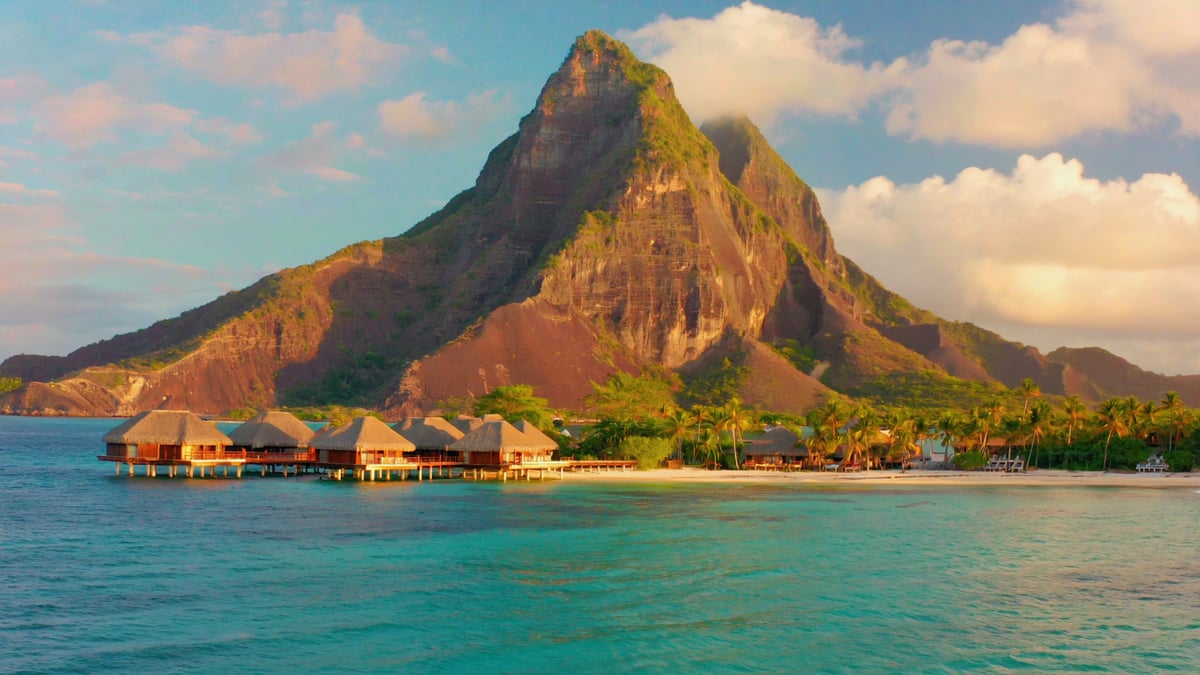
Bora Bora Holiday Guide: Overwater Bungalows, Lagoons & UK Package Deals
Plan your Bora Bora holiday from the UK. Discover overwater bungalows, turquoise lagoons & GlobeHunters package deals. Flights, hotels & activities included.