There is a moment, somewhere between the call to prayer echoing across the medina at dawn and the sight of Sahara dunes turning amber at dusk, when Morocco stops feeling like a destination and starts feeling like another world entirely. It is a country of jaw-dropping contradictions — ancient and electric, desert and coast, chaotic and serene — and for UK travellers willing to step beyond the package-holiday formula, it delivers experiences that no beach resort in Spain or Greece can come close to matching. In 2026, Morocco is arguably more accessible, more traveller-ready, and more extraordinary than ever before. This guide covers everything you need to know to plan your Morocco holiday 2026, from the labyrinthine souks of Marrakech to the silence of the Sahara and the surf-washed shores of Essaouira.
Morocco at a Glance: What Kind of Country Are You Actually Visiting?
Morocco is a North African kingdom that defies easy categorisation. It shares borders with Algeria to the east, Mauritania to the south, and the Atlantic Ocean and Mediterranean Sea to the west and north — a geographical position that has made it a crossroads of Berber, Arab, Andalusian, French, and sub-Saharan African cultures for over a thousand years. The result is a country with extraordinary cultural depth, where Roman ruins stand near medieval Islamic architecture, where Amazigh (Berber) villages cling to High Atlas mountainsides, and where a plate of food might combine spices from three continents.
Essential Facts for UK Travellers
| Category | Details |
|---|---|
| Capital | Rabat (political capital); Casablanca (commercial hub); Marrakech (tourist capital) |
| Languages | Darija (Moroccan Arabic), Tamazight (Berber), French widely spoken; English increasingly common in tourist areas |
| Currency | Moroccan Dirham (MAD); approximately 12–13 MAD to £1 GBP (check live rates before travel) |
| Time Zone | GMT+1 year-round (Morocco abolished seasonal clock changes); same as UK in winter, 1 hour ahead in British Summer Time |
| Visa Requirements | UK passport holders do NOT need a visa for stays up to 90 days. A valid passport (6 months' validity recommended) is sufficient. |
| Religion | Islam (Sunni); respectful dress and behaviour expected, especially in medinas and religious sites |
| Electricity | 220V, Type C/E plugs (European round pin) — bring an adaptor |
| Emergency Number | 19 (Police), 15 (SAMU — Medical), 150 (Gendarmerie) |
Morocco's geography is startlingly diverse for a country roughly the size of France. Within a single week, it is entirely possible to walk a medieval medina, ski in the Atlas Mountains, ride a camel at the Sahara's edge, and watch Atlantic waves crash into a Portuguese fortress — all without retracing a single step. This variety is, ultimately, Morocco's greatest selling point for UK travellers in 2026.
When Is the Best Time to Visit Morocco in 2026?
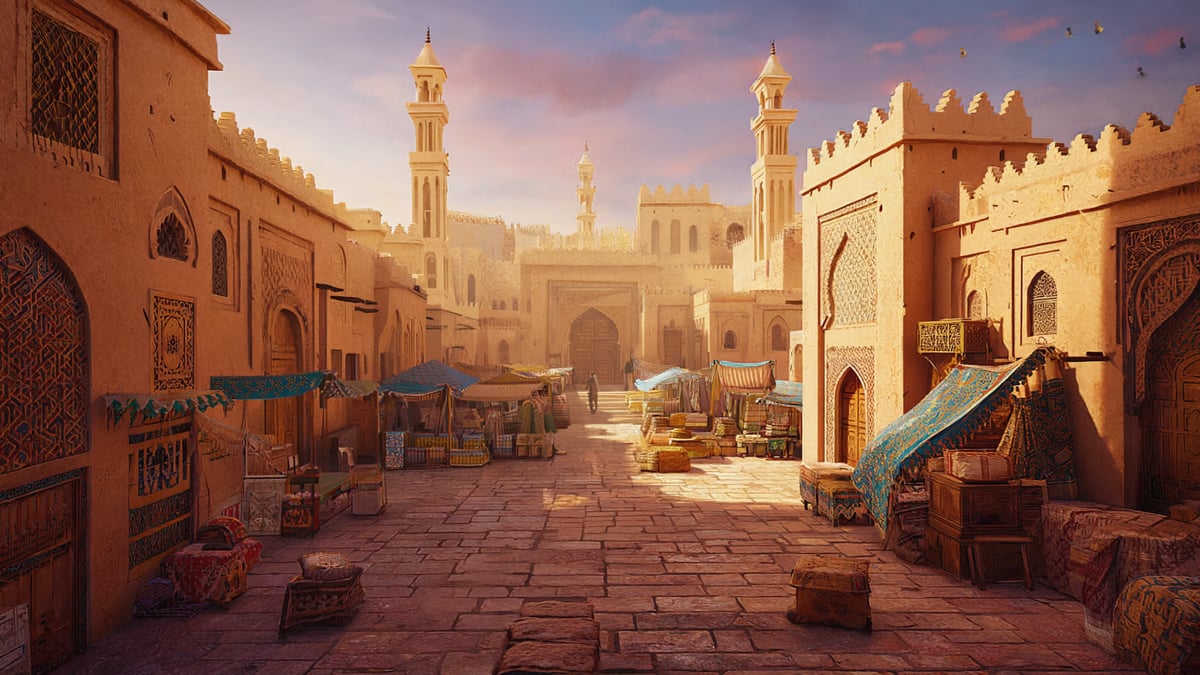
The optimal window for most UK travellers visiting Morocco in 2026 is March–May or September–November — the shoulder seasons that combine comfortable temperatures, lower crowds, and more competitive pricing than the peak summer months. That said, the "best time" depends heavily on which part of Morocco you are visiting, since the country spans multiple climate zones.
Month-by-Month Breakdown
January–February: Winter in Morocco is milder than most UK travellers expect. Marrakech sees daytime temperatures of 15–18°C, while the Atlas Mountains are snow-capped and genuinely cold. The Sahara can drop to near-freezing overnight, but days are crisp and clear. This is low season, meaning cheaper prices and emptier souks — an underrated time to visit for those who hate crowds.
March–May: Widely considered the finest travel season. Spring brings wildflowers to the Atlas foothills, Marrakech is warm but not oppressive (20–28°C), and the Sahara is beautifully accessible before the summer heat becomes extreme. The Marrakech International Film Festival typically anchors the cultural calendar in late spring. Prices begin rising in April as demand increases.
June–August: Marrakech in July routinely exceeds 38°C, and the Sahara becomes genuinely punishing. The Atlantic coast — particularly Agadir and Essaouira — is far more bearable, benefiting from cooling sea breezes. This is peak season for coastal resorts and European package holidays. Book well in advance and expect premium pricing.
September–November: Arguably the most underappreciated travel window. Temperatures drop back to the 25–30°C range in Marrakech, the Sahara becomes accessible again, and post-summer crowds thin considerably. The Fès World Sacred Music Festival (typically early June) and various harvest festivals in the Draa Valley give autumn visitors rich cultural programming.
December: Surprisingly festive in the medinas, with Christmas markets emerging in tourist-friendly zones. Cold evenings make Marrakech's hammams and riad courtyards feel especially cosy. New Year packages tend to command a premium, but early December offers genuine value.
Recommendation for UK travellers: For a first visit combining Marrakech, the Atlas, and the Sahara, aim for late March to mid-May. For a beach-focused Atlantic coast holiday, June–August in Agadir works well. Avoid Marrakech in July unless you specifically enjoy intense heat.
Ramadan Considerations
Ramadan falls at different points each year due to the Islamic lunar calendar. In 2026, Ramadan is expected to begin in late February. Travelling during Ramadan requires cultural sensitivity — many restaurants will be closed during daylight hours, and the atmosphere in medinas becomes more intense in the evenings as Iftar (the breaking of the fast) approaches. It is not a reason to avoid Morocco — in fact, the nightly Ramadan atmosphere is extraordinary — but it does require planning.
Where to Stay: Morocco's Best Neighbourhoods and Accommodation Zones
Where you stay in Morocco shapes the entire character of your trip. The medinas (old walled cities) offer immersive, atmospheric accommodation in traditional riads, while the villes nouvelles (new towns) provide more modern comforts. Each major destination has distinct neighbourhoods worth understanding before booking.
Marrakech
The Medina (Old City): Staying inside the medina walls is the definitive Marrakech experience. Riads — traditional Moroccan townhouses built around a central courtyard — range from budget guesthouses (from around £30–50 per night) to world-class luxury boutique hotels (£200–600+ per night). The Derb Dabachi and Mouassine areas offer excellent riad options within walking distance of Djemaa el-Fna square. Navigating the narrow derbs (alleyways) is part of the charm, though it can disorient first-time visitors.
Gueliz (Ville Nouvelle): Marrakech's modern district is home to international chain hotels, contemporary restaurants, and easier navigation. Better suited to families or travellers who want air-conditioned comfort and proximity to the train station. Mid-range hotels here typically run £60–120 per night.
Palmeraie: The palm grove district on the outskirts of Marrakech hosts several of the city's most spectacular luxury resorts — vast properties with pools, spa facilities, and direct desert views. Expect to pay £150–400+ per night. Ideal for honeymoons or special occasion stays.
Fès
Fès el-Bali — the old medina — is a UNESCO World Heritage Site and one of the world's best-preserved medieval cities. Staying in a riad here, particularly in the Bou Inania or Andalusian Quarter areas, puts you inside one of the most extraordinary urban environments on earth. Riads in Fès tend to be slightly cheaper than Marrakech equivalents, making it excellent value for mid-range travellers.
Essaouira
This Atlantic coastal town is a world away from Marrakech's intensity. The blue-and-white medina is compact, friendly, and far less pressured than its inland counterpart. Boutique riads and small hotels within the medina walls offer good value (£50–130 per night), and the town is small enough that almost everything is walkable. A favourite with independent travellers, artists, and surfers.
Agadir
Rebuilt after a devastating 1960 earthquake, Agadir is Morocco's most purpose-built beach resort. Large international hotels line a sweeping bay with excellent surf beaches. It lacks the historic character of Marrakech or Fès but delivers reliable sunshine, good hotel infrastructure, and a relaxed pace. Well-suited to families and those on classic Morocco package holidays from UK who want beach comfort alongside cultural excursions.
Book Your Morocco Holiday Now
GlobeHunters offers Morocco holiday packages including flights and hotels at competitive prices — with options from budget city breaks to luxury Sahara adventures.
View Morocco Packages & Prices →Or call us: 0208 944 4514
Top Things to Do in Morocco: 10 Experiences That Justify the Flight
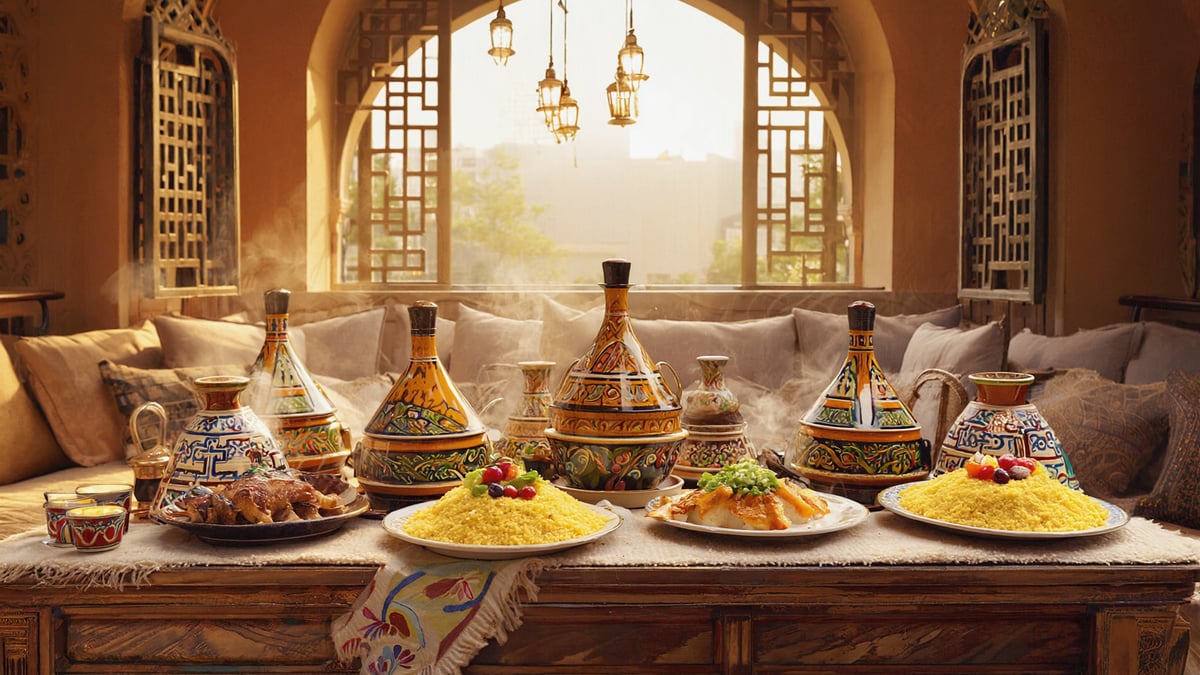
Morocco's activity landscape spans ancient history, extreme landscapes, artisan culture, and adrenaline adventure. The ten experiences below represent the best of what the country offers — ranging from free to moderately priced, and from half-day visits to multi-day expeditions.
1. Lose Yourself in Djemaa el-Fna, Marrakech
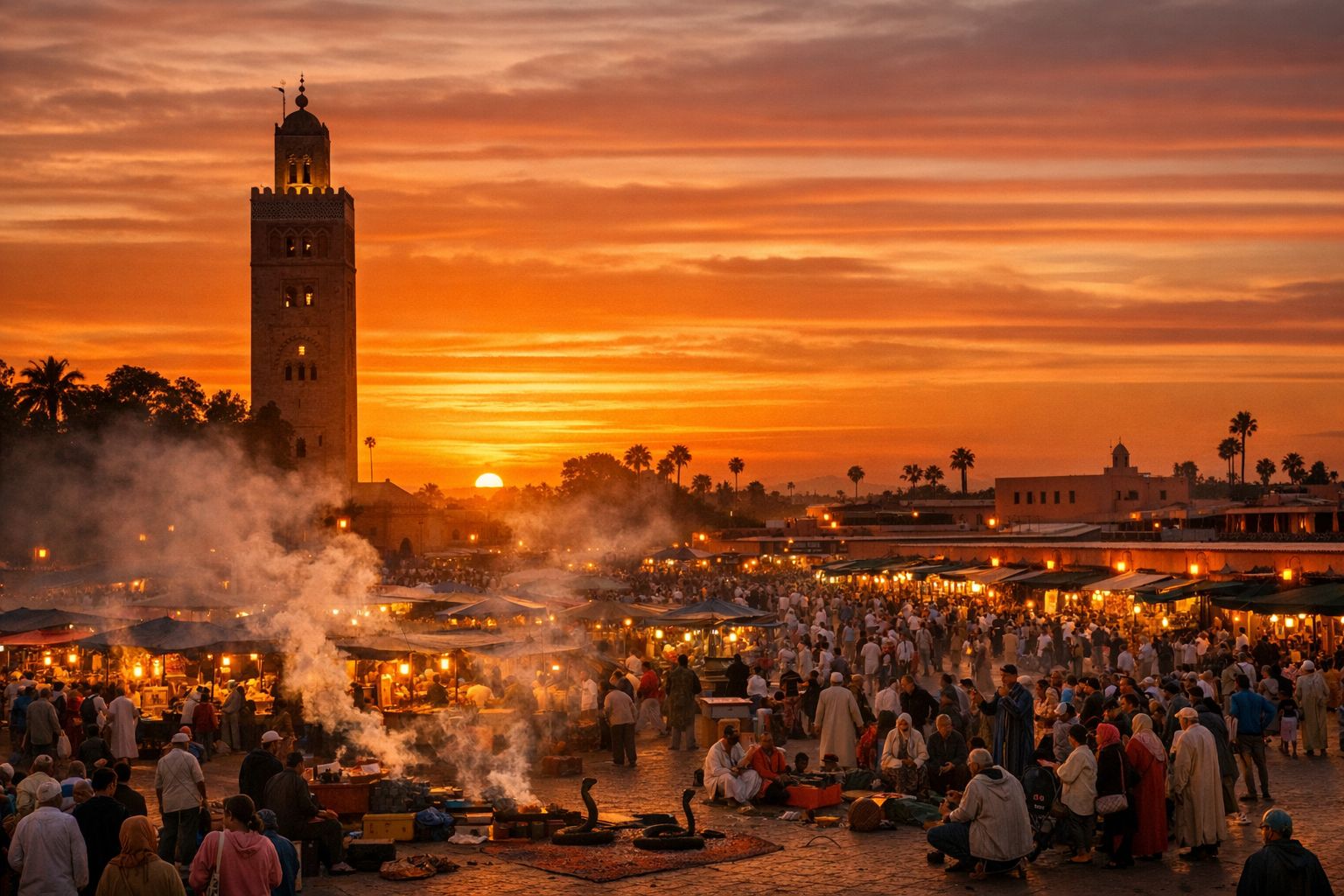
The great square at the heart of Marrakech's medina is one of the world's great public spectacles — a UNESCO Intangible Cultural Heritage site that transforms from a food market by day into a carnival of storytellers, musicians, snake charmers, acrobats, and henna artists after dark. Entry is free; arriving around sunset and staying for two to three hours is the classic experience. Budget around 50–100 MAD (£4–8) for food stalls, tips, and small purchases. Insider tip: the rooftop cafés surrounding the square offer an elevated view for the price of a mint tea (around 20–30 MAD / £1.50–2.50).
2. Explore the Fès el-Bali Medina
The medina of Fès is arguably the most intact medieval city anywhere in the world — 9,000 streets, no cars, and a labyrinthine market culture that has operated continuously since the 9th century. Hire a licensed guide (approximately 250–400 MAD / £20–32 for a half day) to navigate the medina properly and access areas tourists rarely find alone. The Chouara Tannery — best viewed from the leather shop balconies above — is a visceral, unforgettable sight. Entry to the balconies is typically free with a purchase, or a small tip suffices.
3. Sleep Under the Stars in the Sahara Desert
The Erg Chebbi dunes near Merzouga are Morocco's most iconic Sahara landscape — towering orange dunes that glow at dawn and dusk with almost surreal intensity. Standard overnight desert camps with camel ride, dinner, and breakfast typically cost 600–1,200 MAD per person (£48–95) depending on comfort level. Luxury tented camps with private en-suite facilities and gourmet dining run considerably higher. The drive from Marrakech is approximately 8–9 hours, making a 2–3 night Sahara detour the recommended minimum.
4. Trek or Drive the High Atlas Mountains
The Atlas Mountains rise dramatically south of Marrakech, with Jebel Toubkal (4,167m) as the highest peak in North Africa. A full ascent of Toubkal takes 2–3 days and requires moderate fitness; guided treks from Imlil village start from around 800–1,200 MAD per day (£65–95) including guide and mule. Shorter day walks through Berber villages in the Ourika Valley are accessible without a guide and make an excellent half-day excursion from Marrakech (40 minutes by car).
5. Visit the Blue City of Chefchaouen
Chefchaouen, perched in the Rif Mountains of northern Morocco, is one of the most photographed places in Africa — a hilltop medina where almost every surface is painted in shades of blue and white. The town itself is the attraction; wandering its photogenic streets costs nothing. It is approximately 3.5–4 hours from Fès by bus or shared taxi. Budget accommodation in the medina starts from around £20–35 per night, making it extremely popular with independent travellers.
6. Tour the Bahia Palace and Saadian Tombs, Marrakech
Two of Marrakech's most important historic monuments sit within walking distance of each other in the southern medina. The Bahia Palace (entry approximately 70 MAD / £5.50) is an extraordinary 19th-century complex of carved cedar ceilings, zellij tilework, and verdant courtyards. The Saadian Tombs (entry approximately 70 MAD / £5.50) contain the ornately decorated mausoleums of the Saadian dynasty. Both are open approximately 09:00–17:00 daily, though hours can vary — check locally on arrival.
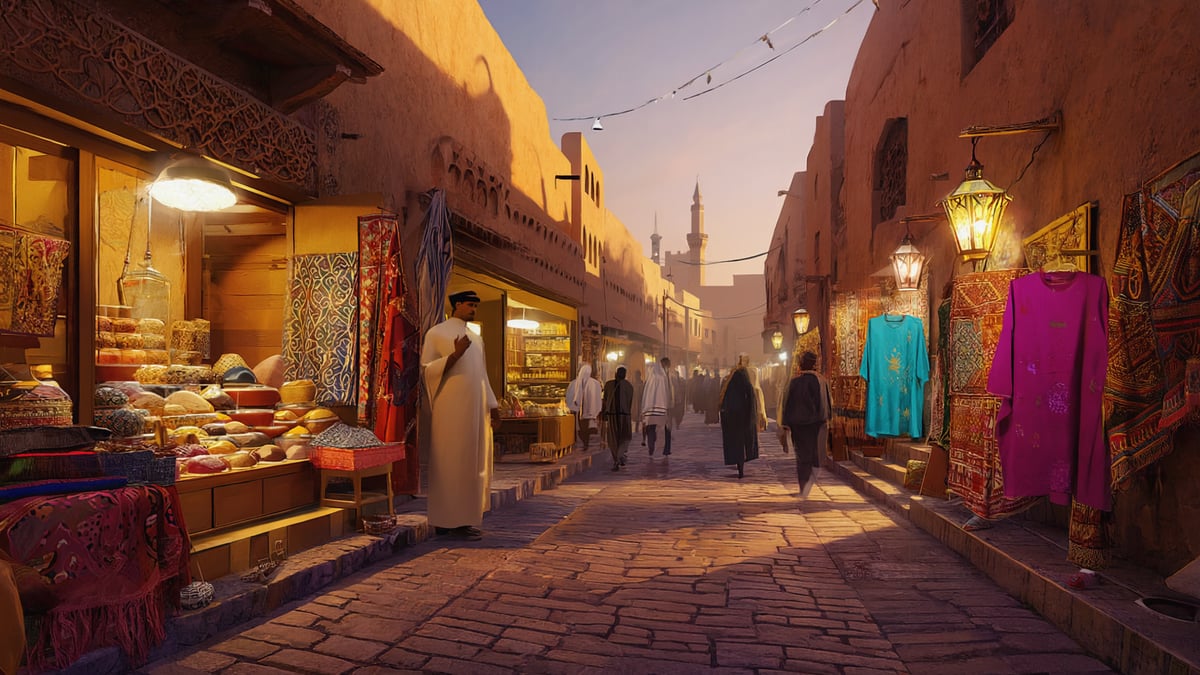
7. Shop and Explore the Souks of Marrakech
The souks north of Djemaa el-Fna are organised loosely by craft — spice souks, leather souks, metalwork souks, carpet souks. Bargaining is expected and part of the cultural experience; a common rule of thumb is to start at roughly 40–50% of the first asking price and negotiate from there. The best items to buy include leather babouches (slippers), argan oil products, handwoven blankets, and silver jewellery. Avoid buying anything with a "fixed price" sticker in the main tourist areas without checking comparable shops first.
8. Surf or Windsurf at Essaouira or Taghazout
Morocco's Atlantic coast has developed a serious reputation in the global surf community. Taghazout, north of Agadir, is Morocco's premier surf destination — consistent waves, a relaxed village atmosphere, and numerous surf schools catering to all levels. A 5-day beginner surf course typically costs 1,500–2,200 MAD (£120–175). Essaouira is better known for windsurfing and kitesurfing, with the Alizée wind providing near-constant conditions. Equipment hire and lessons are available on the beach from around 400–600 MAD per session (£32–48).
9. Visit the Roman Ruins of Volubilis
Morocco's best-preserved Roman site, Volubilis, sits in the plains near Meknès — a UNESCO World Heritage Site with remarkably intact mosaic floors, triumphal arches, and column-lined streets dating to the 2nd and 3rd centuries AD. Entry costs approximately 70 MAD (£5.50). It is most conveniently visited as a day trip from Fès (combined with Meknès, the nearby imperial city) or from Rabat. Mornings are best to avoid coach parties.
10. Experience a Traditional Hammam
The hammam — Morocco's traditional steam bath — is both a hygiene ritual and a social institution, and experiencing a genuine hammam (rather than a tourist-oriented spa version) is one of the most authentically Moroccan things a visitor can do. Local neighbourhood hammams charge as little as 15–30 MAD (£1.20–2.40) for entry plus a small fee for a kessa scrub (exfoliation glove treatment). Upscale hammam spas in riad hotels charge considerably more (300–800 MAD / £24–65) but are more comfortable for first-timers unfamiliar with the process.
Food and Dining in Morocco: A Cuisine That Rewards Curiosity
Moroccan cuisine is one of the world's great food traditions — a sophisticated blend of Amazigh, Arab, Andalusian, and sub-Saharan influences that produces dishes of extraordinary complexity and depth. For UK travellers, the food alone is often cited as one of the most memorable aspects of any Morocco holiday.
Dishes You Must Try
Tagine: The defining dish of Moroccan home cooking — a slow-cooked stew of meat (lamb, chicken, or beef), vegetables, preserved lemons, olives, and a blend of warm spices including ras el hanout, cumin, and ginger. Named after the conical clay pot it is cooked in. At a good restaurant in Marrakech, expect to pay 80–150 MAD (£6.50–12) for a tagine. At a local café, it can be as little as 40–60 MAD (£3–5).
Couscous: Traditionally served on Fridays (the Islamic holy day), couscous in Morocco bears little resemblance to the instant supermarket variety familiar in the UK. Hand-rolled semolina steamed over a rich broth and topped with slow-braised meat and vegetables — it is a dish that takes hours to prepare properly. Seek it out at family-run restaurants rather than tourist-facing establishments.
Pastilla (B'stilla): A showstopper of Moroccan cuisine — a flaky warqa pastry pie traditionally filled with pigeon (or increasingly chicken) slow-cooked with eggs, almonds, and a combination of savoury and sweet spices, then dusted with icing sugar and cinnamon. One of the most distinctive dishes in the entire Maghreb.
Harira: A thick, hearty soup of tomatoes, lentils, chickpeas, herbs, and lamb — the soup that breaks the Ramadan fast each evening and a staple at budget restaurants year-round. Available almost everywhere for 10–20 MAD (under £2) and deeply satisfying.
Mechoui: Whole slow-roasted lamb, typically sold by weight at dedicated mechoui shops in the medina. In Marrakech, the mechoui stalls near Djemaa el-Fna are legendary — find them before midday, as the best cuts sell out quickly.
Msemen and Beghrir: Moroccan flatbreads — msemen is a layered, flaky griddle bread, while beghrir (semolina pancakes with a honeycomb texture) are served for breakfast with honey and argan oil. Both are available from street vendors for virtually nothing and make excellent morning fuel.
Where to Eat: Best Dining Areas
In Marrakech, the food stalls of Djemaa el-Fna offer one of the world's great street-food experiences — communal tables, theatrical vendors, and an extraordinary variety of dishes for well under £5. For sit-down restaurants, the Mouassine neighbourhood in the medina has a concentration of excellent mid-range options. The Gueliz district offers more international dining, including some genuinely excellent contemporary Moroccan restaurants that blend traditional recipes with modern techniques.
In Fès, the area around the Bou Inania Medersa has reliable local restaurants offering set-menu lunches (menu du jour) for around 80–120 MAD (£6.50–10) — a bowl of harira, a tagine, Moroccan salads, and mint tea. In Essaouira, the port area is the obvious place for seafood — grilled sardines and brochettes cooked to order on open grills.
Dietary Considerations
Vegetarians will find Morocco reasonably accommodating — vegetable tagines, couscous, harira (check if it contains lamb stock), and a wide variety of salads and mezze-style starters are widely available. Vegans face more challenges, as butter (smen) and meat stocks appear in many dishes; communicating clearly with restaurant staff is essential. Halal food is universal — pork is not available in traditional Moroccan restaurants. Alcohol is available in licensed restaurants, hotel bars, and some supermarkets, but is not served in medina restaurants or local cafés.
Getting to Morocco from the UK: Flights, Routes, and Transfers
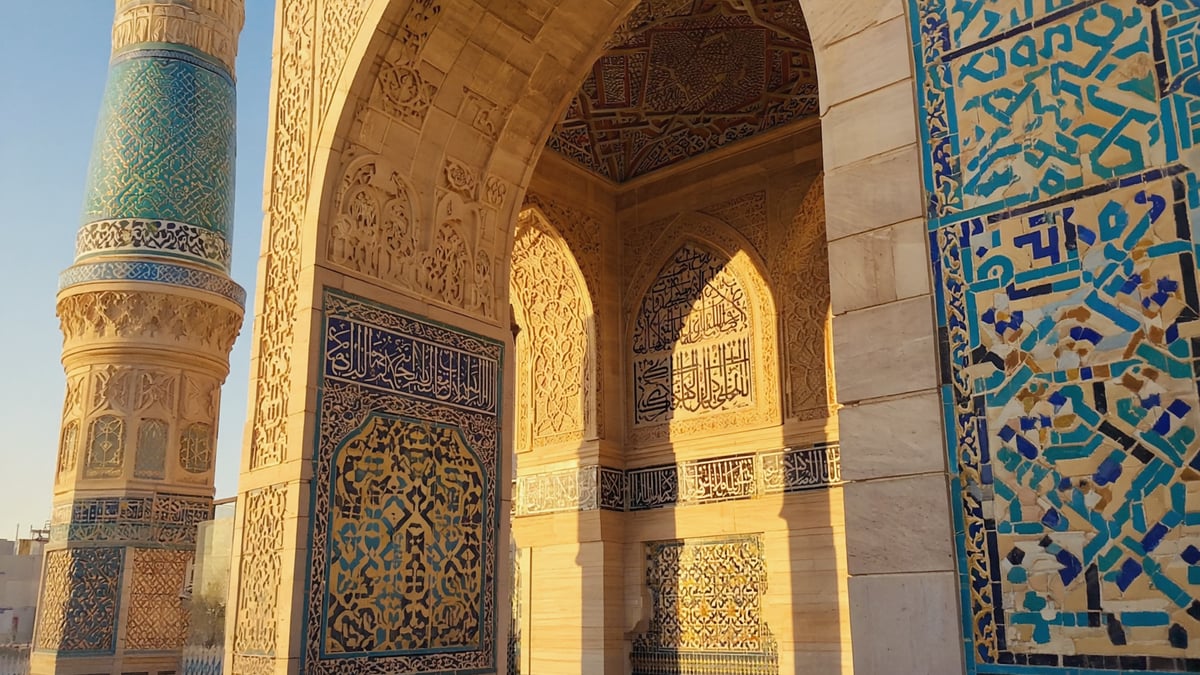
Morocco is one of the most conveniently accessible long-haul-feeling destinations for UK travellers. Despite feeling utterly foreign in culture and landscape, it sits just 2.5–3 hours from London by air — closer than many popular European city-break destinations by journey time.
Main Flight Routes and Airlines
| Route | Airlines | Flight Time | Typical Price Range (return) |
|---|---|---|---|
| London Gatwick / Stansted → Marrakech (RAK) | easyJet, Ryanair, Royal Air Maroc | ~3h 30m | £80–£250 (budget); £250–£500 (flexible/direct) |
| London Heathrow → Casablanca (CMN) | Royal Air Maroc, British Airways | ~3h 45m | £150–£400 |
| London / Manchester → Agadir (AGA) | Jet2, TUI, Ryanair | ~3h 45m | £100–£280 (inc. charter operators) |
| London → Fès (FEZ) | Ryanair | ~3h 15m | £80–£200 |
| Manchester / Birmingham → Marrakech | Jet2, Ryanair, TUI | ~3h 30–45m | £120–£320 |
Morocco is well served by budget airlines from numerous UK regional airports, making it one of the few genuinely exotic destinations within easy reach of travellers outside London. Marrakech Menara Airport (RAK) is the most popular gateway for cultural city-break visitors; Agadir Al Massira Airport (AGA) serves the beach resort market; Fès–Saïss Airport (FEZ) is the gateway for the imperial cities circuit.
Airport to City Transfers
From Marrakech Airport, licensed taxis (petit taxis, red in colour) operate on a meter to the medina — the journey takes 15–20 minutes and should cost 100–150 MAD (£8–12). Negotiate before entering an unlicensed taxi. Many riads offer private transfer services (typically 150–250 MAD / £12–20) which is worth considering for first-time visitors arriving after dark with heavy luggage. A public bus (Line 19) connects the airport to Djemaa el-Fna for around 30 MAD (£2.40).
From Agadir Airport, licensed taxis to the hotel zone cost approximately 100–150 MAD (£8–12); the journey takes about 30 minutes. Many package holidays include airport transfers, so confirm with your operator before arranging separately.
Morocco Budget Guide 2026: What Will It Actually Cost?
Morocco remains one of the best-value destinations accessible from the UK — a country where a genuinely excellent meal can cost under £5, a private riad room can be had for £30, and a full-day guided excursion rarely exceeds £40 per person. That said, tourist-facing prices in Marrakech's medina have risen steadily, and luxury Morocco is now genuinely world-class in price as well as quality.
Daily Budget Tiers
| Category | Budget Traveller (per person/day) | Mid-Range Traveller (per person/day) | Luxury Traveller (per person/day) |
|---|---|---|---|
| Accommodation | £18–35 (hostel dorm or basic riad) | £55–120 (mid-range riad or 3-star hotel) | £150–500+ (boutique riad or 5-star resort) |
| Food | £8–15 (street food, local cafés) | £20–40 (restaurant meals, mint tea stops) | £50–120 (fine dining, rooftop restaurants) |
| Transport | £3–8 (local buses, shared taxis) | £12–25 (private taxis, day trip bus) | £40–100+ (private driver, car hire) |
| Activities & Sights | £5–12 (self-guided, free attractions) | £20–45 (guided tours, museum entries) | £60–150 (private guides, cooking classes, desert camps) |
| Total Daily Estimate | £35–70 per person | £110–230 per person | £300–870 per person |
Package Holiday Value: The GlobeHunters Angle
For most UK travellers, booking a Morocco package holiday from the UK through an operator like GlobeHunters represents significantly better value than piecing together flights and hotels independently — particularly when flights are booked at short notice or for travel during peak periods. GlobeHunters Morocco packages start from around £499 per person including return flights from UK airports and hotel accommodation, with mid-range riad packages typically coming in at £699–£899 per person for 7 nights. Luxury packages including Sahara extensions are available from approximately £1,299–£1,799 per person.
The key advantage of a package is ATOL protection — all GlobeHunters packages are ATOL-protected, meaning your money and travel arrangements are safeguarded if any component of the holiday fails. Given that Morocco is outside the EU, this protection matters considerably more than it would for a European city break.
Travel Tips, Safety, and Cultural Etiquette for UK Visitors
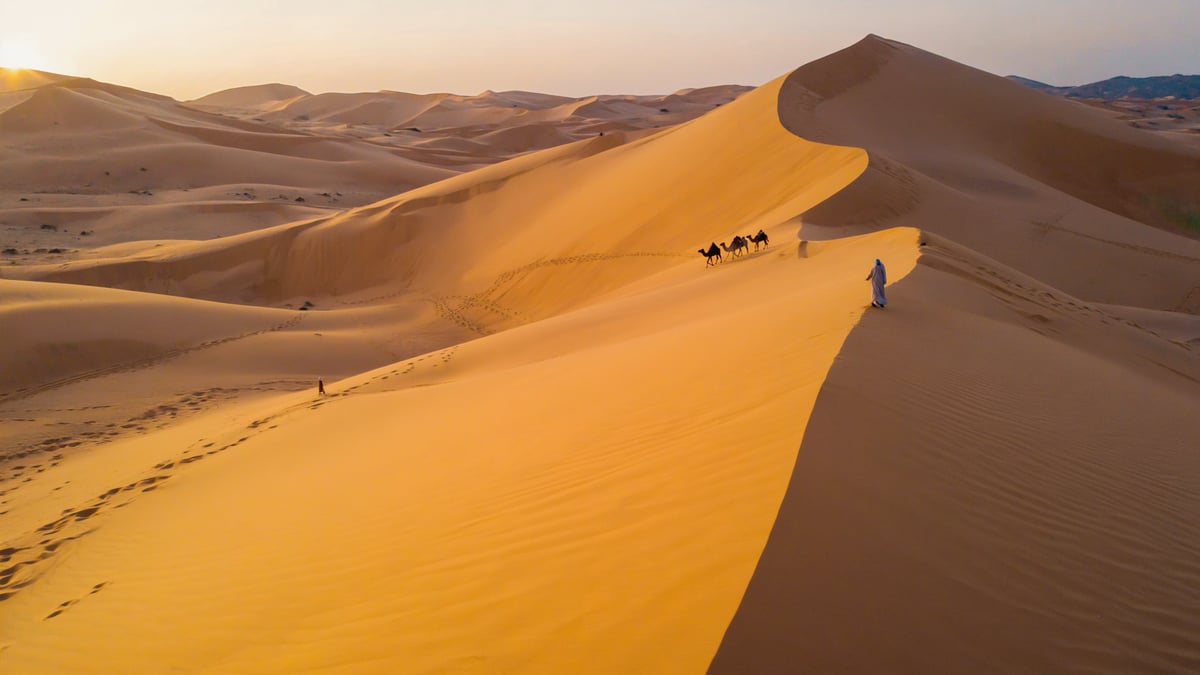
Morocco is a safe and welcoming country for UK tourists — millions visit every year without incident. However, it operates by different cultural rules to the UK, and understanding those rules before you arrive significantly improves the quality of your experience and reduces the chance of avoidable friction.
Safety Overview
The UK Foreign, Commonwealth & Development Office (FCDO) Morocco travel advice currently rates Morocco as generally safe for tourist travel, with standard precautions recommended. The main risks for tourists are non-violent: petty theft (pickpocketing in crowded souks), aggressive commission-seeking guides, and scams targeting first-time visitors to the medina. Violent crime against tourists is rare.
Common scams to be aware of: The "wrong way" scam (a local offers to help when you appear lost, then demands payment or leads you to a carpet shop); the "souk guide" scam (unofficial guides who take commission from shops); the "henna lady" scam (henna applied without price agreement, then an extortionate fee demanded). All of these are avoidable with basic awareness and polite but firm refusals.
Cultural Etiquette and Dress Codes
Morocco is a predominantly Muslim country, and cultural sensitivity in dress and behaviour is both respectful and practically important — travellers who dress modestly and behave respectfully generally receive a far warmer reception from locals.
- Dress modestly in medinas and religious areas: Shoulders and knees covered for both men and women. Women are not required to cover their hair, but loose, lightweight clothing that covers the arms and legs is recommended.
- Beach resorts are more relaxed: Swimwear is perfectly acceptable on the beach in Agadir and Essaouira; cover up when walking through town.
- Never photograph people without permission: Particularly in medinas and souks. Always ask first, and accept refusals gracefully.
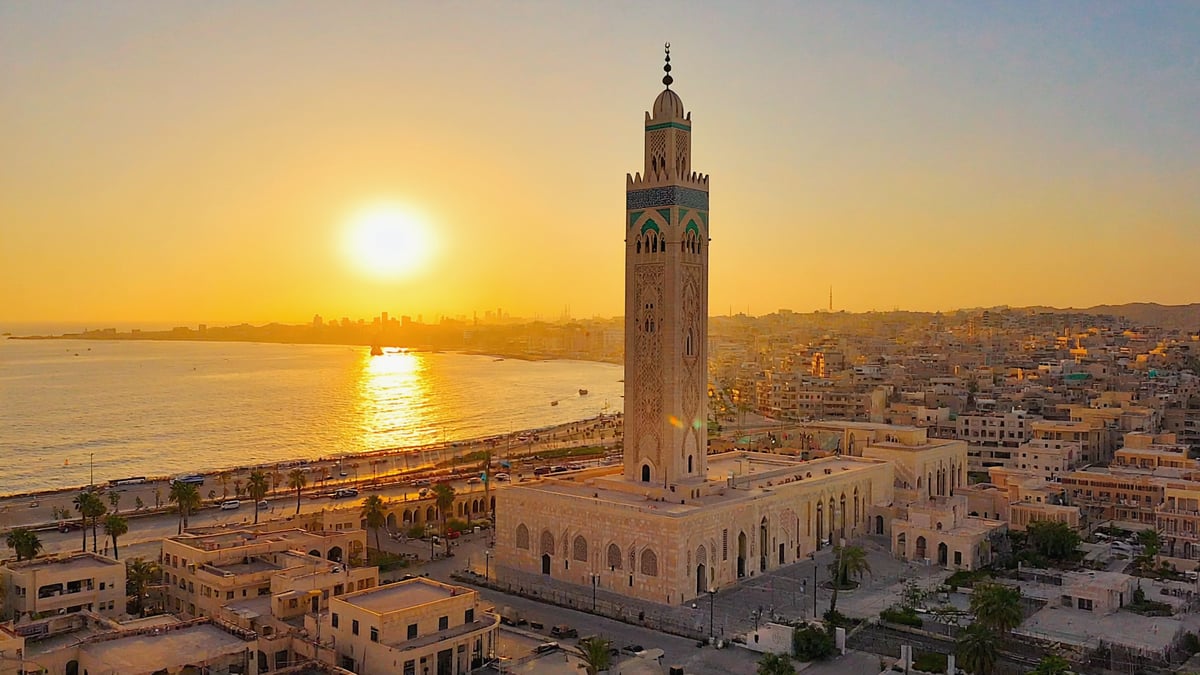
- Mosques are generally closed to non-Muslim visitors: A notable exception is the Hassan II Mosque in Casablanca, which offers guided tours. Do not attempt to enter mosques unless they are explicitly open to tourists.
- Public displays of affection: Best kept minimal in public spaces, particularly in conservative medina areas.
- Friday is the holy day: Some businesses close or reduce hours on Friday afternoons, particularly in smaller towns.
Health and Vaccinations
No specific vaccinations are legally required to enter Morocco from the UK. However, travel health clinics typically recommend ensuring routine UK vaccinations are up to date (MMR, tetanus, diphtheria), and may advise Hepatitis A and typhoid vaccinations for those eating street food. Consult the Travel Health Pro Morocco advice page for current NHS guidance before departure.
Water: Tap water in Morocco is technically treated but not reliably safe for tourist consumption — stick to bottled water (mineral water is widely available and inexpensive) or use a filtered water bottle. Avoid ice in drinks at non-tourist establishments.
Pharmacies: Moroccan pharmacies (identified by a green crescent sign) are well-stocked and pharmacists are generally knowledgeable. Over-the-counter medications available in the UK are typically available in Morocco at lower cost.
Money and Payments
The Moroccan Dirham (MAD) cannot be purchased in the UK before travel — you must exchange currency on arrival. ATMs are widely available in cities and tourist areas; Visa and Mastercard are accepted in most hotels and larger restaurants but cash is essential for souks, street food, tips, and small purchases. Airport exchange bureaux offer poor rates; exchange at a bank or use an ATM in the city for better value. Notify your UK bank before travel to avoid card blocks.
Getting Around Morocco
Morocco's train network (operated by ONCF, Morocco's national rail operator) connects Casablanca, Rabat, Fès, Meknès, and Tangier efficiently and cheaply. For destinations off the rail network — including Marrakech to Fès, Sahara excursions, or the Atlantic coast — options include intercity buses (CTM and Supratours are the most reliable operators), shared grand taxis (faster but less comfortable), or private hire. Renting a car unlocks Morocco's most spectacular scenery — the road from Marrakech through the Tizi n'Tichka mountain pass to Ouarzazate is one of the great drives in Africa — but driving in medinas is impractical and inadvisable.
Packing Essentials for Morocco
- Lightweight, modest clothing (long trousers/skirts, loose tops) for medina exploration
- A warm layer for Atlas mountain excursions and Sahara nights (temperature drops significantly)
- Comfortable walking shoes — medina cobblestones are uneven and often wet from water sellers
- European plug adaptor (Type C/E)
- High-factor sun cream — Moroccan sun is intense, particularly from April onwards
- Reusable water bottle with filter, or budget for bottled water
- Small denomination dirhams for tips, street food, and medina purchases
- A headscarf for women (useful in conservative areas and as sun protection)
The Definitive Morocco Itinerary Framework: How to Structure Your Trip
One of the most common planning mistakes UK travellers make with Morocco is underestimating distances and overloading their itinerary. Morocco is not a small country — the drive from Marrakech to the Sahara is roughly 560km and takes 8–9 hours. The framework below is designed to help travellers at every budget level build a realistic, satisfying trip structure.
The Morocco Trip Planner Matrix
| Trip Length | Recommended Focus | Key Destinations | Suits |
|---|---|---|---|
| 4–5 days | City break | Marrakech only (+ day trip to Atlas or Essaouira) | ✅ First-timers, budget travellers, couples |
| 7 days | City + coast or mountains | Marrakech + Essaouira or Atlas trek | ✅ Couples, families, mixed-interest groups |
| 10 days | Imperial cities circuit | Casablanca → Rabat → Fès → Meknès → Marrakech | ✅ History lovers, culture seekers, repeat visitors |
| 12–14 days | Grand tour with Sahara | Marrakech → Ouarzazate → Merzouga (Sahara) → Fès → Chefchaouen | ✅ Adventure seekers, honeymooners, serious travellers |
| 7+ days beach | Beach resort holiday | Agadir base + day trips to Essaouira, Taghazout, Tiznit | ✅ Families, sun seekers, surfers |
Industry observation from the Morocco travel sector consistently shows that travellers who try to combine Marrakech, Fès, Chefchaouen, and the Sahara in 7 days invariably report feeling rushed and exhausted. The Sahara alone requires a 2-night minimum stay to justify the journey — any less and you spend more time travelling than experiencing. Prioritise depth over breadth, particularly on a first visit.
Frequently Asked Questions: Morocco Holiday 2026
Is Morocco safe for UK tourists in 2026?
Yes. Morocco is considered safe for UK tourists, and the country receives millions of international visitors each year. The FCDO advises standard tourist precautions. Petty theft and tourist scams are the primary risks in busy medinas; violent crime against tourists is rare. Exercise normal vigilance, particularly in crowded souks and at night in unfamiliar areas.
Do UK travellers need a visa for Morocco?
No. UK passport holders do not require a visa for tourist stays of up to 90 days in Morocco. You will need a valid passport (6 months' validity is recommended, though Morocco's official requirement is simply that it be valid for the duration of your stay). A return ticket and proof of accommodation may be requested at the border.
What is the best time of year to visit Morocco from the UK?
For most travellers, March to May and September to November offer the best combination of comfortable temperatures, lower crowds, and reasonable prices. July and August are excellent for the Atlantic coast but oppressively hot in Marrakech and the Sahara. January and February offer genuine bargains for city-break visitors who don't mind cooler evenings.
How much spending money do I need for a week in Morocco?
Budget travellers can manage on approximately £250–400 for a week's spending money (excluding flights and accommodation). Mid-range travellers should budget £600–1,000 for a week. Luxury travellers should budget £1,500–3,500 depending on the quality of restaurants and activities chosen. Morocco rewards those who bring cash in dirhams for markets and street food.
Can I drink alcohol in Morocco?
Yes, but with restrictions. Alcohol is available in licensed hotels, tourist restaurants, and some supermarkets (particularly in Agadir and Marrakech's Gueliz district). It is not served in local cafés, medina restaurants, or traditional establishments. Morocco is a Muslim country where alcohol is legally permitted but socially restricted — drink discreetly and respectfully.
What language is spoken in Morocco, and do people speak English?
Morocco's primary languages are Darija (Moroccan Arabic), Tamazight (Berber), and French. English is widely spoken in tourist areas, hotels, and restaurants in Marrakech, Agadir, and Fès. In smaller towns and rural areas, French is far more useful. Learning a few phrases of Moroccan Arabic or French is appreciated and often rewarded with warmer interactions.
Is it safe to eat street food in Morocco?
Generally yes, particularly at busy, well-patronised stalls where food is cooked fresh to order. The food stalls at Djemaa el-Fna in Marrakech are a safe and iconic experience. Avoid food that has been sitting out for long periods in the heat, and stick to bottled water. The risk of stomach upset is present (as with any country with different food hygiene norms) — bring rehydration sachets and standard anti-diarrhoeal medication as a precaution.
What currency should I bring to Morocco?
The Moroccan Dirham (MAD) is the local currency. You cannot purchase dirhams in the UK before travel — convert currency on arrival at a bank ATM in the city (avoid airport exchange desks for the best rates). Major credit and debit cards are accepted in hotels and tourist restaurants; cash is essential for souks, street food, tips, and local taxis. Inform your UK bank before travel to prevent card blocks.
How long is the flight from the UK to Marrakech?
Direct flights from London Gatwick or Stansted to Marrakech Menara Airport take approximately 3 hours 30 minutes. From Manchester or Birmingham, flight times are similar (3 hours 30–45 minutes). Morocco is one of the closest genuinely exotic destinations to the UK in terms of flight time.
Is a Marrakech travel guide enough, or should I visit other Moroccan cities too?
Marrakech is an extraordinary destination in its own right — a 5–7 day trip focused entirely on Marrakech and its surrounding region (Atlas Mountains, Essaouira day trip) is completely satisfying. That said, Fès is widely considered even more authentic and historically significant than Marrakech, and the combination of the two cities (with an overnight train or bus between them) represents one of the great cultural travel experiences in the world. For a first-time visitor with only one week, Marrakech-focused is the right call; for a second visit or a 10+ day trip, expand to Fès and the imperial cities circuit.
What are the best Morocco package holidays from UK in 2026?
GlobeHunters offers Morocco package holidays from UK airports starting from approximately £499 per person, combining return flights and hotel accommodation. Popular packages include Marrakech riad city breaks (5–7 nights), Agadir beach holidays (7–14 nights), and tailor-made grand tours combining Marrakech, the Sahara, and Fès. All packages include ATOL protection. Contact GlobeHunters on 0208 944 4514 or browse current Morocco deals online to compare availability and pricing.
What should I pack for a Morocco holiday?
Essential items include lightweight modest clothing (long trousers and tops for medina visits), a warm layer for Atlas and Sahara nights, comfortable walking shoes, a European plug adaptor (Type C), high-factor sun cream, bottled water or a filter bottle, and small-denomination dirhams for cash purchases. Women may find a headscarf useful in more conservative areas and as sun protection. Avoid wearing expensive jewellery in busy market areas.
Conclusion: Why Morocco Belongs at the Top of Your 2026 Travel List
Morocco is one of those rare destinations that delivers on every promise the travel brochures make — and then exceeds them in ways that are impossible to anticipate until you are standing in the middle of a souk with cumin and saffron in the air, the call to prayer washing over the rooftops, and the Atlas Mountains visible on the horizon. It is a country that rewards every type of traveller: the culture-hungry city explorer, the adventure seeker chasing Sahara sunrises, the beach-lover who wants Atlantic surf rather than Mediterranean crowds, and the food obsessive who could spend two weeks eating their way through a single medina.
For UK travellers specifically, Morocco punches far above its weight for value. The combination of genuine world-class experiences, a short flight time, no visa requirements, and the option of ATOL-protected package holidays from as little as £499 per person makes it one of the most compelling holiday choices available in 2026. Whether you are planning a Sahara desert holiday as a once-in-a-lifetime adventure or a quick long-weekend city break to Marrakech's medina, Morocco will not disappoint.
The only genuine mistake you can make with a Morocco holiday 2026 is giving yourself too little time. Book wisely, pack thoughtfully, bargain cheerfully, and prepare for a country that will change the way you think about travel.
Ready to Book Your Morocco Holiday?
GlobeHunters offers holiday packages including flights and hotels at competitive prices. Morocco packages start from £499pp with full ATOL protection — browse current availability and lock in your 2026 dates today.
View Morocco Package Deals →Or call us: 0208 944 4514
About the author
Spiros Maragkoudakis · Chief Commercial Officer
Ready to Book Your Morocco Holiday?
Our travel experts are ready to help you plan the perfect trip. Call us today or browse our latest deals.
Ready to Start Planning?
Speak to our travel experts for personalised advice and the best deals on your next holiday.
Call 0208 944 4514