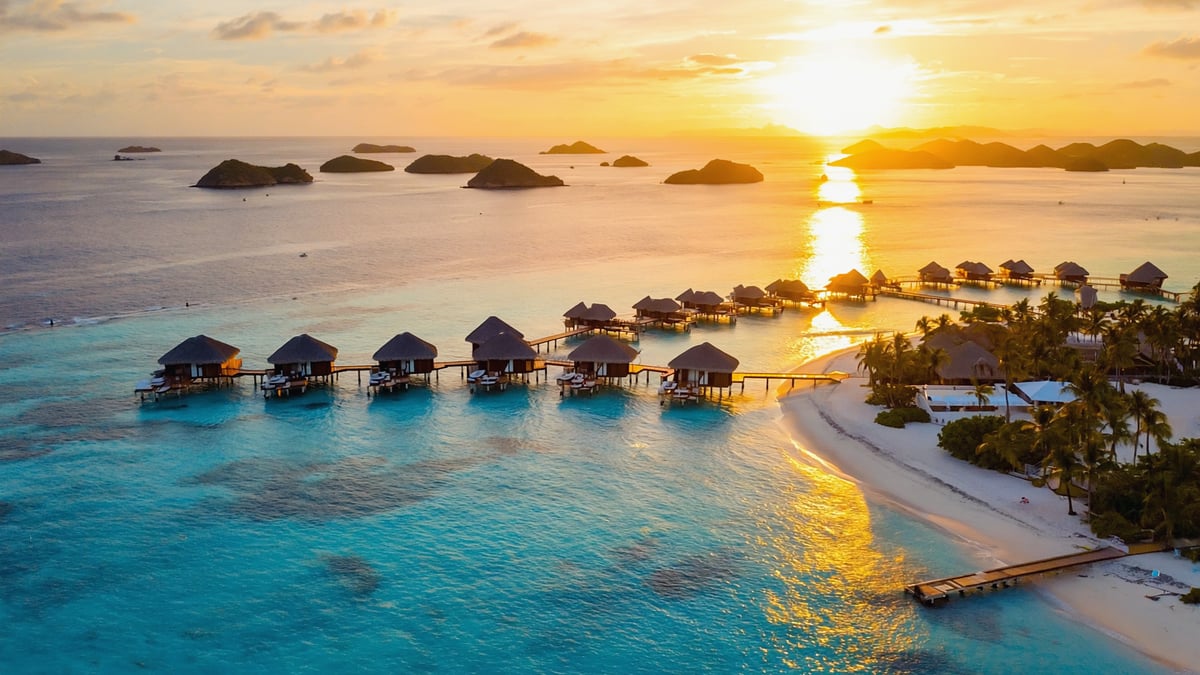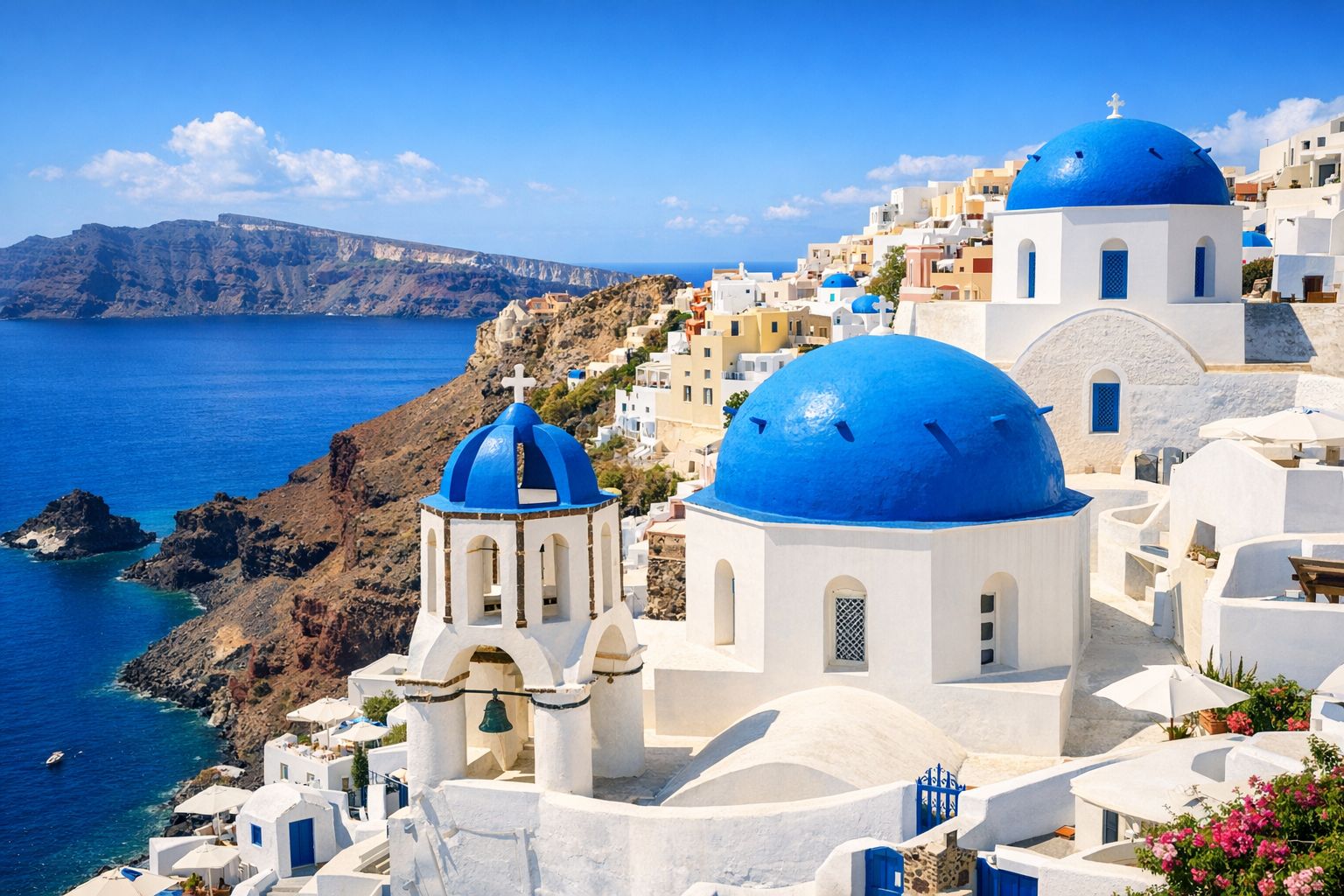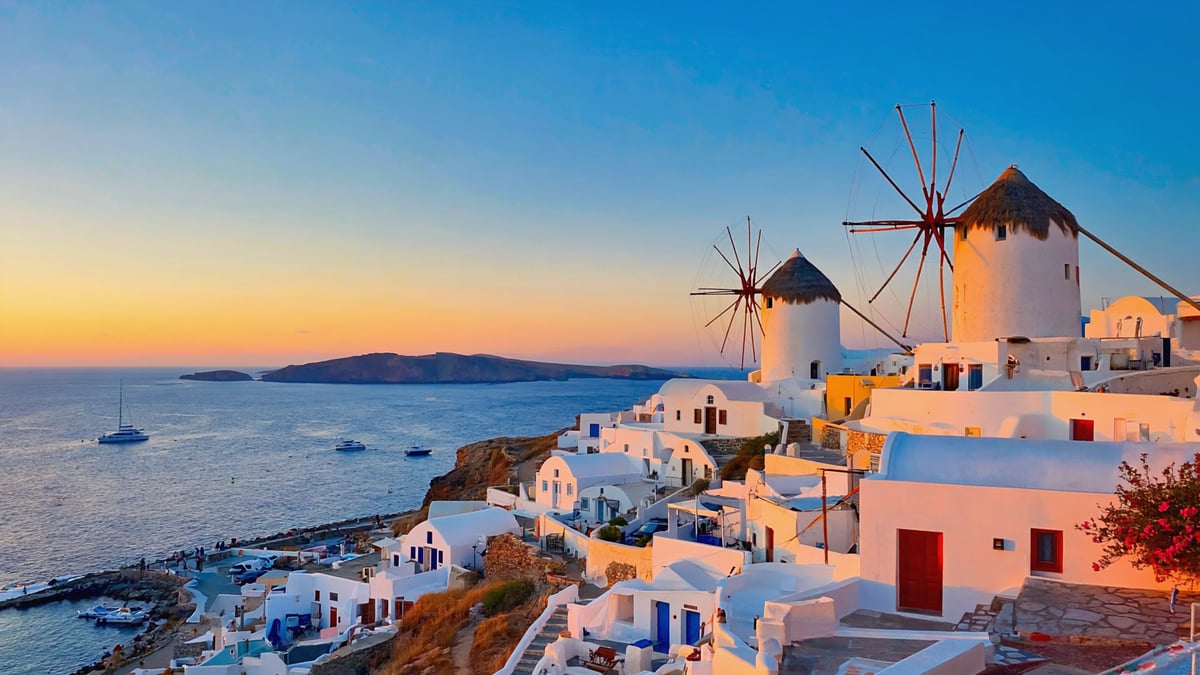
There is a particular moment that Mykonos delivers to almost every visitor — usually sometime around sunset, standing on the terrace of a whitewashed bar in Little Venice, watching the light turn the Aegean copper and gold while music drifts up from somewhere below. It is the kind of moment that makes you understand, with complete clarity, why this small Cycladic island has become one of the most talked-about destinations in the world. Mykonos is not subtle. It does not pretend to be undiscovered. It is glamorous, unapologetic, and — when you approach it correctly — utterly magnificent.
For UK travellers planning a Mykonos holiday in 2026, the island offers something genuinely rare: the combination of world-class beaches, exceptional food, electric nightlife, and a historic town centre that has barely changed in its essential character since the Venetians left their mark on its architecture. This guide covers everything you need to know — from when to book and where to stay, to how much to budget and which experiences are worth every penny.
Book Your Holiday Now
GlobeHunters offers holiday packages including flights and hotels at competitive prices.
View Package & Prices →Or call us: 0208 944 4514
Destination Overview: What Is Mykonos, Really?
Mykonos is a Greek island in the Cyclades archipelago, located in the south Aegean Sea approximately 150 kilometres south-east of Athens. It covers roughly 85 square kilometres and sits at a latitude that gives it long, hot summers and mild winters. The island's permanent population is around 10,000 — a number that swells dramatically during the summer months as tourists and seasonal workers arrive in their hundreds of thousands.
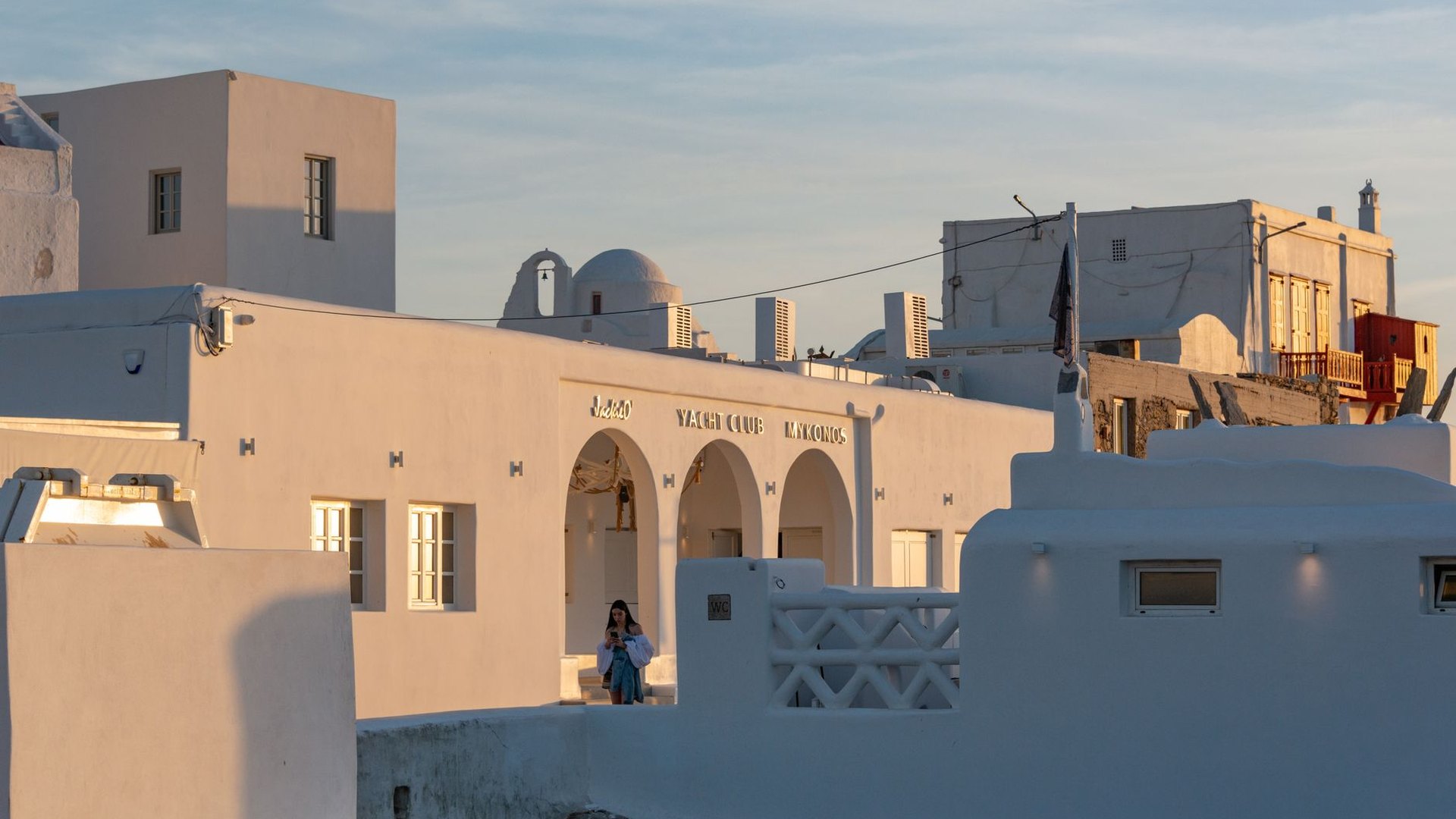
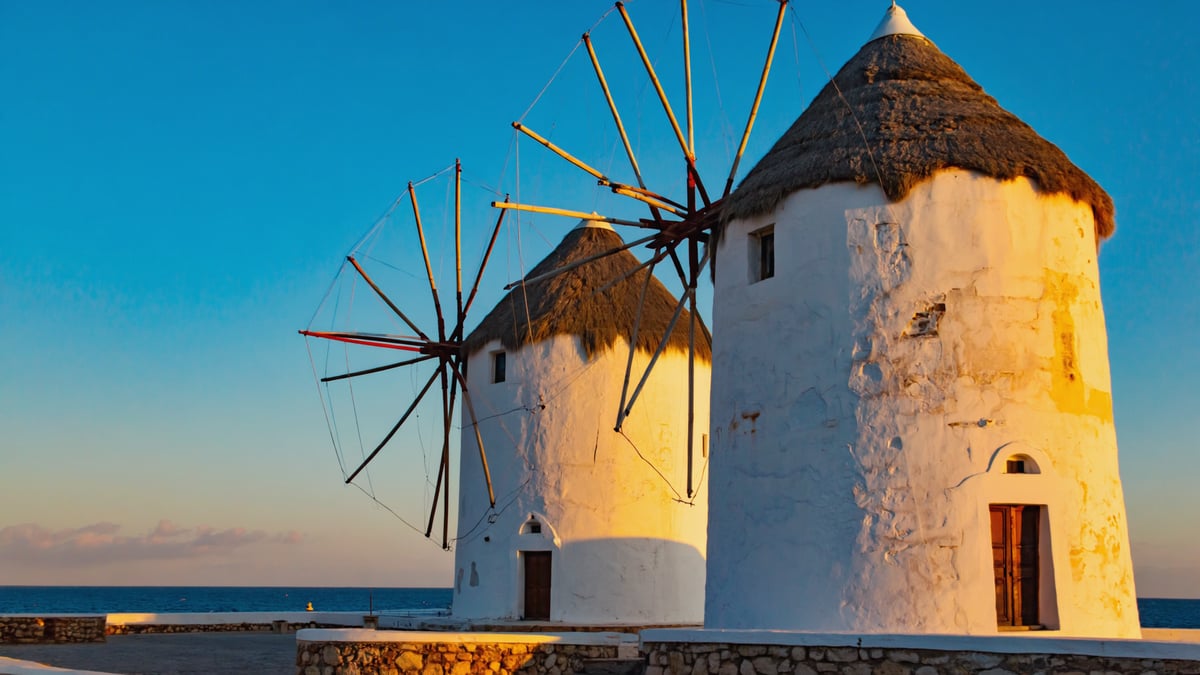
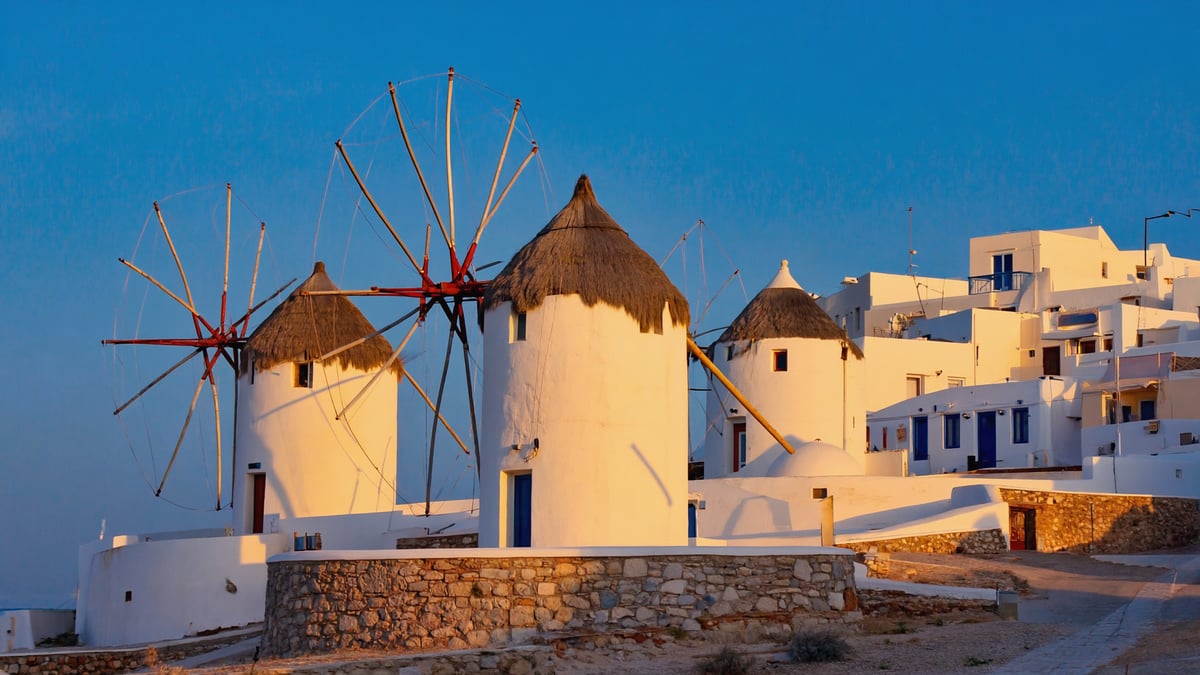
The capital, known as Mykonos Town or Chora, is one of the most photographed urban landscapes in the Mediterranean. Its labyrinthine alleyways were, according to local lore, deliberately designed to confuse pirates — and they will almost certainly confuse you on your first afternoon. Brilliant white cubic buildings draped in bougainvillea, bright blue church domes, and the famous row of whitewashed windmills overlooking the sea create a visual identity that is instantly recognisable worldwide.
Essential Travel Facts for UK Visitors
| Category | Details |
|---|---|
| Language | Greek (Modern). English is widely spoken in tourist areas. |
| Currency | Euro (€). £1 ≈ €1.17 (2026 indicative rate — check before travel) |
| Time Zone | Eastern European Time (EET) — UTC+2 in winter, UTC+3 (EEST) in summer. 2-3 hours ahead of UK. |
| Visa Requirements | Greece is an EU/Schengen member. UK passport holders can visit for up to 90 days in any 180-day period without a visa. ETIAS (European Travel Information and Authorisation System) is expected to be operational in 2026 — check official ETIAS guidance before booking. |
| Electricity | Type C/F plugs, 220V. UK visitors need a plug adaptor. |
| Driving Side | Right-hand side (opposite to UK) |
| Emergency Number | 112 (EU standard) or 100 (Greek police) |
Geographically, Mykonos is a relatively flat island by Cycladic standards, with a rocky, wind-sculpted interior and a coastline that offers an extraordinary variety of beaches — from the family-friendly calm of Ornos to the world-famous party scene at Paradise and Super Paradise. The island's famous meltemi winds, which blow reliably from the north during July and August, keep temperatures more bearable than the mercury might otherwise suggest, but they can also make the northern beaches choppy and the ferry crossings distinctly uncomfortable.
When to Visit Mykonos: Timing Your Trip for Maximum Value
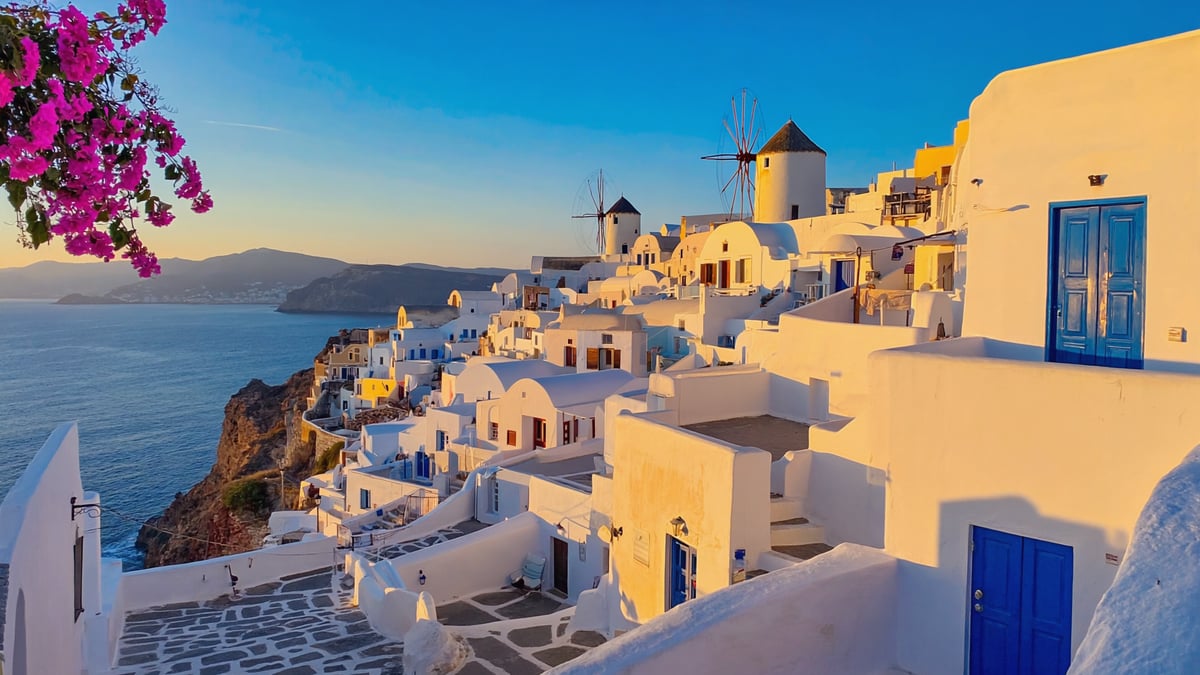
The optimal window for most UK travellers visiting Mykonos is late May to mid-June, or September into early October. These shoulder-season periods offer genuinely warm weather, manageable crowds, and significantly lower prices than the peak July-August frenzy — without the risk of finding half the restaurants shuttered, which is what happens if you arrive in November.
Understanding the island's seasonal rhythm is essential for planning, because Mykonos operates on a more extreme seasonal curve than almost any other Mediterranean destination. The difference between a late-June visit and a mid-August visit is not just a matter of price — it is a completely different island experience.
Month-by-Month Breakdown
| Month | Weather | Crowds | Verdict |
|---|---|---|---|
| April | 16–20°C, some rain | Low | ⚠️ Good for sightseeing, sea too cool for swimming |
| May | 20–25°C, very little rain | Low–Medium | ✅ Excellent — warm, quiet, affordable |
| June | 25–30°C, sunny | Medium | ✅ Sweet spot — beach weather, tolerable crowds |
| July | 28–33°C, meltemi winds | Very High | ⚠️ Peak season — spectacular but expensive and busy |
| August | 28–34°C, strong winds | Maximum | ⚠️ Party peak — book 6+ months ahead for everything |
| September | 25–30°C, calmer winds | Medium | ✅ Best overall — warm sea, quieter, better prices |
| October | 20–25°C, occasional rain | Low | ✅ Good for couples, some closures begin late month |
| Nov–Mar | 12–16°C, rain possible | Very Low | ❌ Most businesses closed — not recommended |
Notable events worth timing your visit around include the Feast of the Assumption (15th August), a major religious celebration with processions through Mykonos Town, and various summer arts and cultural festivals that run throughout July and August. The island also hosts significant LGBTQ+ events and parties during peak season, which contribute to its reputation as one of Europe's most welcoming destinations for all travellers.
On pricing: industry research consistently shows that booking a Mykonos package holiday for early June or late September can represent savings of 30–40% compared to equivalent accommodation during the last two weeks of July and all of August. If you are flexible on dates, the shoulder season is not a compromise — it is genuinely the superior choice for most travellers.
Where to Stay in Mykonos: Choosing the Right Area
Where you stay in Mykonos fundamentally shapes your experience, because the island's geography means that being in the right neighbourhood for your travel style saves both money and frustration. The good news is that Mykonos is compact enough that nowhere is truly inconvenient — but each area has a distinct character.
Mykonos Town (Chora) — Best for Atmosphere and Nightlife
Staying in Mykonos Town puts you at the heart of everything: the narrow marble alleys, the windmills, the Little Venice waterfront, the boutiques, and the evening promenade. It is the most atmospheric place on the island and the best choice for first-time visitors. However, rooms here are at a premium, and the narrow streets mean luggage logistics can be genuinely challenging. Noise from bars and clubs carries surprisingly far on warm evenings — a consideration if you plan early nights.
Budget: Small family-run guesthouses in the back alleys of Chora can be found for £80–£130 per night in shoulder season.
Mid-range: Boutique hotels with rooftop terraces and sea glimpses run £180–£350 per night in June/September.
Luxury: Iconic properties on the waterfront or overlooking the windmills command £500–£1,200+ per night in high season.
Ornos — Best for Families and Relaxed Beach Holidays
Located about three kilometres south of Mykonos Town, Ornos is the island's most family-friendly resort area. A calm, sheltered bay with good swimming, a waterfront lined with tavernas, and easy bus connections to both the town and the southern beaches make this a practical base. Hotels here tend to offer more space and better value than town-centre properties.
Platis Gialos — Best for Beach-Focused Mid-Range Stays
The long sandy beach at Platis Gialos is one of Mykonos's most accessible, and the area offers a good range of mid-range hotels and apartments. Water taxis from here connect to the more famous (and more remote) southern beaches, making it a smart base for beach-hopping. It is calmer than the town without feeling isolated.
Elia and Kalafatis — Best for Upscale Seclusion
The south-eastern part of the island, anchored by the long beach at Elia and the quieter bay at Kalafatis, is where several of Mykonos's most celebrated luxury resorts are located. If your vision of a Mykonos holiday involves a private pool villa, spa treatments, and curated dining rather than nightclubs, this is your territory. Expect to pay accordingly.
Top Things to Do in Mykonos: 10 Experiences Worth Your Time
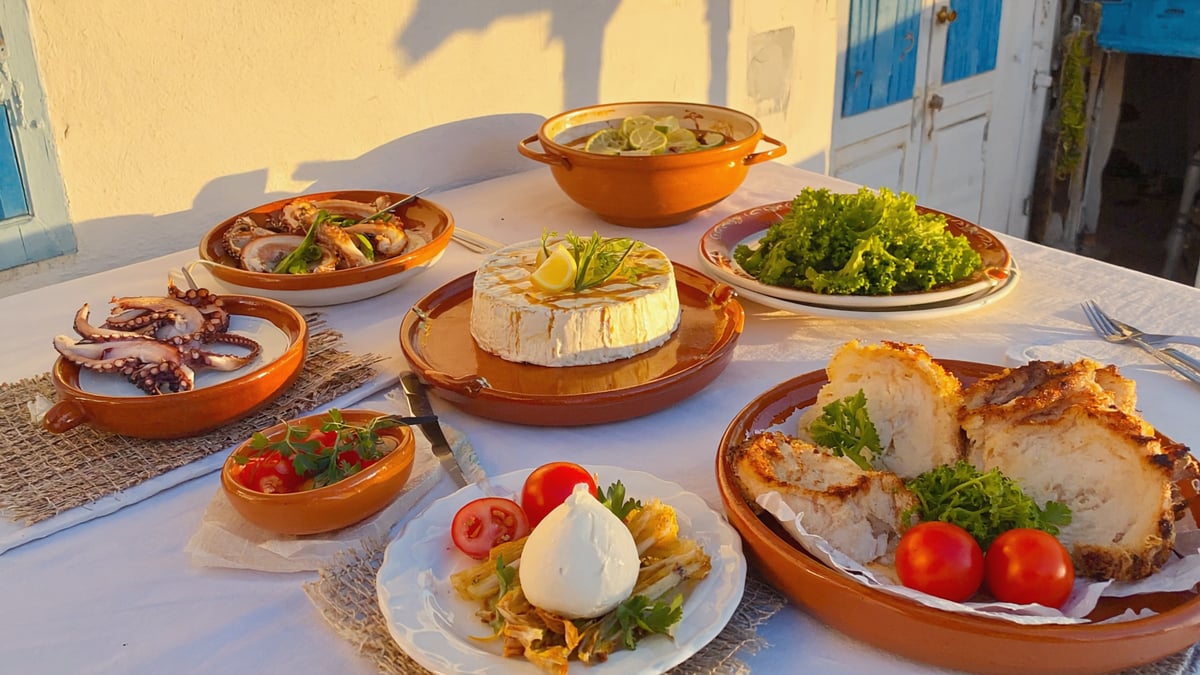
Mykonos rewards visitors who look beyond the beach clubs and explore its layers — the ancient ruins, the fishing villages, the hiking paths, and the food culture that predates the jet-set era by centuries. Here are ten experiences that define what the island can genuinely offer.
1. Explore Mykonos Town (Chora) at Dusk
The town is at its most magical in the two hours before and after sunset. Walk through the Kastro neighbourhood, find the Paraportiani Church (one of the most photographed buildings in Greece), and make your way to Little Venice — the row of buildings whose balconies extend directly over the sea. Entry: Free. Best timing: 18:00–21:00. Insider tip: arrive at Little Venice before 19:00 for a seat at a bar; after that, it becomes extraordinarily crowded.
2. Visit the Windmills (Kato Mili)
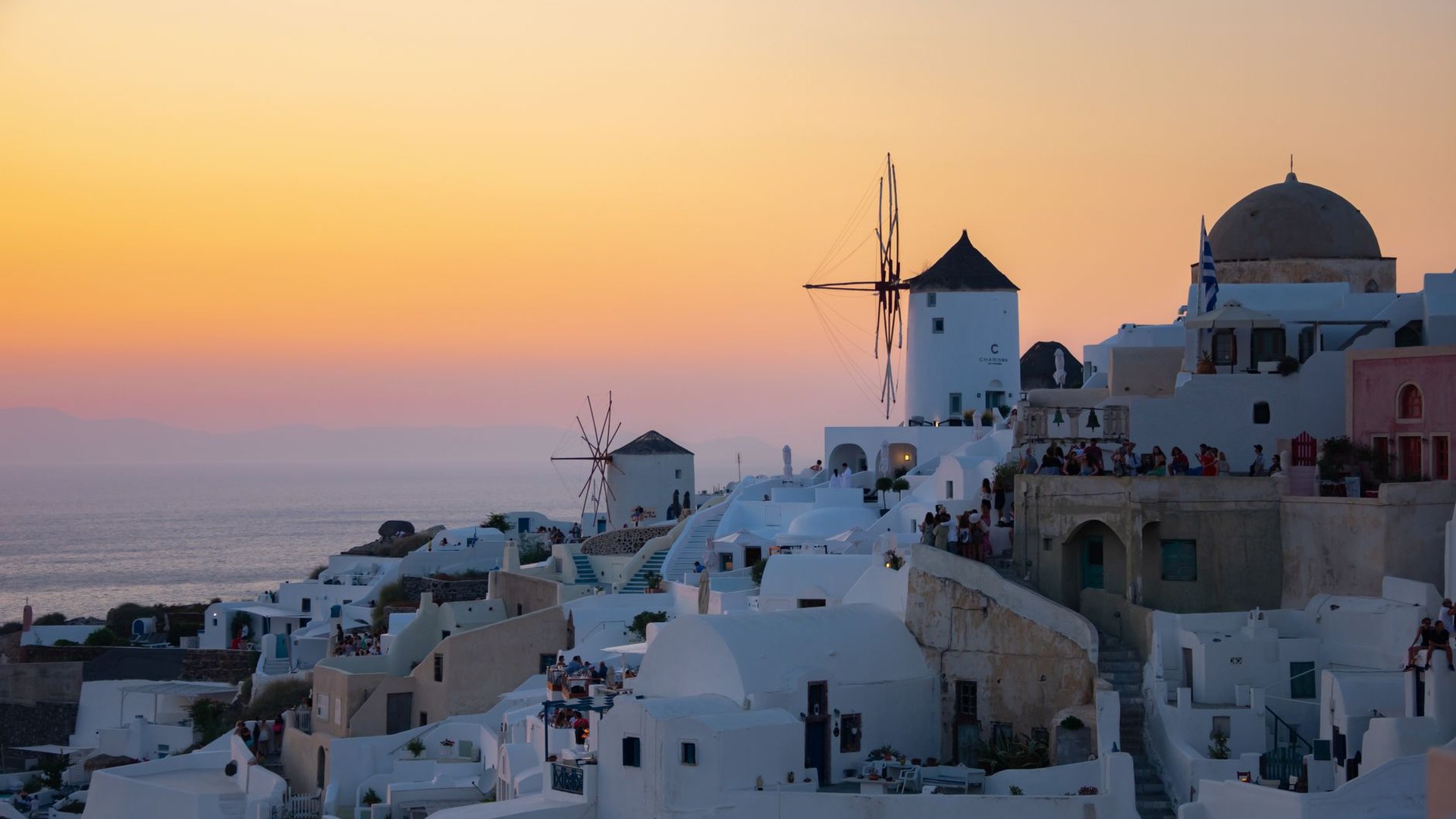
The seven iconic windmills on the Chora hill are the island's most recognisable landmark. Built by the Venetians in the 16th century to mill grain, they have become the symbol of Mykonos. Entry: Free to view externally. One windmill (Bonis Windmill) operates as a small folklore museum — entry approximately €3 (around £2.60). Arrive early morning for photographs without crowds.
3. Take a Day Trip to Delos
The uninhabited island of Delos, a 20-minute ferry ride from Mykonos Town's Old Port, is one of the most significant archaeological sites in the entire Mediterranean. In ancient Greek mythology, it was the birthplace of Apollo and Artemis, and during antiquity it was one of the most important religious and commercial centres in the Aegean. The Delos archaeological site contains remarkably well-preserved temples, mosaics, and the famous Terrace of the Lions. Entry: approximately €12 (around £10.30). Return ferry from Old Port: approximately €20 (around £17.10). Allow 3–4 hours on site. Open Tuesday–Sunday, approximately 08:00–20:00 in summer.
4. Spend a Day at Paradise or Super Paradise Beach
These two beaches on the southern coast are legendary on the global party circuit. Paradise Beach in particular hosts daytime beach parties with internationally recognised DJs. Sun lounger hire runs approximately €25–€50 (£21–£43) per sunbed per day at the organised sections. Access by bus from Fabrika Bus Station or by water taxi from Platis Gialos. Note: both beaches have free sections away from the organised clubs if you prefer to bring your own towel.
5. Hire a Scooter or ATV and Explore the Interior
Renting a scooter (approximately €30–€45/day, around £26–£39) or ATV quad bike (approximately €45–€65/day, around £39–£56) is the most enjoyable way to explore the island's quieter inland villages, hilltop chapels, and less-visited northern beaches. The village of Ano Mera, home to the Monastery of Panagia Tourliani, is well worth the 15-minute ride from town. UK licence valid for mopeds up to 50cc; for larger scooters, ensure your licence covers the category.
6. Watch the Sunset from Armenistis Lighthouse
The lighthouse at the north-western tip of the island offers arguably the finest sunset view on Mykonos — away from the crowds of Little Venice. Access by road (hire vehicle recommended); the final track is unpaved. Entry: Free. Best visited 30–45 minutes before sunset.
7. Snorkelling and Water Sports at Psarou Beach
Psarou Beach is frequently cited as Mykonos's most beautiful cove — a sheltered, clear-water bay with excellent snorkelling directly off the beach. Water sports hire (kayak, paddleboard, snorkel kit) is available from the beach operators. Sun lounger hire: approximately €30–€60 (£26–£51) per day at this premium beach. Arrive before 10:00 to secure space.
8. Eat at a Traditional Taverna in Ano Mera
The inland village of Ano Mera is where many local Mykoniots actually eat — away from the tourist markup of the harbour restaurants. The village square has several traditional tavernas serving grilled meats, fresh salads, and local wine at prices significantly lower than Chora. A full meal with wine for two costs approximately €35–€50 (£30–£43). The Monastery of Panagia Tourliani is immediately adjacent and worth a brief visit (free entry, modest dress required).
9. Take a Sunset Sailing Cruise
Organised sailing catamaran cruises depart from Mykonos Town's New Port and typically visit nearby beaches, Delos, and snorkelling spots over four to six hours. Half-day cruises: approximately £55–£90 per person; full-day with lunch: approximately £95–£150 per person. Book in advance during peak season as popular operators sell out weeks ahead.
10. Experience the Mykonos Nightlife Circuit
The island's nightlife is genuinely world-class and operates on a timeline that will surprise UK visitors used to last orders at 23:00. Bars in Little Venice and Matogianni Street fill up from 21:00; clubs along the southern coast typically don't hit their stride until after midnight and continue until dawn. Entry to the major beach clubs for evening events ranges from free to approximately €20–€50 (£17–£43) depending on the act. Dress code at premium venues is enforced — smart-casual minimum.
Food & Dining in Mykonos: What, Where, and How Much
Mykonian cuisine is rooted in the broader tradition of Cycladic Greek cooking — simple, ingredient-led, and deeply reliant on the extraordinary quality of local produce. The island has its own distinctive food culture that goes well beyond the generic "Greek salad and souvlaki" menu that dominates tourist-facing restaurants worldwide. Knowing what to order and where to eat it is the difference between a forgettable meal and an exceptional one.
Must-Try Local Dishes
- Louza: A cured, spiced pork sausage that is specific to Mykonos — entirely different from mainland Greek charcuterie. Often served as a meze with local wine. Look for it in proper tavernas and delis in Chora.
- Kopanisti: A pungent, spicy soft cheese made exclusively in the Cyclades, with Protected Designation of Origin status. Spread on bread or served with louza, it is among the most distinctive flavours on the island.
- Amygdalota: Almond biscuits made from ground almonds, rose water, and sugar — a traditional Mykonian sweet sold in bakeries throughout the town. Excellent with coffee.
- Fresh grilled fish: Ordered by weight at harbour tavernas, the day's catch — typically sea bream, sea bass, or red mullet — is grilled simply with olive oil and lemon. Expect to pay approximately €12–€25 (£10–£21) per 100g at mid-range restaurants; considerably more at premium waterfront venues.
- Revithada: A slow-cooked chickpea soup traditionally made on Sundays in the island's wood-fired ovens. Deeply comforting and rarely found outside family tavernas and the island's older-style restaurants.
Where to Eat: Area Guide
Matogianni Street and surrounding alleys in Chora contain the highest concentration of restaurants on the island — ranging from tourist-trap trap to genuinely excellent. The key is to walk away from the main drag and look for smaller, locally-patronised establishments on the side streets. Menus with photographs and multiple languages are often (not always) a warning sign. Budget taverna meal: €15–€25 (£13–£21) per person. Mid-range restaurant: €35–€60 (£30–£51) per person with wine. Fine dining: €80–€150+ (£68–£128+) per person.
The Old Port (Tourlos area) has several excellent fish tavernas that are popular with locals and offer better value than the more tourist-facing harbour restaurants. For street food, the bakeries and small kafeneions around the bus stations at Fabrika and Lakka open early and serve tyropita (cheese pie), spanakopita (spinach pie), and fresh bread at very reasonable prices — a solid breakfast for under €5 (£4.30).
Dietary Considerations
Vegetarians and vegans will find Mykonos more accommodating than many Greek destinations, particularly in recent years as the island has attracted an internationally minded clientele. Most restaurants now offer clearly labelled vegetarian options, and dedicated vegan menus are increasingly common in Chora. Coeliac travellers should note that Greek cuisine uses wheat flour extensively in pastries and breaded dishes; communication with staff is advisable, as awareness of coeliac disease (as distinct from a preference) varies by establishment.
Getting to Mykonos from the UK: Flights, Ferries & Transfers
Mykonos is well-connected to the UK with direct flights from multiple airports during the summer season, making it one of the more accessible Greek island destinations for British travellers. The island's airport — Mykonos Island National Airport (JMK) — is located just 3 kilometres from Mykonos Town.
Direct Flights from the UK
Direct services to Mykonos operate seasonally, typically from late April through to late October. Key routes and operators for 2026 include:
| UK Departure Airport | Airlines | Flight Duration | Typical Return Fare (Economy) |
|---|---|---|---|
| London Heathrow (LHR) | British Airways, Aegean Airlines | ~3h 30m | £220–£550 return |
| London Gatwick (LGW) | easyJet, TUI | ~3h 30m | £180–£480 return |
| Manchester (MAN) | TUI, Jet2 | ~3h 45m | £200–£520 return |
| Birmingham (BHX) | Jet2, TUI | ~3h 40m | £210–£500 return |
| Edinburgh (EDI) | Jet2 (seasonal), connecting via Athens | ~5h+ with connection | £230–£560 return |
Connecting via Athens: Travellers from airports without direct summer routes can fly into Athens International Airport (ATH) and connect via Aegean Airlines or Sky Express to Mykonos (approximately 40-minute flight). Alternatively, high-speed ferry services from Piraeus (Athens' main port) reach Mykonos in approximately 2 hours 15 minutes on a Highspeed ferry, or up to 5 hours on a conventional ferry. Ferry schedules and booking are available through several online platforms.
Airport to Town Transfers
From Mykonos Airport to Mykonos Town, the options are: public bus (approximately €2/£1.70, journey time 10–15 minutes, runs frequently in summer); taxi (approximately €15–€20/£13–£17, metered, journey time 5–10 minutes depending on traffic); or pre-booked private transfer (approximately €25–€40/£21–£34 for up to 4 passengers, bookable through your hotel or transfer operators). During peak season, the taxi queue at the airport can be substantial — pre-booking is advisable.
Mykonos Budget Guide: What to Realistically Expect to Spend
Mykonos has a well-earned reputation as one of the more expensive Greek island destinations, but the reality is more nuanced than the headline prices suggest. The island can be visited at almost any budget if you make informed choices — the difference between a budget trip and a luxury trip here is genuinely enormous, arguably more so than at any comparable Mediterranean destination.
The framework below is built around a daily per-person budget for a couple travelling together (shared accommodation costs), based on indicative 2026 pricing.
| Category | Budget Traveller (£/day) | Mid-Range (£/day) | Luxury (£/day) |
|---|---|---|---|
| Accommodation (per person) | £40–£65 | £90–£175 | £250–£600+ |
| Food & Drink | £25–£40 | £50–£90 | £120–£250+ |
| Transport (local) | £5–£10 | £15–£30 | £30–£80 |
| Activities & Entrance Fees | £10–£20 | £25–£60 | £80–£200+ |
| Daily Total (per person) | £80–£135 | £180–£355 | £480–£1,130+ |
For a 7-night package holiday including flights from the UK, GlobeHunters Mykonos packages start from around £699 per person for shoulder-season dates, covering return flights from London and 7 nights in a well-rated hotel. Peak-season packages (late July/August) with comparable accommodation start from approximately £1,100–£1,400 per person. Booking as a package typically offers better value than booking flights and accommodation separately, and provides ATOL protection — important for UK travellers.
Money-Saving Tips Specific to Mykonos
- Use the public bus network (KTEL): The island has a surprisingly efficient bus system connecting the main beaches. Single fares are €2–€3 (£1.70–£2.60) — dramatically cheaper than taxis, which are expensive and scarce during peak hours.
- Eat lunch as your main meal: Many restaurants offer the same dishes at lower prices at lunchtime. A dish that costs €28 at dinner may be €18–€22 at a lunch sitting.
- Avoid beach club sunbeds at peak beaches: Bringing your own towel and using the free sections of Paradise or Platis Gialos saves £20–£50 per day per couple.
- Bring a reusable water bottle with a filter: Tap water on Mykonos is technically drinkable but heavily chlorinated. A filter bottle means you are not buying €3 plastic bottles all day.
- Shop for provisions at the local supermarkets: Alpha Beta, Sklavenitis, and local mini-markets in Chora stock good-quality local cheese, wine, olives, and bread at reasonable prices — ideal for apartment-based self-catering breakfasts.
Travel Tips & Safety: What UK Visitors Need to Know Before They Go
Mykonos is, by almost any measure, a safe destination for UK travellers — violent crime is rare, the tourist infrastructure is mature, and the Greek police (Hellenic Police) maintain a visible presence during the summer months. That said, no destination is without its specific considerations, and Mykonos has a handful that are worth understanding before arrival.
Safety Considerations
Petty theft — particularly pickpocketing in the crowded alleyways of Chora and on the beach — does occur, and increases during peak season when visitor numbers are at their highest. Keep valuables in your hotel safe, use a money belt in crowded areas, and never leave bags unattended on the beach. Drink spiking has been reported at some nightlife venues; exercise the standard precautions you would in any international party destination — never leave your drink unattended and be cautious about accepting drinks from strangers.
Road safety is a specific concern on Mykonos. The combination of narrow roads, inexperienced scooter riders, and alcohol means that scooter accidents are the most common cause of serious injury to tourists on the island. If you hire a scooter or ATV, wear the helmet provided (it is legally required), drive sober, and be aware that many rental companies' insurance policies exclude alcohol-related incidents. The roads in the interior can be steep and poorly surfaced.
Health Practicalities
UK visitors should carry a valid Global Health Insurance Card (GHIC) — the post-Brexit replacement for the EHIC — which entitles holders to necessary medical treatment at Greek state hospitals at reduced or no cost. However, the healthcare facilities on Mykonos are limited to a small health centre; serious medical cases are transferred to the hospital on Syros. Travel insurance with medical evacuation cover is strongly recommended. Greece is included in most standard UK travel insurance policies.
Sun safety is genuinely important: the Aegean sun at altitude is more intense than it appears, particularly when reflected off white buildings and water. SPF 50 sunscreen, a hat, and hydration are not optional in July and August — heat exhaustion cases are common among tourists who underestimate the conditions.
Cultural Etiquette
- Dress modestly at churches and monasteries: Shoulders and knees should be covered when entering religious sites. The Paraportiani Church and Ano Mera Monastery both require modest dress. Sarongs and scarves work well as cover-ups.
- Tipping: Not mandatory in Greece but appreciated. Rounding up the bill or leaving 10% for good service is the norm. At beach clubs and bars, leaving €1–€2 per round is customary.
- Haggling: Not expected or appropriate in most contexts. Fixed prices are standard in shops and restaurants.
- Noise: Greece has strict noise ordinances — amplified music must stop by 03:00 in most areas. In residential parts of Chora, be mindful of noise levels during late-night returns from bars.
- Photography: Always ask permission before photographing individuals. Some Orthodox churches prohibit interior photography.
Essential Packing List for Mykonos
- High-factor sunscreen (SPF 50+) and after-sun — cheaper to bring from the UK than to buy on the island
- Comfortable walking sandals with grip — the marble cobblestones of Chora are beautiful but notoriously slippery when wet
- A light layer for evenings — the meltemi wind can make evenings surprisingly cool even in August
- EU plug adaptor (Type C/F)
- GHIC card and travel insurance documents
- Cash in euros — while card payment is widely accepted, some smaller tavernas and market stalls are cash-only
- Reusable water bottle
- Modest cover-up for church visits
ETIAS: The Important 2026 Update for UK Travellers
The European Union's ETIAS travel authorisation scheme — a pre-travel authorisation system similar to the US ESTA — is expected to be operational in 2026. UK passport holders will be required to obtain ETIAS authorisation before travelling to any Schengen Area country, including Greece. The application is expected to cost €7 and be valid for three years or until the passport expires. Always check the official EU ETIAS portal for the most current implementation date and application process before booking travel.
Book Your Holiday Now
GlobeHunters offers holiday packages including flights and hotels at competitive prices.
View Package & Prices →Or call us: 0208 944 4514
Frequently Asked Questions About Mykonos Holidays in 2026
Is Mykonos worth visiting in 2026?
Yes — Mykonos remains one of the Mediterranean's most rewarding destinations for the right traveller. Its combination of exceptional beaches, world-class dining, authentic Greek architecture, and access to the extraordinary Delos archaeological site makes it genuinely special. The key is managing expectations: Mykonos is not a quiet, off-the-beaten-track escape, and it is not cheap. For those who embrace what it actually is — glamorous, vibrant, and visually stunning — it delivers.
How much does a Mykonos holiday cost from the UK?
A 7-night Mykonos package holiday from the UK including return flights and accommodation starts from approximately £699 per person for shoulder-season travel (May/June or September). Peak-season packages (July/August) typically start from £1,100–£1,400 per person. Daily on-island spending varies widely: budget travellers can manage on £80–£135 per day; mid-range travellers should budget £180–£355 per day.
Do I need a visa to visit Mykonos from the UK?
UK passport holders do not need a visa to visit Greece for stays of up to 90 days in any 180-day period. However, the EU's ETIAS pre-travel authorisation is expected to be required from UK visitors in 2026. Check the official EU ETIAS portal for the current status and apply before travelling.
What is the best time of year to visit Mykonos?
Late May to mid-June and September are the optimal months for most UK travellers. These periods offer reliably warm, sunny weather suitable for beaches, manageable crowd levels, and accommodation prices significantly lower than peak season. July and August offer the full Mykonos experience — maximum energy, heat, and parties — but at maximum cost and with maximum crowds.
How do I get from the UK to Mykonos?
Direct seasonal flights operate from London Heathrow, London Gatwick, Manchester, and Birmingham to Mykonos Airport (JMK), with a flight time of approximately 3.5 hours. Airlines operating these routes include British Airways, easyJet, Jet2, TUI, and Aegean Airlines. Alternatively, connect via Athens with an onward flight (40 minutes) or high-speed ferry (approximately 2 hours 15 minutes).
Which area of Mykonos is best to stay in?
Mykonos Town (Chora) is best for first-time visitors who want to be at the heart of the action, close to restaurants, bars, and the famous landmarks. Ornos suits families and those seeking a calmer beach-focused base. Platis Gialos is ideal for beach-lovers on a mid-range budget. Elia and Kalafatis are the preferred choices for luxury seekers wanting seclusion and resort-style amenities.
Is Mykonos family-friendly?
Mykonos can absolutely be enjoyed as a family destination, though it requires choosing the right area and managing itinerary expectations. Ornos and Platis Gialos are the most family-appropriate beach areas, with calm waters, good facilities, and family-friendly restaurants. The historical and cultural sites — Delos, Mykonos Town, Ano Mera — are excellent for older children. The island's late-night party reputation is concentrated in specific areas (Paradise Beach, the club strip) that families can easily avoid.
What currency does Mykonos use, and should I use cash or card?
Mykonos uses the Euro (€). Card payments (Visa, Mastercard) are widely accepted at hotels, most restaurants, and larger shops. However, smaller tavernas, market stalls, and some beach-side operators are cash-only. Carry a mix — approximately €50–€100 in cash per person for a day's outing is a sensible buffer. Avoid airport currency exchange; use a zero-fee travel card (such as Wise or Starling) or withdraw cash from a local ATM.
Is Mykonos safe for solo travellers?
Mykonos is generally considered safe for solo travellers, including solo women. The island has a large, cosmopolitan tourist population, well-lit main areas in the town, and a well-established tourist police presence in summer. Standard urban travel precautions apply — particularly in crowded areas and at nightlife venues. The island has a longstanding reputation as one of Greece's most LGBTQ+-friendly destinations, making it particularly welcoming for LGBTQ+ solo travellers.
Can I visit Delos as a day trip from Mykonos?
Yes — Delos is accessible as a day trip by ferry from the Old Port of Mykonos Town. The crossing takes approximately 20 minutes, and return ferries run several times daily during the tourist season (typically April–October). The archaeological site requires a minimum of 3–4 hours to explore properly. Entry to the site costs approximately €12 (around £10.30), and the return ferry costs approximately €20 (around £17.10). The site is closed on Mondays.
What are the best beaches in Mykonos?
Mykonos offers a wide range of beach types. Psarou is widely considered the most beautiful cove, with crystal-clear water and a premium atmosphere. Ornos and Platis Gialos are the best family-friendly beaches with calm, sheltered water. Paradise and Super Paradise are the famous party beaches. Agios Sostis in the north is undeveloped and unspoilt — popular with those seeking a quieter, more natural experience.
What are Mykonos package holidays from the UK?
Mykonos package holidays from the UK typically bundle return flights, airport transfers, and hotel accommodation into a single price with ATOL protection. GlobeHunters offers Mykonos packages from approximately £699 per person for 7 nights in the shoulder season, rising to £1,100–£1,400+ during peak summer. Packages can be customised with additional activities, half-board options, and room upgrades. Booking as a package provides financial protection under the Package Travel Regulations 2018, which is a significant advantage over booking components separately.
The Verdict: Why Mykonos Belongs on Your 2026 Travel List
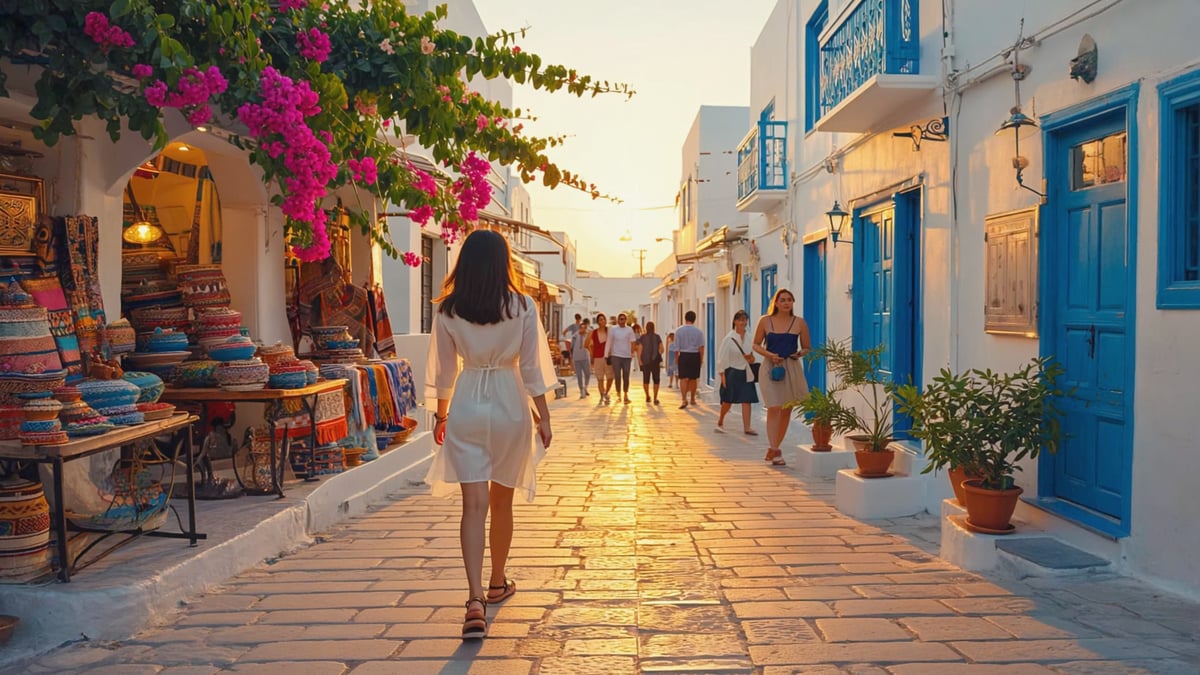
Mykonos occupies a unique position in European travel — it is simultaneously one of the most photographed, most written-about, and most visited islands in Greece, and yet it retains a genuine sense of place that resists being reduced to a backdrop for social media content. Walk far enough into Chora's whitewashed maze, eat in the right taverna, take the ferry to Delos, watch the sunset from the lighthouse — and Mykonos reveals itself as something more than its reputation. It is an island with centuries of history, extraordinary natural beauty, and a food culture that deserves far more attention than the party circuit receives.
For UK travellers, the combination of direct flights, ATOL-protected packages, and a well-developed tourist infrastructure makes Mykonos as practical as it is glamorous. The challenge is not whether to go — it is when to go, where to stay, and how to structure the days so that the island you experience matches the one you imagined. This guide exists to help with exactly that.
Whether you are planning a honeymoon, a couples' escape, a group trip, or a solo adventure into one of Europe's most vibrant destinations, Mykonos in 2026 has the capacity to exceed expectations. The question is simply how soon you book.
Book Your Holiday Now
GlobeHunters offers holiday packages including flights and hotels at competitive prices.
View Package & Prices →Or call us: 0208 944 4514
About the author
Spiros Maragkoudakis · Chief Commercial Officer
Ready to Book Your Mykonos Holiday?
Our travel experts are ready to help you plan the perfect trip. Call us today or browse our latest deals.
Ready to Start Planning?
Speak to our travel experts for personalised advice and the best deals on your next holiday.
Call 0208 944 4514