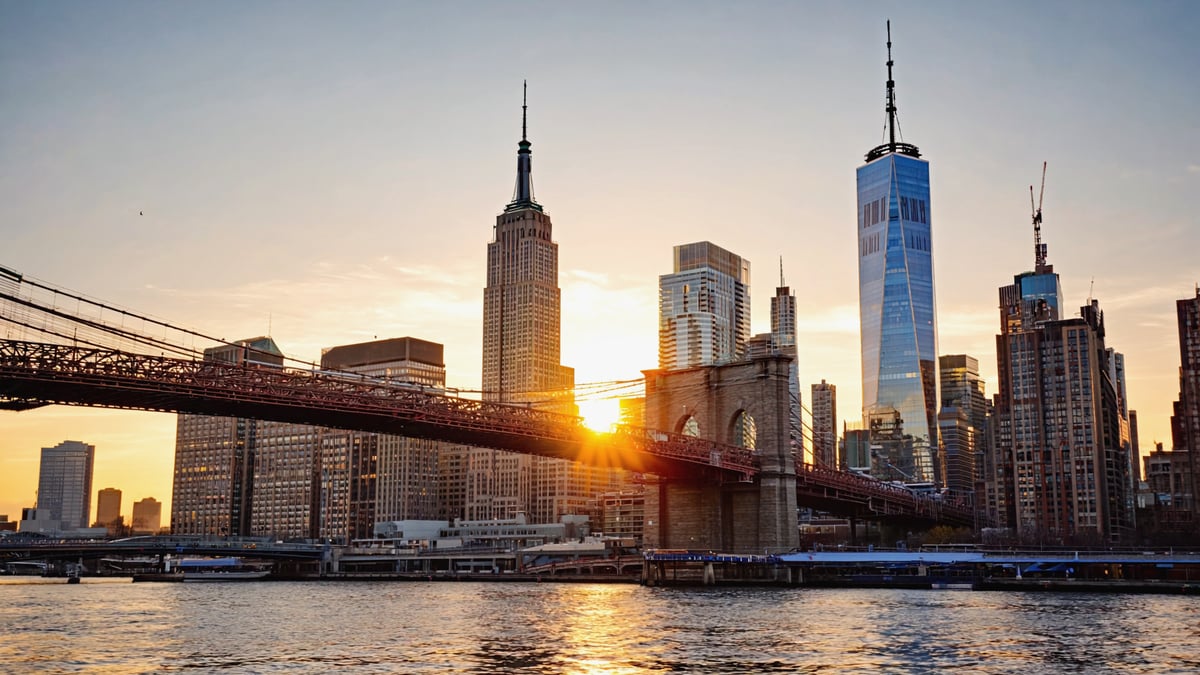
There's a moment — somewhere between stepping out of the subway at Times Square for the first time and craning your neck at the canyon of neon and glass above you — when New York stops being a place you've seen in films and becomes somewhere utterly, overwhelmingly real. The city doesn't ease you in. It doesn't apologise for its noise, its scale, or its relentless pace. It simply demands that you keep up, and somehow, miraculously, you do. For UK travellers, New York occupies a unique psychological space: familiar from decades of television and cinema, yet nothing can fully prepare you for the visceral experience of actually being there. This guide is your practical, honest, and deeply knowledgeable companion to one of the world's great cities — built specifically for British visitors in 2026.
New York at a Glance: Everything a UK Traveller Needs to Know
New York City is located on the northeastern coast of the United States, straddling the mouth of the Hudson River in New York State. It comprises five boroughs — Manhattan, Brooklyn, Queens, The Bronx, and Staten Island — though most first-time visitors centre their trip around Manhattan, the island borough that contains the majority of the city's most iconic landmarks. For UK travellers, New York is one of the most accessible long-haul destinations: no language barrier, familiar cultural touchstones, and a well-established tourism infrastructure.
Language: English (American English). You'll encounter no communication difficulties, though the accent and some vocabulary will differ — a "biscuit" is a bread roll, "chips" are crisps, and nobody will know what you mean by "a cheeky Nando's".
Currency: US Dollar (USD). As of 2026, exchange rates fluctuate, but UK travellers should budget roughly £1 to $1.25–$1.30 depending on market conditions. Always check live rates before travel. Credit and debit cards (Visa and Mastercard) are universally accepted, and contactless payment is standard. Carry some cash for smaller vendors, street food stalls, and tipping.
Time Zone: Eastern Time (ET) — GMT-5 in winter, GMT-4 during US Daylight Saving Time (which runs from mid-March to early November). The UK is typically 5 hours ahead of New York. When it's noon in London, it's 7am in Manhattan.
Visa Requirements for UK Travellers: British citizens do not require a visa to visit the United States for tourism purposes, but you must obtain authorisation through the Electronic System for Travel Authorisation (ESTA) before departure. An ESTA costs $21 USD per person (approximately £16–17), is valid for two years, and allows stays of up to 90 days. Apply at least 72 hours before travel, though same-day approvals are common. Your passport must be valid for the duration of your stay. UK travellers with certain travel history (to specific countries) may need to apply for a full B-2 tourist visa instead — check the US Embassy website if in doubt.
Electricity: 110–120V, 60Hz. US sockets use flat two-pin plugs (Type A). UK travellers will need a plug adaptor (widely available at airports). Most modern devices — phones, laptops, camera chargers — are dual-voltage and will work fine with just an adaptor.
Getting Around: Manhattan is laid out on a near-perfect grid above 14th Street, making it surprisingly easy to navigate on foot. The subway (operated by the MTA) is the fastest and cheapest way to cover larger distances. A single subway journey costs $2.90 (approximately £2.20) with an OMNY contactless card — simply tap your UK contactless debit or credit card on the reader. Yellow taxis and rideshare apps (Uber, Lyft) are plentiful but considerably more expensive.
When Should You Visit New York? A Season-by-Season Guide
New York is a genuinely year-round destination, but the experience varies dramatically by season. Unlike some cities where one period clearly dominates, NYC has compelling reasons to visit in every season — the key is knowing what you're signing up for.
Spring (March–May): The Sweet Spot
Many seasoned New York visitors consider late April through May to be the city's finest period. Temperatures climb from around 10°C in March to a comfortable 20–22°C by May. Central Park erupts into blossom, the Conservatory Garden reaches its peak, and the city shakes off its winter coat with genuine enthusiasm. Hotel rates begin to rise through this period as demand increases, but shoulder-season pricing in March and early April can represent excellent value. The New York City Half Marathon typically runs in mid-March, and the Tribeca Film Festival usually takes place in late April or May, bringing a creative, buzzy energy to lower Manhattan.
Summer (June–August): Hot, Crowded, and Spectacular
Summer in New York is an event in itself. Temperatures regularly reach 28–34°C, and humidity can make the city feel significantly hotter. The trade-off is that the city is at its most vibrant: outdoor concerts in Central Park (including the beloved SummerStage series), rooftop bars buzzing every night, the US Open tennis grand slam in late August, and free events across every borough. July and August represent peak tourist season — expect queues at major attractions and hotel rates at their annual high. If you visit in summer, book Broadway shows, Statue of Liberty ferries, and popular restaurants well in advance.
Autumn (September–November): Arguably the Best Season
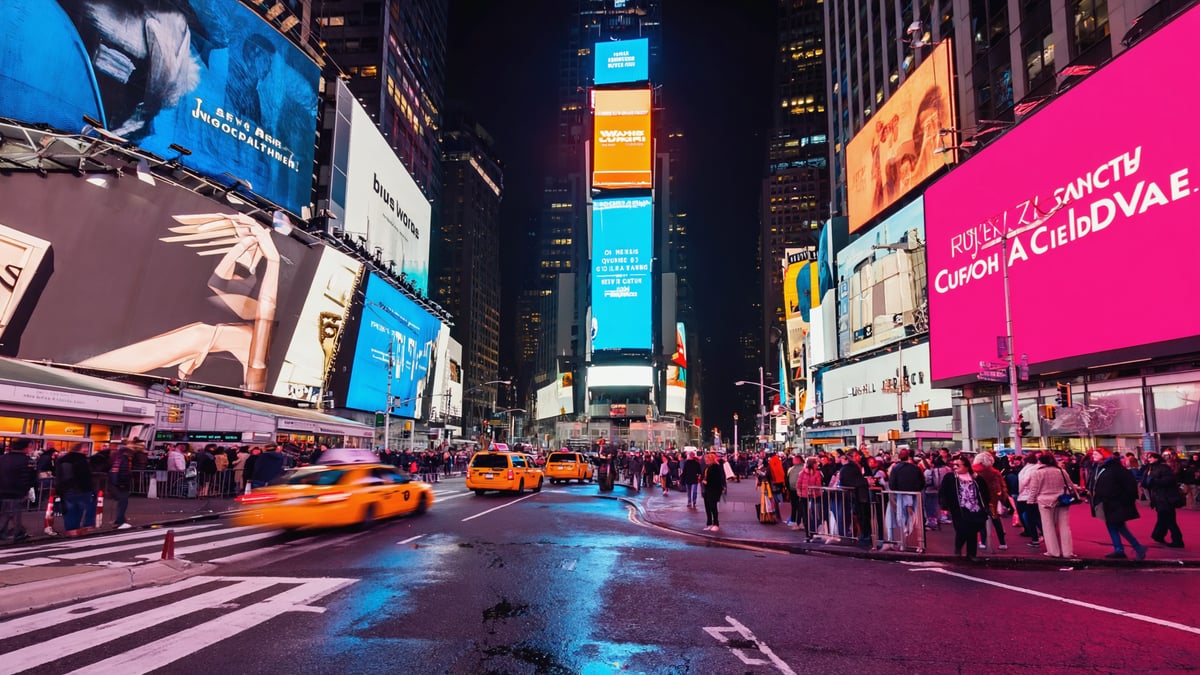
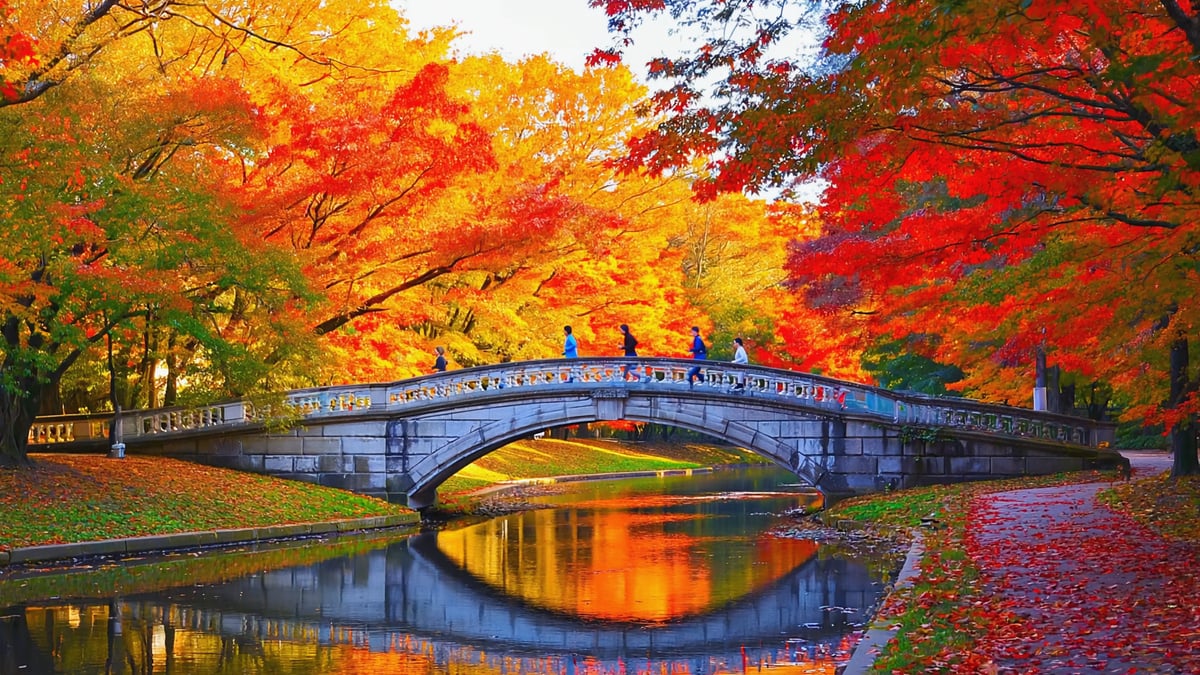
September through early November is when New York looks like the film set you always imagined. The humidity breaks, temperatures settle into a perfect 15–22°C range, and from mid-October the city's trees — particularly in Central Park and Brooklyn's Prospect Park — turn extraordinary shades of amber, crimson, and gold. The New York Film Festival runs through October. The New York City Marathon, one of the world's great sporting spectacles, takes place in the first week of November. Hotel rates dip slightly from peak summer levels in September and October before the Thanksgiving rush in late November.
Winter (December–February): Magical but Cold
New York at Christmas is a cliché for good reason — it genuinely is magical. The Rockefeller Center tree, ice skating at Bryant Park, the holiday windows along Fifth Avenue, and the city's extraordinary energy in December make it one of the world's great festive experiences. Temperatures drop to 0–5°C in January and February, with occasional snowfall that transforms the city. January and February offer the lowest hotel rates of the year and shorter queues at attractions — a genuine off-peak bargain for those willing to wrap up.
Our recommendation: For the optimal balance of weather, atmosphere, and value, target late September to mid-October or late April to mid-May. Both windows offer comfortable temperatures, lower crowd levels than peak summer, and some of the city's most atmospheric conditions.
Where to Stay in New York: The Neighbourhood Guide
Choosing where to stay in New York fundamentally shapes your experience of the city. Manhattan alone offers wildly different neighbourhood characters, from the high-octane chaos of Midtown to the brownstone-lined calm of the Upper West Side. Here's what you need to know, organised by budget.
Midtown Manhattan: Central, Convenient, Commercial
Midtown — broadly the area between 34th and 59th Streets — is where most first-time visitors stay, and for good reason. Times Square, the Empire State Building, Grand Central Terminal, and Fifth Avenue retail are all within walking distance. The neighbourhood never truly sleeps, which is thrilling for some and exhausting for others. Midtown is genuinely convenient but rarely charming; it's a neighbourhood built for commerce and tourism rather than authentic city life. That said, the logistical advantages — particularly proximity to Penn Station and Grand Central for onward travel — are real.
Budget stays: Pod Hotels (Pod 51, Pod Times Square) offer compact, well-designed rooms from around £100–£130 per night. Mid-range: The Marriott Marquis Times Square, citizenM New York Times Square, and the Ink48 offer solid options from £180–£280 per night. Luxury: The Baccarat Hotel, The St. Regis New York, and The Plaza (overlooking Central Park) deliver world-class experiences from £450–£800+ per night.
Lower East Side & SoHo: Character and Cool
For travellers who want to experience a more authentic, creative side of Manhattan, the Lower East Side (LES) and SoHo offer independent boutiques, outstanding restaurants, art galleries, and a neighbourhood energy that Midtown simply cannot match. The area is well-connected by subway (F, M, J, Z lines) and walkable to many key Downtown attractions. Mid-range options include The Ludlow and Sixty SoHo, typically £200–£350 per night. Luxury: The Crosby Street Hotel (a Firmdale property, familiar to UK travellers) sits in the heart of SoHo and offers impeccable British-influenced design from around £500–£700 per night.
Upper West Side: Residential, Relaxed, Excellent Value
The Upper West Side — stretching from 59th to around 110th Street on the western side of Central Park — is where actual New Yorkers live. Tree-lined streets, independent bookshops, neighbourhood bars, and immediate access to Central Park make this an excellent base, particularly for families and those on longer stays. The 1/2/3 and B/C subway lines provide fast access to Midtown. Mid-range: Hotel Beacon and Nyma, The New York Hotel offer good value from £150–£220 per night.
Brooklyn: Authentic, Affordable, Increasingly Essential
A decade ago, recommending Brooklyn to first-time New York visitors felt contrarian. In 2026, it's simply good advice. Williamsburg and DUMBO (Down Under the Manhattan Bridge Overpass) offer outstanding restaurants, bars, and culture, with Manhattan a short subway or ferry ride away. Hotels in Brooklyn typically run 20–30% cheaper than equivalent Manhattan properties. Budget-mid: The William Vale and the Nu Hotel Williamsburg are popular choices from £130–£200 per night.
Book Your New York Holiday Now
GlobeHunters offers 5-night New York holiday packages including flights from the UK and hotel accommodation at competitive prices. From just £1,199 per person.
View Package & Prices →Or call us: 0208 944 4514
Top Things to Do in New York: 10 Unmissable Experiences
New York City's density of world-class experiences is unmatched by almost any other destination on earth. The challenge is never finding something to do — it's making decisions. Here are ten experiences that genuinely justify the transatlantic journey, with practical details for 2026.
1. The Statue of Liberty & Ellis Island
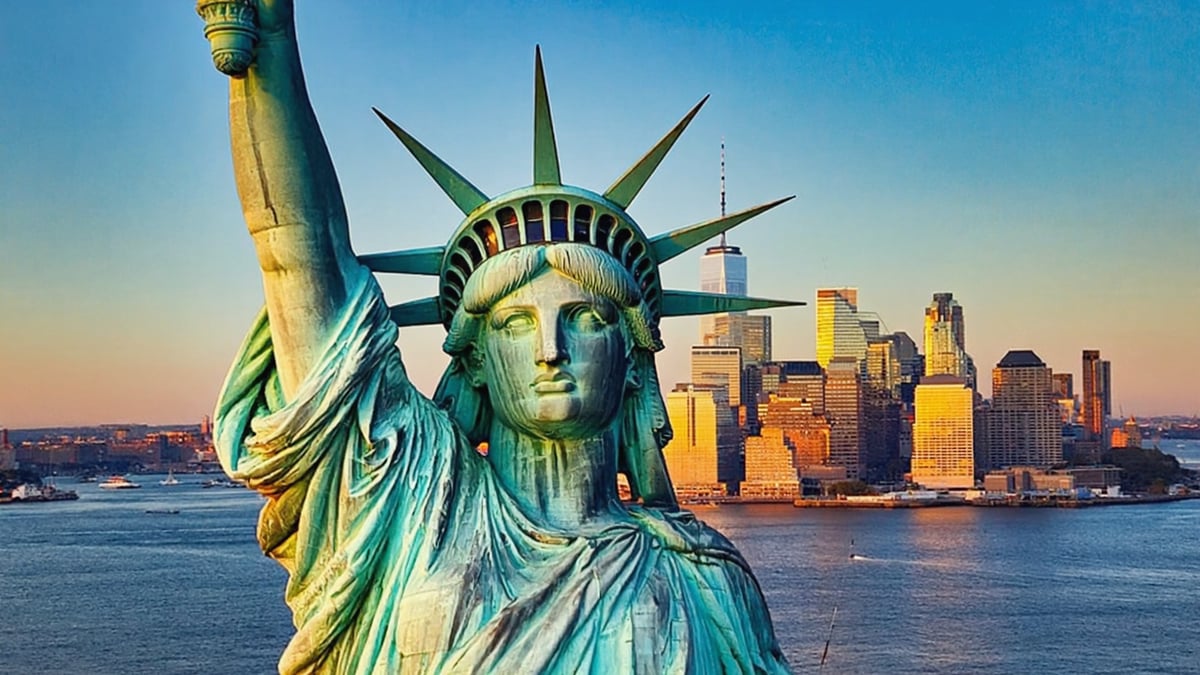
America's most iconic monument sits in New York Harbour, a short ferry ride from Lower Manhattan. Tickets include access to Liberty Island and Ellis Island (the historic immigration museum). Entry costs approximately $25–$30 (around £19–£23) per adult for the basic ferry and grounds access; pedestal and crown access requires separate, advance-booked tickets (crown access in particular sells out weeks ahead). Book through the official Statue Cruises website. Ferries depart from Battery Park. Tip: the free Staten Island Ferry offers outstanding views of Lady Liberty at no cost — a legitimate budget alternative.
2. Central Park
843 acres of meticulously designed green space in the middle of Manhattan — and entirely free to enter. Central Park is not merely a park; it's a city within a city, containing lakes, a zoo, an ice rink (seasonal), the Great Lawn, the Ramble (a woodland bird-watching area), Bethesda Fountain, and the Conservatory Garden. Rent a bike from Citi Bike (approximately £3–4 per 30 minutes with a contactless card) or hire a rowing boat on The Lake for around $20 (£15) per hour. The park is at its absolute finest during autumn foliage season (mid-October) and spring blossom (late April).
3. A Broadway Show
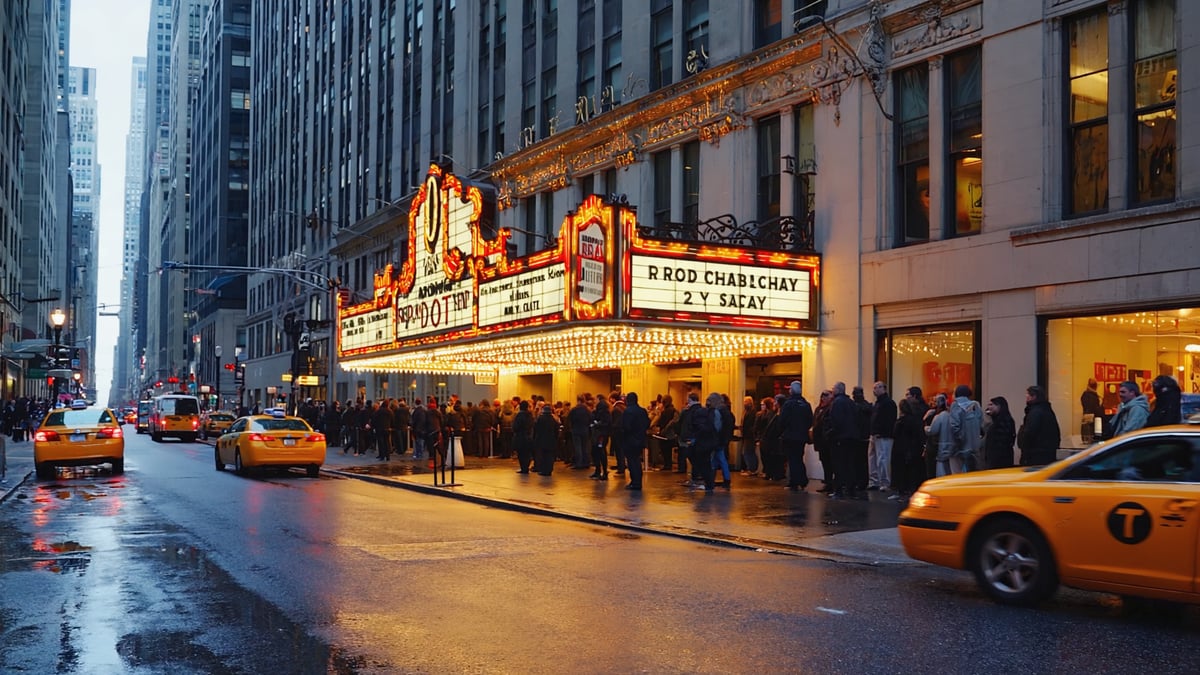
Seeing a show on Broadway is not merely a tourist activity — it is a genuine cultural experience at the highest level of theatrical production in the world. The Theatre District clusters around West 42nd to 53rd Streets. In 2026, Broadway continues its post-pandemic resurgence with a mix of long-running smash hits, new productions, and revivals. Ticket prices range from around £50–£200+ depending on the show and seat. For discounts, visit the TKTS booth in Times Square (or the Downtown Brooklyn location) for same-day discounted tickets — typically 20–50% off. Book popular shows (Hamilton, The Lion King, Chicago, and current new productions) well in advance through official ticketing platforms.
4. The Metropolitan Museum of Art (The Met)
One of the world's great museums, the Met occupies a vast Fifth Avenue building overlooking Central Park and contains over two million works spanning 5,000 years of human civilisation. Suggested admission: $30 (approximately £23) for adults, though this is technically a suggested donation — you can pay what you wish. Open Tuesday–Sunday, 10am–5pm (until 9pm on Fridays and Saturdays). The Roof Garden (open seasonally) offers one of Manhattan's most extraordinary views. Allow at least 3–4 hours; a full day is not excessive.
5. The High Line
An elevated park built on a disused freight railway line running through Chelsea and Hell's Kitchen on Manhattan's West Side, the High Line is one of New York's great urban success stories. The 1.45-mile elevated walkway is free to enter and open daily from 7am to 10pm (seasonal variations). It offers a unique perspective on the city, public art installations, and access to the Hudson Yards development and The Shed arts centre at its northern end. Best visited in late morning on a weekday to avoid crowds.
6. One World Observatory
The observation deck of One World Trade Center — the Western Hemisphere's tallest building — sits at 1,250 feet and delivers arguably the most dramatic panoramic views in all of New York. Tickets cost around $42–$46 (approximately £32–£35) per adult, with timed entry. Book in advance online to avoid queues. The ascent in the Sky Pod elevator — which projects a time-lapse of Manhattan's development on the walls — is a spectacle in its own right. Open daily from 9am to 9pm.
7. Brooklyn Bridge Walk
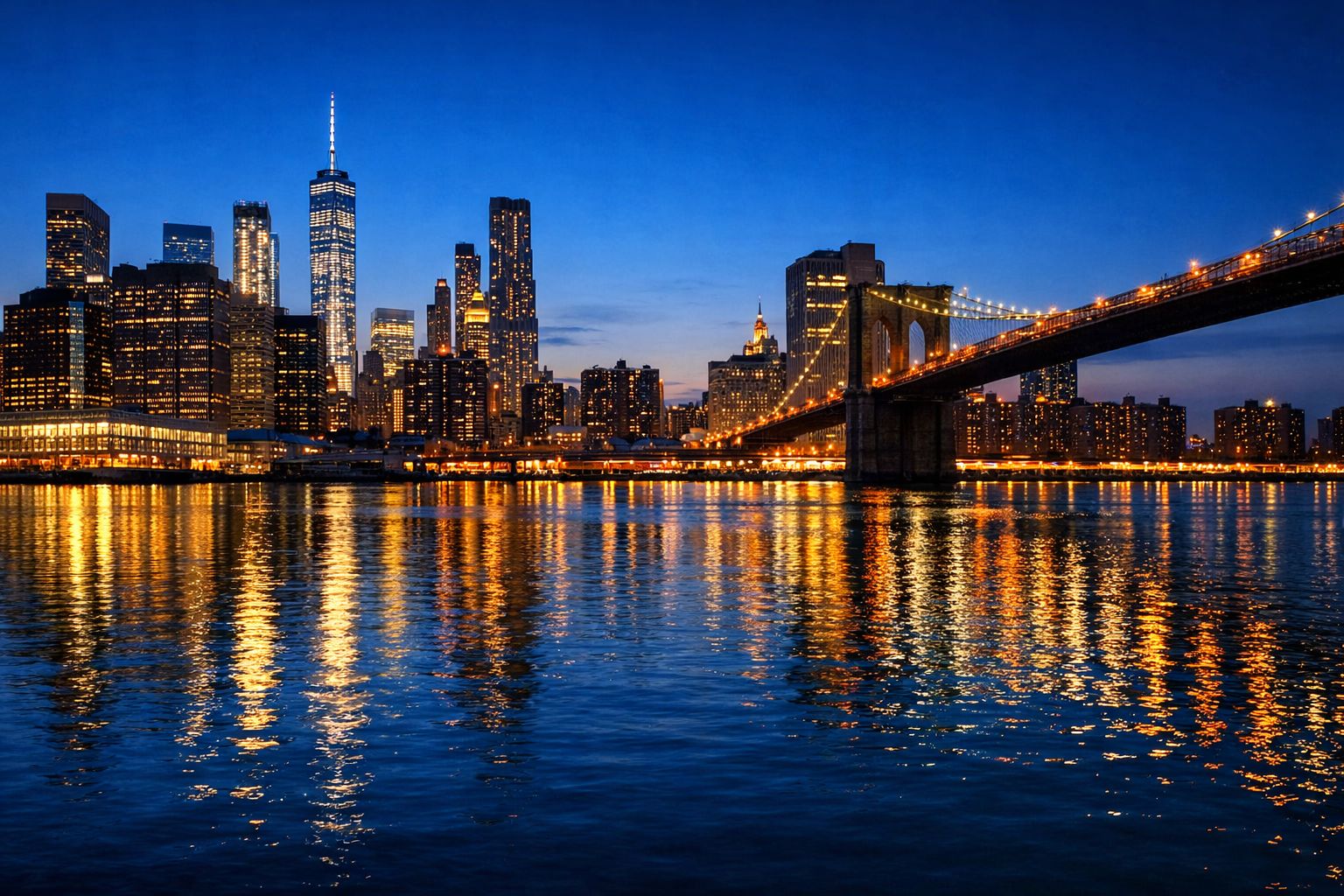
Walking across the Brooklyn Bridge is free, takes approximately 30–45 minutes, and delivers some of the finest views in New York — looking back at the Manhattan skyline or down at the East River. Start from the Manhattan side (Chambers Street/City Hall) and walk to DUMBO, Brooklyn, where the famous view of the bridge framed by the Manhattan Bridge arch awaits. The bridge's pedestrian and cycle walkway is open 24 hours; early morning is best to avoid crowds and catch golden hour light.
8. The Museum of Modern Art (MoMA)
MoMA's collection — including Van Gogh's The Starry Night, Picasso's Les Demoiselles d'Avignon, and works by Frida Kahlo, Jackson Pollock, and Andy Warhol — is among the most significant collections of modern and contemporary art on earth. Adult admission: $30 (approximately £23). Open daily (except Tuesday) from 10:30am to 5:30pm, until 7pm on Fridays. The museum's café and restaurant are genuinely excellent — a rare thing among major art institutions.
9. Coney Island
Take the D, F, N, or Q train to the end of the line and you'll arrive at one of New York's most characterful and unpretentious destinations. Coney Island's boardwalk, the historic Wonder Wheel ($10/£7.50), Nathan's Famous hot dogs, and the New York Aquarium make this a brilliant half-day escape from Manhattan's intensity. The beach is free, the atmosphere is genuinely festive in summer, and the journey on the elevated subway line over Brooklyn is an experience in itself.
10. A Speakeasy Cocktail Bar in the East Village
New York's cocktail culture is extraordinary, and the East Village and Lower East Side are its heartland. Seek out hidden bars — some genuinely require a password or booking through an unmarked door — where expert bartenders craft cocktails with the same seriousness a chef applies to food. PDT (Please Don't Tell) on St Mark's Place is one of the originals: accessed through a phone booth inside a hot dog restaurant, it requires reservations and delivers world-class drinks. Cocktails typically run $18–$24 (£14–£18). It's an experience you won't replicate anywhere else.
Food & Dining in New York: What to Eat and Where
New York City may be the world's most extraordinary eating city — a place where you can eat your way around the globe without leaving a single borough, where Michelin-starred restaurants and $3 slice pizza joints coexist within metres of each other, and where the concept of "local cuisine" encompasses literally every culinary tradition on earth. Eating well in New York is not about finding the right restaurant — it's about knowing where to start.
Essential Dishes and Foods
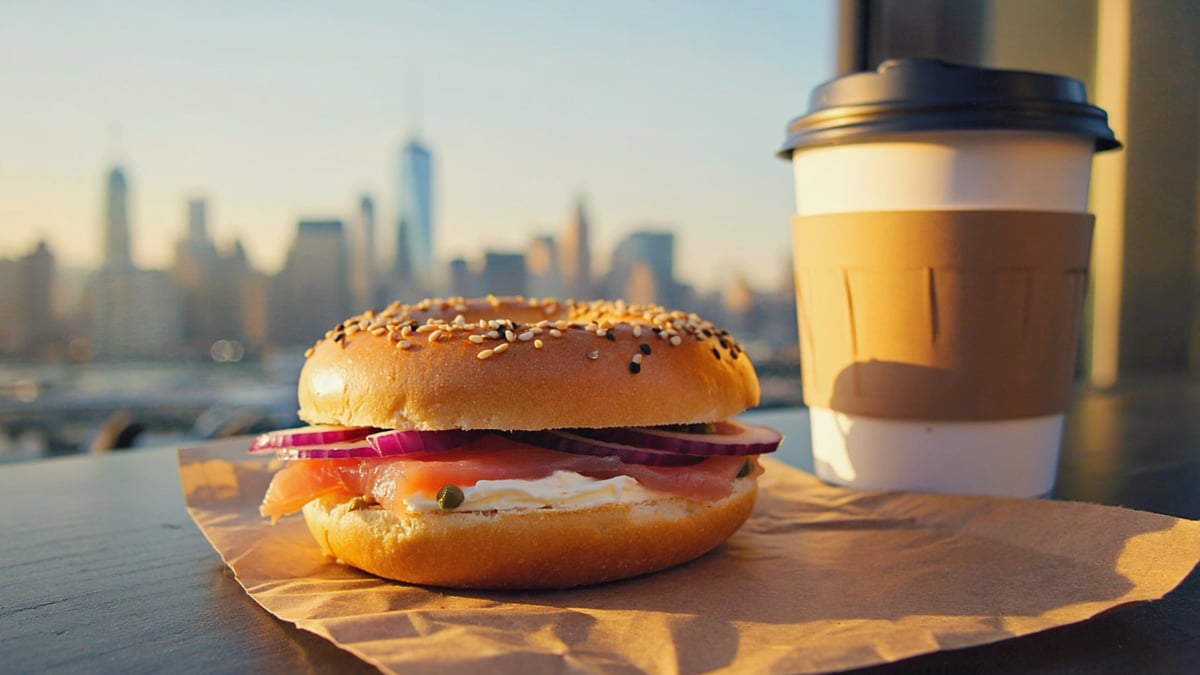
Certain foods are simply non-negotiable New York experiences. New York pizza — thin-crust, sold by the slice, folded in half and eaten while walking — is a cultural institution. Joe's Pizza in Greenwich Village is the canonical choice, a slice costing around $3–4 (£2.30–£3). Bagels are another city staple; the combination of New York's water chemistry and traditional boiling-then-baking method produces a texture that simply cannot be replicated elsewhere. Ess-a-Bagel on First Avenue and Russ & Daughters on Houston Street are the most celebrated purveyors. A bagel with cream cheese and lox (smoked salmon) runs around $12–$16 (£9–£12). A New York deli sandwich — towering pastrami or corned beef on rye at Katz's Delicatessen on the Lower East Side — is another rite of passage. Expect to pay £15–£20 for a full sandwich, and expect it to be worth every penny.
Best Dining Neighbourhoods
The West Village is Manhattan's most charming dining neighbourhood: cobblestone streets lined with independent restaurants ranging from casual Italian trattorias to intimate fine dining. Chinatown (in Lower Manhattan) offers some of the city's best value eating — dim sum, hand-pulled noodles, and Cantonese roast meats at prices that feel incongruous with the city around them. Hell's Kitchen (West 40s–50s) is the pre-theatre dining hub, with a density of mid-range restaurants serving every global cuisine. Flushing, Queens — accessible on the 7 train — is widely considered New York's best destination for Chinese, Korean, and South Asian food, frequented by the communities who live there rather than tourists.
Street Food and Markets
Chelsea Market (between 9th and 10th Avenues in the Meatpacking District) houses an extraordinary collection of food vendors under one roof — artisan bread, fresh lobster, tacos, and Japanese cuisine all within the converted Nabisco factory building. Smorgasburg, the outdoor food market that runs on weekends in Brooklyn (Williamsburg on Saturdays, DUMBO on Sundays, weather permitting), is arguably the best single food event in New York — dozens of vendors offering inventive street food from a rotating cast of independent producers.
Dietary Considerations
New York is exceptionally accommodating for all dietary requirements. Vegan and vegetarian restaurants are abundant throughout Manhattan and Brooklyn. Kosher dining is widely available, particularly on the Upper West Side and in certain parts of Brooklyn. Halal food carts — a New York institution — are found on nearly every Midtown block. Gluten-free options are standard at most mid-range restaurants. Allergen information is generally available on request, and New York's restaurant culture takes dietary needs seriously.
Getting to New York from the UK: Flights, Airports, and Transfers
New York is served by three major airports, all within the metropolitan area, making it one of the world's most accessible long-haul destinations from the UK. Direct flights from London are among the most frequent transatlantic routes in the world, operated by multiple carriers.
Which Airport to Fly Into?
John F. Kennedy International Airport (JFK) is the primary international gateway and handles the majority of UK transatlantic flights. It's located in Queens, approximately 15–18 miles from Midtown Manhattan. The AirTrain to Jamaica Station, then the E, J, or Z subway line, gets you to Midtown in around 60–75 minutes for approximately $10 (£7.50) total. Taxis run on a flat rate of $70 (plus tolls and tip) to Manhattan — approximately £55–£65 total.
Newark Liberty International Airport (EWR), across the Hudson River in New Jersey, is also served by direct UK flights and is often overlooked by first-time visitors. The NJ Transit train to Penn Station takes around 30–40 minutes and costs approximately $18 (£14). Many travellers find Newark more convenient and less chaotic than JFK.
LaGuardia Airport (LGA) primarily handles domestic US flights and is less relevant for UK arrivals, though it's the closest airport to Midtown Manhattan in terms of distance (8 miles). New ground transport links have improved connectivity in recent years.
UK Departure Airports and Airlines
Direct (non-stop) flights to New York's airports operate from London Heathrow (LHR) — the highest frequency, with British Airways, Virgin Atlantic, American Airlines, and others flying multiple times daily. London Gatwick (LGW) is served by Norse Atlantic and other carriers. Manchester (MAN) has direct services to New York via British Airways and Virgin Atlantic. Edinburgh (EDI) and Dublin (DUB) also have direct or one-stop services.
Flight duration from London to New York is approximately 7–8 hours westbound (headwinds mean the return is faster — around 6–7 hours). Booking 3–6 months in advance typically yields the best fares. Economy class return fares from London can range from approximately £400–£900 depending on season and carrier; premium economy and business class represent significant upgrades in comfort for a transatlantic journey of this duration.
GlobeHunters' 5-night New York package — from £1,199 per person including flights and hotel — represents strong value for a bundled booking, removing the complexity of coordinating flights and accommodation separately.
New York Budget Guide: What Will It Actually Cost?
New York is an expensive city by global standards, but manageable with the right approach. The key insight for UK travellers is that the cost of getting there (flights) and sleeping there (hotels) is the primary expense — once you're in the city, many of its best experiences are free or low-cost. Here's a realistic daily budget breakdown, excluding accommodation and flights.
Budget Traveller: £60–£90 per day
This is genuinely achievable with discipline. Breakfast at a bodega or bagel shop: £3–£5. Subway travel (unlimited day pass): approximately £8. Lunch at a street cart or pizza slice: £5–£8. Afternoon at Central Park, Brooklyn Bridge walk, or a free museum entry: £0. Dinner at a neighbourhood restaurant (not tourist-focused): £15–£25. One or two drinks at a neighbourhood bar: £10–£15. Total: comfortably under £90. Skip paid attractions in favour of free alternatives (the Staten Island Ferry for Statue of Liberty views, the High Line, Central Park), cook breakfast in your accommodation, and eat where locals eat rather than where tourists are directed.
Mid-Range Traveller: £120–£200 per day
This allows for a more comfortable and varied experience. A sit-down breakfast or brunch: £10–£18. Subway or occasional taxi: £10–£20. Entry to one or two paid attractions (MoMA, One World Observatory): £25–£45. A proper restaurant lunch: £15–£25. A pre-theatre dinner and Broadway show: £60–£120 combined. Evening drinks at a cocktail bar: £20–£35. At this budget level, you're eating well, seeing major attractions, and experiencing Broadway — the core New York experience.
Luxury Traveller: £300–£600+ per day
New York's luxury tier is world-class. Fine dining at Michelin-starred restaurants (tasting menus at restaurants like Le Bernardin or Eleven Madison Park run £150–£300 per person). Premium Broadway seats, VIP experiences at observation decks, private guided tours, and rooftop bar evenings all contribute to a daily spend that can easily exceed £400 without trying. The city rewards this level of spending with genuinely extraordinary experiences.
Tipping Culture: An Essential Briefing for UK Travellers
Tipping in New York is not optional — it is a structural part of how service industry workers are compensated. Restaurant servers: 18–22% of the pre-tax bill is standard; 15% is considered low, and not tipping is genuinely offensive. Bartenders: $1–2 per drink. Taxi drivers: 15–20%. Hotel housekeeping: $2–5 per night left in the room. Coat check: $1–2 per item. Factor tipping into your daily budget — it adds approximately 20% to all food and drink expenditure.
Travel Tips, Safety, and Practical Advice for New York
New York is a safe and well-managed destination for UK travellers, but it rewards awareness and preparation. Here is the practical advice that makes the difference between a smooth trip and a stressful one.
Safety
New York's crime rate has declined dramatically over the past three decades and remains lower than several other major US cities. Violent crime targeting tourists is rare. That said, petty theft and pickpocketing occur, particularly in crowded tourist areas (Times Square, busy subway platforms). Keep your phone in your pocket when not in use — "phone snatching" incidents occur, particularly near subway doors. Be aware of your surroundings on late-night subway platforms. The subway itself is safe at most hours, but trust your instincts; if a carriage feels uncomfortable, move to another one. The FCDO (Foreign, Commonwealth & Development Office) maintains up-to-date travel advice for the USA — check it before departure.
Health and Travel Insurance
Healthcare in the United States is extraordinarily expensive. A minor emergency room visit can cost thousands of pounds without insurance. Comprehensive travel insurance is non-negotiable for any US trip — ensure your policy covers medical treatment, emergency repatriation, trip cancellation, and baggage loss. Standard UK travel insurance policies typically cover the US, but read the small print regarding pre-existing conditions and activity exclusions. The European Health Insurance Card (EHIC) does not apply in the USA.
Customs and Etiquette
New Yorkers have a reputation for brusqueness that is somewhat unfair — the city's pace simply doesn't allow for extended pleasantries. In practice, New Yorkers are often genuinely helpful when approached directly and respectfully. Stand to the right on escalators (and walk on the left). Don't stop suddenly in the middle of a pavement — step to the side. Don't block the subway doors. Smoking is prohibited in parks, public spaces, and all indoor venues. Cannabis is legal for adult recreational use in New York State — you may encounter the smell in public spaces, as consumption rules continue to evolve.
Packing Essentials
New York's weather varies enormously by season (see above), so pack accordingly. Year-round essentials include: comfortable walking shoes (you will walk 15,000–25,000 steps per day — this is not an exaggeration), a portable charger for your phone, a reusable water bottle (tap water in NYC is excellent and free), and a light layer for heavily air-conditioned restaurants and museums in summer. In winter, a proper insulated coat, gloves, and a hat are non-negotiable — wind chill between the skyscrapers is brutal. A crossbody bag or anti-theft backpack is recommended over a shoulder bag for security.
Communication and Connectivity
Check your UK mobile provider's roaming rates before travel. Since Brexit, some providers have reinstated roaming charges for US travel; others offer affordable add-on packages. Alternatively, purchase a US SIM card on arrival or use an eSIM (available from providers like Airalo) for cost-effective US data. Free Wi-Fi is available throughout the subway system and at LinkNYC kiosks on many street corners.
Money and Payments
Notify your bank before travelling to avoid fraud blocks on your card. Use a fee-free travel card (such as Starling, Monzo, or Halifax Clarity) to avoid foreign transaction fees — these can add 2–3% to every purchase. ATMs are ubiquitous, but avoid airport ATMs (poor rates) and opt for bank ATMs over independent machines (which often charge high fees). Always pay in USD rather than GBP when prompted at card machines — dynamic currency conversion offered by merchants is always an unfavourable rate.
Frequently Asked Questions About Visiting New York
Do UK citizens need a visa for New York?
No visa is required for UK citizens visiting New York for tourism. However, you must obtain an approved ESTA (Electronic System for Travel Authorisation) before departure. Apply online at the official CBP website for $21 USD. The ESTA is valid for two years and allows multiple visits of up to 90 days each.
How long do you need in New York?
A 5-night trip (6 days) is the practical minimum for first-time visitors to experience Manhattan's highlights without feeling rushed. Seven to ten nights allows you to explore beyond Manhattan into Brooklyn, Queens, and day trips further afield. Five nights — the duration of GlobeHunters' package — comfortably covers the major landmarks, a Broadway show, and several neighbourhood explorations.
What is the best area to stay in New York for first-time visitors?
For first-timers, Midtown Manhattan offers the most convenient base — proximity to major attractions, excellent transport connections, and a wide range of accommodation options. Those seeking more character should consider the Upper West Side (residential, safe, excellent Central Park access) or SoHo/Lower East Side (creative, excellent dining, more authentically "New York").
Is New York safe for solo UK travellers?
Yes. New York is one of the safer major cities in the United States and is very well-suited to solo travel. The city is walkable, well-lit, and densely populated at most hours. Standard urban awareness — keeping valuables secure, being aware of surroundings, using main streets at night — is sufficient for the vast majority of visitors.
How much does a Broadway show cost?
Broadway ticket prices vary considerably. Standard seats for popular long-running shows typically cost $80–$200 (£60–£155). Premium seats for in-demand productions can exceed $300 (£230). Discounted same-day tickets are available at TKTS booths in Times Square and other locations, typically offering 20–50% reductions. Rush tickets and lottery tickets (available through individual show apps and websites) can bring prices down to $35–$50 (£27–£38).
What is the best way to get from the airport to Manhattan?
From JFK: the AirTrain to Jamaica, then subway into Manhattan (~60–75 minutes, approximately £7.50 total) is the most economical option. A flat-rate yellow taxi costs $70 plus tolls and tip (approximately £60–£70 total). From Newark (EWR): the AirTrain to Newark Airport station, then NJ Transit to Penn Station (~30–40 minutes, approximately £14). Uber/Lyft from either airport costs more but offers door-to-door convenience.
Can I use my UK contactless card on the New York subway?
Yes. The MTA's OMNY system accepts contactless Visa and Mastercard (including UK-issued cards) directly on subway and bus readers. Simply tap your card each time you enter. A single journey costs $2.90 (approximately £2.20). There is no need to purchase a MetroCard, though these remain available if preferred.
What should I eat in New York that I can't get in the UK?
Several New York food experiences are genuinely irreplaceable: a fresh New York bagel (the water and baking method make them unique), a dollar pizza slice from a proper NYC slice joint, a pastrami on rye at Katz's Delicatessen, and a New York-style cheesecake (dense, rich, and nothing like the UK version). The city's Chinese food in Flushing and its Dominican and Puerto Rican cooking in the Bronx are also well beyond what's available in most UK cities.
Is tipping really mandatory in New York?
In practical terms, yes — particularly in sit-down restaurants. 18–20% is the baseline for table service. Not tipping is considered rude and reflects a misunderstanding of how servers are compensated in the US system. For bars, $1–2 per drink is standard. For taxis and rideshares, 15–20% is expected. Factor this into your daily budget — it meaningfully adds to food and drink costs.
What is the New York CityPASS and is it worth it?
The New York CityPASS bundles admission to several major attractions (typically including the Empire State Building, the American Museum of Natural History, the Metropolitan Museum of Art, and others) at a combined discount. It can offer savings of 40–50% compared to paying individually at the gate, making it worthwhile if you plan to visit multiple included attractions within a short trip. Purchase in advance online.
What is the weather like in New York in December?
December in New York is cold — temperatures typically range from -1°C to 8°C, with the possibility of snow. However, the city's Christmas atmosphere is extraordinary: the Rockefeller Center tree, festive window displays on Fifth Avenue, ice skating rinks at Bryant Park and the Rockefeller Center, and holiday markets throughout the city create an unmistakable magic. Pack a proper winter coat, thermals, gloves, and a hat. Layering is essential.
How far in advance should I book a New York holiday?
For travel during peak periods (summer, Christmas/New Year, Thanksgiving), book 4–6 months in advance to secure the best flight and hotel prices. For shoulder season travel (spring, autumn), 2–3 months ahead is generally sufficient. Broadway shows, Statue of Liberty crown access, and popular restaurants (particularly in the West Village) should be booked as early as possible regardless of travel dates.
Why New York Belongs on Your 2026 Travel List
There are cities that impress you, cities that charm you, and cities that change you. New York, at its best, does all three simultaneously. It is a place of genuine contradictions — brutally expensive and remarkably free; overwhelming in scale yet navigable on foot; the most cosmopolitan city on earth yet somehow deeply, provincially itself. Nowhere else delivers the particular combination of cultural density, culinary excellence, architectural drama, and sheer human energy that Manhattan provides on any given Tuesday afternoon.
For UK travellers, New York has an additional resonance: it is the city that shaped so much of the culture we grew up consuming, from Seinfeld to Jay-Z, from the New York Times to the Chrysler Building. Arriving for the first time is both discovery and recognition — the strange, electric feeling of being somewhere entirely new that you somehow already know. Returning, as many visitors do, is simply confirmation that the first trip wasn't enough.
A five-night break gives you sufficient time to move through the city's many layers — from the orchestrated spectacle of Midtown to the human-scale intimacy of the West Village, from the reflective quiet of the 9/11 Memorial to the joyful chaos of a Brooklyn flea market on a Saturday morning. It is enough time to see the landmarks, eat the food, hear the music, and understand — in some small way — why the eight million people who live here wouldn't want to live anywhere else.
GlobeHunters' New York package — from £1,199 per person for five nights including flights and accommodation — makes this one of the world's great city experiences genuinely accessible. Whether you're planning a first-time adventure, a romantic break with a Broadway evening at its heart, or finally making good on a long-held ambition to see the city for yourself, 2026 is an excellent year to go.
Book Your New York Holiday Now
GlobeHunters offers holiday packages including flights and hotels at competitive prices. 5 nights in New York from £1,199 per person — flights from the UK included.
View Package & Prices →Or call us: 0208 944 4514
Ready to Book Your New york Holiday?
Our travel experts are ready to help you plan the perfect trip. Call us today or browse our latest deals.
Ready to Start Planning?
Speak to our travel experts for personalised advice and the best deals on your next holiday.
Call 0208 944 4514Holiday Packages You Might Like
Curated trips matched to this guide — flights, hotels & experiences included.

More Articles
Amalfi Coast vs. Santorini: Which Mediterranean Escape is Right for UK Travellers?
Amalfi Coast or Santorini? Compare scenery, costs, best areas & UK package prices to find your perfect Mediterranean holiday. Honest advice from GlobeHunters.

Maldives vs. Bora Bora: The Honest UK Traveller's Guide to Choosing Your Overwater Paradise
Maldives or Bora Bora? We compare costs, flights, resorts & experiences so UK travellers can choose the perfect luxury island escape. Packages from GlobeHunters.

Bora Bora Holiday Guide: Overwater Bungalows, Lagoons & UK Package Deals
Plan your Bora Bora holiday from the UK. Discover overwater bungalows, turquoise lagoons & GlobeHunters package deals. Flights, hotels & activities included.