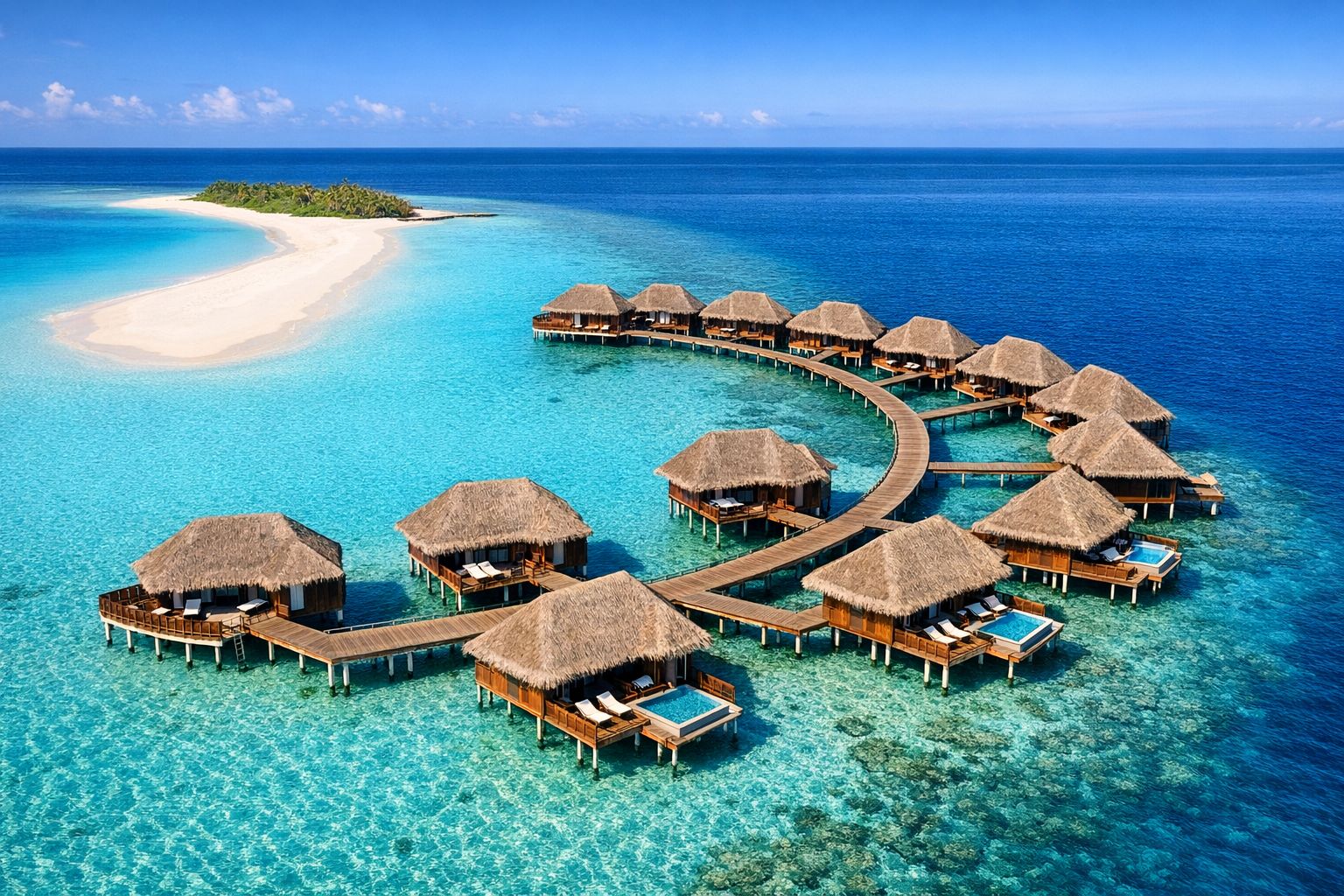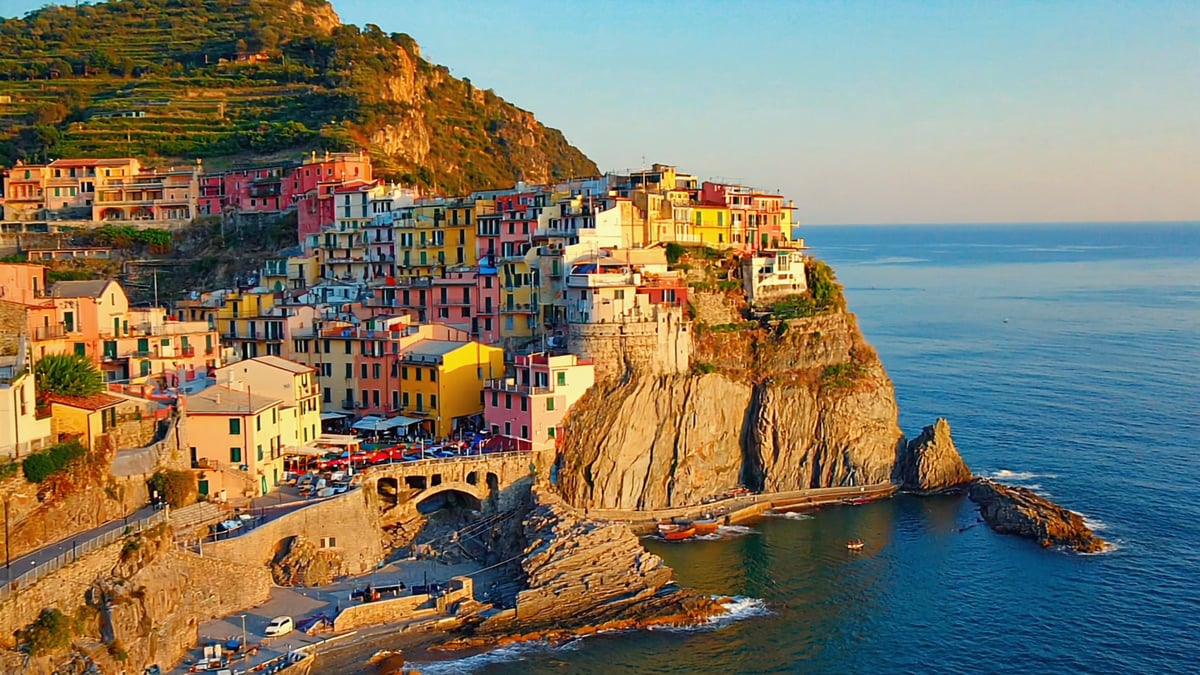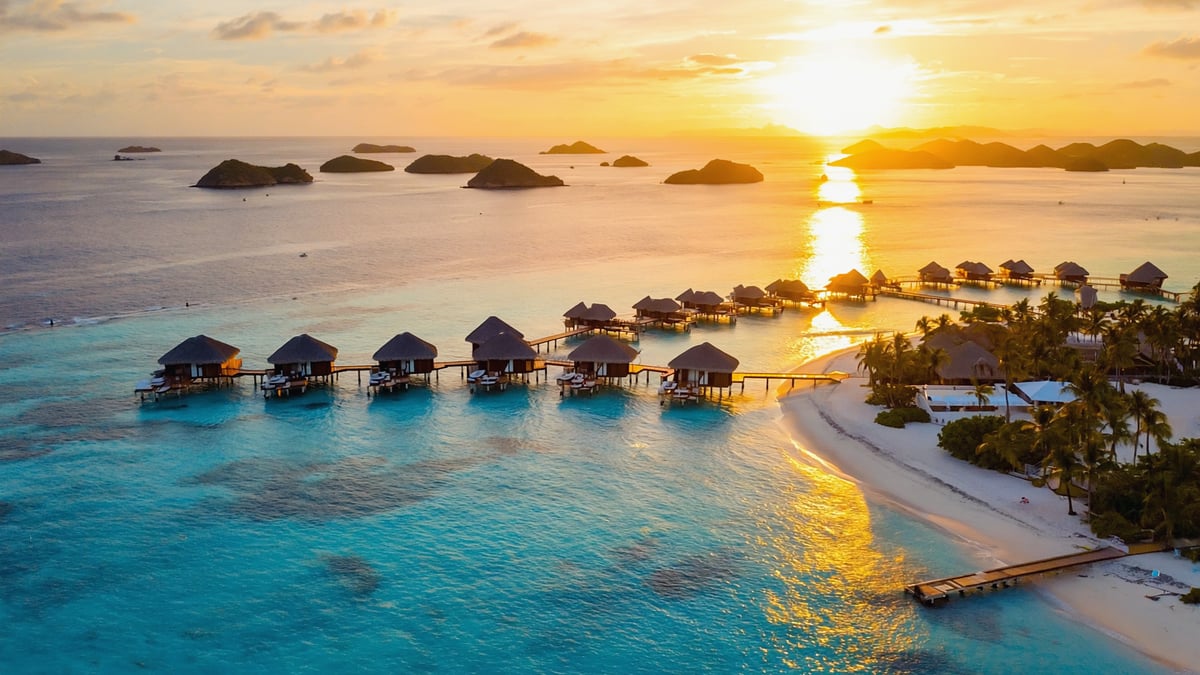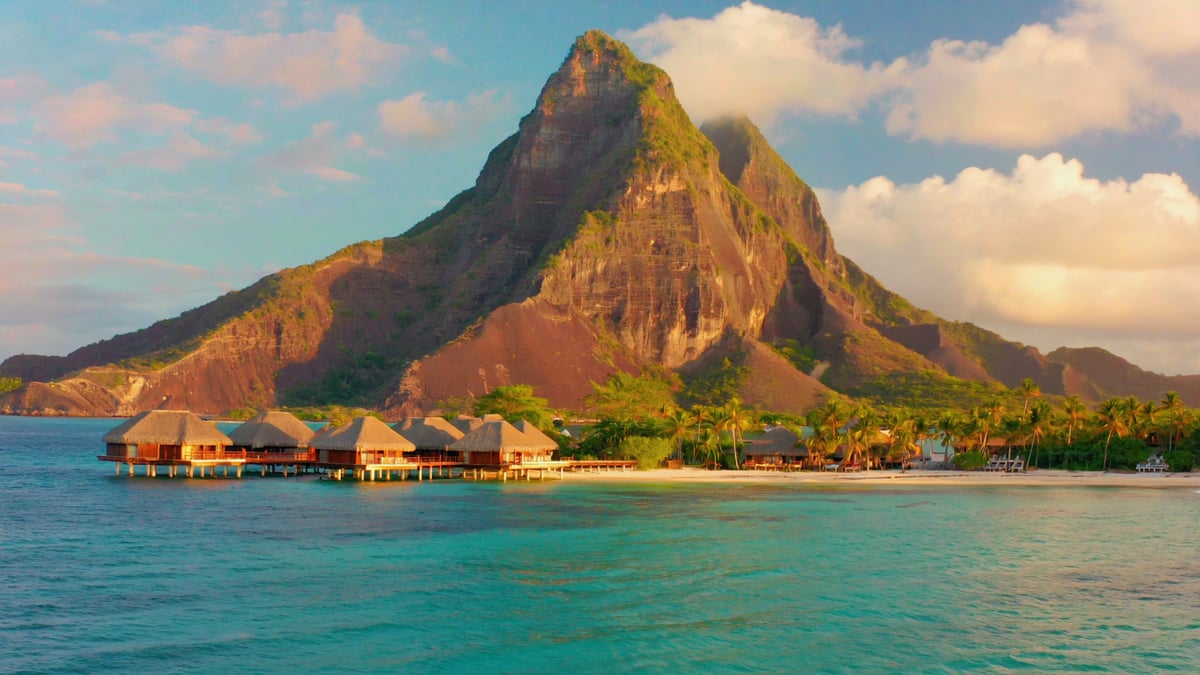
Most Caribbean holidays follow a familiar script: fly in, spend a week on one beach, fly home. It is a perfectly pleasant way to spend annual leave. But the Caribbean is not one destination. It is a collection of more than 700 islands spread across 2.7 million square kilometres of the Atlantic and Caribbean Sea, each with its own character, cuisine, landscape, and rhythm. Visiting just one is a bit like driving to Paris and spending the whole trip in the airport.
Caribbean island hopping from the UK is more achievable than most travellers assume. With the right routing, a realistic budget, and a clear understanding of what each island actually offers, you can build a multi-stop holiday that covers rum-soaked beach bars in Barbados, rainforest hikes in St Lucia, and the pastel-coloured streets of Curaçao, all within a single trip. This guide walks you through every stage of planning, from choosing your island combination to booking the right package, managing inter-island travel, and knowing exactly what to budget.
Whether you are planning a honeymoon, a family adventure, or a solo escape, this is the most practical breakdown of multi-stop Caribbean holiday planning available for UK travellers. Let's get into it.
Step 1: Decide How Many Islands You Can Realistically Cover
The biggest planning mistake UK travellers make is trying to visit too many islands in too little time. Factor in long-haul flight times from the UK, the jet lag adjustment period, and the logistics of inter-island travel, and a two-island itinerary over 10 nights often delivers a better experience than a four-island sprint over the same period.
Before you start researching destinations, lock in two variables first: how many nights you have, and how much movement you can comfortably handle. These two factors define everything else.
A Practical Framework for Island Count by Trip Length
| Trip Length | Recommended Islands | Pacing | Best For |
|---|---|---|---|
| 7–9 nights | 1–2 islands | Relaxed, minimal travel days | Honeymooners, first-timers |
| 10–12 nights | 2–3 islands | Balanced, one inter-island flight | Couples, adventurous travellers |
| 13–16 nights | 3–4 islands | Active, two inter-island hops | Families, retirees with time |
| 17+ nights | 4–5 islands | Explorer pace, island per 3–4 nights | Solo travellers, bucket-list trips |
A useful rule of thumb: allow a minimum of three full nights on each island. Any less, and you spend your only full day exhausted from travel. Four nights is the sweet spot for most island experiences, giving you two activity days and one genuine rest day.
Pro tip: Book your first island for at least four nights if you are flying from the UK. Long-haul flights (typically 8–10 hours from London to the Eastern Caribbean) will land you tired, and you will want time to properly arrive before moving on.
Common mistake to avoid: Routing your inter-island hops in a zigzag pattern. Always plan a geographic arc, moving through neighbouring islands rather than bouncing back and forth. This cuts inter-island flight costs and minimises wasted travel time.
Step 2: Choose the Right Island Combination for Your Travel Style

Not all Caribbean islands are interchangeable. Each island has a dominant character shaped by its colonial history, geography, and current tourism infrastructure. The best multi-stop Caribbean holiday itineraries deliberately contrast islands to create variety, not just repeat the same beach experience in a different postcode.
Here are the proven island pairings and trios that work particularly well for UK travellers, grouped by travel style.
For Couples and Honeymooners: Romance and Contrast
Barbados + St Lucia is arguably the most popular two-island combination for UK travellers, and it earns that reputation. Barbados offers a polished, social atmosphere: great restaurants, beach clubs, the vibrant Oistins Fish Fry on Friday nights, and one of the Caribbean's most developed tourist infrastructures. St Lucia provides the dramatic counterpoint, with its volcanic Piton mountains, lush rainforests, and intimate boutique resorts hidden in jungle coves. The contrast between the two islands is striking enough to feel like two completely different holidays.
Antigua + St Barts suits couples who want to upgrade the luxury quotient. Antigua offers 365 beaches (one for every day of the year, according to local legend), excellent sailing, and a charming English Harbour with deep colonial history. St Barts is the Caribbean's most glamorous island, attracting a French-influenced crowd with excellent cuisine, boutique shopping, and the kind of understated luxury that does not require a sign above the door.
For Families: Activities, Space, and Variety
Jamaica + The Cayman Islands is a strong family combination. Jamaica brings the full-throttle Caribbean experience: Dunn's River Falls, Blue Mountain coffee tours, Negril's seven-mile beach, and the warmest local culture in the region. The Cayman Islands pivot completely, offering some of the Caribbean's best diving, the famous Stingray City sandbar, and a very safe, well-organised tourist environment that families with younger children appreciate.
Trinidad and Tobago deserves a special mention for families interested in wildlife and culture. These two islands are a single nation but feel entirely different. Trinidad is the Caribbean's most culturally diverse island, with an extraordinary carnival tradition and wildlife reserves home to scarlet ibis and leatherback turtles. Tobago is quieter, with pristine coral reefs and uncrowded beaches. Since they share a single nation and are just 21 miles apart, inter-island travel is simple and affordable.
For Adventure Seekers and Solo Travellers
Dominica + Grenada + St Vincent and the Grenadines forms a three-island Eastern Caribbean arc for travellers who want the road less travelled. Dominica is one of the Caribbean's most rugged islands, built for hiking (the Boiling Lake trail is one of the region's great adventure walks), whale watching, and diving on dramatic volcanic reefs. Grenada, the Spice Isle, is gentler, with nutmeg plantations, a charming capital in St George's, and the underwater sculpture park at Molinière Bay. The Grenadines complete the arc with some of the Caribbean's most spectacular sailing waters and empty anchorages like the Tobago Cays.
For Those Seeking a Mix of Culture and Beach
Cuba + Curaçao is an unconventional pairing that works brilliantly. Cuba offers the Caribbean's most fascinating urban experience, particularly in Havana, where 1950s architecture, live salsa, and a complex political history create something genuinely unlike anywhere else in the world. Curaçao provides the beach contrast, with its distinctive Dutch-colonial Willemstad (a UNESCO World Heritage Site), excellent diving in clear blue waters, and a relaxed pace that suits unwinding after the intensity of Havana.
The BBC Travel guide to the best Caribbean holiday destinations offers additional perspective on what makes individual islands distinctive for different types of travellers.
Step 3: Plan Your UK Departure and Long-Haul Routing
Getting the long-haul routing right is the single most important logistical decision in a multi-stop Caribbean holiday from the UK. The Caribbean is not one airport. Islands are served by different hubs, and flying into the wrong gateway can add hours of unnecessary travel time and hundreds of pounds to your overall cost.
Main UK Departure Airports for Caribbean Flights
London Gatwick (LGW) handles the most Caribbean routes from the UK, with direct services to Barbados (BGI), Jamaica (MBJ and KIN), Antigua (ANU), St Lucia (UVF), and the Dominican Republic (PUJ and SDQ). British Airways, Virgin Atlantic, and TUI operate the majority of these routes.
London Heathrow (LHR) offers connections to Caribbean hubs via the US (Miami, New York, Atlanta), which opens up additional island options, particularly for the French West Indies and smaller Eastern Caribbean islands not directly served from the UK.
Manchester (MAN) and Birmingham (BHX) offer seasonal direct services, primarily through TUI and Jet2, to Barbados, Jamaica, and the Dominican Republic. If you live in the North or Midlands, flying from a regional airport can save significant time and cost compared to travelling to London first.
Understanding the Hub Model for Island Hopping
For a multi-stop itinerary, the most efficient approach is to fly direct from the UK to your first island (the gateway island), then use inter-island carriers to reach subsequent stops, and finally fly home from your last island, either direct or via a hub.
The Eastern Caribbean's main hub airports are:
- Barbados (BGI): The most connected Eastern Caribbean hub, with direct UK services and inter-island connections via LIAT (when operating), Caribbean Airlines, and BVI Airways.
- Antigua (ANU): Strong hub for the Leeward Islands, with connections to St Kitts, Montserrat, Nevis, and Dominica.
- Trinidad (POS): Caribbean Airlines' main hub, connecting to Tobago, Barbados, Grenada, and Guyana.
- Miami (MIA): For travellers combining Eastern and Western Caribbean stops, routing through Miami opens up the widest range of onward connections, though it adds a US transit.
Open-jaw tickets are essential for multi-stop Caribbean holidays. An open-jaw flight means flying into one island and departing from a different one, avoiding the need to backtrack. For example, fly London to Barbados, island-hop to St Lucia and Grenada, then fly home from Grenada to London. Open-jaw tickets typically cost slightly more than a standard return but save considerably on inter-island flights and eliminate wasted travel days.
Estimated UK to Caribbean long-haul flight costs (per person, return):
| Route from London | Approx. Flight Time | Budget Range (Economy Return) | Direct Service Available |
|---|---|---|---|
| London to Barbados | ~8.5 hours | £500–£900 | ✅ |
| London to Jamaica | ~10 hours | £500–£950 | ✅ |
| London to Antigua | ~8.5 hours | £550–£900 | ✅ |
| London to St Lucia | ~8.5 hours | £550–£950 | ✅ |
| London to Cuba (Havana) | ~9.5 hours | £600–£1,100 | ✅ |
| London to Dominican Republic | ~9 hours | £500–£850 | ✅ |
Pro tip: Booking your long-haul flights and inter-island connections as part of a single package through a specialist like GlobeHunters gives you ATOL financial protection on all components, which is particularly important for multi-stop itineraries where a disruption to one flight can cascade through the whole trip.
Step 4: Navigate Inter-Island Flights and Ferry Options
Inter-island travel is where most self-planned Caribbean island hopping trips run into trouble. The Caribbean's small island carriers operate on smaller aircraft, have different baggage allowances from your long-haul carrier, and can be affected by weather and operational issues in ways that budget travellers do not always anticipate.
The Main Inter-Island Carriers
Caribbean Airlines is the largest regional carrier, operating from its Port of Spain, Trinidad hub to destinations including Barbados, Grenada, St Vincent, Guyana, and Jamaica. It offers relatively reliable scheduling and reasonable fares for the region.
WinAir (Windward Islands Airways) connects the Dutch Caribbean islands, including Sint Maarten, Saba, St Eustatius, and St Barts. If your itinerary includes the Dutch Antilles, this is the carrier you will use for island hops.
SVG Air and Mustique Airways serve the Grenadines from Barbados and St Vincent, with small propeller aircraft that land on short airstrips. The flights are short (often under 30 minutes) and the views are spectacular, but the baggage allowances are strict, typically 20kg or less.
Seaborne Airlines and Cape Air cover the US Virgin Islands and Puerto Rico corridor, useful if your itinerary includes that part of the Caribbean.
Ferry Options Between Islands
For some island combinations, ferry travel is a practical and atmospheric alternative to flying. The main ferry corridors that work well for UK travellers include:
- Trinidad to Tobago: The T&T Spirit fast ferry covers the 21-mile crossing in approximately 2.5 hours. Inexpensive and reliable.
- St Lucia to Martinique: High-speed catamaran services operate this route in approximately 1.5 hours, offering a seamless way to add a French Caribbean island to a St Lucia itinerary.
- Grenada to Carriacou: A short ferry hop connects Grenada to its quieter northern sister island, ideal for a day trip or overnight extension.
- Dominica to Guadeloupe and Martinique: L'Express des Îles operates fast ferry services connecting Dominica with its French island neighbours, creating easy multi-island combinations.
- St Kitts to Nevis: A short 45-minute ferry crossing connects these two historically linked islands, making them an easy two-for-one combination.
Baggage Considerations for Island Hoppers
This is a practical detail that catches many travellers out. Your long-haul carrier will allow 23kg checked luggage per person. Your inter-island carrier may allow only 15–20kg. On small propeller aircraft, the limit can drop to 10–15kg based on weight and balance restrictions.
The practical solution: travel light, use soft-sided bags rather than hard-shell suitcases (easier to compress if needed), and consider doing laundry mid-trip rather than packing for the full duration. Most Caribbean hotels offer same-day laundry services.
Pro tip: If you have booked a package through an agent, confirm that your inter-island baggage allowances are aligned across all carriers before you travel. Mismatched allowances are one of the most common sources of unexpected costs on multi-stop itineraries.
Step 5: Choose the Best Time to Travel from the UK
The Caribbean has a hurricane season that directly affects when a multi-stop holiday makes sense, and ignoring it can turn a dream trip into a logistical nightmare. The Atlantic hurricane season officially runs from June through November, with peak activity concentrated between August and October.
This does not mean you should never travel during those months. Hurricane probability varies significantly by island and by specific time within the season. However, for a first multi-stop Caribbean holiday from the UK, the safest and most reliable travel windows are outside the peak hurricane period.
Month-by-Month Caribbean Travel Guide for UK Travellers
| Month | Weather | Crowds | Prices | Notes |
|---|---|---|---|---|
| December–January | ✅ Excellent | High | Peak | Festive season, book 6–12 months ahead |
| February–March | ✅ Excellent | High | Peak–High | Best weather, school half-term premium in Feb |
| April–May | ✅ Very good | Medium | Shoulder | Excellent value, before hurricane season |
| June–July | ⚠️ Variable | Medium | Mid | Early hurricane season, risk is low but present |
| August–October | ⚠️ Hurricane risk | Low | Low | Peak hurricane season, travel insurance essential |
| November | ✅ Improving | Low–Medium | Low–Shoulder | Great value, end of hurricane season |
The southern Caribbean exception: Islands south of approximately 12 degrees north latitude sit below the main hurricane belt and are less frequently affected by major storms. Trinidad, Tobago, Grenada, Barbados, Aruba, Bonaire, and Curaçao all fall into this lower-risk zone. If you want to travel during the summer months without significant hurricane anxiety, focusing your multi-stop itinerary on these southern islands is a sensible approach.
Key school holiday dates to factor in for UK families: The Easter holiday premium is significant for Caribbean travel, as are the six-week summer school holidays (late July to early September). If you have school-age children and flexibility in timing, the Easter shoulder weeks immediately before and after the holiday itself can offer materially better prices than peak dates.
Step 6: Build a Realistic Budget for Your Multi-Stop Caribbean Holiday

Caribbean island hopping from the UK is not a budget holiday in the traditional sense, but it is also not as expensive as many travellers assume. The key is understanding where the real costs sit and where smart planning can reduce them significantly.
The Core Cost Components
A multi-stop Caribbean holiday from the UK has five main cost buckets: long-haul flights, inter-island travel, accommodation, food and drink, and activities. Each of these varies significantly by island, travel style, and time of year.
Accommodation price tiers by island category:
| Island Type | Examples | Budget Hotel (per night) | Mid-Range Hotel (per night) | Luxury Resort (per night) |
|---|---|---|---|---|
| Ultra-luxury | St Barts, Mustique | £250–£350 | £400–£700 | £800–£2,500+ |
| Premium | Barbados (west coast), Turks & Caicos | £120–£200 | £200–£400 | £400–£1,200 |
| Mid-range | St Lucia, Antigua, Grenada | £70–£130 | £130–£280 | £280–£700 |
| Value | Dominican Republic, Cuba, Jamaica (budget areas) | £40–£80 | £80–£180 | £180–£450 |
All-Inclusive vs Room-Only on a Multi-Stop Itinerary
All-inclusive resorts make strong financial sense on single-destination Caribbean holidays but require more thought on a multi-stop itinerary. If you are island hopping, you may only spend three or four nights on each island, and paying the all-inclusive premium for that short a stay does not always represent value, particularly if you want to eat local food and explore beyond the resort grounds.
A more cost-effective approach for multi-stop itineraries is to book room-only or bed-and-breakfast accommodation and eat at local restaurants. A proper Caribbean lunch at a beach shack or rum shop costs a fraction of resort prices and delivers a far more authentic experience. Reserve all-inclusive for your final island if you want a relaxed, wallet-controlled end to the trip.
What Does a Multi-Stop Caribbean Holiday Actually Cost from the UK?
As a realistic benchmark for planning purposes:
- Budget two-island trip (10 nights, Dominican Republic + Barbados): approximately £1,800–£2,400 per person including flights, accommodation, and basic activities.
- Mid-range two-island trip (12 nights, Barbados + St Lucia): approximately £2,500–£3,500 per person with comfortable hotels, some dining out, and a couple of excursions.
- Premium three-island trip (14 nights, Antigua + St Lucia + Grenada): approximately £3,500–£5,000 per person with boutique hotels, private transfers, and curated activities.
- Luxury two-island honeymoon (10 nights, Barbados + St Barts): approximately £5,000–£9,000+ per person depending on resort choices.
GlobeHunters' Caribbean package holidays start from around £1,299 per person for Caribbean holidays including flights and accommodation, with multi-stop itineraries priced based on your specific island combination and dates. Call the team on 0208 944 4514 for a bespoke quote tailored to your island combination, travel dates, and budget.
Step 7: Sort Your Visas, Travel Insurance, and Entry Requirements
Most Caribbean islands allow UK passport holders to enter visa-free for tourist stays of 28–90 days, but there are important exceptions and entry requirements that catch travellers off guard. Getting this wrong can mean being turned away at the airport or fined on arrival.
Visa Requirements for UK Travellers: Key Points by Island
No visa required (common UK-friendly islands): Barbados (6 months), Jamaica (6 months), Antigua and Barbuda (6 months), St Lucia (6 weeks, extendable), Grenada (3 months), Dominica (21 days), Trinidad and Tobago (90 days), the Cayman Islands (6 months as a British Overseas Territory), and the Turks and Caicos Islands (also a British Overseas Territory).
Cuba: UK citizens do not require a visa but must purchase a Cuban Tourist Card (also called a visa card) before travel. This is a pink slip of paper, typically available through your airline or travel agent. Cost is approximately £25 per person. You will also need to show proof of travel insurance that covers medical evacuation, as Cuba requires this for entry.
USA (for US territory connections): If your inter-island routing passes through Puerto Rico, the US Virgin Islands, or involves a US mainland transit, you will need a valid ESTA (Electronic System for Travel Authorisation). UK citizens can apply online at the official US CBP ESTA application portal. Cost is $21 per person and approval is usually instant.
Dominican Republic: Since the country incorporated the tourist card fee into the airfare, UK tourists no longer need to purchase one separately. However, you will need to complete an online E-Ticket form before arrival covering health and customs declaration.
Travel Insurance: Non-Negotiable for Multi-Stop Itineraries
Standard travel insurance policies are written for single-destination holidays. A multi-stop Caribbean itinerary requires a policy that explicitly covers multi-destination trips and includes the following provisions:
- Medical evacuation cover: The Caribbean has limited medical infrastructure on smaller islands. Medical evacuation to a major facility in Barbados, Trinidad, or the US can cost tens of thousands of pounds. This cover is essential.
- Hurricane or weather cancellation: A policy that covers trip cancellation or curtailment due to named storms is worth the premium if you are travelling between June and November.
- Inter-island flight disruption: Small island carriers are more susceptible to disruption than major long-haul airlines. Ensure your policy covers missed connections and additional accommodation costs.
- Activity cover: If your itinerary includes diving, hiking, watersports, or zip-lining, check that these activities are covered under your standard policy. Many policies exclude them as standard and require an adventure sports add-on.
If you are booking a package through GlobeHunters, your package will carry ATOL protection, which covers your financial position if a supplier fails. However, ATOL protection is not a substitute for personal travel insurance, which covers health, cancellation, and personal liability.
Step 8: Book Your Accommodation Strategically Across Islands

Accommodation choice on a multi-stop Caribbean holiday has a disproportionate impact on both your budget and your daily experience. The mistake many travellers make is applying the same accommodation philosophy across all islands, booking all-inclusive everywhere or choosing boutique guesthouses everywhere, without considering what each island actually requires.
Matching Accommodation Type to Island Character
On Barbados, the west coast (the Platinum Coast) is lined with upscale resorts and beach hotels. For a mid-range stay, the south coast around Worthing and St Lawrence Gap offers better value with easy access to restaurants and beach bars. If you are staying on Barbados for four or more nights, a self-catering apartment near the Rockley area gives you kitchen facilities to manage costs without sacrificing location.
On St Lucia, location is everything. The north of the island (Rodney Bay, Cap Estate) is more developed with a livelier social scene. The south (Soufrière, the Piton area) is more dramatic and romantic but requires a 90-minute drive from Hewanorra International Airport or a water taxi to access the main sights. For first-time visitors, the north is more convenient; for honeymooners seeking seclusion, the south is unmatched.
On Grenada, Grand Anse Beach in the south is the main resort area, with a two-mile stretch of fine white sand and a manageable range of hotels. The True Blue area just south of the capital St George's offers boutique options with excellent value and easy access to the capital's excellent restaurants and Friday night fish fry at Woburn.
On Jamaica, the choice of base significantly shapes the character of your stay. Montego Bay (MoBay) is the most international, with the airport nearby and a well-developed resort strip. Negril is more laid-back, with the seven-mile beach and a hippy-ish atmosphere. Ocho Rios is convenient for Dunn's River Falls and cultural excursions. Port Antonio in the east is the most unspoiled and least touristy option, suited to independent travellers who want to explore.
Booking Windows and Availability
Caribbean accommodation books up faster than most UK travellers expect, particularly in the December to March peak season. For a multi-stop itinerary during peak season, booking accommodation six to nine months ahead is sensible. For shoulder season travel (April–May or November), three to four months ahead usually secures good availability.
Package bookings through GlobeHunters bundle your accommodation with flights, which means availability across all components is confirmed simultaneously. This is a significant advantage for multi-stop itineraries where coordinating multiple separate bookings creates coordination risk.
Step 9: Plan Your Activities and Island Experiences
The activities you choose on each island should reflect what makes that island genuinely distinctive, not a generic tourist checklist. The Caribbean is full of beaches, rum, and snorkelling. The experiences that stay with you are the ones tied specifically to a single island's character.
Signature Experiences Worth Prioritising by Island
Barbados: The weekly Oistins Fish Fry (Friday nights) is a genuine local institution, not a tourist trap. A Bajan coastal food tour, Harrison's Cave (a remarkable active stalactite cave system), and a craft rum distillery tour at Mount Gay (the world's oldest rum brand) all deliver experiences rooted in Barbadian identity.
St Lucia: The Sulphur Springs drive-in volcano near Soufrière is one of the Caribbean's most dramatic geological sites. A guided Piton hike (Gros Piton is approachable for fit walkers; Petit Piton requires a guide and is more challenging) delivers views that justify every step. The Friday night jump-up at Anse La Raye fish fry is a more authentic equivalent to the Oistins experience.
Jamaica: Beyond the tourist standard of Dunn's River Falls, the Blue Mountains offer some of the Caribbean's best hiking and one of its most celebrated coffees. A tour of the Blue Mountain coffee estates, combined with a guided hike to Blue Mountain Peak (the highest point in Jamaica at 2,256 metres), is a genuinely memorable experience. The Bob Marley Museum in Kingston is worth a half-day for anyone with an interest in music and cultural history.
Grenada: The Underwater Sculpture Park at Molinière Bay, created by artist Jason deCaires Taylor, is one of the Caribbean's most unusual diving and snorkelling experiences, with human figures colonised by coral and marine life in 3–5 metres of water. A nutmeg estate tour at Gouyave (Grenada produces roughly a fifth of the world's nutmeg) is a fascinating insight into the island's agricultural identity.
Cuba: A classic American car tour of Havana is predictable but genuinely enjoyable. Less visited but equally compelling: the tobacco farms of the Viñales Valley, the colonial architecture of Trinidad (the city, not the island), and a live performance at one of Havana's many jazz clubs. Cuba rewards slow travel and spontaneous exploration more than any other Caribbean destination.
How to Book Activities on a Multi-Stop Itinerary
For major activities (volcano hikes, whale watching, multi-day excursions), pre-booking is advisable, particularly in peak season. For most day-to-day activities on well-touristed islands, you can book on arrival through your hotel concierge or local operators.
GlobeHunters' platform includes activity options powered by Viator, meaning you can bundle excursions into your package at the time of booking, simplifying the planning process and locking in availability for popular experiences.
Step 10: Pack Correctly for a Multi-Island Trip
Packing for a multi-stop Caribbean holiday requires a different strategy than packing for a single beach resort. You are managing multiple climates (coastal humidity, mountain coolness, air-conditioned restaurants), multiple accommodation check-ins, and potentially strict inter-island baggage allowances.
The Multi-Stop Caribbean Packing Framework
The core principle is versatility over volume. Every item you pack should serve at least two purposes. Here is a practical packing checklist for a 10–14 night multi-island trip:
- Clothing: 5–6 lightweight outfits (mix-and-match pieces in neutral colours), one smart-casual evening outfit, a light waterproof layer, and a mid-layer for air-conditioned restaurants and long flights.
- Footwear: Flip-flops, one pair of comfortable walking shoes suitable for both beach towns and light hiking, and one pair of smart sandals for evenings.
- Sun and health: High-SPF reef-safe sunscreen (mineral-based, as many Caribbean islands and marine parks ban chemical sunscreens to protect coral), insect repellent containing DEET for evening use, and any personal medications with a copy of prescriptions.
- Documents: Passport (valid for at least six months beyond travel dates), printed copies of all booking confirmations, travel insurance policy details, ESTA confirmation if relevant, and emergency contact numbers.
- Luggage: A soft-sided medium suitcase (approximately 65–70 litres) that can compress slightly if needed, plus a small daypack for island excursions and inter-island hand luggage.
Important note on reef-safe sunscreen: Bonaire, Palau, and the US Virgin Islands have enacted formal bans on oxybenzone and octinoxate-based sunscreens to protect coral reefs. Several other Caribbean islands are moving in the same direction. Choosing mineral sunscreen (zinc oxide or titanium dioxide based) is both environmentally responsible and avoids potential confiscation at certain island entry points.
How GlobeHunters Makes Multi-Stop Caribbean Booking Simpler
Coordinating multiple flights, multiple hotels, and inter-island connections across a Caribbean island-hopping itinerary is genuinely complex. The risk of booking each component separately is that any disruption to one element (a cancelled inter-island flight, a hotel that closes unexpectedly, a missed connection) leaves you without support and potentially out of pocket for non-refundable bookings.
GlobeHunters has been building Caribbean package holidays for UK travellers since 2003. The team understands the routing nuances, seasonal considerations, and island-specific accommodation options that make the difference between a smooth trip and a stressful one. Packages combine flights via the Duffel platform, accommodation through Hotelbeds, and activities through Viator into a single ATOL-protected booking, with a dedicated team available on 0208 944 4514 for support before, during, and after your trip.
Caribbean package holidays with GlobeHunters are priced competitively against self-booking, and for multi-stop itineraries, the package route almost always works out cheaper once you factor in the value of coordinated routing, single-point support, and financial protection. Explore current Caribbean deals and departure dates at holidays.globehunters.com.
Frequently Asked Questions About Caribbean Island Hopping from the UK
How far in advance should I book a multi-stop Caribbean holiday from the UK?
For peak season travel (December to March), booking 6–9 months ahead is strongly recommended. Flights to the Caribbean from the UK sell out early in peak season, and popular hotels on smaller islands like St Lucia and Grenada have limited room inventory. For shoulder season (April–May or November), 3–4 months ahead is usually sufficient.
Which is the best Caribbean island to fly into first from the UK?
Barbados and Antigua are the two most practical gateway islands for UK travellers. Both have direct flights from London Gatwick, both are well-served by inter-island carriers for onward hops, and both offer enough to justify a 4-night opening stay. Barbados has slightly more direct UK services; Antigua is better positioned geographically for exploring the northern Leeward Islands.
Is Caribbean island hopping safe for solo travellers from the UK?
The Caribbean is generally safe for solo travellers, though safety levels vary significantly between islands and even between areas on the same island. Barbados, Antigua, St Lucia, the Cayman Islands, and the British Virgin Islands are consistently rated among the safest Caribbean destinations. Jamaica and Trinidad have areas with higher crime rates, and solo travellers should take standard precautions: avoiding isolated areas at night, not displaying valuables, and using recommended taxis rather than unofficial transport. Always check the UK Foreign, Commonwealth and Development Office travel advice for each island before you travel.
Can I do a Caribbean cruise instead of a fly-and-stay island-hopping holiday?
A Caribbean cruise covers multiple islands in a single trip and is worth considering, though the experience is different. Cruise itineraries give you 6–10 hours on each island, which is sufficient for a beach visit and one activity but does not allow you to genuinely settle into the rhythm of a place. Fly-and-stay multi-stop itineraries give you deeper immersion in each destination. The right choice depends on your priorities: breadth (cruise) vs depth (fly-and-stay).
Do I need to speak Spanish for a Caribbean island-hopping holiday?
It depends on your island choices. The English-speaking islands (Barbados, Jamaica, Antigua, St Lucia, Grenada, Trinidad, the Cayman Islands) require no Spanish. Cuba, the Dominican Republic, and Puerto Rico are Spanish-speaking, though tourist infrastructure in resort areas is largely English-friendly. The French Caribbean (Martinique, Guadeloupe, St Barts) is French-speaking, and basic French is helpful though not essential. The Dutch Caribbean (Aruba, Bonaire, Curaçao) is officially Dutch but widely English-speaking in tourist areas.
What currency should I carry for a multi-island Caribbean trip?
US dollars are the most universally useful currency across the Caribbean. Many islands either use the US dollar directly (Turks and Caicos, British Virgin Islands) or accept it widely alongside local currency. The Eastern Caribbean Dollar (XCD) is used across eight Eastern Caribbean nations including Antigua, Grenada, Dominica, and St Lucia. The Barbadian Dollar is pegged 2:1 to the US dollar. Cuba uses a different system: the Cuban Peso (CUP), and US dollars are accepted but at unfavourable rates at tourist establishments. Euros are accepted on French Caribbean islands. A small supply of US dollars in cash, supplemented by a travel card with low foreign transaction fees (Starling Bank and Chase UK both offer strong options), covers most scenarios.
How do I handle health and vaccinations for a Caribbean multi-island trip?
The Caribbean does not require any mandatory vaccinations for entry from the UK, with the exception of yellow fever vaccination proof if you are arriving from a yellow fever-endemic country. However, the NHS recommends ensuring your routine vaccinations are up to date and considering hepatitis A and typhoid vaccinations for most Caribbean destinations. Dengue fever is present across much of the Caribbean, transmitted by daytime-biting Aedes mosquitoes, so insect repellent is important particularly in forested or rural areas. Consult your GP or a travel health clinic at least 4–6 weeks before departure. The Travel Health Pro country guides (provided by the UK Health Security Agency) offer destination-specific health advice for every Caribbean island.
What is the best way to manage money across multiple Caribbean islands?
A combination approach works best. Carry approximately $200–300 in US dollar cash for tips, market purchases, and small establishments that do not accept cards. Use a no-foreign-transaction-fee travel debit card (Starling Bank, Chase UK, or Wise) for hotel payments and larger purchases. Withdraw local currency at ATMs on arrival at each island rather than exchanging at airports (airport exchange rates are uniformly poor). Inform your bank of your multi-island travel itinerary before departure to avoid fraud blocks on your card.
Is it cheaper to book Caribbean island hopping as a package or independently?
For multi-stop itineraries, package booking through a specialist agent typically offers better overall value than independent booking, and significantly better financial protection. The main advantages of package booking are: access to contracted hotel rates that beat public prices, coordinated routing that avoids expensive backtracking, ATOL financial protection across all components, and a single point of contact if anything goes wrong. Independent booking offers more flexibility but comes with coordination risk and no financial safety net if a supplier fails.
Which Caribbean islands are best for families with young children?
The Cayman Islands, Barbados, Jamaica (resort areas), and the Dominican Republic are the most family-friendly Caribbean destinations for UK families with young children. All four have calm, shallow beach areas, strong hotel infrastructure, and good medical facilities. The Cayman Islands in particular are known for calm waters, low crime rates, and a very organised tourist environment. Barbados combines family-friendly beaches on the south coast with a range of activities suitable for children, from sea turtle swimming tours to the Barbados Wildlife Reserve.
How do I get between islands if there are no direct inter-island flights on my route?
Many Eastern Caribbean island combinations that lack direct connections can be linked via a routing through a hub island (typically Barbados, Antigua, or Trinidad). For some combinations, a ferry is the practical solution (St Lucia to Martinique, Trinidad to Tobago, St Kitts to Nevis). For more remote island combinations, a charter flight through operators like SVG Air or Mustique Airways is worth considering. A good travel agent will identify the most efficient routing for your specific island combination.
What are the main things that go wrong on self-planned Caribbean island-hopping holidays?
The most common issues are: mismatched baggage allowances between long-haul and inter-island carriers (resulting in excess baggage fees), inter-island flights disrupted by weather or mechanical issues without adequate buffer time built into the itinerary, accommodation not matching expectations on smaller islands where online photos can be misleading, and underestimating the cost of food, drink, and activities on premium islands like St Barts or the Cayman Islands. Building buffer days into your itinerary (do not book your long-haul return flight on the same day as your final inter-island hop) and using a specialist agent for the booking significantly reduces all of these risks.
Key Takeaways
- Start with your trip length and island count. Aim for a minimum of three full nights per island, and resist the temptation to visit more than four islands on any trip under 16 nights.
- Choose island combinations that contrast. The best multi-stop Caribbean holidays pair islands with different characters: one lively and social, one dramatic and natural, one culturally rich.
- Use a gateway hub for your long-haul flight. Fly direct from the UK to Barbados or Antigua, then use inter-island carriers for onward hops. Book an open-jaw ticket to avoid backtracking.
- Travel between January and May for the best combination of weather and value. April and May in particular offer excellent conditions with shoulder-season pricing.
- Budget realistically. A mid-range two-island Caribbean holiday from the UK costs approximately £2,500–£3,500 per person including flights and accommodation. Luxury and budget variations exist at either end.
- Check inter-island baggage allowances before you pack. Small island carriers have strict weight limits that do not always align with your long-haul allowance.
- Get the right travel insurance. Multi-destination cover, medical evacuation, hurricane cancellation, and activity cover are all essential for Caribbean island hopping.
- Book as a package for ATOL protection. Multi-stop itineraries involve more components and more potential points of failure. ATOL protection ensures you are covered financially if any supplier fails.
- Call GlobeHunters on 0208 944 4514 for a bespoke multi-stop Caribbean package quote. The team has been building Caribbean itineraries for UK travellers since 2003 and can coordinate complex multi-island routings at competitive prices.
About the author
Spiros Maragkoudakis · Chief Commercial Officer
Ready to Book Your Practical Holiday?
Our travel experts are ready to help you plan the perfect trip. Call us today or browse our latest deals.
Ready to Start Planning?
Speak to our travel experts for personalised advice and the best deals on your next holiday.
Call 0208 944 4514