Picture this: you land at Keflavík just before noon on a Friday in late autumn. By 2pm, you're soaking in a geothermal pool, steam rising around you while volcanic mountains frame the horizon. By evening, you're eating fresh langoustine in a candlelit Reykjavik restaurant, and by 11pm, you're standing in a dark field outside the city, watching green ribbons of light fold across the entire sky above you. That's not a fantasy itinerary assembled from a dozen different trips. That's a single day in Iceland's capital, and it's entirely achievable on a well-planned Reykjavik city break from the UK.
Reykjavik punches well above its weight for a city of roughly 130,000 people. It's the world's northernmost capital, one of the cleanest cities on the planet, and home to a creative culture that's produced more musicians, authors, and designers per capita than almost anywhere else. For UK travellers, it sits at a sweet spot: close enough for a long weekend (roughly two and a half hours from London), far enough to feel genuinely exotic. This guide covers everything you need to plan the trip properly, from the best hot springs and whale watching operators to Northern Lights logistics, practical budgeting, and how to find Reykjavik package holidays from UK departure airports that include flights, hotel, and activities in a single booking.
Why Reykjavik Belongs at the Top of Your City Break List
Reykjavik is not a typical European city break, and that's precisely the point. Where other short-haul destinations offer museums, markets, and medieval squares, Iceland's capital delivers an entirely different category of experience: one where the natural world intrudes dramatically into daily urban life.
The city itself is compact and walkable. The old harbour district, the commercial street of Laugavegur, the iconic Hallgrímskirkja church, and the waterfront sculpture garden of Sólfar (the Sun Voyager) are all within comfortable walking distance of each other. But step outside city limits, and within 45 minutes you can be standing on the edge of a tectonic plate boundary, watching geysers erupt on schedule, or hiking across a lava field that formed within living memory.
For UK travellers, the practical advantages are significant. Iceland uses the Icelandic króna (ISK), but card payments are accepted virtually everywhere, and most Icelanders speak fluent English. There's no language barrier, the crime rate is extraordinarily low, and public infrastructure is excellent. The main challenge most visitors encounter is the weather, which can change four times in a single day, and the cost, which is notably higher than Western Europe. Both are manageable with the right preparation.
When Is the Best Time to Visit Reykjavik?
The honest answer is that the "best" time depends entirely on what you want from the trip. Each season offers a genuinely different experience:
- September to March: Northern Lights season. Long nights and clear skies create the conditions for aurora sightings. Temperatures drop to between -5°C and 5°C. Visitor numbers are lower, hotel prices are more competitive, and the city has a cosy, intimate atmosphere.
- June and July: Midnight sun season. The sun barely sets, creating surreal 24-hour daylight. Ideal for hiking, puffin watching, and exploring the Highlands. The city is busier and hotel prices peak.
- April, May, August: Shoulder season. A balance of reasonable prices, manageable crowds, and weather that's cold but not extreme. May is particularly good for whale watching as humpback whales begin arriving in Icelandic waters.
For most UK visitors on a standard city break of three to five nights, winter and early spring offer the best value and the most dramatic experiences, particularly if seeing the Northern Lights is a priority.
Getting There from the UK
Keflavík International Airport is Iceland's main international hub, located approximately 50km from Reykjavik city centre. Icelandair operates year-round direct flights from London Heathrow, Manchester, and Edinburgh. Easyjet and other carriers also serve the route seasonally. Flight times are typically two hours and twenty minutes to two hours and forty minutes from the UK, making it one of the most accessible "adventure" destinations available.
From Keflavík, the Flybus shuttle connects directly to the BSÍ Bus Terminal in central Reykjavik, with journey times of around 45 minutes. A taxi or private transfer takes a similar time but costs considerably more. Booking a Reykjavik holiday guide-style package that includes airport transfers eliminates the guesswork entirely.
The Hot Springs Experience: Beyond the Blue Lagoon
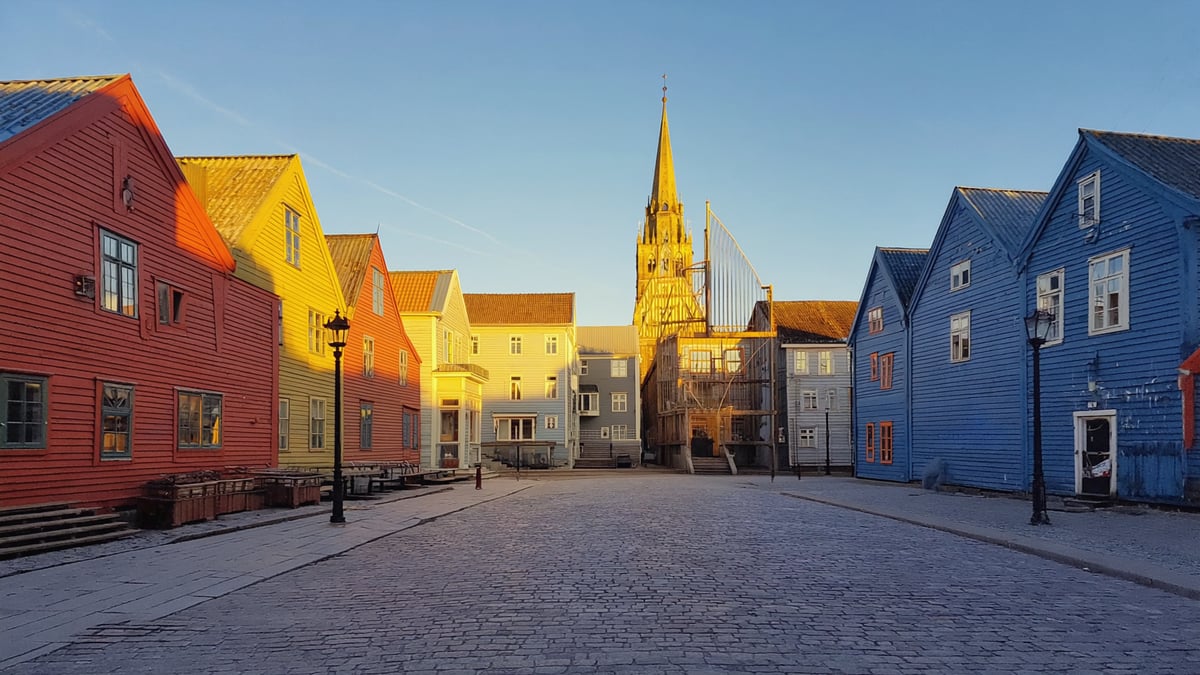
Iceland's geothermal pools are the single experience most UK visitors cite as the highlight of their trip, and with good reason. Bathing in naturally heated mineral water while surrounded by volcanic rock formations is genuinely unlike anything available closer to home. The Blue Lagoon is the most famous option, but it's far from the only one.
The Blue Lagoon: What to Expect
The Blue Lagoon sits in a lava field on the Reykjanes Peninsula, roughly halfway between Keflavík Airport and Reykjavik. Its milky blue-white water is rich in silica, sulphur, and algae, and the average water temperature sits around 38-40°C year-round. It's one of Iceland's most visited attractions, and pre-booking is absolutely essential, often weeks in advance during peak periods.
Entry packages start at the Comfort tier, which includes towel, silica mud mask, and a drink. Premium and Retreat tiers add amenities like algae masks, bathrobe access, and restaurant vouchers. If you're visiting Iceland on a package holiday, stopping at the Blue Lagoon on arrival or departure (it's directly on the airport route) is a logical and enormously satisfying way to bookend the trip.
One caveat worth noting: the Blue Lagoon has become expensive, and the experience is highly curated. It's beautiful, but it's also crowded at peak times. If you want something rawer and more local, the options below deliver a different dimension entirely.
Sky Lagoon: The Reykjavik Alternative
Opened recently on the outskirts of Reykjavik itself, Sky Lagoon has quickly established itself as a serious rival to the Blue Lagoon for visitors who want a premium geothermal experience without the 45-minute drive. The infinity pool faces the North Atlantic, and on clear days the view extends to the horizon. The seven-step ritual (pool, cold plunge, sauna, steam, scrub, skin care, warm pool) takes around two to three hours and is built around traditional Icelandic bathing culture.
Because it's closer to the city centre, Sky Lagoon is easily integrated into a day of urban exploration. Pair it with dinner in Reykjavik's harbour district for a genuinely excellent evening.
Local Swimming Pools: The Authentic Experience
Every Reykjavik neighbourhood has its own geothermal swimming pool, and locals use them daily for relaxation, socialising, and exercise. Laugardalslaug (the largest), Sundhöllin (the oldest), and Vesturbæjarlaug are all accessible to visitors for a fraction of the cost of the tourist lagoons. Entry typically costs under £10, and you'll share the hot pots (small outdoor thermal tubs, usually around 38-44°C) with local families, office workers, and retirees having earnest conversations about Icelandic politics.
This is the authentic version of Icelandic hot spring culture, and it's one of the most underrated travel experiences available to UK visitors. The etiquette is straightforward: shower thoroughly before entering (without swimwear, in the changing rooms), and respect the conversational atmosphere of the hot pots. Phones are generally frowned upon in the water areas.
Whale Watching in Reykjavik: A Practical Guide
Reykjavik is one of the best whale watching destinations in the entire North Atlantic, and the harbour-based tours make it remarkably accessible. Most operators depart from the Old Harbour (Gamli Höfnin), a short walk from the city centre, and tours typically last three to four hours.
Which Species Can You See?
The waters around Iceland support significant populations of multiple cetacean species. Minke whales are the most commonly sighted year-round, but humpback whales arrive in Icelandic waters from late spring through early autumn and provide the most dramatic show, often breaching and slapping the surface with their flukes. Harbour porpoises are frequently spotted closer to the shore, and white-beaked dolphins are also regular visitors.
Orca (killer whale) sightings are possible but less predictable, typically occurring in winter when herring shoals concentrate in the fjords. Some specialist operators offer dedicated orca tours during peak season, usually departing from Snæfellsnes or the Westfjords rather than Reykjavik itself.
Choosing an Operator
Several reputable whale watching companies operate from Reykjavik's Old Harbour. Elding Whale Watching and Special Tours are among the longest-established, both offering traditional boat tours and smaller, faster RIB (rigid inflatable boat) options. The RIB tours cover more ground and feel more adventurous, but the larger vessels are more comfortable in choppy conditions and tend to suit families and those prone to seasickness better.
Most operators offer a "whale guarantee": if you don't see a whale, you get a free repeat tour. In practice, sighting rates during peak season are consistently high, though the sea state and weather always introduce an element of unpredictability. Dressing in layers (and accepting the waterproofs provided by operators) is non-negotiable.
Combining Whale Watching with Puffin Spotting
Between late April and early August, puffins nest on islands around Reykjavik Bay. Many whale watching operators combine their tours with puffin viewing, and the combination makes for an exceptional morning out. Puffins are endearingly photogenic birds, and seeing them dive and surface in the wake of a whale watching vessel is one of those genuinely delightful travel moments that's hard to replicate anywhere else in Europe.
Chasing the Northern Lights: What UK Travellers Need to Know
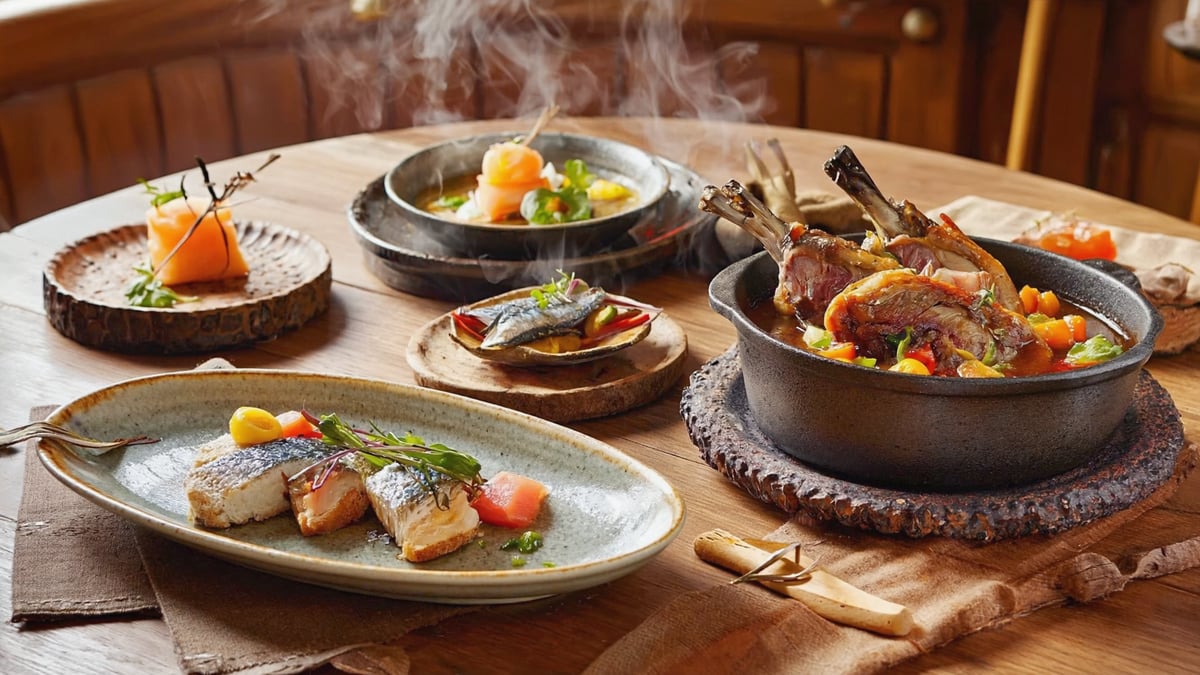
The Northern Lights (aurora borealis) are caused by charged particles from the sun interacting with gases in Earth's upper atmosphere. The result, green, purple, pink, and white light folding and rippling across the night sky, is one of the most extraordinary natural phenomena on the planet. Iceland sits directly under the auroral oval, making it one of the most reliable locations on Earth for sightings.
Understanding the conditions required for a successful aurora experience is the difference between a memorable trip and a disappointing one.
The Three Conditions for a Successful Sighting
- Solar activity: Measured on the Kp index (0-9 scale). A Kp of 3 or above is generally sufficient for sightings in Iceland. The Icelandic Meteorological Office publishes aurora forecasts alongside weather data, and this is the most reliable free resource available to visitors.
- Clear skies: Cloud cover is the enemy. Even with high solar activity, thick cloud makes aurora invisible. This is why multi-night trips significantly increase your chances: you have more windows of opportunity.
- Darkness: You need genuine darkness, which means the Northern Lights are a winter and early spring phenomenon. The season runs roughly from September to March, with October and February often cited as particularly active months.
Where to See the Northern Lights Near Reykjavik
Light pollution from Reykjavik city centre reduces the visibility of fainter aurora displays. For the best experience, get at least 20-30km from the city. Popular spots accessible by tour or rental car include Þingvellir National Park (also a UNESCO World Heritage Site), the Grótta lighthouse at the western tip of Reykjavik's Seltjarnarnes Peninsula (reachable on foot from the city on very dark nights), and the area around Lake Kleifarvatn on the Reykjanes Peninsula.
Most Reykjavik hotels and hostels offer Northern Lights wake-up calls: if conditions look favourable during the night, reception will call your room. This is a service worth specifically requesting at check-in, and most accommodation providers in Iceland are well-practised at it.
Guided Northern Lights Tours vs. Self-Driving
Guided minibus tours depart from Reykjavik city centre most evenings during the season, typically from around 9pm. They cost between £50-£90 per person and include a guide who monitors conditions in real time and can drive to multiple locations to find the clearest skies. The advantage over self-driving is significant: guides know the roads, understand the conditions, and won't get a rental car stuck on an unlit gravel track at midnight.
Self-driving offers flexibility and the ability to stay out as long as you like, but requires a suitable vehicle (4WD is advisable on rural tracks), confidence driving on unfamiliar roads in darkness, and access to real-time weather and aurora data. Many experienced visitors combine both approaches: a guided tour on the first night to get oriented, and self-driving on subsequent evenings.
Things to Do in Reykjavik: The City Itself
Beyond the natural spectacles, Reykjavik is a genuinely enjoyable city to spend time in. It's creative, cosmopolitan, and unexpectedly diverse for its size. The following covers the core experiences that reward a thorough visit.
Hallgrímskirkja and the City Skyline
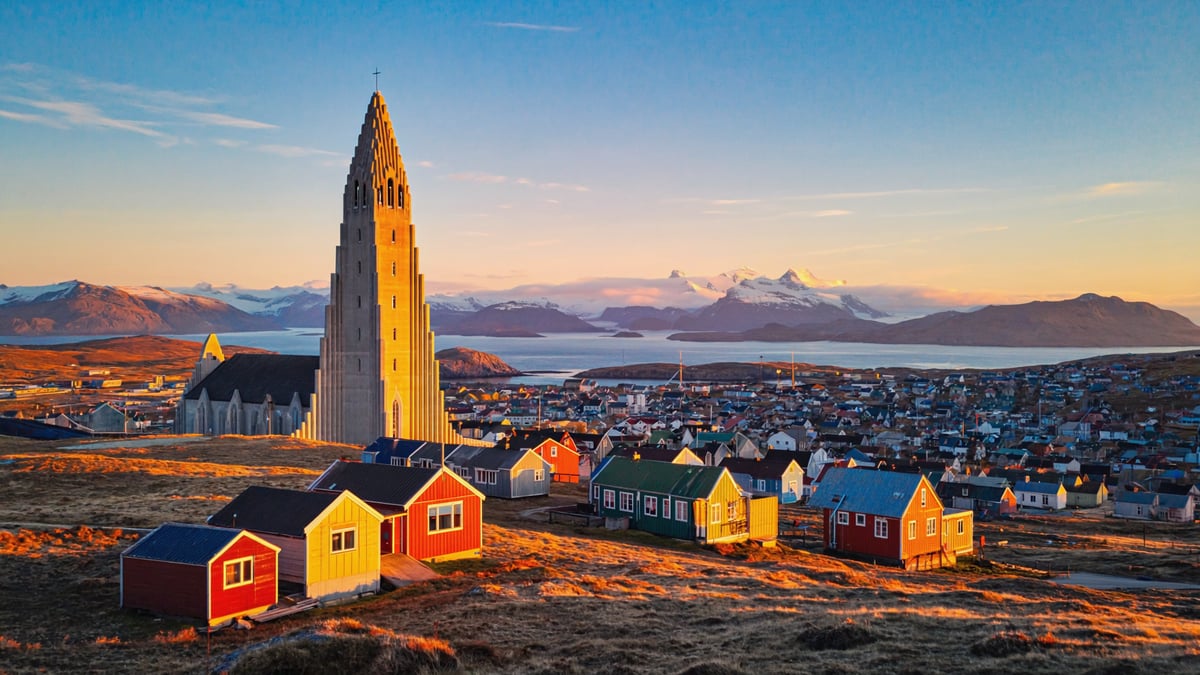
The Lutheran church of Hallgrímskirkja dominates Reykjavik's skyline from its hilltop position in the centre of the city. Designed by Guðjón Samúelsson to resemble the basalt lava columns found throughout Iceland, the church took over 40 years to complete and remains the country's largest church. The viewing tower offers the best 360-degree panorama of the city, the harbour, and the surrounding mountains and is worth the modest lift fee (around £10). In front of the church stands a dramatic statue of Leifur Eiríksson, the Viking explorer credited with reaching North America roughly 500 years before Columbus.
Laugavegur: Shopping, Coffee, and Nightlife
Laugavegur is Reykjavik's main commercial street and the social spine of the city. During the day, it's lined with independent clothing boutiques, design shops, bookstores, and some of Iceland's best coffee shops. Reykjavik takes its coffee seriously: flat whites and single-origin pour-overs are served with the same care you'd find in Melbourne or East London. In the evening, the same street transitions into one of Europe's more unusual nightlife scenes: small bars, live music venues, and restaurants that fill up late and stay busy until 4-5am on weekends.
Icelandic nightlife operates on a different schedule from the UK. Locals typically don't go out until midnight, and the real action doesn't start until 1-2am. For visitors used to UK pub closing times, this requires some adjustment.
The National Museum of Iceland and Reykjavik Art Museum
The National Museum of Iceland provides an excellent foundation for understanding Icelandic history, from the Viking settlement of the island in the 9th century through to the 20th century. The permanent collection includes Viking-age artefacts, medieval church art, and exhibits on the 1944 establishment of the Icelandic Republic. Entry costs around £15 for adults and is well worth a morning, particularly on days when weather makes outdoor activities impractical.
The Reykjavik Art Museum operates across three separate venues in the city, each focusing on different aspects of contemporary and modern Icelandic art. The Hafnarhús building in the harbour district is the most accessible and includes rotating exhibitions of international work alongside Icelandic artists.
The Golden Circle: Iceland's Most Famous Day Trip
The Golden Circle is a roughly 300km driving route that connects three of Iceland's most iconic natural attractions: Þingvellir National Park (where the North American and Eurasian tectonic plates visibly diverge), the Geysir geothermal area (where the Strokkur geyser erupts every five to ten minutes), and Gullfoss waterfall (a two-tiered cascade of extraordinary power on the Hvítá river).
Most visitors complete the Golden Circle as a day trip from Reykjavik, either by rental car or guided coach tour. Allowing a full day gives you time to explore each site properly rather than rushing through. Many tour operators combine the Golden Circle with a stop at the Secret Lagoon in Flúðir, a natural hot spring pool that offers a less commercialised alternative to the Blue Lagoon.
The Reykjanes Peninsula and Volcanic Activity
The Reykjanes Peninsula, which includes Keflavík Airport, has been in a period of significant volcanic activity in recent years. Eruptions have occurred at Fagradalsfjall and nearby sites, and these have attracted considerable visitor interest. The lava fields are accessible and dramatic, though conditions change rapidly and safety guidance from Icelandic authorities should always be followed. The Icelandic Department of Civil Protection and Emergency Management publishes current status updates and access information for volcanic areas.
Eating and Drinking in Reykjavik: A Food Lover's Orientation
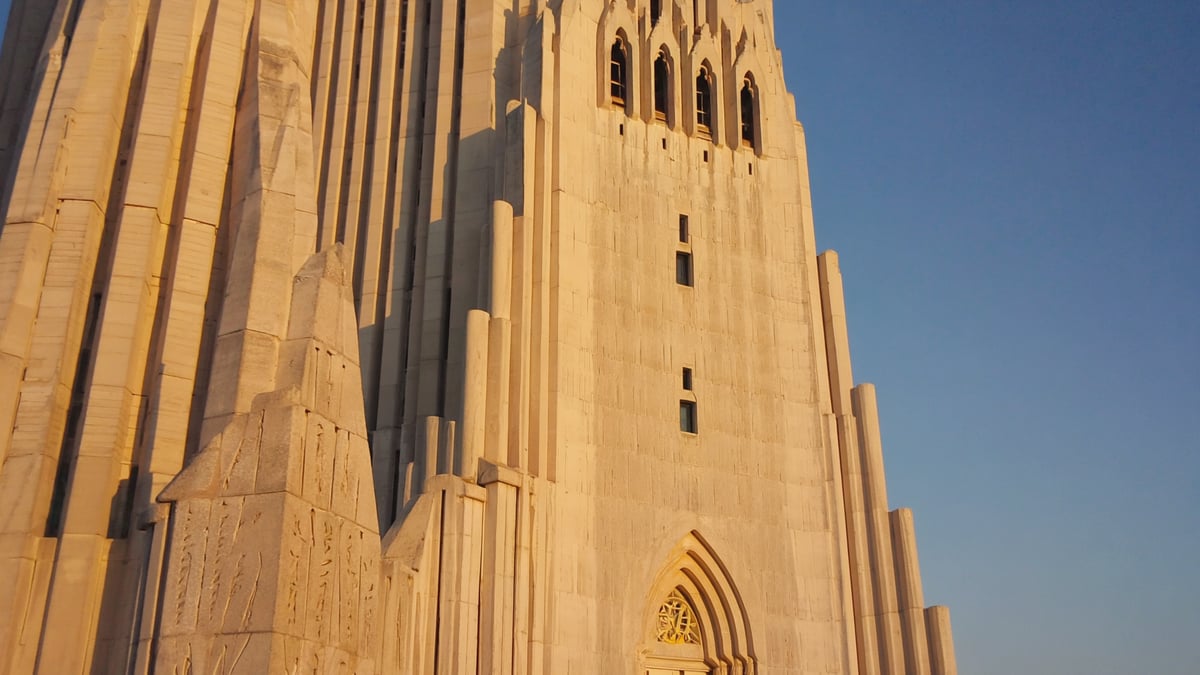
Reykjavik's food scene has developed significantly over the past decade and now offers a genuine culinary destination experience. The combination of pristine seafood, premium lamb, and a strong Nordic influence on preparation and presentation creates a distinctive food culture worth exploring properly.
What to Eat
Lamb: Icelandic sheep roam free over the highlands during summer, feeding on wild herbs and grasses. The result is lamb with a distinctive, clean flavour that's noticeably different from UK-reared alternatives. Lamb soup (kjötsúpa) is a traditional dish found in almost every Icelandic restaurant and makes for an excellent and warming lunch during colder months.
Seafood: Arctic char, cod, haddock, langoustine, and skyr (technically a fresh cheese, but used like yoghurt) are all staples. The langoustine tails served at harbour-area restaurants are particularly worth seeking out. Whole langoustine grilled simply with butter and garlic is as good as anything you'll find in a European coastal city.
Skyr: Available in every supermarket and used in both savoury and sweet applications, skyr is high in protein, low in fat, and has a thick, slightly tart flavour. It's worth picking up a pot from a Bónus or Krónan supermarket for breakfast and saving restaurant spend for dinner.
Budget Eating vs. Splurging
Reykjavik is expensive by UK standards. A main course at a mid-range restaurant typically costs £25-£45, and a glass of wine adds another £12-£18. The city's alcohol pricing reflects Iceland's historically restrictive licensing culture: wine and spirits are significantly more expensive than in the UK, and beer in bars costs roughly double the London price.
Budget-conscious visitors should know that the hot dog stand at Bæjarins Beztu Pylsur (near the harbour, in operation since 1937) serves an Icelandic lamb hot dog for around £4 that is genuinely excellent and has become a cultural institution. Lunchtime set menus at restaurants that would be expensive in the evening offer significantly better value, and the supermarkets are well-stocked for self-catering breakfast and snacks.
Budgeting Your Reykjavik City Break: Realistic Numbers for UK Visitors
Iceland has a well-earned reputation for being expensive, but with realistic planning the costs are manageable, particularly on a package holiday that combines flights, accommodation, and activities into a single upfront price.
| Budget Category | Daily Estimate Per Person | Notes |
|---|---|---|
| Budget | £80–£120 | Hostel/guesthouse, supermarket lunches, one mid-range dinner, one activity |
| Mid-range | £150–£220 | 3-star hotel, restaurant lunch, restaurant dinner, Blue Lagoon or tour included |
| Comfort | £250–£350 | 4-star hotel, two restaurant meals, multiple activities, transfers included |
| Luxury | £400+ | 5-star hotel, Sky Lagoon Ritual, private Northern Lights tour, fine dining |
These daily estimates cover in-destination spend only, excluding flights and accommodation (which are typically the largest costs and most efficiently covered through a package deal).
Package Holidays vs. DIY Booking: The Honest Comparison
| Factor | Package Holiday | DIY Booking |
|---|---|---|
| Financial protection | ✅ ATOL protection included | ⚠️ Varies by booking method |
| Price transparency | ✅ Single upfront price | ⚠️ Costs accumulate unpredictably |
| Flexibility | ⚠️ Less day-to-day flexibility | ✅ Full control over itinerary |
| Transfer logistics | ✅ Usually included | ❌ Must arrange separately |
| Disruption support | ✅ Operator handles rebooking | ❌ Self-manage all disruptions |
| Value vs. Iceland costs | ✅ Bulk buying typically saves money | ⚠️ Iceland's high costs hit harder |
Given Iceland's higher-than-average in-destination costs, the package holiday model makes particularly strong financial sense here. The fixed upfront price prevents the cost-creep that catches many DIY Iceland travellers off guard, and the ATOL protection provided by UK-regulated package operators is genuinely valuable given the country's occasional volcanic disruptions to air travel.
Iceland City Break Packages: What GlobeHunters Offers
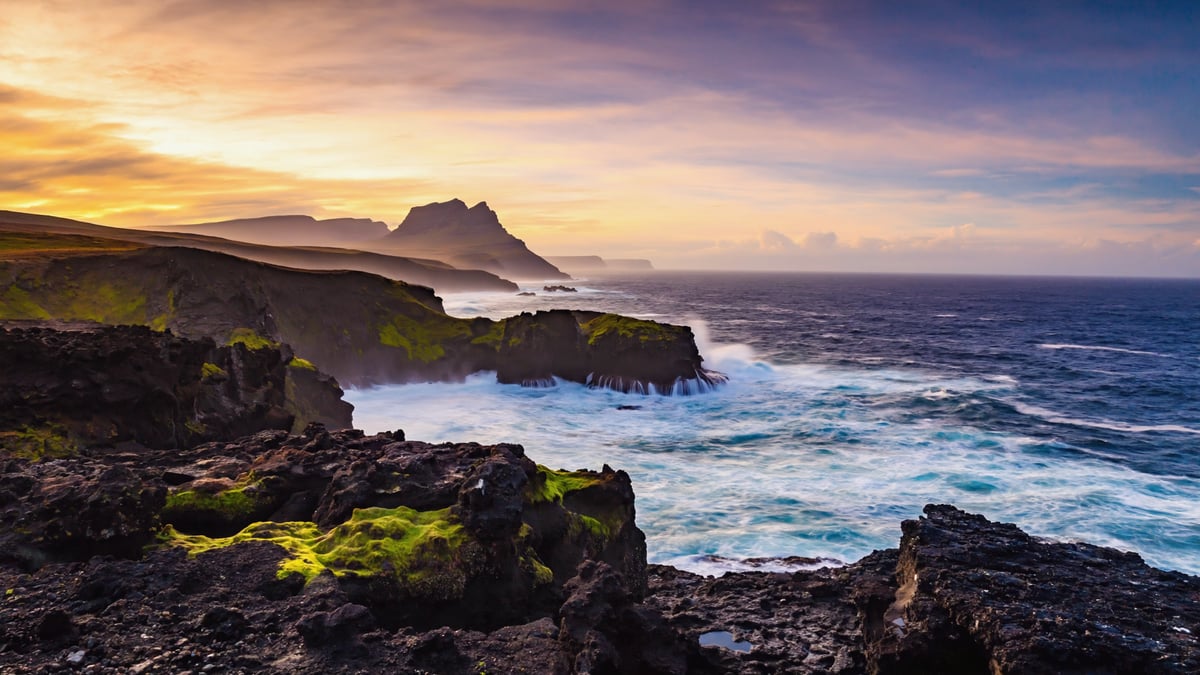
GlobeHunters has been building curated package holidays for UK travellers since 2003, and the Reykjavik offering reflects the kind of practical, value-focused packaging that makes a real difference to the travel experience. Iceland city break packages through GlobeHunters combine return flights from UK airports (including London, Manchester, and Edinburgh), centrally located Reykjavik accommodation, and optional add-on activities through Viator-integrated booking.
Packages for a Reykjavik city break typically start from around £499 per person for a three-night winter break, rising to £799-£999 for a four or five-night package with Blue Lagoon entry and a Northern Lights tour included. Summer packages during midnight sun season are priced similarly but reflect the premium hotel rates that apply during Iceland's peak visitor period.
The platform's real-time pricing model means the numbers you see reflect current availability rather than outdated brochure prices, which is particularly useful for Iceland where hotel availability during popular periods can be tight. You can browse current Reykjavik holiday packages and live pricing on the GlobeHunters platform, or call the team on 0208 944 4514 to discuss a tailored itinerary.
Sample Itinerary: Five Nights in Reykjavik
To give a sense of how a well-structured Reykjavik trip actually flows, here's a framework that covers the major experiences without feeling rushed:
- Day 1 (Arrival): Land at Keflavík, stop at Blue Lagoon on transfer to Reykjavik (pre-booked). Check in, light dinner in harbour area. Northern Lights alert active on phone.
- Day 2: Morning at Hallgrímskirkja and city walking tour. Afternoon at Sky Lagoon. Evening: Northern Lights guided tour (departs 9pm).
- Day 3: Full-day Golden Circle tour (Þingvellir, Geysir, Gullfoss). Optional Secret Lagoon stop. Dinner on Laugavegur.
- Day 4: Morning whale watching from Old Harbour. Afternoon: National Museum or Reykjavik Art Museum. Evening: explore the city's food scene independently.
- Day 5: Free morning for shopping, coffee, and final wandering. Local geothermal pool visit (Laugardalslaug). Transfer to Keflavík for evening flight home.
Practical Travel Tips for UK Visitors to Reykjavik
These are the details that make the difference between a smooth trip and an avoidable headache, drawn from the accumulated experience of travellers who've visited before you.
Packing for Icelandic Weather
The Icelandic saying "there's no such thing as bad weather, only bad clothing" is more than a cliché. The layering system is essential: a moisture-wicking base layer, an insulating mid-layer (fleece or down), and a waterproof and windproof outer shell. Merino wool base layers are particularly effective in Iceland's damp cold. Waterproof boots are non-negotiable in winter; waterproof trainers are adequate in summer for city use, but upgrade to boots if you plan any hiking.
Gloves, a hat, and a buff (neck gaiter) complete the picture. Even in summer, the wind off the North Atlantic can make evenings at outdoor viewpoints genuinely uncomfortable without them.
Getting Around Reykjavik
The city centre is entirely walkable, and most visitors spend the majority of their time on foot. For day trips and the Golden Circle, a rental car offers maximum flexibility, though prices are higher than UK equivalents and petrol costs are significant. Guided tours from the city are the more economical option for most visits.
The Strætó bus network covers the greater Reykjavik area and is reliable and inexpensive, though routes are less useful for the major tourist attractions outside the city. Taxis are available but expensive; the Hreyfill app (Iceland's main taxi platform) provides transparent pricing before booking.
Money and Payments
Iceland is effectively a cashless society. Card payments are accepted at every restaurant, shop, petrol station, and even at market stalls. Carrying Icelandic króna is unnecessary for most visitors, though having a small amount for tips or emergencies is sensible. Notify your UK bank before travelling to avoid cards being blocked on unfamiliar transactions. Travel-focused current accounts (Starling, Monzo) that charge no foreign transaction fees are worth using to avoid the currency conversion charges applied by most traditional UK bank cards.
Driving in Iceland
If you plan to hire a car for the Golden Circle or other day trips, several regulations are worth knowing. F-roads (highland tracks, designated with an "F" prefix) are only legal for 4WD vehicles and are closed in winter. Driving off marked roads or tracks is illegal in Iceland and carries significant fines. Speed limits are 50km/h in urban areas, 80km/h on gravel roads, and 90km/h on paved roads. Speeding fines are immediate and substantial. Headlights must be on at all times, regardless of conditions.
The Icelandic Road and Coastal Administration (Vegagerðin) publishes real-time road conditions, closures, and weather warnings, and checking it before any driving day is strongly recommended.
Travel Insurance Considerations
Standard travel insurance is essential for Iceland, but it's worth checking that your policy specifically covers volcanic activity disruptions and adventure activities (whale watching, glacier hiking, snowmobiling). Some standard policies exclude "natural disaster" disruptions, and given Iceland's geological activity, this gap in cover is worth addressing before departure. ATOL-protected package holidays provide an additional layer of financial protection that DIY bookers don't automatically have.
Reykjavik for Different Types of UK Traveller
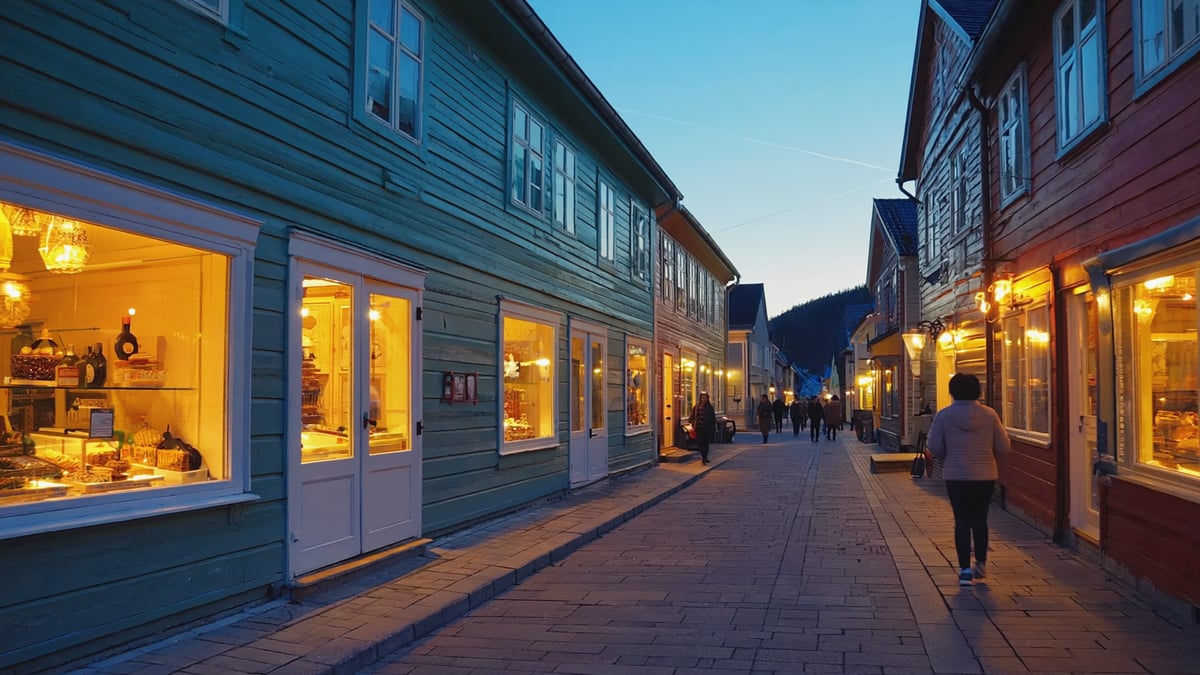
One of Reykjavik's great strengths is its versatility. The same destination delivers genuinely different experiences depending on what you're looking for.
For Couples
Reykjavik ranks highly as a romantic destination, and for good reason. Bathing together in a geothermal lagoon as snow falls around you, watching the Northern Lights from a dark hillside, and sharing a langoustine dinner in a candlelit harbour restaurant are all experiences that travel writers reach for superlatives to describe. The intimacy of the city's scale, combined with the drama of the natural landscape, creates a backdrop that's hard to match anywhere else within a short-haul flight from the UK.
Couples planning a honeymoon or anniversary trip should consider upgrading to a luxury hotel (Reykjavik has several excellent five-star options) and booking the Sky Lagoon Ritual experience, which is designed around a couple's experience of traditional Icelandic bathing culture.
For Solo Travellers
Reykjavik is one of the safest cities in the world for solo travel. The low crime rate, high English-language proficiency, and culture of respectful independence make it an excellent choice for solo UK visitors. The city's social infrastructure, particularly its coffee shop culture and live music scene, makes it easy to meet other travellers without needing to seek out purpose-built backpacker environments. Guided day tours (Golden Circle, whale watching, Northern Lights) naturally bring solo travellers together, and Iceland's hiking trails are well-marked and widely used.
For Families
Iceland is a genuinely family-friendly destination, though the costs require planning. Children are well-catered for at the major geothermal pools (most have dedicated warm areas and slides), whale watching tours are suitable from around age five, and the Golden Circle's geyser eruptions reliably captivate younger visitors. The midnight sun in summer creates the challenge of getting children to sleep when it's still bright at midnight, and blackout blinds in hotel rooms are worth specifically requesting.
For Adventure Seekers
Beyond the headline experiences, Reykjavik serves as a base for an impressive range of adventure activities. Glacier hiking on Langjökull or Sólheimajökull (reachable on day tours), ice caving in the Vatnajökull glacier system, snorkelling between tectonic plates at Silfra (one of the world's most unusual dive sites, with visibility extending over 100 metres in glacial meltwater), and snowmobiling across highland plateaus are all available to visitors with appropriate fitness levels and booking lead time.
Frequently Asked Questions About Reykjavik City Breaks
How long should I spend in Reykjavik?
Three nights is the minimum to cover the core city experiences and one or two day trips. Five nights is ideal for combining the Golden Circle, whale watching, Blue Lagoon, and a genuine Northern Lights attempt with enough margin for weather variability. Seven nights or more suits those who want to add the South Coast, Snæfellsnes Peninsula, or the Westfjords.
Is Reykjavik worth visiting in summer?
Absolutely, though for a completely different experience than winter. The midnight sun, long hiking days, puffin watching, and a festival atmosphere in the city make summer compelling. The trade-off is no Northern Lights, higher prices, and significantly more visitors. If seeing the aurora is a priority, visit between September and March.
What is the best way to see the Northern Lights from Reykjavik?
Book a guided minibus tour for your first night, which monitors conditions in real time and drives away from city light pollution. Also monitor the Icelandic Meteorological Office aurora forecast daily and set your phone alarm for 11pm-2am when conditions look favourable. Staying for at least four nights significantly improves your chances of catching a clear, active night.
Do I need to pre-book the Blue Lagoon?
Yes, without exception. The Blue Lagoon has mandatory pre-booking and frequently sells out weeks in advance during popular periods. Book before your flights if possible. Sky Lagoon also benefits from pre-booking, particularly at weekends.
Is Iceland safe for solo female travellers?
Iceland consistently ranks among the world's safest countries for women travelling alone. The World Economic Forum's Global Gender Gap Report has ranked Iceland first for gender equality for over a decade. Solo female visitors report high levels of comfort and safety in Reykjavik specifically.
What currency should I bring to Iceland?
Icelandic króna (ISK) is the local currency, but card payments are accepted universally. Carrying cash is largely unnecessary. Use a fee-free travel card (Starling, Monzo, or a Caxton card) to avoid foreign transaction fees on your UK bank account.
Can I do the Golden Circle without a car?
Yes. Numerous guided coach tours depart Reykjavik daily and cover all three Golden Circle sites in a single day trip. This is the most straightforward option for visitors who aren't comfortable driving on Icelandic roads or who want a guide's context for each location.
How expensive is eating out in Reykjavik?
A main course at a mid-range restaurant costs roughly £25-£40. A three-course dinner with wine at a better restaurant costs £80-£120 per person. Budget visitors can significantly reduce food costs by using supermarkets for breakfast and lunch, reserving restaurant spend for evening meals. The Bæjarins Beztu Pylsur hot dog stand near the harbour is a genuinely excellent and very affordable lunch option.
What should I wear for whale watching?
Dress in your warmest layers, even in summer. The wind on the open water makes temperatures feel significantly colder than on land. Most operators provide waterproof overalls, but wearing thermals underneath is strongly advisable. Waterproof boots are recommended.
Are there direct flights to Reykjavik from UK airports?
Yes. Icelandair operates direct flights from London Heathrow, Manchester, and Edinburgh to Keflavík year-round. Flight times are approximately two and a half hours. Additional seasonal services operate from other UK airports. Reykjavik package holidays from UK operators like GlobeHunters consolidate these flights with accommodation into a single booking.
What is the best Reykjavik neighbourhood to stay in?
The 101 Reykjavik postcode, covering the city centre, is the most convenient location for first-time visitors. It puts you within walking distance of Laugavegur, the Old Harbour, Hallgrímskirkja, and the main restaurant and bar scene. Slightly further out, the Grandi district (around the harbour's western end) has a more local, less touristy atmosphere and some of the city's best restaurants.
Is Reykjavik suitable for a long weekend?
A three-night long weekend works well if you're focused on city experiences and one or two activities. Fly out on a Thursday evening or Friday morning and return Sunday or Monday. This structure gives you Friday afternoon through Sunday for exploring, which is sufficient for the city highlights, one day trip, and one geothermal pool experience.
Key Takeaways for Planning Your Reykjavik City Break
- Visit in winter for Northern Lights and lower prices; visit in summer for the midnight sun, puffins, and long hiking days. Both seasons offer genuinely world-class experiences.
- Pre-book the Blue Lagoon before anything else. It sells out weeks in advance and is not a walk-up experience.
- Five nights is the ideal length for a Reykjavik city break that covers the Golden Circle, whale watching, hot springs, Northern Lights, and meaningful city time without feeling rushed.
- Package holidays offer real financial advantages in Iceland. The ATOL protection, fixed pricing, and included transfers insulate you from Iceland's higher-than-average in-destination costs and its occasional volcanic disruptions.
- Layer your clothing. Icelandic weather changes rapidly, and being cold and wet significantly diminishes the experience of outdoor activities.
- Monitor the aurora forecast daily using the Icelandic Meteorological Office website. Clear skies and a Kp index of 3+ are the two key variables.
- The city's local geothermal pools (Laugardalslaug, Sundhöllin) offer an authentic Icelandic experience at a fraction of the cost of the tourist lagoons. Visit both if your schedule allows.
- GlobeHunters packages for Reykjavik start from around £499 per person and include flights, accommodation, and transfers. Browse live prices at holidays.globehunters.com/iceland or call 0208 944 4514 to speak with a travel specialist.
Reykjavik rewards travellers who arrive with curiosity and leave their expectations at the departure gate. It's a city that will serve you a remarkable coffee at 9am, take your breath away with a geyser at noon, warm you through in a geothermal pool by 4pm, and then, if the skies cooperate, fill the entire horizon with dancing light by midnight. Few destinations within a three-hour flight of the UK come close to that range of experience. The only question is which season you'll go first.
About the author
Spiros Maragkoudakis · Chief Commercial Officer
Ready to Book Your Reykjavik Holiday?
Our travel experts are ready to help you plan the perfect trip. Call us today or browse our latest deals.
Ready to Start Planning?
Speak to our travel experts for personalised advice and the best deals on your next holiday.
Call 0208 944 4514