Rome is the rare city break that genuinely delivers on the postcard. You step out of a side street and the Pantheon is just there, two thousand years old, free to walk into. You round a corner and the Trevi Fountain is roaring. You eat a plate of cacio e pepe that ruins every other carbonara for you forever. For UK travellers it is also refreshingly easy: a flight shorter than the train to Edinburgh, no jet lag, and a city compact enough to cross on foot.
The catch is that Rome rewards a bit of planning. Turn up with no strategy in high summer and you will queue for two hours in 35-degree heat, eat a forgettable plate of pasta beside a major monument, and pay over the odds for a hotel in the wrong part of town. This guide is built around the actual decisions a UK buyer weighs up — how many nights, which neighbourhood, how to skip the worst of the queues, when to go, and what the whole thing really costs in pounds. It is the opposite of the usual templated city overview.
Why Rome works so well from the UK
The practical case for Rome holidays from the UK is strong before you even get to the gelato. Direct flights run from London (Heathrow, Gatwick, Stansted, Luton), Manchester, Birmingham, Edinburgh, Bristol and more, landing at either Fiumicino (FCO) or the smaller Ciampino (CIA). Flying time is roughly two and a half hours, and Italy sits just one hour ahead of the UK, so there is no jet lag eating into a short trip.
Both airports connect easily to the centre. From Fiumicino, the Leonardo Express train runs straight to Roma Termini in 32 minutes for around £12 per person; a fixed-fare taxi into the historic centre is set at €50 (roughly £43) for the whole car, which is good value for a family or a couple with luggage. Ciampino is closer but smaller, with shuttle buses and taxis at a fixed €31 into town. Once you are in the centre, you genuinely may not need transport again — the headline sights cluster within a walkable core.
That short hop is also why Rome makes such a flexible package. A long weekend works, a week works, and Rome slots neatly into a longer Italy trip. Because we put the holiday together for you — flights, a hotel matched to how you actually travel, transfers and any tours or experiences — you skip the hours of cross-referencing flight times against hotel locations against ticket availability that a self-built trip demands.
How many nights does Rome actually need?
This is the first real decision, and the honest answer is more than a single night and rarely more than four for the city alone.
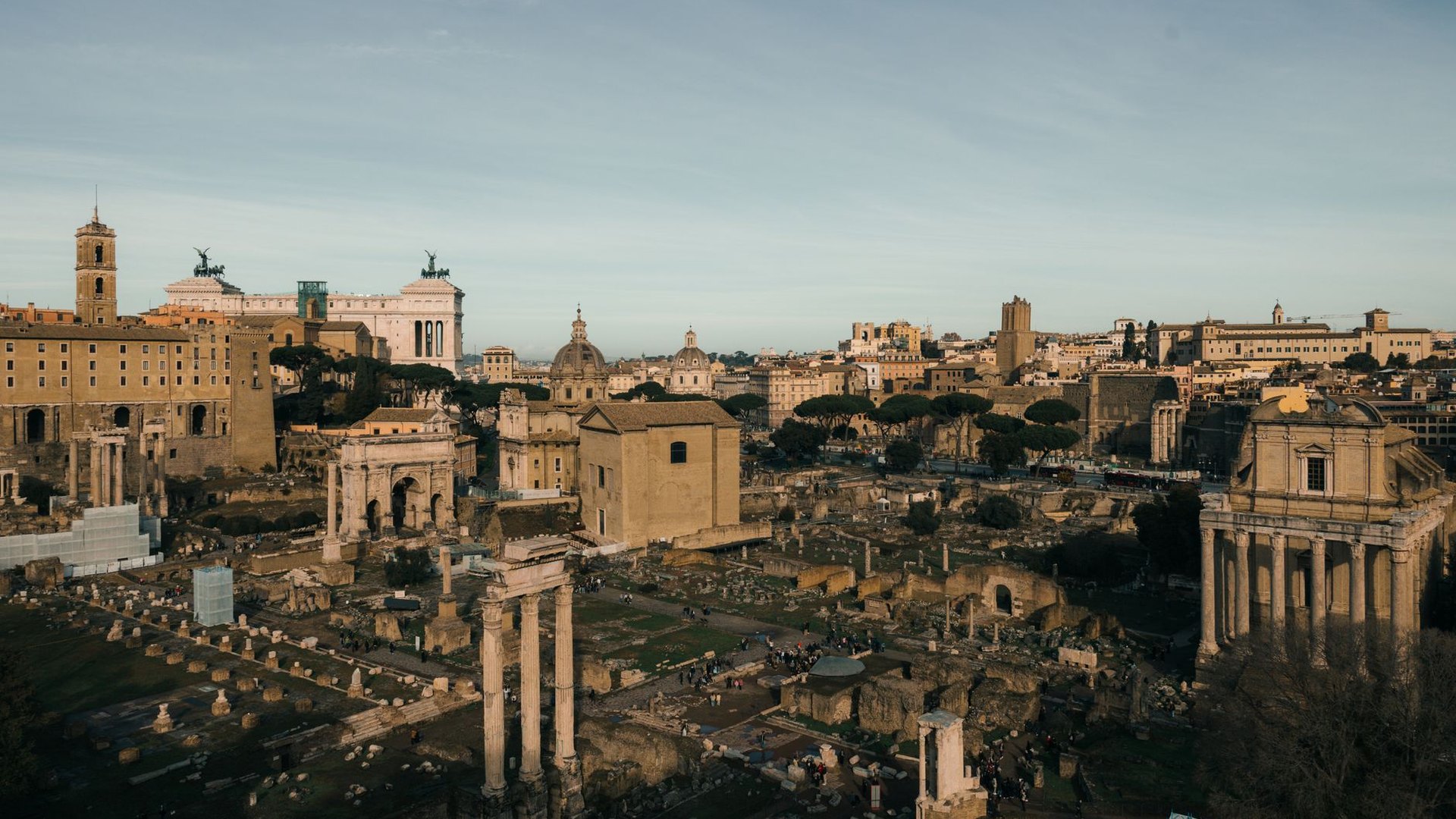
- Two nights (a long weekend): Enough for the absolute headlines — the Colosseum and Roman Forum, the Pantheon, Trevi Fountain, Piazza Navona and the Spanish Steps, plus one good dinner in Trastevere. It will feel brisk. You will see Rome rather than settle into it, but for a Friday-to-Sunday escape it works.
- Three nights: The sweet spot for a first visit. You get the ancient core on one day, the Vatican (St Peter's Basilica and the Vatican Museums with the Sistine Chapel) on another, and a third day to wander Trastevere, the Jewish Ghetto and Villa Borghese without watching the clock.
- Four nights: Adds genuine breathing room — a slower morning, a neighbourhood you would otherwise skip, a day trip to Tivoli or Ostia Antica, or simply time to sit in a piazza and do nothing, which is half the point of Rome.
Beyond four nights, most people start to feel they have seen the city and want a change of pace or scenery. That is exactly where pairing Rome with somewhere else turns a city break into a proper Italian holiday.
Pairing Rome with the rest of Italy
Italy is built for two- and three-centre trips, and Rome is the natural hub. The high-speed train network (Frecciarossa and Italo) makes hops between cities quick and civilised — city centre to city centre, no airport faff.
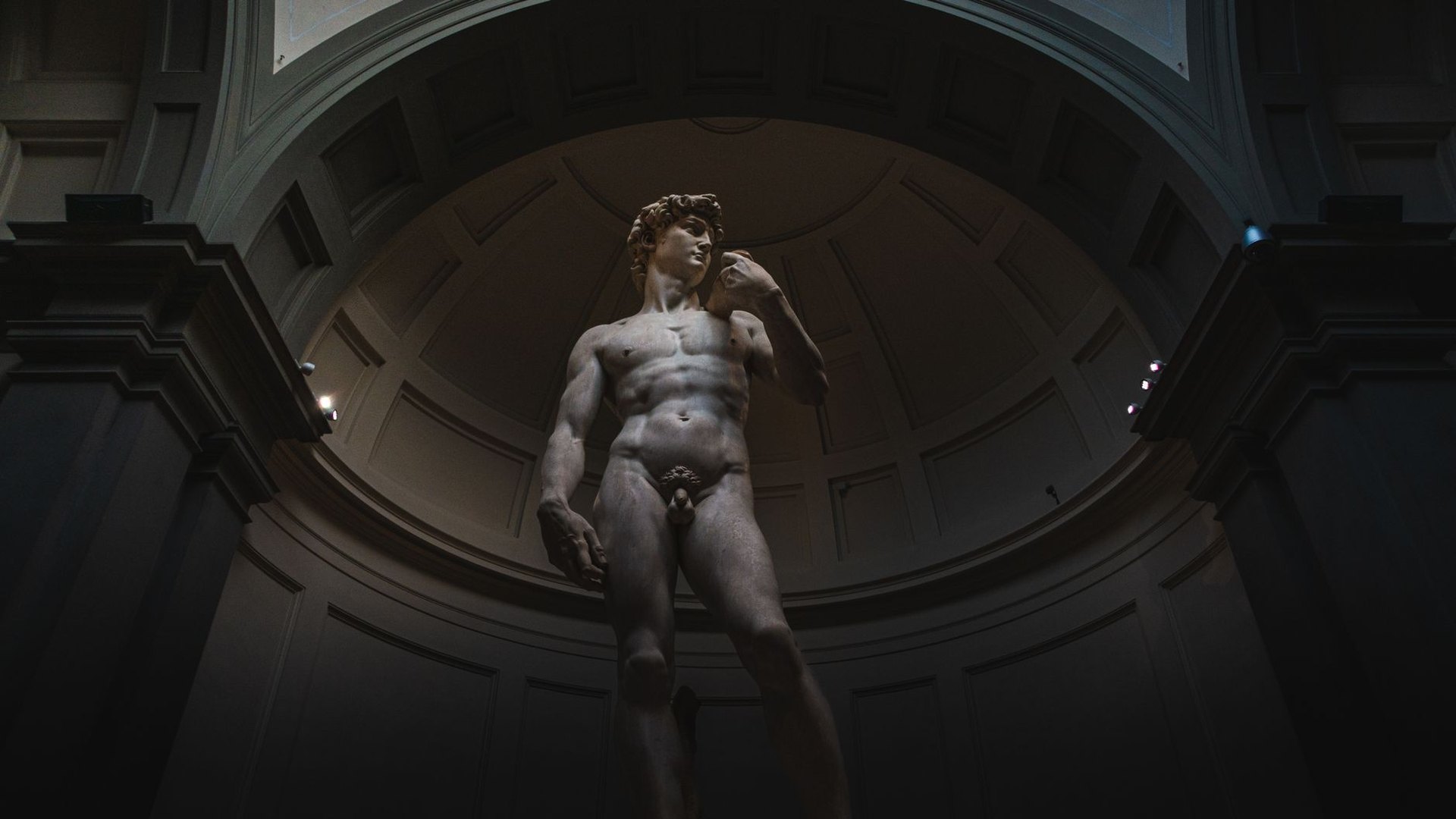
- Rome and Florence: The classic pairing and our most-requested. The high-speed train takes about 1 hour 35 minutes. Three nights in Rome plus two or three in Florence gives you ancient Rome and Renaissance art in one trip, with Tuscany on the doorstep. Ideal for first-timers and culture-led couples.
- Rome and the Amalfi Coast: For ancient city plus coastline. Train to Naples (around 1 hour 10 minutes), then a transfer down to Sorrento, Positano or Amalfi. Pair three nights of Rome with three or four nights on the coast for a city-and-sea holiday — lovely in late spring or September, busy and pricey in peak summer.
- Rome and Venice: Two unmistakable Italian icons. The high-speed train runs about 3 hours 45 minutes. Best as part of a slightly longer trip; many people add Florence in the middle to break the journey into the classic Rome–Florence–Venice triangle.
If a multi-centre Italy trip appeals, this is precisely the kind of itinerary we tailor end to end. Take a look at our Rome holiday packages as a starting point, then tell us how you would like to extend it.
Where to stay in Rome: a neighbourhood guide
Where you stay shapes your whole trip more in Rome than in most cities, because the difference between a great base and a frustrating one is the difference between strolling home after dinner and battling across town. Here is who each area suits.
Centro Storico and the Pantheon — for first-timers who want it all on the doorstep
The historic core around the Pantheon, Piazza Navona and Campo de' Fiori is the romantic Rome of the imagination: cobbled lanes, baroque fountains, golden buildings, the headline sights within a ten-minute walk. It is the most convenient base and the most atmospheric, and you pay for it — four-star hotels here typically run £180–£300+ a night. If your priority is waking up in the middle of everything and you have the budget, this is the area. Best for couples and first-time visitors who want zero compromise on location.
Trastevere — for character, nightlife and the best dinners
Across the river, Trastevere is ivy-draped, lantern-lit and full of trattorias and wine bars. It has the strongest evening atmosphere in Rome and arguably the best concentration of good eating. It is a little removed from the ancient sights (a 20-minute walk or a short tram ride) and can be lively late at night, so light sleepers should ask for a quiet room. Best for couples, foodies and second-time visitors who want a neighbourhood feel rather than a monument on every corner.
Monti — for cool, central and a touch more value
Tucked between the Colosseum and Termini, Monti is the city's most effortlessly stylish quarter — vintage shops, natural-wine bars, independent restaurants — and yet you can walk to the Colosseum in ten minutes. It tends to be a notch better value than the Centro Storico while still being genuinely central. Best for couples and younger travellers who want personality without the top-tier price tag.
Prati, near the Vatican — for calm, space and families
Smart, residential and orderly, Prati sits beside the Vatican. It is quieter and greener than the centre, with wider streets, good everyday restaurants used by locals, and easy metro access. Rooms tend to be larger and better value than equivalent places in the historic core, which makes it a favourite for families. Best for families and anyone who wants a calmer base with the Vatican on the doorstep.
Around Termini — for value and transport
The streets around Roma Termini station offer the keenest prices and the best transport links — metro lines A and B cross here, and the airport trains arrive here too. The immediate station surroundings are workaday rather than charming, but a few streets out (towards Monti or the Esquilino food scene) it improves quickly. Best for budget-conscious travellers, shorter stays and anyone planning day trips by train.
Not sure which fits your trip? That is exactly the kind of thing our Italy specialists match for you, weighing your budget, who you are travelling with and what you most want from Rome. You can browse holiday packages to see the range, then we fine-tune the hotel to you.
The big-hitters without the queues
Rome's most famous sights are also its most besieged. The single biggest upgrade to a Rome holiday is arranging timed-entry and skip-the-line access before you fly, rather than joining the standby queue on the day. Here is what to pre-arrange and what it costs.
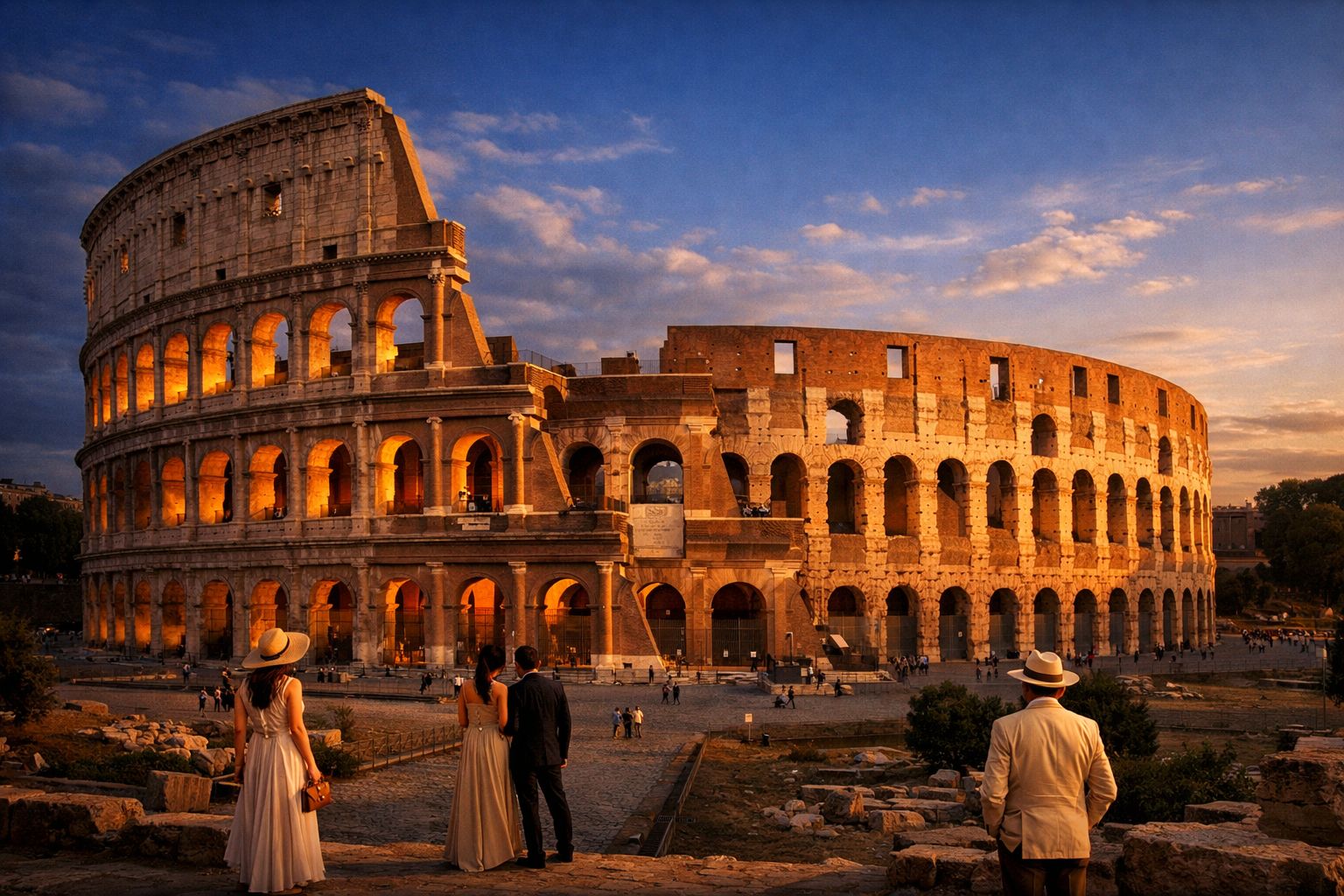
The Colosseum, Roman Forum and Palatine Hill
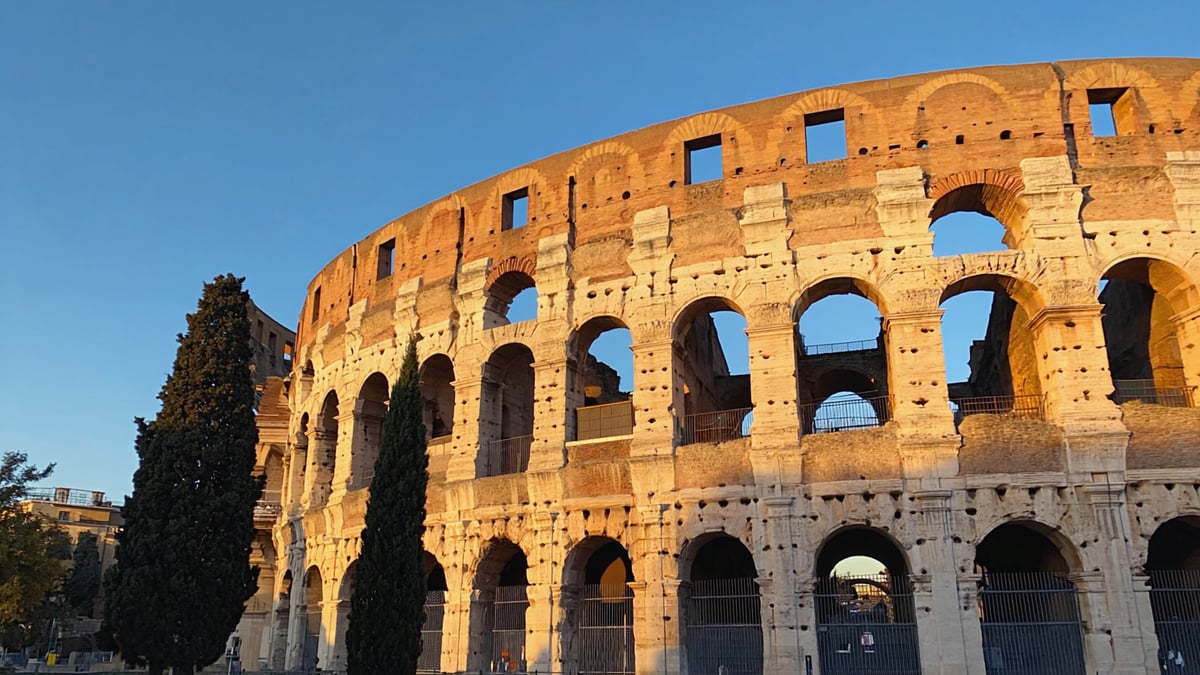
Entry is a combined ticket (around €18, roughly £16) covering all three, valid across consecutive days. The problem is not the price; it is that general-admission slots sell out days ahead and the on-the-day line can swallow well over an hour. Pre-book a timed entry, or take a guided tour that brings the ruins to life — a good guide turns a pile of stones into the beating heart of the ancient world. Tours with priority access typically run £45–£70 per person. For something special, an Arena Floor or underground-and-tiers ticket gets you onto the gladiators' stage and into the tunnels beneath — these release in limited numbers and need booking well ahead.
The Vatican Museums and the Sistine Chapel
This is the queue people remember for the wrong reasons — in peak season it can wrap around the Vatican walls. A timed-entry ticket (around €20 base, more with extras) lets you skip that line entirely. The smartest move is an early-entry or first-thing tour: you walk the galleries and reach the Sistine Chapel before the day-trip crowds arrive, which transforms the experience. Skip-the-line guided tours generally run £60–£90 per person. Remember the dress code — shoulders and knees covered — which is enforced at both the Museums and St Peter's.
St Peter's Basilica and the dome climb
The basilica itself is free, but the security line can be long. Going early (it opens at 7am) or booking a slot with a guide avoids the worst of it. If you have the legs for it, the dome climb (the cupola) is around €10 by lift-and-stairs and delivers the finest view in Rome. It is a tight, sweaty staircase near the top — worth knowing before you commit.
The Borghese Gallery
Often the connoisseur's highlight — Bernini sculptures and Caravaggio paintings in a jewel-box villa. It runs strict two-hour timed slots and entry is compulsory-reservation only (around €15 plus booking fee). It sells out, so this is one to lock in early rather than hope for on the day.
The Pantheon, Trevi Fountain, Spanish Steps and Piazza Navona need no tickets — just timing. See the Trevi at 8am or after 10pm and you will have something close to it to yourself; arrive at noon and you will be shoulder to shoulder. We can arrange all the timed entries and tours as part of your package so they are sorted before you leave the UK.
When to go (and why August is a trap)
Rome has a clear best season, and it is not summer. The sweet spots are spring (April to early June) and autumn (mid-September to October), when days are warm and bright, the light is glorious, and the evenings are made for sitting out. Prices and crowds are more reasonable than peak, and the city feels like itself.
- Spring (Apr–early Jun): Mild to warm, gardens in bloom, long pleasant days. Easter is a notable exception — the Vatican draws enormous crowds, so book very early or sidestep that week.
- Autumn (mid-Sep–Oct): Arguably the ideal window. Summer heat eases, sea-and-city pairings still work, and the light is at its best.
- Winter (Nov–Feb): Cool, occasionally wet, but the lowest prices and the thinnest crowds. You can have major sights almost to yourself, and Rome at Christmas is genuinely lovely. Pack layers and an umbrella.
- August — the one to be wary of: Temperatures regularly hit the mid-30s and stay there, the city is at its most crowded with tour groups, and — the bit people do not expect — many of the best family-run trattorias and shops close for two or three weeks as Romans take their own holidays (Ferragosto). You get the heat and the crowds without the local soul. If August is your only option it is still doable, but go early to the sights, build in long midday breaks, and choose a hotel with proper air conditioning and ideally a pool.
Eating well beyond the tourist traps
Rome's food is one of the great reasons to come, but the restaurants ringing the major monuments are, almost without exception, the ones to avoid. A few simple rules will eat you well for very little.
- Walk five minutes from any big sight before you eat. The quality climbs and the price drops the moment you leave the monument's sightline.
- Be wary of laminated multi-language menus, photos of the food, and a waiter outside touting for trade. A short menu, often handwritten or chalked up, that changes with the day is the better sign.
- Learn the four Roman pastas: cacio e pepe (pecorino and pepper), carbonara (egg, guanciale, pecorino — never cream), amatriciana (tomato, guanciale, pecorino) and gricia. A plate runs around €10–€14 (£9–£12) in an honest trattoria.
- Do the Roman day properly: a standing espresso at the bar (around €1.20), a supplì (fried rice ball) or a slice of pizza al taglio for lunch (a couple of euros), an aperitivo spritz before dinner (€8–€12), and gelato from a place that stores it in covered metal tins, not piled high in neon mounds.
- Best eating neighbourhoods: Trastevere, Testaccio (the old slaughterhouse district, the spiritual home of Roman cooking), Monti and the Jewish Ghetto, where the fried artichokes (carciofi alla giudia) are a must.
A relaxed three-course dinner with house wine in a good neighbourhood trattoria typically lands around £25–£35 a head — less if you stick to a pasta and a glass.
What a Rome holiday actually costs from the UK
Rome can be done on a modest budget or as a serious treat. Here is an honest, ballpark sense of per-person costs in pounds, so you can frame your own trip. Flight prices swing hugely with timing — booking ahead and avoiding school holidays is where the real saving lives.
- Flights (return, from London): roughly £40–£80 on a low-cost carrier off-peak; £120–£220 in summer and over school holidays. Regional departures and peak dates push it higher.
- Hotels (per room, per night): dependable three-star from around £90–£140; characterful four-star £160–£280; the historic-core and luxury end £300+.
- Airport transfer: £12pp on the Leonardo Express train each way, or €50 (about £43) for a fixed-fare taxi for the whole car.
- Sightseeing: the Colosseum combined ticket about £16; the Vatican Museums about £18; guided skip-the-line tours £45–£90 each. Budget around £100–£150 per person if you want guided access to the two big ones.
- Food and drink: £45–£65 a day eats and drinks you well — espresso and a pastry for breakfast, a cheap fantastic lunch, an aperitivo and a proper dinner.
As a rule of thumb, a three-night couple's city break covering flights, a good central four-star, transfers and the main sights tends to land somewhere around £450–£750 per person off-peak, and more in summer or at the luxury end. Because we package it for you, you also tend to get better hotel rates and the reassurance of everything booked under one arrangement — useful if a flight time shifts.
Rome for couples, families and first-timers
Couples
Rome is made for it: candlelit Trastevere dinners, the Borghese gardens at golden hour, a rooftop aperitivo over the domes. Stay central (Centro Storico or Monti), keep the itinerary loose, and leave time to get pleasantly lost. Three or four nights, perhaps extended to Florence or the Amalfi Coast, makes a memorable romantic trip.
Families
Rome is a surprisingly brilliant family city — gladiators, ancient ruins, gelato on every corner, and the sheer drama of the Colosseum lands brilliantly with children. Keep days short with plenty of pizza and ice-cream stops, base yourself somewhere calmer with space (Prati, near the Vatican, is ideal), and pre-book skip-the-line entries so nobody melts down in a queue. The Villa Borghese gardens have bike hire and a boating lake for downtime.
First-timers
If it is your first Rome, do not try to see everything. Three nights, a central base, the ancient core on one day and the Vatican on another, with skip-the-line tickets sorted in advance, gives you the city's greatest hits without the burnout. Save the rest for next time — and there is always a next time with Rome.
Rome holiday FAQs
How long is the flight to Rome from the UK?
Around two and a half hours from London, with direct flights also from Manchester, Birmingham, Edinburgh, Bristol and other regional airports. Italy is one hour ahead of the UK, so there is no jet lag.
How many days do you need in Rome?
Three nights is the sweet spot for a first visit — enough for the ancient core, the Vatican and a day to wander. Two nights covers the headlines at pace; four adds welcome breathing room or a day trip.
What is the best area to stay in Rome?
The Centro Storico (around the Pantheon) for first-timers who want everything on the doorstep, Trastevere or Monti for character and dining, Prati for a calmer family base near the Vatican, and around Termini for value and transport.
Do I need to book the Colosseum and Vatican in advance?
Yes — strongly. Both sell out timed slots days ahead and have long on-the-day queues. Pre-booked timed entry or a skip-the-line tour is the single best upgrade to a Rome trip. We arrange these as part of your package.
When is the cheapest time to visit Rome?
Winter (November to February, excluding Christmas and New Year) brings the lowest hotel and flight prices and the thinnest crowds. Spring and autumn offer the best balance of weather, price and atmosphere.
Is Rome expensive?
It can be as modest or as indulgent as you like. Eating well costs little if you avoid the restaurants beside the monuments. The biggest variable is flights — booking ahead and dodging school holidays saves the most.
Can I combine Rome with other parts of Italy?
Easily. High-speed trains link Rome with Florence (about 1h35), Naples for the Amalfi Coast (about 1h10) and Venice (about 3h45), making two- and three-centre Italian holidays straightforward. We tailor the whole itinerary for you.
Plan Your Rome Holiday with GlobeHunters
Whether you want a three-night couples' escape in the Centro Storico, a calm family base near the Vatican, or a fuller Italian holiday pairing Rome with Florence or the Amalfi Coast, our Italy specialists will build it around how you actually like to travel — flights from your local airport, the right hotel in the right neighbourhood, transfers, and skip-the-line access to the sights sorted before you fly.
Tell us your dates, your budget and who is coming, and we will put together a tailored quote with no obligation. Enquire / get a quote today, or speak to our Italy specialists to start planning a Rome holiday that fits you rather than a template.
Ready to Start Planning?
Speak to our travel experts for personalised advice and the best deals on your next holiday.
Call 0208 944 4514