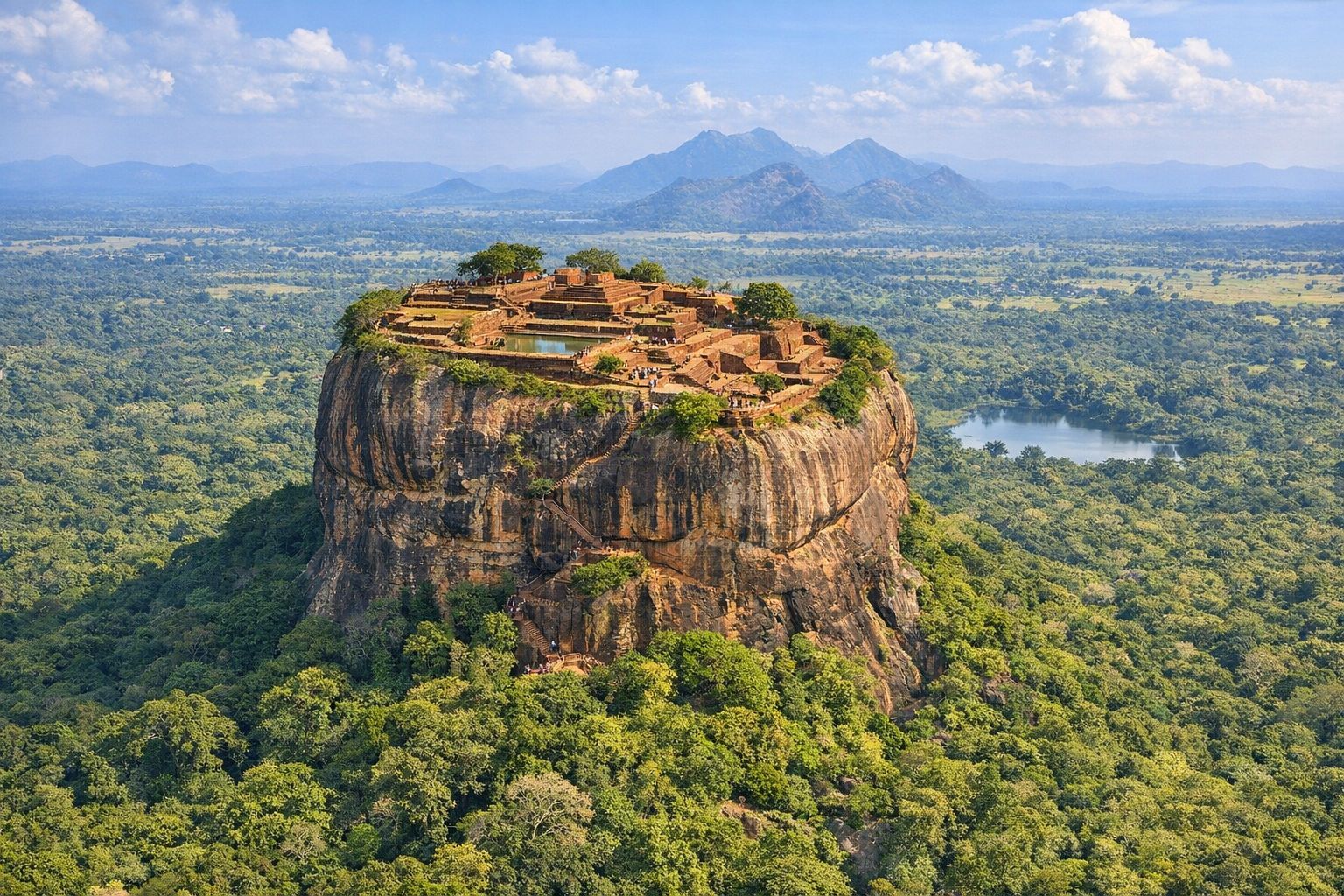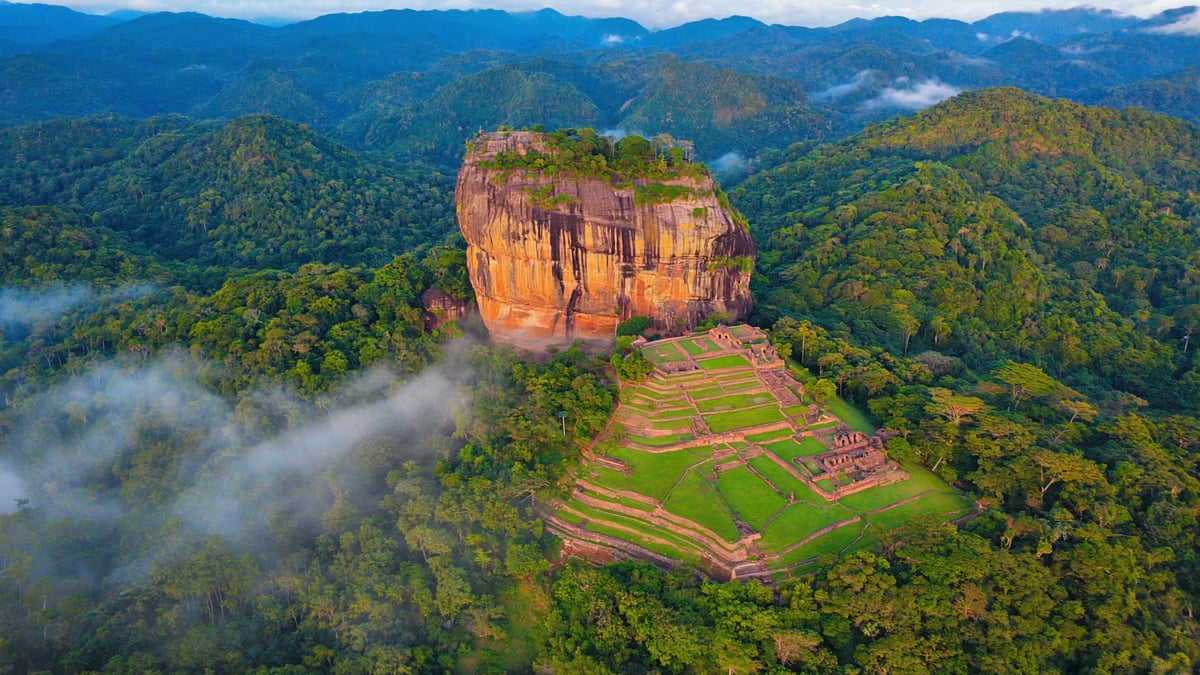
Imagine standing at the summit of a 200-million-year-old volcanic rock, scanning a horizon that stretches across jungle canopy, ancient reservoirs, and distant mountains — and realising you've barely scratched the surface of what this island has to offer. Sri Lanka is one of those rare places that refuses to be summarised. In the space of a single week, you can ride a colonial-era train through mist-draped tea plantations, wade into the warm waters of the Indian Ocean, press your palms together before a 2,000-year-old dagoba, and spot wild elephants gathering at dusk. For UK travellers in 2026, Sri Lanka remains one of the most compelling long-haul destinations on the planet — extraordinary in its diversity, genuinely warm in its welcome, and increasingly accessible in its pricing.
This guide covers everything you need to plan a remarkable trip: where to stay, what to do, when to go, how to get there, and how to make the most of every rupee. Whether you're a couple chasing romance, a family seeking adventure, or a solo traveller hungry for culture and colour, Sri Lanka delivers in ways that few destinations can match.
Book Your Sri Lanka Holiday Now
GlobeHunters offers 10-night Sri Lanka holiday packages including flights and hotels from just £1,399 per person.
View Package & Prices →Or call us: 0208 944 4514
Sri Lanka: An Island That Contains Multitudes
Sri Lanka is a teardrop-shaped island nation in the Indian Ocean, sitting just 31 kilometres off the southern tip of India across the Palk Strait. Despite its relatively compact size — roughly 65,610 square kilometres, making it slightly larger than Ireland — the island packs an astonishing range of landscapes, climates, and cultural experiences into its borders. From the UK traveller's perspective, it ticks boxes that usually require two or three separate holidays: beach, culture, wildlife, and scenery.
Geography and regions: Sri Lanka divides naturally into several distinct zones. The dry lowland north and east is home to ancient cities and wildlife parks. The cool, misty hill country at the island's centre rises to over 2,500 metres at Pidurutalagala, Sri Lanka's highest peak. The south and west coasts offer the famous tropical beaches, while the cultural triangle in the north-central region contains the island's greatest historical treasures.
Language: Sinhala is the primary language, with Tamil widely spoken in the north and east. English, however, is commonly understood in tourist areas, hotels, and transport hubs — a legacy of British colonial rule that makes Sri Lanka particularly easy to navigate for UK visitors.
Currency: The Sri Lankan Rupee (LKR). As of 2026, exchange rates fluctuate, but broadly speaking, £1 buys somewhere in the region of 350–400 LKR, making Sri Lanka excellent value for British travellers. Always check live rates before departure and use a fee-free travel card (such as Wise or Starling) to avoid excessive currency conversion charges.
Time zone: Sri Lanka Standard Time (SLST) is UTC+5:30, meaning the island is 5.5 hours ahead of UK time (GMT) in winter and 4.5 hours ahead during British Summer Time. This relatively moderate time difference means jet lag is less punishing than destinations in Southeast Asia or the Americas.
Visa requirements for UK travellers: British passport holders require an Electronic Travel Authorisation (ETA) to enter Sri Lanka. This is obtained online through the official Sri Lanka ETA portal before departure. As of 2026, the ETA costs USD 20 for tourism purposes and is valid for 30 days with a double-entry option. Processing is typically completed within 24 hours, though applying at least a week before travel is strongly advisable. Your passport must be valid for at least six months beyond your planned departure from Sri Lanka.
Health: The Foreign, Commonwealth & Development Office (FCDO) recommends several vaccinations for Sri Lanka, including Hepatitis A, Typhoid, and depending on your itinerary, Rabies and Japanese Encephalitis. Malaria prophylaxis may be recommended for certain regions, particularly the north and east. Check the latest NHS travel health advice and consult your GP or a travel clinic at least six weeks before departure.
When Is the Best Time to Visit Sri Lanka?
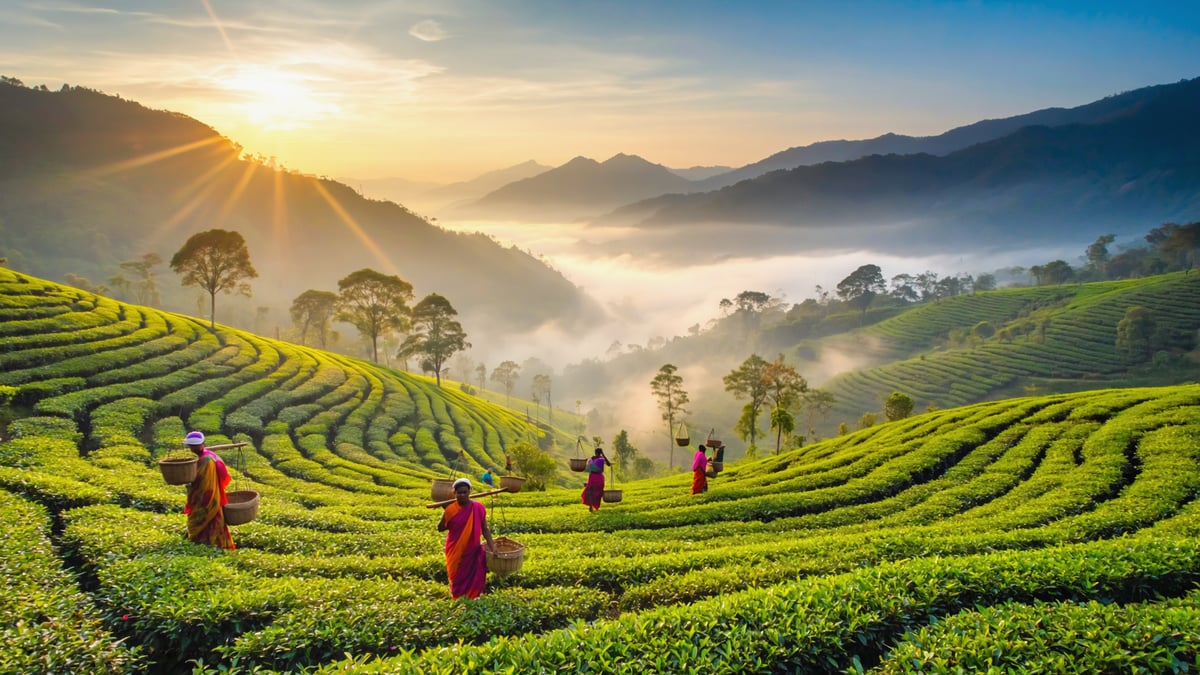
Sri Lanka's climate is governed by two monsoon seasons that affect different parts of the island at different times — which is both a complexity and an opportunity. Understanding the monsoon calendar is the single most important planning step for any Sri Lanka holiday, and it's what allows savvy travellers to visit year-round by simply choosing the right region for the right month.
The southwest monsoon (Yala season) runs roughly from May to September, bringing heavy rainfall to the west and south coasts and the hill country. During this period, the east and north coasts — places like Arugam Bay and Trincomalee — enjoy their best weather, with calm seas and sunshine.
The northeast monsoon (Maha season) reverses the pattern from approximately October to January, bringing rain to the north and east while the south and west coasts bask in dry, sunny conditions. This is the peak season for destinations like Mirissa, Unawatuna, and Galle.
Month-by-Month Breakdown
- January–March: Widely considered the best overall time to visit. The south and west coasts are at their finest — calm seas, low humidity, and wall-to-wall sunshine. The cultural triangle and hill country are also excellent. Prices are at their highest and accommodation should be booked well in advance. The Duruthu Perahera festival in Colombo takes place in January.
- April: A transitional month that can be hit-or-miss. The Sinhala and Tamil New Year (14th April) is one of the most important cultural celebrations in the country — a wonderful time to be on the island if you embrace the festivities, though many local businesses close for several days.
- May–June: The southwest monsoon arrives, making the south and west coasts wetter. However, the east coast — particularly Arugam Bay — opens up beautifully. The hill country receives rain but remains lush and dramatic. Prices drop considerably and crowds thin out.
- July–September: Peak season for the east coast and the famous Kandy Esala Perahera festival in July/August — one of Asia's most spectacular processions, involving dozens of elephants, drummers, and dancers. The south coast can still receive visitors willing to accept occasional showers.
- October: An inter-monsoon period that can bring rain across much of the island. Some travellers use this time to explore the cultural triangle, which is less affected. Prices are low.
- November–December: The northeast monsoon affects the east coast but the south and west recover. By December, the island is firmly in high season again, particularly around the Christmas and New Year period when prices spike sharply.
Our recommendation for UK travellers: January to mid-March offers the most reliable all-island experience — you can comfortably combine the cultural triangle, the hill country, and the south coast beaches without weather compromise. If budget is a priority, May to June on the east coast delivers exceptional value with far fewer crowds.
Where to Stay in Sri Lanka: A Neighbourhood-by-Neighbourhood Guide
Sri Lanka's accommodation landscape ranges from colonial-era boutique guesthouses and converted tea estate bungalows to world-class beach resorts and atmospheric heritage hotels. The key is understanding which base suits which part of your itinerary — and Sri Lanka rewards those who move around rather than planting themselves in one spot.
Colombo: The Urban Gateway
Most visitors arrive into Bandaranaike International Airport, located near Negombo, north of Colombo. Many travellers bypass the capital entirely, but Colombo is worth a night or two, particularly in the leafy, upmarket district of Cinnamon Gardens (Ward Place area), which houses excellent restaurants, galleries, and the National Museum. The Fort and Pettah districts offer a more gritty, atmospheric urban experience. For budget travellers, guesthouses in Cinnamon Gardens start around £25–40 per night. Mid-range boutique hotels in the same area run £70–120, while luxury properties like Cinnamon Grand or the Shangri-La command £180–300+ per night.
The Cultural Triangle: Sigiriya, Dambulla, and Polonnaruwa
The north-central region's cultural triangle is best based around Sigiriya village or the nearby town of Habarana. Both offer excellent access to the major sites. Budget accommodation here is excellent value — simple guesthouses with breakfast from £20–35 per night. Mid-range travellers should look at Habarana's lodge-style properties for £60–100. For a truly special experience, eco-luxury lodges on the jungle fringes of Habarana deliver extraordinary wildlife sightings right from the breakfast terrace, at £150–250 per night.
Kandy: The Hill Country Capital
Kandy is the cultural heart of Sri Lanka and a natural hub for the hill country. Stay within the town for easy access to the Temple of the Tooth and the lake, or opt for one of the hillside properties overlooking the valley for more dramatic views. Budget guesthouses in the town centre run £20–40. Mid-range boutique hotels occupying colonial bungalows on the hills cost £60–100. Luxury options — including properties that were once planters' clubs — charge £130–200.
Ella: The Instagrammable Hill Town
Ella has undergone a remarkable transformation over the past decade and is now one of Sri Lanka's most popular stops. Stay in the town itself for easy access to Nine Arches Bridge and Little Adam's Peak, or in a tea estate bungalow on the surrounding hills for pure romance. Budget guesthouses start at £15–30. Mid-range boutique properties with valley views cost £50–90. Luxury eco-resorts and estate hotels run £120–200+.
The South Coast: Galle, Mirissa, and Unawatuna
The south coast is where beach dreams are realised. Galle Fort — a UNESCO World Heritage Site — is the most atmospheric base, with boutique hotels inside the Dutch colonial walls from £70–150 mid-range and £200+ for the finest properties. Mirissa and Unawatuna are the beach resort towns of choice, with everything from £20 surf hostels to £150-per-night beachfront boutique hotels. Tangalle, slightly further east, is quieter and suits those seeking a more secluded beach experience.
10 Things You Absolutely Must Do in Sri Lanka
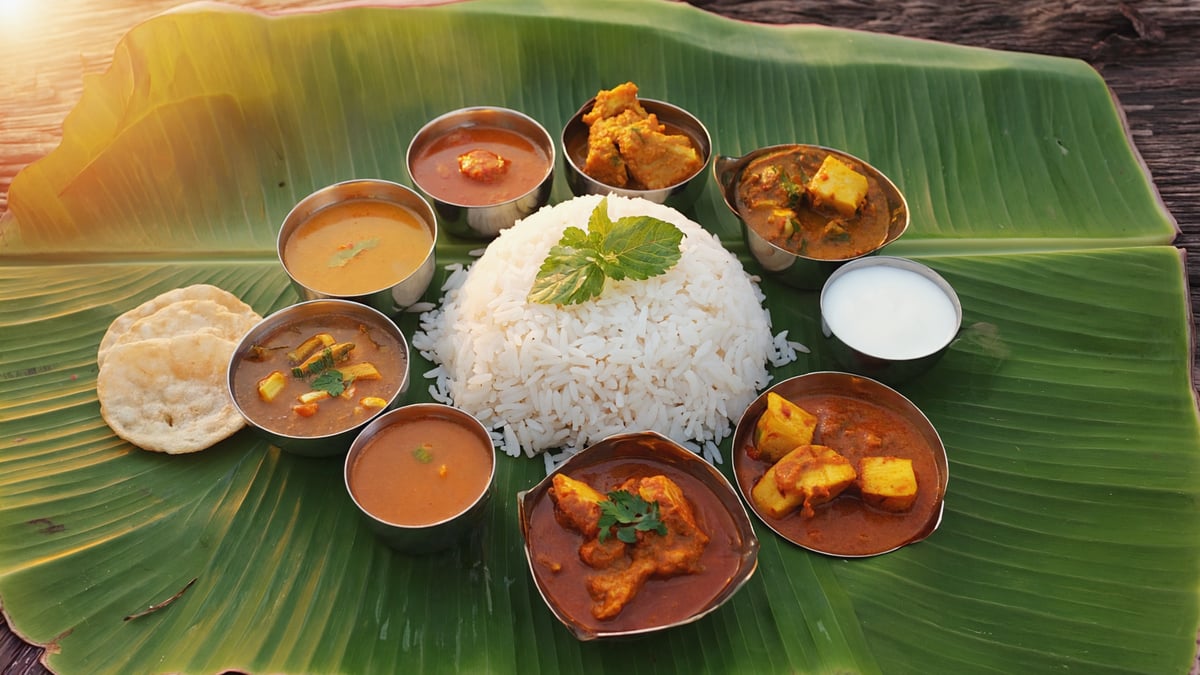
With so much to see and do across the island, ruthless prioritisation is necessary. Here are the experiences that genuinely deserve their place on every itinerary — along with the practical details to make them happen.
1. Climb Sigiriya Rock Fortress
Rising 200 metres from the surrounding jungle like a monolith from another world, Sigiriya is Sri Lanka's most iconic sight. Built in the 5th century CE by King Kashyapa, this UNESCO World Heritage Site features remarkable frescoes of heavenly maidens painted into the rock face, the famous Mirror Wall covered in ancient graffiti, and a royal palace complex at the summit with breathtaking 360-degree views. Entry costs USD 30 (approximately £24) for foreign visitors. Climb early — gates open at 07:00 and the summit is far more enjoyable before the midday heat arrives. Allow 2–3 hours for the full ascent and descent.
2. Ride the Ella Train
Consistently voted one of the world's most scenic train journeys, the rail route from Kandy to Ella (via Nanu Oya and Haputale) winds through tea plantations, past waterfalls, and over dramatic viaducts for approximately six hours. The final stretch into Ella is particularly spectacular. Second-class reserved seats cost around LKR 200–400 (under £1), while first-class observation cars cost LKR 1,000–1,500 (approximately £3–4). Book through the Sri Lanka Railways official website well in advance, particularly for first class — these seats sell out weeks ahead in high season. Sit on the left side of the train travelling from Kandy to Ella for the best views.
3. Visit the Temple of the Tooth, Kandy
The Sri Dalada Maligawa (Temple of the Tooth) in Kandy is the most sacred Buddhist site in Sri Lanka, housing what is believed to be a relic of the Buddha's tooth. The temple complex sits on the shores of the Kandy Lake and is architecturally stunning. Entry is LKR 1,000 (approximately £2.50) for foreign visitors. Puja ceremonies — atmospheric rituals involving drums, offerings, and incense — take place three times daily at approximately 06:30, 09:30, and 18:30. Dress modestly: shoulders and knees must be covered, and shoes removed before entering.
4. Watch Whales off Mirissa
The waters off Mirissa on the south coast are one of the best places on Earth to see blue whales — the largest animals ever to have lived on our planet. The season runs from approximately November to April. Whale-watching boat trips depart at dawn (around 06:00) and last 4–6 hours. Tours cost approximately £25–35 per person from reputable operators. Spinner dolphins are virtually guaranteed; blue whales and sperm whales are frequently sighted. Book with operators who follow responsible wildlife guidelines.
5. Explore Galle Fort
Built by the Portuguese in the 16th century and later expanded by the Dutch, Galle Fort is a living, breathing UNESCO World Heritage Site where boutique hotels, independent cafés, art galleries, and jewellery workshops occupy centuries-old colonial buildings. Walk the ramparts at sunset for extraordinary views over the ocean. Entry to the fort itself is free — budget for meals and shopping instead. Allow a full half-day to properly explore.
6. Go on Safari in Yala National Park
Yala National Park on the southeast coast has one of the world's highest densities of wild leopards, making a leopard sighting more likely here than almost anywhere else in Asia. The park also supports sloth bears, elephants, crocodiles, and hundreds of bird species. Half-day jeep safaris depart at dawn (06:00) and dusk (15:00) and cost approximately £30–50 per person including park entry and jeep hire when booked locally. Full-day safaris run £60–80. Book through your accommodation or a reputable local operator.
7. Walk to Nine Arches Bridge, Ella
The Nine Arches Bridge near Ella is one of Sri Lanka's most photographed structures — a graceful colonial-era viaduct built entirely of stone and brick, arching over a lush green valley. The walk from Ella town takes approximately 20–30 minutes on a well-signposted path. Entry is free. Time your visit for when a train crosses the bridge (check schedules locally) for the definitive photograph. Early morning light is beautiful here.
8. See the Elephants at Minneriya National Park
Between July and October, Minneriya National Park hosts what is known as "The Gathering" — one of Asia's largest assemblies of wild Asian elephants, with hundreds congregating around the receding Minneriya Tank reservoir. Jeep safaris into the park cost approximately £20–35 per person and run morning and evening. Even outside the peak gathering season, elephant sightings are reliable.
9. Take a Cooking Class
Sri Lankan cuisine is complex, spiced, and deeply satisfying — and learning to cook it properly is one of the most rewarding cultural experiences the island offers. Cooking classes are available throughout the country, from Colombo to Ella to Galle, typically running 3–4 hours including a market visit, hands-on cooking, and eating your creations. Prices range from £20–45 per person depending on location and operator.
10. Sunrise at Adam's Peak
Adam's Peak (Sri Pada) is a sacred mountain pilgrimage site revered by Buddhists, Hindus, Muslims, and Christians alike — each tradition has its own belief about the footprint-shaped impression at the 2,243-metre summit. The climb involves approximately 5,500 steps and takes 3–4 hours at a moderate pace. Most visitors begin the climb around midnight to reach the summit at dawn. The season runs from December to May. Entry is free during pilgrimage season. Wear warm layers — the summit is significantly colder than the lowlands.
Sri Lankan Food & Drink: A Culinary Education
Sri Lankan cuisine is one of the most underrated food cultures in Asia — bold, aromatic, and fiercely regional. If your only experience of South Asian food is British-Indian curry house cooking, prepare to have your assumptions comprehensively dismantled. Sri Lankan food is its own distinct tradition, built on coconut milk, aromatic spices, fresh seafood, and a genius for combining heat with subtle complexity.
Essential Dishes to Try
- Rice and Curry: The national meal, served at virtually every local restaurant. Not one curry but several — typically three to five different curries (vegetables, dhal, fish or meat, and a sambol) served alongside steamed rice. The real thing, eaten in a local "rice and curry" restaurant, costs LKR 300–600 (under £2) and is one of the world's great bargain meals.
- Hoppers (Appa): Bowl-shaped, crispy-edged pancakes made from fermented rice flour and coconut milk. Egg hoppers have an egg cracked into the centre. Eaten for breakfast or dinner with coconut sambol and dhal. Essential.
- String Hoppers (Indi Appa): Delicate steamed noodle nests made from rice flour, typically served for breakfast with coconut milk and curry.
- Kottu Roti: Sri Lanka's beloved street food — chopped roti flatbread stir-fried on a hot griddle with vegetables, egg, and your choice of meat or seafood. The rhythmic metallic clang of the kottu blades is the sound of Sri Lankan street food.
- Lamprais: A Dutch-influenced dish of rice, meat curry, and accompaniments wrapped in a banana leaf and baked — a delicious relic of colonial history.
- Pol Sambol: A raw coconut relish with red onion, green chilli, lime, and dried Maldive fish. Served alongside almost everything and utterly addictive.
- Watalappan: A rich, steamed coconut custard pudding flavoured with jaggery (palm sugar), cardamom, and nutmeg. Sri Lanka's finest dessert.
Where to Eat
For authentic local food, seek out "rice and curry" restaurants frequented by Sri Lankans rather than tourist-facing establishments. These are typically unlabelled from the outside, busy at lunchtime, and serve the most flavourful food on the island for a fraction of tourist prices. Galle Fort has some of the island's finest upmarket restaurants, blending Sri Lankan flavours with international technique. Colombo has a thriving restaurant scene in Cinnamon Gardens and the Colombo 3 and 7 postal districts, ranging from excellent local joints to sophisticated fine dining.
Dietary considerations: Sri Lanka is genuinely excellent for vegetarians and vegans. Buddhist dietary traditions mean that vegetable-based curries are central to the cuisine rather than an afterthought. Many dishes are naturally dairy-free, with coconut milk used instead. However, dried Maldive fish is used as a flavouring in many dishes including some that appear vegetarian — always check if this is a concern. Halal food is widely available, particularly in the north and east and in Muslim communities across the island.
Drinks: Ceylon tea, of course, is non-negotiable — and drinking it in the hill country where it is grown is a transcendent experience. Fresh king coconut (thambili), sold from roadside stalls for LKR 50–100 (around 15–25p), is the finest hydration in tropical heat. Lion Lager is the local beer. Arrack, distilled from coconut flower toddy, is the national spirit and the base for Sri Lanka's excellent cocktail culture.
Getting to Sri Lanka from the UK
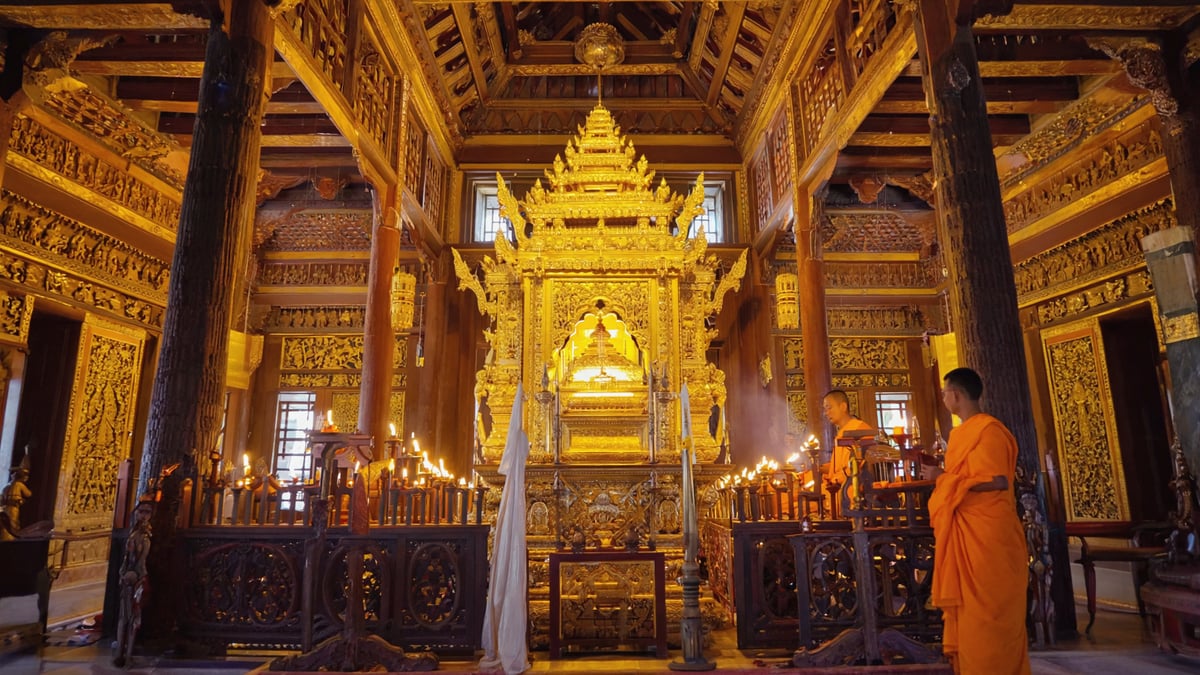
Sri Lanka is well-connected to the UK, with flight options to suit a range of budgets and preferences. The main international gateway is Bandaranaike International Airport (CMB), located at Katunayake, approximately 30 kilometres north of Colombo. A second international airport, Mattala Rajapaksa International Airport (HRI), near Hambantota in the south, handles some charter and regional flights but is not the primary entry point for UK travellers.
Airlines and Routes
SriLankan Airlines, the national carrier, operates direct flights between London Heathrow (LHR) and Colombo. This is the most convenient option, with a flight time of approximately 10.5–11 hours. SriLankan Airlines is a oneworld alliance member, meaning miles and tier points can be earned and redeemed through British Airways Executive Club and other partner programmes.
Several other major carriers operate one-stop services via their hubs, typically adding 2–5 hours to the total journey time but sometimes offering more competitive pricing:
- Emirates via Dubai (DXB)
- Qatar Airways via Doha (DOH)
- Etihad Airways via Abu Dhabi (AUH)
- Air India via Delhi (DEL) or Mumbai (BOM)
- IndiGo via various Indian hubs
Departure airports beyond Heathrow: Manchester (MAN), Birmingham (BHX), and Edinburgh (EDI) have connections to Colombo via the Gulf hubs, making Sri Lanka accessible without the need to travel to London first.
Typical Flight Costs
Return economy class flights from London to Colombo vary considerably by season and how far in advance you book. Budget approximately £600–900 per person return for economy class booked 3–6 months in advance in mid-season. High-season flights (December–January, July–August) can reach £900–1,200+ per person return. Business class on SriLankan Airlines or the Gulf carriers typically costs £2,000–3,500 return. Booking as part of a package through GlobeHunters often delivers significantly better combined value than booking flights and hotels separately.
Airport Transfers
From Bandaranaike Airport to Colombo city centre, taxis and ride-hailing apps (PickMe is the local equivalent of Uber and highly reliable) cost approximately LKR 2,000–3,500 (£5–10). Pre-booked private transfers arranged through your hotel typically cost slightly more but offer a stress-free arrival experience. The Colombo Airport Expressway reduces the drive to around 30–45 minutes in normal traffic. Many visitors heading immediately to Negombo or the cultural triangle can take direct transfers from the airport, bypassing Colombo entirely.
Sri Lanka Budget Guide: How Much Does a Holiday Really Cost?
Sri Lanka represents exceptional value for UK travellers — even at mid-range and luxury levels, costs compare favourably to other long-haul destinations. The island's economic recovery following the 2022 financial crisis has stabilised, and while prices have risen modestly since the crisis lows, Sri Lanka remains one of the better-value long-haul destinations accessible to British holidaymakers in 2026.
Budget Traveller (Backpacker/Solo Explorer): £40–65 per day
On a tight budget, Sri Lanka is remarkably affordable. Dorm beds in quality hostels run £6–12 per night. Private guesthouses with breakfast cost £15–30. Eating rice and curry at local restaurants for every meal costs under £4 per day. Local buses — slow but functional — cost pennies. Tuk-tuks for short journeys cost £0.50–2. Budget travellers can see the major sites (Sigiriya, Kandy, Ella, Mirissa) for under £65 per day all-in, including accommodation, food, transport, and entry fees.
Mid-Range Traveller (Couples/Families): £100–175 per day per person
At the mid-range level, the experience improves substantially. Boutique guesthouses and small hotels with character cost £40–80 per night for a double room. Three meals per day — one local lunch, one nice dinner — cost £15–25 per person. Private tuk-tuk hire for day trips runs £15–30. Organised tours and activities (safari, whale watching, cooking class) add £25–50. At this level, you're travelling very comfortably with genuine quality of experience.
Luxury Traveller (Honeymooners/Premium): £250–500+ per day per person
Sri Lanka's luxury offering has developed impressively in recent years. Boutique eco-resorts, heritage tea estate hotels, and high-end beach properties charge £120–350 per night for their finest rooms. Fine dining in Galle or Colombo costs £30–60 per person for dinner with wine. Private air-conditioned cars with guides replace tuk-tuks. Private tours to national parks, private boat charters for whale watching, and exclusive experiences (private dinners on Galle Fort ramparts, helicopter transfers between regions) are all possible. At this level, Sri Lanka feels genuinely world-class.
Typical 10-Night Budget Estimates (per person, excluding flights)
| Category | Daily Estimate | 10 Nights Total |
|---|---|---|
| Budget | £40–65 | £400–650 |
| Mid-Range | £100–175 | £1,000–1,750 |
| Luxury | £250–500 | £2,500–5,000 |
Note: Flights from the UK add approximately £600–1,200 per person. GlobeHunters' 10-night packages including flights and hotels start from £1,399 per person — excellent value for the mid-range traveller.
Travel Tips, Safety & Practical Advice for Sri Lanka
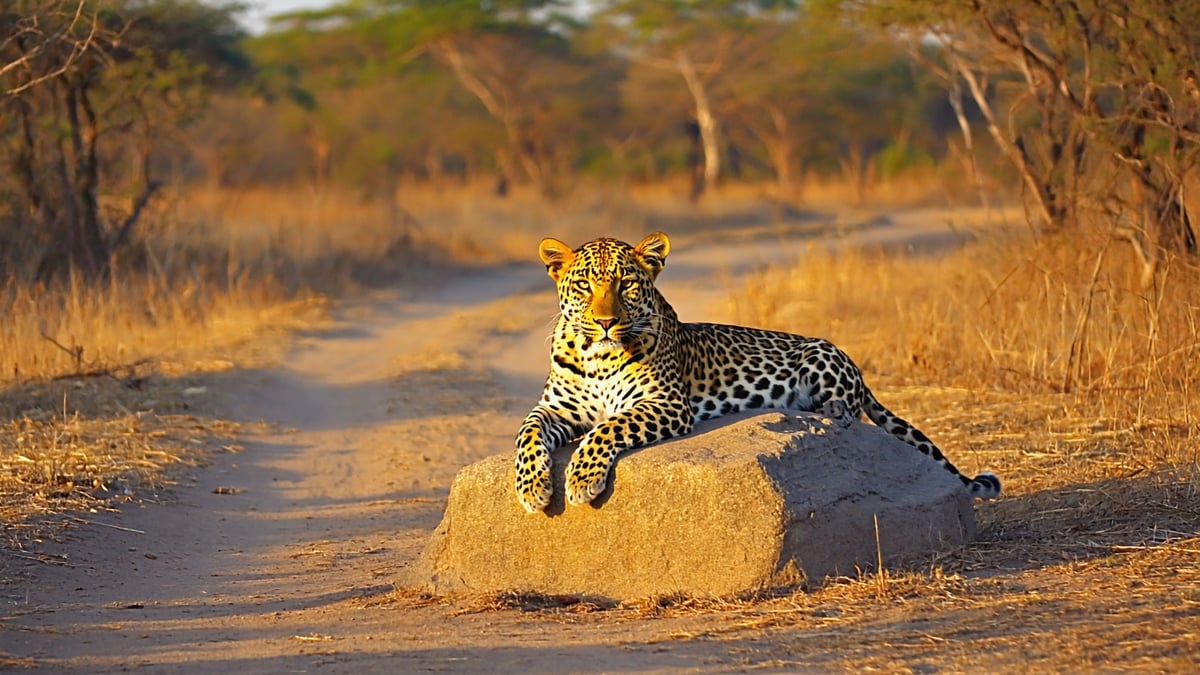
Sri Lanka is, by any reasonable measure, a safe and welcoming destination for UK tourists. The country has a long tradition of tourism and the vast majority of visitors have trouble-free, enormously positive experiences. That said, as with any destination, a degree of awareness and preparation makes all the difference between a smooth trip and an avoidable headache.
Safety
Petty crime targeting tourists — bag snatching, pickpocketing at busy sites — does occur, particularly in Colombo and around major tourist attractions. Standard precautions apply: use a money belt or hidden pouch for passports and large amounts of cash, don't leave valuables unattended on beaches, and be aware of your surroundings in crowded markets. The FCDO advises normal caution for most of Sri Lanka; check the latest FCDO Sri Lanka travel advice before departure for any updated guidance.
Road safety is a genuine consideration. Sri Lanka's road accident rate is higher than the UK, and driving standards vary considerably. If hiring a car and driver (recommended over self-driving for most visitors), use a reputable operator. Tuk-tuks are generally safe for short distances but can be hair-raising on highways. Stick to reputable taxi apps (PickMe) or hotel-arranged transfers for longer journeys.
Ocean safety: Currents along Sri Lanka's coasts can be powerful and unpredictable. Always swim at beaches with lifeguards, observe red flags, and never swim alone in remote areas. Rip currents are a particular hazard on the south coast during certain months. Mirissa and Unawatuna have staffed beaches; more remote beaches may not.
Health Precautions
Drink bottled or filtered water throughout your trip — tap water is not safe to drink. Ice at tourist restaurants is generally made from filtered water, but exercise caution at very local establishments. Apply high-factor sun cream liberally — the tropical sun is significantly more intense than in the UK. Mosquito repellent (DEET-based) is essential, particularly at dawn and dusk. Carry a basic medical kit including rehydration sachets, anti-diarrhoea medication, and a broad-spectrum antibiotic (prescribed by your GP before travel).
Cultural Etiquette
Sri Lanka is a predominantly Buddhist country with significant Hindu, Muslim, and Christian communities, and cultural sensitivity is both respectful and practically important:
- Dress modestly when visiting temples, shrines, and religious sites. Cover shoulders and knees. Many sites provide sarongs to borrow.
- Remove shoes before entering temples and some private homes.
- Never pose with your back to a Buddha statue for photographs — it is considered deeply disrespectful and can result in legal consequences in some circumstances.
- The left hand is traditionally considered unclean in South Asian culture — use your right hand for giving and receiving items, eating, and gesturing.
- Public displays of affection are culturally frowned upon, even between married couples. Save the romance for your hotel.
- Bargaining is acceptable in markets but should be good-natured. Aggressive haggling is considered rude.
Connectivity and Communication
Sri Lanka has reasonable 4G coverage in urban areas and tourist regions, with spotty connectivity in remote hill country and national parks. Purchasing a local SIM card at the airport on arrival is highly recommended — Dialog and Mobitel are the most reliable operators. Tourist SIM packages with generous data allowances cost approximately LKR 500–1,500 (£1.50–4) and can be purchased at the airport arrivals hall. WhatsApp calls are the most reliable way to stay in touch with family back home.
Packing Essentials
- Lightweight, breathable clothing in natural fibres (cotton, linen)
- A light jacket or fleece for the hill country (temperatures drop significantly above 1,500m)
- Modest cover-ups for temple visits (a lightweight scarf doubles up perfectly)
- Comfortable walking sandals and closed-toe shoes for trekking
- High-SPF sun cream (expensive and hard to find locally)
- DEET mosquito repellent
- A basic medical kit
- A waterproof bag cover or dry bag for monsoon season travel
- Plug adapter (Sri Lanka uses Type D and Type G sockets — UK Type G plugs generally work without an adapter)
Book Your Sri Lanka Holiday Now
GlobeHunters offers 10-night Sri Lanka holiday packages including flights and hotels from just £1,399 per person.
View Package & Prices →Or call us: 0208 944 4514
Frequently Asked Questions About Sri Lanka Holidays
Do UK citizens need a visa to visit Sri Lanka?
Yes. British passport holders require an Electronic Travel Authorisation (ETA) before arriving in Sri Lanka. It is obtained online through the official Sri Lanka ETA portal (eta.gov.lk) and costs USD 20 (approximately £16). Processing typically takes 24 hours, and the ETA is valid for 30 days with a double-entry option. Apply at least one week before your departure date.
Is Sri Lanka safe for tourists in 2026?
Sri Lanka is considered a safe destination for UK tourists. The country has a long, established tourism industry and violent crime against visitors is rare. Exercise standard precautions against petty theft, follow FCDO travel advice, and avoid swimming on unflagged beaches. Check the latest FCDO guidance before travelling for any updated advisories.
What is the best time of year to visit Sri Lanka from the UK?
For most UK visitors who want to combine culture, hill country, and south coast beaches, January to mid-March is the optimal window — dry weather across the key tourist regions, calm seas, and the highest chance of reliable sunshine. July to September works well for the east coast and the Kandy Perahera festival.
How long is the flight from the UK to Sri Lanka?
A direct flight from London Heathrow to Colombo on SriLankan Airlines takes approximately 10.5–11 hours. One-stop flights via Gulf hubs (Dubai, Doha, Abu Dhabi) add 2–5 hours to the total journey time depending on the layover duration.
Is Sri Lanka expensive for UK travellers?
Sri Lanka is excellent value for British visitors. Budget travellers can get by comfortably on £40–65 per day including accommodation, food, and activities. Mid-range travellers spending £100–175 per day live very well indeed. Luxury experiences are available for £250–500 per day. Even with flights included, a 10-night holiday from the UK can be achieved for under £2,000 per person at mid-range.
Can I drink the tap water in Sri Lanka?
No. Tap water is not safe to drink in Sri Lanka. Always drink bottled water or water that has been properly filtered and boiled. Bottled water is cheap and widely available throughout the island. Avoid ice in very local establishments.
What currency does Sri Lanka use and how much cash should I bring?
Sri Lanka uses the Sri Lankan Rupee (LKR). ATMs are widely available in cities and tourist towns but can be scarce in remote areas — carry enough cash when venturing off the main tourist circuit. Major credit cards are accepted at hotels and upmarket restaurants but cash is essential for local restaurants, tuk-tuks, and markets. Using a fee-free travel card (such as Wise or Starling) minimises currency conversion costs.
How do I get around Sri Lanka?
Sri Lanka offers several transport options: trains (scenic, cheap, and ideal for the Kandy–Ella route), local buses (very cheap but slow and crowded), tuk-tuks (ideal for short journeys within towns), private car and driver hire (the most comfortable and flexible option for touring, costing approximately £40–70 per day), and PickMe (Sri Lanka's ride-hailing app, reliable in Colombo and major towns). Most visitors combine trains for scenic long-distance journeys with private car hire for flexibility.
What vaccinations do I need for Sri Lanka?
The NHS and FCDO recommend consulting your GP or a travel health clinic at least 6 weeks before travelling. Hepatitis A and Typhoid vaccinations are commonly recommended. Depending on your itinerary, Rabies, Japanese Encephalitis, and Malaria prophylaxis may also be advised. Ensure routine vaccinations (MMR, diphtheria, tetanus, polio) are up to date.
What is the Ella train and how do I book it?
The Kandy to Ella train is widely considered one of the world's most beautiful rail journeys, passing through tea plantations, over viaducts, and through misty mountain scenery. The journey takes approximately 6 hours. First-class observation car seats (the most scenic option) must be booked in advance through the Sri Lanka Railways website (railway.gov.lk) or a reputable local agent. Second-class reserved seats are more readily available. Booking 3–4 weeks ahead is advisable in high season.
Is Sri Lanka suitable for families with children?
Sri Lanka is an excellent family destination. Children are warmly welcomed across the island, and the combination of wildlife safaris, elephant encounters, beach time, and exciting train journeys tends to captivate younger travellers. Families should be mindful of food hygiene, sun protection, and mosquito prevention. Most mid-range and upmarket hotels cater well to families with appropriate room configurations and menus.
What is a typical 10-night Sri Lanka itinerary?
A popular 10-night route for UK visitors covers: Nights 1–2: Colombo/Negombo (arrival, acclimatise); Nights 3–4: Cultural Triangle (Sigiriya, Dambulla, wildlife); Nights 5–6: Kandy (Temple of the Tooth, Peradeniya Botanical Gardens); Nights 7–8: Ella (scenic train journey, Nine Arches Bridge, hiking); Nights 9–10: South Coast (Galle Fort, Mirissa beach, whale watching if in season). This circuit showcases Sri Lanka's greatest highlights without excessive rushing.
Final Thoughts: Why Sri Lanka Should Be Your 2026 Long-Haul Holiday
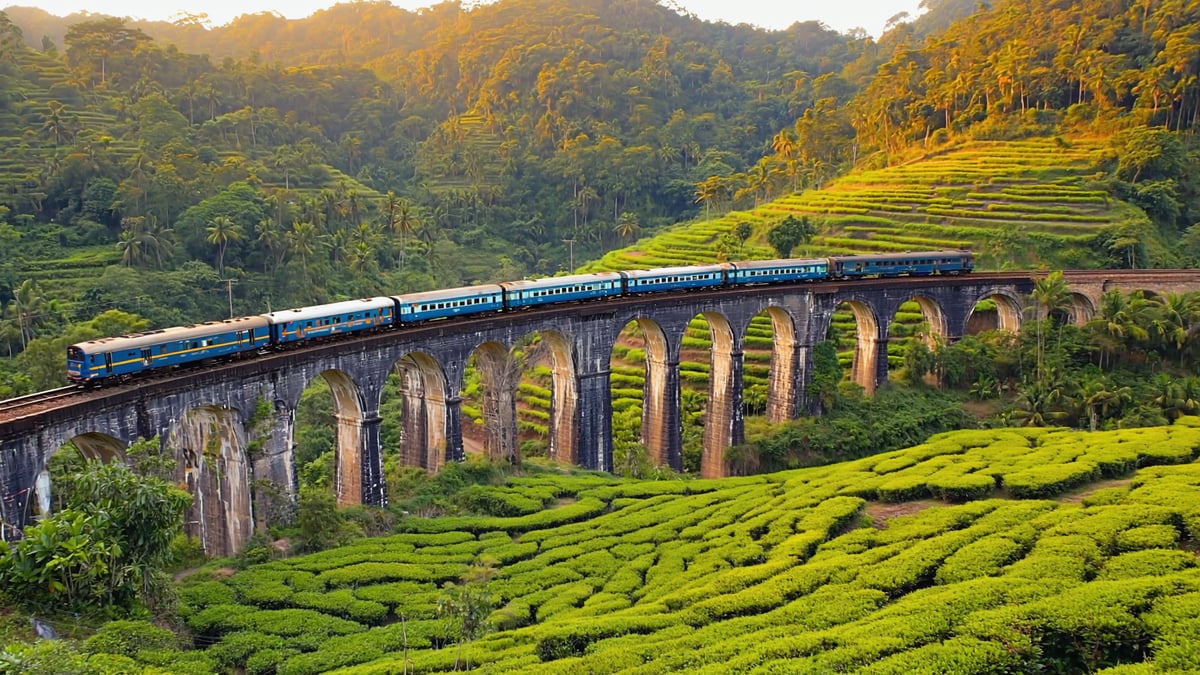
There is a particular kind of travel experience — rare, really — where a destination exceeds every expectation you arrived with. Sri Lanka is one of those places. The ancient rocks are older and more dramatic than you imagined. The train journey is more beautiful than any photograph prepared you for. The food is more complex, more flavourful, more addictive than you anticipated. And the people — genuinely, uncommercially warm in a way that has nothing to do with tourism performance — leave an impression that stays with you long after the tan fades.
For UK travellers in 2026, the case for Sri Lanka is compelling. It is accessible (a single direct flight from Heathrow), excellent value (particularly compared to other long-haul destinations offering similar diversity), and genuinely transformative in ways that package holiday destinations rarely manage. Whether you have ten days or three weeks, whether you're chasing beach relaxation or cultural depth or wildlife adventure — Sri Lanka can deliver it, often within the same trip.
GlobeHunters' 10-night Sri Lanka packages, starting from £1,399 per person including flights and accommodation, offer one of the most competitive entry points to this extraordinary island. Combine that with the practical guidance in this article, and you have everything you need to plan a Sri Lanka holiday that will rank among the finest you've ever taken.
Book Your Sri Lanka Holiday Now
GlobeHunters offers 10-night Sri Lanka holiday packages including flights and hotels from just £1,399 per person.
View Package & Prices →Or call us: 0208 944 4514
Ready to Book Your Sigiriya Holiday?
Our travel experts are ready to help you plan the perfect trip. Call us today or browse our latest deals.
Ready to Start Planning?
Speak to our travel experts for personalised advice and the best deals on your next holiday.
Call 0208 944 4514