Picture this: it's early morning, and the air smells of cinnamon and damp earth. A train winds through emerald hills so steep they seem improbable, passing women in bright saris who pluck tea leaves with practised hands. An hour later, you're standing at the entrance to a rock fortress that predates the Norman Conquest by six centuries, watching the sun rise over a jungle canopy that stretches to the horizon. By evening, you're barefoot on a beach where the Indian Ocean arrives in warm, unhurried waves, and a plate of freshly caught prawns in coconut curry is making its way to your table.
This is Sri Lanka — and it remains one of the most rewarding long-haul destinations a UK traveller can choose in 2026. Compact enough to explore thoroughly in two weeks yet diverse enough to fill a month, this teardrop-shaped island off the southern tip of India packs in ancient kingdoms, biodiversity hotspots, world-class surf, and a culinary tradition that is only now receiving the global recognition it has long deserved. Whether you're booking a Sri Lanka holiday 2026 as a honeymoon escape, a family adventure, or a solo cultural immersion, this guide covers everything you need to plan it properly — from visa requirements and monsoon patterns to budget breakdowns and the specific dishes you absolutely cannot leave without trying.
Sri Lanka in 2026: What Kind of Island Is This, Really?
Sri Lanka is a sovereign island nation in South Asia, situated in the Indian Ocean roughly 31 kilometres off the southeastern tip of India. It covers approximately 65,610 square kilometres — slightly larger than Ireland — yet contains within that space a staggering range of landscapes: highland tea country, ancient reservoir cities, tropical rainforest, dry-zone national parks, and more than 1,600 kilometres of coastline.
The country's official languages are Sinhala and Tamil, though English is widely spoken in hotels, restaurants, and tourist areas — a legacy of British colonial rule that makes Sri Lanka particularly accessible for UK visitors. The currency is the Sri Lankan Rupee (LKR). As of mid-2026, the exchange rate sits at approximately 380–400 LKR to £1, though travellers should check live rates before departure. ATMs are widely available in cities and tourist towns; smaller villages and remote areas may be cash-only.
Sri Lanka operates on Sri Lanka Standard Time (SLST), which is UTC+5:30 — five and a half hours ahead of UK GMT (four and a half hours ahead during British Summer Time). This is worth noting for anyone managing work calls from the road.
Visa Requirements for UK Travellers
UK citizens require a visa to enter Sri Lanka. The most straightforward option is the Electronic Travel Authorisation (ETA), which can be applied for online before departure through the official Sri Lanka ETA portal. The standard tourist ETA costs around USD $20 (approximately £16) and grants a 30-day stay with the option to extend to 90 days through the Department of Immigration once in-country. Processing is typically completed within 24–48 hours, though applying at least a week before travel is advisable. A return or onward ticket and sufficient funds may be requested at the border. Visas on arrival are technically available but involve longer queues and are not recommended.
Historically called Ceylon — a name still used for the island's famous tea — Sri Lanka has been continuously inhabited for at least 125,000 years and boasts eight UNESCO World Heritage Sites, including the ancient cities of Anuradhapura and Polonnaruwa, the cave temple complex at Dambulla, and the Sinharaja Forest Reserve, one of the world's last remaining tropical lowland rainforests. This extraordinary depth of culture and natural heritage is why Ceylon holidays 2026 are attracting more interest than ever from travellers seeking substance alongside their beach time.
When Is the Best Time to Visit Sri Lanka?
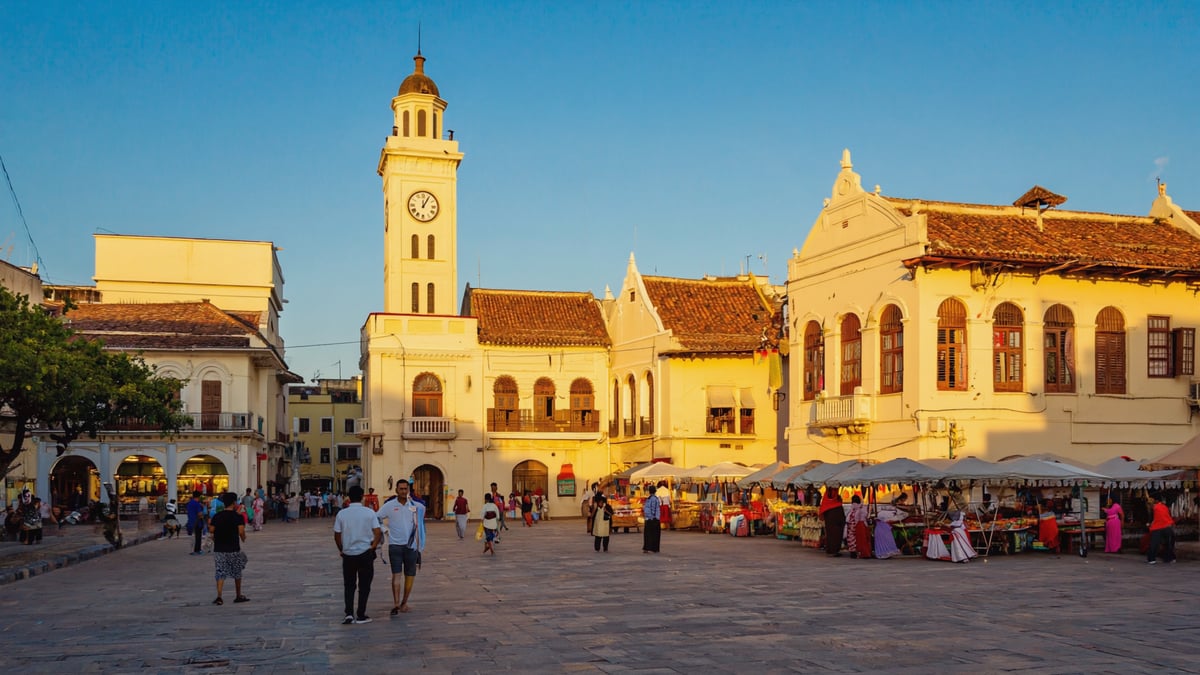
Sri Lanka's weather is shaped by two monsoon systems, which means the "best time to visit" depends significantly on which part of the island you plan to focus on. The short answer for most UK travellers: November through April is the prime window for the south and west coasts and the Cultural Triangle, while May through September suits the east coast better. Here is the month-by-month picture.
Month-by-Month Breakdown
| Month | West/South Coast | East Coast | Hill Country | Crowds & Prices |
|---|---|---|---|---|
| January | ✅ Excellent | ⚠️ Mixed | ✅ Clear & cool | Peak season — higher prices |
| February | ✅ Excellent | ⚠️ Mixed | ✅ Clear & cool | Peak — ideal for honeymoons |
| March | ✅ Very good | ✅ Improving | ✅ Good | Shoulder — good value |
| April | ⚠️ Pre-monsoon heat | ✅ Good | ⚠️ Getting warm | Sinhala New Year (13/14 April) |
| May–June | ❌ SW monsoon | ✅ Excellent | ❌ Wet | Low season — best prices |
| July–August | ❌ SW monsoon | ✅ Excellent | ⚠️ Improving | Esala Perahera festival (July/Aug) |
| September–October | ⚠️ Transitional | ✅ Good | ⚠️ Transitional | Shoulder — good deals |
| November–December | ✅ Excellent | ⚠️ NE monsoon | ✅ Clear | Pre-peak — rising prices |
The optimal travel window for most UK visitors — particularly those combining the Cultural Triangle with beach time on the south coast — is mid-November through mid-March. December and January are peak season; if you want the same weather with fewer crowds, aim for the last two weeks of November or the first two weeks of March. The Esala Perahera, a spectacular ten-day Buddhist pageant in Kandy featuring elephants, drummers, and fire dancers, takes place in late July or August and is worth planning around even though the south-west monsoon lingers.
Where to Stay: Sri Lanka's Best Areas for UK Travellers
Sri Lanka rewards travellers who move around rather than planting themselves in one resort. A typical two-week itinerary might cover Colombo, the Cultural Triangle, Kandy, Ella, and a beach destination — each requiring different accommodation. Here is a breakdown of the main areas and what to expect at each budget level.
Colombo
Sri Lanka's commercial capital is often treated as a transit point, but the neighbourhood of Colombo 3 (Kollupitiya) and the adjacent Fort district have transformed into genuinely worthwhile stops. Budget travellers find clean guesthouses from around £25–35 per night; mid-range options like boutique hotels in the Colombo 7 (Cinnamon Gardens) area run £70–120 per night; luxury stays at properties such as those along Galle Face Green command £180–300+.
The Cultural Triangle (Sigiriya, Dambulla, Polonnaruwa)
The Sigiriya–Habarana corridor is the base for exploring the ancient cities. Budget guesthouses near Sigiriya village offer rooms from £20–40 per night. Mid-range eco-lodges and boutique properties in Habarana cost £60–120. Luxury jungle lodges in this area can reach £250–400 per night and often include wildlife drives and cultural excursions.
Kandy
The hill capital and gateway to the tea country. The Lake area is the most atmospheric location for accommodation. Budget guesthouses and homestays are available from £18–35. Mid-range hotels with lake views run £55–100. Luxury colonial-style properties on the surrounding hills offer some of the most dramatic views in the country, from £150 upward.
Ella & the Hill Country
Ella has evolved from a backpacker secret into a mainstream destination, but it retains charm. Budget rooms are available from £15–30; mid-range boutique guesthouses with mountain views from £40–80. The hill country also includes Nuwara Eliya, a surreal colonial hill station where converted tea-planter bungalows and mock-Tudor hotels offer a uniquely eccentric experience from £80–200 per night.
Beach Destinations: South & East Coast
Mirissa and Unawatuna on the south coast suit couples and honeymooners. Budget bungalows start from £25–45; mid-range beachfront guesthouses £60–110; boutique luxury properties £150–300. Arugam Bay on the east coast is the preferred destination for surfers and younger travellers — raw, affordable, and spectacular from May to October. Trincomalee and Nilaveli on the northeast coast offer calmer, more remote beach experiences with clear water ideal for snorkelling.
The Top Things to Do in Sri Lanka: 10 Experiences Worth Planning Around
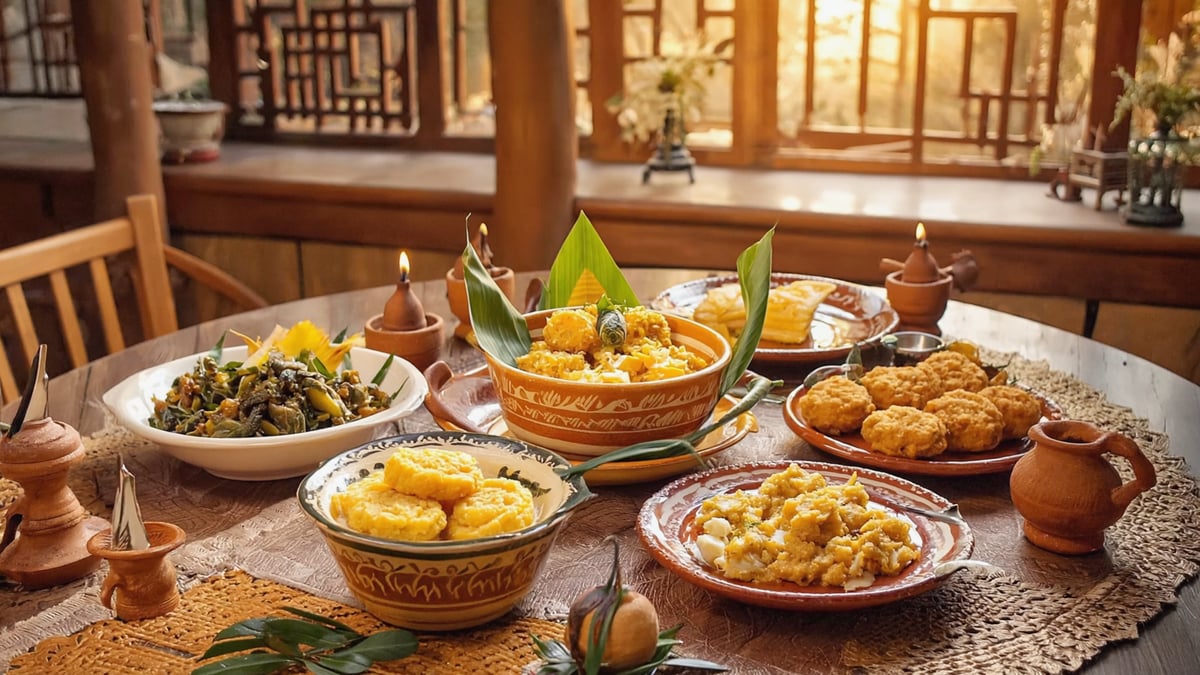
Sri Lanka's appeal lies in the density of extraordinary experiences packed into a small geography. The train journey from Colombo alone could justify the flight. But the following ten activities represent the island at its most unforgettable — the kind of experiences that define a Sri Lanka travel guide worth keeping.
1. Climb Sigiriya Rock Fortress
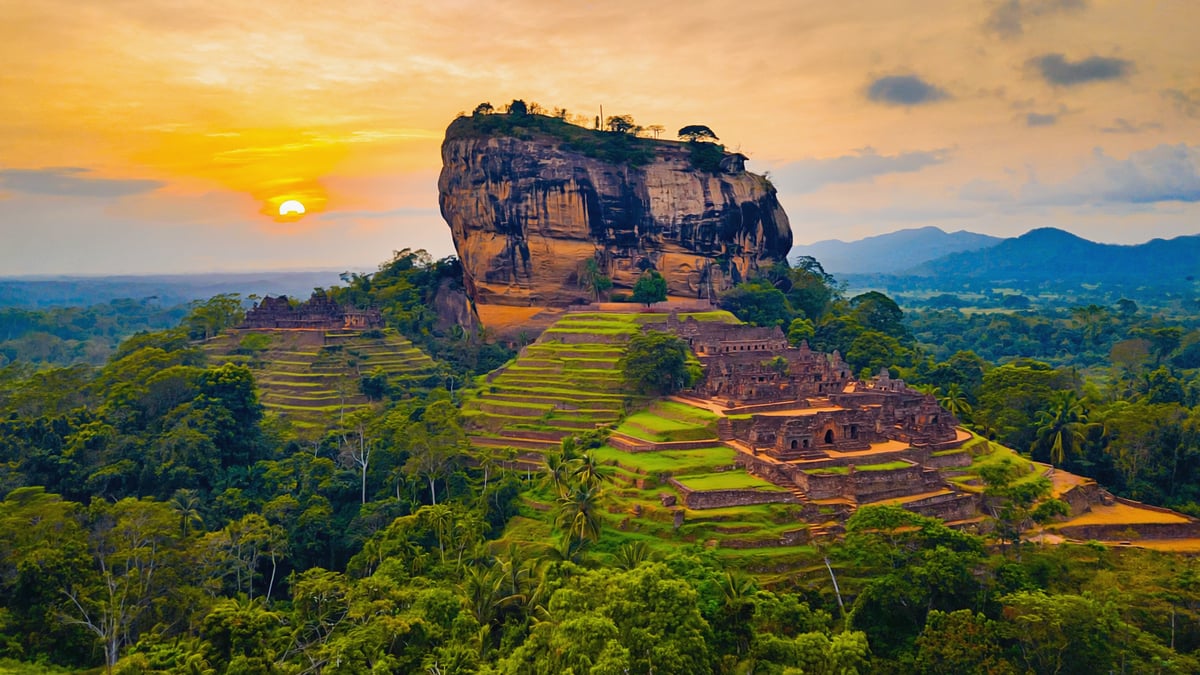
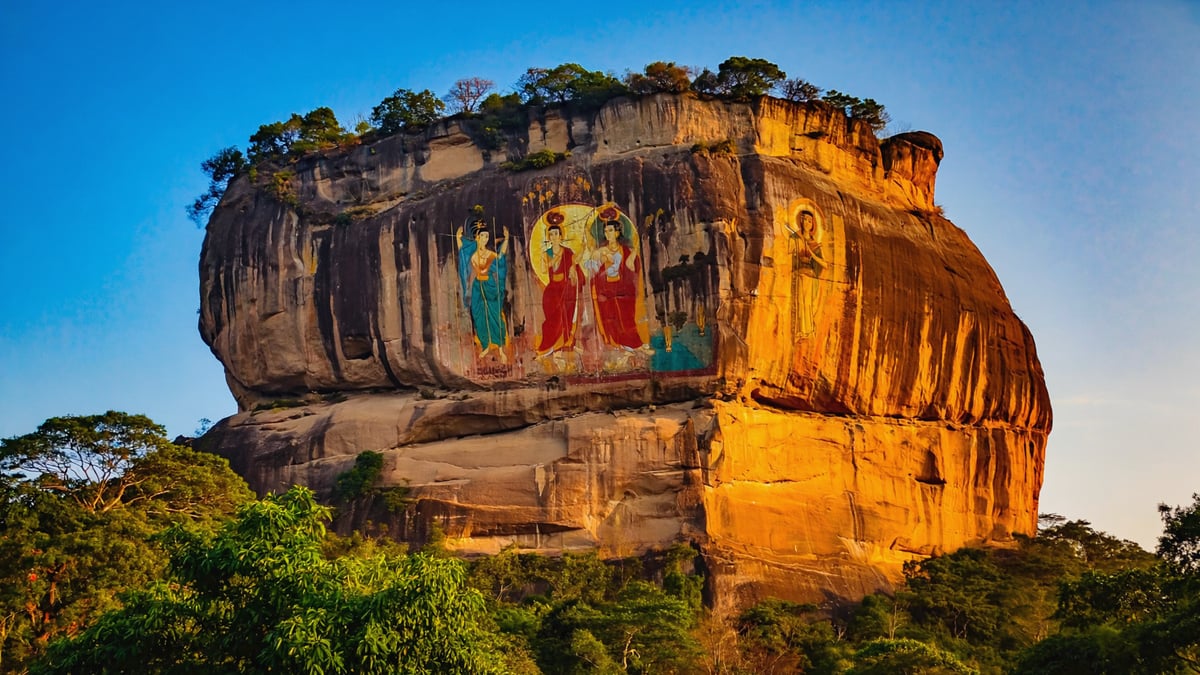
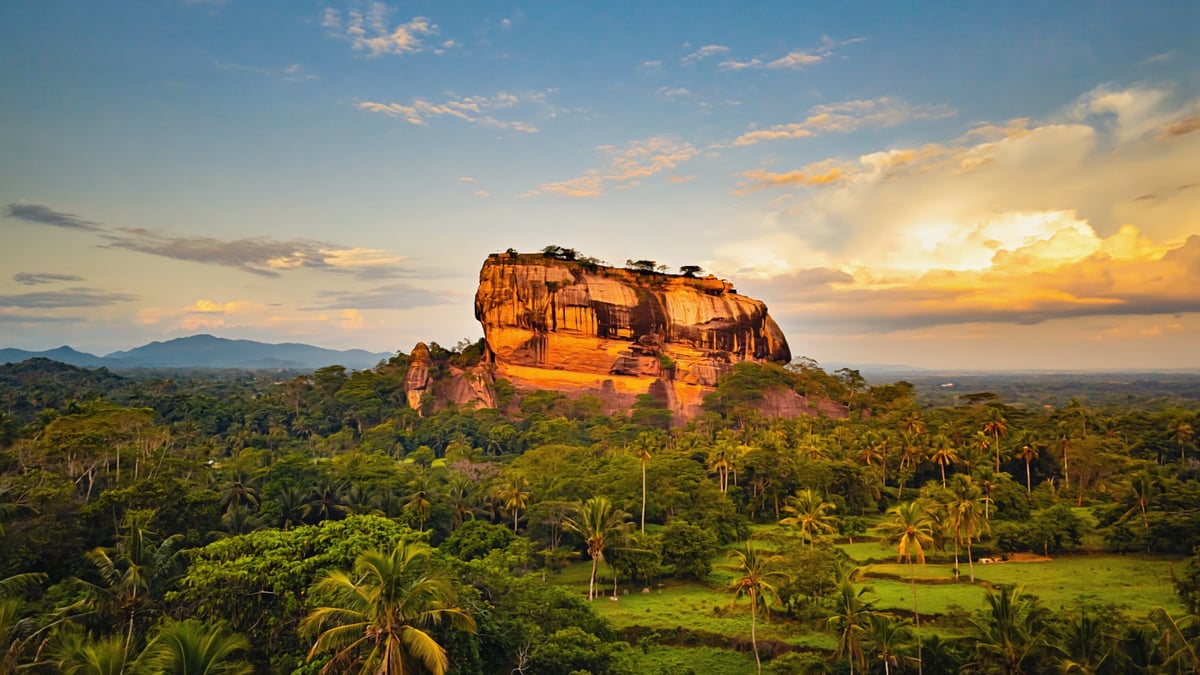
Rising 200 metres from the jungle plain, Sigiriya is a 5th-century royal citadel built atop a monolithic granite column. The climb involves steep staircases and a famous set of frescoes of celestial maidens painted onto the sheer rock face. Entry costs approximately LKR 5,000 (around £13) for foreign adults. Open daily from 07:00–17:30. Insider tip: arrive at opening time to beat the heat and the tour groups; the summit at dawn is transcendent.
2. Ride the Kandy–Ella Train
Widely regarded as one of the world's most scenic rail journeys, the train from Kandy to Ella passes through tea plantations, waterfalls, and the famous Nine Arches Bridge near Ella. The journey takes approximately 7 hours. Second-class reserved seats cost around LKR 500–800 (£1.30–£2.10); observation saloon carriages cost more and must be booked in advance through the Sri Lanka Railways booking portal. Book weeks ahead during peak season — this train sells out consistently.
3. Explore the Sacred City of Anuradhapura
The first of Sri Lanka's ancient capitals, Anuradhapura was continuously inhabited for over a millennium and contains some of the oldest human-built structures in Asia. The entry ticket covers most of the archaeological zone and costs around LKR 5,000 (£13) for foreign visitors. A bicycle is the ideal way to navigate the vast site — rentals are available from guesthouses for a few hundred rupees.
4. Visit the Temple of the Tooth in Kandy
The Sri Dalada Maligawa (Temple of the Tooth Relic) is Sri Lanka's most sacred Buddhist site, housing a relic believed to be a tooth of the Buddha. Entry is LKR 1,500 (approximately £4) for foreign visitors. The puja ceremonies at 06:30, 09:30, and 18:30 are the best times to visit — the sound of drums and flutes echoing through the golden-roofed complex is genuinely moving. Dress modestly: shoulders and knees must be covered.
5. Go on Safari in Yala or Udawalawe
Yala National Park in the deep south has one of the highest densities of leopards of any protected area in the world. Half-day jeep safaris cost approximately £25–45 per person through local operators, plus the park entrance fee (around LKR 4,000/£10.50). Udawalawe is better for elephant sightings — herds of 50–100 animals are regularly spotted. Book safaris through your accommodation or a reputable local agency; dawn departures offer the best wildlife activity.
6. Walk the Horton Plains & World's End
Horton Plains National Park sits at 2,100 metres above sea level and contains a dramatic cliff edge called World's End — a sheer 880-metre drop into the lowland jungle. The circular walking trail takes 3–4 hours. Entry costs around LKR 4,000 (£10.50) for foreign adults. Arrive before 08:00 to avoid the cloud that typically rolls in by mid-morning.
7. Snorkel or Dive in Pigeon Island
Located just off Nilaveli on the northeast coast, Pigeon Island National Park is one of Sri Lanka's two marine national parks and offers some of the clearest water and best reef snorkelling on the island. Boat trips and snorkel gear rental cost approximately £10–15 per person from Nilaveli beach operators. Best visited between May and October.
8. Tour a Working Tea Estate in Nuwara Eliya
The hill country around Nuwara Eliya and Hatton is the heart of Ceylon tea production. Several estates offer guided factory tours showing the full journey from leaf to cup, typically costing £3–8 per person. The Pedro Tea Estate and Mackwoods Labookellie are among the most accessible for independent visitors. Tasting sessions are usually included.
9. Whale Watching off Mirissa
Mirissa is one of the best places in the world to spot blue whales — the largest animals on Earth. The season runs from November to April, with peak sightings in January and February. Boat tours depart at around 06:00–07:00 and cost £20–30 per person. Choose operators that follow responsible whale-watching guidelines; the WWF's marine guidelines provide a useful checklist for what ethical practices look like.
10. Explore Galle Fort
The Dutch-built fortified city of Galle is a UNESCO World Heritage Site and one of the most atmospheric urban spaces in South Asia. Stroll the ramparts at sunset, browse independent boutiques selling local crafts and Ceylon gems, and stop for a coffee at one of the fort's excellent cafés. Entry to the fort itself is free. It makes an ideal half-day trip from a base in Unawatuna or Mirissa.
Book Your Sri Lanka Holiday Now
GlobeHunters offers Sri Lanka holiday packages including flights and hotels at competitive prices — from £949pp with flights from the UK.
View Sri Lanka Packages & Prices →Or call us: 0208 944 4514
Food & Dining in Sri Lanka: What to Eat, Where to Eat It
Sri Lankan food is one of the island's most underrated attractions. Distinct from Indian cuisine despite sharing some spices and structural similarities, it is characterised by coconut milk, pandan leaf, curry leaves, Maldive fish, and a heat level that can be genuinely formidable. Colombo in particular has developed a dining scene that is drawing serious international attention — but the most satisfying meals are often the simplest ones, eaten on a banana leaf at a roadside kade (small restaurant).
Dishes Every Visitor Should Try
- Rice and Curry: The national dish — not one dish but a meal architecture of rice surrounded by several small curries (typically a dhal, a vegetable, a fish or meat, and a sambol). Ubiquitous, cheap, and endlessly variable. A full rice and curry meal at a local kade costs LKR 200–500 (50p–£1.30).
- Hoppers (Appa): Bowl-shaped pancakes made from fermented rice flour and coconut milk, cooked in a small wok. Plain, with egg, or with honey and treacle for breakfast. One of the great street foods of the world.
- String Hoppers (Indi Appa): Steamed rice noodle discs, typically served at breakfast with coconut sambol and dhal. Light, delicate, and addictive.
- Kottu Roti: Chopped flatbread stir-fried with vegetables, egg, and your choice of protein on a hot griddle. The clanging of the metal blades used to chop the roti is the soundtrack of Sri Lankan street food culture.
- Crab Curry: A celebration dish, particularly in Colombo's Pettah area and along the south coast. Rich, spiced, and messy in the best possible way. Budget LKR 1,500–3,000 (£4–£8) at a mid-range local restaurant.
- Pol Sambol: A fresh relish of grated coconut, dried chilli, onion, and lime that accompanies almost every meal. Deceptively simple, genuinely essential.
- Wood Apple Juice: A tangy, unusual fruit drink found at juice stands across the island. Worth trying even if the smell is challenging at first.
Best Areas to Eat
In Colombo, the Colombo 3 (Kollupitiya) and Colombo 7 (Cinnamon Gardens) neighbourhoods have the highest concentration of quality restaurants, from upscale Sri Lankan fine dining to excellent South Indian vegetarian spots. The Pettah Market area is the place for street food immersion. In Galle Fort, the restaurant scene is sophisticated and expensive by local standards but reasonable by UK ones — expect £8–15 for a main course at a sit-down restaurant. Ella has an improbable density of good cafés and restaurants for a small mountain town.
Dietary Considerations
Sri Lanka is broadly excellent for vegetarians — rice and curry can almost always be assembled as a fully vegetarian meal, and Buddhist culture means meat-free options are the norm in many areas. Vegans need to be cautious about ghee and Maldive fish (dried tuna), which appears in many seemingly plant-based dishes. Always ask specifically. Halal food is widely available, particularly in coastal areas with Muslim communities. Seafood allergies require careful vigilance given the prevalence of Maldive fish as a flavour base.
Getting to Sri Lanka from the UK
Sri Lanka is a long-haul destination from the UK, with no direct non-stop flights currently operated between London and Colombo. All routes involve at least one connection. This is a standard part of any Sri Lanka package holidays from UK itinerary, and with the right layover, the journey is very manageable.
Flight Routes & Airlines
SriLankan Airlines, the national carrier, operates the most convenient connections for UK travellers, with a one-stop service via Colombo Bandaranaike International Airport (CMB) connecting through its hub. Emirates (via Dubai), Qatar Airways (via Doha), and Etihad (via Abu Dhabi) all offer competitive one-stop routes from London Heathrow. IndiGo and Air India offer connections via Indian cities for travellers willing to accept a longer total journey time in exchange for lower fares.
Departure airports in the UK typically include London Heathrow (LHR) and London Gatwick (LGW); travellers from Manchester, Birmingham, or Edinburgh may find it more convenient to connect through Dubai or Doha from their regional airport.
Flight Duration & Costs
Total journey time from London is typically 11–14 hours including connection time, depending on the layover. Direct flight time from London to Colombo (if available) would be approximately 10.5 hours; in practice, most itineraries involve a 2–4 hour layover in the Gulf. Return economy class fares from London typically range from £550–£950 per person depending on season and how far in advance you book. Business class fares run £2,000–£4,000 return. Booking 3–5 months in advance generally yields the best combination of price and seat availability.
Airport Transfers
Bandaranaike International Airport (CMB) is located at Katunayake, approximately 35 kilometres north of Colombo city centre. Options for onward travel include:
- Metered taxi via PickMe or Uber: The safest and most transparent option. Expect LKR 2,500–4,000 (£6.50–£10.50) to central Colombo, approximately 45–75 minutes depending on traffic.
- Pre-booked hotel transfer: Most hotels and guesthouses offer airport pickup, typically LKR 3,000–5,000 (£8–£13). Confirm the rate in advance.
- Express Bus: Available but not recommended with heavy luggage. Slow and crowded during peak hours.
Sri Lanka Budget Guide: What Does It Actually Cost?
Sri Lanka remains genuinely excellent value for UK travellers, even as prices in tourist-facing businesses have risen following the island's economic recovery. The key variable is your accommodation standard — everything else (food, transport, activities) is cheap enough that budget choices have an outsized impact on your daily spend.
| Expense Category | Budget (£/day) | Mid-Range (£/day) | Luxury (£/day) |
|---|---|---|---|
| Accommodation (per person, sharing) | £10–20 | £35–70 | £100–250+ |
| Meals | £5–10 | £15–30 | £40–80+ |
| Local Transport (tuk-tuks, trains, buses) | £3–6 | £8–20 | £25–60 (private driver) |
| Activities & Entrance Fees | £5–10 | £10–25 | £30–80 |
| Estimated Daily Total (excl. flights) | £23–46 | £68–145 | £195–470+ |
GlobeHunters Package Pricing
For UK travellers who prefer the simplicity and ATOL-protected security of a package holiday, GlobeHunters Sri Lanka packages start from around £949 per person including return flights from London and hotel accommodation. Two-week packages combining Cultural Triangle stays with a beach finale typically range from £1,200–£1,800 per person depending on departure date and hotel standard. Honeymoon-focused packages with luxury beach properties can reach £2,200–£2,800 per person. All GlobeHunters packages include ATOL financial protection.
Money-saving tip: Sri Lanka's extensive network of local buses and trains is dramatically cheaper than private taxis for intercity travel. The Colombo–Kandy train, for example, costs around LKR 200–300 (50p–80p) in second class. Combining one or two overnight trains with private transfers only for the most logistically complex legs can reduce transport costs significantly without sacrificing experience.
Tipping Culture
Tipping is appreciated but not compulsory in Sri Lanka. A customary tip of LKR 200–500 for restaurant service, LKR 200–300 for tuk-tuk drivers for longer journeys, and LKR 500–1,000 for tour guides per day is considered generous and appropriate. Some upscale hotels add a service charge automatically — check your bill before tipping additionally.
Travel Tips, Safety & Practical Advice for UK Visitors
Sri Lanka is one of the safer long-haul destinations for UK travellers, with a broadly low crime rate in tourist areas and a population renowned for hospitality. That said, every destination has its specific considerations, and being prepared makes a significant difference to the quality of your trip.
Safety
The FCDO (Foreign, Commonwealth & Development Office) maintains up-to-date travel advice for Sri Lanka, and UK travellers should check FCDO Sri Lanka travel advice before departure. As of 2026, there are no restrictions on travel to most parts of the island. Petty theft, particularly of phones and bags in crowded markets and bus stations, is the most common crime affecting tourists. Keep valuables in a money belt or hotel safe. Tuk-tuk scams (being taken to commission-paying gem shops rather than your stated destination) are common in tourist areas — use the PickMe app instead of hailing from the street.
Health
No vaccinations are legally required to enter Sri Lanka from the UK, but the NHS and most travel health clinics recommend ensuring you are up to date with hepatitis A, typhoid, and routine immunisations before travel. Malaria prophylaxis is recommended for travellers visiting rural areas in certain parts of the country — consult your GP or a travel health clinic at least 4–6 weeks before departure. Tap water is not safe to drink in most areas; stick to bottled or purified water. Food from reputable restaurants and well-cooked street food is generally safe.
Cultural Etiquette
- Dress modestly at religious sites: Cover shoulders and knees at temples, mosques, and shrines. Lightweight scarves or sarongs are useful and inexpensive to buy locally.
- Remove shoes: Always remove footwear before entering a temple or someone's home.
- Never turn your back on a Buddha statue for photos, and do not pose with your back to a Buddha image — this is considered deeply disrespectful and has resulted in deportations in the past.
- The left hand: In traditional contexts, the left hand is considered unclean. Use your right hand to give and receive items, particularly food.
- Bargaining: Acceptable in markets and with tuk-tuk drivers, but should be done with good humour and a realistic endpoint — not as a sport to achieve the lowest possible price from someone earning very little.
Connectivity & Practicalities
Sri Lanka has excellent mobile data coverage in cities and tourist areas. Purchasing a local SIM card on arrival at the airport is straightforward — Dialog and Mobitel are the most reliable networks. Expect to pay around LKR 500–1,000 (£1.30–£2.60) for a SIM with a data package sufficient for two weeks of navigation and messaging. Wi-Fi is widely available in hotels and guesthouses, though speeds vary.
Packing Essentials for Sri Lanka
- Lightweight, breathable clothing (linen and cotton work best in the tropical heat)
- A long-sleeved shirt and lightweight trousers or a sarong for temple visits
- High-factor SPF sunscreen (50+ recommended; local brands are much cheaper)
- Insect repellent (DEET-based for mosquito-heavy areas)
- A decent pair of sandals and comfortable walking shoes
- A rain jacket or packable umbrella (useful year-round given localised showers)
- A portable power bank (power cuts, while infrequent in tourist areas, do occur)
- Copies of your passport, ETA approval, travel insurance documents, and ATOL certificate
Travel Insurance
Travel insurance that covers medical evacuation is strongly recommended for Sri Lanka. Healthcare in Colombo's private hospitals is of a reasonable standard, but costs can be significant without insurance coverage. Ensure your policy covers adventure activities if you plan to surf, white-water raft, or hike in remote areas. UK travellers should note that the GHIC (Global Health Insurance Card) does not apply outside the EU — Sri Lanka requires private travel insurance for full medical coverage.
Frequently Asked Questions About Sri Lanka Holidays
Do UK citizens need a visa for Sri Lanka?
Yes. UK citizens must obtain an Electronic Travel Authorisation (ETA) before arrival. This can be applied for online via the official ETA portal and typically costs around USD $20 (approximately £16). It grants a 30-day stay, extendable to 90 days in-country. Apply at least a week before departure.
How long does the flight from the UK to Sri Lanka take?
There are currently no direct non-stop flights between the UK and Sri Lanka. With a connection (typically via Dubai, Doha, or Abu Dhabi), total travel time from London is approximately 11–14 hours. Direct flight time would be around 10.5 hours.
What is the best time to visit Sri Lanka from the UK?
November to March is the best overall window for most UK visitors, offering dry weather on the south and west coasts and in the Cultural Triangle. March and November offer shoulder-season value with excellent conditions. The east coast is best visited from May to September.
Is Sri Lanka safe for UK tourists?
Generally yes. Sri Lanka has a low violent crime rate and is welcoming to foreign visitors. Petty theft exists in busy tourist areas. The FCDO currently has no major travel warnings for Sri Lanka. Check the latest FCDO travel advice before departure.
How much does a Sri Lanka holiday cost from the UK?
GlobeHunters Sri Lanka package holidays from UK start from around £949 per person including return flights and accommodation. A two-week self-planned trip including flights, accommodation, food, transport, and activities typically costs £1,200–£2,000 per person at mid-range level, or £700–£1,100 at budget level.
What currency does Sri Lanka use, and can I use cards?
The currency is the Sri Lankan Rupee (LKR). Cards are accepted in hotels, larger restaurants, and some tourist shops, but cash is essential for local restaurants, tuk-tuks, smaller guesthouses, and markets. ATMs are widely available in cities and tourist hubs; inform your bank before travelling.
Do I need vaccinations for Sri Lanka?
No vaccinations are legally required for entry from the UK, but hepatitis A, typhoid, and routine immunisations are recommended. Malaria prophylaxis may be advised for rural areas. Consult your GP or a travel health clinic at least 4–6 weeks before departure.
What is the food like in Sri Lanka? Is it very spicy?
Sri Lankan food is flavourful and can be intensely spicy, particularly in local restaurants. Most tourist-facing restaurants will adjust heat levels on request. The cuisine is rice-based with multiple curries, coconut milk, and aromatic spices. Vegetarian options are widely available; vegans should ask specifically about Maldive fish in cooking.
What language is spoken in Sri Lanka?
The official languages are Sinhala and Tamil. English is widely spoken in tourist areas, hotels, and restaurants, making Sri Lanka very accessible for UK visitors.
Is Sri Lanka a good destination for a honeymoon?
Sri Lanka is an outstanding honeymoon destination. The combination of luxury beach resorts (particularly on the south coast), hill country retreats, and cultural depth offers enormous variety. January and February, when the south coast weather is at its best, are peak honeymoon months. Ceylon holidays 2026 are particularly popular with couples seeking an alternative to the Maldives or Thailand.
How do I get around Sri Lanka once I arrive?
The scenic train network is ideal for major intercity journeys (particularly the hill country routes). Tuk-tuks are the standard short-distance option — use the PickMe app for transparent pricing. Hiring a private driver for a multi-day itinerary is excellent value at around £30–50 per day and removes logistical stress entirely. Intercity buses are cheap but crowded and slow.
Can I combine a Sri Lanka holiday with the Maldives?
Yes, and this is an increasingly popular combination. Sri Lanka and the Maldives share a geographic region, and many travellers spend 10–12 days exploring Sri Lanka before flying to the Maldives for a 4–7 night beach finale. Flights between Colombo and Malé are operated by SriLankan Airlines and typically cost £100–200 return. GlobeHunters can arrange combined itineraries — call 0208 944 4514 to discuss options.
The Island That Earns Its Reputation Every Single Time
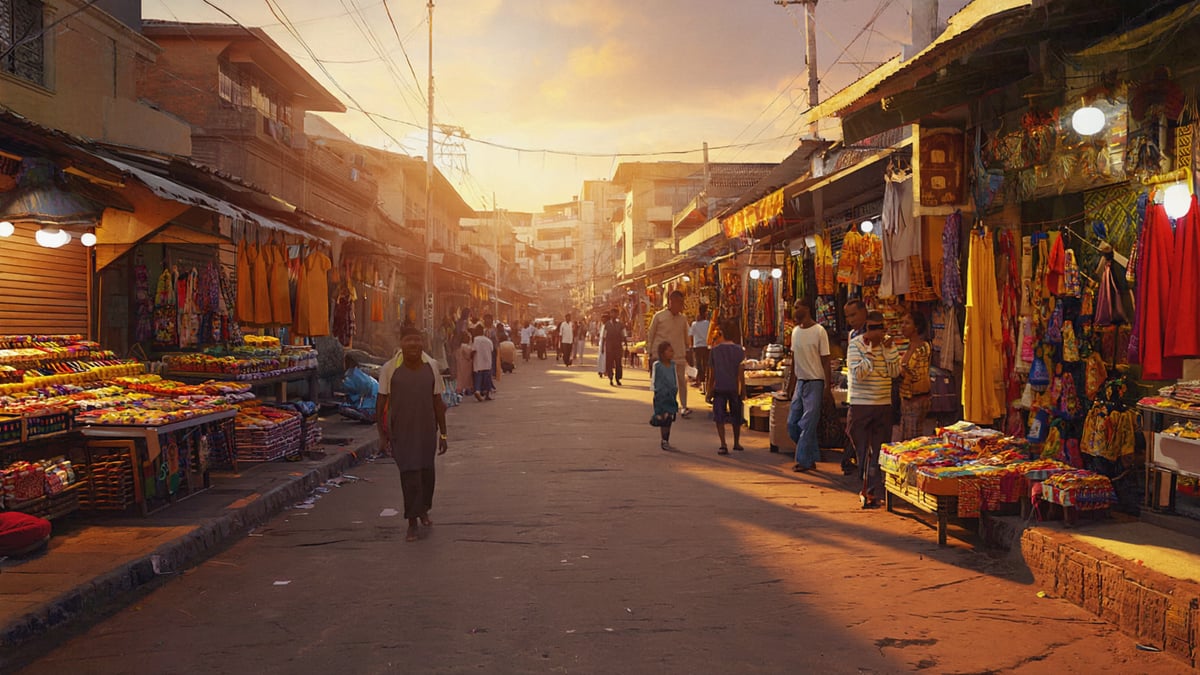
Back to that train winding through the tea hills. By the time it reaches Ella, the traveller in the window seat has been offered tea by the family across the aisle, watched a waterfall appear and disappear through the mist, and counted at least a dozen shades of green that have no names in English. This is the texture of a Sri Lanka holiday — not just a destination but an accumulation of moments that are difficult to anticipate and impossible to forget.
Sri Lanka rewards the curious. Those who venture beyond the beach — who give a morning to Anuradhapura, an afternoon to a tea factory, an evening to the puja at the Temple of the Tooth — find something that beach destinations alone cannot offer: a civilisation that has been refining its art, architecture, cuisine, and hospitality for two and a half thousand years, and is genuinely pleased to share it.
For UK travellers, the combination of English-language accessibility, extraordinary value for money, and the sheer density of world-class experiences within a small geography makes Sri Lanka one of the most efficient and rewarding long-haul investments you can make in 2026. Whether you book independently or through a package, two weeks here will feel like four.
Ready to Plan Your Sri Lanka Holiday?
GlobeHunters offers curated Sri Lanka package holidays from the UK — flights, hotels, and activities bundled with ATOL financial protection. Packages from £949 per person.
View Sri Lanka Packages & Prices →Or call our travel experts: 0208 944 4514
About the author
Spiros Maragkoudakis · Chief Commercial Officer
Ready to Book Your Sri Holiday?
Our travel experts are ready to help you plan the perfect trip. Call us today or browse our latest deals.
Ready to Start Planning?
Speak to our travel experts for personalised advice and the best deals on your next holiday.
Call 0208 944 4514