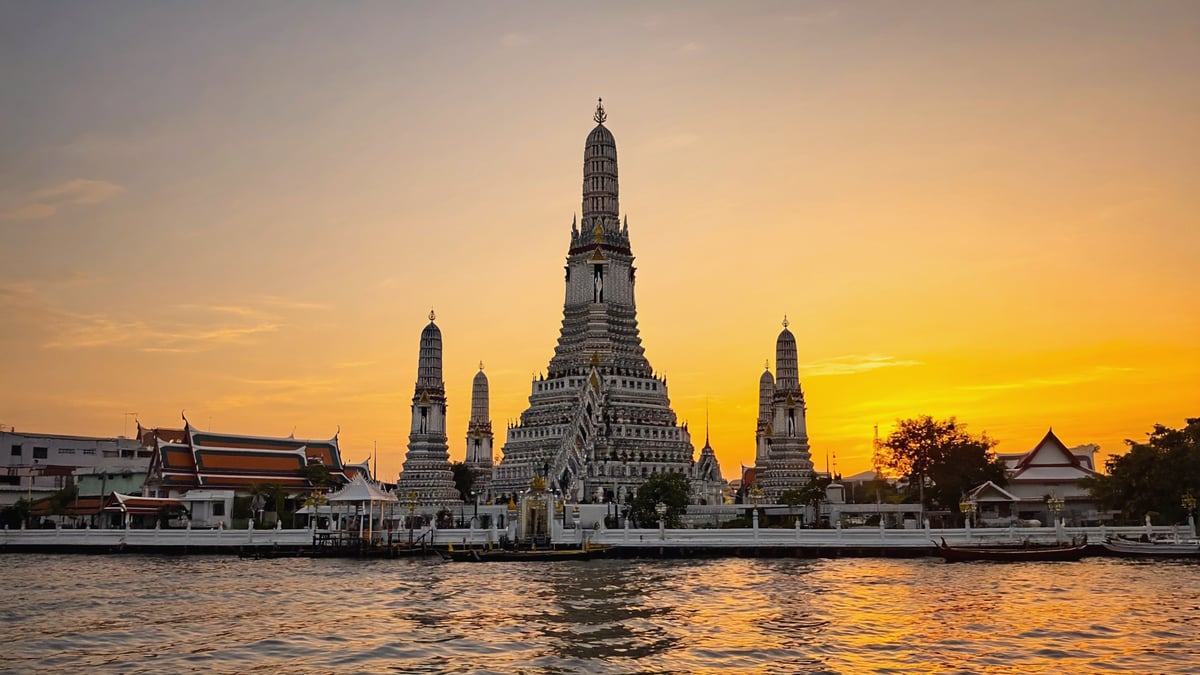
There's a moment every first-time visitor to Thailand experiences — usually somewhere between a tuk-tuk narrowly threading through Bangkok's evening traffic and the first spoonful of pad krapow eaten off a plastic stool on a pavement — when it becomes obvious that no amount of reading could have fully prepared you for this place. Thailand doesn't ease you in. It pulls you under immediately, and most people are perfectly happy to drown.
For UK travellers, Thailand has long sat at the top of the long-haul bucket list — and in 2026, it remains as compelling as ever. Whether you're drawn to Bangkok's electrifying street food scene, the gilded temples of Chiang Mai, the turquoise shallows of the Andaman Sea, or a combination of all three, Thailand offers more experiences per square mile than almost anywhere else on earth. This guide covers everything you need to plan a genuinely brilliant trip: when to go, where to stay, what to eat, how to get there, and how much to budget — written specifically for travellers flying from the UK.
Book Your Thailand Holiday Now
GlobeHunters offers 8-night Thailand holiday packages including flights and hotels at competitive prices — from just £999 per person.
View Package & Prices →Or call us: 0208 944 4514
Thailand in 2026: What Kind of Country Are You Actually Visiting?
Thailand is a constitutional monarchy in Southeast Asia covering approximately 513,000 square kilometres, bordered by Myanmar, Laos, Cambodia, and Malaysia. It is home to around 70 million people, the vast majority of whom are ethnically Thai and Buddhist. The country spans dramatically different landscapes — from the mountainous north around Chiang Mai and Chiang Rai to the flat, river-laced central plains of Bangkok, down to twin coastlines along the Gulf of Thailand and the Andaman Sea in the south.
The official language is Thai, written in its own script, though English is widely spoken in tourist areas, hotels, and restaurants across Bangkok and the major resort islands. You'll rarely struggle to communicate in the places most visitors frequent, though learning a handful of Thai phrases — sawasdee krap/ka (hello), khob khun krap/ka (thank you), and mai pen rai (no worries/never mind, the unofficial national motto) — will earn you warm smiles everywhere.
The currency is the Thai Baht (THB). As of mid-2026, the approximate exchange rate sits around 44–46 THB to £1 GBP, though this fluctuates and you should check current rates before travelling. ATMs are ubiquitous in cities and tourist areas, though most charge a foreign transaction fee of around 220 THB per withdrawal. It's worth using a fee-free travel card such as Starling or Wise for day-to-day spending.
Thailand operates on Indochina Time (ICT), which is UTC+7 — seven hours ahead of the UK in winter and six hours ahead during British Summer Time. Flights from the UK take approximately 11–12 hours, meaning you'll arrive the following morning if you take an overnight departure.
Visa requirements for UK travellers: As of 2026, UK passport holders benefit from Thailand's visa exemption policy, allowing stays of up to 60 days without a visa — an extension from the previous 30-day limit, reflecting Thailand's ongoing efforts to attract long-stay tourists. You simply need a valid UK passport (with at least six months' remaining validity), proof of onward travel, and evidence of sufficient funds. For stays beyond 60 days, a tourist visa obtained in advance through the Royal Thai Embassy in London is required. Most 8–14 night holidays fall comfortably within the visa exemption window.
Thailand is divided into distinct regions that reward different types of traveller. Bangkok is the unmissable urban centrepiece — chaotic, exhilarating, impossibly photogenic. Phuket, Thailand's largest island, anchors the southern Andaman coast and is the country's most visited beach destination. Koh Samui and Koh Phangan sit in the Gulf of Thailand and offer a slightly more relaxed, less commercial alternative. Chiang Mai in the north is the cultural heartland — temples, trekking, cooking classes, and elephant sanctuaries. A well-planned 8-night trip can meaningfully cover Bangkok plus one beach destination, giving you both the city experience and the resort relaxation that makes Thailand so enduringly popular.
When Is the Best Time to Visit Thailand?
The best time to visit Thailand from the UK is between November and February, when the country is dry, relatively cool, and at its most beautiful. This period represents Thailand's high season for good reason — temperatures are comfortable rather than punishing, rain is minimal, and the sea conditions on both coasts are excellent. That said, Thailand is a year-round destination with distinct regional variations, and understanding the seasonal pattern can save you money and dramatically improve your experience.
Season by Season
Cool Season (November–February): This is peak season and the undisputed best time to visit most of Thailand. Bangkok temperatures sit around 25–32°C — warm but manageable. On the Andaman coast (Phuket, Krabi, Koh Lanta), conditions are glorious: calm seas, blue skies, and perfect beach weather. In the north (Chiang Mai), evenings can drop to a surprisingly fresh 15°C, making it ideal for trekking and temple exploring without sweating through your clothes. Expect higher prices and busy resorts during this window, particularly over the Christmas and New Year period, when UK tourists flood the major destinations.
Hot Season (March–May): Temperatures climb sharply, particularly in April, when Bangkok can reach 38–40°C. Songkran — the Thai New Year water festival — takes place on 13–15 April (with celebrations extending across much of the country for several days either side) and is one of the most spectacular events in the Southeast Asian calendar. If you don't mind the heat and you're willing to get thoroughly drenched in the world's largest water fight, Songkran is a genuinely unforgettable reason to travel in mid-April. Prices dip slightly outside the Songkran peak, and beaches remain pleasant if hot.
Wet Season (June–October): The southwest monsoon brings heavy rainfall to the Andaman coast, making Phuket, Krabi, and Phi Phi less appealing between June and October due to rough seas and overcast skies. However, the Gulf of Thailand coast (Koh Samui, Koh Tao) follows a different monsoon pattern and remains largely dry until October–November. Bangkok in the wet season is manageable — rain tends to fall in intense afternoon downpours rather than all-day drizzle, and the city's culture, temples, and food scene are entirely unaffected. Prices drop considerably during this period, and you'll share attractions with far fewer tourists.
Key Festivals and Events
- Songkran (13–15 April): Thai New Year water festival — the biggest street party in Asia
- Loy Krathong (November full moon): Thousands of illuminated lanterns released on rivers and into the sky — especially magical in Chiang Mai and Sukhothai
- Yi Peng Lantern Festival (November, Chiang Mai): Coincides with Loy Krathong and is one of the most photographed events in the world
- Vegetarian Festival (October, Phuket): A remarkable, intense nine-day Taoist festival involving street processions and ceremonial rituals
- King's Birthday (28 July): Public holiday with illuminations and ceremonies nationwide
Our recommendation: For most UK travellers on a combined Bangkok and Phuket itinerary, November to early December hits the sweet spot — dry season conditions, pre-Christmas pricing, and the added spectacle of Loy Krathong if you're there in November. Mid-January to late February is the second-best window and tends to be slightly less crowded than December.
Where to Stay in Thailand: A Neighbourhood Guide
Where you stay in Thailand shapes your entire experience, and the country's accommodation scene is one of the most varied in the world — from £10-a-night guesthouses to £500-a-night private pool villas. Here's how to choose the right base in both Bangkok and Phuket, the two destinations covered in the GlobeHunters 8-night package.
Bangkok: Choosing Your Base
Sukhumvit is Bangkok's most cosmopolitan district, stretching east from the city centre along BTS Skytrain lines. It's packed with international restaurants, rooftop bars, and modern hotels, and it's ideal for first-timers who want easy transport links, English-speaking environments, and proximity to shopping malls like Terminal 21 and EmQuartier. The lower-numbered Sukhumvit sois (side streets) — particularly Soi 11 and Soi 15 — are lively and well-connected. Mid-range hotels here typically run £60–£120 per night.
Silom/Sathorn is Bangkok's financial district by day and entertainment hub by night, home to the legendary Patpong Night Market and the rooftop bar at Lebua State Tower (the setting for The Hangover Part II). It's slightly more business-oriented than Sukhumvit but has excellent BTS and MRT connections. Luxury hotels in this area can be extraordinary value compared to European equivalents — expect to pay £80–£200 per night for four or five-star properties.
Banglamphu/Khao San Road is the backpacker heartland and sits closest to the major temples (Wat Pho, Wat Phra Kaew, the Grand Palace). It's budget-friendly — guesthouses start at around £15–£30 per night — and has a buzzing, youthful atmosphere. It's not for everyone, but the location for temple-hopping is unbeatable.
Riverside/Charoenkrung is Bangkok's most atmospheric area, with the Chao Phraya River as its centrepiece. Several of Thailand's most iconic luxury hotels are located here — including the Mandarin Oriental, one of the great hotels of Asia — and the area has gentrified significantly in recent years with boutique hotels, design cafés, and gallery spaces. Luxury from £150 per night upwards; boutique options from £70.
Phuket: Choosing Your Beach
Patong Beach is the island's most famous and most developed stretch — lively, loud, and never quiet. It's ideal if you want beach clubs, nightlife, and easy access to restaurants and shops. It's not the island's most beautiful beach, but its convenience and energy make it the most popular choice.
Kata and Karon beaches are located just south of Patong and offer a calmer, more family-friendly atmosphere. The sand is excellent and the water is clear. Mid-range hotels and guesthouses here offer excellent value, typically £50–£100 per night.
Kamala and Surin beaches sit on Phuket's northwest coast and attract a more upscale crowd. Surin in particular is known for its boutique resorts and quieter atmosphere. Several of Thailand's most acclaimed luxury beach properties are located along this stretch.
Bang Tao/Laguna is home to Phuket's most prestigious resort complex, with five interconnected hotels sharing lagoons, a golf course, and a private beach. It's the choice for honeymooners and luxury travellers. Expect to pay £150–£400+ per night for villa-style accommodation.
Top Things to Do in Thailand: 10 Experiences You Shouldn't Miss
Thailand's activity roster spans ancient temples and elephant sanctuaries to fire shows on the beach and Michelin-starred street food — here are the ten experiences that define a genuinely complete Thailand trip.
1. The Grand Palace and Wat Phra Kaew, Bangkok
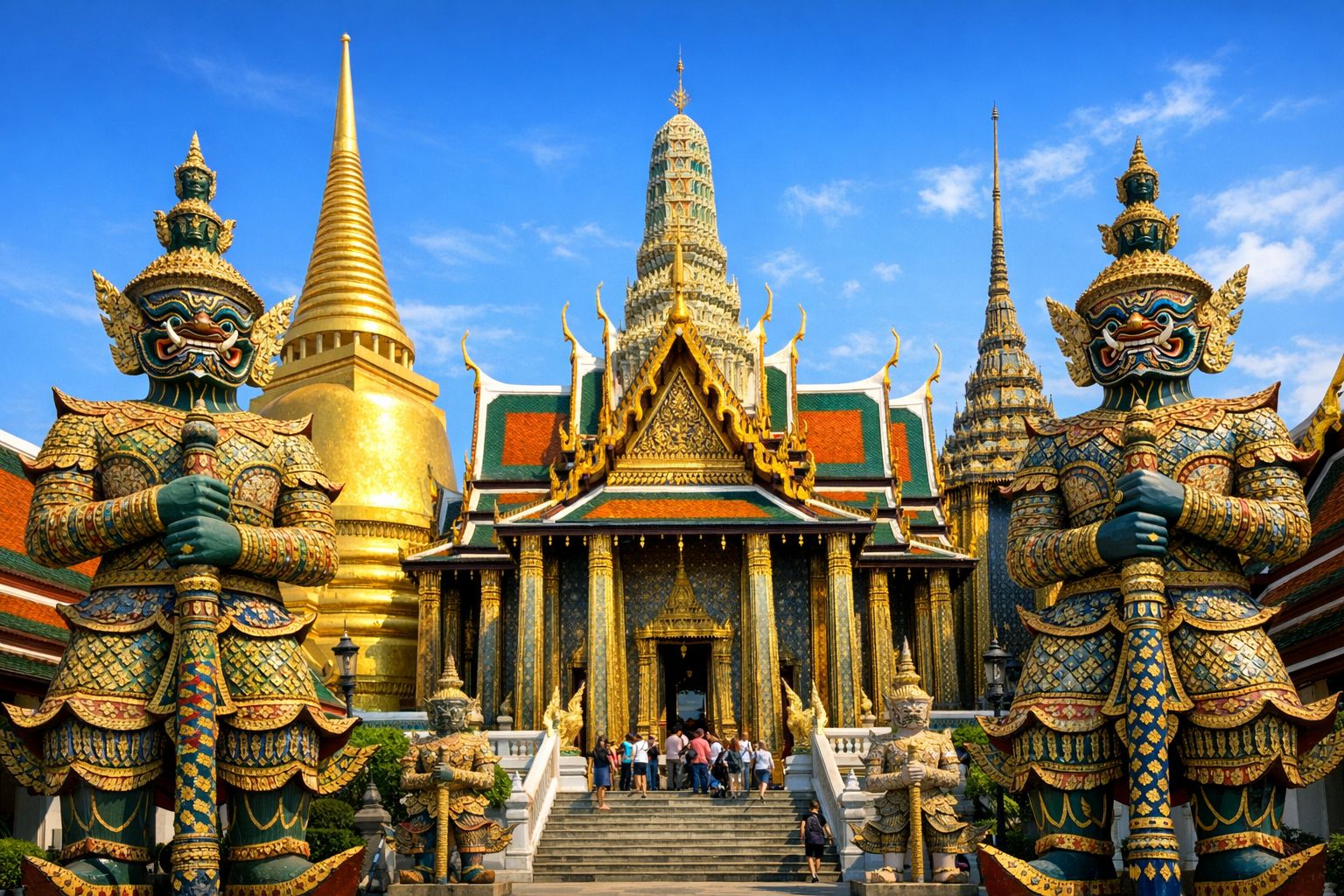
The most visited site in Thailand and, arguably, the most visually overwhelming complex in Southeast Asia. The Grand Palace compound houses Wat Phra Kaew (Temple of the Emerald Buddha), the most sacred Buddhist temple in Thailand. Allow at least three hours. Entry: 500 THB (approx. £11) per person. Open daily 08:30–15:30. Dress code is strictly enforced — shoulders and knees must be covered; sarongs are available for hire at the gate. Go early (before 09:00) to beat tour groups. Avoid tout guides outside the gate offering "alternative" tours — the official audio guide is excellent and included in the ticket price.
2. Wat Pho and the Reclining Buddha
A ten-minute walk from the Grand Palace, Wat Pho houses the magnificent 46-metre-long gold Reclining Buddha, one of the largest Buddha images in Thailand. The temple complex is also the birthplace of traditional Thai massage and has a respected massage school on-site. Entry: 200 THB (approx. £4.50). Open daily 08:00–18:30. A traditional Thai massage here costs around 420 THB (approx. £9.50) for 30 minutes — possibly the best-value hour you'll spend in Thailand.
3. Floating Markets
The Damnoen Saduak and Amphawa floating markets, both within 90 minutes of Bangkok, offer an experience that's become somewhat touristy but remains genuinely enjoyable — vendors in traditional wooden boats selling fresh fruit, pad thai, and grilled seafood on the water. Amphawa is the more authentic option and is liveliest on weekend evenings. Entry is free; budget around 300–500 THB (£7–£11) for food and boat rides. Best visited on a day trip from Bangkok.
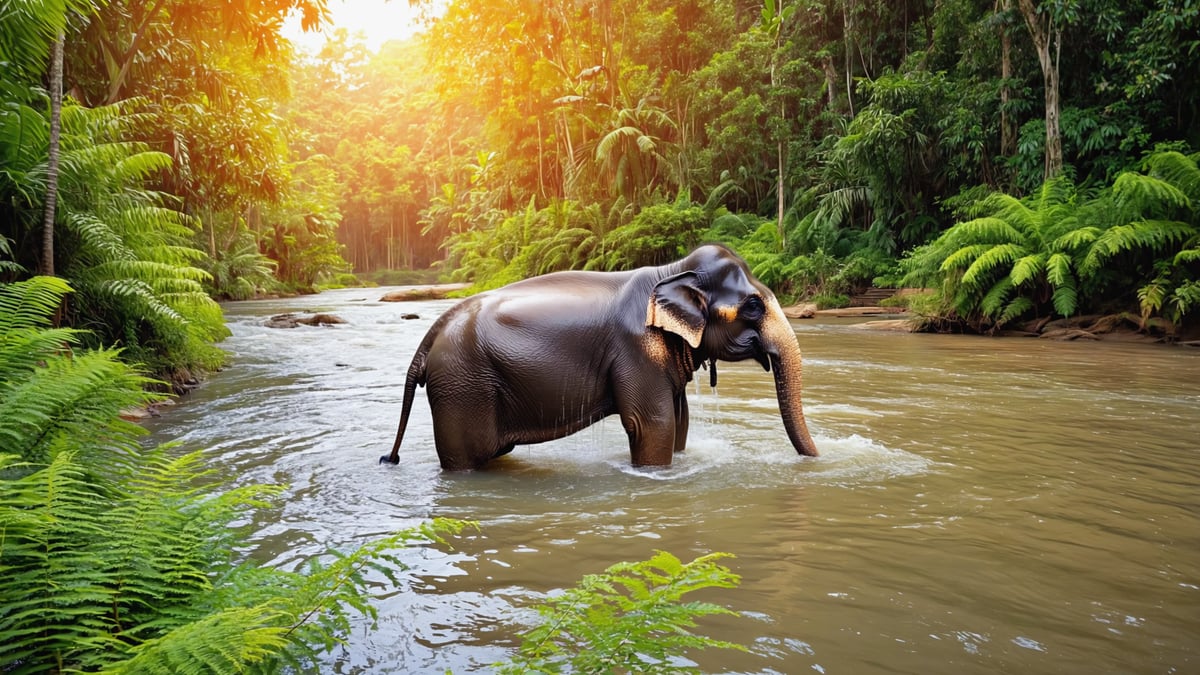
4. Ethical Elephant Sanctuary, Chiang Mai Region
Interacting with elephants is one of the most sought-after experiences in Thailand — but it matters enormously which sanctuary you choose. Avoid any venue that offers elephant riding, painting, or circus-style performances. Reputable sanctuaries allow you to walk alongside, feed, and bathe elephants in their natural environment without exploitation. Full-day ethical elephant experiences typically cost 2,500–3,500 THB (approx. £55–£80) per person and include transport, meals, and a full day in the sanctuary. World Animal Protection's elephant venue guide helps identify genuinely ethical operators.
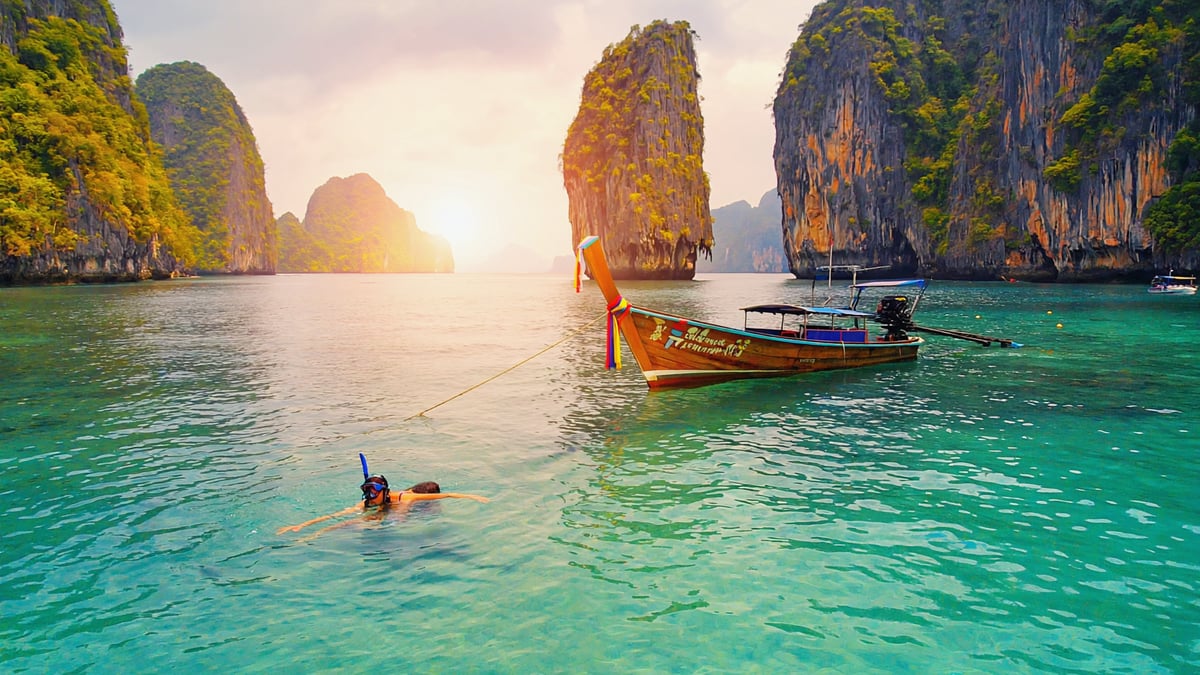
5. Phi Phi Islands Day Trip from Phuket
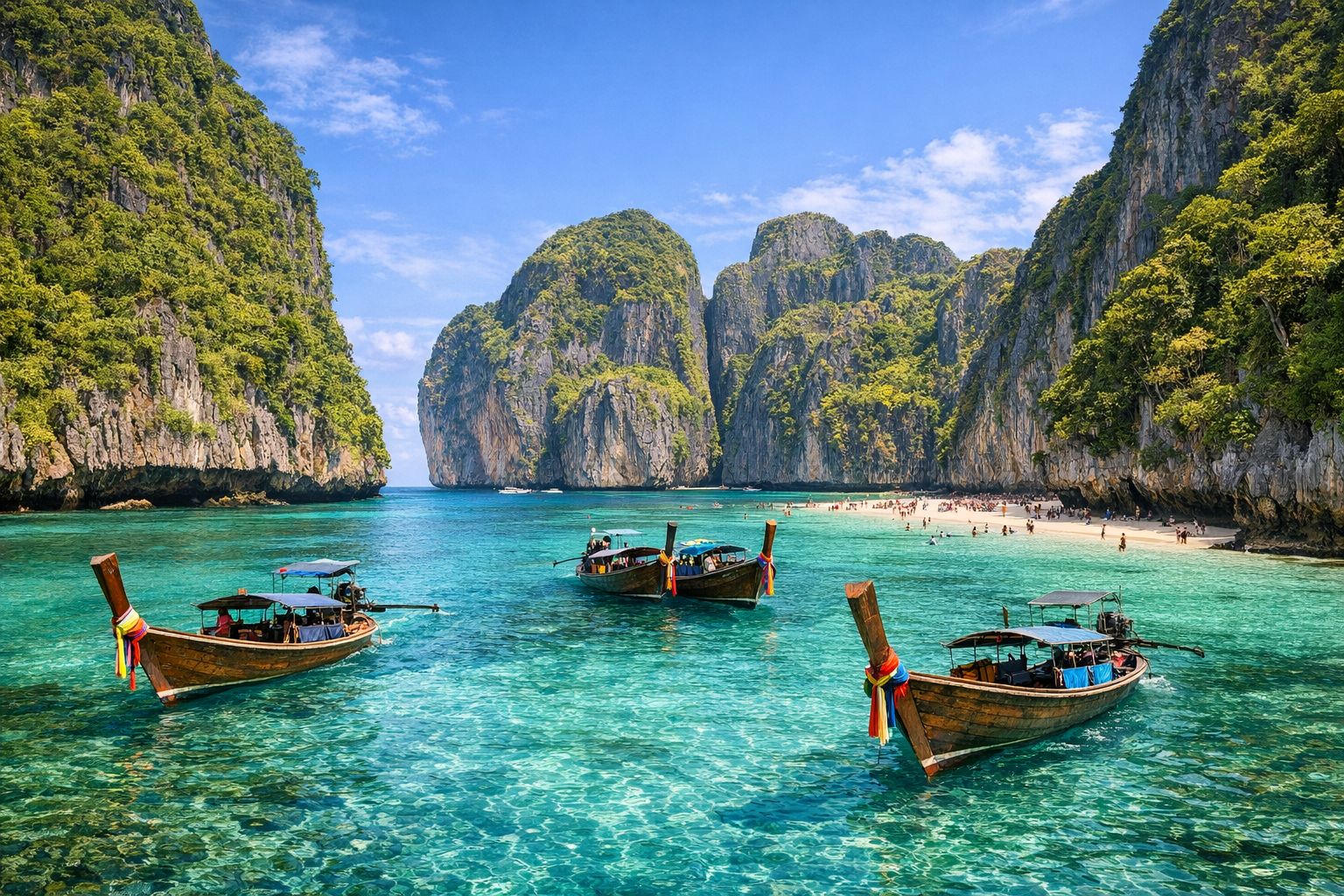
The Phi Phi archipelago — two hours by speedboat from Phuket — includes some of the most dramatically beautiful scenery in Southeast Asia. Maya Bay (made famous by the film The Beach) reopened to limited daily visitors in 2022 after a four-year closure for environmental restoration. Speedboat day trips from Phuket cost around 1,200–1,800 THB (approx. £27–£40) per person. Book through your hotel or a reputable tour operator rather than touts at the pier. Go early — the bay is at its most beautiful and least crowded before 10:00.
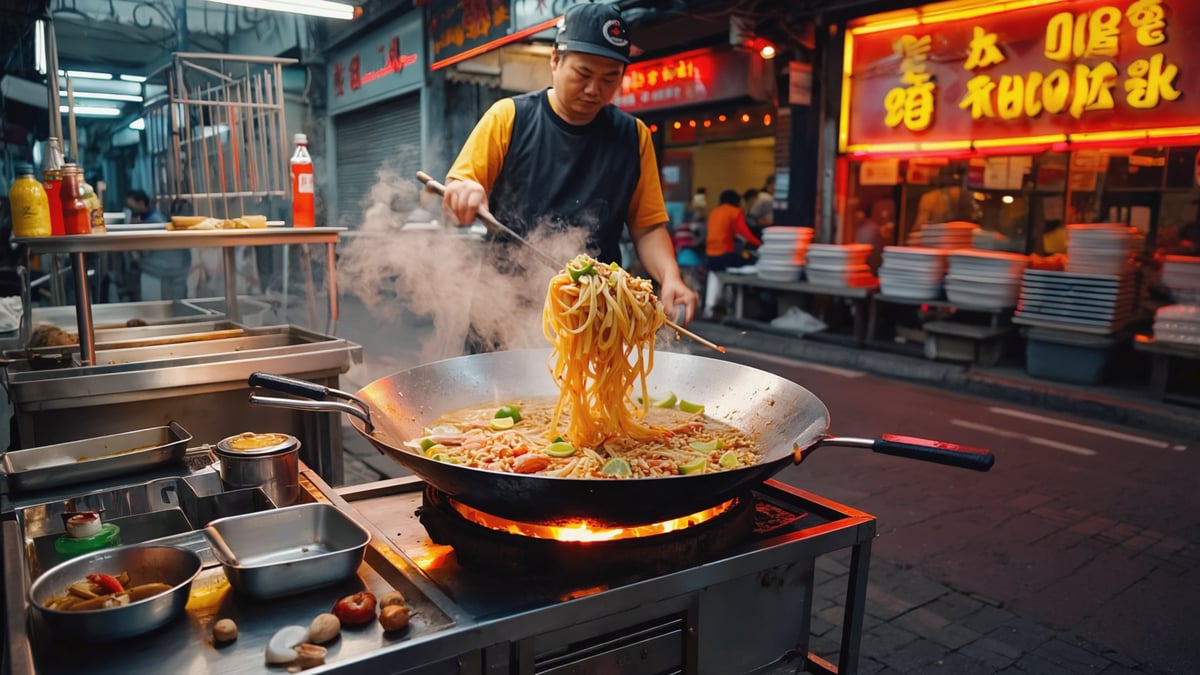
6. Bangkok Street Food Tour
Eating your way through Bangkok's street markets with a knowledgeable local guide is one of the most memorable food experiences available anywhere in the world. Evening tours of Yaowarat (Chinatown), Or Tor Kor Market, or the Victory Monument area typically cost 1,000–1,500 THB (approx. £22–£33) per person and cover six to eight dishes. Alternatively, self-guided exploration of these areas costs almost nothing — budget around 400–600 THB (£9–£13) for a generous street food dinner eaten across multiple stalls.
7. Snorkelling at Similan Islands
The Similan Islands, a national marine park roughly 80km northwest of Phuket, offer some of the finest snorkelling and diving in the Indian Ocean. The underwater visibility can exceed 30 metres in peak season, and the coral life is extraordinary. Day trips from Phuket cost around 2,200–2,800 THB (approx. £50–£63). The islands are only open from October to May — this is one reason the November–April travel window is so strongly recommended for Phuket-based visitors.
8. Thai Cooking Class
Learning to cook pad thai, green curry, and mango sticky rice in a hands-on Thai cooking class is one of the best souvenirs you can bring home. Classes are available in Bangkok, Chiang Mai, and Phuket. Half-day classes (typically including a market visit) cost 1,200–2,000 THB (approx. £27–£45). Full-day classes with more dishes cost proportionally more. The skills you take home will outlast any fridge magnet.
9. Muay Thai Fight Night
Watching a live Muay Thai boxing match at Lumpinee Stadium in Bangkok or Bangla Boxing Stadium in Phuket is a visceral, culturally rich experience — the pre-fight ritual, the hypnotic Sarama music, and the technical brilliance of the fighters combine into something genuinely extraordinary. Tickets at Lumpinee (Bangkok's premier Muay Thai venue) cost 1,000–2,000 THB (approx. £22–£45) depending on seating tier. Fights are typically held several evenings per week.
10. Patong Beach Sunset and Bangla Road
Phuket's Bangla Road — a pedestrianised entertainment strip in Patong — comes alive spectacularly after dark with open-air bars, live music, fire shows, and the full carnival energy that has made Phuket internationally notorious. It's not subtle, but it is an experience. Entry to the street is free; budget for drinks and whatever entertainment takes your fancy. Even if it's not your usual scene, walking through once is something to tell the grandchildren about.
Thai Street Food: The Complete Eating Guide for UK Travellers
Thai food is widely regarded as one of the world's great cuisines, and eating in Thailand — particularly from street stalls and local markets — is one of the most rewarding and affordable pleasures the country offers. The flavour profile is built on the interplay of sweet, sour, salty, spicy, and umami — often all in a single dish — and the freshness of ingredients is extraordinary. Here's what to eat, where to find it, and how to navigate the experience as a UK visitor.
Dishes You Must Try
Pad Thai is the dish most familiar to UK visitors — stir-fried rice noodles with egg, bean sprouts, spring onion, and your choice of protein (usually prawns or chicken), finished with crushed peanuts and a squeeze of lime. The version you'll find at a good Bangkok street stall bears little resemblance to its Western takeaway counterpart. Expect to pay 60–120 THB (£1.30–£2.70) at street stalls.
Pad Krapow (holy basil stir-fry with a fried egg on rice) is what Thais themselves eat for a quick, cheap, satisfying meal. The combination of garlic, chilli, and holy basil is fiercely aromatic and deeply satisfying. It costs around 60–80 THB (£1.30–£1.80) at local stalls and is arguably the best pound-for-pound meal in Thailand.
Tom Yum Goong is the iconic hot and sour prawn soup — lemongrass, galangal, kaffir lime leaves, chilli, and fish sauce create a broth of almost violent complexity. Eaten with steamed jasmine rice, it's a complete meal. 80–150 THB (£1.80–£3.40) at most restaurants.
Som Tum (green papaya salad) is a northern Thai and Isaan staple that has spread across the country. Shredded unripe papaya is pounded in a mortar with tomatoes, beans, dried shrimp, chilli, fish sauce, palm sugar, and lime. It is simultaneously the healthiest and most aggressively flavoured salad you will ever eat. Ask for mai phet (not spicy) if your heat tolerance is low.
Mango Sticky Rice (khao niao mamuang) is Thailand's most famous dessert — glutinous rice cooked in sweetened coconut milk, served with fresh sliced mango. Simple, seasonal, and extraordinary. Available from 40–80 THB (£0.90–£1.80) at markets and dessert stalls.
Massaman Curry is a richer, milder curry with Persian and Indian influences — slow-cooked meat (traditionally beef or lamb) with potato, onion, and whole spices in a coconut milk base. It was famously named one of the world's greatest dishes by CNN Travel and remains a benchmark Thai recipe.
Where to Eat in Bangkok
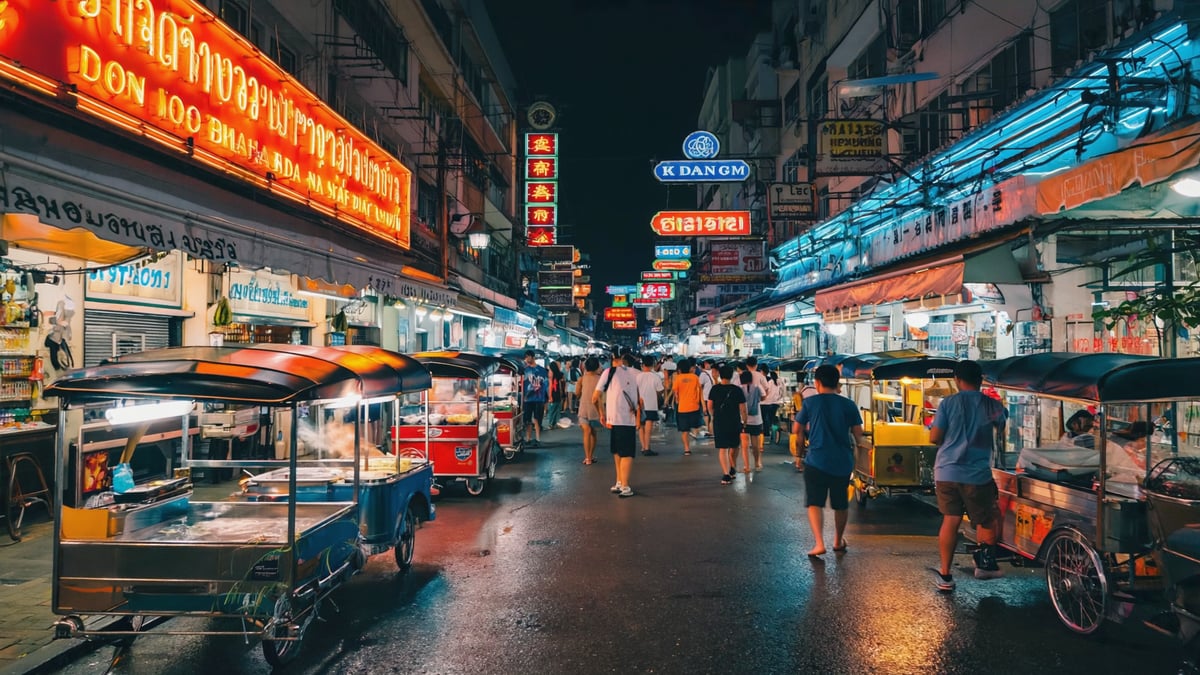
Yaowarat (Chinatown) is Bangkok's premier evening street food destination — a roaring, neon-lit strip of seafood restaurants, roast duck vendors, and dessert stalls that comes fully alive after 18:00. The grilled seafood platters and barbecued pork skewers are essential. Take the MRT to Hua Lamphong and walk.
Or Tor Kor Market near Chatuchak is considered Bangkok's finest fresh produce market and has excellent cooked food stalls. It's less chaotic than the street markets and a wonderful morning experience with a coffee.
Talat Rot Fai (Train Market) combines vintage shopping with excellent food stalls and a lively evening atmosphere. The craft beer selection is surprisingly good for Thailand.
Dietary Considerations
Vegetarians and vegans face a specific challenge in Thailand: fish sauce (nam pla) and oyster sauce are used as seasoning in an enormous proportion of Thai cooking, including many apparently vegetable-based dishes. The phrase kin jay (eating Buddhist/vegan) is understood and respected, particularly in Buddhist temples and dedicated jay restaurants (marked with a yellow flag). In tourist areas, vegetarian and vegan restaurants have become considerably more numerous in recent years. Coeliacs should note that soy sauce in Thailand frequently contains wheat; rice-based dishes are generally safer, but cross-contamination is common in shared kitchens.
Getting to Thailand from the UK: Flights, Airlines, and Airport Transfers
Thailand is served by multiple direct and one-stop flight routes from the UK, with total journey times ranging from approximately 11 to 14 hours depending on routing and layover. Bangkok's Suvarnabhumi Airport (BKK) is the primary international hub, handling the vast majority of inbound UK flights. Phuket International Airport (HKT) also receives some direct and connecting flights from the UK.
Airlines and Routes
Thai Airways operates direct flights between London Heathrow (LHR) and Bangkok Suvarnabhumi, with a flight time of approximately 11 hours 30 minutes. This is the most convenient option for travellers who want a single-carrier, no-layover journey.
British Airways operates direct Heathrow–Bangkok flights on certain schedules, typically taking around 11 hours 20 minutes westbound. BA's partnership with oneworld alliance makes it a strong option for travellers accumulating Avios points.
Emirates, Qatar Airways, and Etihad are the three dominant one-stop options, routing via Dubai (DXB), Doha (DOH), and Abu Dhabi (AUH) respectively. One-stop itineraries typically add 1.5–3 hours to total journey time but are often considerably cheaper — sometimes by £150–£300 per person — and offer highly competitive connecting services. Qatar Airways in particular is frequently cited as the premium one-stop choice for Southeast Asia.
EVA Air (via Taipei) and Cathay Pacific (via Hong Kong) are excellent options for travellers prioritising comfort and service on a one-stop itinerary, particularly in business class.
UK regional airports (Manchester, Birmingham, Edinburgh) typically require a connection via London or a European hub. Travellers from these cities should factor in the additional leg when comparing total journey times and prices.
Airport Transfers in Bangkok
Suvarnabhumi Airport is connected to central Bangkok by the Suvarnabhumi Airport Rail Link, which runs every 10–15 minutes and reaches Phaya Thai station (central Bangkok) in approximately 30 minutes for 45 THB (approx. £1). This is by far the most efficient option for independent travellers. Taxis from the airport cost around 300–400 THB (£7–£9) including tolls, but traffic can extend journey times to 60–90 minutes during peak hours. Always use metered taxis from the official taxi queue on Level 1 — never accept fixed-price offers from touts inside the terminal.
Getting from Bangkok to Phuket
The overland distance between Bangkok and Phuket is roughly 860km — a domestic flight is almost always the right choice. Bangkok Airways, Thai AirAsia, and Thai Lion Air all operate frequent flights between Bangkok's two airports (Suvarnabhumi and Don Mueang) and Phuket, with journey times of approximately 1 hour 20 minutes. Prices vary considerably — booking two to three weeks in advance, expect to pay around 1,200–2,500 THB (£27–£56) one-way. GlobeHunters' packages typically include the internal flight as part of multi-destination itineraries; confirm inclusions when booking.
Thailand Holiday Budget Guide: How Much Will It Actually Cost?
Thailand is one of the world's great value destinations for UK travellers — even moderate spenders can enjoy an excellent standard of living for significantly less than in the UK. Here's a realistic daily budget breakdown across three spending tiers, based on costs as of 2026.
Budget Traveller: £40–£65 per day
At the budget end, Thailand is extraordinary value. A clean, comfortable guesthouse room or hostel dorm in Bangkok costs £10–£25 per night. Three meals from street stalls — including breakfast, pad thai for lunch, and a fuller dinner — will come to around £5–£8. Local transport (BTS Skytrain, MRT, tuk-tuk) costs pennies. Entrance to major temples runs £3–£11. Budget travellers who eat like locals, use public transport, and drink at 7-Eleven rather than rooftop bars can live extremely comfortably on £40–£50 per day and still have money left over for activities.
Mid-Range Traveller: £80–£150 per day
Mid-range travel in Thailand means proper hotel rooms (often with a pool and air conditioning), a mix of restaurant meals and street food, occasional private taxis, and a couple of paid activities per day. A solid three-star hotel in Bangkok runs £40–£80 per night. Restaurant meals at decent local restaurants cost £5–£15 per head including a drink. A full-day activity (Phi Phi boat trip, elephant sanctuary, cooking class) runs £30–£60. Cocktails at a rooftop bar cost £6–£12 each. Budget around £100–£130 per day for a comfortable, activity-rich experience.
Luxury Traveller: £200–£500+ per day
Thailand's luxury offering is genuinely world-class and remains significantly cheaper than comparable experiences in Europe or the Maldives. A five-star hotel or private pool villa in Phuket or Bangkok costs £150–£400 per night. A private longtail boat for the day costs around £100–£150. Fine dining at one of Bangkok's many Michelin-starred or Michelin-recognised restaurants (Bangkok has more Michelin stars per capita than almost any city in Asia) costs £40–£80 per head. Spa treatments, private tours, and yacht charters are available and competitively priced. Luxury travellers can have a genuinely outstanding experience for £250–£350 per day including accommodation.
Package vs. DIY
For UK travellers, the GlobeHunters 8-night package from £999 per person (including flights and hotel) represents excellent value when benchmarked against the cost of booking flights and accommodation separately. Economy return flights from the UK to Bangkok alone typically cost £550–£900 per person depending on season and airline. The package therefore delivers accommodation — potentially worth £300–£500 for eight nights — at minimal additional cost over the flight price, making it a genuinely competitive proposition for most travellers.
Book Your Thailand Holiday Now
GlobeHunters offers 8-night Thailand holiday packages including flights and hotels at competitive prices — from just £999 per person.
View Package & Prices →Or call us: 0208 944 4514
Travel Tips and Safety: What UK Travellers Need to Know Before Going
Thailand is generally a safe destination for UK travellers, with petty crime rates in tourist areas broadly comparable to popular European destinations. That said, there are specific safety considerations, cultural norms, and practical preparations that will make a meaningful difference to your experience. Here's what experienced Thailand travellers wish they'd known before their first trip.
Safety
Petty theft is the most common issue in tourist areas — bag-snatching from motorbikes is a known risk in busy areas like Patpong and Khao San Road. Keep bags on the side away from the road, don't flash expensive jewellery or cameras unnecessarily, and use hotel safes for passports and spare cash. Your passport is technically required to be carried in Thailand, but a clear photocopy in your wallet (with the original secured) is widely accepted and considerably safer.
Scams are more of an issue in Thailand than in most European destinations. The most common include: tuk-tuk drivers offering very cheap rides that conveniently pass through gem shops or tailor shops (where the driver receives a commission and you'll be pressured to buy); "the Grand Palace is closed today" — it isn't, ever — used to redirect tourists to overpriced tour operators; and jet ski damage scams in Phuket, where operators claim pre-existing damage was caused by renters. Awareness is your best defence; always photograph jet skis before renting.
Road safety is a genuine concern. Thailand has one of the highest road fatality rates in the world, and motorbike accidents involving tourists are among the most common causes of serious injury. If you choose to hire a scooter (which many tourists do, particularly in Phuket and Koh Samui), wear a helmet at all times, carry your driving licence (a UK full licence is technically required, or an International Driving Permit), and ensure your travel insurance explicitly covers motorbike accidents — many standard policies exclude them.
Drug laws in Thailand are extremely strict. Despite a partial cannabis liberalisation policy in recent years, the situation remains legally complex, and penalties for drug offences involving other substances are severe — including long prison sentences and, in extreme cases, the death penalty. This is not an area where ignorance is a defence.
Health
The Foreign Commonwealth & Development Office (FCDO) recommends several vaccinations for Thailand, including hepatitis A, typhoid, and tetanus as a minimum; malaria prophylaxis may be recommended for rural northern regions. Consult your GP or a travel health clinic at least six to eight weeks before departure. The Travel Health Pro Thailand country guide (run by Public Health England) provides up-to-date vaccination and health advice specifically for UK travellers.
Food and water safety: Tap water in Thailand is not safe to drink. Bottled water is cheap and universally available (10–15 THB per 1.5L bottle). Ice in tourist restaurants and hotels is generally made from purified water and is safe; ice at local markets is less predictable. Street food is generally safe if it's being cooked fresh in front of you on a high heat — the turnover at busy stalls is rapid enough that food doesn't sit around.
The sun in Thailand is considerably more intense than in the UK. Factor 50 sunscreen, reapplied regularly, and a hat are essential for beach days. Heat exhaustion is a real risk for newly arrived visitors who overexert themselves before acclimatising; drink more water than you think you need.
Cultural Etiquette
The monarchy is deeply revered in Thailand, and criticism of the royal family is both culturally offensive and legally dangerous — lèse-majesté laws carry serious criminal penalties. Avoid political discussions about the monarchy entirely.
Buddhist temples require modest dress (covered shoulders and knees for both men and women), shoes to be removed before entering temple buildings, and a respectful demeanour. Never touch a Buddha image, climb on statues for photographs, or point your feet at a Buddha figure or a person (feet are considered the lowest and most spiritually impure part of the body).
The head is considered the most sacred part of the body — never touch a Thai person's head, even affectionately with children. Beckoning someone with a finger is considered rude; use a downward-facing open palm wave instead.
Removing shoes before entering homes, many shops, and temple buildings is standard practice — look for a pile of shoes at the entrance as your cue.
Bargaining is appropriate at markets, for tuk-tuks, and at beach stalls. It is not appropriate in fixed-price restaurants, shopping malls, or 7-Eleven. Approach haggling with good humour — a smile and a gentle counter-offer go a long way; aggressive bargaining is considered poor form.
Packing Essentials for Thailand
- Lightweight, breathable clothing (linen or moisture-wicking fabrics) — avoid denim in the heat
- At least one modest outfit (covered shoulders and knees) for temple visits
- High-SPF sunscreen — factor 50 or higher
- Insect repellent with DEET for evenings in outdoor areas
- Flip-flops for beach and temple use
- A small day-pack for temple and market visits
- A travel adaptor (Thailand uses Type A and B plugs, compatible with UK adaptors with the right converter)
- A fee-free travel debit card (Starling, Wise, or similar)
- Travel insurance documents, including emergency contact numbers
- A photocopy of your passport kept separately from the original
Frequently Asked Questions About Thailand Holidays
Do UK citizens need a visa to visit Thailand in 2026?
No. UK passport holders can visit Thailand visa-free for up to 60 days under Thailand's current visa exemption policy. You need a valid UK passport with at least six months' remaining validity, proof of onward travel, and sufficient funds. For stays exceeding 60 days, a tourist visa must be obtained in advance from the Royal Thai Embassy in London.
What is the best time of year to visit Thailand from the UK?
November to February is the best time to visit Thailand — the cool, dry season brings comfortable temperatures, low rainfall, and ideal sea conditions on both coasts. November is particularly good, combining excellent weather with the spectacular Loy Krathong lantern festival. December to January is peak season with higher prices; book well in advance if travelling over Christmas or New Year.
How long is the flight from the UK to Thailand?
Direct flights from London to Bangkok take approximately 11 hours 20–30 minutes. One-stop flights via Middle Eastern hubs (Dubai, Doha, Abu Dhabi) take 13–15 hours including layover. Regional UK airports (Manchester, Edinburgh, Birmingham) require a connection, adding 2–4 hours to total journey time.
Is Thailand safe for solo female travellers?
Thailand is generally considered safe for solo female travellers, particularly in major tourist areas and resorts. Standard precautions apply: avoid isolated areas at night, keep friends or family informed of your itinerary, don't accept drinks from strangers, and trust your instincts. The Thai people are generally warm and helpful, and solo female travel is extremely common throughout the country.
What currency should I take to Thailand?
The Thai Baht (THB) is the only currency you need in Thailand. GBP can be exchanged at airports, banks, and licensed exchange booths — SuperRich exchange booths (orange or green branded) in Bangkok offer among the best rates available. Using a fee-free travel card (Wise, Starling) to withdraw Baht from local ATMs is a convenient alternative. Avoid exchanging currency at your UK airport before departure — rates are typically poor.
What vaccinations do I need for Thailand?
The minimum recommended vaccinations for Thailand include hepatitis A, typhoid, and tetanus. Depending on your itinerary (particularly if visiting rural northern areas), malaria prophylaxis, hepatitis B, and rabies vaccines may also be recommended. Consult your GP or a travel health clinic at least 6–8 weeks before departure. Check the Travel Health Pro Thailand page for the most current guidance.
Can I drink tap water in Thailand?
No — tap water in Thailand is not safe to drink. Bottled water is cheap (around 10–15 THB per 1.5L bottle) and available everywhere. Ice in tourist hotels and restaurants is generally safe; exercise more caution at local market stalls. Brushing teeth with tap water is generally considered acceptable by most travellers, though those with sensitive stomachs may prefer bottled water.
How much spending money do I need per day in Thailand?
Budget travellers can live comfortably on £40–£60 per day covering accommodation, meals, and transport. Mid-range travellers spending on decent hotels, restaurant meals, and activities should budget £90–£140 per day. Luxury travellers — pool villas, fine dining, private boats — should plan for £200–£400+ per day. These figures exclude your flights and package accommodation, which are covered by the GlobeHunters 8-night package from £999 per person.
What is the best area to stay in Phuket?
The best area depends entirely on what you want. Patong is the liveliest, with the most restaurants, nightlife, and convenience. Kata and Karon offer a calmer, more family-friendly atmosphere with beautiful beaches. Surin and Kamala are upscale and quieter, ideal for couples. Laguna/Bang Tao is the premium resort zone, perfect for honeymooners and luxury travellers.
Is street food in Thailand safe to eat?
Street food in Thailand is generally very safe, particularly at busy stalls where food is cooked fresh to order at high heat. The rapid turnover at popular stalls means food doesn't sit around. Stick to stalls with high customer traffic, watch that your food is cooked in front of you, and avoid pre-cooked dishes that have been sitting out. Bangkok's street food scene is one of the most celebrated in the world — eating it is part of the experience, not a risk to be avoided.
Can I combine Bangkok and Phuket on an 8-night trip?
Yes — Bangkok plus Phuket is the classic Thailand combination and works very well over 8 nights. A typical split would be 3 nights in Bangkok (temples, street food, markets) and 5 nights in Phuket (beaches, islands, watersports), connected by a 1h20m domestic flight. This gives you enough time to do justice to both destinations without feeling rushed. The GlobeHunters 8-night package is structured around exactly this combination.
What should I wear at Thai temples?
Both men and women must cover their shoulders and knees when visiting Buddhist temples. Sleeveless tops, shorts, and short skirts are not permitted. Lightweight cotton or linen trousers and a short-sleeved shirt are ideal and comfortable in the heat. Sarongs and cover-up cloths are available for hire or purchase at the entrances of major temples such as the Grand Palace. Shoes must be removed before entering temple buildings — slip-on footwear is more convenient than laces.
Final Thoughts: Why Thailand Still Belongs at the Top of Your List
Thailand has been receiving international visitors in large numbers for decades, and there's a reason it never seems to go out of fashion. Other destinations have their seasons — they're fashionable for a few years, then displaced by somewhere newer, more Instagrammable, less discovered. Thailand simply endures. It endures because it offers something genuinely difficult to replicate: an ancient, living culture that is simultaneously deeply rooted and genuinely welcoming to outsiders; a food scene of almost reckless quality that costs almost nothing; natural beauty across mountains, jungles, and islands that ranges from pretty to breathtaking; and a pace of life anchored in the Buddhist concept of sanuk — the idea that life should be fun, enjoyable, and light.
For UK travellers, the combination of an easy visa process, competitive flight connections, and extraordinary value on the ground makes Thailand one of the most accessible long-haul destinations available. An 8-night trip covering Bangkok and Phuket is a genuinely complete introduction — enough time to eat your way through Yaowarat, stand open-mouthed in the Grand Palace, and spend a few unhurried afternoons on an Andaman beach doing absolutely nothing in particular.
Whether you're planning your first visit or your fifth, there's more to discover than one trip will ever contain. Thailand will make sure of that.
Book Your Thailand Holiday Now
GlobeHunters offers 8-night Thailand holiday packages including flights and hotels at competitive prices — from just £999 per person.
View Package & Prices →Or call us: 0208 944 4514
Ready to Book Your Thailand Holiday?
Our travel experts are ready to help you plan the perfect trip. Call us today or browse our latest deals.
Ready to Start Planning?
Speak to our travel experts for personalised advice and the best deals on your next holiday.
Call 0208 944 4514Holiday Packages You Might Like
Curated trips matched to this guide — flights, hotels & experiences included.
More Articles
Amalfi Coast vs. Santorini: Which Mediterranean Escape is Right for UK Travellers?
Amalfi Coast or Santorini? Compare scenery, costs, best areas & UK package prices to find your perfect Mediterranean holiday. Honest advice from GlobeHunters.
Maldives vs. Bora Bora: The Honest UK Traveller's Guide to Choosing Your Overwater Paradise
Maldives or Bora Bora? We compare costs, flights, resorts & experiences so UK travellers can choose the perfect luxury island escape. Packages from GlobeHunters.
Bora Bora Holiday Guide: Overwater Bungalows, Lagoons & UK Package Deals
Plan your Bora Bora holiday from the UK. Discover overwater bungalows, turquoise lagoons & GlobeHunters package deals. Flights, hotels & activities included.