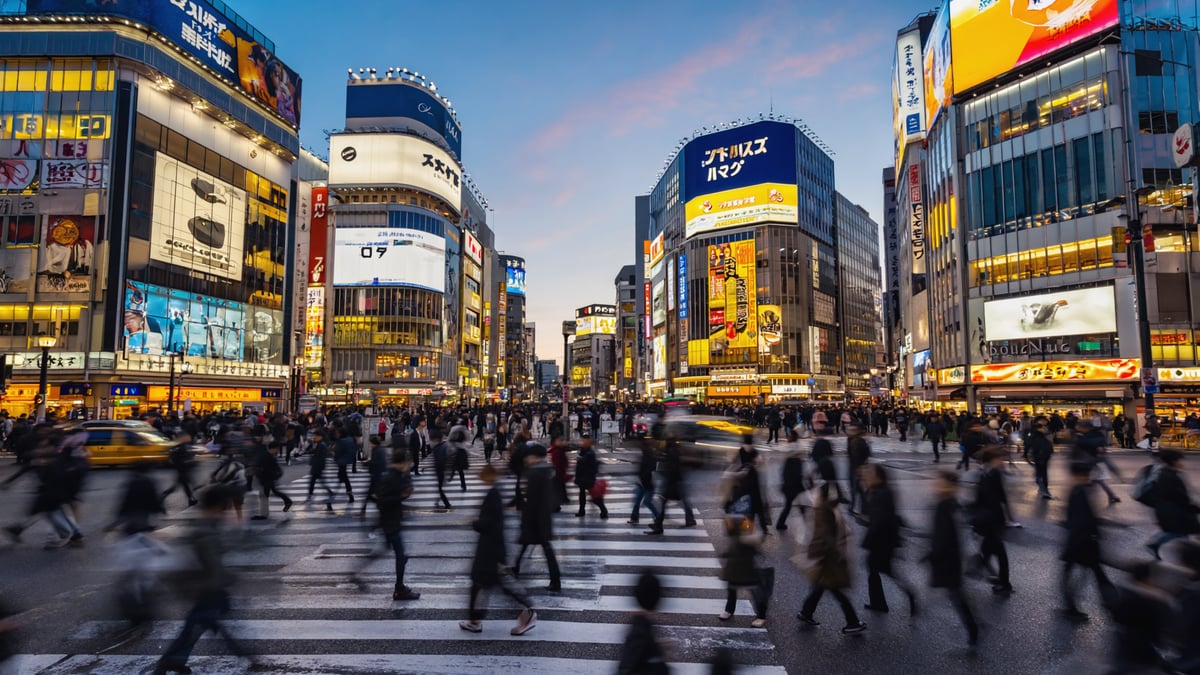
Imagine standing at Shibuya Crossing at midnight — five hundred people surging around you from every direction, neon signs blazing overhead in kanji and LED, a convenience store pumping out the smell of hot nikuman, and somewhere in the distance a temple bell rings the hour. Tokyo is the only city on earth that can make you feel simultaneously overwhelmed and completely at ease. It is chaotic and immaculate. Ancient and hyper-modern. Deeply traditional and gloriously weird. And in 2026, it is arguably the world's most compelling city break destination.
For UK travellers, Tokyo sits at the intersection of bucket-list aspiration and genuine accessibility. Flights are more competitive than they have been in years, the pound-to-yen exchange rate has been relatively favourable, and Japan's tourism infrastructure — from bullet trains to multilingual signage — has never been more visitor-friendly. Whether you are planning your first trip to Japan or returning for a deeper dive, this guide covers everything you need to know: where to stay, what to eat, how to get there, and how to make the most of every yen.
Tokyo at a Glance: What Kind of City Is This, Exactly?
Tokyo is the world's most populous metropolitan area, home to more than 37 million people across its greater urban region — and yet it is one of the cleanest, safest, and most efficiently run cities on the planet. Located on the eastern coast of Honshu, Japan's main island, Tokyo sits in the Kantō region at the head of Tokyo Bay. It serves as Japan's political, economic, and cultural capital, and it functions less like a single city and more like a federation of distinct neighbourhoods, each with its own personality and pace.
Language: Japanese is the official language. English is widely spoken in tourist areas, major hotels, and transport hubs, and most signage in central Tokyo is bilingual. Outside the centre, a translation app (Google Translate's camera function is invaluable) will serve you well.
Currency: Japanese Yen (¥). As of 2026, the approximate exchange rate hovers around ¥185–¥195 per £1, though you should check live rates before travel. Japan remains a largely cash-based society — carry yen for smaller restaurants, shrines, and vending machines. ATMs at 7-Eleven and Japan Post are reliably foreigner-friendly.
Time Zone: Japan Standard Time (JST), which is UTC+9. Tokyo is 8–9 hours ahead of the UK (depending on British Summer Time), meaning when it's noon in London, it's already 8pm or 9pm in Tokyo.
Visa Requirements for UK Travellers: British citizens do not require a visa for tourist stays of up to 90 days in Japan — one of the most generous visa-free arrangements available. You will need a valid passport, a return ticket, and proof of sufficient funds. Since 2024, Japan has been rolling out a Visit Japan Web registration system for customs and immigration declarations, which is strongly recommended to complete before departure to speed up arrival.
Electricity: Japan uses 100V at 50/60Hz with Type A plugs (two flat parallel pins). Most modern UK electronics (phones, laptops, cameras) handle dual voltage automatically, but check your adapters. UK plugs will not fit — bring or buy a Type A travel adapter.
Tokyo's 23 Special Wards form the urban core, but the broader metropolitan area sprawls across multiple prefectures. For first-time visitors, the central wards — Shinjuku, Shibuya, Minato, Chiyoda, Asakusa, and Akihabara — offer the densest concentration of sights, food, and experiences.
When Should You Visit Tokyo? A Month-by-Month Guide
The best time to visit Tokyo is either late March to early May (spring) or October to November (autumn) — these windows deliver the most spectacular scenery, comfortable temperatures, and the city's most iconic seasonal events. That said, each season has genuine appeal, and understanding Tokyo's annual rhythm helps you make the right call for your travel style.
Spring (March–May): Cherry Blossom Season
This is Tokyo at its most photogenic. Cherry blossoms (sakura) typically peak in late March to early April, transforming parks like Ueno, Yoyogi, and Shinjuku Gyoen into pink canopies. The hanami (flower-viewing) picnic tradition fills every green space with locals and visitors alike. Temperatures range from around 8°C to 18°C — cool enough to enjoy long days outdoors without discomfort. Be warned: late March and early April is peak tourist season, and accommodation prices surge accordingly. Book at least 3–4 months in advance. The Golden Week national holiday cluster (late April to early May) sees domestic travel spike dramatically — avoid this window if you can, or book well ahead.
Summer (June–August): Heat, Humidity & Festivals
June brings the rainy season (tsuyu), with persistent humidity and regular downpours. July and August are hot and extremely humid — temperatures regularly exceed 35°C. This is low season for international visitors, which means better hotel rates and shorter queues at major attractions. If you can handle the heat, summer delivers extraordinary festivals: the Sumida River Fireworks in late July is one of Japan's largest, and the Obon festival in mid-August brings streets alive with traditional dance. Carry a foldable fan, stay hydrated, and plan indoor activities for the hottest part of the afternoon.
Autumn (September–November): The Overlooked Golden Season
Many seasoned Tokyo travellers prefer autumn over spring. The summer humidity breaks in September, temperatures drop to a comfortable 12°C–22°C range by October, and the autumn foliage (koyo) turns parks and temple gardens into waves of amber and crimson from mid-November. Crowds are notably thinner than spring, prices are more reasonable, and the light is extraordinary for photography. November is arguably the single best month to visit Tokyo if cherry blossoms are not your priority.
Winter (December–February): Cold, Quiet & Festive
Tokyo winters are cold but rarely severe — temperatures hover between 2°C and 10°C, with occasional frost but very little snow in the city centre. Mt Fuji is at its most dramatically snow-capped. December brings beautiful illumination displays across the city, and New Year (Oshōgatsu) is Japan's most important cultural event — temples and shrines are extraordinary to visit on 1st January, though many shops and restaurants close. January and February are the quietest and most affordable months, ideal for budget-conscious travellers who do not mind layering up.
Our recommendation: For a first visit, target late October or early November for the ideal combination of comfortable weather, autumn colour, manageable crowds, and mid-range pricing.
Where to Stay in Tokyo: Neighbourhoods for Every Type of Traveller
Choosing where to stay in Tokyo is one of the most consequential decisions you will make — the city is vast, and being well-positioned on the train network saves you hours of travel time. Each neighbourhood has a distinct character, and the right base depends entirely on what you want from your trip.
Shinjuku: The Heartbeat of Modern Tokyo
Shinjuku is the default choice for first-time visitors, and for good reason. It sits at the intersection of multiple major train lines, making every corner of the city accessible. The area divides neatly into the east side (Kabukichō entertainment district, Memory Lane, Isetan department store) and the west side (skyscrapers, the free Tokyo Metropolitan Government Building observation deck, and most of the major hotels). Accommodation ranges from capsule hotels and budget guesthouses around Okubo to five-star properties like Park Hyatt Tokyo — the hotel featured in Lost in Translation — with stunning city views. Mid-range budget: Expect to pay £120–£200 per night for a comfortable double room in a business hotel like Keio Plaza or Century Southern Tower.
Shibuya: Youth Culture, Shopping & Iconic Crossings
Adjacent to Shinjuku, Shibuya is younger, trendier, and more fashion-forward. Staying here puts you steps from the famous scramble crossing, the Hachikō statue, and the rooftop Shibuya Sky observation deck. The area around Daikanyama and Nakameguro (a short walk south) is quieter and beloved by design-conscious travellers for its independent boutiques and canal-side cafés. Budget travellers should look at hostels and guesthouses in the Sangenjaya neighbourhood (two stops on the Tōkyū Den-en-toshi Line), which offers excellent value without sacrificing location.
Asakusa: Traditional Tokyo at Its Most Authentic
If you want to feel connected to old Tokyo (shitamachi — the "low city"), Asakusa is your neighbourhood. Home to Senso-ji Temple, rickshaw rides, and narrow streets lined with traditional craft shops, it is distinctly different in atmosphere from the neon-lit west. Hotels here tend to be excellent value — ryokan (traditional Japanese inns) are particularly well-represented, offering tatami rooms, communal baths, and kaiseki breakfasts. Luxury travellers should consider the Asakusa View Hotel for panoramic Senso-ji views, or the Gate Hotel Kaminarimon for designer interiors at boutique scale.
Minato & Roppongi: Expat-Friendly & Upscale
The Minato ward — encompassing Roppongi, Azabu-Juban, and Toranomon — is Tokyo's diplomatic and luxury hotel district. The Park Hotel Tokyo, Andaz Tokyo, and Aman Tokyo all sit in or near this area. Roppongi is also home to two of the city's finest art museums (Mori Art Museum and the National Art Center). It is quieter and less frenetic than Shinjuku, making it popular with couples and business travellers. Expect to pay a premium: £200–£450 per night for mid-to-luxury options.
Akihabara & Kanda: For the Curious and the Geek-Hearted
Akihabara, the legendary "Electric Town" dedicated to anime, manga, gaming, and electronics, makes an intriguing base if you plan to spend significant time in that world. Hotels here are predominantly business-style and very affordable. Nearby Kanda and Jimbocho — the city's secondhand bookshop district — add a quieter, more literary counterpoint.
Book Your Tokyo Holiday Now
GlobeHunters offers 7-night Tokyo holiday packages including flights from the UK and hotel accommodation — from just £1,499 per person.
View Package & Prices →Or call us: 0208 944 4514
Top Things to Do in Tokyo: 10 Experiences You Cannot Miss
Tokyo rewards the curious. Beyond the postcard landmarks, it is a city of layers — and the more you look, the more you find. Here are ten experiences that span the iconic, the unexpected, and the unmissably Tokyo.
1. Shibuya Scramble Crossing & Shibuya Sky
Walk the crossing at rush hour (around 8am or 6pm) when the sheer choreography of it is most staggering — up to 3,000 people crossing simultaneously from six directions with zero collisions. Then take the lift to the Shibuya Sky observation deck (¥2,000 / approximately £10.50) on the roof of Scramble Square for a 360-degree view of the city. Insider tip: book your Shibuya Sky slot online in advance — it frequently sells out, especially at sunset. Open daily 10:00–22:30.
2. Senso-ji Temple, Asakusa
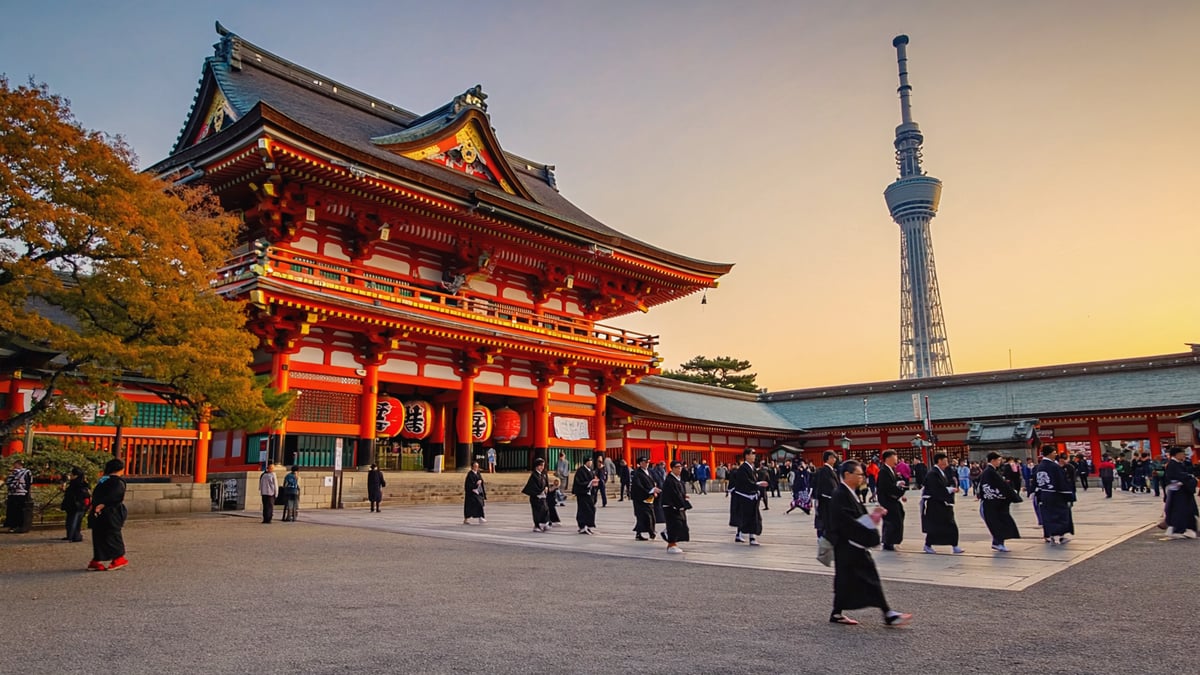
Tokyo's oldest and most visited temple is busiest on weekend mornings — arrive before 8am or after 5pm to experience it with genuine serenity. The Nakamise shopping street leading to the main gate is lined with traditional snacks and craft souvenirs. Entry to the temple precinct is free. The five-storey pagoda and main hall are particularly striking when lit at dusk. Do not leave without drawing an omikuji fortune slip (¥100 / around 50p).
3. Tsukiji Outer Market Food Tour
The inner wholesale fish market relocated to Toyosu in 2018, but Tsukiji's outer market remains one of the world's great food experiences. Arrive before 9am to beat the crowds and graze on freshly grilled scallops, thick-cut tamagoyaki (rolled omelette), sea urchin on rice, and the finest tuna sashimi you have ever eaten. Budget around ¥2,000–¥4,000 (£11–£22) for a satisfying self-guided tour. Open daily except Wednesdays and Sundays, roughly 5am–2pm.
4. Shinjuku Gyoen National Garden
A sanctuary of calm in the middle of one of the world's busiest cities. This 58-hectare garden combines formal French and English garden sections with a traditional Japanese garden — and it is one of the finest cherry blossom viewing spots in the city during spring. Entry is ¥500 (approximately £2.60). Open Tuesday–Sunday, 9:00–16:30 (last entry 16:00). Alcohol is not permitted — this is a contemplative space rather than a party venue.
5. teamLab Borderless (Azabudai Hills)
The original teamLab Borderless closed in Odaiba before reopening in a spectacular new location in the Azabudai Hills development. This immersive digital art museum is one of Tokyo's most unique modern experiences — rooms where waterfalls of light respond to your movement, forests of hanging crystal orbs, and infinity rooms that dissolve the boundary between art and visitor. Tickets are ¥3,200 (approximately £16.50) for adults and must be booked online in advance. Open daily from 10:00–21:00 (last entry 20:00).
6. Meiji Jingu Shrine & Harajuku
The Meiji Shrine, set within 70 hectares of forested grounds in central Tokyo, is one of Japan's most important Shinto shrines. Entry is free, and the forested walk from Harajuku station to the shrine itself is genuinely restorative. Immediately outside the park, Takeshita Street in Harajuku delivers one of Tokyo's most surreal contrasts — crepe stands, cosplay boutiques, and kawaii fashion culture at full intensity. Best visited on a Sunday morning when the contrast between the serene shrine and the chaotic street is most dramatic.
7. A Day Trip to Mt Fuji (Kawaguchiko)
Japan's most iconic mountain is roughly 100km west of Tokyo and easily reachable as a day trip. The Fuji Five Lakes region, particularly Lake Kawaguchiko, offers the classic reflection-in-the-water views. Getting there: The Fujikyu Railway bus from Shinjuku Station takes approximately 2 hours and costs around ¥1,800–¥2,000 (£9.50–£10.50) each way. The Mt Fuji Visitor Centre in Kawaguchiko is free and provides excellent context. Climbing the mountain is only possible between early July and mid-September — in 2026, authorities have introduced access restrictions and fees on the Yoshida Trail to manage overtourism, so check current regulations before planning a summit attempt.
8. Akihabara Electric Town
Whether or not you consider yourself an anime fan, Akihabara is one of the most fascinating urban environments on earth. Seven-storey buildings filled floor-to-ceiling with vintage video games, rare manga, figurines, and electronics; maid cafés where costumed staff serve elaborate desserts; and arcades where you can play games that have not been available in the West for decades. Entry is free — your wallet is the only risk. Best explored on a Saturday afternoon when the main street closes to traffic and becomes a pedestrian festival.
9. Tokyo National Museum, Ueno
Japan's oldest and largest museum holds over 110,000 objects spanning Japanese art and archaeology from prehistoric jōmon pottery to Edo-period samurai armour and Buddhist sculpture. A single visit barely scratches the surface. Entry is ¥1,000 (approximately £5.20). Open Tuesday–Sunday, 9:30–17:00 (extended hours on Fridays and Saturdays). The Ueno park surrounding the museum also houses the National Museum of Nature and Science, Ueno Zoo, and several other galleries — a full day here is easily justified.
10. Onsen Experience (Ōedo Onsen Monogatari)
No visit to Japan is complete without an onsen (hot spring bath). Ōedo Onsen Monogatari in Odaiba is the most accessible option for visitors — a large, Edo-period-themed hot spring facility with indoor and outdoor baths, yukata rental, and traditional food stalls. Entry costs approximately ¥2,900–¥3,200 (£15–£16.50) on weekdays. Important etiquette: tattoos are not permitted in most onsen facilities, including this one. Bathers must be fully unclothed in the baths — swimwear is not worn. Towels are provided. Open daily from 11:00–22:00 (last entry 21:00).
Tokyo Food Culture: What, Where & How to Eat Like a Local
Tokyo has more Michelin-starred restaurants than any other city on earth — yet some of the most extraordinary food you will eat costs less than £5. The city's relationship with food is almost spiritual: there are ramen shops with queues stretching around the block for a bowl that has been perfected over 30 years, tempura chefs who have trained for a decade before being allowed to fry a single prawn, and convenience stores whose onigiri and sandwiches would embarrass many European café kitchens. Eating in Tokyo is not merely sustenance — it is the city's primary cultural activity.
Dishes You Must Try
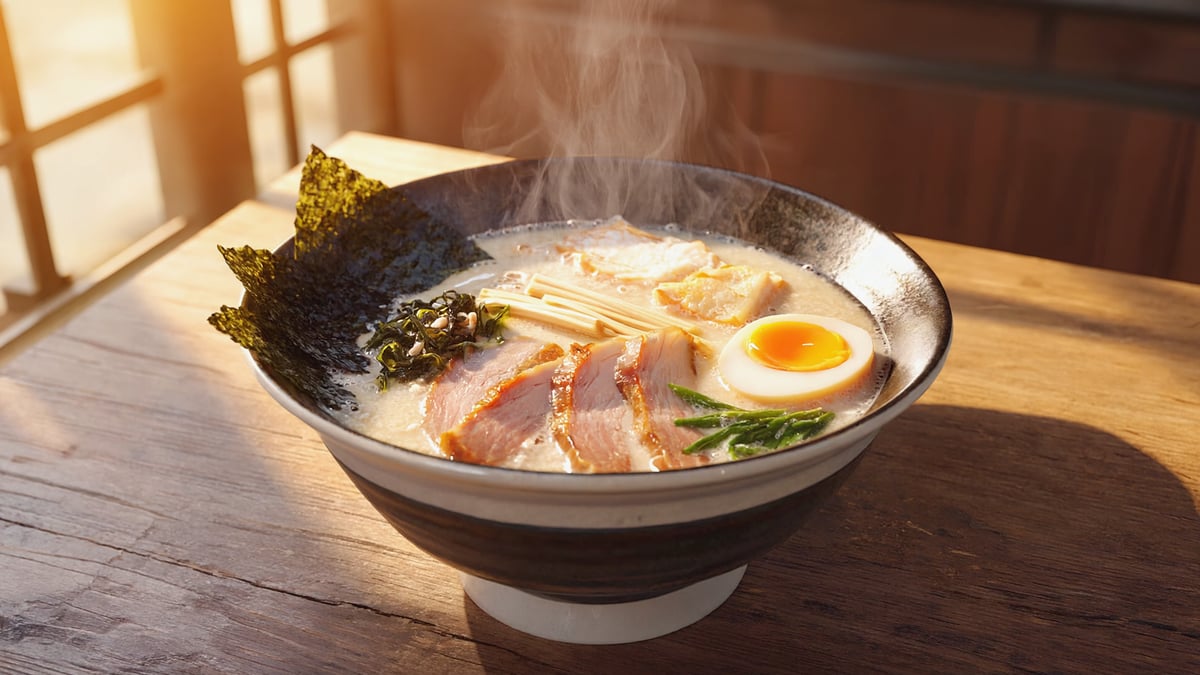
- Ramen: Tokyo's local style is typically a soy-sauce-based (shoyu) broth — lighter and more complex than Sapporo's miso or Hakata's tonkotsu. Seek out the ramen street (Rāmen Street) inside Tokyo Station or the Shinjuku Golden Gai area. Budget ¥800–¥1,400 (£4.20–£7.30) per bowl.
- Sushi: For the authentic experience, visit a kaiten-zushi (conveyor belt) restaurant like Sushiro or Kura Sushi for excellent quality at around ¥1,500–¥2,500 (£8–£13) per person. For the once-in-a-lifetime version, Tsukiji outer market or an omakase counter at Ginza will redefine your understanding of the word entirely — budget ¥15,000–¥30,000 (£79–£157) per person for the latter.
- Tempura: Light, ethereally crisp battered seafood and vegetables, best eaten at a counter restaurant where the chef fries each piece to order and presents it directly to you.
- Yakitori: Grilled chicken skewers — every part of the bird, not just the breast — cooked over charcoal and seasoned with tare (sweet soy) or simple salt. The lanes around Yurakucho Station (under the railway arches) are lined with atmospheric yakitori stalls and izakayas (Japanese gastropubs).
- Gyoza & Tonkatsu: Pan-fried dumplings and breaded pork cutlets are workhorses of the Tokyo lunch scene — filling, affordable, and deeply satisfying. Most teishoku (set meal) restaurants serve them with rice and miso soup for ¥800–¥1,200 (£4.20–£6.30).
- Convenience store food: Do not overlook 7-Eleven, FamilyMart, and Lawson. Japanese konbini (convenience stores) are genuinely extraordinary — their onigiri, hot oden stew, steamed buns, and freshly made sandwiches are a cultural institution. Perfect for a cheap, high-quality breakfast or late-night snack.
Best Dining Areas
Shinjuku Golden Gai: A labyrinth of tiny bars and restaurants, each seating 6–10 people, tucked into a network of alleys near Kabukichō. This is old Tokyo at its most atmospheric — some venues are cash-only and do not encourage walk-ins, but many welcome foreigners warmly. Evening only.
Yanaka: One of Tokyo's best-preserved old neighbourhoods, Yanaka Ginza shopping street is lined with traditional food shops, tofu sellers, rice crackers, and small cafés. A wonderful lunch destination away from the tourist mainstream.
Nakameguro: The canal-side street lined with independent restaurants and cafés is one of the city's most stylish dining strips. Particularly beautiful at night, and during cherry blossom season the canal becomes one of Tokyo's most romantic spots.
Dietary Considerations
Vegetarians and vegans will find Tokyo more manageable than it once was, but it requires planning. Dashi (fish stock) is a base ingredient in many Japanese dishes that appear vegetarian — miso soup, for example, often contains fish-based dashi. Dedicated vegetarian and vegan restaurants exist (particularly around Shibuya and Aoyama) and apps like HappyCow identify suitable venues. Halal options are increasingly available in tourist-heavy areas. Gluten-free dining is genuinely difficult, as soy sauce (containing wheat) is ubiquitous — communicate clearly at restaurants and carry a dietary card in Japanese.
Getting to Tokyo from the UK: Flights, Routes & Arrival
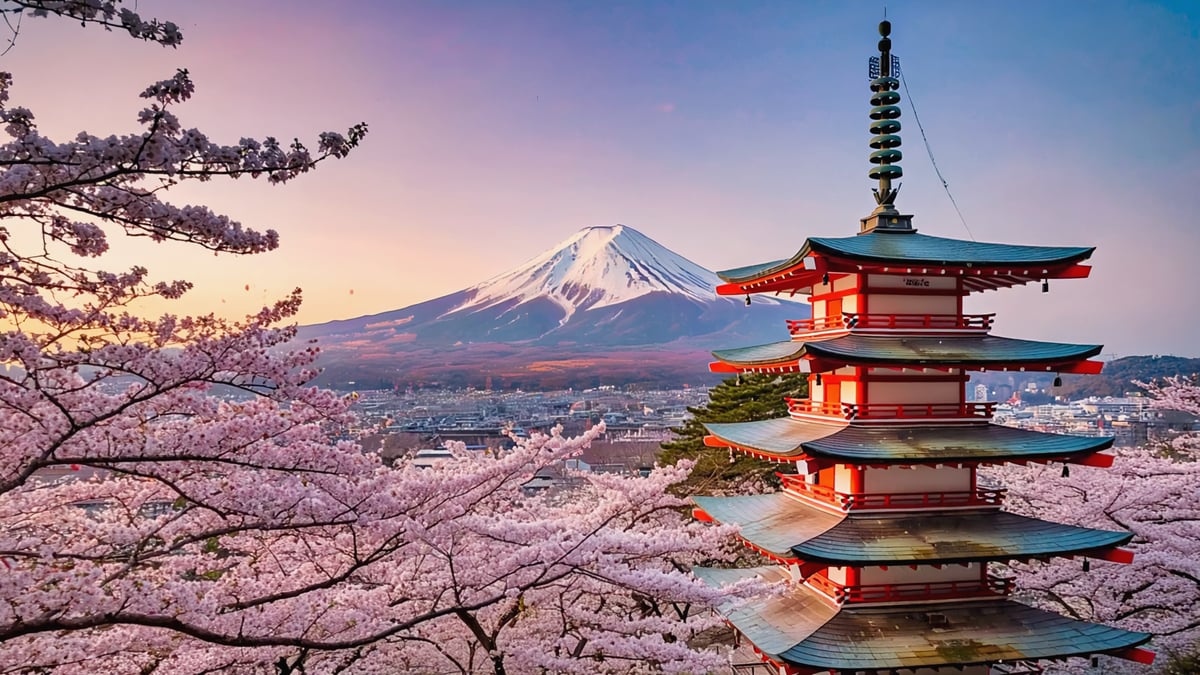
Tokyo is well-served from multiple UK airports, and the competition between airlines keeps fares relatively competitive for long-haul travel. The journey is long — but the destination more than justifies it.
Flight Routes & Airlines
The main gateway is Tokyo Narita International Airport (NRT), though Tokyo Haneda Airport (HND) is closer to the city centre and increasingly serves international routes. From the UK:
- Direct flights: British Airways operates non-stop flights from London Heathrow (LHR) to Haneda (HND), typically around 12–13 hours. Japan Airlines (JAL) also flies direct Heathrow–Haneda. These are the most convenient options — expect to pay a premium for the directness.
- One-stop routes: Airlines including Finnair (via Helsinki), KLM (via Amsterdam), Lufthansa (via Frankfurt), and Emirates (via Dubai) offer connecting routes from multiple UK airports including Manchester, Edinburgh, and Birmingham. These routes often represent better value, particularly when booked in advance, though journey time extends to 15–20 hours including layover.
- Typical flight costs: Economy class return fares from London range from approximately £550–£900 for advance bookings. Business class typically runs £2,500–£4,500 return. Prices from regional UK airports vary considerably depending on the connecting hub.
Getting from the Airport to the City
From Narita Airport, the Narita Express (N'EX) train is the most comfortable option — it runs directly to Shinjuku, Shibuya, Ikebukuro, and Yokohama, takes approximately 60–90 minutes, and costs around ¥3,070 (approximately £16) one way. Limousine buses are slower but cheaper (¥3,200 / £16.50 to central Tokyo) and useful if your hotel is not near a major station. Taxis from Narita are expensive — budget ¥20,000–¥30,000 (£105–£157).
From Haneda Airport, the Tokyo Monorail or Keikyu Line connects to central Tokyo in 25–30 minutes for around ¥500–¥700 (£2.60–£3.70). This is the clear advantage of Haneda — it is simply much closer.
The IC Card: Your Essential Tokyo Transport Tool
On arrival, purchase a Suica or Pasmo IC card from airport vending machines. These rechargeable smart cards work on virtually every train, subway, bus, and monorail in the Tokyo metro area, and increasingly at convenience stores and vending machines too. They eliminate the need to buy individual tickets and make navigating the network vastly simpler. Top up at any station machine with cash or card.
Your Tokyo Budget Guide: What Does a Week Actually Cost?
Tokyo has a reputation for being expensive, but that reputation is increasingly outdated — particularly with a reasonable pound-to-yen exchange rate. The city can be experienced meaningfully across a wide range of budgets, and knowing how to allocate your spending makes an enormous difference.
Budget Traveller: £70–£100 per day (excluding flights & accommodation)
A disciplined budget traveller can eat extraordinarily well in Tokyo for very little. Breakfast at a convenience store (¥400–¥600 / £2.10–£3.20), lunch at a teishoku set-meal restaurant (¥900–¥1,200 / £4.70–£6.30), and dinner at a ramen shop or standing sushi bar (¥1,000–¥1,800 / £5.25–£9.50) keeps daily food costs under £20. Most temples and shrines are free or cost under £3 to enter. Transport on the metro network runs approximately ¥500–¥800 (£2.60–£4.20) per day for typical sightseeing. Budget accommodation in a clean capsule hotel or hostel private room: £30–£55 per night.
Mid-Range Traveller: £150–£250 per day (excluding flights)
At the mid-range level, Tokyo becomes genuinely comfortable. A business hotel in Shinjuku or Shibuya (£100–£160 per night) gives you a clean, well-equipped base with typically excellent breakfast options. You can afford sit-down restaurant meals twice a day, including an izakaya dinner with drinks (¥3,000–¥5,000 / £16–£26 per person). Entry to paid attractions — teamLab, Shibuya Sky, Tokyo National Museum — adds up to approximately £30–£50 per day. Day trips to Nikko or Kamakura via train add around £15–£25 in transport costs.
Luxury Traveller: £400+ per day (excluding flights)
Tokyo's luxury offering is world-class. Rooms at the Park Hyatt, Aman Tokyo, Peninsula, or Andaz start at £350–£600 per night. Omakase sushi dinners run ¥20,000–¥50,000 (£105–£263) per person. Private guided experiences — tea ceremony, sake tasting, sumo stable visits — typically cost £80–£200 per person. There is genuinely no ceiling on what you can spend, but the city rewards tasteful restraint as much as it rewards extravagance.
Typical 7-Night Budget Summary (per person, mid-range)
| Expense | Estimated Cost (GBP) |
|---|---|
| Flights + Hotel (GlobeHunters Package) | From £1,499 |
| Daily meals (7 days) | £200–£350 |
| Attractions & activities | £150–£250 |
| Transport (IC card top-ups, day trips) | £60–£100 |
| Shopping & souvenirs | £100–£300 |
| Total Estimated Trip Cost | £2,009–£2,499 |
Travel Tips, Safety & Cultural Etiquette for Tokyo
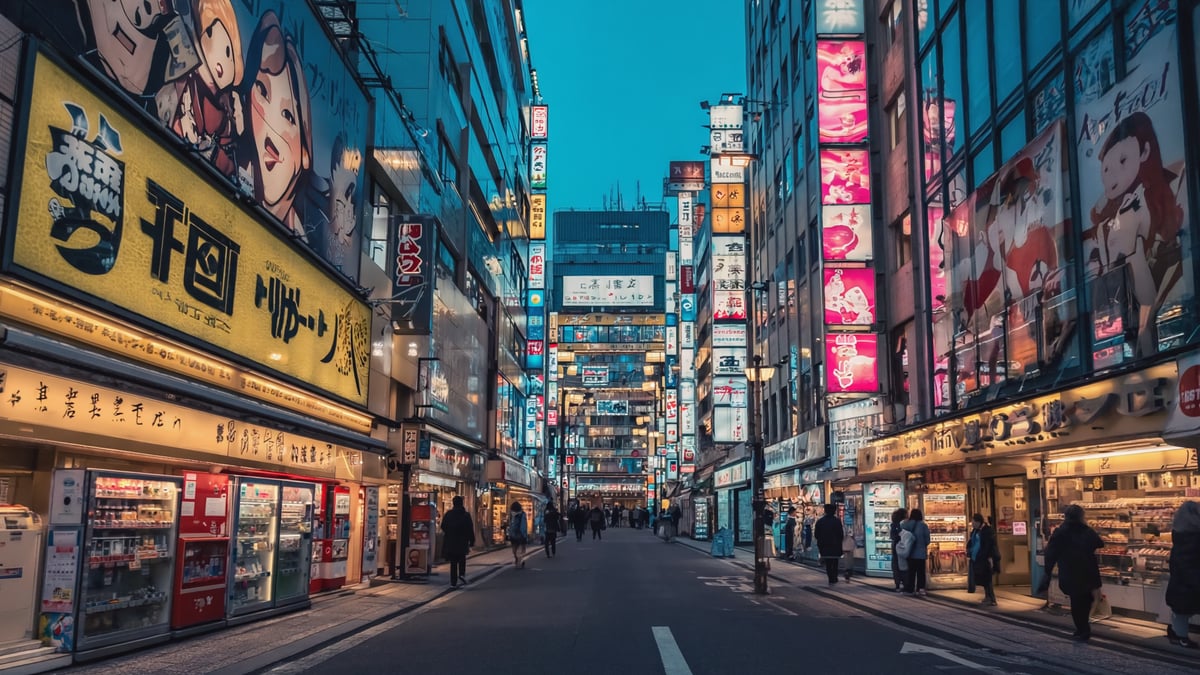
Tokyo is consistently ranked among the world's safest major cities, and violent crime against tourists is vanishingly rare. That said, there are practical considerations and cultural norms that will significantly improve your experience — and help you avoid inadvertently causing offence.
Safety & Health
Personal safety in Tokyo is genuinely exceptional. Pickpocketing is rare, street harassment is uncommon, and women travelling solo report feeling safer in Tokyo than in most European capitals. That said, standard travel awareness applies: keep an eye on your belongings in crowded areas, and be cautious in Kabukichō at night if you are not familiar with how to navigate entertainment districts.
Health requirements: There are no compulsory vaccinations for UK travellers visiting Japan, but the NHS recommends being up to date on routine vaccinations. Travel insurance is strongly advised — Japan's healthcare is excellent but not free for foreign visitors, and costs can be substantial. Ensure your policy covers medical evacuation. The European Health Insurance Card (EHIC) does not apply in Japan.
Pharmacy access: Japanese pharmacies (drug stores) are plentiful and well-stocked, but medication names and packaging differ from UK versions. Bring any prescription medications in their original packaging with a doctor's letter, particularly for controlled substances. Some medications freely available in the UK are restricted in Japan — check the Japanese Ministry of Health guidelines before travel if you take regular medication.
Cultural Etiquette
Japan's social norms around respect and consideration for others are more codified than in most Western cultures. Understanding a few key rules will make your interactions smoother and more rewarding:
- Shoes off indoors: Remove your shoes when entering traditional accommodation (ryokan), many restaurants, temples, and some private homes. Look for a step up at the entrance (genkan) as your cue.
- Quiet on public transport: Mobile phone calls on trains and buses are considered rude — keep your phone on silent and speak quietly if at all. Priority seating for elderly, disabled, and pregnant passengers is taken seriously.
- No eating while walking: It is considered poor form to eat and walk simultaneously in Japan. Stand to one side, or find a bench. The exception is festival street food, where it is socially acceptable.
- Chopstick etiquette: Do not stick chopsticks upright in rice (associated with funeral rites) and do not pass food directly chopstick-to-chopstick (also a funeral custom). Rest them on the chopstick holder provided.
- Tipping: Do not tip. Tipping is not practised in Japan and can be perceived as rude or confusing. Exceptional service is simply expected — no additional reward is required or appropriate.
- Queuing: Tokyo's queuing culture is immaculate. Join the queue, wait your turn, and do not push. Train platform queuing lines are marked on the ground and universally respected.
- Rubbish bins: Public bins are extremely rare in Tokyo — a legacy of a 1995 sarin gas attack in which rubbish bins were used to conceal devices. Carry a small bag for your rubbish and dispose of it at your hotel or a convenience store.
Packing Essentials for Tokyo
- Comfortable walking shoes — you will walk 15,000–25,000 steps per day in a city this dense
- A small towel and handkerchief (some public toilets lack hand dryers or paper towels)
- Pocket WiFi or international SIM — essential for navigation; rent pocket WiFi at the airport or order in advance for delivery to your hotel
- Type A travel adapter for Japanese plug sockets
- Cash (yen) — carry more than you think you need, especially for smaller venues
- Lightweight rain layer — Tokyo's weather can shift quickly, especially in spring and autumn
- Modest clothing for temple visits — not required to cover up, but comfortable, non-revealing clothing is appropriate
Connectivity & Navigation
Google Maps works exceptionally well in Tokyo for navigation, including train route planning with real-time updates. For offline backup, the Maps.me app with a downloaded Japan map is useful. Pocket WiFi rental (available from airport kiosks or pre-ordered from providers like Japan Wireless or IIJmio) typically costs ¥700–¥1,200 (£3.70–£6.30) per day and allows multiple devices to connect simultaneously — ideal for couples or families.
Frequently Asked Questions About Visiting Tokyo
Do UK citizens need a visa to visit Tokyo?
No. British passport holders can visit Japan visa-free for up to 90 days for tourism or business purposes. You will need a valid passport, a return ticket, and proof of accommodation or sufficient funds. It is recommended to complete the Visit Japan Web pre-registration for immigration and customs before departure.
What is the best time of year to visit Tokyo?
The two optimal windows are late March to early April (cherry blossom season) and October to November (autumn foliage, comfortable temperatures, moderate crowds). If you want to avoid peak pricing and crowds, November is arguably the single best month to visit. Winter (December–February) is affordable and quiet, while summer (July–August) is hot and humid but rich in festivals.
How much spending money do I need for a week in Tokyo?
For a mid-range week in Tokyo (excluding flights and accommodation), budget approximately £600–£1,000 per person. This covers three meals a day at a mix of restaurants and street food, public transport, major attractions, and a reasonable amount of shopping. Budget travellers can manage on £400–£600; luxury travellers should budget £1,500+.
Is Tokyo safe for solo female travellers?
Yes — Tokyo is widely considered one of the safest cities in the world for solo female travellers. Violent crime is rare, street harassment is uncommon, and the city is extremely well-lit and well-policed. Women-only train carriages are available on most lines during rush hours. Standard travel awareness is always advisable, but Tokyo presents significantly fewer safety concerns than most major Western cities.
How do I get around Tokyo?
The Tokyo Metro and Toei Subway systems, combined with JR rail lines, form one of the world's most comprehensive urban rail networks. A Suica or Pasmo IC card covers virtually every journey. Google Maps provides accurate, real-time navigation across the entire network. Taxis exist but are expensive — use them for late-night journeys when trains have stopped running (trains typically stop around midnight and resume at 5am).
Can I use the Japan Rail Pass in Tokyo?
The Japan Rail Pass covers JR (Japan Railways) lines, including the Yamanote Line that loops around central Tokyo, and Shinkansen bullet trains for intercity travel. It does not cover Tokyo Metro or Toei subway lines — for those, use your IC card. If you are planning to travel outside Tokyo (Kyoto, Osaka, Hiroshima), the JR Pass often represents excellent value. Purchase it before departure from the UK — it is significantly more expensive if bought in Japan.
What language barriers should I expect in Tokyo?
English is widely spoken in tourist-heavy areas, major hotels, and transport hubs. Most menus in popular areas have photos or English translations. Outside central tourist zones, English proficiency drops significantly — a translation app (Google Translate with camera function) is invaluable. Learning a handful of basic Japanese phrases (arigatō gozaimasu — thank you; sumimasen — excuse me; eigo wa hanasemasuka — do you speak English?) will be genuinely appreciated.
Is it hard to find vegetarian or vegan food in Tokyo?
It requires more effort than in many Western cities, but it is entirely manageable with preparation. Many Japanese dishes that appear vegetarian contain dashi (fish stock) — always verify. Dedicated vegetarian and vegan restaurants exist, particularly in Shibuya, Aoyama, and around Shimokitazawa. The HappyCow app is a useful resource. Indian and Middle Eastern restaurants (found in most central neighbourhoods) offer reliable vegetarian options.
What should I know about Japanese onsen (hot spring baths)?
Onsen are communal hot spring baths where bathers are unclothed — swimwear is not worn in the baths themselves. Men and women bathe separately. You wash thoroughly at a shower station before entering the communal bath. Most onsen prohibit entry if you have visible tattoos. This policy is slowly evolving in some tourist-focused facilities, but it remains the norm. If you have tattoos, check the specific venue's policy before visiting.
Should I buy a travel card or single tickets for Tokyo transport?
Always buy an IC card (Suica or Pasmo) rather than individual tickets. It is faster, simpler, and fractionally cheaper per journey. You can top it up at any station machine with cash. It also works at convenience stores, vending machines, and many cafés and restaurants throughout the city. If you lose it, registered cards can be recovered at station offices.
Can I do a day trip to Mt Fuji from Tokyo?
Yes — Mt Fuji and the surrounding Fuji Five Lakes region are accessible as a day trip from Tokyo, approximately 100km west of the city. The most popular base is Lake Kawaguchiko. Take a highway bus from Shinjuku Expressway Bus Terminal (approximately 2 hours, ¥1,800–¥2,000 each way). Alternatively, the Fujikyu Railway from Otsuki connects to Kawaguchiko. Note that climbing Mt Fuji is only possible July–mid-September, and 2026 regulations include access fees and crowd control measures on the main trails.
How far in advance should I book a Tokyo holiday?
For travel during cherry blossom season (late March–early April) or Golden Week (late April–early May), book at least 3–4 months in advance — ideally 6 months for the best hotel rates. For autumn travel (October–November), 2–3 months ahead is generally sufficient for good availability. For winter travel (December–February), last-minute deals can sometimes be found, though the most desirable hotels fill up around New Year.
Ready for Tokyo? Here Is Why 2026 Is the Year to Go
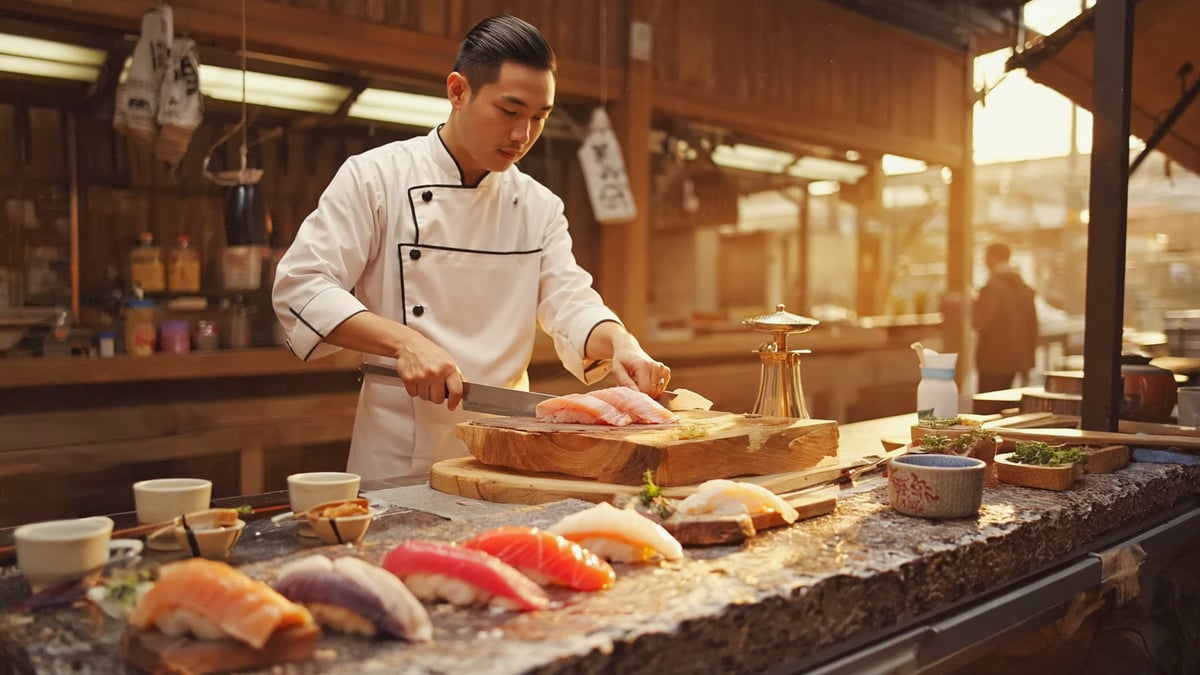
There is a particular version of Tokyo that exists only in the imagination before you visit — a city of neon and cherry blossoms, of robots and monks, of incomprehensible density and unexpected calm. The remarkable thing is that the real Tokyo is better than that imagined version. It is more layered, more surprising, more generous to the curious visitor than almost anywhere else on earth.
In 2026, Tokyo sits at a fascinating inflection point. The city has absorbed the post-pandemic surge of international visitors and responded by upgrading its tourist infrastructure, expanding English-language signage and digital services, and opening extraordinary new cultural destinations — from the reimagined teamLab Borderless to a new wave of boutique hotels in neighbourhoods that were previously off the international radar. The Japan National Tourism Organisation has invested significantly in making the country more accessible and welcoming to international visitors, and it shows.
A 7-night trip barely scratches the surface — Tokyo rewards return visits, deeper explorations, and the kind of slow, unhurried travel that lets the city reveal itself on its own terms. But a first visit, well-planned and genuinely engaged, will leave you changed in small but lasting ways: a different relationship with public space, with food, with the extraordinary efficiency of a city that somehow functions at human scale despite its superhuman size.
GlobeHunters' Tokyo package — 7 nights with flights from the UK and hotel accommodation included from £1,499 per person — is one of the most competitive ways to make this trip a reality. With real-time pricing and curated accommodation options across the city's best neighbourhoods, it takes the logistical complexity out of what can feel like an overwhelming destination to plan.
Book Your Tokyo Holiday Now
GlobeHunters offers holiday packages including flights and hotels at competitive prices. 7 nights in Tokyo, flights from the UK included — from £1,499 per person.
View Package & Prices →Or call us: 0208 944 4514
Ready to Book Your Tokyo Holiday?
Our travel experts are ready to help you plan the perfect trip. Call us today or browse our latest deals.
Ready to Start Planning?
Speak to our travel experts for personalised advice and the best deals on your next holiday.
Call 0208 944 4514Holiday Packages You Might Like
Curated trips matched to this guide — flights, hotels & experiences included.
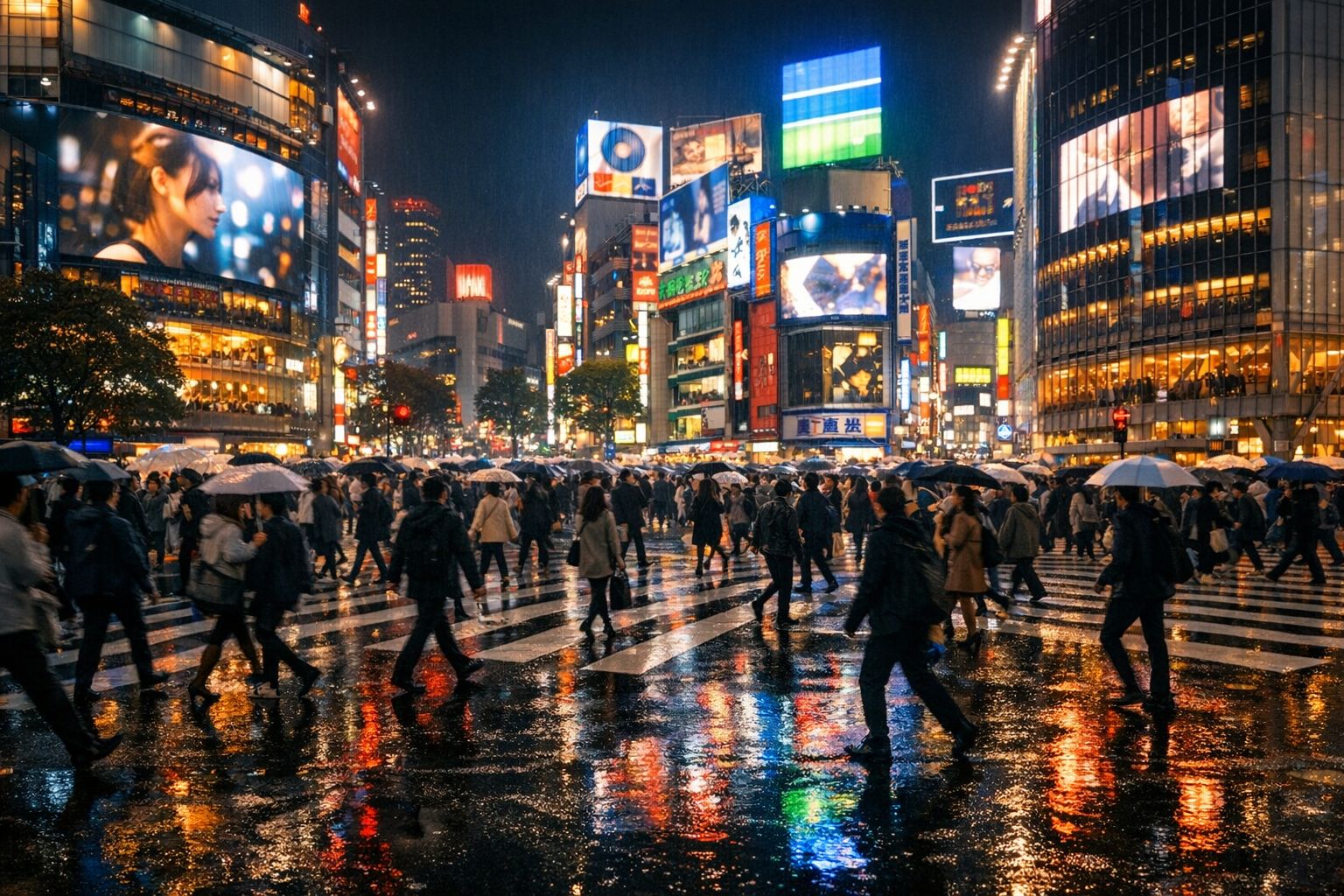
More Articles
Amalfi Coast vs. Santorini: Which Mediterranean Escape is Right for UK Travellers?
Amalfi Coast or Santorini? Compare scenery, costs, best areas & UK package prices to find your perfect Mediterranean holiday. Honest advice from GlobeHunters.
Maldives vs. Bora Bora: The Honest UK Traveller's Guide to Choosing Your Overwater Paradise
Maldives or Bora Bora? We compare costs, flights, resorts & experiences so UK travellers can choose the perfect luxury island escape. Packages from GlobeHunters.
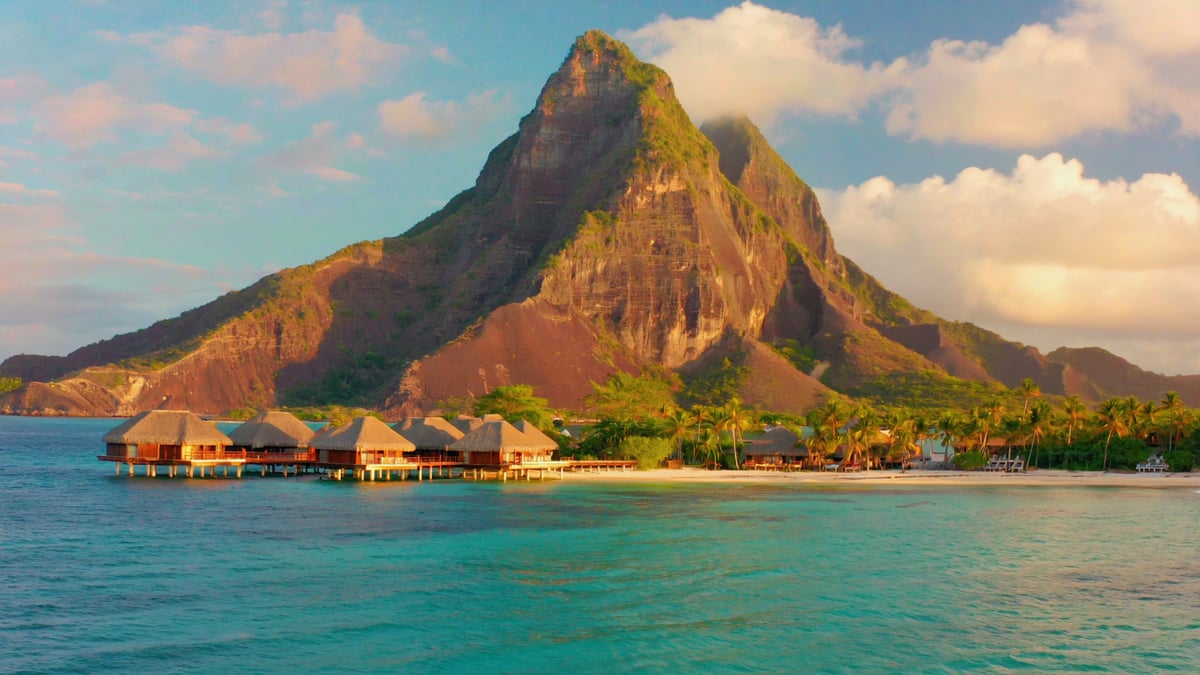
Bora Bora Holiday Guide: Overwater Bungalows, Lagoons & UK Package Deals
Plan your Bora Bora holiday from the UK. Discover overwater bungalows, turquoise lagoons & GlobeHunters package deals. Flights, hotels & activities included.