Picture this: it's just gone 6am in the Old Quarter of Hanoi, and the streets are already humming. Women in conical hats balance bamboo poles across their shoulders, each end loaded with baskets of fresh herbs and dragon fruit. A man crouches on a low plastic stool, slurping a bowl of pho that's been simmering since midnight. Motorbikes weave past in streams so fluid they seem choreographed. The air smells of charcoal, jasmine, and something frying in a wok around the corner. You haven't ordered your first coffee yet, and Vietnam has already done something to you — lodged itself somewhere deep, the way only a handful of places in the world ever do.
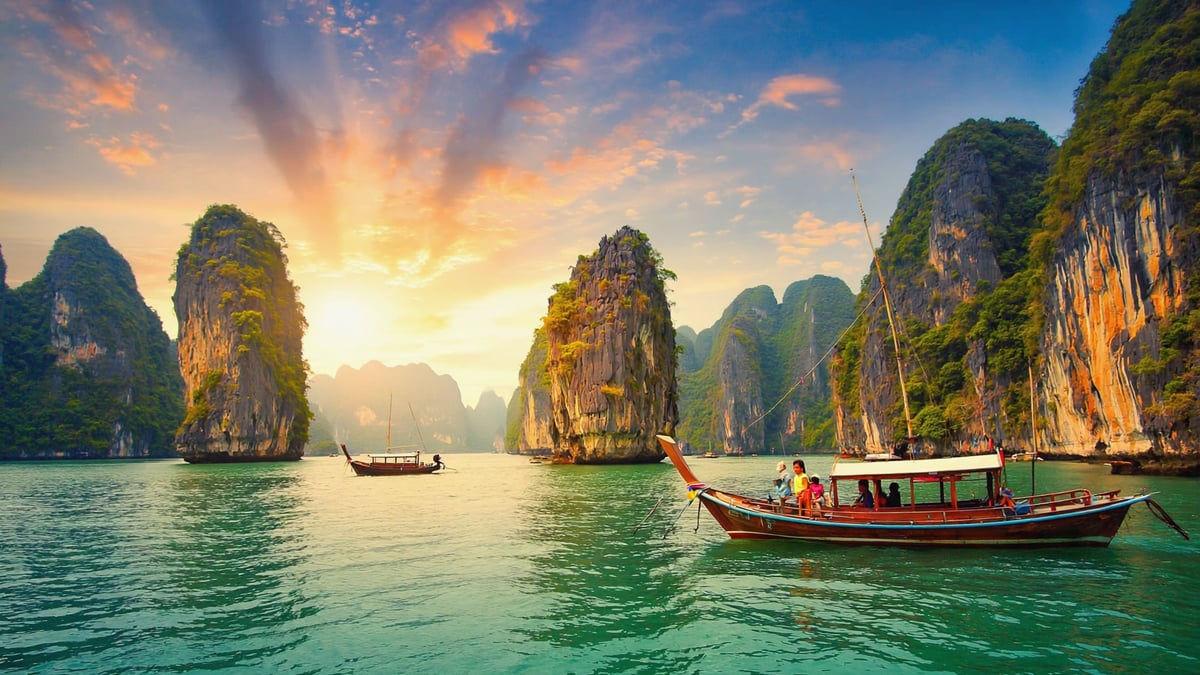
Vietnam is, quite simply, one of the most rewarding destinations on earth for UK travellers willing to venture beyond the European circuit. It offers a range of experiences that few single countries can match: the lantern-lit canal streets of Hoi An, the karst limestone towers erupting from the jade waters of Ha Long Bay, the frenetic energy of Ho Chi Minh City, the terraced rice paddies of Sapa glowing gold in the autumn light. And in 2026, with improved flight connections from the UK, a booming hospitality scene, and a Vietnamese tourism infrastructure that has matured enormously, there has arguably never been a better moment to go.
This guide covers everything a UK traveller needs to plan a Vietnam holiday in 2026 — from the best time to visit and where to stay, to daily budgets, street food must-eats, and the practical information that separates a smooth trip from a stressful one. Whether you're planning a two-week adventure, a honeymoon, or a family holiday with a mixed itinerary, read on.
Book Your Vietnam Holiday Now
GlobeHunters offers Vietnam holiday packages including flights and hotels at competitive prices, with packages starting from £999pp.
View Vietnam Packages & Prices →Or call us: 0208 944 4514
Vietnam in 2026: Destination Overview for UK Travellers
Vietnam is a long, narrow country in Southeast Asia stretching approximately 1,650 kilometres from north to south along the eastern coast of the Indochinese Peninsula. It borders China to the north, Laos and Cambodia to the west, and the South China Sea to the east. With a population of over 98 million people and a landmass roughly the size of Germany, it packs extraordinary geographic and cultural diversity into a single destination — from the mountainous north to the rice-paddy Mekong Delta in the south.
The official language is Vietnamese, a tonal language that UK visitors will find challenging to learn beyond basic pleasantries — though English is widely spoken in tourist areas, hotels, and restaurants in major cities. The currency is the Vietnamese Dong (VND). In 2026, exchange rates hover around 30,000–32,000 VND to the pound, meaning that prices often appear eye-wateringly large in local currency (a bowl of pho might cost 60,000 VND — roughly £2). It's worth downloading a currency converter app before you travel to avoid confusion at markets.
Vietnam operates on Indochina Time (ICT), which is GMT+7 — seven hours ahead of UK time in winter and six hours ahead during British Summer Time. This makes keeping in touch with family back home relatively easy, as an evening meal in Vietnam coincides with a lunchtime call in the UK.
Visa Requirements for UK Travellers in 2026
This is the piece of practical information that most UK travellers miss when researching Vietnam. Since August 2023, UK passport holders can enter Vietnam visa-free for stays of up to 45 days. This is a significant and welcome development — previously, British travellers needed to apply for an e-visa or a letter of approval in advance. The 45-day visa exemption applies on arrival and covers both single and multiple entries within a 90-day period. Always check the latest entry requirements via the UK Government's official Vietnam travel advice before booking, as regulations can change.
For stays longer than 45 days, or for digital nomads planning extended trips, the Vietnamese e-visa system remains available and is straightforward to apply for online. Vietnam has three major international airports: Noi Bai International Airport (HAN) in Hanoi, Tan Son Nhat International Airport (SGN) in Ho Chi Minh City, and Da Nang International Airport (DAD) serving central Vietnam.
Vietnam uses Type A and Type C electrical sockets, with a standard voltage of 220V — UK travellers will need a travel adaptor. The country's mobile network coverage is excellent across cities and tourist corridors, and local SIM cards offering generous data allowances can be purchased at the airport for the equivalent of just a few pounds.
When Is the Best Time to Visit Vietnam?
The best time to visit Vietnam overall is from November to April, when the north and central regions are at their most pleasant and the south is dry and sunny. However, because Vietnam is so long geographically, its climate varies dramatically from region to region — meaning the "right" time to visit depends heavily on which parts of the country you plan to explore.
North Vietnam (Hanoi, Ha Long Bay, Sapa)
The north experiences four distinct seasons. October to December brings cool, dry weather — arguably the most pleasant conditions for exploring Hanoi's Old Quarter and cruising Ha Long Bay. Temperatures sit comfortably between 18°C and 25°C, the air is clear, and the light is beautiful for photography. January and February can be genuinely cold in the mountains around Sapa (sometimes dipping below 10°C), and the bay can be misty — atmospheric, but not ideal for visibility. May to September is typhoon season in the north, bringing heavy rain and occasionally rough seas on Ha Long Bay.
Central Vietnam (Hoi An, Da Nang, Hue)
Central Vietnam follows a more complex weather pattern. February to May is the prime window — warm, dry, and sunny, with beach conditions at their best around Da Nang. October and November bring heavy rainfall to this region (the reverse of the north), and flooding can occasionally disrupt travel in Hoi An. June to August is hot and humid, but largely dry — popular with Vietnamese domestic tourists.
South Vietnam (Ho Chi Minh City, Mekong Delta, Phu Quoc)
The south has just two seasons: wet and dry. The dry season runs from December to April, and this is overwhelmingly the best time to visit Ho Chi Minh City and the Mekong Delta. Temperatures hover around 28–33°C with abundant sunshine. The wet season (May to November) brings afternoon thunderstorms — often heavy but short-lived — and the humidity becomes intense.
Festival Highlights
Tết (Vietnamese Lunar New Year) falls in late January or early February and is the most important festival in the Vietnamese calendar. It's a magnificent cultural spectacle — streets are decorated with peach blossoms and kumquat trees, fireworks light up the cities, and the atmosphere is electric. However, UK travellers should be aware that many businesses close for up to a week during Tết, transport is heavily booked, and prices spike significantly. Travelling during Tết is rewarding if planned well in advance.
Other notable events include the Hoi An Lantern Festival (monthly on the full moon, with the most elaborate celebrations in January and February), the Hue Festival (a major cultural arts festival held every two years), and the Mid-Autumn Festival (Tết Trung Thu) in September or October, which is particularly charming in towns and rural areas.
Recommended window for most UK travellers: November to early April, with October an excellent shoulder-season choice for the north. Book flights and accommodation at least three months in advance for this peak period.
Where to Stay in Vietnam: A Neighbourhood-by-Neighbourhood Guide
Vietnam offers accommodation options across every budget tier, from dormitory beds in backpacker hostels to world-class resort properties on private beaches. The key is choosing the right base for your itinerary, as the country's geography means that staying in the wrong area can add unnecessary travel time.
Hanoi
Hanoi's Old Quarter (Hoàn Kiếm District) is where most first-time visitors stay, and for good reason: it puts you within walking distance of Hoan Kiem Lake, the night market, and the best street food in the city. It's noisy, atmospheric, and endlessly fascinating. Budget travellers will find excellent hostels and guesthouses here from around £10–£18 per night. Mid-range options — boutique hotels with rooftop pools and excellent service — typically run £45–£90 per night. For luxury, the West Lake area (Tây Hồ) offers a calmer, more residential feel with upscale hotels and lakeside restaurants; expect to pay £120–£250+ per night at premium properties.
Ho Chi Minh City (Saigon)
District 1 is the beating commercial heart of HCMC and the most convenient base for first-time visitors. It contains the main sights — the Reunification Palace, Notre-Dame Cathedral, the War Remnants Museum — along with a dense cluster of restaurants, bars, and hotels. Mid-range hotels here typically cost £50–£100 per night. For a more local, less tourist-heavy experience, District 3 offers charming French colonial architecture, excellent coffee shops, and a neighbourhood feel, usually at slightly lower prices. Luxury travellers should look at the hotels along the riverfront in District 1, where rates for premium rooms start around £150 per night.
Hoi An
Hoi An's accommodation scene divides neatly into two zones. The Ancient Town area is atmospheric and central, ideal for couples who want to step out of their hotel door and into the lantern-lit streets. However, no large vehicles can enter the Ancient Town, so getting around requires a short walk or bicycle ride. The An Bang Beach and Cua Dai Beach areas, a short cycle away, host a growing number of boutique resorts and guesthouses with pool access — ideal for families or anyone wanting a beach-and-culture combination. Mid-range resorts with pools start from around £60–£90 per night.
Ha Long Bay
For Ha Long Bay, your accommodation is typically the cruise boat itself. Overnight cruises are the most popular and rewarding way to experience the bay, ranging from budget junks (around £60–£80 per person per night, all-inclusive) to luxury cruise boats with private balconies, spas, and fine dining (£200–£400+ per person per night). GlobeHunters packages typically bundle a two-night Ha Long Bay cruise as part of a wider Vietnam itinerary.
| Destination | Budget (per night) | Mid-Range (per night) | Luxury (per night) |
|---|---|---|---|
| Hanoi (Old Quarter) | £10–£20 | £45–£90 | £120–£250+ |
| Ho Chi Minh City (Dist. 1) | £12–£22 | £50–£100 | £150–£350+ |
| Hoi An (Ancient Town) | £10–£18 | £40–£80 | £100–£220+ |
| Ha Long Bay (cruise) | £60–£80 pp/night | £100–£180 pp/night | £200–£400+ pp/night |
| Phu Quoc Island | £15–£25 | £55–£110 | £150–£400+ |
Top Things to Do in Vietnam: 10 Experiences Worth Travelling Halfway Around the World For
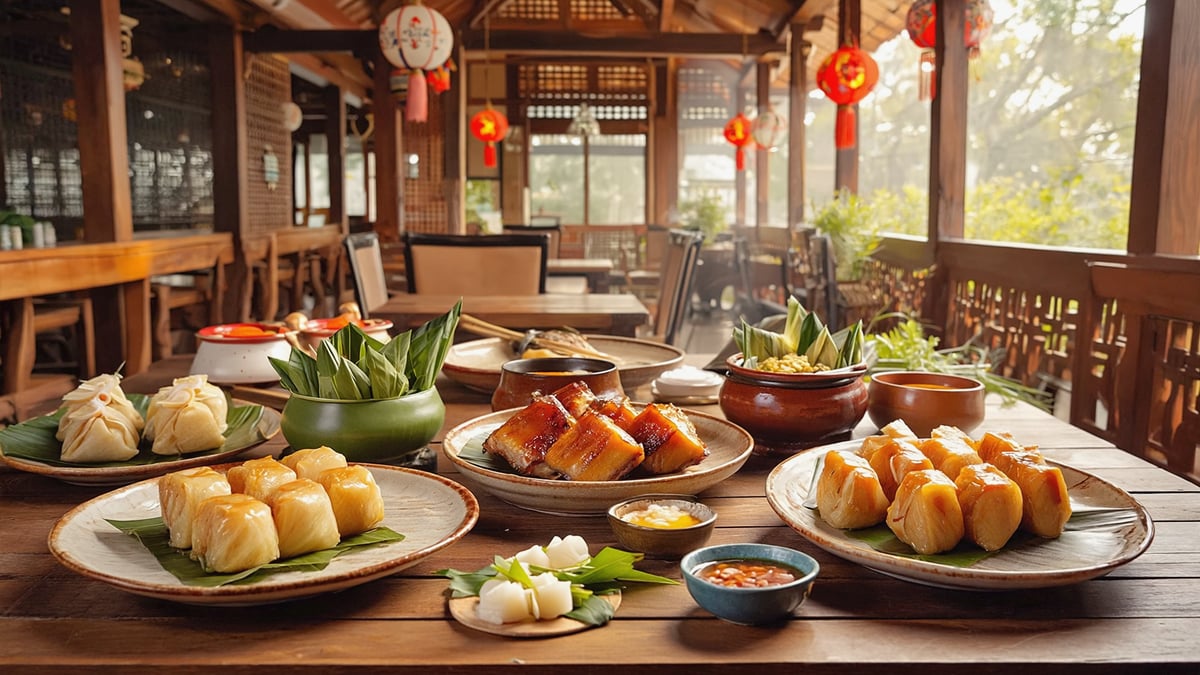
Vietnam's appeal lies in its extraordinary range — in a single two-week trip, you can cruise past limestone islands, explore ancient temples, learn to cook Vietnamese food, and sit in a French colonial café watching the world go by. Here are the ten experiences that define a Vietnam holiday in 2026, with practical details for UK travellers.
1. Overnight Cruise on Ha Long Bay
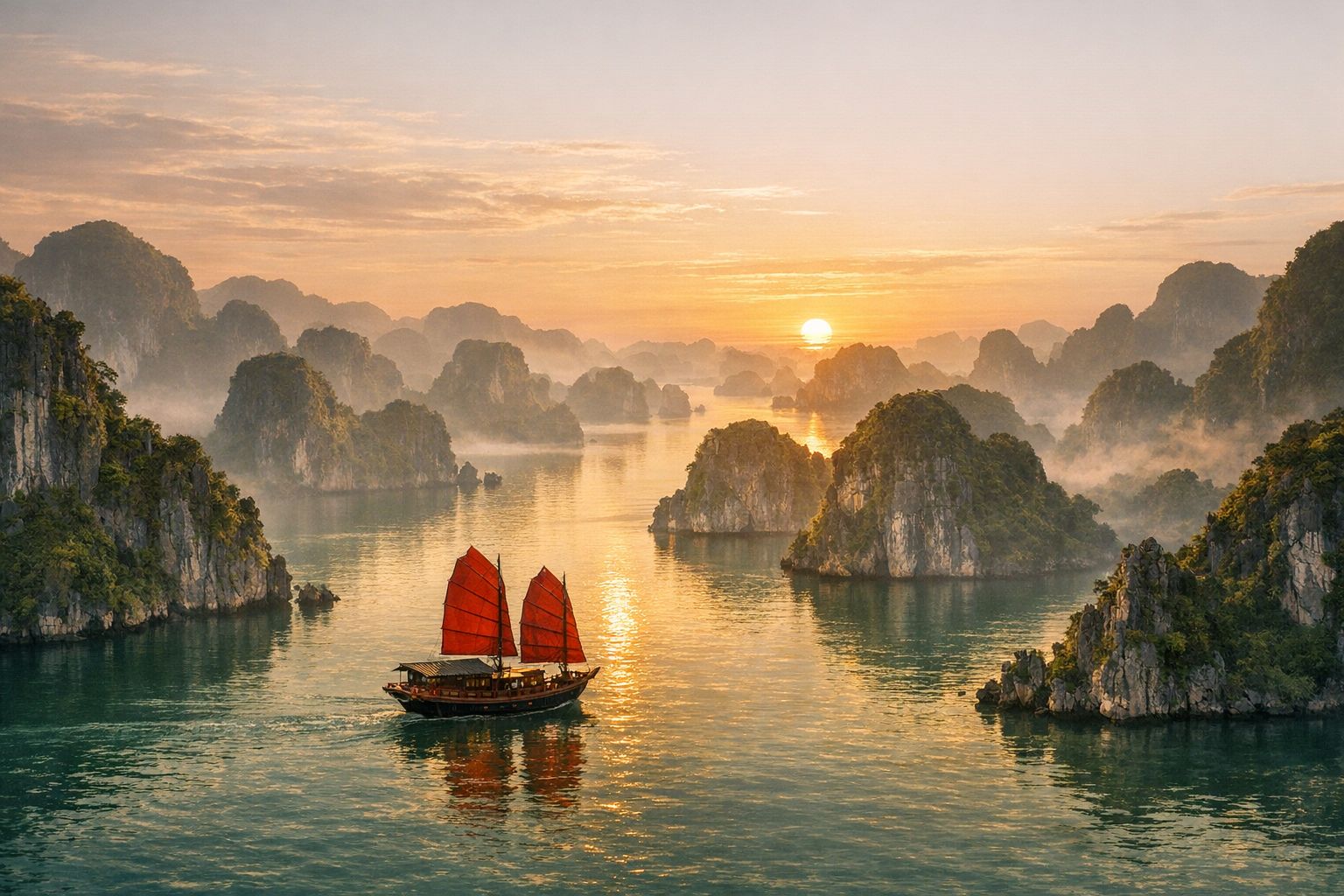
A Ha Long Bay holiday is arguably the centrepiece of any Vietnam itinerary and one of the most visually extraordinary experiences in all of Southeast Asia. Designated a UNESCO World Heritage Site, the bay contains nearly 2,000 limestone karst islands rising vertically from emerald-green water, many riddled with caves and grottoes. An overnight cruise (minimum two days, one night — ideally two nights) allows you to kayak through sea caves, swim in sheltered lagoons, watch the sunrise over the islands, and visit floating fishing villages. Cruise prices range from approximately £60–£80 per person per night for budget operators to £200–£400+ for luxury vessels. Book through a reputable operator; GlobeHunters packages include vetted cruise options. Insider tip: opt for Lan Ha Bay or Bai Tu Long Bay as quieter alternatives to the most-visited sections of Ha Long Bay — equally stunning, fewer boats.
2. Wander Hanoi's Old Quarter
Hanoi's 36-street Old Quarter is one of the most compelling urban environments in Asia. Each street historically corresponded to a different trade — Hang Bac (silver), Hang Gai (silk), Hang Ma (votive paper) — and the area retains this artisan character today. The best way to experience it is on foot, getting deliberately lost. The Old Quarter is free to explore; admission to Hoan Kiem Lake and Ngoc Son Temple (on a small island in the lake) costs around 30,000 VND (approximately £1) and is well worth it. Visit early morning or late evening when the light is golden and the crowds thinner.
3. Visit the War Remnants Museum, Ho Chi Minh City
One of the most visited museums in Vietnam, the War Remnants Museum in HCMC offers a sobering and essential perspective on the American War (as it's known in Vietnam) and French colonial history. Entry costs 40,000 VND (approximately £1.30). Open daily from 07:30 to 18:00. Allow at least two hours; some exhibits are graphic and emotionally demanding. The museum's photo exhibitions — including images by internationally renowned photographers — are among the most powerful in Southeast Asia.
4. Take a Cooking Class in Hoi An
Hoi An is widely considered the culinary capital of Vietnam, and taking a cooking class here is one of the highlights of any Vietnam travel guide. Most classes begin with a guided tour of the local market, followed by hands-on instruction in preparing dishes like white rose dumplings, cao lầu noodles, and fresh spring rolls. Classes typically run four to five hours and cost £18–£35 per person, often including a boat trip on the Thu Bon River to reach the market. Book at least a day in advance during peak season.
5. Explore the Hoi An Ancient Town at Night
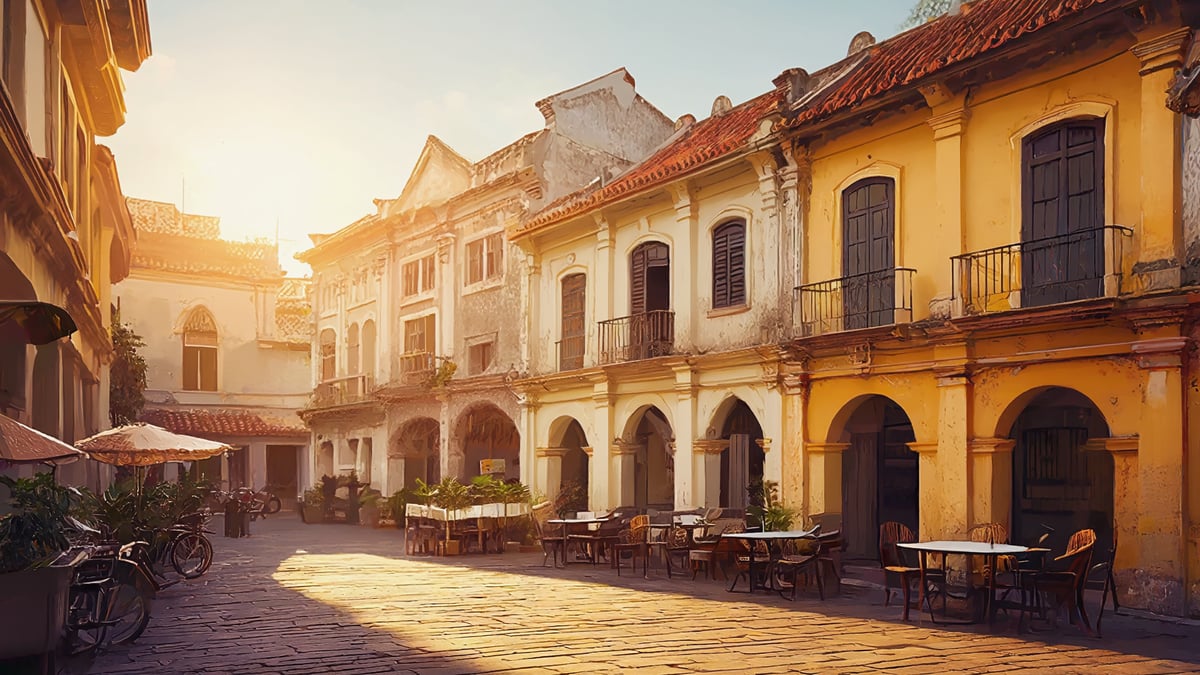
On the full moon each month, Hoi An holds its Lantern Festival — electric lights are turned off, the streets are lit by hundreds of coloured silk lanterns, and the Thu Bon River glows with floating candles. Even on non-festival nights, the Ancient Town after dark is magical: the yellow-washed merchant houses glow softly, tailor shops spill light onto the cobblestones, and the night market hums with activity. Entry to the Ancient Town (which funds its preservation) costs 120,000 VND (approximately £4) and covers admission to five heritage sites within the town.
6. Trek in Sapa and the Northern Highlands
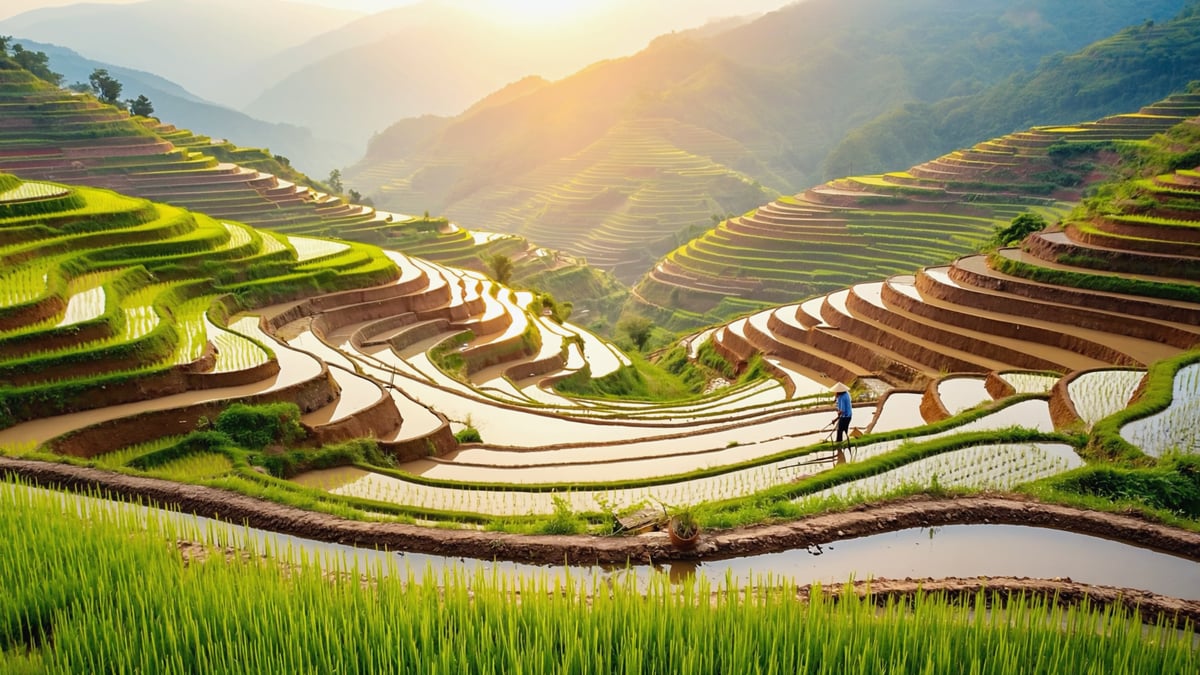
The terraced rice paddies and ethnic minority villages around Sapa in northern Vietnam offer some of the most spectacular trekking in Southeast Asia. The scenery — particularly in September and October when the rice turns golden — is extraordinary. Day treks to villages like Cat Cat or Lao Chai cost from around £10–£20 with a local guide; multi-day homestay treks can be arranged for £30–£60 per day including accommodation and meals. Sapa is accessible by overnight train from Hanoi (approximately 8 hours) or by road.
7. Day Trip to the Cu Chi Tunnels
Located about 70 kilometres northwest of HCMC, the Cu Chi Tunnels are an extraordinary network of underground passages used by Viet Cong forces during the war. Visitors can crawl through sections of the tunnels (widened for tourist access), examine booby trap displays, and visit a shooting range. Entry costs 110,000–150,000 VND (approximately £3.50–£5). Half-day tours from HCMC cost from around £10–£20 including transport. Book early in the day to avoid the midday heat inside the tunnels.
8. Cruise the Mekong Delta
The Mekong Delta — a vast labyrinth of waterways, rice paddies, and floating markets south of HCMC — is a side of Vietnam that feels entirely removed from the cities. A day trip from HCMC typically costs £20–£35 and takes in floating markets, coconut candy workshops, and boat rides through narrow canals lined with water hyacinth. For a deeper experience, staying overnight in the delta town of Can Tho allows you to visit the famous Cai Rang Floating Market at dawn, before the tourist boats arrive.
9. Visit the Imperial City of Hue
Once the seat of the Nguyen dynasty, Hue is home to Vietnam's most impressive imperial architecture. The Imperial Citadel (Đại Nội) — a walled complex modelled on Beijing's Forbidden City — is the centrepiece; entry costs 200,000 VND (approximately £6.50). Open daily from 07:00 to 17:30. The city also offers excellent royal tombs (each a short motorbike or boat ride away), the Thien Mu Pagoda, and what many food critics consider the finest regional cuisine in Vietnam. Hue is accessible by train from both Hanoi and Da Nang.
10. Motorbike Along the Hai Van Pass
One of the most iconic road journeys in Vietnam, the Hai Van Pass (Cloud Pass) connects Hue and Da Nang through 21 kilometres of mountain switchbacks with staggering ocean views. Made famous by the BBC's Top Gear, it remains one of the great scenic drives of Southeast Asia. Hiring a motorbike in Da Nang or Hue costs from around £7–£12 per day; guided motorbike tours run approximately £20–£35. Confident riders can tackle it independently; alternatively, book an Easy Rider tour with a local guide.
Food & Dining in Vietnam: What, Where, and How to Eat Like a Local
Vietnamese cuisine is one of the most celebrated in the world — fresh, balanced, and extraordinarily varied by region. It relies on the interplay of contrasting flavours: salty fish sauce, sour lime, sweet palm sugar, bitter herbs, and the gentle heat of fresh chillies. Unlike many Southeast Asian cuisines, Vietnamese food uses relatively little oil and relies heavily on fresh herbs, making it one of the healthier culinary traditions in the region.
Essential Dishes to Try
Phở is the dish most associated with Vietnam internationally — a deeply flavoured broth (beef or chicken) served with rice noodles, thinly sliced meat, and a plate of fresh herbs, bean sprouts, and lime on the side. It's a breakfast dish in the north; in the south, it's eaten at any hour. A bowl at a street stall costs 50,000–80,000 VND (approximately £1.60–£2.60).
Bánh mì is the great legacy of French colonialism: a crisp baguette stuffed with a combination of pâté, cold cuts, pickled daikon and carrot, fresh coriander, and chilli. Available at street stalls and bakeries across the country for 20,000–40,000 VND (under £1.50) — and consistently one of the best value meals on earth.
Bún bò Huế (spicy beef noodle soup from Hue), cao lầu (thick noodles with pork and crispy rice crackers, unique to Hoi An), cơm tấm (broken rice with grilled pork, a HCMC staple), and bánh xèo (sizzling rice flour pancakes filled with shrimp and pork) are all essential eating. Vegetarians will find tofu and vegetable dishes widely available, particularly at Buddhist restaurants — look for the yellow banner with red text that marks a chay (vegetarian) restaurant.
Where to Eat
In Hanoi, Bun Cha Huong Lien — the restaurant visited by Barack Obama and Anthony Bourdain in 2016 — remains a pilgrimage site for food lovers, serving bun cha (grilled pork patties with noodles and dipping broth) for around 70,000 VND (approximately £2.30). The streets around Hoan Kiem Lake are lined with excellent pho and bun cha stalls operating from dawn.
In Hoi An, the Morning Glory restaurant (run by celebrated chef Trinh Diem Vy) is considered one of the finest Vietnamese dining experiences in the country, with mains running £4–£8. The Hoi An Central Market food stalls are excellent for lunch — try the white rose dumplings and cao lầu.
In Ho Chi Minh City, the Ben Thanh Market area is good for an introduction to street food, though prices are slightly tourist-inflated. Wander into Districts 3 or 4 for a more authentic experience. The city's café culture is exceptional — Vietnamese iced coffee (cà phê sữa đá, made with sweetened condensed milk) is a revelation, available from street carts for 20,000–30,000 VND (under £1).
For those with dietary requirements: gluten-free travellers should note that many Vietnamese dishes are naturally gluten-free (rice-based), but soy sauce is a common condiment and may contain wheat. Nut allergies are less of a concern than in Thai cuisine, though cashews and peanuts appear in some dishes. Always communicate allergies clearly — language cards in Vietnamese are a worthwhile investment.
Getting to Vietnam from the UK: Flights, Airlines, and Transfers
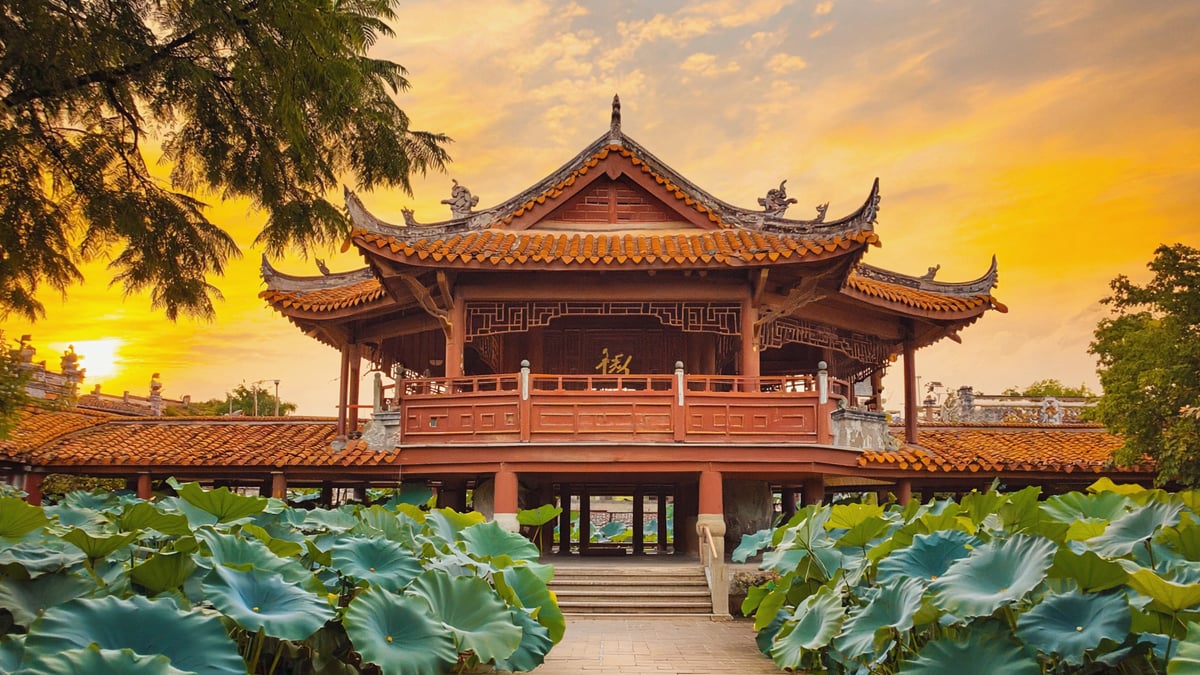
There are no direct flights from the UK to Vietnam in 2026; all routes require at least one stop, with total journey times typically ranging from 11 to 16 hours depending on the layover. This is a key planning consideration — the stopovers you choose significantly affect both price and comfort.
Main Airline Options
The most popular one-stop routes from London to Vietnam operate via Gulf hubs (Dubai, Doha, Abu Dhabi) with airlines including Emirates (via Dubai to Ho Chi Minh City or Hanoi), Qatar Airways (via Doha to Hanoi or Ho Chi Minh City), and Etihad (via Abu Dhabi). These routes are generally well-regarded for comfort and in-flight service on long-haul legs. Layover times typically run two to three hours.
Cathay Pacific (via Hong Kong), Singapore Airlines (via Singapore), Thai Airways (via Bangkok), and China Eastern/Southern (via Shanghai or Guangzhou) all offer competitive fares from London Heathrow or Gatwick. Asian carrier stopovers can offer the advantage of a longer layover in a destination worth exploring in its own right — a 24-hour Singapore stopover, for example, costs little extra and adds a genuine bonus destination.
Departure Airports
Most international routes operate from London Heathrow (LHR). Manchester (MAN) and Birmingham (BHX) also offer connecting services to Vietnam via Gulf hubs, which can significantly reduce travel time and cost for UK travellers based outside London. Always check total journey time (door-to-door) rather than just flight duration when comparing options.
Flight Costs
Economy class return fares from the UK to Vietnam typically range from approximately £450–£750 in shoulder season and £650–£1,100+ during peak periods (Christmas, New Year, and the school summer holidays). Business class returns start from around £2,200–£3,500 depending on the airline and booking window. Booking three to five months in advance generally yields the best prices. GlobeHunters' Vietnam package holidays from UK include flights within the package price, removing the need to search and book separately.
Internal Travel
Vietnam has excellent domestic flight connections between Hanoi, Da Nang, and Ho Chi Minh City — operated primarily by Vietnam Airlines and low-cost carriers Vietjet Air and Bamboo Airways. Fares can be remarkably cheap when booked in advance (sometimes under £20 one-way). The Reunification Express train running the length of the country is a slower but scenic alternative; the full Hanoi–Ho Chi Minh City journey takes around 30 hours, but shorter segments (Danang to Hue, for example) are excellent value and scenically beautiful.
Vietnam Budget Guide 2026: What to Expect to Spend Each Day
Vietnam remains one of the most affordable long-haul destinations for UK travellers, with a generous daily budget achievable at every tier. Prices have risen steadily in recent years — particularly in tourist hotspots like Hoi An and the Ha Long Bay cruise market — but Vietnam still offers exceptional value compared to most destinations at a similar geographic distance from the UK.
| Expense Category | Budget Traveller (per day) | Mid-Range Traveller (per day) | Luxury Traveller (per day) |
|---|---|---|---|
| Accommodation | £10–£18 | £45–£90 | £130–£300+ |
| Food & Drink | £6–£12 | £18–£35 | £50–£100+ |
| Local Transport | £2–£5 | £5–£15 | £15–£40 |
| Activities & Entrance Fees | £3–£8 | £10–£25 | £30–£80+ |
| Daily Total (excl. flights) | £21–£43 | £78–£165 | £225–£520+ |
For a two-week Vietnam holiday including return flights from the UK, a realistic all-in estimate for a mid-range couple travelling together would be approximately £1,800–£2,600 per person — covering flights, accommodation, food, activities, and internal travel. GlobeHunters' Vietnam package holidays from UK bundle flights and hotels from £999 per person, making them an extremely competitive option particularly when booked as part of a structured itinerary.
Money-saving tips: Eat at street stalls and local pho shops rather than tourist restaurants. Use Grab (Southeast Asia's equivalent of Uber) for city transport — it's cheap, reliable, and uses fixed pricing rather than negotiated fares. Book internal flights at least four to six weeks in advance. Avoid the tourist-facing motorbike taxi touts near major sights and use the Grab app instead.
Travel Tips & Safety: What UK Travellers Need to Know Before They Go
Vietnam is generally a safe destination for UK travellers, with low rates of violent crime against tourists. However, like any popular tourist destination, it has its share of petty crime and common scams that first-time visitors should be aware of. With sensible precautions and a little cultural awareness, the vast majority of visitors have entirely trouble-free trips.
Safety and Common Scams
Bag snatching from motorbikes is the most commonly reported crime against tourists, particularly in Ho Chi Minh City. Keep bags and camera straps across your body, away from the road side. Avoid displaying expensive cameras, phones, or jewellery unnecessarily. Taxi scams remain an issue in tourist areas — use the Grab app for all taxi journeys, or ensure the meter is running in legitimate cabs (Vinasun and Mai Linh are reputable metered taxi companies). The cyclo tour scam (agreeing on a price for a cyclo ride and being charged many times more on arrival) is well-documented; always confirm the total cost in writing before getting in.
In markets and with street vendors, bargaining is expected — but do so with good humour. A reasonable negotiation reduces the price by 20–40%; aggressive haggling is considered rude and is unnecessary given how inexpensive most items are. At fixed-price shops and supermarkets, the marked price is the price.
Health Considerations
UK travellers should consult their GP or a travel health clinic at least six to eight weeks before departure. Vaccinations commonly recommended for Vietnam include Hepatitis A, Typhoid, and Tetanus. Malaria prophylaxis is generally recommended only for travellers venturing into rural highland areas (particularly near the borders with Cambodia and Laos) — it is not typically required for standard tourist itineraries covering Hanoi, HCMC, Hoi An, and Ha Long Bay. Check the Travel Health Pro Vietnam country guide for the most current health recommendations.
Food safety: Stick to cooked street food served hot, bottled or filtered water (never tap water), and fruit you can peel yourself. Ice in restaurants and cafés in tourist areas is generally made from purified water, but it's worth being cautious in very rural areas. Sun protection is essential — Vietnam's UV index is extremely high, and sunburn can occur rapidly even on overcast days.
Cultural Etiquette
Vietnam is a predominantly Buddhist country with strong Confucian traditions. Dress modestly when visiting temples, pagodas, and religious sites — cover shoulders and knees, and remove shoes when indicated. Public displays of affection are generally frowned upon, particularly outside major cities. It is considered impolite to point the soles of your feet at another person or at a religious image — sit cross-legged or with feet tucked to the side. When visiting someone's home, it's customary to bring a small gift (fruit or sweets are appropriate).
Tipping culture: Tipping is not traditional in Vietnamese culture, but it is increasingly expected in tourist-facing businesses. A tip of 10–15% at restaurants is appreciated but not obligatory; rounding up taxi fares is a common practice. Tipping tour guides and cruise crew is customary — around £3–£5 per day for guides is a reasonable benchmark.
Packing Essentials
Vietnam's climate varies significantly by region and season, so packing layers is wise for anyone covering the north and south in the same trip. Essentials include: lightweight, breathable clothing (linen and cotton work well); a light rain jacket or packable umbrella for sudden downpours; comfortable walking shoes that can be slipped on and off easily (for temple visits); insect repellent with DEET; a universal travel adaptor; and a small first aid kit. A money belt for keeping cash and cards secure is strongly recommended for city travel.
Frequently Asked Questions: Vietnam Holiday 2026
Do UK citizens need a visa to visit Vietnam in 2026?
No. As of August 2023, UK passport holders can visit Vietnam visa-free for up to 45 days. This applies to both Hanoi and Ho Chi Minh City entry points. For stays longer than 45 days, an e-visa must be obtained in advance online. Always verify current requirements with the UK Government's foreign travel advice before departure.
What is the best time to visit Vietnam from the UK?
November to early April is generally the best overall window for UK travellers, particularly for covering both north and south Vietnam. The dry season in the south and the cool, clear weather in the north align during this period. October is an excellent shoulder-season option for the north. Avoid the May–September typhoon season for Ha Long Bay and the northern coast.
How long should I spend in Vietnam?
Most UK travellers find that two weeks (14 days) is the ideal minimum to cover Vietnam's highlights — Hanoi, Ha Long Bay, Hoi An, and Ho Chi Minh City — without feeling rushed. Three weeks allows the addition of Hue, Sapa, or the Mekong Delta. Given the journey time from the UK, a trip shorter than ten days is difficult to justify.
How much does a Vietnam holiday cost from the UK?
A two-week mid-range Vietnam holiday including return flights from the UK typically costs £1,800–£2,600 per person. Budget travellers can manage on less; luxury travellers can spend considerably more. GlobeHunters Vietnam package holidays from UK start from £999 per person, including flights and accommodation.
Is Vietnam safe for solo female travellers?
Vietnam is generally considered a safe destination for solo female travellers. Violent crime is rare, and the tourism industry is well-developed. The usual precautions apply: avoid poorly lit areas at night, be alert to bag snatching in cities, and use reputable transport (the Grab app is strongly recommended). Women travelling solo in Vietnam frequently report feeling safe and welcomed.
What is the currency in Vietnam and should I bring cash or card?
The currency is the Vietnamese Dong (VND). While card payments are increasingly accepted in hotels, upscale restaurants, and larger shops, cash remains essential for street food, markets, local transport, and smaller guesthouses. ATMs are widely available in cities and tourist areas. It's advisable to withdraw cash on arrival and carry a mix of cash and a low-fee travel card (such as Wise or Starling) to avoid excessive currency conversion fees.
What is Ha Long Bay and how do I visit it?
Ha Long Bay is a UNESCO World Heritage Site in northern Vietnam featuring nearly 2,000 limestone karst islands rising from emerald water. The most popular and rewarding way to visit is on an overnight cruise (two days, one night minimum) departing from Ha Long City or Tuan Chau Island. Cruise packages range from budget (around £60–£80 per person per night) to luxury (£200–£400+). Most travellers access Ha Long Bay from Hanoi, approximately 170 kilometres away by road (around three to four hours).
Do I need travel insurance for Vietnam?
Yes — travel insurance is strongly recommended and should include comprehensive medical cover, as healthcare in Vietnam can be expensive for foreign nationals requiring hospital treatment. Ensure your policy covers activities you plan to undertake, including motorbike riding, kayaking, or trekking if applicable. The UK government also strongly advises purchasing insurance before any international travel.
What language is spoken in Vietnam, and will I manage with English?
The official language is Vietnamese. In major cities, tourist areas, hotels, and restaurants catering to international visitors, English is widely spoken. In rural areas and local markets, communication can be more challenging — a translation app (Google Translate with offline Vietnamese pack downloaded) is invaluable. Learning a few basic Vietnamese phrases (xin chào for hello, cảm ơn for thank you) is warmly received.
What vaccinations do I need for Vietnam?
Commonly recommended vaccinations for Vietnam include Hepatitis A, Typhoid, and Tetanus. Depending on your itinerary, your GP or travel health clinic may also recommend Hepatitis B, Rabies, or Japanese Encephalitis vaccines. Malaria prophylaxis is generally required only for travel to specific highland/border areas — not for standard tourist routes. Consult a travel health clinic at least six to eight weeks before departure.
Can I drink the tap water in Vietnam?
No — tap water in Vietnam is not safe to drink. Use bottled water (widely available and inexpensive) or a filtered water bottle. Avoid ice in very rural areas, though ice in tourist restaurants and cafés is generally made from purified water. Brushing teeth with tap water is generally considered low-risk by most travel health advisors, but using bottled water is the safer option.
Is Vietnam suitable for families with children?
Yes — Vietnam is an excellent family destination. Children are warmly welcomed throughout Vietnamese culture, and the combination of beaches (Phu Quoc, Da Nang), cultural sites, boat trips, and food experiences appeals to a wide age range. Ha Long Bay cruises and cooking classes are particularly popular with families. The main practical challenges are the long flight time (11–14 hours with stopover) and the need to be vigilant about food hygiene for younger children.
Plan Your Vietnam Holiday 2026: Final Thoughts
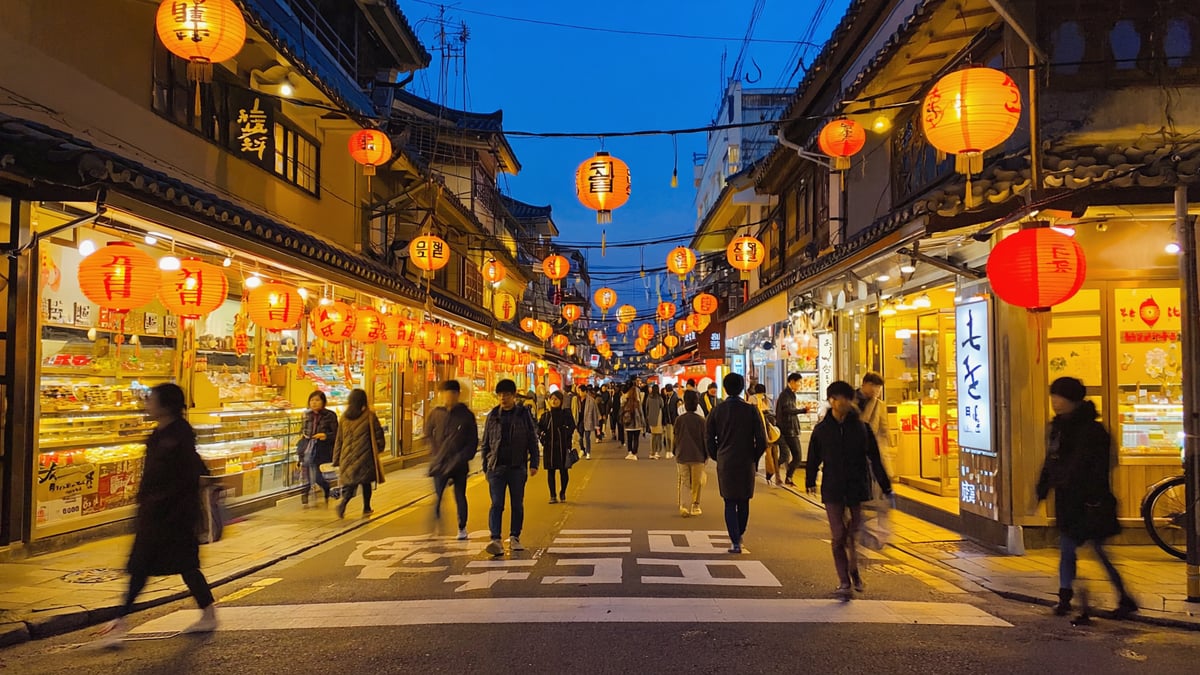
Back to that early morning in Hanoi's Old Quarter — the woman with the bamboo pole, the pho simmering since midnight, the motorbikes flowing like water around every obstacle. That scene plays out every single morning, and it will be playing out when you arrive. Vietnam does not perform for tourists; it simply continues being itself, and in doing so, it draws you in completely.
What makes Vietnam such a compelling destination for UK travellers in 2026 is precisely this authenticity — combined with a tourism infrastructure that has matured to the point where comfort and convenience are no longer compromised by adventure. You can sleep in a luxury cruise cabin on Ha Long Bay one night and eat a £2 bowl of pho on a plastic stool the next morning, and both experiences will feel equally essential to understanding the country.
The Vietnam travel guide sections above cover the practical fundamentals, but no guide can fully prepare you for the experience of being there: the smell of jasmine garlands at a temple entrance, the sound of a thousand motorbike horns creating a strange urban symphony, the moment a boat rounds a limestone headland and Ha Long Bay opens up before you in its entirety. These are the moments that explain why UK travellers who visit Vietnam almost universally say the same thing: they wish they'd gone sooner, and they're already thinking about going back.
If you're ready to start planning, GlobeHunters makes the process straightforward — Vietnam packages are available with flights, accommodation, and optional activities bundled together, with specialist advisors available to help design an itinerary that fits your time, budget, and travel style.
Book Your Vietnam Holiday Now
GlobeHunters offers Vietnam package holidays including flights and hotels at competitive prices, with packages starting from £999pp. Our specialists can help design your perfect itinerary across Hanoi, Ha Long Bay, Hoi An, and Ho Chi Minh City.
View Vietnam Packages & Prices →Or call us: 0208 944 4514
About the author
Spiros Maragkoudakis · Chief Commercial Officer
Ready to Book Your Vietnam Holiday?
Our travel experts are ready to help you plan the perfect trip. Call us today or browse our latest deals.
Ready to Start Planning?
Speak to our travel experts for personalised advice and the best deals on your next holiday.
Call 0208 944 4514